Taj Mahal Travel Guide 2026: Best Time to Visit, Timings, Tickets, Weather & Complete Agra Guide
Focus Keyphrase: best time to visit Taj Mahal Secondary Keywords: best time to visit Taj Mahal 2026 Taj Mahal travel guide 2026 Taj Mahal timings Taj Mahal opening time Taj Mahal ticket price Taj Mahal sunrise Taj Mahal sunset best month to visit Taj Mahal Agra travel guide 2026 Taj Mahal itinerary places to visit near Taj Mahal how to reach Taj Mahal Taj Mahal photography Taj Mahal weather Taj Mahal visiting hoursURL / Slug: https://rahulblogwl.com/best-time-to-visit-taj-mahal-2026/ Meta Description: Discover the best time to visit Taj Mahal in 2026, including weather, sunrise and sunset timings, tickets, opening hours, nearby attractions, travel tips and a complete Agra itinerary.
Best Time to Visit Taj Mahal 2026: Complete Travel Guide to Agra
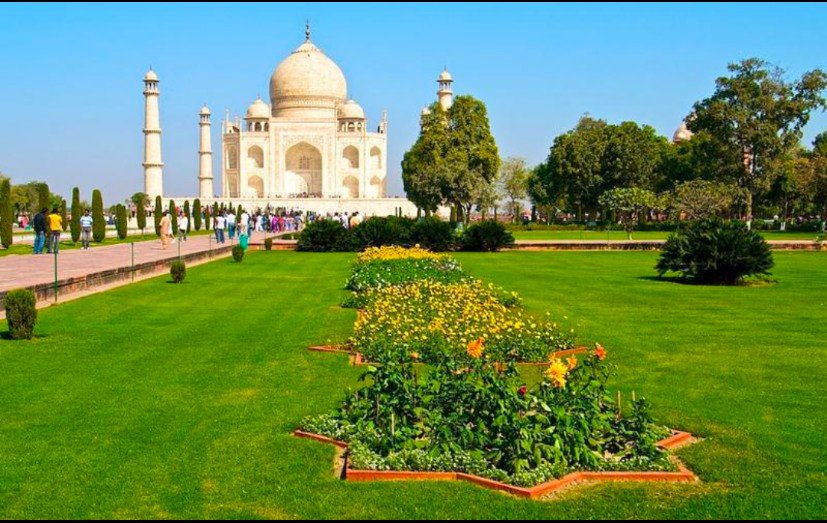
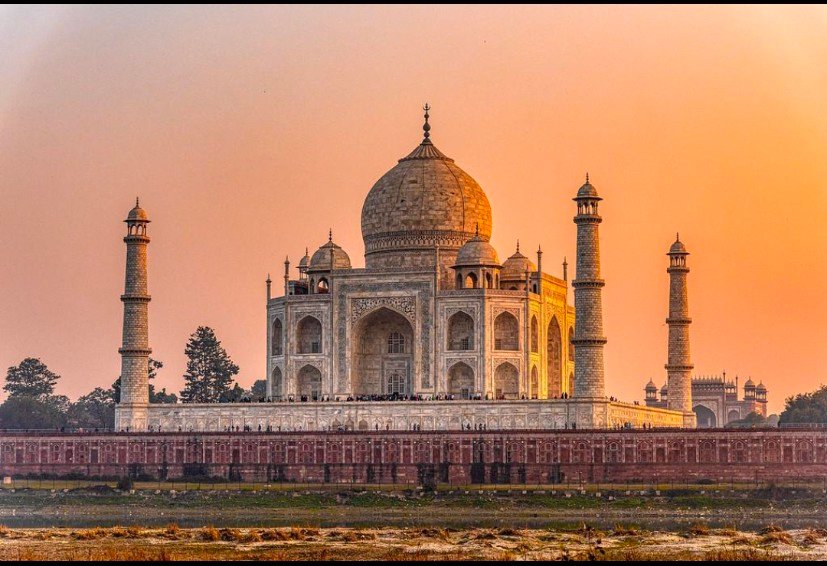
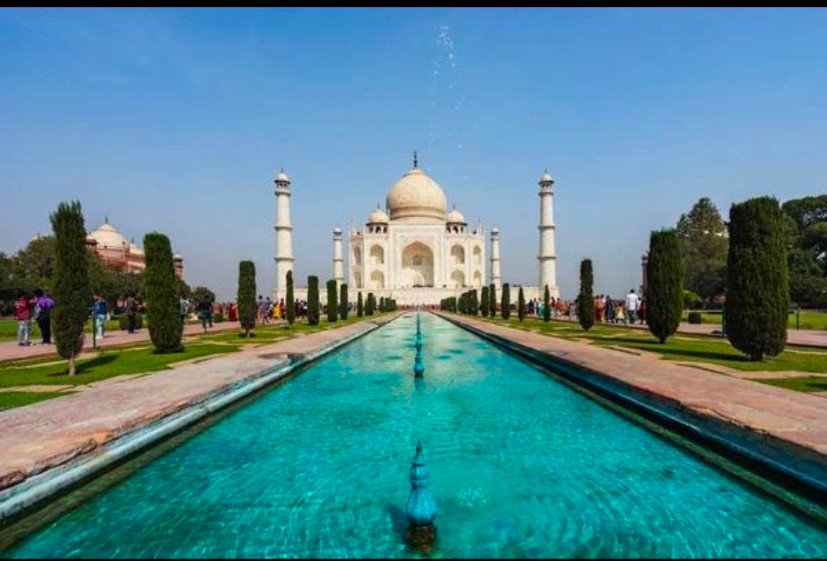
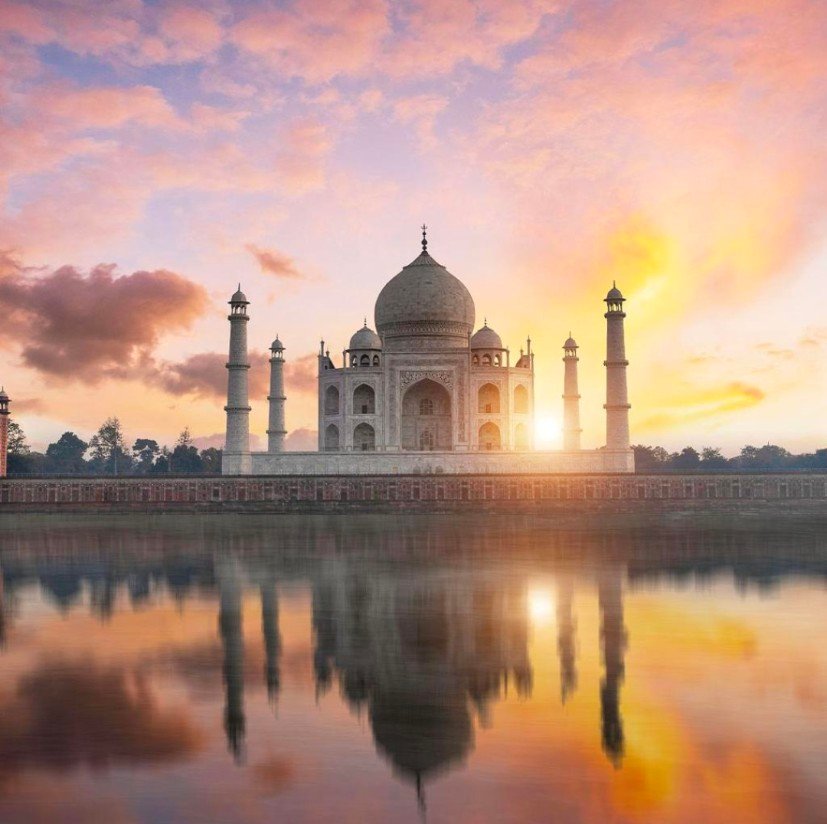
The Taj Mahal is one of India’s most famous monuments and one of the most recognizable landmarks in the world. Located on the southern bank of the Yamuna River in Agra, Uttar Pradesh, this ivory-white marble mausoleum attracts visitors throughout the year. But if you are planning a trip in 2026, one question is especially important: What is the best time to visit Taj Mahal? The answer depends on what you want from your visit. For pleasant weather, October to March is the official recommended travel season for the Taj Mahal and Agra. For the best experience inside the monument, the early morning around sunrise is particularly popular. The official Taj Mahal website says the monument opens 30 minutes before sunrise and closes 30 minutes before sunset, and it is closed to general visitors every Friday. � Taj Mahal +1 The Taj Mahal also looks different as the natural light changes during the day. Early morning can provide soft light, while afternoon and sunset create warmer tones. This complete Taj Mahal Travel Guide 2026 explains the best months, best time of day, weather, timings, tickets, photography tips, transportation, nearby attractions, food, accommodation, itinerary ideas and practical travel advice. Quick Facts About Taj Mahal Information Details Destination Taj Mahal City Agra State Uttar Pradesh, India Best season October to March Best time of day Early morning / sunrise Opening 30 minutes before sunrise Closing 30 minutes before sunset Weekly closure Friday River Yamuna River Heritage status UNESCO World Heritage Site Recommended visit duration Around 2–3 hours Nearest major railway station Agra Cantt Nearest airport Agra Airport Main nearby attraction Agra Fort The official tourism information also identifies Agra’s spring and autumn periods as pleasant for exploring the city, while the Taj Mahal’s own official FAQ lists October to March as the best season to visit.
What Is the Best Time to Visit Taj Mahal in 2026?
For most travelers, October to March is the most comfortable period for visiting the Taj Mahal. These months generally provide more manageable temperatures than Agra’s peak summer. December and January can be cool, particularly in the early morning, while October, November, February and March can provide a useful balance between sightseeing comfort and weather. However, there are two different questions: Best Season October to March Best Time of Day Early morning around sunrise The official Taj Mahal FAQ specifically notes that sunrise is preferred by many visitors because the monument can appear pinkish in the early light, while an early visit can also help avoid stronger daytime heat and crowds. � Taj Mahal
Best Months to Visit Taj Mahal
October – Excellent for an Agra Trip October marks the beginning of the cooler travel season. The weather becomes more comfortable compared with the hotter months, making it easier to combine the Taj Mahal with Agra Fort, Mehtab Bagh and other attractions. Why visit in October? More comfortable sightseeing conditions Good month for photography Suitable for morning visits Easier to combine several Agra attractions Beginning of the main tourist season Photo placement: Use a wide Taj Mahal photograph immediately below this section. Image filename: taj-mahal-october-agra-2026.jpg Alt text: Taj Mahal in October in Agra India November – A Popular Travel Month November is another attractive month for visiting Agra. Temperatures are generally more comfortable than summer, allowing travelers to spend more time outdoors. A sunrise visit can be especially pleasant because the early morning atmosphere can be cooler and softer. If you are planning a Golden Triangle journey covering Delhi, Agra and Jaipur, November can also work well for a multi-city itinerary. December – Winter Travel Season December is part of the main winter travel period. The official tourism site lists December temperatures in Agra ranging from approximately 4.5°C to 27.6°C, showing why visitors should prepare for cool mornings as well as warmer daytime conditions. � Incredible India If you visit in December: Carry a light jacket or warm layer. Plan your morning carefully. Allow extra time for transportation. Check the official opening information before leaving your hotel. Keep your camera ready for changing morning light. Important: Winter mornings can sometimes be hazy or foggy. This can affect visibility and photography, so weather conditions should be checked shortly before your visit. January – Cool Morning, Beautiful Winter Atmosphere January is one of the coolest months in Agra. According to Incredible India, January temperatures can range approximately from 4.1°C to 27.7°C. � Incredible India The morning can be cold, so dress appropriately. For photographers, winter morning conditions can create a distinctive atmosphere around the monument, although fog and haze may affect visibility on some days. If your main goal is a clear photograph, do not assume that every January morning will have perfect visibility. Weather can change. February – Comfortable for Sightseeing February offers a useful balance between winter and warmer spring conditions. The official tourism information gives February temperatures of approximately 6.7°C to 31.7°C for Agra. � Incredible India It can be a good month for travelers who want to explore more than just the Taj Mahal. You can combine: Taj Mahal Agra Fort Mehtab Bagh Itimad-ud-Daulah’s Tomb Fatehpur Sikri Local markets March – End of the Comfortable Season March gradually becomes warmer. According to Incredible India, Agra’s March temperature range is approximately 10.1°C to 38.6°C. � Incredible India Early mornings can still be comfortable, while afternoons may become increasingly warm. For March trips, consider visiting the Taj Mahal early rather than planning your main sightseeing around midday. April to June – Hot Summer in Agra Summer can be challenging for outdoor sightseeing. Incredible India lists approximate maximum temperatures of: April: up to 43.1°C May: up to 46.1°C June: up to 46.0°C � Incredible India If you must visit during summer, an early morning visit is particularly practical. Carry: Water Sunglasses Comfortable clothing Sun protection A hat or cap Comfortable walking shoes Avoid spending unnecessary time outdoors during the hottest part of the day. July to September – Monsoon Period July, August and September bring a different experience. Rain can make the gardens and surrounding areas greener, but showers and humidity can affect sightseeing plans. Approximate temperatures listed by Incredible India remain relatively high during these months. � Incredible India If you travel during monsoon: Keep a rain jacket or umbrella. Protect your camera and phone. Allow flexibility in your itinerary. Check the weather before visiting. Keep alternative indoor attractions in your plan.
Best Time of Day to Visit Taj Mahal
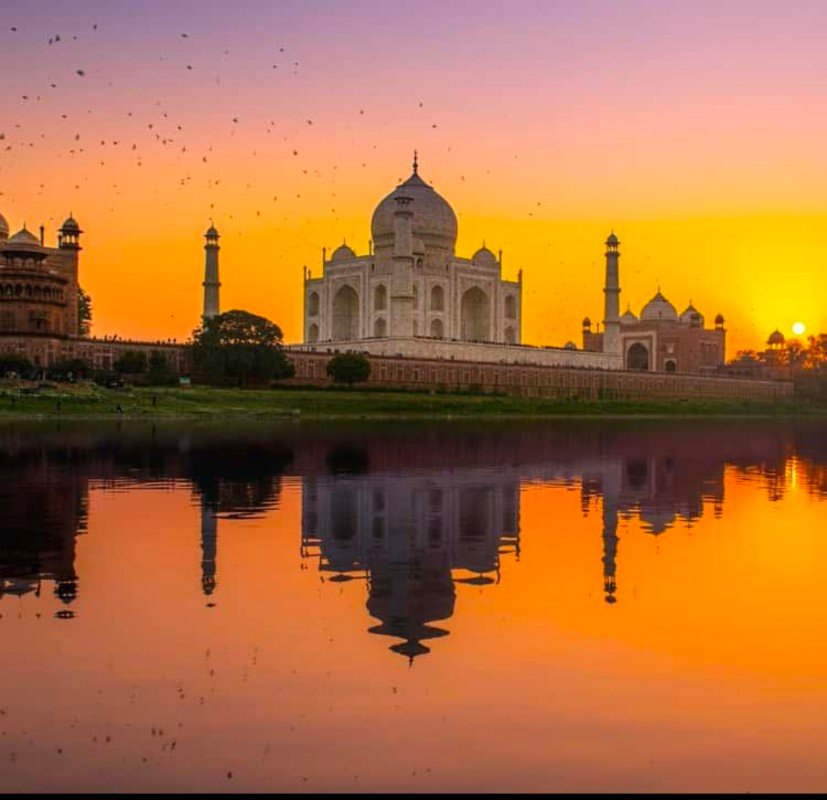
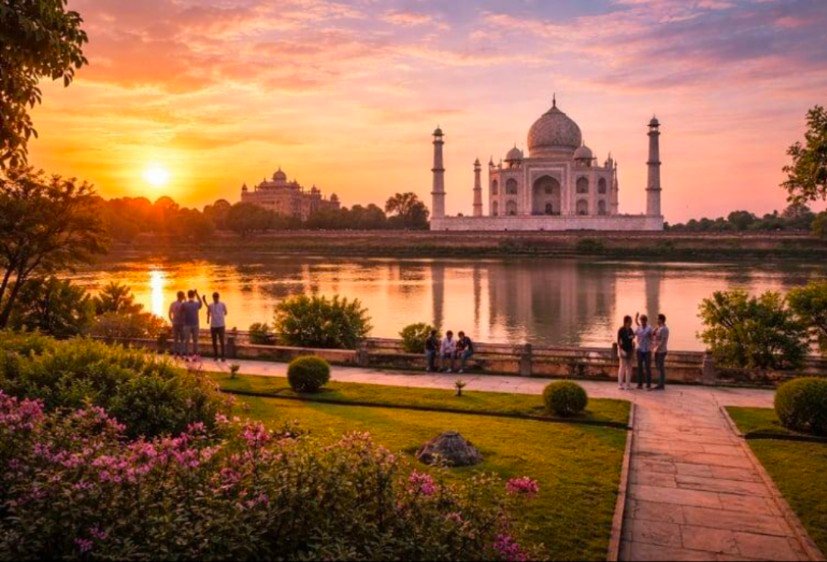
1. Sunrise – Popular Choice Sunrise is one of the most popular times to visit the Taj Mahal. The official Taj Mahal FAQ says sunrise is preferred by many visitors because the early light creates a changing appearance and early visitors can avoid some daytime heat and crowds. � Taj Mahal The monument officially opens 30 minutes before sunrise, according to the official website. � Taj Mahal Why choose sunrise? Soft morning light Cooler conditions Good photography opportunities More time for sightseeing afterward Beautiful changing tones on the marble Photo placement: Place a sunrise Taj Mahal image here. Filename: taj-mahal-sunrise-agra-2026.jpg Alt text: Taj Mahal sunrise in Agra India 2. Mid-Morning Mid-morning can be convenient if you do not want to wake up extremely early. The disadvantage is that the monument can become busier and summer temperatures can become uncomfortable. If photography is your priority, early morning generally gives you softer light than harsh midday sunshine. 3. Afternoon Afternoon visits can work well for travelers with limited morning availability. However, during hot months, outdoor conditions can become difficult. If you visit in summer, consider completing your Taj Mahal visit early and using the afternoon for indoor or shaded activities. 4. Sunset Sunset can provide beautiful warm light. The official Taj Mahal FAQ notes that sunset is also a good viewing period, although it may have more visitors than sunrise. � Taj Mahal For sunset photography, Mehtab Bagh, across the Yamuna, provides a different perspective of the Taj Mahal.
Taj Mahal Timings 2026
The official Taj Mahal website states: Opening: 30 minutes before sunrise Closing: 30 minutes before sunset Weekly closure: Friday � Taj Mahal +1 Because sunrise and sunset change through the year, there is no single fixed opening time that applies to every date. Important: Always verify the exact timing for your travel date using the official Taj Mahal/ASI information before leaving your hotel. Is Taj Mahal Closed on Friday? Yes. The Taj Mahal is closed to general visitors every Friday. � Taj Mahal +1 This is one of the most important facts to check when creating your itinerary. If you have only one day in Agra, do not make Friday your Taj Mahal day. You can instead use Friday for other attractions in Agra and visit the Taj Mahal on another day.
Taj Mahal Night Viewing
The Taj Mahal also has limited night viewing around the full moon. The official Taj Mahal website says night viewing is available on the full-moon night and two nights before and two nights after, subject to the applicable restrictions. � Taj Mahal The official FAQ states that night-viewing tickets can be booked in advance through the designated government ticket system. � Taj Mahal Night viewing is different from a normal daytime visit, so check the official booking rules and availability before planning around it.
Taj Mahal Ticket Price
Ticket prices and fees can change, so your article should avoid presenting old prices as permanently fixed. The official Taj Mahal website currently lists separate categories for Indian, SAARC/BIMSTEC and foreign visitors, with an additional charge for access to the main mausoleum. � Taj Mahal +1 For your 2026 article, write: Ticket prices can change. Check the official Taj Mahal website or official ASI ticket portal immediately before your visit for the latest applicable fee. This is better for both accuracy and reader trust.
How to Reach Taj Mahal
By Train Agra is well connected to major Indian cities by railway. Important railway stations include: Agra Cantt Agra Fort Agra City For many travelers coming from Delhi, Jaipur or other major cities, train travel is a practical option. The official Agra tourism information lists Agra Cantt among the city’s main transport points. � Incredible India By Air Agra Airport is the nearest airport serving the city. However, many travelers may also consider flying to Delhi and continuing to Agra by road or train, depending on their itinerary. The official tourism portal lists both Agra Airport (AGR) and Indira Gandhi International Airport (DEL) among relevant airports for Agra. � Incredible India By Road Agra is connected by road with Delhi, Jaipur, Mathura and other cities. A private car, taxi or bus can be used depending on your budget and itinerary. If you are traveling from Delhi, Agra is commonly included in India’s Golden Triangle route: Delhi → Agra → Jaipur Taj Mahal Entry Gates The official Taj Mahal website provides information about the entry gates. The Eastern Gate and Western Gate are used for visitor entry, while the Southern Gate is currently used for exit rather than normal visitor entry. � Taj Mahal Before your visit, check your ticket and official instructions so you know where you need to go.
Best Places to Visit Near Taj Mahal
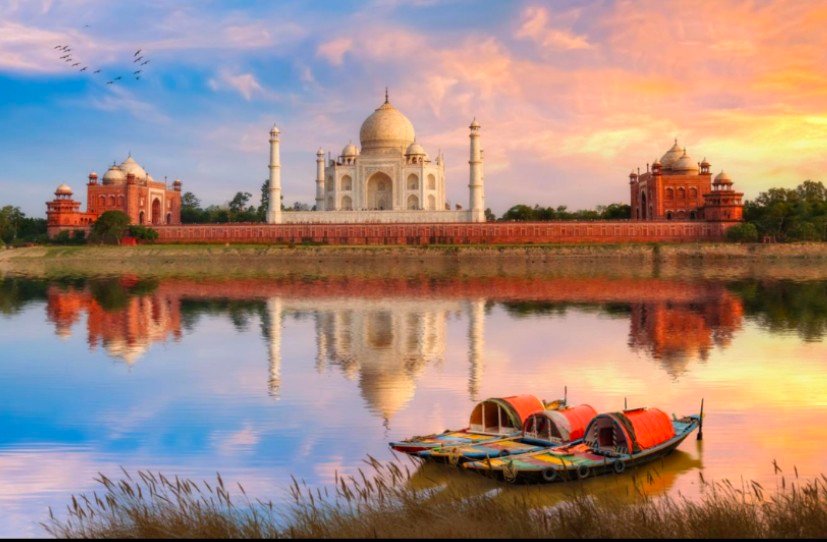
A trip to Agra should not necessarily stop at the Taj Mahal. 1. Agra Fort Agra Fort is another major historical attraction. The official tourism portal lists its opening hours as 6:00 AM to 6:00 PM. � Incredible India You can combine Agra Fort with the Taj Mahal in a one-day Agra itinerary. 2. Mehtab Bagh Mehtab Bagh is located across the Yamuna River from the Taj Mahal. It offers a different viewpoint and can be particularly interesting for photographers. The official tourism information describes Mehtab Bagh as a Mughal garden directly opposite the Taj Mahal. � Incredible India Photo placement: Use a wide photograph showing the Taj Mahal from across the river. 3. Itimad-ud-Daulah’s Tomb Often called the Baby Taj, Itimad-ud-Daulah’s Tomb is another important Mughal monument in Agra. It is known for white marble, decorative inlay and marble lattice work. � Incredible India This attraction is useful for visitors interested in Mughal architecture and decorative craftsmanship. 4. Fatehpur Sikri Fatehpur Sikri is another important historical attraction associated with Agra. The official tourism portal notes that Emperor Akbar commissioned the city, which served as the Mughal capital from 1571 to 1585. � Incredible India If you have more than one day in Agra, consider adding Fatehpur Sikri to your itinerary. 5. Akbar’s Tomb, Sikandra Sikandra is associated with Akbar’s tomb and provides another opportunity to explore Mughal architecture. It is located outside the central Taj Mahal area and can be added to a longer Agra sightseeing plan.
Best Taj Mahal Photography Tips
The Taj Mahal is one of India’s most photographed landmarks, so photography deserves its own section. Tip 1: Arrive Early Early morning can provide softer light and potentially fewer visitors. Tip 2: Photograph the Reflection The long reflecting pool leading toward the Taj Mahal creates one of the most recognizable compositions. Tip 3: Use Symmetry The Taj Mahal’s architecture is strongly symmetrical. Place the central dome in the middle of your frame for a classic composition. Tip 4: Photograph Architectural Details Do not photograph only the complete monument. Look for: Marble inlay Arches Calligraphy Minarets Jali work Floral designs Doorways Tip 5: Photograph from Mehtab Bagh This provides a different composition from the standard front-facing garden view.
What to Wear at Taj Mahal
Your clothing should be comfortable because you will spend time walking. For winter: Light jacket Sweater Comfortable shoes For summer: Cotton clothing Sunglasses Cap Sun protection Water For monsoon: Quick-drying clothes Umbrella/rain jacket Waterproof protection for electronics Comfortable footwear is particularly important because sightseeing involves walking. What to Carry Before leaving your hotel, check that you have: Valid ticket Identification if required Phone Camera Power bank Water Sunglasses Weather-appropriate clothing Small essential items permitted under current security rules Avoid carrying unnecessary items because monument security procedures can restrict what visitors can take inside.
How Much Time Do You Need at Taj Mahal?
For most travelers, 2–3 hours is a reasonable planning window for the Taj Mahal itself. However, your actual time can vary depending on: Security queues Photography Crowd levels Mausoleum visit Walking speed Weather If you are visiting Agra for one day, allow additional time for transportation between attractions.
One-Day Agra Itinerary
Early Morning Start with the Taj Mahal. Arrive before the expected opening time and enter when the monument opens. Spend approximately 2–3 hours exploring and photographing the complex. Breakfast After the Taj Mahal, have breakfast at your hotel or a nearby restaurant. Late Morning Visit Agra Fort. Lunch Enjoy local Agra cuisine and take a short break. Afternoon Visit Itimad-ud-Daulah’s Tomb. Evening Visit Mehtab Bagh for a different view of the Taj Mahal. Night Return to your hotel or continue your journey to Delhi/Jaipur depending on your itinerary. Two-Day Agra Itinerary Day 1 Taj Mahal Agra Fort Local market Mehtab Bagh Day 2 Itimad-ud-Daulah Akbar’s Tomb, Sikandra Fatehpur Sikri Local food and shopping A two-day itinerary gives you more time to explore Agra without rushing between attractions.
Where to Stay in Agra
You can find accommodation in several areas of Agra. Taj Ganj Useful for travelers who want to stay relatively close to the Taj Mahal. Agra Cantt Area Convenient for travelers using the railway station. Central Agra Can be useful if you want access to restaurants, markets and transport. When choosing accommodation, check: Distance from Taj Mahal Guest reviews Transport availability Check-in time Air conditioning/heating Cancellation policy Breakfast availability Food to Try in Agra Agra is known for its Mughlai food and local sweets. Visitors can look for: Mughlai dishes Petha Paratha Kebab dishes Local vegetarian food North Indian thali Choose hygienic restaurants, particularly if you are not accustomed to local food.
Taj Mahal Travel Tips for 2026
1. Check the Friday closure This should be the first thing you check when planning your date. � Taj Mahal 2. Check official timings Opening and closing are linked to sunrise and sunset. � Taj Mahal 3. Check ticket information before traveling Fees and procedures can change. 4. Start early An early start can make your sightseeing more comfortable. 5. Check weather Fog, heat, rain and haze can change your experience. 6. Keep your itinerary flexible Do not schedule every attraction with zero buffer time. 7. Protect your electronics Especially during monsoon and summer. 8. Respect monument rules Follow security instructions and photography restrictions. 9. Avoid unnecessary luggage Travel light when visiting the monument. 10. Do not rush The Taj Mahal is not only a photo stop. Take time to observe the architecture, gardens and details.
Is Sunrise or Sunset Better at Taj Mahal?
The answer depends on your travel style. Sunrise offers early light, cooler conditions and a popular photography opportunity. Sunset offers warmer light and a different atmosphere. The official Taj Mahal FAQ discusses both sunrise and sunset as worthwhile viewing periods and specifically notes the benefits of an early visit. � Taj Mahal If you have enough time in Agra, you can experience the monument from inside in the morning and enjoy a different viewpoint from Mehtab Bagh later.
Is October to March the Best Season?
For general sightseeing, the official Taj Mahal FAQ identifies October to March as the best season. � Taj Mahal However, “best” depends on your priorities. Travel Goal Suggested Period Comfortable sightseeing October–March Sunrise photography Early morning Cooler winter atmosphere December–January Spring travel February–March Avoiding intense summer heat October–March Summer visit Very early morning Monsoon experience July–September This is why the best answer is not simply one month. Your choice should depend on weather, photography, crowds and your overall India itinerary.
Frequently Asked Questions
What is the best time to visit Taj Mahal? The official Taj Mahal FAQ lists October to March as the best season. For the time of day, sunrise is preferred by many visitors. � Taj Mahal What is the best month to visit Taj Mahal? October through March is the main recommended travel season. February and November can be useful choices for travelers looking for comfortable sightseeing conditions. What time does Taj Mahal open? The Taj Mahal opens 30 minutes before sunrise and closes 30 minutes before sunset on normal visitor days. � Taj Mahal Is Taj Mahal closed on Friday? Yes. The Taj Mahal is closed to general visitors on Fridays. � Taj Mahal Can I visit Taj Mahal at sunrise? Yes. Sunrise is one of the most popular times to visit, and the monument’s opening schedule is linked to sunrise. � Taj Mahal Can I see Taj Mahal at sunset? Yes. Sunset is another possible daytime viewing period, subject to the normal closing schedule. � Taj Mahal Can I see Taj Mahal at night? Limited night viewing is available around the full moon and surrounding nights under the official program. Check current availability and booking rules before traveling. � Taj Mahal How many hours are enough for Taj Mahal? Around 2–3 hours is a useful planning estimate, although photography, queues and crowd levels can change the amount of time required. Is Agra worth visiting for two days? Two days allows travelers to combine the Taj Mahal with Agra Fort, Mehtab Bagh, Itimad-ud-Daulah, Sikandra and potentially Fatehpur Sikri without making the itinerary as rushed as a one-day trip. What should I carry to Taj Mahal? Carry your ticket, phone, camera if desired, comfortable clothing and other permitted essentials. Check current security rules before visiting. What is the best time for Taj Mahal photography? Early morning is a popular choice because of softer natural light and potentially more manageable crowds. Sunset can also provide warm photographic light.
Final Thoughts: Best Time to Visit Taj Mahal in 2026
The Taj Mahal is a destination where timing can significantly change the experience. For comfortable weather, October to March is the main recommended season according to the official Taj Mahal information. � Taj Mahal For the time of day, sunrise is a particularly popular choice because of the softer early light and cooler conditions. Before your trip, remember three important things: Check the exact sunrise-based opening time. Do not plan your Taj Mahal visit for Friday. Check official ticket and visitor information shortly before your journey. Agra is more than the Taj Mahal. Combine your visit with Agra Fort, Mehtab Bagh, Itimad-ud-Daulah’s Tomb and, if you have additional time, Fatehpur Sikri. With the right timing, comfortable clothing, a realistic itinerary and a little patience, your 2026 Agra trip can become much more than a quick monument visit—it can be an opportunity to explore one of India’s most important historic cities.
Focus Keyphrase:best time to visit Shirdi Sai Baba Temple
Secondary Keywords: Shirdi Sai Baba Temple travel guide 2026 best time to visit Shirdi Shirdi temple timings Shirdi Sai Baba darshan timings Shirdi travel guide Shirdi Sai Baba Temple 2026 Shirdi pilgrimage guide Shirdi temple aarti timings places to visit in Shirdi how to reach Shirdi Shirdi trip itinerary Shirdi weather Shirdi temple darshan Shirdi accommodation Shirdi travel tips
Meta Description: Discover the best time to visit Shirdi Sai Baba Temple in 2026, including weather, darshan timings, aarti schedule, festivals, travel tips, places to visit and a complete Shirdi itinerary.
Best Time to Visit Shirdi Sai Baba Temple 2026: Complete Travel Guide
Shirdi is one of the most important spiritual destinations in Maharashtra and a popular pilgrimage town for devotees of Shri Sai Baba. Every year, visitors travel to Shirdi to seek blessings at the famous Sai Baba Samadhi Mandir, experience the peaceful atmosphere of Dwarkamai, visit Chavadi, and explore places connected with Sai Baba’s life. If you are planning a trip in 2026, choosing the best time to visit Shirdi Sai Baba Temple can make your journey more comfortable. Weather, religious festivals, weekends, holidays and expected crowds can all affect your experience. For travelers who want relatively comfortable weather and a peaceful pilgrimage, the cooler months are generally more convenient. However, devotees who want to experience major religious celebrations may deliberately plan their trip around festival periods. This complete Shirdi travel guide 2026 explains the best months to visit, temple timings, aarti schedule, weather, places to visit, transportation, accommodation, food, itinerary ideas, travel tips and frequently asked questions. Quick Facts About Shirdi Information Details Destination Shirdi State Maharashtra, India Main attraction Sai Baba Samadhi Mandir Best season October to February Main pilgrimage attraction Shri Sai Baba Samadhi Mandir Ideal trip duration 1–2 days Famous for Sai Baba pilgrimage Main languages Marathi, Hindi, English Nearest major railway station Sainagar Shirdi Nearest airport Shirdi Airport Famous nearby places Dwarkamai, Chavadi, Khandoba Temple
Best Time to Visit Shirdi Sai Baba Temple
The best time to visit Shirdi Sai Baba Temple depends on what type of experience you want. October to February — Comfortable Travel Season October to February is generally a comfortable period for visiting Shirdi because temperatures are more pleasant than during the hottest months. This period is particularly suitable for travelers who want to explore the temple complex and nearby attractions without dealing with extreme sunmmer heat. October can also be spiritually significant because the Sai Baba Punyatithi festival is held during this period. In 2026, the official Trust lists the Punyatithi Festival from 19 October to 21 October 2026. However, festival dates can attract significantly larger crowds. Visitors seeking a quieter trip should consider dates outside major festival periods. November to January — Pleasant Weather November, December and January are popular months for pilgrimage travel. The cooler conditions make walking between attractions more comfortable, especially if you want to visit locations such as Dwarkamai, Chavadi and Khandoba Temple. Morning visits can be particularly pleasant. February — Good for a Short Trip February can also be a convenient month for a Shirdi pilgrimage. The weather is usually more comfortable than the hot summer period. If your main goal is temple darshan rather than festival participation, February can work well for a short one- or two-day trip. Shirdi Weather Throughout the Year Understanding the seasons can help you decide when to travel. Winter — October to February Winter is generally comfortable for sightseeing and temple visits. Early mornings and evenings can feel cooler, so carrying a light jacket or shawl can be useful. Summer — March to May Summer can be hot, particularly during the daytime. If you visit during summer, schedule outdoor sightseeing during the morning or evening and keep yourself hydrated. For pilgrims who are comfortable with heat, temple visits are still possible throughout the year. Monsoon — June to September The monsoon season can bring rainfall and greener surroundings. Rain may occasionally affect road travel and outdoor sightseeing, but the season can provide a different atmosphere for travelers who enjoy quieter trips. Always check the weather forecast before starting your journey.
Shirdi Sai Baba Temple Timings 2026
The official Shree Saibaba Sansthan Trust publishes the daily programme for devotees. According to the official schedule: Temple opens: 4:45 AM Bhupali: 5:00 AM Kakad Aarti: 5:15 AM Mangal Snaan: 5:50 AM Shirdi Majhe Pandharpur Aarti: 6:20 AM Darshan begins: 6:25 AM Dhuni Pooja: 11:30 AM Madhyan Aarti: 12:00 PM Pothi: 4:00 PM Dhoop Aarti: At sunset Devotional programmes: 8:30 PM–10:00 PM Shej Aarti: 10:00 PM These timings are published by the official Trust and may be changed for special events, festivals or other circumstances.
Best Time of Day for Sai Baba Darshan
If you want to experience the spiritual atmosphere of the temple, early morning can be an attractive option. The official daily programme starts before sunrise, with the temple opening at 4:45 AM and Kakad Aarti at 5:15 AM. Darshan begins at 6:25 AM according to the published schedule. However, early-morning religious programmes can be busy, especially on weekends, holidays and festival dates. Always check the official schedule before traveling. Aarti at Shirdi Sai Baba Temple Aarti is an important part of the Shirdi pilgrimage experience. The official Trust lists four major daily aartis: Kakad Aarti Kakad Aarti takes place in the early morning at 5:15 AM. It is traditionally associated with beginning the day with prayers and devotion. Madhyan Aarti The midday aarti takes place at 12:00 PM. Dhoop Aarti Dhoop Aarti takes place around sunset. Because sunset changes throughout the year, visitors should verify the current schedule before planning their visit. Shej Aarti Shej Aarti is scheduled at 10:00 PM. Major Festivals in Shirdi Shirdi becomes especially active during major religious festivals. The official Trust identifies three major festivals: Ramnavami Guru Purnima Vijayadashami The Trust also lists the 2026 Shree Saibaba Punyatithi Festival from October 19 to October 21, 2026. During major festivals, the number of devotees can increase substantially. If your purpose is to participate in a festival, book transportation and accommodation well in advance. If you prefer a quieter trip, consider visiting outside major festival dates.
Top Places to Visit in Shirdi
1. Sai Baba Samadhi Mandir The main attraction of Shirdi is the Sai Baba Samadhi Mandir. It is the primary destination for devotees visiting the town. Plan enough time for security procedures, queues and darshan. 2. Dwarkamai Dwarkamai is one of the most significant places associated with Sai Baba. The location has strong historical and spiritual importance for devotees. The official daily programme also includes Dhuni Pooja at Dwarkamai. 3. Chavadi Chavadi is another important location connected with Sai Baba’s life. It can easily be included in a walking itinerary around the main temple area. 4. Khandoba Temple Khandoba Temple is associated with an important part of Sai Baba’s early arrival in Shirdi. It is a useful addition to a pilgrimage itinerary. 5. Dixit Wada Museum Dixit Wada is another location visitors can explore while learning more about Shirdi’s religious history. 6. Sai Heritage Village Sai Heritage Village provides visitors with another way to learn about Sai Baba and the traditional environment associated with his life. How to Reach Shirdi Shirdi is well connected by road and rail, making it accessible from several cities in Maharashtra and other parts of India. By Train Sainagar Shirdi railway station is the most convenient rail option for many travelers. Depending on your starting city, you may also find connections through nearby railway stations. Always check the latest railway schedule before booking. By Bus The official Shree Saibaba Sansthan Trust states that Maharashtra State Transport buses are available from cities including Nashik, Mumbai, Pune, Ahmednagar and other locations. Private buses are also available from several cities. Bus travel can be convenient for travelers coming from nearby Maharashtra cities. By Air Shirdi Airport provides air connectivity for travelers coming from selected cities. Another option for some travelers is to fly to a larger nearby airport and continue the journey by road. Check current flight schedules before making travel arrangements.
Where to Stay in Shirdi
Shirdi has accommodation options ranging from budget rooms to hotels and institutional accommodation. If you are visiting during a major festival, weekend or holiday period, advance booking is recommended. The official Trust warns devotees about fake websites and duplicate online listings and states that official booking services should be accessed through its official websites. Avoid sending money to unknown individuals claiming to arrange special darshan or accommodation. Food in Shirdi Food is an important part of any pilgrimage journey. Visitors can find vegetarian restaurants, snack shops and local food options around Shirdi. The official Trust’s FAQ states that the Prasadalaya operates from 10:00 AM to 10:00 PM. If you have dietary restrictions, confirm ingredients and preparation methods before eating.
One-Day Shirdi Itinerary
If you have only one day, this schedule can help organize your visit. Early Morning 4:45 AM — Temple opens according to the official daily programme. 5:15 AM — Kakad Aarti. After the morning programme, continue with darshan according to the applicable arrangements. Morning Visit: Sai Baba Samadhi Mandir Dwarkamai Chavadi Khandoba Temple Afternoon Have lunch and take some rest. You can also explore nearby attractions. Evening Visit the temple area again and experience the atmosphere around Dhoop Aarti at sunset. Night If appropriate for your plans, you can remain in the area for the evening devotional programme and Shej Aarti. Always confirm the current official arrangements before your visit.
How Many Days Are Enough for Shirdi?
For a focused pilgrimage, one full day can be enough to visit the principal attractions. Two days are more comfortable if you want to explore Shirdi without rushing. A longer stay may be useful if your trip coincides with a festival or if you want to visit nearby destinations. Shirdi Travel Tips for 2026 1. Check the official website Temple schedules and arrangements can change. Check the official Shree Saibaba Sansthan Trust website before traveling. 2. Avoid fake websites The Trust specifically warns devotees about fake websites, fake mobile numbers and duplicate Google Maps listings. Use only official Trust channels for services such as darshan, accommodation and donations. 3. Plan around festivals Major festivals can attract large numbers of devotees. 4. Carry comfortable footwear You may spend considerable time walking and standuing. 5. Dress respectfully Choose comfortable and appropriate clothing for a religious destination. 6. Keep valuables secure The Trust states that lockers are available for baggage and valuables. 7. Carry water Especially during warmer months, hydration is important. 8. Check schedules before leaving Do not rely solely on old blog posts because temple timings and special arrangements can change.
Best Time to Visit Shirdi for Families
Families may find the cooler months more comfortable for walking and sightseeing. October to February can be considered when planning a family pilgrimage, but festival dates should be checked carefully because crowds can increase. Families traveling with elderly people or young children should plan breaks and avoid unnecessarily tight schedules. Best Time to Visit Shirdi for Elderly Travelers For elderly travelers, weather and crowd conditions can be particularly important. A cooler period can make outdoor movement easier. Before traveling, check current temple arrangements, accommodation facilities and transportation options. A flexible itinerary is usually easier than trying to visit every attraction in a single day.
Is Shirdi Worth Visiting in 2026?
Shirdi remains an important pilgrimage destination for devotees of Sai Baba. The combination of the Samadhi Mandir, Dwarkamai, Chavadi and other historical locations makes the town particularly significant for spiritual tourism. The experience is different depending on whether you visit during a normal day or a major religious festival.
Frequently Asked Questions
What is the best time to visit Shirdi Sai Baba Temple? October to February is generally a comfortable period for visiting Shirdi because of more pleasant weather. However, festival periods can be considerably busier. What time does Shirdi Sai Baba Temple open? The official daily programme currently lists the temple opening at 4:45 AM. What time does Sai Baba darshan begin? The official daily programme lists darshan beginning at 6:25 AM. What time is Kakad Aarti? Kakad Aarti is scheduled for 5:15 AM according to the official Trust. What time is Madhyan Aarti? Madhyan Aarti is scheduled for 12:00 PM. What time is Shej Aarti? Shej Aarti is scheduled for 10:00 PM. How many days are required for Shirdi? One full day can cover the major pilgrimage attractions, while two days allow a more relaxed trip. Is Shirdi open throughout the year? The temple operates daily, but special events can result in temporary changes to normal arrangements. Check the official Trust website before traveling. Which are the main places to visit in Shirdi? The main attractions include Sai Baba Samadhi Mandir, Dwarkamai, Chavadi, Khandoba Temple and other Sai-related locations. Is October a good time to visit Shirdi? October can be a suitable month weather-wise, but visitors should check festival dates. The official Trust lists the 2026 Punyatithi Festival for October 19–21.
Final Thoughts
Choosing the best time to visit Shirdi Sai Baba Temple depends on your travel purpose. For comfortable weather, the cooler months from October to February can be suitable. For devotees interested in major religious celebrations, festival periods offer a different experience but may involve larger crowds. Before your 2026 Shirdi trip, check the official Sai Baba Sansthan Trust website for the latest darshan arrangements, aarti schedule, accommodation information and special announcements. Most importantly, plan your journey with enough time for darshan, rest and exploration rather than trying to rush through every attraction. Shirdi is not simply a destination to check off a travel list. For millions of devotees, it is a place of faith, prayer, remembrance and spiritual connection. If you are planning your first visit, a simple one- or two-day itinerary can give you enough time to experience the major spiritual sites while keeping the journey comfortable. Sai Baba’s message of faith and patience continues to make Shirdi one of India’s most significant pilgrimage destinations.
TitleJamsawali Hanuman Temple Best Time to Visit 2026 – Guide
Focus Keyword Jamsawali Hanuman Temple Best Time to Visit URL jamsawali-hanuman-temple-best-time-to-visit-2026 Full URL https://rahulblogwl.com/jamsawali-hanuman-temple-best-time-to-visit-2026/ Secondary Keywords Jamsawali Hanuman Temple Jamsawali Hanuman Mandir Jam Sawli Hanuman Temple Jam Sawali Hanuman Mandir Jamsawali Hanuman Temple Chhindwara Jamsawali Hanuman Temple Madhya Pradesh Jamsawali Hanuman Temple timings Jamsawali Hanuman Temple location Jamsawali Hanuman Temple history Jamsawali Hanuman Temple how to reach Jamsawali Hanuman Temple Nagpur Jamsawali Hanuman Mandir Sausar sleeping Hanuman temple Madhya Pradesh reclining Hanuman idol Hanuman temple near Nagpur temples near Chhindwara places to visit near Jamsawali best time to visit Jamsawali Jamsawali temple 2026 Meta Description Planning a Jamsawali Hanuman Temple visit in 2026? Discover the best time to visit, timings, history, location, how to reach, festivals, nearby places and travel tips.
Jamsawali Hanuman Temple Travel Guide 2026
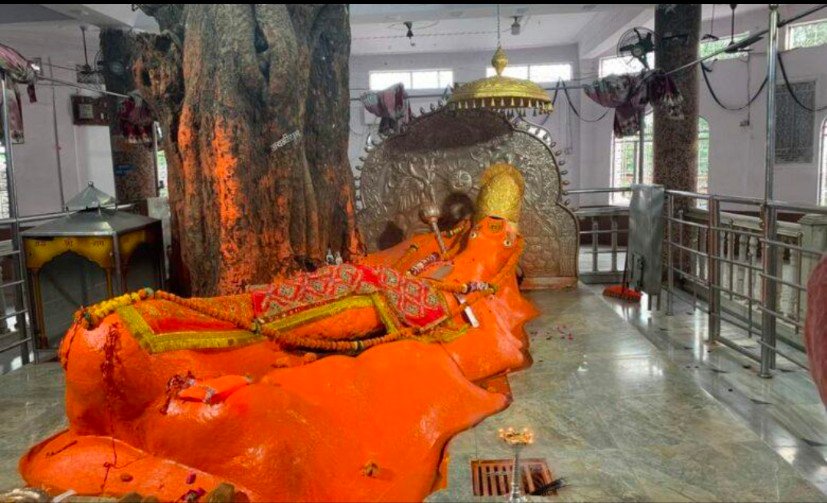
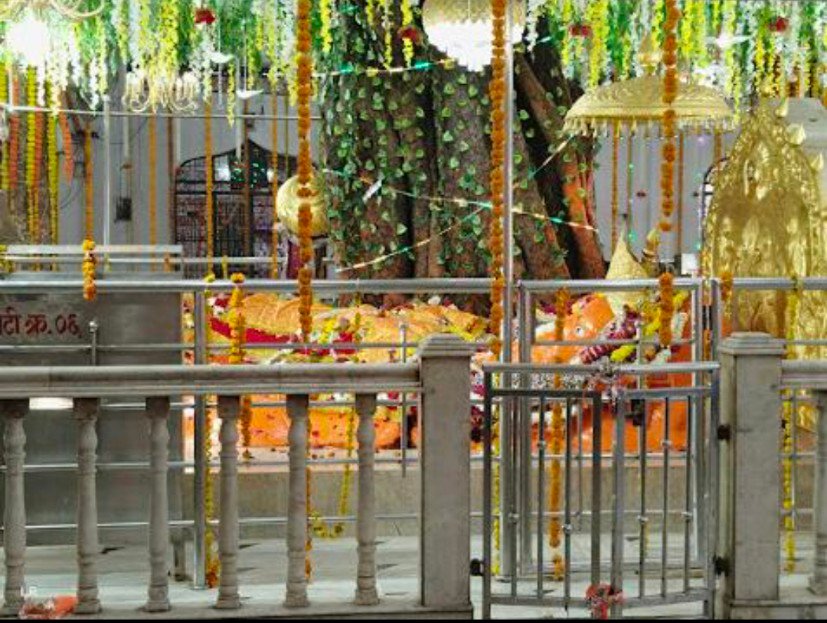
There are many famous Hanuman temples in India, but Jamsawali is particularly interesting because of the distinctive form in which Lord Hanuman is worshipped here. Located in the Satpura region of Madhya Pradesh, Jamsawali attracts devotees from Madhya Pradesh and Maharashtra. The temple’s official website describes the shrine as being associated with a Swayambhu, or self-manifested, reclining idol of Lord Hanuman. The official account also places the idol beneath a large Peepal tree and associates the temple with local religious traditions and legends. � jamsawlihanumanmandir.com +1 For travellers, Jamsawali can be more than a short temple stop. You can combine your pilgrimage with a wider trip through the region, especially if you are interested in nature, rural landscapes and destinations around Chhindwara, Tamia and the Satpura landscape.
Where Is Jamsawali Hanuman Temple?
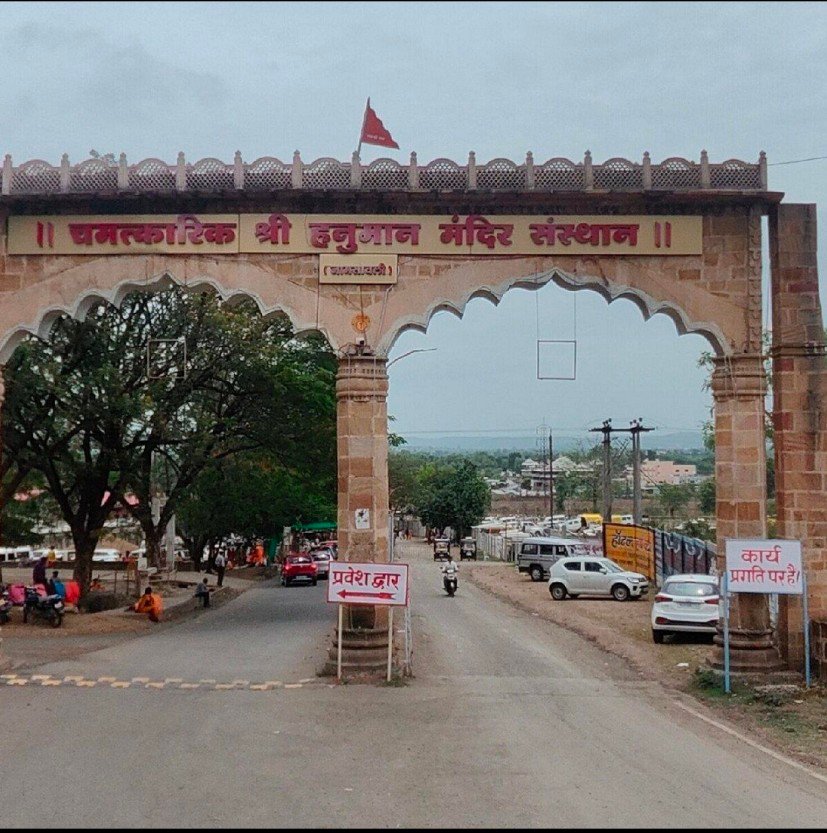
Jamsawali Hanuman Temple is situated at Sawli No. 1, Sausar, Madhya Pradesh. The temple’s official website gives its address as Sawli No. 1, Saunsar, Madhya Pradesh, while the official district tourism page places Jamsawali Hanuman Temple in the Pandhurna district and states that it is approximately 25 km from Pandhurna and around 65 km from Nagpur. � jamsawlihanumanmandir.com +1 Older travel references may describe the temple as being in the wider Chhindwara region, so you may see both Chhindwara and Pandhurna associated with Jamsawali online. For navigation, search for: Shri Hanuman Mandir Jam Sawli, Sausar The current business listing places the temple at Sawli No.1, Madhya Pradesh 480106. Shri Hanuman Mandir Jam Sawli, Sausar
Best Time to Visit Jamsawali Hanuman Temple in 2026
October to February – Best Overall Season For most travellers, October to February is the most comfortable period to visit Jamsawali. During these months, daytime conditions are generally more comfortable than the peak summer months, making it easier to combine temple darshan with road travel and nearby sightseeing. Why winter is good Comfortable weather for road travel Pleasant morning darshan Better conditions for photography Easier to visit nearby destinations Suitable for family trips Less tiring than travelling during peak summer Good season for exploring the surrounding Madhya Pradesh landscape If your main purpose is peaceful temple darshan, an early morning visit during the cooler months can be especially comfortable.
Best Month to Visit Jamsawali Hanuman Temple
October October is a good transition month after the monsoon. The surrounding landscape can remain relatively green, while the weather gradually becomes more comfortable. November November is one of the most comfortable months for a pilgrimage and road trip. It is particularly suitable if you want to combine Jamsawali with other destinations. December December generally offers pleasant winter conditions. Early mornings can be cool, so carry a light jacket or shawl. January January is another good month for travellers who prefer cooler weather. Early morning temperatures can be chilly, especially for people travelling from warmer regions. February February is a good balance between winter comfort and the approaching warmer season. Jamsawali Hanuman Temple Best Time of Day The early morning is the most practical time for devotees who want to experience the temple’s morning rituals. According to the temple’s official website: Temple opens: 4:00 AM Special Hanuman Abhishek: 5:30 AM–6:00 AM Aarti & Darshan: 5:30 AM–6:00 AM Bhog: 12:00 PM–12:15 PM Evening Aarti: According to sunset Temple closes: 9:00 PM The official website also notes that the temple is completely closed during the Bhog offering period. � jamsawlihanumanmandir.com My suggested visiting window For a traveller who wants a comfortable experience: 5:30 AM–8:00 AM This gives you the opportunity to experience the morning religious atmosphere and still have most of the day available for travelling.
Is Tuesday or Saturday Good for Jamsawali Hanuman Temple?
Tuesday and Saturday are traditionally important days for devotees of Lord Hanuman. The temple’s official website states that special worship takes place on Tuesdays and Saturdays, and that these days attract large numbers of devotees. � jamsawlihanumanmandir.com Therefore: If you want a quieter visit Consider a weekday morning other than Tuesday or Saturday. If you want the traditional Hanuman devotional atmosphere Tuesday or Saturday can provide a more active religious environment, but you should expect potentially larger crowds. Jamsawali Hanuman Temple Timings 2026 Activity Time Temple Opening 4:00 AM Special Abhishek 5:30–6:00 AM Morning Aarti & Darshan 5:30–6:00 AM Bhog 12:00–12:15 PM Temple Closure during Bhog Yes Evening Aarti According to sunset Temple Closing 9:00 PM These timings come from the temple’s current official website. Because religious schedules can change during festivals or special events, check the temple’s official channels before a long-distance journey. � jamsawlihanumanmandir.com Jamsawali Hanuman Temple History Jamsawali has a distinctive religious identity built around the reclining Hanuman idol. According to the temple’s official account, the idol is regarded by devotees as Swayambhu, meaning self-manifested. The temple’s website says there is no historical record of a conventional installation ceremony and refers to revenue records more than a century old that mention Mahavir Hanuman beneath a Peepal tree. � jamsawlihanumanmandir.com This historical claim should be understood as part of the temple’s official religious tradition rather than as independently established archaeological history.
The Peepal Tree and Temple Tradition
The temple is closely associated with a large Peepal tree. According to the temple’s official account, the idol is enshrined beneath the Peepal tree. Local religious traditions connect the location with stories involving Lord Hanuman and the Ramayana period. � jamsawlihanumanmandir.com When writing about these traditions on a travel blog, it is better to use phrases such as: “According to local belief…” or “The temple’s tradition holds that…” This keeps the article informative without presenting religious legends as independently verified historical facts. Jamsawali Temple and Local Beliefs Jamsawali is regarded by devotees as a spiritually powerful place. The official temple website describes the site as a centre of faith, devotion and religious tradition. The government tourism page also records local beliefs concerning the sacred water associated with the idol. � jamsawlihanumanmandir.com +1 Claims about miraculous or medical effects should be understood as religious beliefs, not as medically established treatments. Visitors should therefore approach the temple respectfully and should not replace professional medical care with religious practices. Religious Importance of Jamsawali The temple has a strong following among devotees from both Madhya Pradesh and Maharashtra. Its location near the Madhya Pradesh–Maharashtra travel corridor makes it accessible for pilgrims travelling from cities and towns in both states. The official district tourism page specifically notes that many devotees visiting the temple come from Madhya Pradesh and Maharashtra. � Pandhurna
Jamsawali Hanuman Temple Festivals
The temple observes several important Hindu religious occasions. According to the temple’s official website, important events include: Hanuman Jayanti Ram Navami period celebrations Guru Purnima Kartik Purnima Diwali New Year religious observances Special Tuesday worship Special Saturday worship The official site says Hanuman Jayanti celebrations begin around Ram Navami and can attract very large numbers of devotees. � jamsawlihanumanmandir.com If you are planning to visit during a major festival, expect a different experience from an ordinary weekday visit.
Should You Visit During Hanuman Jayanti?
If your purpose is to participate in a major religious celebration, Hanuman Jayanti can be an important time to visit. However, it may not be the best choice if your priority is: Quiet darshan Easy parking Shorter queues Relaxed photography Peaceful family travel For those priorities, a normal weekday outside major festivals is more practical. How to Reach Jamsawali Hanuman Temple By Road Road travel is the most convenient option for many visitors. The official temple website says the shrine is approximately 66 km north of Nagpur and is located along the Nagpur–Chhindwara road, around 1.5 km from Bajaj Jod Chowk. � jamsawlihanumanmandir.com The official Pandhurna district tourism page gives the distance as approximately: 25 km from Pandhurna 65 km from Nagpur � Pandhurna Because distances can vary depending on the exact starting point and route, use live navigation on the day of travel.
From Nagpur to Jamsawali Hanuman Temple
Nagpur is one of the most convenient major cities from which to plan a Jamsawali visit. A typical road-trip plan is: Nagpur → Sausar/Jamsawali → Temple The temple’s official website places Jamsawali approximately 66 km north of Nagpur. � jamsawlihanumanmandir.com For a morning darshan, travellers from Nagpur should plan an early departure rather than trying to arrive at the last minute. From Pandhurna to Jamsawali Pandhurna is much closer to Jamsawali. The official district tourism page places the temple at approximately 25 km from Pandhurna. � Pandhurna This makes Pandhurna a useful base for travellers who want to explore the temple and surrounding area. From Chhindwara to Jamsawali Jamsawali is frequently described online in connection with the Chhindwara region, particularly in older travel references. However, current official district information places the temple under Pandhurna district, while the temple’s own website continues to use Chhindwara in some address information. � Pandhurna +1 For your blog, I recommend writing: “Jamsawali Hanuman Temple, Sawli No. 1, Sausar area, Madhya Pradesh” and then explaining the Chhindwara/Pandhurna naming difference. This is better for SEO and avoids confusing readers. By Train The temple’s official website states that rail connectivity is available up to Saunsar, which can be useful for pilgrims travelling by train. � jamsawlihanumanmandir.com Before booking a journey, check current railway schedules because train routes and stopping patterns can change. From the railway station, local road transport such as an auto, taxi or other available vehicle may be required to reach the temple. By Air For visitors coming from outside the region, Nagpur is the major airport option commonly associated with travel to Jamsawali. The temple’s official website places Jamsawali around 66 km from Nagpur. � jamsawlihanumanmandir.com From Nagpur Airport, travellers can continue by: Taxi Rental car Private vehicle For families or groups, a private vehicle can make the journey more flexible.
Jamsawali Hanuman Temple Entry Fee
Darshan is generally treated as a pilgrimage visit rather than a paid tourist attraction. However, specific seva, Abhishek or donation services may have separate charges. The temple’s official website currently lists an Abhishek Seva of ₹301. � jamsawlihanumanmandir.com Do not confuse a paid religious seva with a general entrance fee. Accommodation at Jamsawali The temple’s official website currently states that Bhakt Niwas is open for devotees, with bookings available directly at the temple booking counter. � jamsawlihanumanmandir.com This can be useful for: Families Elderly pilgrims Early-morning devotees Travellers arriving from another city Visitors who want to stay near the temple For availability, room category and current charges, confirm directly with the temple before travelling. Food Near Jamsawali Temple You will find local food and prasad options around the temple area. For a pilgrimage trip, it is sensible to carry: Drinking water Light snacks ORS during hot weather Necessary medicines Cash for small purchases Avoid littering around the temple or surrounding natural areas.
What to Wear at Jamsawali Temple
A temple visit should be treated respectfully. Recommended clothing: Men Full-length trousers Kurta-pajama Shirt and trousers Clean, modest clothing Women Saree Salwar suit Kurta Other modest traditional or comfortable clothing Avoid wearing clothing that may be inappropriate for a religious environment. Photography at Jamsawali Photography can be useful for a travel blog, but do not assume every part of the temple allows photography. Follow signs, temple staff instructions and restrictions around the sanctum. For Rahulblogwl.com, photograph: Temple entrance Road leading to temple Temple exterior Entrance arch Signboard Temple surroundings Devotional decorations where permitted Parking area Nearby landscape Your own travel experience For the sacred idol, use an image only when photography is permitted. Important: Don’t Call Internet Photos “Original” This is very important for your blog. If you download a photo from Google, Tripadvisor or another website, do not upload it to WordPress and call it your original photo. For Rahulblogwl.com, use: Your own photographs Photos taken with permission Official temple images where usage is permitted Properly licensed stock images Public-domain images where applicable The image references above are useful for understanding what type of photos to place in your article, but you should verify image licensing before publishing them.
Best Places to Visit Near Jamsawali
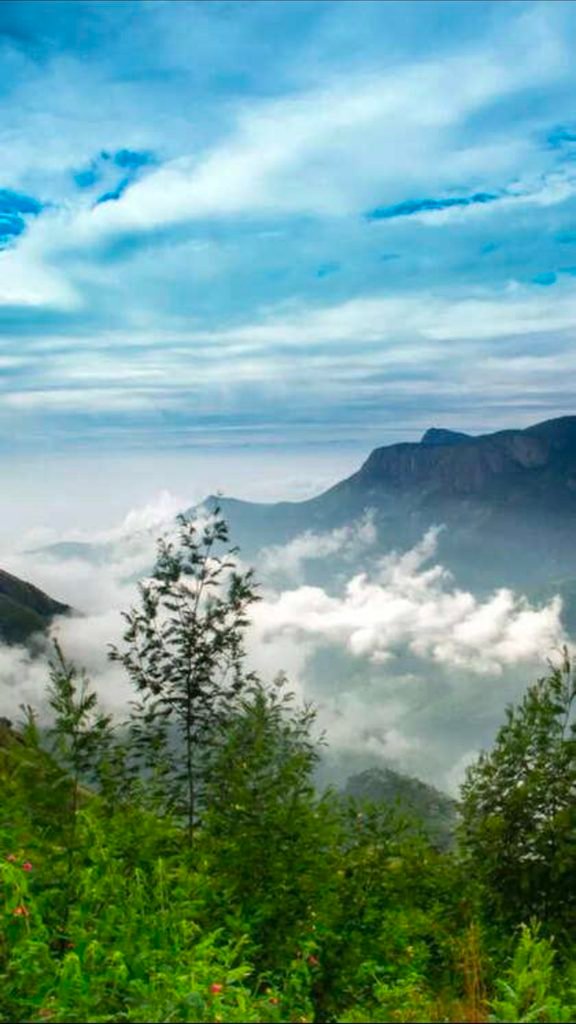
you have extra time, you can turn your Jamsawali pilgrimage into a broader Madhya Pradesh trip. Tamia Tamia is one of the better-known scenic destinations in the Chhindwara region. The official Chhindwara district tourism website describes Tamia as a forest and mountain destination with panoramic views, dense greenery and deep valleys. � Chhindwara District The area is especially attractive to: Nature lovers Photographers Road trippers Families Adventure travellers Patalkot Valley Patalkot is another major attraction in the wider Chhindwara region. It is known for its deep valley landscape and Satpura surroundings. If you have multiple days available, combining a religious trip to Jamsawali with a nature-focused visit to the Chhindwara–Tamia region can create a more complete itinerary. Tamia Viewpoints The Madhya Pradesh Tourism website lists attractions including: Chimtipur View Point Tamia Valley View Point Patalkot Valley Sunset Point Tribal Museum � MP Tourism These places can be considered if your trip is longer than one day.
1-Day Jamsawali Itinerary
4:30 AM Start your journey if you are staying relatively close to the temple. 5:30–6:00 AM Reach the temple for morning Abhishek/Aarti and darshan. 6:00–7:30 AM Complete darshan and spend some peaceful time around the temple. 7:30–8:30 AM Breakfast. 9:00 AM Explore nearby local areas or begin the return journey. Afternoon If travelling with your own vehicle and time permits, continue toward another nearby destination. Evening Return to your accommodation or home.
Jamsawali Temple Travel Budget
Your budget depends heavily on where you start. For a local visitor, the trip can be relatively inexpensive. Typical expense categories include: Expense Depends On Bus Starting city Train Starting city and class Taxi Vehicle and distance Fuel Car/bike mileage Food Restaurant/local food Accommodation Hotel/Bhakt Niwas Seva Optional religious service Shopping Personal choice For an SEO travel article, avoid giving a fake “exact budget” because fuel, accommodation and transport prices change. Instead, calculate the budget from your own starting city before publishing. What to Carry For a comfortable Jamsawali trip, carry: Government ID Mobile phone Power bank Drinking water Small cash Comfortable footwear Light clothing Winter jacket in December–January Umbrella during monsoon Sunglasses Sunscreen Necessary personal medicines Small backpack Jamsawali in Monsoon Monsoon can make the surrounding Madhya Pradesh landscape greener and more attractive. However, if your journey involves a long motorcycle or road trip, rain can make travelling more difficult. Monsoon advantages Green landscape Pleasant scenery Better photography Fresh surroundings Monsoon disadvantages Rain Slippery roads in some areas Travel delays Wet clothing Reduced visibility during heavy rain If you are travelling during monsoon, check the weather and road conditions before starting. Jamsawali in Summer Summer can be hot, especially during the middle of the day. If you have to visit during summer, plan an early-morning darshan. A 5:30–8:00 AM visit can be much more comfortable than arriving around noon. Carry sufficient drinking water and protect yourself from direct sunlight. Jamsawali in Winter Winter is particularly suitable for travellers who want to combine pilgrimage with sightseeing. Morning temperatures can be cool, so carry an extra layer. The best approach is: Early morning darshan → breakfast → sightseeing → return
Is Jamsawali Hanuman Temple Family-Friendly?
Yes, it can be planned as a family pilgrimage.Families should especially consider:Elderly travellersChildrenWalking requirementsWeatherCrowd levelsAvailability of rest facilitiesWashroom facilitiesFood and waterIf travelling with elderly family members, a weekday morning may be more comfortable than a major festival day.Travel Tips for First-Time Visitors1. Start earlyMorning darshan is a practical choice.2. Check official timingsThe temple’s official website currently lists detailed daily timings. �jamsawlihanumanmandir.com3. Avoid peak heatIf travelling in summer, avoid the hottest part of the day.4. Be prepared for crowdsTuesday, Saturday and major religious festivals can be busy.5. Follow temple rulesDo not photograph restricted areas.6. Keep the temple cleanDo not throw plastic or food waste around the premises.7. Respect local devoteesRemember that this is primarily a place of worship, not simply a tourist attraction.8. Don’t rely on old online informationTimings, routes and facilities can change.9. Keep cashSmall vendors and local services may not always accept digital payments.10. Confirm accommodationIf you specifically want to stay at Bhakt Niwas, verify availability before travelling.
Why Visit Jamsawali Hanuman Temple?
Jamsawali offers a combination of: Religious significance A distinctive reclining Hanuman idol Local legends Traditional worship Rural Madhya Pradesh surroundings Accessibility from Maharashtra Accessibility from Nagpur Connection with the wider Chhindwara region Its most unusual feature remains the reclining form of Lord Hanuman, which makes the temple visually and culturally distinctive. Jamsawali vs a Normal Tourist Destination Jamsawali should be approached differently from a normal sightseeing destination. A tourist may visit a viewpoint mainly for photography, but devotees visit Jamsawali primarily for darshan, worship and spiritual reasons. Therefore, a good travel experience involves both: travel planning + religious respect.
Frequently Asked Questions
What is the best time to visit Jamsawali Hanuman Temple? For comfortable weather, October to February is a good period. For daily darshan, early morning around 5:30–8:00 AM is a practical window. What are the Jamsawali Hanuman Temple timings? The temple’s official website currently states that it opens at 4:00 AM and closes at 9:00 PM. Morning Abhishek and Aarti/Darshan are listed for 5:30–6:00 AM. � jamsawlihanumanmandir.com Is Jamsawali Hanuman Temple open on Tuesday? The temple operates daily according to its published schedule, with special worship on Tuesdays and Saturdays. � jamsawlihanumanmandir.com +1 Is Jamsawali Hanuman Temple open on Saturday? Yes, the temple’s official information lists special worship on Saturdays. � jamsawlihanumanmandir.com Where is Jamsawali Hanuman Temple located? It is at Sawli No. 1, Sausar, Madhya Pradesh. The official Pandhurna district page places it around 25 km from Pandhurna and approximately 65 km from Nagpur. � Pandhurna How far is Jamsawali from Nagpur? The temple’s official website says approximately 66 km north of Nagpur, while the Pandhurna district tourism page gives approximately 65 km. � jamsawlihanumanmandir.com +1 How far is Jamsawali from Pandhurna? The official Pandhurna district tourism page states approximately 25 km. � Pandhurna What is special about Jamsawali Hanuman Temple? The temple is particularly known for its unusual reclining/self-manifested Hanuman idol, associated with a Peepal tree and local religious traditions. � jamsawlihanumanmandir.com Is there accommodation at Jamsawali? The temple’s official website currently says that Bhakt Niwas is open for devotees and that bookings are available directly at the temple booking counter. � jamsawlihanumanmandir.com Can I visit Jamsawali with children? Yes. Families can plan a visit, but crowd levels, weather and walking requirements should be considered. Is photography allowed? Some travel sources list photography as allowed, but visitors should follow the latest temple instructions and avoid photographing restricted religious areas. Is there an entry fee? General temple darshan is not normally treated like a ticketed tourist attraction. Optional religious services such as Abhishek can have separate charges; the official website currently lists Abhishek Seva at ₹301.
Best Time to Visit Jamsawali – Quick Answer
If you want the shortest possible answer: Best season: October to February Best time of day: Early morning Best peaceful option: Weekday morning Busier days: Tuesday and Saturday Major religious period: Hanuman Jayanti/Ram Navami period Summer strategy: Visit early morning Monsoon strategy: Check weather and road conditions Temple opening: 4:00 AM Morning Aarti/Darshan: 5:30–6:00 AM Bhog: 12:00–12:15 PM Closing: 9:00 PM
Conclusion
Jamsawali Hanuman Temple is an important pilgrimage destination in the Madhya Pradesh region and a particularly interesting place to visit because of its distinctive reclining Hanuman idol. For travellers planning a Jamsawali Hanuman Temple trip in 2026, the most comfortable overall season is October to February. If your priority is peaceful darshan, an early weekday morning is a practical choice. Tuesday and Saturday have special religious importance but may be busier. The temple is easily connected by road with the Nagpur and Pandhurna side, while the wider Chhindwara region offers opportunities to extend the trip toward destinations such as Tamia and Patalkot. � Pandhurna +1 The most important thing to remember is that Jamsawali is first and foremost a place of worship. Travel with patience, respect temple rules, keep the surroundings clean and allow other devotees to have a peaceful darshan. If you are looking for a spiritual road trip in Madhya Pradesh, Jamsawali can be planned as a short pilgrimage or as part of a longer Nagpur–Jamsawali–Pandhurna–Chhindwara–Tamia journey. Jai Shri Hanuman! 🙏
Focus Keyphrase: best time to visit Vaishno Devi TempleSecondary Keywords: Vaishno Devi best time to visit best month to visit Vaishno Devi Vaishno Devi weather Vaishno Devi Yatra 2026 Vaishno Devi in October Vaishno Devi in November Vaishno Devi in winter Vaishno Devi in monsoon Katra to Vaishno Devi Vaishno Devi Temple travel guide
Slug: best-time-to-visit-vaishno-devi-temple
Meta Description: Best time to visit Vaishno Devi Temple in 2026. Explore month-wise weather, crowd, Navratri rush, trekking tips, Katra travel, packing guide and the best season for Mata Vaishno Devi Yatra. Category: India Travel / Religious Travel
Best Time to Visit Vaishno Devi Temple 2026: Complete Weather, Crowd & Yatra Guide
Planning a pilgrimage to Mata Vaishno Devi in 2026 and wondering about the best time to visit Vaishno Devi Temple? Choosing the right month can make a major difference to your pilgrimage experience. Weather, crowd levels, trekking conditions, holidays, Navratri celebrations, rainfall and winter temperatures can all affect your journey from Katra to the holy shrine. Mata Vaishno Devi Temple is one of the most important pilgrimage destinations in India. The holy shrine is located in the Trikuta Hills near Katra in Jammu and Kashmir. Pilgrims begin their journey from Katra and travel towards the Bhawan, where they seek darshan of the sacred pindies inside the Holy Cave. The yatra is open throughout the year, so there is no single month that works perfectly for every traveller. Some visitors prefer pleasant weather, some want to experience Navratri, while others prefer quieter periods with fewer crowds. For many travellers, October to November can be an attractive period because the weather is generally more comfortable than the peak summer months. However, the exact crowd situation can vary, especially around festivals, weekends and holidays. This complete Vaishno Devi travel guide 2026 explains the best months to visit, month-wise weather, crowd conditions, monsoon travel, winter travel, Navratri, trekking tips, what to pack, how to reach Katra, accommodation, safety advice and frequently asked questions
Quick Answer: What Is the Best Time to Visit Vaishno Devi Temple?
If your priority is a comfortable pilgrimage with manageable weather, October and November are worth considering, while winter can provide a very different experience. The official Shri Mata Vaishno Devi Shrine Board states that the yatra remains open throughout the year. It also notes that summer months, Navratri periods and New Year vacations can experience peak rush. Best months at a glance Month Weather Crowd Suitable for January Cold Moderate to high around holidays Winter lovers February Cold to pleasant Moderate Quieter pilgrimage March Pleasant Can increase around festivals Comfortable trekking April Pleasant/warm Festival-dependent Families and pilgrims May Warm High Holiday travellers June Hot High Summer holidays July Rainy Variable Monsoon lovers August Rainy/green Variable Scenic pilgrimage September Pleasant/transition Variable Flexible travellers October Pleasant Festival-dependent Comfortable weather November Cool/pleasant Moderate Comfortable pilgrimage December Cold Can rise around holidays Winter experience Important: Crowd levels can change from day to day. Always check current yatra information, weather alerts and official Shrine Board announcements before travelling.
Why Choosing the Right Time Matters
A visit to Vaishno Devi is different from an ordinary sightseeing trip. The pilgrimage involves a substantial uphill journey, and weather conditions can affect walking comfort. The journey begins at Katra and continues through the pilgrimage route towards Bhawan. Because the route includes climbs, travellers should consider their fitness level, age, weather conditions and available facilities before deciding when to travel. During periods of heavy rush, waiting times can increase. The Shrine Board has specifically advised pilgrims to consider crowd patterns when planning their journey. For someone visiting for the first time, choosing a period with comfortable temperatures can make walking easier. The best travel month therefore depends on your priorities: Want comfortable walking? Consider cooler months. Want greenery and waterfalls? Consider the monsoon, subject to weather conditions. Want snowfall and winter scenery? Consider December or January. Want Navratri celebrations? Travel during Navratri, but expect higher crowds. Want to avoid major rush? Avoid peak holiday and festival periods where possible.
Best Time to Visit Vaishno Devi Temple: Season-Wise Guide
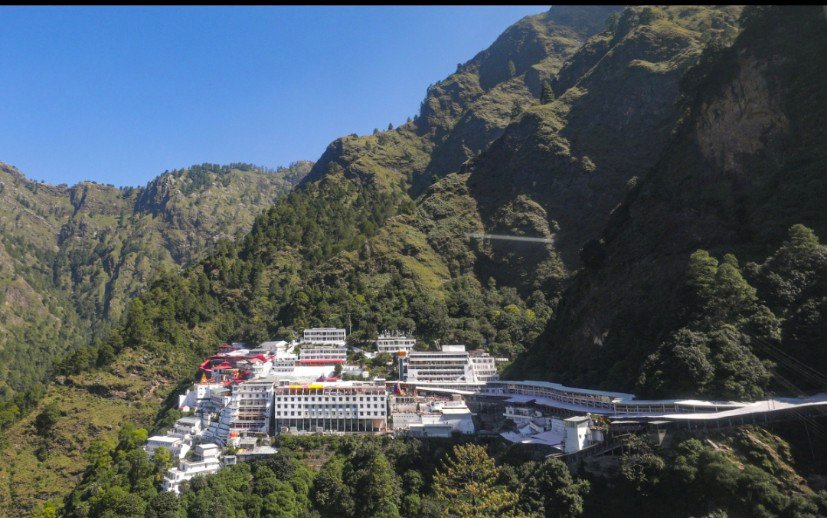
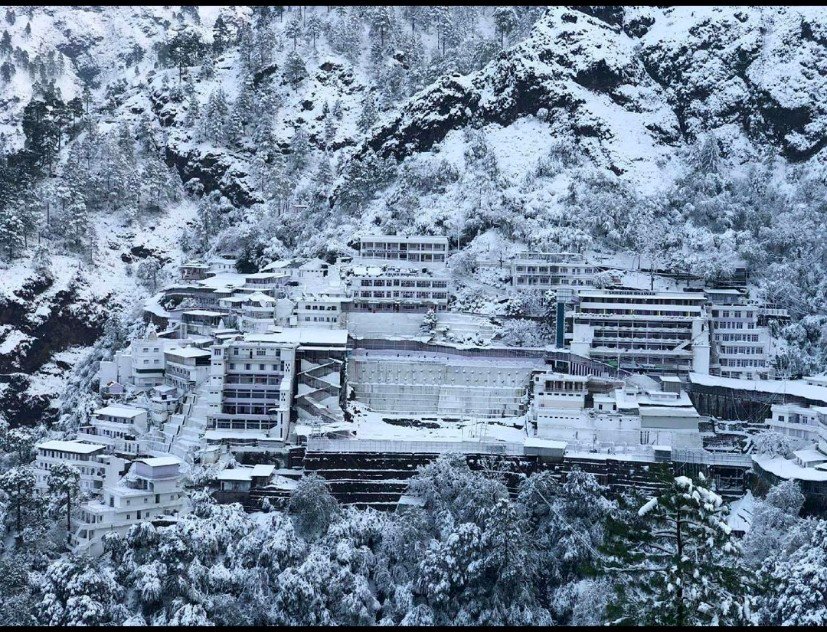
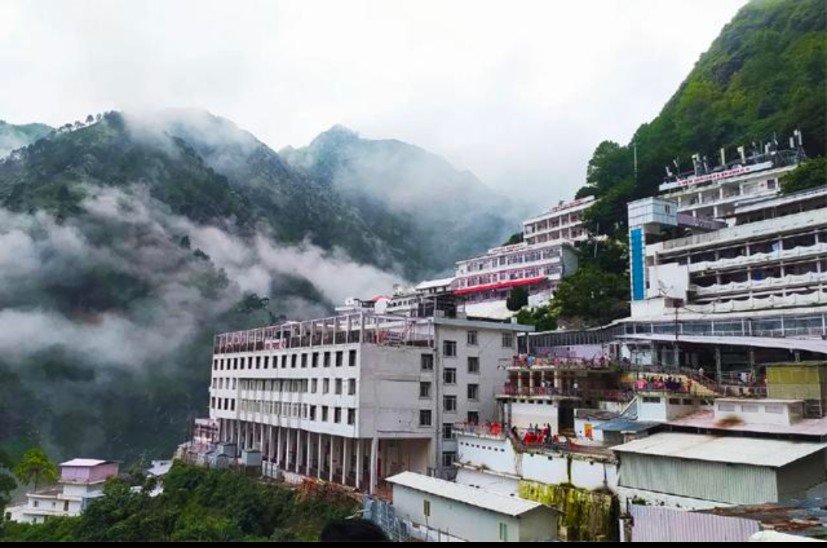
1. Autumn — September to November Autumn is one of the most attractive periods for travellers who prefer cooler conditions without the harshest winter weather. September marks the transition from the monsoon season. By October and November, conditions can become cooler and more comfortable for trekking. Vaishno Devi in September September can be a good transition month. The surrounding hills may still retain greenery from the monsoon, creating attractive views along the route. However, rainfall can still occur, so checking the weather forecast before starting the yatra is important. Vaishno Devi in October October is often considered a popular month because the weather becomes more comfortable for outdoor activity. However, October can overlap with festival periods, including Navratri, depending on the calendar. During major festival days, the pilgrimage can become considerably busier. If you want to visit in October, check the festival calendar and current crowd information before booking. Vaishno Devi in November November can be another comfortable period for pilgrims who prefer cool weather. The temperature becomes colder compared with October, especially at higher elevations and during nighttime. For many travellers, November offers a useful balance between cooler weather and trekking comfort. Photo 1 placement: After this section. Filename: vaishno-devi-autumn-yatra.jpg ALT: Vaishno Devi Yatra route in autumn Caption: Autumn views along the Vaishno Devi pilgrimage route. 2. Winter — December to February Winter changes the atmosphere of the Vaishno Devi pilgrimage completely. Katra can become cold, while the higher parts of the Trikuta Hills can be considerably colder. Snowfall can occur in the region during winter. The official Shrine Board notes that December and January can experience snowfall and that the original Holy Cave remains open during winter. Vaishno Devi in December December is suitable for travellers who enjoy cold weather. However, Christmas and New Year holiday periods can increase travel demand and crowd levels. If you are travelling with elderly people or young children, prepare carefully for colder conditions. Vaishno Devi in January January is among the coldest periods. Snowfall may create a beautiful winter landscape, but cold weather can make the pilgrimage more demanding. Carry appropriate winter clothing and check official weather and route updates before travelling. Vaishno Devi in February February remains cold but can gradually become more comfortable as the month progresses. Travellers who prefer a quieter winter pilgrimage may consider February, subject to current weather and crowd conditions. Winter packing list Carry: Warm jacket Thermal clothing Woollen socks Gloves Cap Comfortable walking shoes Small backpack Water bottle Personal medicines Rain protection if required Identification documents Avoid carrying unnecessary heavy luggage. Photo 2 placement: After the winter section. Filename: vaishno-devi-temple-winter.jpg ALT: Vaishno Devi Bhawan during winter Caption: Winter scenery around the Vaishno Devi shrine area. 3. Spring — March to April Spring can provide comfortable conditions for outdoor travel. Temperatures generally become more pleasant compared with winter, while summer heat has not yet reached its peak. March and April can therefore be useful months for travellers who want to trek without extreme cold or summer heat. However, festival dates can affect crowd levels. Always check the official pilgrimage information before starting your journey. 4. Summer — May to June Summer is one of the busiest periods because of school and college holidays. The Shrine Board identifies May and June among periods that can experience significant rush. Katra can become warm, while the trek still involves physical effort. If you must travel during summer: Start your trek according to current conditions. Carry sufficient water. Wear comfortable clothing. Protect yourself from direct sun. Take breaks. Avoid unnecessary luggage. Check crowd information. Follow official instructions. Summer can still be a meaningful time to visit, but travellers should plan for higher demand. Photo 3 placement: After the summer section. Filename: katra-vaishno-devi-yatra-summer.jpg ALT: Pilgrims walking from Katra to Vaishno Devi in summer Caption: Pilgrims beginning the Vaishno Devi Yatra from Katra. 5. Monsoon — July to September The monsoon season gives the surrounding landscape a greener appearance. The official Shrine Board describes the monsoon period as a scenic time, with greenery and waterfalls adding to the natural surroundings. However, rain can also make outdoor travel more complicated. Wet tracks, slippery sections, reduced visibility and adverse weather can affect the journey. Is monsoon safe for Vaishno Devi? Monsoon travel requires extra caution. Do not treat a normal weather forecast as a guarantee of safe trekking conditions. Heavy rain, cloudbursts or landslide alerts can change conditions quickly. The Shrine Board advises pilgrims to follow official weather, track and security updates and postpone travel when authorities issue adverse-weather warnings. Carry: Raincoat Waterproof bag cover Extra socks Quick-drying clothes Comfortable grip shoes Small towel Phone protection Necessary medicines Photo 4 placement: Here. Filename: vaishno-devi-monsoon-greenery.jpg ALT: Green hills near Vaishno Devi during monsoon Caption: Green landscapes around the Vaishno Devi pilgrimage route during the rainy season.
Best Month to Visit Vaishno Devi for Different Types of Travellers
There is no universal answer because every traveller has different priorities. Best month for comfortable weather October and November can be considered by travellers who prefer cooler conditions. Best time for winter scenery December and January are suitable for travellers who enjoy cold weather and possible snowfall. Best time for greenery The monsoon period can provide greener surroundings and scenic landscapes, but weather conditions should be monitored closely. Best time for families Families should consider comfortable temperatures and avoid periods of extreme crowding where possible. Best time for elderly travellers Older travellers should focus less on a particular month and more on current weather, crowd conditions, physical ability and available travel assistance. The Shrine Board provides facilities including accommodation and assistance options, but travellers should plan according to individual needs.
Vaishno Devi During Navratri
Navratri is an important period for devotees visiting Mata Vaishno Devi. The atmosphere can become particularly festive, but festival periods can also attract large numbers of pilgrims. If your primary purpose is to experience Navratri celebrations, travelling during this period can be meaningful. If your priority is a quieter pilgrimage, consider dates outside the major festival rush. Tips for Navratri travel Book accommodation early. Check the official yatra status. Allow extra time. Avoid assuming that a normal weekday will automatically mean low crowds. Carry minimal luggage. Follow official announcements. Keep your identification and booking information secure. Photo 5 placement: Navratri section. Filename: vaishno-devi-navratri-yatra.jpg ALT: Vaishno Devi pilgrims during Navratri Caption: Devotees visiting Mata Vaishno Devi during the Navratri period.
How to Reach Vaishno Devi Temple
The pilgrimage begins from Katra. By Train Katra is connected to the Indian railway network, making train travel a convenient option for many pilgrims. Travellers should check the latest train schedules before departure because railway timetables can change. By Air Jammu is the major airport option for travellers arriving by air. From Jammu, travellers can continue towards Katra using road or rail connections depending on availability. By Road Katra can be reached by road from Jammu and other cities in the region. Bus, taxi and private vehicle options are commonly used. Katra to Vaishno Devi The pilgrimage route begins from Katra and continues towards the shrine. The official Shrine Board provides facilities along the pilgrimage route and also offers options such as battery cars and helicopter services, subject to availability and applicable rules.
Vaishno Devi Yatra Registration
Yatra registration is an important step. The official Shrine Board states that pilgrims must obtain the required yatra registration/access authorization before proceeding on the pilgrimage route. Online registration is also available through the official Shrine Board system. Do not depend on random agents or unofficial websites for pilgrimage services. Always verify booking information through the official Shrine Board website. Photo 6 placement: Registration section. Filename: vaishno-devi-yatra-registration-katra.jpg ALT: Vaishno Devi Yatra registration in Katra Caption: Pilgrims completing the required registration process before beginning the yatra.
Vaishno Devi Yatra Route
The traditional journey begins at Katra and continues through the hill route towards Bhawan. Important locations along the route include: Banganga Charan Paduka Adhkuwari Himkoti Sanjichhat Bhawan Bhairon Ghati The Shrine Board provides information about distances, elevations and facilities along the route. The physical difficulty of the journey depends on the traveller’s fitness, weather, pace and chosen route. Do not rush. Take regular breaks. Stay hydrated. Use designated rest areas.
New and Alternative Facilities
Depending on current availability and rules, pilgrims may have access to services such as: Battery cars Helicopter services Pony services Pithoo services Palki services Accommodation Food facilities Medical assistance Ropeway connectivity towards Bhairon Ji Availability, operating hours, fares and booking procedures can change. Always confirm current details through the official Shrine Board before travelling. The Shrine Board currently lists the Bhawan–Bhairon ropeway as operational, with published operating hours subject to official updates. Photo 7 placement: After facilities section. Filename: vaishno-devi-bhairon-ropeway.jpg ALT: Vaishno Devi Bhawan to Bhairon ropeway Caption: Ropeway connection between Bhawan and Bhairon Ji area.
Where to Stay During Vaishno Devi Yatra
pilgrimage. Katra provides hotels, guesthouses and other accommodation options. The Shrine Board also provides accommodation facilities at selected locations. Best strategy If you are travelling during: Navratri Summer holidays Christmas holidays New Year Long weekends book accommodation well in advance. For a quieter trip, consider travelling outside major holiday periods. What to Wear at Vaishno Devi Your clothing should match the season. Summer Wear: Light cotton clothes Comfortable trousers Breathable T-shirts Comfortable walking shoes Cap Monsoon Wear: Quick-drying clothes Rain jacket Waterproof footwear Extra socks Winter Wear: Thermal layer Warm jacket Gloves Woollen socks Cap The Shrine Board recommends carrying clothing appropriate to the season because weather conditions can vary along the pilgrimage route.
What to Pack for Vaishno Devi Yatra
Keep your backpack light. Essential items Yatra registration/access documents Government ID Mobile phone Power bank Water bottle Basic medicines Comfortable shoes Weather-appropriate clothing Small torch Rain protection Personal hygiene products Some emergency cash Do not carry unnecessary heavy items. The official Shrine Board specifically advises pilgrims to travel light.
Vaishno Devi Yatra Tips for First-Time Visitors
1. Check the official website Before leaving for Katra, check the latest yatra information. 2. Check weather alerts Weather can change quickly in the hills. 3. Avoid unofficial information Do not rely on random social media forwards for safety or route information. 4. Keep your luggage light A heavy backpack can make the uphill journey much harder. 5. Wear proper shoes Comfortable walking shoes are more useful than fashionable footwear. 6. Take breaks There is no need to rush. 7. Stay hydrated Drink water regularly, particularly during warmer weather. 8. Protect valuables Keep your phone, wallet and identification secure. 9. Respect the pilgrimage environment Follow cleanliness and local instructions. 10. Follow Shrine Board announcements Official instructions should take priority over unofficial advice.
Vaishno Devi for Senior Citizens
Senior citizens should plan the pilgrimage carefully. Before travelling, consider: Fitness level Current weather Trekking requirements Medical needs Rest requirements Availability of assisted travel facilities The Shrine Board provides facilities intended to assist pilgrims of different age groups, but every traveller should make an individual assessment of their physical ability. Do not force an elderly traveller to complete a difficult route without appropriate preparation. Vaishno Devi with Children Families can visit Vaishno Devi with children, but the trek requires planning. Carry: Child’s identification Comfortable clothes Snacks as appropriate Water Extra clothing Basic medicines Weather protection Avoid travelling during extreme weather unless necessary. Keep children close to family members in crowded areas.
How Many Days Are Enough for Vaishno Devi?
For a straightforward pilgrimage, many travellers plan approximately 2–3 days for the overall trip, depending on their starting city. Sample 2-day plan Day 1: Arrive in Katra and rest. Day 2: Complete the yatra and return according to your schedule. Sample 3-day plan Day 1: Arrive in Katra and explore the town. Day 2: Complete the Vaishno Devi Yatra. Day 3: Rest, visit nearby attractions and return. Travellers coming from distant cities may need additional days for transportation.
One-Day Vaishno Devi Plan
A one-day pilgrimage can be physically demanding. A basic plan could be: Early morning Start from Katra after completing required formalities. Morning Proceed towards the pilgrimage route. Afternoon Continue towards Bhawan depending on walking speed and crowd conditions. Later Complete darshan and return according to your physical condition. Do not treat this as a fixed timetable. Actual journey duration can vary considerably.
Best Time to Visit Vaishno Devi to Avoid Crowds
Crowd conditions are dynamic. The official Shrine Board notes that peak rush can occur during: May June July Chaitra Navratri Sharad/Ashwin Navratri New Year holidays School and college holidays Weekends can also become busy. The Board recommends checking the pattern and number of pilgrims before planning. If your priority is a comfortable pilgrimage, choose dates outside major festivals and holiday periods whenever possible. Photo 8 placement: Crowd/route section. Filename: vaishno-devi-yatra-track-pilgrims.jpg ALT: Pilgrims walking on Vaishno Devi Yatra track Caption: Pilgrims travelling along the route from Katra towards Bhawan.
Is October a Good Time to Visit Vaishno Devi?
October can be an attractive month because temperatures are generally more comfortable than peak summer. However, October may coincide with Navratri. Therefore, there are two different experiences: Regular October dates Potentially more comfortable for travellers who prefer cooler weather. Navratri dates More festive but potentially much busier. Check the exact festival dates before booking. Is November a Good Time to Visit Vaishno Devi? November can be a comfortable choice for travellers who prefer cool weather. The temperature is lower than summer, and the pilgrimage route can be pleasant for walking when weather conditions are favourable. Pack warm clothing for early mornings and nights. Is December a Good Time to Visit Vaishno Devi? December is suitable for people who enjoy winter conditions. The official Shrine Board notes that winter months can bring snowfall. However, New Year travel can increase crowds. Check weather and route conditions before departure. Is January a Good Time to Visit Vaishno Devi? January offers a genuine winter pilgrimage experience. Snow and cold conditions can make the surroundings beautiful, but travellers should be prepared for lower temperatures. Senior citizens, children and people sensitive to cold should take extra precautions. Is Monsoon a Good Time to Visit Vaishno Devi? Monsoon can be scenic because the hills become greener. However, safety should come first. Heavy rainfall can create difficult trekking conditions. Never ignore official warnings about rainfall, landslides, cloudbursts or route restrictions. If severe weather is forecast, postponing the journey is safer than taking unnecessary risks.
Food During Vaishno Devi Yatra
Pilgrims can find food and refreshments along the route and around Katra. Keep meals light before strenuous walking. Avoid overeating before beginning a long uphill journey. Carry water and follow the official facilities available along the route. Photography at Vaishno Devi Photography rules can apply in sensitive areas. The Shrine Board states that video cameras are not allowed on the track. Always follow current instructions regarding photography and electronic equipment. Do not photograph restricted areas or religious rituals when prohibited. Respect other pilgrims. Photo 9 placement: Photography section. Filename: vaishno-devi-katra-travel-photography.jpg ALT: Vaishno Devi pilgrimage landscape near Katra Caption: Scenic surroundings near the Vaishno Devi pilgrimage route.
Safety Tips for Vaishno Devi Yatra 2026
Safety should always come before completing a planned itinerary. Follow these rules Check official announcements. Monitor weather conditions. Avoid the yatra during severe weather alerts. Stay on designated routes. Follow security instructions. Do not enter restricted areas. Keep emergency contacts saved. Do not trek alone in low visibility. Stay hydrated. Take rest when required. Keep children and elderly family members close. Avoid carrying prohibited items. The Shrine Board specifically advises pilgrims to postpone or reschedule travel during adverse weather conditions and to follow official instructions.
Important Official Contacts
Before travelling, save the official Shrine Board contact information. The Shrine Board currently publishes a 24-hour general helpline and other contact numbers for pilgrimage-related assistance. For the latest numbers, always verify them on the official website because contact information and services can change. Official website: Shri Mata Vaishno Devi Shrine Board — maavaishnodevi.org Do not use unofficial agents for Shrine Board bookings. Vaishno Devi Travel Budget Your total budget depends heavily on your starting city, hotel category, transportation and services used during the pilgrimage. Budget categories Transportation to Katra Hotel Food Local transport Yatra-related services Personal shopping Emergency expenses Budget traveller Choose train travel, budget accommodation and simple meals. Mid-range traveller Choose a comfortable hotel in Katra and convenient transportation. Premium traveller Choose higher-category accommodation and available premium transportation services. Always verify current prices before publishing exact fares because rates can change.
Best Time to Visit Vaishno Devi: Final Recommendation
If your main goal is comfortable weather and trekking, consider the cooler periods around October and November, while checking festival dates. If you want snow and winter scenery, December and January can provide a different experience. If you enjoy green landscapes, the monsoon can be attractive, but you must monitor rainfall and official safety advisories. If you want to experience Navratri, plan around the festival but be prepared for potentially heavy crowds. The most important rule is simple: do not choose a date only because an internet article calls it the “best month.” Check current weather, yatra status, crowd information and official Shrine Board announcements immediately before travelling.
Frequently Asked Questions About Vaishno Devi
What is the best time to visit Vaishno Devi Temple? October and November can be considered by travellers looking for cooler and more comfortable trekking conditions. However, the best month depends on weather, festival dates and crowd levels. Is Vaishno Devi open throughout the year? Yes. The official Shrine Board states that the yatra is open throughout the year. Which month is best for Vaishno Devi? There is no single best month for everyone. October and November can be suitable for comfortable weather, while winter and monsoon offer different experiences. Is October crowded at Vaishno Devi? It can be crowded, especially if your visit coincides with Navratri or other holidays. Is November good for Vaishno Devi? November can be a comfortable month for pilgrims who prefer cooler weather. Can I visit Vaishno Devi in winter? Yes. The Shrine Board states that the shrine remains open during winter and snowfall can occur. Can I visit Vaishno Devi during monsoon? Yes, but weather conditions should be checked carefully. Heavy rain can make hill travel more difficult. How far is Vaishno Devi from Katra? The pilgrimage begins from Katra and proceeds towards Bhawan through the hill route. Distances can vary depending on the route and destination point. Is Vaishno Devi suitable for senior citizens? Senior citizens can visit, but they should consider their physical condition and use appropriate assistance facilities when required. What should I wear at Vaishno Devi? Wear comfortable walking clothes and shoes. In winter, carry heavy warm clothing. During monsoon, carry rain protection. Is registration required for Vaishno Devi Yatra? Pilgrims are required to complete the applicable yatra registration process and obtain the required authorization before proceeding. Can I book Vaishno Devi services online? Several Shrine Board services can be booked online through the official system, subject to availability. Is Vaishno Devi safe during heavy rain? Heavy rainfall can create safety risks in hilly areas. Follow official warnings and postpone travel if authorities advise against the journey. How many days are enough for Vaishno Devi? A 2–3 day trip can work for many travellers, but your required time depends on your starting city and travel arrangements. What is the best time to avoid crowds at Vaishno Devi? Avoid major festivals, school holidays, New Year periods and busy weekends where possible. Check current crowd information before travelling.
Complete Month-Wise Vaishno Devi Calendar
January Cold and possible snowfall. Carry heavy winter clothing. February Cold but gradually becoming more comfortable. March Pleasant spring conditions with possible festival-related crowds. April Comfortable to warm conditions; check festival dates. May Warm and potentially busy because of holidays. June Warm and often busy. July Monsoon conditions. Check rainfall and official alerts. August Green surroundings but continued monsoon considerations. September Transition period with potentially pleasant conditions. October Comfortable weather, but Navratri can bring major crowds. November Cooler conditions and often suitable for trekking. December Cold winter conditions with possible snowfall and holiday crowds.
What Makes a Vaishno Devi Trip Special?
The Vaishno Devi pilgrimage is not simply a sightseeing journey. For devotees, it is a spiritual journey through the Trikuta Hills towards the Holy Cave. The combination of mountain scenery, physical trekking and religious significance creates a distinctive travel experience. Whether you travel during winter snow, autumn weather or the green monsoon period, preparation is important. A well-planned trip allows you to focus on the pilgrimage rather than worrying about basic travel arrangements.
Conclusion
The best time to visit Vaishno Devi Temple depends on what kind of pilgrimage experience you want. For comfortable weather, October and November can be useful choices, although festival dates must be considered. Winter brings colder conditions and the possibility of snow, while monsoon creates greener scenery but requires greater attention to weather conditions. Summer and major festival periods can attract large crowds, so travellers looking for a quieter pilgrimage should plan outside peak periods whenever possible. Most importantly, check the official Shri Mata Vaishno Devi Shrine Board website before travelling. Weather, crowd levels, registration requirements, service availability and safety instructions can change. With the right season, comfortable clothing, light luggage, proper registration and realistic planning, your 2026 Vaishno Devi Yatra can be much more comfortable and memorable.
Meta Description Planning a Sanwaliya Seth Temple visit in 2026? Discover the best time to visit, darshan timings, aarti schedule, weather, festivals, how to reach, nearby places, tips and complete travel guide
Best Time to Visit Sanwaliya Seth Temple 2026: Complete Travel Guide
Sanwaliya Seth Temple, also commonly written as Sanwariya Seth Temple or Sawariya Seth Temple, is one of the important Krishna temples associated with the Chittorgarh region of Rajasthan. Located at Mandafiya/Mandphiya, the temple attracts devotees and travelers throughout the year. If you are planning a pilgrimage or Rajasthan road trip in 2026, one of the most important questions is: What is the best time to visit Sanwaliya Seth Temple? For comfortable weather and easier travel, October to March is generally the most suitable period. Rajasthan’s cooler months make sightseeing and road travel more comfortable than the hotter summer period. However, the temple remains a year-round religious destination, and devotees may choose their dates according to festivals, aarti timings and personal religious preferences. Rajasthan Tourism lists the temple among the attractions of Chittorgarh and notes that millions of devotees visit the shrine every year. It also records the temple’s traditional history associated with three idols discovered in the area in the 19th century. � Rajasthan Tourism This Sanwaliya Seth Temple 2026 travel guide covers the best months to visit, weather, darshan timings, aarti schedule, festivals, how to reach, nearby attractions, travel tips, accommodation considerations, photography guidance and a practical one-day itinerary. Quick Facts About Sanwaliya Seth Temple Information Details Temple Shree Sanwaliya Seth Temple Also known as Sanwariya Seth / Sawariya Seth Location Mandafiya, Chittorgarh, Rajasthan District Chittorgarh State Rajasthan, India Main deity Sanwaliya Ji, associated with Krishna Best overall season October to March Morning opening Around 5:30 AM Afternoon reopening Around 2:30 PM Evening/night Darshan and religious programmes continue into the night Nearest major railway station Chittorgarh Junction Nearest airport Maharana Pratap Airport, Udaipur Temple type Hindu temple Ideal visit Early morning or late afternoon/evening Official tourism information lists the temple’s general visiting window as 5:30 AM to 12:00 PM and 2:30 PM to 11:00 PM. Specific aarti and religious-program timings can vary, so visitors should verify the schedule before travelling.
What Is the Best Time to Visit Sanwaliya Seth Temple in 2026?
The best time to visit Sanwaliya Seth Temple in 2026 is generally from October to March. This period is particularly convenient for travelers who want to combine temple darshan with other Rajasthan attractions. The weather is usually more comfortable for road journeys and sightseeing than the peak summer months. October to March Best for: Comfortable weather Family trips Road trips Temple visits Chittorgarh sightseeing Combining the temple with Udaipur Photography around the temple exterior Longer Rajasthan itineraries April to June These months can become very hot in Rajasthan. If you travel during this period, early-morning darshan is usually more comfortable than visiting during the hottest part of the day. July to September The monsoon can bring a different atmosphere to Rajasthan. Rainfall may affect road travel, but the season can also provide greener surroundings. Festival periods Festival dates can be spiritually significant and culturally interesting, but they may also bring very large crowds. Travelers who prefer a quieter experience may choose non-festival weekdays. A useful rule is: For comfortable weather, choose October–March. For religious festivities, check the annual festival calendar before booking.
Best Months to Visit Sanwaliya Seth Temple
Sanwaliya Seth Temple in October October is one of the better months to begin your winter-season Rajasthan trip. Temperatures generally become more comfortable compared with the summer period, making road travel and sightseeing easier. October can be especially useful if you want to combine: Sanwaliya Seth Temple Chittorgarh Fort Udaipur Nathdwara Mewar region attractions If your priority is comfortable travel rather than a specific religious event, October is a practical month. SEO keyword: best time to visit Sanwaliya Seth Temple in October Sanwaliya Seth Temple in November November is another excellent month for a Rajasthan pilgrimage itinerary. The weather is generally more suitable for daytime sightseeing, and you can plan an early temple visit followed by Chittorgarh sightseeing. A suggested schedule is: 5:30–7:30 AM: Temple visit Breakfast: Local restaurant/dhaba Late morning: Rest or nearby sightseeing Afternoon: Chittorgarh attractions Evening: Return toward the temple or continue your Rajasthan itinerary Sanwaliya Seth Temple in December December is part of Rajasthan’s cooler travel season. If you are travelling with family, December can be a comfortable month for a multi-day Rajasthan trip. However, early mornings and nights can feel considerably cooler, so carry a light jacket or warm layer. December is also a good month for travelers who want to combine the temple visit with: Chittorgarh Fort Udaipur Nathdwara Kumbhalgarh Mewar heritage sites Sanwaliya Seth Temple in January January is among the cooler months of the year. If you want early-morning darshan, remember that mornings can be cold. Carry suitable warm clothing, especially if travelling by motorcycle or open vehicle. The advantage is that cooler weather can make daytime sightseeing more comfortable. Sanwaliya Seth Temple in February February is a good transition month between the colder winter period and warmer spring weather. For many travelers, this can be a comfortable period for combining religious travel with sightseeing. You can plan a Rajasthan road trip around: Udaipur → Sanwaliya Seth → Chittorgarh → Nathdwara → Kumbhalgarh Sanwaliya Seth Temple in March March can still be suitable for temple travel, although temperatures gradually begin rising. If visiting in March, morning darshan can be more comfortable than travelling during the afternoon.
Sanwaliya Seth Temple Timings 2026
According to Rajasthan Tourism and the Ministry of Tourism’s Utsav portal, the general temple schedule is approximately: Morning: 5:30 AM – 12:00 PM Afternoon/Evening: 2:30 PM – 11:00 PM Rajasthan Tourism also lists religious timings including: Mangla Aarti: 5:30 AM Rajbhog: 10:00–11:15 AM Afternoon Aarti: 2:30 PM Evening Aarti: 8:00–9:15 PM Bhajan: 9:15–11:00 PM Schedules may change for special occasions, festivals and temple arrangements, so confirm the day’s schedule before travelling. � Rajasthan Tourism +1 The Ministry of Tourism page also lists live darshan information and provides the temple website reference.
What Is the Best Time of Day to Visit Sanwaliya Seth Temple?
For travelers, there are two practical options. Early Morning Early morning is ideal if your priority is: Cooler weather Starting your day early Experiencing Mangla Aarti Avoiding the heat Combining temple darshan with a full day of sightseeing The official tourism schedule lists Mangla Aarti at 5:30 AM. � Rajasthan Tourism Evening Evening can be suitable if you want: Cooler temperatures Evening religious atmosphere Aarti and devotional programmes More relaxed sightseeing after daytime travel However, crowds can vary significantly depending on the date and religious events.
Sanwaliya Seth Temple History
The history of Sanwaliya Ji is closely connected with local traditions of idol discovery. According to Rajasthan Tourism, in 1840, a shepherd named Bholanath Gurjar reportedly had a dream that led to an excavation near the Bhadsauda–Bagund area. Three idols were discovered according to the local tradition. One was installed at the boundary of Bhadsauda and Bagund and became associated with the Prakatya Sthal. Another was installed at Bhadsauda. The third became associated with the grand temple at Mandafiya, now widely known as Sanwaliya Ji Dham Temple. � Rajasthan Tourism The Ministry of Tourism’s Utsav portal also presents this traditional history and identifies the Mandafiya temple as the major Sanwaliya Ji temple. � Utsav Because this is a religious tradition, the historical account is best presented as a local tradition/temple history, rather than treating every element of the story as independently established archaeological fact.
Why Is Sanwaliya Seth Temple Famous?
Sanwaliya Seth is particularly important to devotees associated with Lord Krishna. The temple is also widely associated with the name Seth, and many devotees visit with faith and prayers for prosperity and well-being. The temple’s popularity extends beyond the local area, attracting pilgrims from different parts of India. Its location also makes it convenient to include in a wider Chittorgarh or Mewar travel itinerary. Where Is Sanwaliya Seth Temple Located? The main temple covered in this guide is located in Mandafiya/Mandphiya, Chittorgarh district, Rajasthan. Shree Sanwaliya Seth Mandir, Mandfiya Rajasthan 4.7 · Hindu temple · Open The temple is situated on the Chittorgarh–Udaipur Highway area, making road travel an important way of reaching the shrine. Rajasthan Tourism specifically identifies Mandafiya as the location of the grand Sanwaliya Ji temple. � Rajasthan Tourism Important: There are multiple Sanwaliya Ji/Seth temples in the region, including the Prakatya Sthal near Bagund–Bhadsoda. Make sure your Google Maps destination matches Mandafiya/Mandphiya if that is the temple you intend to visit.
Sanwaliya Seth Temple Distance and Connectivity
The Ministry of Tourism lists: Chittorgarh Junction: approximately 40 km Maharana Pratap Airport, Udaipur: approximately 60 km Sanwaliya Ji bus stand: approximately 7 km These distances are approximate and actual road distance/time can vary according to the route and starting point. � Utsav How to Reach Sanwaliya Seth Temple By Road Road travel is one of the most convenient ways to reach Mandafiya. You can travel by: Private car Taxi Bus Motorcycle Rajasthan road-trip vehicle If travelling from Chittorgarh, check the current road route on Google Maps before departure. From Chittorgarh Chittorgarh is the most useful railway/transport hub for many visitors. The Ministry of Tourism lists Chittorgarh railway station as the nearest convenient railway station, at about 40 km from the temple. � Utsav From Udaipur Udaipur is another practical starting point. The nearest airport listed by the Ministry of Tourism is Maharana Pratap Airport, Udaipur, approximately 60 km away. � Utsav This makes Sanwaliya Seth Temple a possible addition to a Udaipur–Chittorgarh road itinerary.
Sanwaliya Seth Temple by Train
If you are travelling from another Indian city, consider reaching: Chittorgarh Junction Railway Station From there, continue by: Taxi Local transport Bus where available Rental/private vehicle Check the current train schedule before booking because train routes and timetables can change. Sanwaliya Seth Temple by Air The nearest airport listed by the Ministry of Tourism is: Maharana Pratap Airport, Udaipur (UDR). From the airport, travelers can continue by road toward Mandafiya. � Incredible India +1 Sanwaliya Seth Temple by Bus Bus availability depends on your starting location and current schedules. The Ministry of Tourism identifies Sanwariya Ji Bus Stand as a nearby bus facility, around 7 km away. � Utsav Before travelling, verify the current bus route and departure time.
Festivals at Sanwaliya Seth Temple
Festival periods can be particularly significant for devotees. One important event associated with the shrine is Jal Jhulni Ekadashi. In 2026, Incredible India listed the Jaljhulni Ekadashi celebration at Sawariya Seth Temple for 21–23 September 2026, with a three-day programme including religious processions and cultural activities. � Incredible India Because festival periods can attract very large numbers of pilgrims, travelers should expect: Increased crowds Longer waiting times Heavy road traffic Greater demand for accommodation Changes to normal movement around the temple If your objective is peaceful sightseeing, consider travelling outside major festival dates. If your objective is experiencing the religious celebration, check the official festival schedule before travelling.
Is October to March Really Better Than Summer?
For most general tourists, yes, because Rajasthan’s cooler season makes outdoor travel more comfortable. But “best” depends on your travel purpose. Choose October–March if you want: Comfortable weather Road trips Family travel Chittorgarh sightseeing Photography A longer Rajasthan itinerary Choose festival dates if you want: Religious celebrations Processions Devotional atmosphere Cultural experiences Choose early morning in hotter months if: You cannot change your travel dates You want to avoid afternoon heat Your primary objective is darshan
How Much Time Do You Need?
For the temple itself, many visitors can plan a few hours depending on: Queue length Darshan timing Aarti schedule Crowd level Festival period Whether they want to explore the surrounding area For a broader Chittorgarh trip, consider 1–2 days. For a Udaipur + Sanwaliya Seth + Chittorgarh itinerary, consider 2–4 days, depending on your transport and sightseeing plans.
One-Day Sanwaliya Seth Temple Itinerary
5:00 AM Arrive near the temple. 5:30 AM Plan for Mangla Aarti according to the published schedule. � Rajasthan Tourism 7:00 AM Breakfast and rest. 8:00 AM Explore the surrounding area and complete any additional temple visit activities. 10:00 AM Visitors interested in Rajbhog timing can plan around the published schedule. � Rajasthan Tourism Afternoon Travel toward Chittorgarh for sightseeing. Evening Return toward Mandafiya or continue your Rajasthan itinerary. This itinerary should be adjusted according to actual temple arrangements on your travel date.
Places to Visit Near Sanwaliya Seth Temple
Chittorgarh Fort Chittorgarh Fort is one of Rajasthan’s major historical attractions. If you are travelling to Sanwaliya Seth Temple, combining the temple with Chittorgarh Fort can turn a short pilgrimage into a broader cultural trip. Chittorgarh City You can explore other historical and cultural attractions around the city. Udaipur Udaipur can be combined with Sanwaliya Seth Temple for a longer Rajasthan itinerary. Nathdwara Nathdwara is another major religious destination in Rajasthan and can be considered as part of a Mewar pilgrimage circuit. Kumbhalgarh Travelers interested in forts and Rajasthan history can also consider Kumbhalgarh depending on their route. Where to Stay For a simple temple visit, travelers can consider accommodation in: Mandafiya Chittorgarh Udaipur For greater accommodation choice, Chittorgarh and Udaipur generally offer more options than staying directly around a smaller pilgrimage destination. If you want to attend early-morning darshan, staying closer to the temple can reduce early-morning travel.
Food Near Sanwaliya Seth Temple
Rajasthan offers many vegetarian food options. During a temple visit, travelers should respect local religious practices and choose food according to the temple and local area’s rules. Common Rajasthan travel foods include: Dal Baati Churma Rajasthani Thali Kachori Poha Jalebi Chai Buttermilk Local vegetarian meals Always check hygiene and freshness before eating.
Photography at Sanwaliya Seth Temple
Temple Photography is an important part of modern travel blogging, but religious places require extra care. Do not assume that photography is permitted everywhere inside the temple. Follow: Temple instructions Security instructions Photography restrictions Signboards Staff directions The exterior architecture can provide useful photography opportunities where permitted.
Free-to-Use Photo Sources
Wikimedia Commons currently has several Sanwaliya Seth photographs whose file pages explicitly state that the images are the uploader’s own work and provide Creative Commons licensing information. � Wikimedia Commons +2 2026 Sanwaliya Seth Temple exterior photo — Wikimedia Commons� 2026 Sanwaliya Seth Temple sanctum photo — Wikimedia Commons� Sanwaliya Seth Temple photo collection — Wikimedia Commons� Best practice for Rahulblogwl: if possible, take your own photographs when you visit. Your own temple exterior, road, entrance, nearby area and travel photographs will make the article more original and can strengthen the first-hand experience aspect of the content.
Sanwaliya Seth Temple Travel Tips
1. Start early Early morning is particularly useful in warmer months. 2. Check timings before leaving Temple schedules can change during special occasions. 3. Avoid assuming festival-day conditions Normal-day queues and festival-day crowds can be very different. 4. Dress respectfully Wear appropriate clothing for a religious destination. 5. Follow photography rules Do not photograph restricted areas. 6. Keep valuables secure As with any busy pilgrimage destination, keep your belongings safe. 7. Carry water Especially during warmer months. 8. Plan transportation in advance This is particularly important if you are arriving early for darshan. 9. Keep your itinerary flexible Religious programmes and crowds can affect your schedule. 10. Respect devotees Remember that this is primarily a place of worship rather than simply a tourist attraction.
Is Sanwaliya Seth Temple Good for a Family Trip?
Yes, it can be included in a family Rajasthan itinerary, especially when combined with Chittorgarh and nearby destinations. Families should consider: Early morning temperatures Walking requirements Children’s comfort Crowd levels Festival traffic Restroom and food arrangements Transport availability Families travelling with elderly members may prefer staying nearby rather than making a long early-morning journey from another city. Is Sanwaliya Seth Temple Suitable for a Road Trip? Yes. Its location in the Chittorgarh region makes it suitable for travelers exploring Rajasthan by road. A road trip could include: Udaipur → Sanwaliya Seth → Chittorgarh → Kumbhalgarh or Chittorgarh → Sanwaliya Seth → Nathdwara → Udaipur Always check the current road conditions and navigation route before starting.
Best Time for a Peaceful Visit
If your main goal is a relatively calm temple experience, consider: October–March + weekday + early morning This does not guarantee low crowds, because temple attendance can change according to religious occasions and local events. For a festival experience, the opposite may be true: choose the relevant festival date and prepare for large crowds. Best Time for Photography For exterior photography, morning or late afternoon generally provides softer natural light than harsh midday sunlight. A practical photography schedule is: Morning: 6:00–8:00 AM Late afternoon: approximately 4:30–6:30 PM Actual sunrise and sunset times vary by date. Inside the temple, follow photography restrictions.
Sanwaliya Seth Temple: Common Questions
What is the best time to visit Sanwaliya Seth Temple? October to March is generally the most comfortable period for a visit because Rajasthan’s weather is more suitable for outdoor travel. The temple itself can be visited throughout the year. What are Sanwaliya Seth Temple timings? The published general schedule is approximately 5:30 AM–12:00 PM and 2:30 PM–11:00 PM. Specific religious programme timings should be checked before travel. � Utsav What time is Mangla Aarti? Rajasthan Tourism lists Mangla Aarti at 5:30 AM. � Rajasthan Tourism Where is Sanwaliya Seth Temple? The major Mandafiya temple is in Mandafiya/Mandphiya, Chittorgarh district, Rajasthan. � Rajasthan Tourism How far is Sanwaliya Seth Temple from Chittorgarh? The Ministry of Tourism lists Chittorgarh railway station at approximately 40 km from the temple. � Utsav How far is it from Udaipur Airport? The Ministry of Tourism lists Maharana Pratap Airport, Udaipur, at approximately 60 km. � Utsav Can I visit Sanwaliya Seth Temple in summer? Yes. The temple is a year-round religious destination, but summer travel can be hot. Early morning is generally more comfortable for outdoor travel. Which month is best for Sanwaliya Seth Temple? For general travel comfort, October, November, December, January, February and March are practical choices. Is Sanwaliya Seth Temple open every day? The available tourism information lists daily visiting hours, but visitors should verify current arrangements before travelling. � Utsav Is there a festival at Sanwaliya Seth Temple? Yes. The temple is associated with religious festivals, including Jal Jhulni Ekadashi. The 2026 event listed by Incredible India was scheduled for September 21–23, 2026. � Incredible India Can I combine Sanwaliya Seth with Chittorgarh Fort? Yes. Chittorgarh makes a natural addition to a Mewar-region itinerary. Can I visit Sanwaliya Seth Temple from Udaipur? Yes. Udaipur can be used as a base or starting point for a road journey toward Mandafiya.
Sanwaliya Seth Temple vs. Festival Visit
There are essentially two different travel experiences. Normal-day visit Better suited to travelers who want: Simple darshan Flexible itinerary Sightseeing Photography outside permitted areas Less festival-related disruption Festival visit Better suited to travelers specifically interested in: Religious celebrations Processions Cultural activities Large devotional gatherings The 2026 Jaljhulni Ekadashi event was described by Incredible India as a major three-day religious fair with processions and cultural activities.
Final Verdict: When Should You Visit?
For most travelers, the simplest answer is: The best time to visit Sanwaliya Seth Temple in 2026 is October to March, with early morning being a particularly practical time for darshan. If you specifically want to experience a major religious festival, check the annual festival calendar instead. The temple is open throughout the year according to published tourism information, so you do not need to restrict your pilgrimage to the winter season. � Rajasthan Tourism +1 For a comfortable Rajasthan trip, I would structure the journey around: Early morning Sanwaliya Seth darshan → breakfast → Chittorgarh sightseeing → evening travel/rest → Udaipur or next destination.
Conclusion
Sanwaliya Seth Temple is an important religious destination in the Chittorgarh region of Rajasthan and can easily become part of a wider Mewar travel itinerary. For travelers asking about the best time to visit Sanwaliya Seth Temple in 2026, October to March is the most practical general recommendation because the cooler season is better suited to road travel and sightseeing. Early morning is particularly useful for visitors who want to attend Mangla Aarti or avoid the stronger daytime heat. Rajasthan Tourism lists Mangla Aarti at 5:30 AM and provides the temple’s published religious schedule. � Rajasthan Tourism If your purpose is a festival experience, however, your priorities may be different. Major religious events can bring large crowds and special programmes, so check the current official schedule before travelling. For a complete Rajasthan trip, Sanwaliya Seth can be combined with Chittorgarh, Udaipur, Nathdwara and other Mewar destinations, creating a journey that combines spirituality, history, architecture and Rajasthan’s cultural landscape. Most importantly, plan your visit respectfully. Sanwaliya Seth Temple is first and foremost a place of worship. A good traveler observes local rules, respects devotees and keeps the destination clean. Plan your 2026 Sanwaliya Seth Temple trip according to your purpose: October–March for comfortable travel, early morning for a practical darshan experience, and festival dates for those specifically seeking the major religious celebrations.
🇦🇫 Best Time to Visit Afghanistan in 2026: Weather, Seasons, Places & Complete Travel Guide
Slug: best-time-to-visit-afghanistan-2026
Focus Keyphrase: best time to visit Afghanistan
Secondary Keywords: Afghanistan best time to visit best time to visit Afghanistan 2026 Afghanistan weather Afghanistan travel guide 2026 Afghanistan weather by month Afghanistan in summer Afghanistan in winter best months to visit Afghanistan Kabul weather Bamyan weather Band-e-Amir best time to visit Afghanistan travel tips Afghanistan tourism places to visit in AfghanistanMeta Description: Discover the best time to visit Afghanistan in 2026 with a complete month-by-month weather guide, seasonal information, places to explore, travel tips, and important safety updates
Best Time to Visit Afghanistan in 2026
Afghanistan is a mountainous, landlocked country in Central and South Asia, known for dramatic Hindu Kush landscapes, historic cities, ancient Silk Road connections and natural attractions such as the blue lakes of Band-e-Amir. The answer to “What is the best time to visit Afghanistan?” depends heavily on the region and the type of weather you want. Afghanistan has cold winters, hot summers in many lower-elevation areas and much cooler conditions in the high mountains. For climate planning alone, spring and autumn can offer more moderate temperatures in many lower-elevation areas, while the high-altitude areas around Bamyan and Band-e-Amir have a much shorter warm-weather window. Kabul’s climate data, for example, shows a large seasonal difference, with January averaging around -2.9°C and July around 25.6°C. � Climate Data However, there is a crucial distinction between pleasant weather and safe travel conditions. Current official travel guidance warns against travel to Afghanistan because of serious security and infrastructure risks. � Travel.state.gov This guide therefore provides seasonal and weather information for research and planning, while clearly explaining the current travel-safety situation.
Quick Answer: What Is the Best Time to Visit Afghanistan?
Spring — April to May Spring can bring milder temperatures to many parts of Afghanistan, especially compared with the cold winter months. It can be an interesting period for: Mountain scenery Spring landscapes Moderate temperatures in many cities Photography Historical and cultural research Higher mountain destinations can remain cold, and road conditions can vary considerably. ☀️ Summer — June to August Summer is particularly relevant for Afghanistan’s high-altitude landscapes. For Band-e-Amir and Bamyan, summer generally provides a much better seasonal window than winter because snow and cold conditions can restrict access. Climate data for Kabul also shows relatively dry conditions during summer, although temperatures vary substantially by altitude and location. � Climate Data 🍂 Autumn — September to October Autumn can provide: Cooler temperatures Clear mountain scenery Changing landscape colours Better conditions than the hottest part of summer in some lower areas But conditions can change quickly in mountainous regions. ❄️ Winter — November to March Winter is generally the most challenging season for high-altitude travel. Snow, freezing temperatures and difficult road conditions can affect mountain areas. Afghanistan Weather by Season Spring in Afghanistan — March to May Spring marks the transition from winter into warmer weather. Temperatures gradually increase, but the country’s varied elevation means conditions can differ dramatically from one region to another. Kabul can still be cold early in spring, while lower-elevation areas become progressively warmer. By April and May, many areas experience more comfortable daytime conditions. Why Spring Is Interesting Spring can be attractive from a purely seasonal perspective because: Temperatures become more moderate. Mountain landscapes begin changing after winter. Some valleys become greener. Daylight increases. Photography conditions can be attractive. However, mountainous roads can still be affected by snow, rain and changing weather. March March is a transition month. You may experience: Cold mornings Mild afternoons Snow in high mountains Changing road conditions For high-altitude areas, March should not automatically be treated as the beginning of the travel season. April April is warmer than March. It can be a good weather-research month for lower-altitude destinations, although security considerations remain the overriding issue for international visitors. May May is generally warmer and is particularly important for planning summer access to mountainous areas. ☀️ Summer in Afghanistan — June to August Summer is one of the most important seasons when discussing Afghanistan’s climate. The country has substantial elevation differences, so the word “summer” does not mean the same thing everywhere. Kabul is elevated and has a different climate from lower valleys and plains. High-altitude Bamyan is considerably cooler. June June marks the beginning of the warm summer period. For high-altitude landscapes, June can be an important seasonal month. Band-e-Amir is located at roughly 2,900–3,100 metres, meaning temperatures can remain much cooler than in lowland areas. Current travel sources describe late May through September as the main seasonal window for Band-e-Amir, although exact accessibility varies. � Go Kabul +1 July July is one of the warmest months in Kabul. Climate data gives Kabul an average July temperature of about 25.6°C. � Climate Data For mountain scenery, July can provide a very different experience from winter. August August remains warm in many regions. Kabul’s climate data indicates relatively low rainfall in August, with around 4 mm recorded in the referenced climate dataset. � Climate Data 🍂 Autumn in Afghanistan — September to November Autumn brings progressively cooler temperatures. For photography and landscape research, September and October can be visually attractive in mountain regions. The air can become cooler, particularly after sunset. September September is a transition from summer to autumn. It can still be relatively warm in lower areas but increasingly cool at higher elevations. October October brings noticeably cooler conditions. In high-altitude areas, winter can approach quickly, so conditions should be checked locally before any movement. November November begins the colder period. Mountain travel becomes considerably more difficult as winter approaches. ❄️ Winter in Afghanistan — December to February Afghanistan’s winters can be very cold, particularly in mountainous regions. Snowfall can affect roads and high-altitude communities. Kabul’s average January temperature in the referenced climate dataset is approximately -2.9°C. � Climate Data Winter can therefore be interesting for climate photography and research but is generally much more demanding for physical travel.
Best Time to Visit Kabul
Kabul has a high-elevation climate with cold winters and warmer summers. For purely weather-based planning, spring and autumn provide more moderate conditions than the extremes of winter and summer. Kabul in Spring April and May can bring progressively warmer conditions. Kabul in Summer June through August is warmer, with July generally the hottest period. Kabul in Autumn September and October gradually become cooler. Kabul in Winter December through February can be cold, with freezing conditions possible. Important: Weather suitability should not be confused with travel safety. Current official guidance advises against travel to Afghanistan
Best Time to Visit Bamyan
Bamyan is one of Afghanistan’s most famous high-altitude regions. It is known for: Mountain scenery Historic Buddhist heritage Bamyan Valley Band-e-Amir High-altitude landscapes Because of its elevation, Bamyan has a shorter comfortable outdoor season than many lower areas. Current travel sources generally identify late spring through early autumn as the more practical seasonal period, although actual access can depend on weather and road conditions.
Best Time to Visit Band-e-Amir
Band-e-Amir is one of Afghanistan’s most visually distinctive natural landscapes. It consists of a series of deep-blue lakes surrounded by rugged mountain scenery. The lakes are located at roughly 2,900 metres elevation. � Go Kabul Best Seasonal Window for Band-e-Amir For weather and accessibility research, late May through September is commonly identified as the more suitable period. June, July and August are particularly associated with the warmer season at this elevation. � Go Kabul +1 Winter can bring snow and difficult access. Photography Band-e-Amir is especially attractive for landscape photography because of the contrast between: Blue water Pale cliffs Mountain peaks Open sky High-altitude terrain
Best Time to Visit Herat
Herat is located in western Afghanistan and has a warmer, drier climate than many high-altitude areas. For weather-focused planning, spring and autumn can provide more moderate conditions. Herat is historically important because of its connections with Persian culture and the Silk Road. Visitors researching the city may be interested in: Historic architecture Mosques Minarets Traditional markets Persian cultural heritage Because travel conditions in Afghanistan can change rapidly, current security and local-access information must be checked separately from weather forecasts. Best Time to Visit Mazar-i-Sharif Mazar-i-Sharif is one of Afghanistan’s major northern cities. The city is particularly associated with the Blue Mosque / Shrine of Hazrat Ali, one of the country’s best-known architectural landmarks. Spring and autumn are generally the seasons to consider for moderate weather when researching a potential visit.
Best Time to Visit Afghanistan for Photography
If your purpose is landscape photography rather than a conventional holiday, the season becomes especially important. Best Photography Subjects Band-e-Amir Blue lakes against dramatic cliffs. Bamyan Valley Mountain landscapes and historic cultural sites. Wakhan Corridor High mountains and remote valleys. Herat Historic architecture and Islamic artistic traditions. Kabul Urban landscapes surrounded by mountains.
Afghanistan Month-by-Month Weather Guide
Month General Season Weather Character Blog Recommendation January Winter Very cold in many areas Low February Winter Cold Low March Spring transition Cold to mild Moderate April Spring Increasingly mild Good weather window May Late spring Warmer Good weather window June Summer Warm; mountains cooler Good for highlands July Summer Warm/hot in lower areas Good for highlands August Summer Warm, relatively dry in Kabul Good for highlands September Autumn Cooler Good weather window October Autumn Cool Good weather window November Winter transition Increasingly cold Limited December Winter Cold Limited This table is a climate-based guide, not a safety recommendation.
Is Afghanistan Safe to Visit in 2026?
This section is extremely important for your article. As of the current 2026 U.S. State Department travel advisory, Afghanistan is classified as Level 4: Do Not Travel. The advisory cites civil unrest, crime, terrorism, kidnapping/hostage-taking, wrongful detention, natural disasters and limited health facilities. � Travel.state.gov The advisory also says that the security situation is extremely unstable and that foreign nationals can face serious risks. � Travel.state.gov Therefore, Rahulblogwl should not write something like “Afghanistan is completely safe during summer.” Instead write: “Summer may offer more favourable weather conditions in some Afghan mountain destinations, but favourable weather does not mean that travel is safe. Travellers should consult current official government advisories before making any plans.” यह wording आपके blog को ज्यादा professional और trustworthy बनाएगी। Afghanistan Visa Information Visa requirements can change depending on nationality and the authorities responsible for issuing visas. The current U.S. State Department guidance states that U.S. citizens require an Afghan visa and that travelers should obtain the appropriate visa before travel. It also notes that visa recognition can be affected by which authority issued the visa. � Travel.state.gov For your blog, don’t publish a fixed visa fee unless you verify it immediately before updating the article. Use this sentence: “Visa requirements, fees, processing times and accepted issuing authorities can change. Check the latest information from the relevant Afghan diplomatic or consular authority before travel.”
How to Reach Afghanistan
Kabul is Afghanistan’s primary international gateway. However, transportation and aviation conditions can change. The current U.S. travel guidance notes concerns about aviation safety oversight and restrictions affecting aviation in or around Afghanistan. � Travel.state.gov Therefore, your blog should avoid publishing a fixed airline schedule unless you update it regularly. Transportation Inside Afghanistan Transportation conditions vary considerably by region. Road travel can involve: Poor road surfaces Mountain roads Limited services Weather-related disruptions Long distances Security checkpoints Limited emergency assistance The U.S. State Department specifically warns that road conditions can be poor and that rural roads are frequently unpaved. It also reports serious risks associated with travel outside major urban areas.
What to Pack for Afghanistan
For a purely hypothetical or future trip, packing would depend heavily on season and altitude. Basic Clothing Warm layers Comfortable trousers Long-sleeve shirts Weather-resistant jacket Comfortable walking shoes High-Altitude Areas For Bamyan or Band-e-Amir: Warm jacket Thermal layer Sun protection Sunglasses Gloves for colder periods Water bottle Electronics Power bank Phone charger Offline maps Camera batteries Backup storage But remember that packing cannot eliminate the underlying security risks.
Afghanistan Travel Photography Tips
Afghanistan’s mountains provide strong landscape photography opportunities. For your article images, use: Hero Image Band-e-Amir blue lake Filename: best-time-to-visit-afghanistan-band-e-amir.jpg Alt text: Best time to visit Afghanistan Band-e-Amir blue lakes Caption: Band-e-Amir’s dramatic blue lakes in the highlands of Afghanistan. Image 2 Filename: bamyan-afghanistan-mountains.jpg Alt: Bamyan Afghanistan mountains and valley Placement: After the Bamyan section. Image 3 Filename: kabul-afghanistan-city.jpg Alt: Kabul Afghanistan city surrounded by mountains Placement: Kabul section. Image 4 Filename: wakhan-corridor-afghanistan.jpg Alt: Wakhan Corridor Afghanistan mountain landscape Placement: Photography section. Image 5 Filename: herat-afghanistan-architecture.jpg Alt: Historic architecture in Herat Afghanistan Placement: Herat section. Image 6 Filename: afghanistan-spring-landscape.jpg Alt: Afghanistan spring mountain landscape Placement: Spring section. Image 7 Filename: afghanistan-summer-mountains.jpg Alt: Afghanistan summer mountain scenery Placement: Summer section. Image 8 Filename: afghanistan-autumn-mountains.jpg Alt: Afghanistan autumn mountain landscape Placement: Autumn section. Image 9 Filename: afghanistan-winter-mountains.jpg Alt: Afghanistan winter mountain landscape Placement: Winter section. Image 10 Filename: afghanistan-travel-guide-2026.jpg Alt: Afghanistan travel guide 2026 Placement: Conclusion.
Best Time to Visit Afghanistan: Final Answer
If we look only at weather and seasonal accessibility, there isn’t one perfect month for the entire country. For lower-elevation cities, spring and autumn can offer more moderate temperatures. For high-altitude destinations such as Bamyan and Band-e-Amir, the warmer months are generally the more relevant seasonal window. Current travel sources place Band-e-Amir’s more accessible season roughly from late May through September. � Go Kabul +1 But the most important 2026 update is that weather suitability should not be interpreted as a recommendation to travel. Current official U.S. guidance says Do Not Travel to Afghanistan because of serious security and infrastructure risks. � Travel.state.gov For Rahulblogwl, this distinction will make the article more accurate, responsible and trustworthy.
FAQ — Best Time to Visit Afghanistan
What is the best time to visit Afghanistan? For weather-focused planning, spring and autumn can provide moderate conditions in many lower areas, while summer is more relevant for high-altitude locations such as Bamyan and Band-e-Amir. Which month is best for Afghanistan? There is no single best month for the whole country because Afghanistan has major differences in altitude and climate. Is summer a good time to visit Afghanistan? Summer generally provides warmer weather and better seasonal access to some high-altitude areas. However, current official travel guidance advises against travel to Afghanistan. � Travel.state.gov What is the best time to visit Band-e-Amir? Late spring through September is commonly identified as the warmer and more accessible seasonal window. � Go Kabul Does Afghanistan get snow? Yes. Mountainous and high-altitude regions experience cold winter conditions and snowfall. Is Afghanistan cold in winter? Yes. Kabul and high-altitude regions can experience very cold winter conditions. Kabul’s referenced climate data shows an average January temperature around -2.9°C. � Climate Data Is Afghanistan safe for tourists in 2026? Current U.S. government guidance classifies Afghanistan as Level 4: Do Not Travel, citing multiple serious risks. � Travel.state.gov What is Afghanistan famous for? Afghanistan is known for its Hindu Kush mountains, historical Silk Road connections, cultural heritage, historic cities and landscapes such as Band-e-Amir. What should I check before planning a trip? Check current government travel advisories, visa requirements, transport availability, local security conditions, health facilities and insurance coverage immediately before making any decision.
Conclusion
Afghanistan offers a remarkable combination of mountains, historic cities, cultural heritage and dramatic landscapes. From the blue lakes of Band-e-Amir to the mountains of Bamyan, each region has its own seasonal character. For weather-focused planning, spring and autumn generally offer more moderate conditions, while summer is more suitable for researching high-altitude destinations such as Bamyan and Band-e-Amir. However, weather is only one part of travel planning. Afghanistan’s security situation remains highly challenging, and current official travel advice warns against travel. Anyone researching a future trip should check the latest government travel advisories, visa requirements, transportation conditions and local information before making any plans. For now, this guide can help you understand Afghanistan’s seasons, weather and major destinations, while keeping your travel research informed and up to date.
Best Time to Visit Khatu Shyam Ji Temple 2026 – Complete Travel Guide
Focus Keyword: best time to visit Khatu Shyam Ji TempleSecondary Keywords: Khatu Shyam Ji Temple best time to visit Khatu Shyam Ji Temple timings Khatu Shyam Temple Rajasthan Khatu Shyam Ji darshan Khatu Shyam Ji Temple 2026 Khatu Shyam Ji Mela 2026 Khatu Shyam Ji Temple weather how to reach Khatu Shyam Ji Khatu Shyam Ji Temple distance Khatu Shyam Ji Temple opening time Khatu Shyam Ji Temple aarti timings Khatu Shyam Ji pilgrimage Khatu Shyam Ji travel guide Khatu Shyam Ji temple near Jaipur Ringas to Khatu Shyam Ji Temple URL Slug: /best-time-to-visit-khatu-shyam-ji-temple/Meta Description: Discover the best time to visit Khatu Shyam Ji Temple in 2026. Explore weather, temple timings, aarti, Khatu Shyam Ji Mela, how to reach, nearby places, travel tips and complete pilgrimage guide.
Best Time to Visit Khatu Shyam Ji Temple 2026 – Complete Travel Guide
Khatu Shyam Ji Temple is one of Rajasthan’s most important pilgrimage destinations and attracts devotees from different parts of India throughout the year. Located in Khatoo village in Sikar district, the temple is associated with the legendary figure of Barbarika, who is worshipped as Khatu Shyam Ji. If you are planning a visit and searching for the best time to visit Khatu Shyam Ji Temple, the answer depends on what you want from your trip. For comfortable weather and relatively easier sightseeing, the cooler months are generally more convenient. If your main purpose is to experience the famous Khatu Shyam Ji Mela, February–March is particularly significant, although this period can also bring very large crowds. Rajasthan Tourism identifies winter as a favourable season for Rajasthan travel and notes that the Khatu Shyamji Fair is held in February/March. � Rajasthan Tourism +1 This complete 2026 guide covers the best months, weather, temple timings, aarti, festivals, transportation, accommodation, food, estimated budget, nearby attractions, practical tips and a sample itinerary. Quick Facts About Khatu Shyam Ji Temple Information Details Temple Khatu Shyam Ji Temple Location Khatoo, Sikar, Rajasthan District Sikar State Rajasthan Famous For Khatu Shyam Ji Darshan Nearest Railway Station Ringas Junction Approx. distance from Ringas 17 km Nearest Airport Jaipur International Airport Main Festival Khatu Shyamji Mela Famous nearby site Shyam Kund Best overall season Winter / cooler months Peak pilgrimage period Khatu Shyamji Mela Ideal trip duration 1–2 days Rajasthan Tourism lists Ringas Junction as approximately 17 km from the temple and Jaipur International Airport at approximately 80 km.
When Is the Best Time to Visit Khatu Shyam Ji Temple?
For most travellers, October to February can be a comfortable period to plan a Khatu Shyam Ji pilgrimage because Rajasthan’s weather is generally more pleasant during the cooler season. However, there isn’t one single perfect month for everyone. For comfortable weather October to February is a practical choice. For the famous Khatu Shyam Ji Mela February–March is the important period mentioned by Rajasthan Tourism. For fewer crowds Avoid major festival days, weekends, Ekadashi/Dwadashi periods and other peak pilgrimage dates when possible. A 2025 Rajasthan Tourism publication specifically noted heavy crowds at Khatu Shyam Ji on Saturday, Sunday, Ekadashi and Dwadashi, with a monthly two-day fair around Ekadashi. � Rajasthan Tourism For a quieter temple experience A normal weekday outside major festival periods may be more manageable than peak dates.
Best Months to Visit Khatu Shyam Ji Temple
October – Pleasant Beginning of the Season October marks the transition toward cooler weather in Rajasthan. During this period, daytime conditions generally become more comfortable than the peak summer months. October can be a good option for travellers who want: Temple darshan Comfortable road travel A short pilgrimage Local sightseeing A Rajasthan road trip Why visit in October? The weather is generally more suitable for outdoor movement than during the hottest months. You can combine Khatu Shyam Ji with nearby destinations in Rajasthan. Recommended for: families, couples, senior travellers and road-trip visitors. November – One of the Best Months for a Comfortable Trip November is among the more comfortable months for visiting Rajasthan. The weather becomes cooler, making it easier to: Stand in queues Walk around the temple area Explore local markets Travel by road Visit nearby attractions If your primary goal is comfortable pilgrimage travel rather than attending a major festival, November can be an excellent option. December – Cool Weather and Pilgrimage Season December brings winter conditions to Rajasthan. Mornings and evenings can be cold, particularly for travellers coming from warmer parts of India. Pack: Light woollens Jacket Comfortable shoes Warm socks Personal medicines Water bottle December is particularly suitable for travellers who prefer cooler weather. January – Cool and Comfortable for Temple Travel January is another good month for travellers who enjoy winter weather. The mornings can be chilly, so early-morning visitors should carry warm clothing. One advantage of January is that you can combine a Khatu Shyam Ji visit with a larger Rajasthan itinerary. For example: Jaipur → Khatu Shyam Ji → Sikar → Shekhawati → Jaipur February – Festival Atmosphere and Khatu Shyam Ji Mela February is particularly important for devotees because the famous Khatu Shyamji Fair takes place around February/March. Rajasthan Tourism describes the fair as a 10-day Khatu Shyamji Fair held in February/March. � Rajasthan Tourism The atmosphere during the mela can be highly devotional and energetic. However, visitors should understand that: Festival experience = more devotees + more activity + potentially longer queues + more planning required. Therefore, February is excellent for travellers specifically interested in experiencing the festival atmosphere, but it may not be the easiest period for someone seeking a quiet visit. March – Khatu Shyam Ji Mela Season March can continue to see major pilgrimage activity around the festival period. Devotees may participate in: Darshan Bhajan Religious gatherings Padyatra Mela activities Rajasthan Tourism notes that during the Khatu Shyamji Mela, many devotees undertake padyatra from the Bhairuji Temple area around Reengus. � Rajasthan Tourism If you’re planning a March visit, check the current year’s official festival information before travelling because exact dates can vary. April to June – Summer Travel Summer is generally less comfortable for outdoor travel in Rajasthan. Rajasthan Tourism notes that summer in Rajasthan can be particularly harsh, with temperatures reaching very high levels. � Rajasthan Tourism If you must visit Khatu Shyam Ji during summer: Prefer early morning Carry sufficient water Avoid unnecessary midday outdoor activity Wear comfortable cotton clothing Use sun protection Check current temple timings before leaving July to September – Monsoon Monsoon can bring some relief from summer heat, although travel conditions can vary. For travellers visiting during monsoon: Check the weather forecast Keep rain protection Carry waterproof bags Wear comfortable footwear Allow extra travel time if road conditions are affected Monsoon can be an alternative season for travellers who want to avoid peak winter crowds.
Khatu Shyam Ji Temple Timings
According to Rajasthan Tourism, the published timings are: Winter 5:30 AM – 1:00 PM 5:00 PM – 9:00 PM Summer 4:30 AM – 12:30 PM 4:00 PM – 10:00 PM These are official Rajasthan Tourism timings, but visitors should still verify current timings before travelling because temple schedules can change during festivals, special occasions or administrative arrangements.
Khatu Shyam Ji Aarti Timings
Rajasthan Tourism states that five aartis are performed daily: Mangala Aarti Shringaar Aarti Bhog Aarti Sandhya Aarti Sayana Aarti Mangala Aarti takes place early in the morning, while Sandhya Aarti is performed around sunset. � Rajasthan Tourism If attending a specific aarti is important to you, confirm the current schedule before travelling. The Story of Khatu Shyam Ji Khatu Shyam Ji is traditionally associated with Barbarika, the grandson of Bhima from the Mahabharata tradition. According to the mythology described by Rajasthan Tourism, Barbarika possessed extraordinary martial ability and had decided to support the weaker side of the battle. Shri Krishna recognised that this could have devastating consequences and asked Barbarika for his head. Barbarika accepted the request as an act of sacrifice. According to the tradition, Krishna blessed him and declared that he would be worshipped as Shyam Ji in the Kali Yuga. The temple’s religious tradition is therefore closely connected with devotion, sacrifice and the Mahabharata narrative.
Architecture of Khatu Shyam Ji Temple
The temple is notable for its white marble architecture. Rajasthan Tourism describes the temple as being built with white marble and highlights its large prayer hall, known as Jagmohan, marble entrances and ornamental details. � Rajasthan Tourism Visitors can experience both: Spiritual significance Traditional temple architecture This combination makes Khatu Shyam Ji an important destination for religious travellers as well as people interested in Rajasthan’s cultural heritage. Shyam Kund One of the important places associated with Khatu Shyam Ji is Shyam Kund. According to local religious tradition, this is associated with the discovery of the deity’s head. Rajasthan Tourism describes Shyam Kund as the location associated with the traditional discovery story. � Rajasthan Tourism Visitors should follow local instructions and safety arrangements around the kund.
How to Reach Khatu Shyam Ji Temple
By Train The nearest major railway connection commonly used by pilgrims is: Ringas Junction (RGS) Rajasthan Tourism places Ringas Junction approximately 17 km from Khatu Shyam Ji Temple. � Rajasthan Tourism From Ringas, travellers can find: Taxi Shared jeep Auto-rickshaw Other local transport Availability and prices can vary. Jaipur to Khatu Shyam Ji Jaipur is one of the most convenient major cities from which to plan a Khatu Shyam Ji trip. You can travel: Jaipur → Chomu → Ringas → Khatu Shyam Ji Road conditions and journey times vary according to traffic and route. If travelling during the mela, allow substantially more time than on a normal day.
Delhi to Khatu Shyam Ji
Travellers from Delhi can reach the Khatu Shyam Ji area by road or rail connections toward Rajasthan. A practical plan is: Delhi → Jaipur/Ringas → Khatu Shyam Ji Train availability and schedules should be checked for your specific travel date. By Air The nearest major airport listed by Rajasthan Tourism is Jaipur International Airport, approximately 80 km away. � Rajasthan Tourism From Jaipur Airport, you can continue by: Cab Taxi Bus connections Private vehicle Where to Stay in Khatu Shyam Ji Khatu Shyam Ji has multiple accommodation options around the temple area. For example, current local listings include: Hotel MB Nirala Shyam, Hotel Morvi Nandan and Hotel TheSabhyansh Khatu. Other options include Hotel Lakhdatar and Radhey Ki Haveli. Important: During mela dates, weekends and major religious occasions, accommodation can become much more difficult to arrange. Booking ahead is advisable.
Khatu Shyam Ji Travel Budget
Your actual budget depends on your starting city, transport, hotel and food preferences. Budget Pilgrimage For a basic one-day/overnight trip: Transport: variable Food: budget-friendly local meals Accommodation: budget hotel/dharamshala Local transport: auto/shared transport Comfortable Trip A more comfortable trip may include: Private cab Mid-range hotel Restaurant meals 1–2 nights accommodation Money-Saving Tips Travel on a normal weekday. Book accommodation early. Use trains where practical. Share local transport. Avoid last-minute peak-season bookings. Carry digital and cash payment options.
Best Time to Visit Khatu Shyam Ji for Families
For families, particularly those travelling with children or older adults, comfortable weather is an important consideration. October to February can be more comfortable than the hottest summer months. During peak mela periods, the large crowds can make movement more difficult. Before travelling, consider: Walking distance Queue conditions Weather Accommodation Medical needs Rest breaks Best Time for Senior Citizens Senior citizens may prefer cooler months and non-peak weekdays. A useful strategy is: Reach Khatu → check into accommodation → rest → visit temple during a suitable darshan period. Avoid planning an unnecessarily rushed same-day itinerary if mobility is limited.
Best Time for Photography
Khatu Shyam Ji is primarily a religious destination, so photography should always respect temple rules and restrictions. For permitted exterior photography, softer morning or evening light can be attractive. Photo opportunities for your blog Temple exterior Temple entrance Khatu town streets Devotional decorations where permitted Shyam Kund surroundings Local market Road journey Rajasthan landscape Sunrise/sunset around the destination Do not photograph restricted areas or devotees without appropriate permission.
Khatu Shyam Ji Mela: What Visitors Should Know
The Khatu Shyamji Fair is one of the major pilgrimage events associated with the temple. Rajasthan Tourism describes it as a 10-day fair in February/March. � Rajasthan Tourism During the mela: Visitor numbers can rise significantly. Accommodation demand increases. Roads and local transport may become busier. Queues may be longer. Pilgrims participate in devotional activities. Padyatra is an important part of the pilgrimage tradition. If you are travelling specifically for the mela, plan accommodation and transportation well in advance. Ekadashi and Weekend Crowds One important consideration when choosing your date is crowd level. A Rajasthan Tourism publication noted heavy crowds on: Saturday Sunday Ekadashi Dwadashi It also reported a monthly two-day fair around Ekadashi. � Rajasthan Tourism Therefore, visitors looking for a comparatively less crowded experience should consider a normal weekday outside major festival periods.
What to Carry to Khatu Shyam Ji
Keep your travel bag simple. Essentials Government ID Mobile phone Power bank Water bottle Comfortable footwear Small backpack Medicines if required Cash + digital payment option Weather-appropriate clothes Winter Carry: Jacket Sweater Warm socks Light cap Summer Carry: Cotton clothes Sunglasses Sunscreen Water Cap What to Wear For a religious pilgrimage, comfortable and respectful clothing is recommended. Choose clothing that allows easy walking and waiting in queues. Avoid carrying unnecessary luggage into crowded areas. Always follow temple-specific rules regarding clothing and belongings.
Food in Khatu Shyam Ji
The local area has many food options serving North Indian and Rajasthani-style food. Common options may include: Dal Roti Sabzi Rice Kachori Samosa Tea Sweets Prasad During large religious gatherings, food stalls and community arrangements may increase. Choose clean and hygienic food outlets, especially when travelling with children or older adults.
Two-Day Khatu Shyam Ji Itinerary
Day 1 Morning: Reach Khatu Afternoon: Hotel check-in and rest Evening: Temple/darshan according to current schedule Night: Local food and rest Day 2 Morning: Temple visit Breakfast: Local restaurant Late morning: Shyam Kund/local area Afternoon: Check out Evening: Continue toward Jaipur/Ringas/your next destination This itinerary is less rushed than trying to complete everything in a few hours.
Places to Explore Around Khatu Shyam Ji
You can combine the pilgrimage with other destinations in the Shekhawati/Sikar region. Sikar Sikar is an important city in the region and can be included in a Rajasthan itinerary. Jeenmata Temple Rajasthan Tourism lists Jeenmata Temple as another significant religious destination in the region. � Rajasthan Tourism Shekhawati Region The wider Shekhawati region is famous for traditional havelis and frescoes. Rajasthan Tourism specifically highlights Nawalgarh and its historic havelis. � Rajasthan Tourism This can turn a simple temple trip into a broader cultural journey through Rajasthan.
Khatu Shyam Ji Travel Tips
Check timings before leaving Temple timings can change, particularly during special occasions. 2. Avoid last-minute hotel booking Peak dates can become busy. 3. Start early Morning travel can be more comfortable, especially during warmer months. 4. Keep your belongings secure Crowded pilgrimage areas require normal precautions. 5. Follow temple rules Photography and belongings may be restricted in certain areas. 6. Don’t rush your darshan Allow enough time for queues and local arrangements. 7. Check festival dates If you’re specifically travelling for the mela, confirm the dates before booking. 8. Respect local traditions Khatu Shyam Ji is a major religious destination. Dress and behave respectfully.
Is Khatu Shyam Ji Worth Visiting?
Khatu Shyam Ji offers a combination of: Spiritual experience Religious history Rajasthan culture Temple architecture Local food Pilgrimage traditions Festival experiences The destination can be approached as a dedicated pilgrimage or as part of a wider Rajasthan itinerary.
Frequently Asked Questions
What is the best time to visit Khatu Shyam Ji Temple? For comfortable weather, October to February is generally a practical period. February–March is particularly significant for the Khatu Shyamji Fair, but crowd levels can be much higher. Which month is best for Khatu Shyam Ji? For cooler-weather travel, November through February can be convenient. For the mela experience, February–March is important. What are Khatu Shyam Ji Temple timings? Rajasthan Tourism lists winter timings as 5:30 AM–1:00 PM and 5:00 PM–9:00 PM, and summer timings as 4:30 AM–12:30 PM and 4:00 PM–10:00 PM. � Rajasthan Tourism How far is Khatu Shyam Ji from Ringas? Rajasthan Tourism lists Ringas Junction at approximately 17 km from the temple. � Rajasthan Tourism How far is Khatu Shyam Ji from Jaipur Airport? Rajasthan Tourism lists Jaipur International Airport at approximately 80 km from the temple. � Rajasthan Tourism When is Khatu Shyam Ji Mela held? Rajasthan Tourism states that the major Khatu Shyamji Fair is held in February/March and describes it as a 10-day fair. � Rajasthan Tourism Is Khatu Shyam Ji crowded on weekends? Crowds can be significant. A Rajasthan Tourism publication specifically noted heavy crowds on Saturday, Sunday, Ekadashi and Dwadashi. � Rajasthan Tourism Is winter good for visiting Khatu Shyam Ji? Yes. Cooler weather generally makes travel and outdoor movement more comfortable than Rajasthan’s hottest months. Can I visit Khatu Shyam Ji in summer? Yes, but summer can be hot. Early-morning travel and proper hydration are advisable.
Final Travel Guide
your main goal is comfortable weather and a relatively straightforward pilgrimage, consider planning your Khatu Shyam Ji trip during the cooler months, particularly October to February. If your goal is to experience the famous Khatu Shyamji Mela, February–March is the period highlighted by Rajasthan Tourism—but you should prepare for increased pilgrimage activity and crowds. � Rajasthan Tourism For a quieter experience, consider a normal weekday outside major festival and peak pilgrimage dates. Khatu Shyam Ji is more than a temple stop. It is an important part of Rajasthan’s religious and cultural landscape, with its traditions connected to the story of Barbarika, its white-marble architecture, Shyam Kund and the large annual pilgrimage associated with the temple.
Meta Description: Discover the best places to visit in India in October 2026, including Kashmir, Rajasthan, Kerala, Goa, Himachal Pradesh and more. Find weather, budget, things to do, how to reach and travel tips.Secondary keywords best places to visit in India in October India travel in October 2026 best October destinations in India places to visit in India in October India October travel guide best holiday destinations in India India travel guide 2026 best places for October vacation in India budget destinations in India India trip in October
Best Places to Visit in India in October 2026: Complete Travel Guide
October is one of the most interesting months to travel across India. The monsoon begins to retreat from many parts of the country, landscapes remain fresh and green, and several regions become more comfortable for sightseeing, road trips, outdoor activities, culture, food and photography. If you are planning an India trip in October 2026, this guide will help you choose the right destination according to your travel style, budget and interests. From the mountains of Kashmir, Himachal Pradesh and Sikkim to the royal cities of Rajasthan, the beaches of Goa, the backwaters of Kerala, and the waterfalls of Meghalaya, India offers many different experiences in the same month. In this complete travel guide, you will find: Best places to visit in India in October 2026 Best destinations for couples Best family destinations Best budget destinations Places for adventure lovers October weather guide Approximate travel budgets Things to do How to reach What to pack Suggested itineraries Travel tips Frequently asked questions So, pack your bags, plan your route and get ready to explore India in October 2026.
Quick Overview: India Travel in October 2026
Travel Requirement Recommended Destinations Mountains Kashmir, Himachal Pradesh, Sikkim Beaches Goa, Kerala Royal Heritage Rajasthan Nature & Waterfalls Meghalaya, Kerala Family Trip Rajasthan, Kerala, Goa Couple Trip Kashmir, Udaipur, Kerala Adventure Himachal Pradesh, Uttarakhand, Sikkim Budget Trip Rajasthan, Madhya Pradesh, Uttarakhand Wildlife Madhya Pradesh, Rajasthan, Kerala Photography Kashmir, Rajasthan, Meghalaya, Kerala Spiritual Travel Uttarakhand, Tamil Nadu, Rajasthan Short Trip Goa, Udaipur, Jaipur, Rishikesh Important: Weather can vary considerably by region, so always check the latest local forecast before travelling.
Why Visit India in October 2026?
October is a transition month in India. In many northern, central and western regions, the rainy season has reduced or ended, while southern and some northeastern areas can still experience rain. This makes October a month where destination selection matters. For travellers, this can be a big advantage. You can choose: mountains for cool weather, Rajasthan for heritage and desert experiences, Kerala for greenery and backwaters, Goa for beaches, Meghalaya for dramatic landscapes, Madhya Pradesh for wildlife and heritage, Sikkim for Himalayan scenery. India’s official tourism platform itself highlights destinations across mountains, beaches, forests, heritage, rural tourism and nature, showing just how diverse the country’s travel experiences are.
1. Kashmir – For Mountains, Lakes and Autumn Beauty
Kashmir is one of the most beautiful choices for an October holiday. Srinagar, Gulmarg and Pahalgam offer a combination of lakes, valleys, mountains, gardens and scenic roads. Kashmir’s official tourism material highlights Srinagar, Gulmarg, Pahalgam and other destinations as major experiences for travellers. Best Places to Visit in Kashmir Srinagar Dal Lake Gulmarg Pahalgam Sonamarg Gurez Valley Mughal Gardens Shankaracharya Hill Things to Do Take a shikara ride on Dal Lake, explore Srinagar’s old areas, visit Mughal gardens and spend time in the valleys. For a more relaxed experience, stay in Srinagar and take day trips to nearby destinations. Adventure lovers can consider activities around Gulmarg and Pahalgam depending on local conditions. October Experience October can bring cooler weather, changing mountain colours and beautiful landscapes. Temperatures can vary significantly between daytime and higher-altitude areas, so warm layers are useful. Approximate Budget Budget: ₹2,500–₹4,000 per person/day Mid-range: ₹5,000–₹8,000 per person/day Premium: ₹10,000+ per person/day These are planning estimates, not fixed prices. Flights, hotels, transport and activities can change considerably. Photo Placement Photo 1: Dal Lake with mountains in the background Filename: kashmir-october-2026.jpg Alt text: Kashmir in October 2026 with Dal Lake and Himalayan mountains Caption: Kashmir in October offers beautiful mountain scenery and peaceful lake views.
2. Rajasthan – Royal India in October
If your dream India trip includes forts, palaces, deserts, colourful markets and traditional food, Rajasthan deserves a place on your October itinerary. Popular destinations include: Jaipur Udaipur Jodhpur Jaisalmer Bikaner Pushkar Bundi Mount Abu The official Incredible India portal lists major Rajasthan destinations including Jaipur, Jodhpur, Udaipur, Jaisalmer and Bundi. October is particularly attractive for travellers who want to explore heritage areas without the extreme summer heat. Jaipur Explore: Amber Fort Hawa Mahal City Palace Jantar Mantar Local markets Jaipur is ideal for a first Rajasthan trip. Udaipur Udaipur is famous for: Lakes Palaces City Palace Lake Pichola Sunset views Romantic hotels Jodhpur Known for its blue-coloured old city and imposing Mehrangarh Fort, Jodhpur is perfect for history and photography lovers. Jaisalmer For a desert experience, visit Jaisalmer. Things to experience: Jaisalmer Fort Sam Sand Dunes Desert sunset Camel safari Cultural performances Desert camping Approximate Budget Budget Rajasthan trip: ₹2,000–₹3,500/day Mid-range: ₹4,000–₹7,000/day Luxury: ₹10,000+ per day Photo Placement Photo 2: Hawa Mahal or Udaipur Lake Pichola Filename: rajasthan-october-trip-2026.jpg Alt: Best places to visit in Rajasthan in October 2026
3. Himachal Pradesh – Mountains and Adventure
For travellers who want mountains, Himachal Pradesh is another excellent October option. Popular destinations include: Manali Shimla Kasol Dharamshala Dalhousie Spiti Valley Kullu October can be a beautiful time for road trips and sightseeing, but mountain weather can change quickly. Things to Do Mountain sightseeing Cafés Short hikes Photography River views Local food Village exploration Adventure activities Manali Manali is suitable for couples, families and young travellers. Explore: Mall Road Old Manali Hadimba Temple Solang Valley Vashisht Nearby scenic roads Dharamshala For a peaceful mountain holiday, consider Dharamshala and McLeod Ganj. You can explore monasteries, cafés, viewpoints and walking trails. Budget Budget: ₹2,000–₹3,500/day Mid-range: ₹4,000–₹6,500/day Premium: ₹8,000+ Photo Placement Photo 3: Manali mountain landscape Filename: himachal-pradesh-october-2026.jpg Alt: Himachal Pradesh mountains in October 2026
4. Kerala – Backwaters, Beaches and Green Landscapes
Kerala offers a completely different experience. If you want: backwaters, beaches, hill stations, traditional food, Ayurveda, wildlife, greenery, Kerala can be a strong October destination. Official tourism information describes Kerala through its beaches, backwaters, hill stations and wildlife, with destinations including Alappuzha, Munnar, Wayanad, Kumarakom, Kochi and Varkala. Kerala tourism guidance also identifies October to February as a favourable travel period for many visitors. Alappuzha Stay on or near the backwaters and enjoy a houseboat experience. Munnar Munnar is perfect for: Tea plantations Mountain views Photography Nature walks Scenic drives Wayanad Wayanad offers forests, waterfalls, plantations and nature experiences. Kochi For history and culture, explore Fort Kochi, local markets and heritage areas. Food to Try Appam and stew Kerala parotta Dosa Puttu Idiyappam Local seafood Vegetarian Kerala meals Budget Budget: ₹2,000–₹3,500/day Mid-range: ₹4,000–₹7,000/day Premium: ₹10,000+ Photo Placement Photo 4: Kerala backwaters with traditional houseboat Filename: kerala-backwaters-october-2026.jpg Alt: Kerala backwaters in October 2026
5. Goa – Beaches, Food and Relaxed Holidays
Goa is one of India’s most popular coastal destinations. The official tourism platform highlights Goa for beaches, heritage, culture, food and natural beauty. October can be an interesting transition period for Goa, but travellers should check the latest weather conditions before booking outdoor activities. Best Places in Goa North Goa South Goa Panaji Calangute Baga Anjuna Vagator Palolem Colva Old Goa Things to Do Beach hopping Explore Old Goa Visit forts Try local cuisine Sunset photography Café hopping Explore markets North Goa vs South Goa North Goa: More nightlife, cafés and busy beaches. South Goa: Generally more relaxed and suitable for travellers looking for quieter surroundings. Budget Budget: ₹1,800–₹3,000/day Mid-range: ₹3,500–₹6,000/day Premium: ₹8,000+ Photo Placement Photo 5: Goa beach at sunset Filename: goa-beaches-october-2026.jpg Alt: Best beaches to visit in Goa in October 2026
6. Uttarakhand – Mountains, Rivers and Spiritual Travel
Uttarakhand is a great option if you want nature and spirituality in the same trip. Popular places include: Rishikesh Mussoorie Nainital Haridwar Auli Jim Corbett Chopta Rishikesh Popular activities include: River-side walks Yoga Meditation Cafés Temple visits Adventure activities Mussoorie Mussoorie is ideal for a relaxed hill-station trip. Visit: Mall Road Gun Hill Kempty Falls Landour Camel’s Back Road Jim Corbett Wildlife lovers can consider a Corbett trip, but safari availability and park zones should be checked before planning. Budget Budget: ₹1,800–₹3,500/day Mid-range: ₹4,000–₹6,000/day Photo Placement Photo 6: Rishikesh river and Himalayan landscape Filename: uttarakhand-october-2026.jpg Alt: Best places to visit in Uttarakhand in October 2026
7. Sikkim – Himalayan Views and Monasteries
Sikkim is a beautiful choice for travellers who want Himalayan scenery, peaceful towns and Buddhist culture. The official tourism platform features Gangtok and other Sikkim experiences, including monasteries, viewpoints and mountain landscapes. Best Places Gangtok Pelling Lachung Yumthang Valley Ravangla Namchi Gangtok Spend time around MG Marg, visit monasteries and explore nearby viewpoints. Things to Do Mountain photography Monastery visits Local food Scenic drives Short hikes Cultural exploration Budget Budget: ₹2,500–₹4,000/day Mid-range: ₹4,500–₹7,000/day Important Some high-altitude areas may have weather or access restrictions. Check current local travel advisories before leaving. Photo Placement Photo 7: Gangtok with Himalayan mountains Filename: sikkim-gangtok-october-2026.jpg Alt: Gangtok Sikkim in October 2026
8. Meghalaya – Waterfalls, Caves and Green Hills
Meghalaya is a dream destination for nature lovers. Popular areas include: Shillong Cherrapunji/Sohra Mawlynnong Dawki Nongriat The official tourism platform highlights Shillong and Sohra among Meghalaya’s destinations and features experiences such as Umiam Lake, living root bridges and waterfalls. Things to Do Visit waterfalls Explore caves See living root bridges Enjoy mountain roads Visit local villages Explore Dawki Photograph misty landscapes Important October Tip Meghalaya’s weather can remain wet because of its climate. Don’t assume that October will always be completely dry. Carry: Waterproof jacket Comfortable shoes Small umbrella Dry bags for electronics Budget Budget: ₹2,500–₹4,000/day Mid-range: ₹4,500–₹7,000/day Photo Placement Photo 8: Meghalaya waterfall or living root bridge Filename: meghalaya-october-2026.jpg Alt: Meghalaya waterfalls and green hills in October 2026
9. Madhya Pradesh – Budget-Friendly Central India
For travellers looking for a combination of history, wildlife, temples and relatively flexible road-trip options, Madhya Pradesh is worth considering. Popular places include: Bhopal Pachmarhi Khajuraho Ujjain Indore Gwalior Chitrakoot Kanha Bandhavgarh The Ministry of Tourism has identified destinations in Madhya Pradesh such as Gwalior and Chitrakoot under tourism development initiatives. Pachmarhi Pachmarhi is a hill destination surrounded by forests and natural attractions. Ujjain Ideal for travellers interested in spiritual and cultural tourism. Khajuraho Known for its historic temple architecture and heritage. Gwalior Visit the famous fort and explore the city’s historical sites. Budget Budget: ₹1,500–₹3,000/day Mid-range: ₹3,500–₹5,500/day Photo Placement Photo 9: Pachmarhi waterfall or Gwalior Fort Filename: madhya-pradesh-october-trip-2026.jpg Alt: Best places to visit in Madhya Pradesh in October 2026
10. Karnataka – Heritage, Hills and Food
Karnataka gives travellers a mixture of heritage, nature and city experiences. Consider: Bengaluru Mysuru Hampi Coorg Chikmagalur Gokarna Badami The Ministry of Tourism’s destination listings include Karnataka locations such as Hampi and Mysuru. Mysuru A good option for architecture, culture and food. Hampi Perfect for history lovers and photographers. Coorg Choose Coorg for coffee plantations, greenery and relaxing stays. Gokarna A coastal option for beaches and a slower travel experience. Budget Budget: ₹1,800–₹3,500/day Mid-range: ₹4,000–₹6,500/day Photo Placement Photo 10: Hampi ruins or Mysuru Palace Filename: karnataka-october-2026.jpg Alt: Karnataka heritage places to visit in October 2026
11. Tamil Nadu – Temples, Culture and Coastal Heritage
Tamil Nadu is ideal for travellers who love history, temples, architecture and South Indian cuisine. Consider: Chennai Mahabalipuram Ooty Madurai Rameswaram Kodaikanal Thanjavur The official tourism ecosystem highlights destinations including Mamallapuram and the Nilgiris. Important Weather Note Tamil Nadu’s weather pattern differs from northern India. October can coincide with the beginning of the northeast monsoon period in parts of the southeast, so check forecasts carefully before finalising outdoor plans. Things to Do Temple visits Heritage walks Beach visits Local food tours Hill-station trips Photography Budget Budget: ₹1,800–₹3,500/day Photo Placement Photo 11: Mahabalipuram temple architecture Filename: tamil-nadu-october-2026.jpg Alt: Tamil Nadu temples and heritage in October 2026
Best Budget Places to Visit in India in October 2026
If you are travelling on a limited budget, you don’t necessarily need an expensive international-style holiday. Consider: 1. Madhya Pradesh Excellent for road trips, heritage and nature. 2. Rajasthan Hostels, budget hotels and public transport can make multi-city trips possible. 3. Uttarakhand Good for backpackers and short trips. 4. Himachal Pradesh Choose buses and budget stays to reduce costs. 5. Karnataka Mix heritage towns with affordable local food and accommodation. Sample ₹10,000 Budget Trip For a 3–4 day domestic trip: Transport: ₹2,500 Hotel: ₹2,500 Food: ₹1,500 Local transport: ₹1,000 Activities: ₹1,000 Emergency/miscellaneous: ₹1,500 Total: Around ₹10,000 Actual costs vary by destination, departure city, hotel category and travel dates.
Best Places for Couples in October
If you are planning a romantic holiday, consider: Kashmir For lakes, mountains and scenic stays. Udaipur For lakes, palaces and sunset views. Kerala For backwaters and peaceful resorts. Goa For beaches, cafés and sunsets. Manali For mountain scenery and cosy stays. Sikkim For peaceful Himalayan landscapes. Best Places for Family Trips Families may prefer destinations where sightseeing can be comfortably combined with food, accommodation and transport. Good options include: Rajasthan Kerala Goa Madhya Pradesh Uttarakhand Karnataka For families with elderly travellers or young children, avoid creating an overly packed itinerary. Simple rule: One major destination + nearby attractions is often better than trying to cover five cities in three days.
Best Places for Adventure in October
Adventure travellers can consider: Himachal Pradesh Trekking, mountain activities and road trips. Uttarakhand River activities, trekking and mountain exploration. Sikkim Mountain roads, hiking and high-altitude experiences. Meghalaya Caves, waterfalls, trekking and nature trails. Kashmir Mountain activities and scenic excursions. Always check local conditions before undertaking adventure activities. India Weather in October October is not a single-weather month for India. The country is geographically huge, so conditions can differ from one region to another. North India Many northern areas become more comfortable after the monsoon period, although mountain weather can change rapidly. Western India Rajasthan and Gujarat can become more attractive for sightseeing as temperatures move away from summer extremes. Southern India Some areas can still experience rain, particularly as the seasonal weather pattern changes. Northeast India Rainfall can continue in some areas, making landscapes extremely green but sometimes affecting roads and outdoor plans. The safest approach is to check the forecast for your exact destination and travel dates, rather than relying only on a general “India weather in October” prediction.
How Much Does an India Trip Cost in October 2026?
Your total budget depends on where you start, how long you stay and your hotel category. Backpacker Budget ₹1,500–₹2,500 per person/day Suitable for: Hostels Local food Buses/trains Limited paid activities Comfortable Budget ₹3,000–₹6,000 per person/day Suitable for: Good hotels Private/local transport Restaurants Sightseeing Premium Budget ₹8,000+ per person/day Suitable for: Premium hotels Private cabs Better experiences Resort stays Example 5-Day Trip Expense Budget Transport ₹3,000 Hotel ₹5,000 Food ₹2,500 Local transport ₹1,500 Activities ₹1,500 Miscellaneous ₹1,500 Total ₹15,000 This is only an example planning budget. How to Choose the Right Destination Ask yourself five simple questions: 1. Mountains or beaches? Mountains → Kashmir, Himachal, Uttarakhand, Sikkim. Beaches → Goa, Kerala, Karnataka. 2. Nature or history? Nature → Meghalaya, Kerala, Kashmir. History → Rajasthan, Madhya Pradesh, Karnataka. 3. Budget or luxury? Budget → Madhya Pradesh, Rajasthan, Uttarakhand. Luxury → Kashmir, Kerala, Rajasthan, Goa. 4. Short or long trip? Short trip → Jaipur, Udaipur, Goa, Rishikesh. Long trip → Rajasthan circuit, Kerala, Kashmir or Himachal. 5. Relaxation or adventure? Relaxation → Kerala, Goa, Udaipur. Adventure → Himachal, Uttarakhand, Meghalaya, Sikkim.
Suggested 5-Day India Trips
5 Days Kashmir Day 1: Srinagar Day 2: Gulmarg Day 3: Pahalgam Day 4: Srinagar sightseeing Day 5: Departure 5 Days Rajasthan Day 1: Jaipur Day 2: Jaipur Day 3: Jodhpur Day 4: Udaipur Day 5: Udaipur 5 Days Kerala Day 1: Kochi Day 2: Munnar Day 3: Munnar Day 4: Alappuzha Day 5: Kochi/departure
How to Reach India’s Top Destinations
India has an extensive railway, road and domestic aviation network, but travel time varies greatly. By Air Best for: Kashmir Goa Kerala Northeast India Rajasthan Karnataka Booking flights early can sometimes reduce costs, especially around holidays. By Train Indian Railways can be useful for long-distance travel. Good for: Rajasthan Madhya Pradesh Karnataka Tamil Nadu Kerala Uttarakhand access points By Bus Buses are useful for shorter regional journeys and budget travel. By Road Road trips are especially attractive in: Himachal Pradesh Uttarakhand Rajasthan Kerala Meghalaya Karnataka Before mountain road trips, check weather, road conditions and local advisories. Where to Stay Your hotel can change the entire travel experience. Budget Choose: Hostels Guesthouses Homestays Budget hotels Mid-Range Choose: 3-star hotels Boutique properties Good guesthouses Luxury Choose: Resorts Heritage hotels Premium city hotels Luxury houseboats For rural and nature destinations, homestays can also give you a more local experience.
What to Pack for India in October
Your packing list should depend on your destination. Clothing T-shirts Comfortable trousers Light jacket Warm layer for mountains Comfortable walking shoes Rain Protection Especially useful in southern and northeastern areas: Compact umbrella Rain jacket Waterproof bag Phone protection Travel Essentials ID proof Phone charger Power bank Sunglasses Sunscreen Reusable water bottle Basic medicines Small first-aid kit For Mountains Carry extra warm layers. Don’t rely only on the general October temperature because mountain temperatures can vary substantially with elevation.
India Travel Tips for October 2026
1. Check the Weather Before Leaving Weather conditions can change quickly. 2. Book Popular Hotels Early Popular destinations can become busy during holidays and long weekends. 3. Keep Your Itinerary Flexible Don’t plan every hour. 4. Carry Cash Digital payments are widely used, but cash can still be useful in smaller towns and remote areas. 5. Respect Local Culture Dress appropriately at religious sites and follow photography rules. 6. Avoid Overpacking If you are changing cities frequently, a smaller bag makes travel easier. 7. Start Sightseeing Early Morning hours are often more comfortable for outdoor sightseeing. 8. Use Official Information For permits, weather warnings, protected areas and local restrictions, use official government or tourism sources. 9. Don’t Ignore Travel Insurance For longer or adventure-focused trips, consider suitable travel insurance. 10. Keep Emergency Contacts Save local emergency numbers and important hotel/transport information.
Best Photography Destinations in India in October
If photography is your priority, consider: Kashmir Mountain reflections, lakes and landscapes. Rajasthan Architecture, colours and desert scenes. Meghalaya Waterfalls, clouds and green landscapes. Kerala Backwaters and tropical scenery. Sikkim Mountain panoramas and monasteries. Himachal Pradesh Valleys, villages and mountain roads. Madhya Pradesh Heritage architecture and wildlife landscapes.
FAQ: Best Places to Visit in India in October 2026
Which is the best place to visit in India in October 2026? There is no single destination that is best for every traveller. Kashmir, Rajasthan, Kerala, Goa, Himachal Pradesh, Sikkim, Meghalaya and Madhya Pradesh offer different experiences. Choose according to weather, budget and travel interests. Is October a good month to visit India? October can be a very useful month for travel because weather varies across India and many destinations become suitable for sightseeing. However, some southern and northeastern areas can still receive rain, so check the local forecast. Which is the cheapest place to visit in India in October? Madhya Pradesh, Rajasthan, Uttarakhand and parts of Karnataka can work well for budget travellers, especially when using trains, buses and budget accommodation. Which place is best for couples in October? Kashmir, Udaipur, Kerala, Goa, Manali and Sikkim are popular choices for couples. Which Indian destination is best for families in October? Rajasthan, Kerala, Goa, Madhya Pradesh and Uttarakhand can work well for family trips. Is Goa good to visit in October? Goa can be considered in October, but weather conditions can vary during the seasonal transition. Check the forecast before planning beach and outdoor activities. Is Kashmir good to visit in October? Kashmir can offer beautiful mountain scenery in October. Srinagar, Gulmarg and Pahalgam are popular choices, but temperatures and conditions can vary by altitude. Is Kerala good to visit in October? Kerala is a strong option for travellers interested in backwaters, beaches, hill stations, food and nature. Rain can still occur, so check destination-specific forecasts. Is Rajasthan too hot in October? Rajasthan can still be warm, especially during the daytime, but conditions generally become more suitable for sightseeing compared with the peak summer period. Exact temperatures vary by city and date. Which is better for October: mountains or beaches? Both can work. Mountains such as Kashmir, Himachal and Sikkim offer cooler landscapes, while Goa and Kerala provide coastal experiences. Your choice should depend on the specific weather forecast and activities you want. How many days are enough for an India trip? India is huge. For one region, 4–7 days can be useful. For a multi-state trip, 10–15 days or more is better. Avoid trying to cover the entire country in a single short holiday.
Final Thoughts
India in October 2026 can offer an incredible variety of travel experiences. If you love mountains, look toward Kashmir, Himachal Pradesh, Uttarakhand and Sikkim. If you prefer royal architecture and history, choose Rajasthan. For beaches and relaxation, consider Goa and Kerala. For green landscapes and waterfalls, explore Meghalaya. For heritage, wildlife and budget-friendly travel, Madhya Pradesh can be a practical option. And if you want a combination of culture, nature and food, Karnataka and Tamil Nadu offer plenty of possibilities. The most important thing is not to choose a destination only because it is trending. Choose a place that matches your budget, available days, weather conditions and travel style. Plan smart, travel responsibly, respect local communities and leave every destination cleaner than you found it. India is not just one destination—it is thousands of experiences waiting to be explored. Happy travels from Rahulblogwl.com!
Best Time to Visit Nashik Maharashtra 2026: Complete Travel Guide
Focus Keyphrase: best time to visit Nashik MaharashtraSecondary Keywords: best time to visit Nashik Nashik weather Nashik trip places to visit in Nashik Nashik travel guide 2026 Nashik in winter Nashik in monsoon Nashik vineyards Trimbakeshwar Nashik Nashik tourist places things to do in Nashik Nashik weekend trip Nashik itinerary Slug: best-time-to-visit-nashik-maharashtra URL: https://rahulblogwl.com/best-time-to-visit-nashik-maharashtra/ Meta Description: Discover the best time to visit Nashik Maharashtra in 2026. Explore weather, seasons, vineyards, Trimbakeshwar, Panchavati, top places, budget, itinerary and travel tips.
Best Time to Visit Nashik Maharashtra 2026: Complete Travel Guide
Nashik is one of Maharashtra’s most interesting destinations for travelers who want a combination of spirituality, history, nature, food, vineyards and weekend experiences. Located on the banks of the Godavari River and surrounded by hills, Nashik offers very different experiences throughout the year. If you are wondering about the best time to visit Nashik Maharashtra, the most comfortable period for general sightseeing is October to March. Maharashtra Tourism describes this period as the best time for enjoying Nashik’s natural beauty and historical attractions. Winter also works particularly well for outdoor activities, sightseeing and vineyard visits. � Maharashtra Tourism However, the answer depends on what you want to do. For comfortable sightseeing and temples, October to March is a strong choice. For lush landscapes, waterfalls and monsoon scenery, July to September can be attractive, although heavy rain can affect travel plans. Summer, especially April to June, can be hot, making outdoor sightseeing less comfortable during the afternoon. � Maharashtra Tourism Nashik is also known for destinations such as Trimbakeshwar Temple, Panchavati, Sita Gufa, Pandavleni Caves, vineyards and surrounding hills. The official tourism information highlights the city’s mix of religious heritage, historical places, vineyards and outdoor attractions. �
Quick Answer: What Is the Best Time to Visit Nashik?
October to March is the most suitable overall period for a Nashik trip. Best season by travel interest Travel Experience Best Months General sightseeing October–March Temples & pilgrimage October–March Vineyards October–March Outdoor activities October–March Green landscapes July–September Waterfalls July–September Photography October–February Trekking Monsoon and winter, depending on conditions Budget-focused travel Off-peak periods Avoiding intense heat October–February Maharashtra Tourism notes that summer temperatures can reach around 41°C, while the monsoon brings greenery but can also bring moderate to heavy rainfall. � Maharashtra Tourism Photo 1 — Hero Image Placement: Immediately below the introduction. Filename: best-time-to-visit-nashik-maharashtra.jpg ALT: Best time to visit Nashik Maharashtra vineyard landscape Caption: Nashik’s scenic vineyards and surrounding hills make it a popular destination in Maharashtra. Image SEO tip: Keep the original image compressed and use WebP where possible.
Why Visit Nashik?
Nashik has a combination that is difficult to find in one destination. You can begin your morning with a visit to a historic temple, explore the Godavari River and Panchavati, visit ancient caves, drive toward the vineyards and finish the day surrounded by hills. The city is particularly significant for religious tourism. Nashik is associated with the Godavari River, Panchavati and important temples. Nearby Trimbakeshwar is home to one of the twelve Jyotirlingas of Lord Shiva. Maharashtra Tourism places Trimbakeshwar about 28 km from Nashik. � Maharashtra Tourism For nature lovers, Nashik’s surroundings offer hills, waterfalls and trekking destinations. For travelers interested in wine tourism, vineyards provide another reason to visit. This diversity means that there is no single perfect month for every traveler.
Nashik Weather Throughout the Year
Understanding Nashik’s seasons is important before booking your trip. Nashik in Winter: October to March Winter is generally the most comfortable period for sightseeing. Maharashtra Tourism describes October to March as the best period for experiencing Nashik’s natural and historical attractions. � Maharashtra Tourism During these months, travelers can comfortably plan: Temple visits Panchavati sightseeing Vineyard tours Cave exploration Photography Day trips Short hikes Weekend trips Local food experiences October October marks the transition from monsoon to the drier season. The surrounding landscape can still retain some greenery, while outdoor sightseeing becomes easier. Best for: Sightseeing Temples Photography Weekend trips Nature drives November November is one of the pleasant months for exploring Nashik. It is particularly suitable for travelers who want to combine religious attractions with vineyards and outdoor sightseeing. December December brings cooler conditions, making it a popular period for travel. Pack a light jacket or warm layer for mornings and evenings. January January is another comfortable month for sightseeing. It is a good option for travelers planning a two- or three-day Nashik itinerary. February February generally continues to offer comfortable travel conditions. It can be suitable for combining Nashik with nearby destinations. March March is still useful for travel, but temperatures gradually increase toward summer. If visiting in March, plan outdoor sightseeing during the morning and late afternoon. Photo 2 — Nashik Winter Placement: After the winter section. Filename: nashik-winter-travel.jpg ALT: Nashik Maharashtra winter travel weather Caption: Winter offers comfortable conditions for exploring Nashik’s temples, vineyards and historical attractions. Nashik in Monsoon: July to September If your priority is greenery and waterfalls, monsoon can be an attractive season. Maharashtra Tourism says that Nashik becomes lush during July to September, although moderate to heavy rainfall can sometimes disrupt sightseeing. The department specifically notes that this period is useful for waterfalls and trekking. � Maharashtra Tourism The wider Maharashtra Tourism department also highlights the state’s monsoon landscapes, including green hills, mist and seasonal waterfalls. � Maharashtra Tourism Why visit Nashik during monsoon? Green landscapes Waterfalls Fresh surroundings Scenic drives Mountain views Photography Trekking opportunities Things to remember Heavy rain can make some outdoor activities difficult. Always check local weather and road conditions before heading toward waterfalls, forts or trekking routes. Photo 3 — Nashik Monsoon Placement: After the monsoon section. Filename: nashik-monsoon-waterfalls.jpg ALT: Nashik Maharashtra monsoon waterfalls and green hills Caption: Monsoon transforms the Nashik region with greenery, flowing waterfalls and misty hills. Nashik in Summer: April to June Summer is generally the least comfortable season for extensive daytime sightseeing. Maharashtra Tourism reports that Nashik experiences hot and dry conditions during April to June, with temperatures reaching around 41°C. � Maharashtra Tourism If you must travel during summer: Start sightseeing early. Avoid strong afternoon heat. Carry water. Wear sunglasses and sunscreen. Keep indoor attractions for the hottest part of the day. Plan vineyard visits according to operating hours. Keep your itinerary flexible. March and early April can be more manageable than the peak summer months.
Best Month to Visit Nashik
If you want a simple month-by-month answer: October — Great for sightseeing A good transition month after monsoon. November — Comfortable travel Good for temples, sightseeing and vineyards. December — Pleasant winter Excellent for a multi-day trip. January — Cool and comfortable Good for sightseeing and outdoor activities. February — Pleasant A practical month for a Nashik weekend. March — Increasingly warm Travel is still possible, but plan around the heat. April–June — Hot Suitable mainly if you can manage the heat and plan carefully. July–September — Green and rainy Good for waterfalls, greenery and monsoon photography.
Top Places to Visit in Nashik
Trimbakeshwar Temple Trimbakeshwar is one of Nashik’s most important pilgrimage destinations. The temple is one of the twelve Jyotirlingas dedicated to Lord Shiva and is situated near the Brahmagiri Hills. Maharashtra Tourism places it approximately 28 km from Nashik. � Maharashtra Tourism The surrounding area combines religious significance with hills and natural scenery. For a comfortable temple-focused trip, October to March is recommended by Maharashtra Tourism. � Maharashtra Tourism However, the official Incredible India tourism page notes that monsoon can also provide a lush setting around Trimbakeshwar. � Incredible India Travel tip Check temple timings and current visitor arrangements before your journey because religious-site schedules can change. Photo 4 — Trimbakeshwar Temple Placement: Inside the Trimbakeshwar section. Filename: trimbakeshwar-temple-nashik-maharashtra.jpg ALT: Trimbakeshwar Temple Nashik Maharashtra Caption: Trimbakeshwar Temple near Nashik is one of the twelve Jyotirlinga temples. Panchavati Panchavati is one of Nashik’s best-known cultural and religious areas. Located along the Godavari River, it contains several important religious sites and is closely associated with the Ramayana tradition. A Panchavati visit can be combined with: Sita Gufa Kalaram Temple Godavari River Ramkund Nearby markets The official Maharashtra Tourism page identifies Panchavati as one of Nashik’s major attractions. � Maharashtra Tourism Sita Gufa Sita Gufa is another important stop around Panchavati. It is associated with the religious traditions surrounding the Ramayana and is commonly included in Nashik sightseeing itineraries. Because it is located close to other Panchavati attractions, you can combine several places in one half-day route. Photo 5 — Panchavati Placement: After Panchavati/Sita Gufa section. Filename: panchavati-nashik-godavari-river.jpg ALT: Panchavati Nashik Godavari River Maharashtra Caption: Panchavati is a major cultural and religious area along the Godavari River in Nashik. Sula Vineyards Nashik is widely associated with vineyard tourism. Sula Vineyards is among the destination’s most recognized wine-tourism attractions. Maharashtra Tourism describes the vineyard as an experience involving wine production, recreation and education. � Maharashtra Tourism Visitors can experience vineyard landscapes, learn about winemaking and enjoy the hospitality facilities available at the property. If you are planning a vineyard-focused trip, winter is a particularly comfortable time for exploring the area. Important: Wine-related activities are for adults of legal drinking age. Visitors who do not drink can still enjoy the scenery, food, architecture and vineyard experience where available. Photo 6 — Sula Vineyards Placement: Immediately after Sula Vineyards section. Filename: sula-vineyards-nashik-maharashtra.jpg ALT: Sula Vineyards Nashik Maharashtra vineyard Caption: Sula Vineyards is one of Nashik’s best-known wine tourism attractions. Pandavleni Caves Pandavleni Caves provide a different experience from Nashik’s temples and vineyards. The caves are located on a hill and offer historical and architectural interest along with views of the surrounding area. The official Maharashtra Tourism information includes Pandavleni among Nashik’s important attractions. � Maharashtra Tourism Wear comfortable footwear if you plan to explore the hill area. Photo 7 — Pandavleni Caves Placement: After Pandavleni section. Filename: pandavleni-caves-nashik.jpg ALT: Pandavleni Caves Nashik Maharashtra Caption: Pandavleni Caves combine historical heritage with views across the Nashik region. Someshwar Waterfall Someshwar Waterfall is especially interesting during the monsoon. The Maharashtra Tourism information notes that the waterfall is particularly attractive during the rainy season, when the surrounding landscape becomes greener. � Maharashtra Tourism If visiting during heavy rain, take extra care around slippery surfaces and flowing water. Anjaneri Hills Anjaneri is a popular destination for travelers interested in trekking, nature and mythology. The area is associated with the traditional belief that it is the birthplace of Lord Hanuman. Maharashtra Tourism describes Anjaneri Hill as a destination combining trekking, greenery, temples and caves. � Maharashtra Tourism For trekking, weather conditions matter more than simply choosing a calendar month. Photo 8 — Anjaneri Hills Placement: After Anjaneri section. Filename: anjaneri-hills-nashik-trekking.jpg ALT: Anjaneri Hills Nashik Maharashtra trekking Caption: Anjaneri Hills offer trekking, greenery and panoramic views around Nashik.
Best Things to Do in Nashik
Your Nashik trip does not have to be limited to sightseeing. 1. Explore Panchavati Walk through the historic and religious area and visit nearby attractions. 2. Visit Trimbakeshwar Plan a dedicated half-day or combine it with nearby attractions. 3. Experience Vineyard Tourism Explore the vineyard landscape and learn about the winemaking process. 4. Visit Ancient Caves Pandavleni provides a historical experience and a change from the city’s religious attractions. 5. Enjoy Monsoon Waterfalls If traveling during July–September, include suitable waterfalls when conditions are safe. 6. Go Trekking Anjaneri and other surrounding hills can provide trekking opportunities, subject to weather and local conditions. 7. Explore Local Food Try Maharashtrian food and local snacks during your trip.
Best Time for a Nashik Vineyard Trip
travelers specifically interested in vineyards, October to March is a practical period because it combines more comfortable outdoor weather with the broader winter sightseeing season. Plan vineyard visits during official opening hours and check whether advance booking is required. Do not assume every vineyard offers the same activities, tasting schedule or entry policy.
Best Time for Nashik Photography
Photographers have different reasons to visit Nashik. Winter Best for: Clearer outdoor sightseeing Vineyard landscapes Architecture Temple photography Sunrise and sunset Monsoon Best for: Green hills Waterfalls Clouds Mist Landscapes Summer Can provide bright landscapes but requires careful timing because of heat. Photo 9 — Nashik Sunset Placement: Photography section. Filename: nashik-vineyard-sunset.jpg ALT: Nashik vineyard sunset Maharashtra Caption: Sunset over the vineyards and hills creates one of Nashik’s most photogenic scenes.
How Many Days Are Enough for Nashik?
For most first-time travelers, 2–3 days can cover the main Nashik attractions. Maharashtra Tourism lists an ideal duration of around 2–3 days. � Maharashtra Tourism One-Day Nashik Trip Focus on: Panchavati Sita Gufa Ramkund One major temple Evening sightseeing Two-Day Nashik Trip Day 1 Panchavati Sita Gufa Ramkund Kalaram Temple Local food Day 2 Trimbakeshwar Vineyard Nearby scenic location Three-Day Nashik Trip Day 1 Panchavati + Godavari area Day 2 Trimbakeshwar + surrounding attractions Day 3 Vineyard + Pandavleni + relaxed sightseeing
Sample 3-Day Nashik Itinerary
Day 1: Nashik City Start early. Visit Panchavati and explore the nearby religious attractions. After lunch, explore the Godavari River area. In the evening, enjoy local food and relax. Day 2: Trimbakeshwar Start early for Trimbakeshwar. Spend time around the temple and surrounding area. Return toward Nashik later in the day. If time allows, visit a vineyard or nearby attraction. Day 3: Nature + Vineyard Visit Pandavleni or another suitable attraction. Continue to a vineyard. Spend the afternoon exploring the property and surrounding landscape. Return to Nashik city for your onward journey.
How to Reach Nashik
Nashik is connected to major cities of Maharashtra by road and rail, with air connectivity through the region’s airport network. By Road Road travel is convenient for visitors coming from cities such as Mumbai and Pune. A road trip can also make it easier to visit attractions outside central Nashik. By Train Nashik has rail connectivity and is an important railway destination in Maharashtra. Train schedules should be checked before booking because timings and availability can change. By Air Air travelers should check current flight connectivity and airport options before booking. For your blog, avoid publishing permanently fixed flight schedules because these can change.
Where to Stay in Nashik
Choose accommodation based on your itinerary. Nashik City Best for: First-time travelers Families Restaurants Local transport Panchavati sightseeing Trimbakeshwar Area Useful if your main purpose is pilgrimage and temple visits. Vineyard Area Suitable for travelers looking for a quieter, scenic experience. Budget Accommodation Compare: Guesthouses Budget hotels Hostels Homestays Always check recent reviews and current prices before booking.
Nashik Travel Budget
Your budget will depend on transportation, hotel category, food and activities. Budget Trip A budget traveler can reduce costs by using public transport, economical hotels and local restaurants. Mid-Range Trip A mid-range trip can include a comfortable hotel, private local transport and selected paid attractions. Premium Trip Luxury travelers can choose higher-end accommodation, private transportation and vineyard stays. Important: Don’t publish a single fixed Nashik trip cost as if it applies to everyone. Hotel prices and transportation fares change by season and demand. What to Eat in Nashik A Nashik trip is incomplete without trying local Maharashtrian food. Look for: Misal Pav Vada Pav Sabudana Vada Thali Bhakri Puran Poli Local snacks Maharashtrian breakfast dishes Try popular local restaurants after checking recent reviews and current opening hours.
Nashik Travel Tips
Choose your season according to your purpose Do not simply follow the word “best.” For comfortable sightseeing, choose October–March. For greenery and waterfalls, consider July–September. Start outdoor activities early This becomes especially important during warmer months. Carry comfortable shoes Temples, caves and hill areas may involve walking. Carry rain protection during monsoon An umbrella or rain jacket can be useful. Check weather before trekking Rain can change trail conditions quickly. Respect religious places Wear appropriate clothing and follow local rules. Check attraction timings Timings can change during festivals, maintenance or special events.
Is Nashik Worth Visiting in 2026?
Nashik offers several different travel experiences within one region. Its religious heritage includes Trimbakeshwar and Panchavati. Its natural attractions include hills and waterfalls, while vineyard tourism provides another side of the destination. The official tourism sources continue to highlight Nashik for its temples, caves, vineyards, hills and natural attractions. � Maharashtra Tourism +1 For a first trip, October to March provides a practical balance for sightseeing and outdoor exploration.
Frequently Asked Questions
What is the best time to visit Nashik Maharashtra? The best overall period is October to March, particularly for comfortable sightseeing, temples, vineyards and outdoor activities. Maharashtra Tourism identifies October–March as the best period for experiencing Nashik’s natural beauty and historical attractions. � Maharashtra Tourism Is Nashik good to visit in monsoon? Yes. July to September can be attractive for greenery, waterfalls and trekking, but heavy rain can sometimes affect sightseeing. � Maharashtra Tourism Which month is best for Nashik? For a general sightseeing trip, November to February offers a particularly convenient part of the October–March season. How many days are enough for Nashik? A 2–3 day trip is suitable for covering many of the major attractions. � Maharashtra Tourism What is Nashik famous for? Nashik is known for its religious heritage, Godavari River, Panchavati, Trimbakeshwar, caves, vineyards, hills and natural attractions. What is the best time to visit Trimbakeshwar? Maharashtra Tourism recommends October to March for comfortable temple visits, while monsoon provides lush surroundings. � Maharashtra Tourism Is Nashik good for a weekend trip? Yes. Its location, sightseeing variety and 2–3 day ideal duration make it suitable for a short trip. Is Nashik good for families? Yes. Families can combine temples, sightseeing, nature, food and selected vineyard experiences depending on their interests.
Final Verdict for Travelers
If you’re asking “Best time to visit Nashik Maharashtra?”, the simplest answer is: October to March for the overall Nashik experience. Choose November to February if your priority is comfortable sightseeing. Choose July to September if your priority is greenery, waterfalls and monsoon landscapes. Avoid planning extensive outdoor sightseeing during the hottest part of summer unless you are comfortable with high temperatures. Maharashtra Tourism reports summer conditions reaching around 41°C. � Maharashtra Tourism Nashik works particularly well when you combine Panchavati + Trimbakeshwar + vineyards + historical caves + nature instead of trying to see everything in a single day.
Meta Description: Discover the best places to visit in Bhutan in October 2026, including Paro, Thimphu, Punakha, Tiger’s Nest, Dochula Pass and Phobjikha Valley. Plan your perfect Bhutan trip with weather, itinerary, costs and travel tips.
Best Places to Visit in Bhutan in October 2026
Bhutan is one of the most fascinating destinations in the Himalayas, combining dramatic mountain scenery, ancient monasteries, Buddhist culture, peaceful valleys and traditional architecture. If you are planning a trip during October 2026, you are travelling during Bhutan’s autumn season. September to November is considered autumn, and October is widely regarded as one of the most popular periods for visiting the country because of generally clear conditions and excellent opportunities for sightseeing and trekking. � bhutan +1 From the famous Tiger’s Nest Monastery in Paro to the riverside Punakha Dzong, spectacular Dochula Pass, cultural attractions of Thimphu, and peaceful Phobjikha Valley, Bhutan offers something for almost every type of traveller. This complete Bhutan travel guide for October 2026 covers the best places to visit, things to do, weather, transportation, permits, suggested itineraries, budget considerations and practical travel tips.
Why Visit Bhutan in October 2026?
October is an attractive month for a Bhutan trip for several reasons. Autumn scenery The landscapes around Bhutan can be spectacular during autumn, with mountain valleys, forests and traditional villages creating excellent photography opportunities. Better conditions for sightseeing Compared with the wetter summer months, autumn generally offers more favourable conditions for travelling around western and central Bhutan. Excellent mountain views Clearer days can provide impressive Himalayan views, particularly around higher passes and mountain viewpoints. Good trekking season October is also associated with good trekking conditions, although individual trails require preparation for altitude, weather and changing mountain conditions. Cultural experiences Bhutan’s dzongs, monasteries, temples, markets and villages allow visitors to experience the country’s distinctive Buddhist culture and architecture.
1. Paro
Paro should be one of the first places on your Bhutan itinerary. It is home to Paro International Airport and some of Bhutan’s most famous attractions. The valley combines traditional Bhutanese architecture, green mountain landscapes, historic monasteries and important cultural sites. Top things to do in Paro Visit Rinpung Dzong Explore Paro town Visit the National Museum Explore Kyichu Lhakhang Visit Drukgyel Dzong Hike to Tiger’s Nest Photograph the Paro Valley Explore local markets Paro is particularly important because Taktshang Goemba, commonly known as Tiger’s Nest, is located in the surrounding mountains. Lonely Planet describes Paro as one of Bhutan’s key stops, highlighting Tiger’s Nest, Paro Dzong and the town’s historic attractions. � Lonely Planet How long should you stay? Plan approximately 2–3 days for Paro if you want to explore without rushing. 2. Tiger’s Nest Monastery The iconic attraction of Bhutan No Bhutan travel guide would be complete without Tiger’s Nest. The monastery, officially known as Taktshang Goemba, is dramatically positioned on a cliff above the Paro Valley. Reaching it requires a substantial uphill hike. Lonely Planet describes the hike to Tiger’s Nest as approximately 6.4 km / 4 miles, making comfortable footwear and preparation important. � Lonely Planet What to expect The hike includes: Forest trails Mountain viewpoints Steep sections Prayer flags Himalayan scenery Monastery views Tiger’s Nest hiking tips Start early in the morning. Carry: Water Comfortable hiking shoes Light snacks Sun protection A light jacket Camera or phone Take your time rather than trying to finish the hike quickly. 3. Thimphu Thimphu is Bhutan’s capital and one of the most interesting stops for travellers interested in culture, history and modern Bhutanese life. Best places to visit in Thimphu Buddha Dordenma One of the city’s most recognisable landmarks. The giant Buddha statue overlooks the Thimphu Valley and provides excellent views. Tashichho Dzong This impressive fortress-monastery is closely connected with Bhutan’s government and religious institutions. National Memorial Chorten A major religious landmark in the capital. Bhutan Postal Museum A good stop for travellers interested in Bhutan’s postal history and traditional culture. Local markets Explore local markets to experience Bhutanese food, crafts and everyday life. How long should you stay? 1–2 nights is a good starting point for most first-time travellers. 4. Punakha Punakha is one of Bhutan’s most scenic destinations. The area is famous for Punakha Dzong, dramatic mountain landscapes, rivers, traditional villages and nearby cultural attractions. Punakha Dzong stands near the meeting point of the Mo Chhu and Pho Chhu rivers and is among Bhutan’s best-known architectural landmarks. � Lonely Planet Best things to do in Punakha Visit Punakha Dzong Walk across the suspension bridge Visit Chimi Lhakhang Explore surrounding villages Enjoy valley views Try river activities where available Photograph the rivers and mountains Recommended stay Stay 1–2 nights. Punakha works particularly well as part of the classic western Bhutan route between Thimphu and Punakha. 5. Dochula Pass Dochula Pass is one of the most memorable stops between Thimphu and Punakha. The pass is famous for its 108 chortens, mountain scenery and panoramic Himalayan views on clear days. Lonely Planet identifies Dochula as a major scenic stop on the Thimphu–Punakha route. � Lonely Planet Things to do Photograph the 108 chortens Enjoy Himalayan views Visit Druk Wangyal Lhakhang Stop for tea or coffee Take short walks Enjoy the mountain atmosphere October photography tip Visit when visibility is good and allow some flexibility in your schedule because mountain weather can change. 6. Phobjikha Valley Phobjikha Valley is ideal for travellers looking for nature, peaceful landscapes and rural Bhutan. The valley is especially famous for black-necked cranes, which generally arrive later in the year. Bhutan Tourism says the cranes typically arrive around mid-November and remain through winter. � bhutan That means October is better viewed as a pre-crane-season period rather than the peak time for crane watching. Things to do Visit Gangtey Monastery Walk through the valley Explore traditional villages Enjoy mountain scenery Go birdwatching Photograph the countryside Lonely Planet recommends late October through mid-March for travellers specifically interested in black-necked cranes. � Lonely Planet 7. Gangtey Monastery Gangtey Monastery, also known as Gangtey Goemba, overlooks the beautiful Phobjikha Valley. The surrounding landscape makes it particularly attractive for photographers and nature lovers. You can combine Gangtey with: Phobjikha Valley Nature walks Village visits Birdwatching Photography 8. Haa Valley Haa Valley is a quieter option for travellers who want to move beyond Bhutan’s classic tourist circuit. The valley is surrounded by mountains and traditional settlements. Why visit Haa Valley? Peaceful environment Mountain scenery Traditional villages Hiking Photography Rural Bhutanese culture If you have extra time after visiting Paro, Thimphu and Punakha, Haa Valley can add a slower and more local-feeling part to your itinerary. 9. Bumthang Bumthang is one of Bhutan’s most culturally significant regions. The area is known for ancient temples, monasteries, valleys and peaceful rural landscapes. Places to explore Jakar Kurjey Lhakhang Jambay Lhakhang Tamshing Lhakhang Mebar Tsho Bumthang countryside Bumthang is better suited to travellers with more time because travelling deeper into central Bhutan requires additional days. 10. Chimi Lhakhang Chimi Lhakhang is a famous temple near Punakha and is associated with the Buddhist saint Drukpa Kunley. The temple is surrounded by countryside and traditional Bhutanese villages. It can easily be combined with a Punakha itinerary. 11. Phuentsholing For travellers entering Bhutan overland from India, Phuentsholing can be an important gateway. It is located close to the Indian border and provides access to Bhutan’s road network. For Indian travellers, Bhutan’s official tourism information says Indian citizens can obtain a permit and the current SDF is Nu./INR 1,200 per person per night, with child concessions.
Best Bhutan Itinerary for October 2026
5-Day Bhutan Itinerary Day 1 – Paro Arrive in Paro Explore Paro town Visit Rinpung Dzong Visit local market Overnight in Paro Day 2 – Tiger’s Nest Early breakfast Hike to Tiger’s Nest Return to Paro Relax Overnight in Paro Day 3 – Paro to Thimphu Drive to Thimphu Buddha Dordenma Memorial Chorten Tashichho Dzong Explore the city Overnight in Thimphu Day 4 – Thimphu to Punakha Drive through Dochula Pass Visit 108 chortens Continue to Punakha Visit Punakha Dzong Overnight in Punakha Day 5 – Punakha to Paro Visit Chimi Lhakhang Return towards Paro Departure
Bhutan Weather in October 2026
Bhutan Weather in October 2026
October falls within Bhutan’s autumn season. Bhutan Tourism divides the country into different climatic zones because of its dramatic altitude variations. Southern Bhutan is warmer, while central and northern areas can become considerably cooler. � bhutan What to pack Pack layers rather than relying on one heavy jacket. Recommended: Warm jacket Sweater T-shirts Comfortable trousers Hiking shoes Socks Rain protection Sunglasses Sunscreen Lip balm Small backpack Water bottle Mountain weather can change quickly, so being prepared is important. How to Reach Bhutan By Air Paro International Airport is Bhutan’s primary international gateway. Bhutan Tourism lists direct air connections with cities including Delhi, Kolkata, Guwahati, Bagdogra, Kathmandu, Bangkok, Dhaka and Singapore, depending on the operating schedule. � bhutan For Indian travellers, flying from India can be convenient depending on your departure city and available flight schedule. By Road Indian travellers can also enter Bhutan overland through designated border points. Phuentsholing is one of the best-known gateways. Bhutan Entry Requirements for Indian Travellers Indian citizens do not need a conventional Bhutan tourist visa. Bhutan Tourism states that Indian visitors require a permit and can apply before travel or at a point of entry, although arranging the permit beforehand is recommended to avoid potential waiting times. � bhutan +1 Carry appropriate identification and verify the latest entry requirements before your October 2026 trip. Sustainable Development Fee for Bhutan The Sustainable Development Fee (SDF) is an important part of planning a Bhutan trip. For Indian nationals, Bhutan Tourism currently lists the SDF at: INR/Nu. 1,200 per person per night Children aged 6 to under 12 have a reduced rate, while children under 6 do not pay SDF under the stated rules. � bhutan Because tourism rules can change, check the official Bhutan Tourism website before booking.
How Much Does a Bhutan Trip Cost?
Your total cost depends on: Number of days Hotel category Flights Transport Guide requirements Activities Food Shopping SDF Entry fees Main expenses Flights: Variable Accommodation: Budget to luxury options SDF: Current Indian rate is INR/Nu. 1,200 per person/night Food: Depends on restaurant and accommodation Transport: Depends on private vehicle/shared arrangements Activities: Varies by attraction For a 5–7 day trip, calculate your budget after checking current October 2026 prices rather than relying on an old fixed estimate.
Best Things to Do in Bhutan in October
🏔️ 1. Hike Tiger’s Nest One of Bhutan’s most memorable experiences. 🏯 2. Explore Dzongs Visit Paro Dzong, Punakha Dzong and Tashichho Dzong. 📸 3. Photography October’s autumn landscapes can provide excellent opportunities for travel photography. 🥾 4. Hiking October is a popular period for trekking and outdoor activities. � Lonely Planet 🏹 5. Experience Bhutanese Culture Look for opportunities to experience traditional architecture, food, crafts and archery. 🍜 6. Try Bhutanese Food Try local dishes such as: Ema Datshi Kewa Datshi Phaksha Paa Momos Red rice What to Eat in Bhutan Bhutanese cuisine is strongly associated with chilli, cheese and rice. Ema Datshi A famous Bhutanese chilli-and-cheese dish. Kewa Datshi Potatoes cooked with cheese and chilli. Momos Popular Himalayan dumplings. Red Rice A traditional staple often served with curries and vegetables. If you enjoy spicy food, Bhutanese cuisine can be an exciting part of the journey.
Where to Stay in Bhutan
For a first trip, consider staying around: Paro Best for Tiger’s Nest and airport access. Thimphu Best for city attractions, restaurants and cultural experiences. Punakha Best for valley scenery and Punakha Dzong. Phobjikha Best for nature, rural landscapes and Gangtey. Choose accommodation based on your route rather than changing hotels every night.
Bhutan Travel Tips for October 2026
1. Book early October is a popular travel month, so accommodation and flights can become busy. 2. Start Tiger’s Nest early An early start helps you avoid the strongest afternoon sun and gives you more time for the hike. 3. Carry layers Mountain temperatures can vary significantly. 4. Respect monasteries Follow photography rules and dress respectfully. 5. Keep your itinerary flexible Mountain roads and weather can affect travel times. 6. Don’t rush Bhutan is better experienced slowly rather than trying to visit every attraction in a few days. 7. Carry identification Keep your passport or required travel document and permit information secure. 8. Check official rules before departure Entry requirements, fees and transport schedules can change.
Is October a Good Month for Bhutan?
October is widely considered a popular month for Bhutan travel because of the combination of autumn weather, clearer mountain conditions and trekking opportunities. However, it is also a busy period, especially on the classic western Bhutan circuit. � Lonely Planet If your main goal is Tiger’s Nest + Paro + Thimphu + Punakha + mountain scenery, October can fit that style of trip very well. If your primary goal is black-necked crane watching, November is more relevant because the cranes generally arrive around mid-November. � bhutan +1 Best Places in Bhutan in October: Quick Comparison Destination Best For Recommended Time Paro Culture & sightseeing 2–3 days Tiger’s Nest Hiking & spirituality Half/full day Thimphu Culture & city attractions 1–2 days Punakha Dzong & landscapes 1–2 days Dochula Pass Himalayan views Few hours Phobjikha Nature & valleys 1–2 days Gangtey Monastery & scenery Half day–1 day Haa Valley Rural Bhutan 1–2 days Bumthang Temples & culture 2–3 days Phuentsholing India-Bhutan gateway 1 day
Frequently Asked Questions
What are the best places to visit in Bhutan in October 2026? The major places include Paro, Tiger’s Nest, Thimphu, Punakha, Dochula Pass, Phobjikha Valley, Gangtey, Haa Valley and Bumthang. Is October a good time to visit Bhutan? Yes. October is part of Bhutan’s autumn season and is a popular period for sightseeing and trekking. � bhutan +1 Is Bhutan cold in October? Temperatures vary significantly according to altitude and location. Higher areas can be cold, especially mornings and evenings, so layers are recommended. Can Indians visit Bhutan without a visa? Indian nationals do not require a conventional tourist visa but require the appropriate entry permit. Bhutan Tourism currently lists an SDF of INR/Nu. 1,200 per person per night for Indian nationals. � bhutan +1 Is Tiger’s Nest open in October? October is generally a popular period for visiting and hiking to Tiger’s Nest, but travellers should check current local access information before travelling. How many days are enough for Bhutan? A 5–7 day trip works well for the classic western Bhutan highlights. Longer trips allow you to explore Phobjikha, Bumthang or Haa Valley more comfortably. Can I see black-necked cranes in October? October is generally early for the main crane season. Bhutan Tourism says the cranes typically arrive around mid-November and stay through winter. � bhutan What should I wear in Bhutan in October? Wear layers, comfortable walking shoes, a warm jacket and respectful clothing for monasteries and religious sites.
Final Thoughts
Bhutan in October 2026 offers a combination of mountain landscapes, Buddhist culture, ancient architecture, peaceful valleys and outdoor adventure. For a first visit, build your itinerary around Paro, Tiger’s Nest, Thimphu, Dochula Pass and Punakha. If you have additional days, extend your journey toward Phobjikha, Gangtey, Haa Valley or Bumthang. October is popular for good reason, but its popularity also means that planning ahead is useful. Most importantly, don’t try to rush Bhutan. Give yourself enough time to enjoy the valleys, monasteries, mountain roads and local culture. For Rahulblogwl.com: this article should internally link to your existing Nepal, India, Thailand, Malaysia, Singapore and other Asia travel guides wherever those articles are genuinely relevant. This creates a stronger travel-topic cluster rather than treating the Bhutan article as an isolated post.
Cookie Consent
We use cookies to improve your experience on our site. By using our site, you consent to cookies.
Cookie Preferences
Manage your cookie preferences below:
Essential cookies enable basic functions and are necessary for the proper function of the website.
Name
Description
Duration
Cookie Preferences
This cookie is used to store the user's cookie consent preferences.
30 days
These cookies are needed for adding comments on this website.