Title: South Korea Travel Guide 2026: Best Places, Budget, Visa & Itinerary
URL / Slug: https://rahulblogwl.com/south-korea-travel-guide-2026/
Focus Keyword: South Korea Travel Guide 2026
Secondary Keywords: South Korea travel guide, South Korea trip cost, places to visit in South Korea, Seoul travel guide 2026, Busan travel guide, Jeju Island travel guide, best time to visit South Korea, South Korea itinerary, South Korea visa for Indians
Meta Description: Plan your South Korea trip with this complete 2026 travel guide covering Seoul, Busan, Jeju, best time to visit, visa, budget, transport, food, hotels and itinerary.
South Korea Travel Guide 2026
South Korea is a fascinating destination where centuries-old palaces, peaceful temples and traditional villages exist alongside futuristic cities, K-pop culture, modern shopping districts and spectacular natural landscapes.
For a first trip, Seoul, Busan and Jeju Island provide three very different experiences. Seoul combines history, shopping, food, museums and modern Korean culture. Busan brings beaches, seafood, coastal scenery and temples. Jeju Island offers volcanic landscapes, waterfalls, hiking trails and a slower island atmosphere.
Seoul’s official 2026 tourist guide includes palace routes, hiking, museums, Hangang River experiences, Hallyu attractions, shopping, food, recommended itineraries and transportation information.
This South Korea Travel Guide 2026 is designed for travelers planning their first Korean holiday and covers destinations, attractions, seasons, transportation, accommodation, food, visa information, budgets and practical tips.
Important: Visa and entry rules can change. Indian travelers should verify requirements with the Korean authorities before booking non-refundable travel. The Korea Tourism Organization’s India information currently states that Indian nationals generally require a Korean visa for mainland Korea. �
Visit Korea
Quick Facts About South Korea
Information
Details
Country
South Korea
Official name
Republic of Korea
Capital
Seoul
Currency
South Korean Won (KRW / ₩)
Main language
Korean
Time zone
Korea Standard Time (KST)
Time difference from India
South Korea is 3 hours 30 minutes ahead of India
Main international airport
Incheon International Airport
Famous cities
Seoul, Busan, Incheon, Daegu, Gyeongju
Famous island
Jeju Island
Emergency number
112 police / 119 emergency
Tourism hotline
1330
Suggested first trip
7–12 days
Main transport
Subway, buses, trains, taxis and domestic flights
The official Seoul tourism information lists the Korea Travel Hotline as 1330 and the immigration/visa information number as 1345
Why Visit South Korea in 2026?
South Korea offers a combination that is difficult to find elsewhere.
You can begin your morning inside a historic palace, spend the afternoon shopping in a modern district, eat Korean street food in the evening and finish the night looking across a huge city skyline.
South Korea is especially interesting for travelers who enjoy:
Korean history and culture
K-pop and Hallyu
Korean food
Shopping
Cafés
Photography
Beaches
Mountains
Hiking
Technology
Traditional architecture
Night markets
Autumn foliage
Island travel
The official VisitKorea website currently highlights 2026 festivals, travel information, transportation, food, accommodation and seasonal attractions
Best Places to Visit in South Korea in 2026
Seoul
Seoul should be the starting point for most first-time visitors.
The capital combines royal history with modern Korean life.
Top things to do in Seoul
Gyeongbokgung Palace
Bukchon Hanok Village
N Seoul Tower
Myeongdong
Insadong
Hongdae
Dongdaemun
Gangnam
COEX
Hangang River
Namsan
Gwangjang Market
Changdeokgung Palace
Cheonggyecheon Stream
Seoul’s official 2026 guide covers areas including Myeongdong, Euljiro, Dongdaemun, Bukchon, Itaewon, Hongdae, Gangnam, Jamsil and several recommended walking routes. �
Official Website of the
Gyeongbokgung Palace
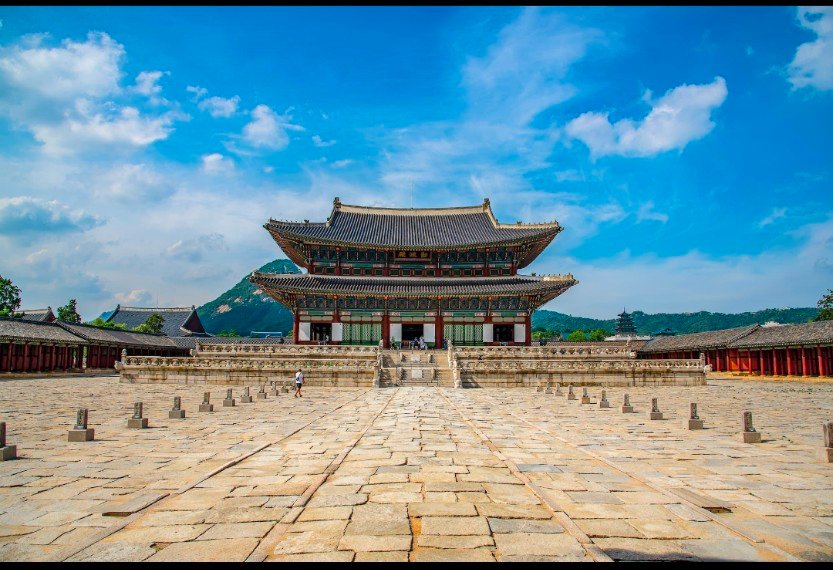
Gyeongbokgung is one of Seoul’s most important historic attractions.
Visit early in the day if you want to explore the palace grounds in a more relaxed atmosphere.
A popular experience is renting a hanbok, traditional Korean clothing, before visiting the palace area.
Bukchon Hanok Village
Bukchon is known for traditional Korean houses called hanok.
Its narrow streets provide excellent opportunities for photography, but remember that it is also a residential neighborhood. Keep noise low and respect residents.
Myeongdong
Myeongdong is one of Seoul’s major shopping and food areas.
You can find:
Korean cosmetics
Fashion
Cafés
Restaurants
Street food
Souvenirs
Hongdae
Hongdae is associated with youth culture, music, cafés, shopping and nightlife.
It is particularly attractive to younger travelers.
N Seoul Tower
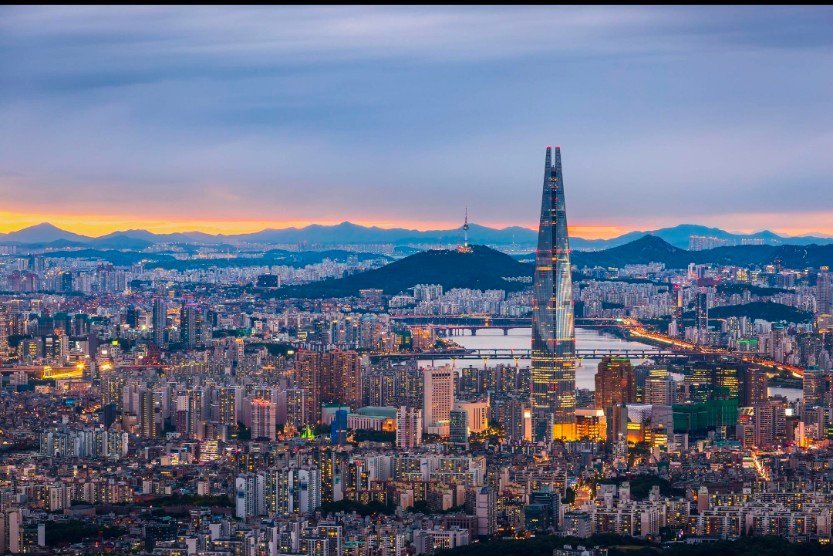
N Seoul Tower sits on Namsan and provides panoramic views of Seoul.
Go around sunset if you want to experience the city during both daylight and nighttime.
Busan
Busan provides a very different experience from Seoul.
It is famous for its coastline, beaches, seafood, markets and hillside neighborhoods.
Top places in Busan
Haeundae Beach
Gwangalli Beach
Gamcheon Culture Village
Haedong Yonggungsa Temple
Jagalchi Market
BIFF Square
Taejongdae
Songdo
Busan Tower
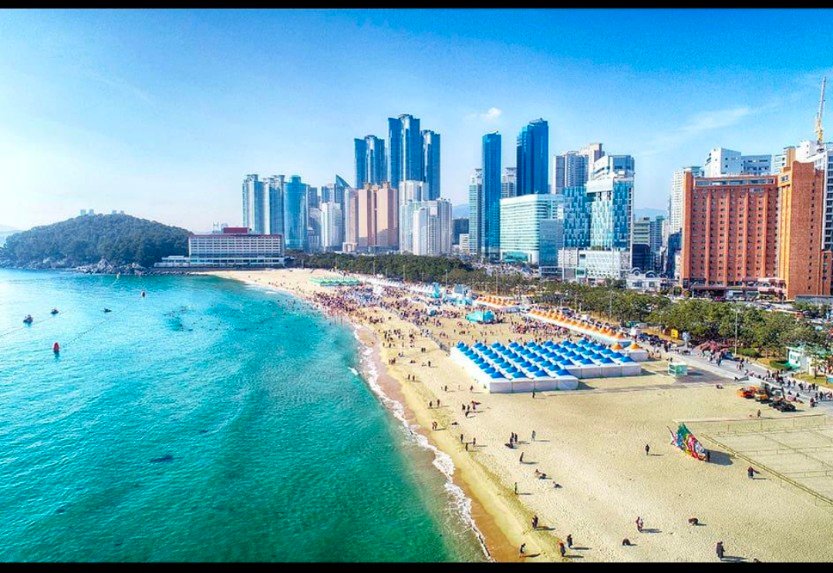
Haeundae Beach
Haeundae is one of Busan’s best-known beaches.
The surrounding area has hotels, cafés, restaurants and easy access to other attractions.
Gamcheon Culture Village
Gamcheon is famous for colorful buildings built along the hillside.
It is one of Busan’s most photographed areas.
Haedong Yonggungsa Temple
This beautiful Buddhist temple is located beside the sea and is particularly attractive for photography.
Gwangalli Beach
Gwangalli is known for its beach and views of Gwangan Bridge.
For many visitors, evening is an especially attractive time to explore the waterfront.
Jeju Island
Jeju is one of South Korea’s most famous island destinations.
The island is known for:
Volcanic landscapes
Beaches
Waterfalls
Hiking
Hallasan
Lava formations
Citrus farms
Coastal roads
Haenyeo culture
Places to visit in Jeju
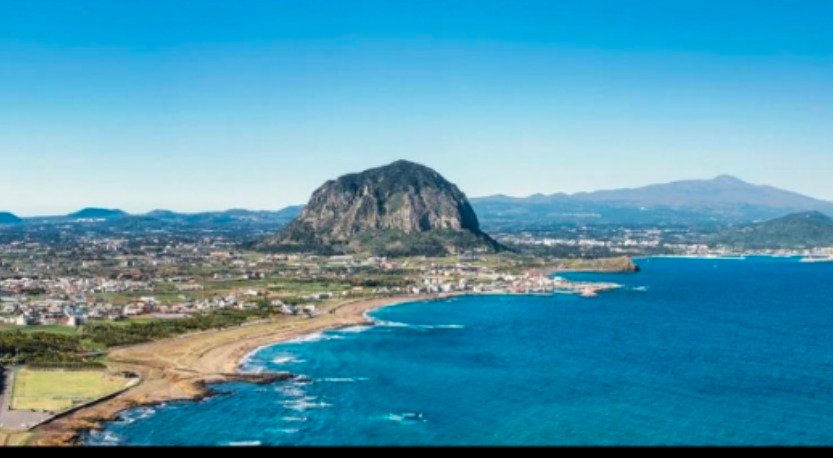
Seongsan Ilchulbong
Hallasan National Park
Manjanggul area
Jeju waterfalls
Seopjikoji
Jeju Olle Trails
Hamdeok Beach
Jungmun
O’Sulloc Tea Museum
Jeju is particularly suitable for travelers who want to combine nature with Korean culture.
Gyeongju
If you are interested in Korean history, consider adding Gyeongju to your itinerary.
Gyeongju was the capital of the ancient Silla Kingdom and contains numerous historical sites.
Highlights include:
Bulguksa Temple
Seokguram Grotto
Daereungwon Tomb Complex
Cheomseongdae
Wolji Pond
Historic areas of Gyeongju
A Gyeongju day trip can be added to a longer Seoul–Busan itinerary.
Incheon
Incheon is more than simply the location of South Korea’s major international airport.
Interesting places include:
Chinatown
Songdo
Central Park
Wolmido
Open Port area
If your flight schedule allows, you can spend part of a day exploring Incheon.
Best Time to Visit South Korea in 2026
South Korea has four distinct seasons.
Spring — March to May
Spring is one of the most popular seasons for travel.
You can experience:
Mild temperatures
Spring flowers
Cherry blossoms
Outdoor sightseeing
Hiking
April can be particularly popular because of spring blossoms.
However, exact flowering dates vary by location and weather.
Summer — June to August
Summer can be hot and humid.
Advantages include:
Beaches
Green landscapes
Long daylight hours
Summer events
Disadvantages can include:
Heat
Humidity
Rain
Crowds during holidays
Busan and Jeju can be attractive choices during summer.
Autumn — September to November
Autumn is another excellent period for exploring South Korea.
Expect:
Cooler weather
Autumn foliage
Comfortable sightseeing
Mountain scenery
September and October can be particularly attractive for outdoor travel, while November becomes cooler.
VisitKorea is currently publishing a 2026 fall foliage forecast, so travelers planning autumn trips should check the latest official updates closer to their travel dates. �
Visit Korea
Winter — December to February
Winter brings cold temperatures and, in some areas, snow.
It can be a good time for:
Winter photography
Ski resorts
Snow experiences
Christmas/New Year atmosphere
Lower-season travel in some areas
Jeju can have a different climate from Seoul, while mountainous areas can be significantly colder.
How Many Days Do You Need for South Korea?
4–5 Days
Focus on Seoul.
Suggested plan:
Day 1: Arrival + Myeongdong
Day 2: Gyeongbokgung + Bukchon + Insadong
Day 3: N Seoul Tower + Hongdae
Day 4: Gangnam + COEX + Hangang
Day 5: Shopping + departure
7 Days
Seoul + Busan
Spend approximately:
4 days Seoul
3 days Busan
10 Days
Seoul + Busan + Jeju
Example:
4 days Seoul
3 days Busan
3 days Jeju
12 Days
Add Gyeongju or additional time in Seoul/Jeju.
South Korea 10-Day Itinerary
Day 1 — Arrive in Seoul
Arrive at Incheon International Airport.
Travel to your hotel.
After check-in:
Explore Myeongdong
Try Korean street food
Walk through central Seoul
Keep your first evening relaxed because of jet lag.
Day 2 — Seoul Palace & Traditional Korea
Visit:
Gyeongbokgung Palace
Bukchon Hanok Village
Insadong
Jogyesa Temple
Cheonggyecheon Stream
This day focuses on Korean history and traditional culture.
Day 3 — Modern Seoul
Visit:
Hongdae
Yeonnam-dong
Gangnam
COEX
Starfield Library
Spend the evening exploring Seoul’s cafés and shopping streets.
Day 4 — Namsan & Markets
Visit:
Namsan
N Seoul Tower
Namdaemun Market
Myeongdong
Try different Korean snacks and reserve time for shopping.
Day 5 — Seoul to Busan
Travel to Busan by high-speed train.
After reaching Busan:
Check in
Explore Haeundae
Visit Gwangalli in the evening
Day 6 — Busan Coast
Visit:
Haedong Yonggungsa
Haeundae
Coastal areas
Local seafood restaurants
Day 7 — Busan Culture
Visit:
Gamcheon Culture Village
Jagalchi Market
BIFF Square
Nampo-dong
Day 8 — Busan to Jeju
Fly from Busan to Jeju.
After arriving:
Check in
Explore nearby beaches
Visit a local restaurant
Day 9 — Jeju Nature
Visit:
Seongsan Ilchulbong
Seopjikoji
Coastal areas
Start early if you want to visit Seongsan around sunrise.
Day 10 — Jeju & Departure
Depending on your flight:
Waterfall
Café
O’Sulloc area
Local market
Airport
South Korea Travel Budget 2026
Your total cost depends heavily on your departure city, hotel level, season and travel style.
Budget Traveler
Approximately:
₩60,000–₩100,000 per day, excluding international flights.
Mid-Range Traveler
Approximately:
₩120,000–₩250,000 per day, excluding international flights.
Premium Traveler
Costs can be considerably higher depending on hotels, restaurants, private transportation and activities.
These are planning ranges rather than fixed prices. Check current hotel, flight and attraction prices before booking.
South Korea Trip Cost From India
For an Indian traveler, the total trip budget may include:
India–Korea return flight
Korean visa/application expenses
Hotels
Food
Local transportation
Domestic flights
Attractions
Shopping
Travel insurance
SIM/eSIM
Emergency funds
A 7–10 day trip can vary significantly depending on whether you stay in hostels, budget hotels, 3–4 star hotels or premium properties.
Do not use one fixed “South Korea trip cost” figure for every traveler.
South Korea Visa for Indians
For mainland South Korea, Indian passport holders generally need a Korean visa.
The Korea Tourism Organization’s New Delhi office currently states that Indian citizens generally require a Korean visa and provides application information for different regions in India. �
Visit Korea
The KTO information lists visa application arrangements involving locations such as Delhi, Kolkata, Chennai and Mumbai. �
Visit Korea
Important Jeju Visa Information
The KTO India page currently describes a special visa-free arrangement for Indian nationals visiting Jeju, with important conditions including direct arrival in Jeju without touching mainland Korea and a tourism stay of up to 30 days. �
Visit Korea
Because entry rules can change, verify the exact conditions before making your itinerary.
Visa Checklist
Prepare documents such as:
Valid passport
Visa application form
Passport photographs
Financial documents
Bank statements
Employment/business/student documents as applicable
Hotel information
Flight itinerary
Travel plan
Other documents requested by the Korean authorities
Always follow the latest official checklist.
K-ETA for South Korea
K-ETA applies to travelers who can enter Korea without a visa under applicable visa-waiver arrangements.
The official VisitKorea information states that K-ETA rules and exemptions vary by nationality and that designated countries/regions have a temporary exemption through December 31, 2026. �
VISITKOREA – Imagine Your Korea
Do not assume that K-ETA replaces a visa for an Indian passport.
How to Reach South Korea From India
Major international entry point:
Incheon International Airport (ICN)
The Korea Tourism Organization’s India information lists direct services from Delhi and Mumbai, with schedules varying by airline and date. �
Visit Korea
Flight schedules change, so check the airline and airport information for your actual travel dates.
Getting From Incheon Airport to Seoul
Several transportation options are available.
Airport Railroad
The airport railway provides a convenient connection toward Seoul.
Airport Limousine Bus
Airport limousine buses serve various destinations around Seoul.
The Seoul Metropolitan Government currently lists airport limousine bus travel times of approximately 60–80 minutes, depending on route, traffic and destination, with fares varying by route. �
Official Website of the
Taxi
Taxis provide door-to-door transportation but cost more than public transportation.
Leave a Reply