Category: Blog

Your blog category

  • Best Time to Visit Saudi Arabia in 2026: Travel Guide

    best time to visit Saudi Arabia

    best-time-to-visit-saudi-arabia-2026

    Secondary keywords
    Saudi Arabia travel guide 2026
    best places to visit in Saudi Arabia
    Saudi Arabia weather by month
    Saudi Arabia travel itinerary
    things to do in Saudi Arabia
    Saudi Arabia travel cost
    Saudi Arabia tourist visa requirements
    best time to visit AlUla
    Riyadh travel guide
    Jeddah travel guide

    Long-tail keywords
    Is November a good time to visit Saudi Arabia?
    How many days are enough for Saudi Arabia?
    What to wear in Saudi Arabia as a tourist
    Best places to visit in Saudi Arabia in winter
    Saudi Arabia travel guide for first-time visitors

    Discover the best time to visit Saudi Arabia in 2026, with monthly weather tips, top attractions, travel costs, visa guidance and a practical itinerary.

    Best Time to Visit Saudi Arabia in 2026: Weather, Top Places, Travel Tips and Complete Guide
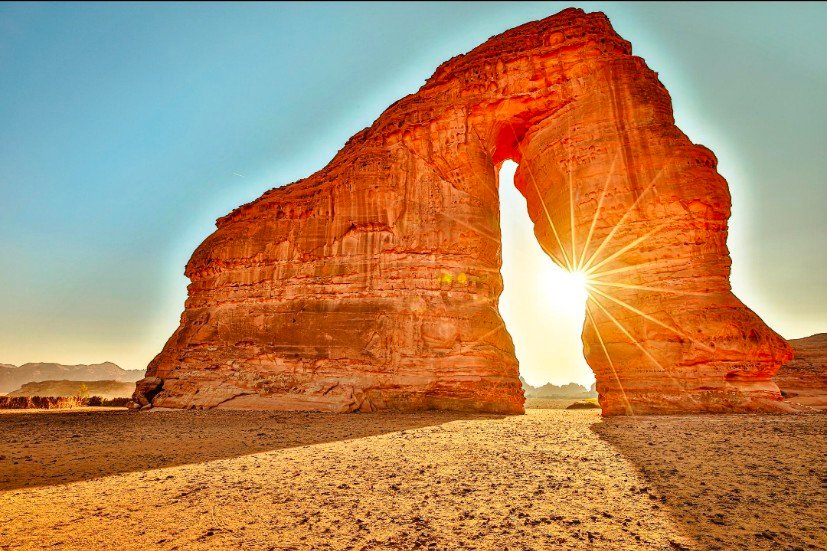
    Saudi Arabia is a fascinating destination where ancient history, dramatic desert landscapes, modern cities, traditional markets, Red Sea coastlines and rich Arabian culture come together. From the energetic streets of Riyadh to the historic neighbourhoods of Jeddah and the remarkable sandstone formations of AlUla, the country offers a wide range of experiences for international travellers.
    If you are planning a holiday in 2026, understanding the weather is one of the most important steps. Saudi Arabia has a predominantly dry desert climate, but temperatures and rainfall vary considerably between inland cities, coastal areas and the southwestern mountains. The country’s National Center for Meteorology identifies winter, spring, summer and autumn as having distinctly different temperature ranges.
    For most first-time visitors, October to March is a practical overall travel window, with November to February particularly attractive for outdoor sightseeing. However, the best month depends on your destination, budget, interests and tolerance for heat.
    This complete Saudi Arabia travel guide for 2026 explains when to visit, which places to explore, what to do, how to plan your route, how to prepare for the local culture and how to organise a more comfortable trip.
    Quick facts about Saudi Arabia
    Travel detail Information
    Country Saudi Arabia
    Capital Riyadh
    Main language Arabic
    Currency Saudi riyal (SAR)
    Best general season October to March
    Recommended first trip 7–10 days
    Popular destinations Riyadh, Jeddah, AlUla, Abha and Diriyah
    Main experiences Heritage, desert landscapes, museums, food and the Red Sea
    Climate Predominantly dry, with regional differences
    International visitors Check visa eligibility before booking
    Travel requirements, prices, event dates and attraction opening hours can change. Confirm these details before making non-refundable reservations

    What Is the Best Time to Visit Saudi Arabia in 2026?

    The best time to visit Saudi Arabia is generally during the cooler months from October through March. These months offer better conditions for exploring historical neighbourhoods, walking around outdoor attractions, taking desert excursions and enjoying evenings outside.
    The official Visit Saudi seasonal guide identifies winter as a favourable period for exploring cities, mountains and AlUla, while summer can bring temperatures around 45°C across much of the country. Coastal humidity can make the heat feel even more uncomfortable.
    November to February: Best for sightseeing
    Winter is an excellent choice for first-time visitors who want to combine cities, history and desert scenery.
    During this period, consider exploring:
    Riyadh’s museums and historic districts.
    Diriyah’s heritage attractions.
    AlUla’s ancient archaeological sites.
    Jeddah’s waterfront and historic Al-Balad.
    Desert landscapes and guided outdoor experiences.
    Desert nights can be cold, even when afternoons are pleasant. Bring layers and check local forecasts before heading out.
    October and March: Best shoulder-season options
    October and March can suit travellers who want a balance between outdoor exploration and potentially less intense peak-season demand.
    The weather varies by region, so do not assume every destination will be cool. Plan longer walks for mornings and evenings, and compare accommodation rates before booking.
    April and May: Best for carefully planned trips
    Spring can still work for travellers visiting cities, museums, restaurants and indoor attractions. However, inland temperatures rise as summer approaches.
    If your itinerary includes long desert walks or outdoor archaeological sites, schedule activities early in the day and keep midday flexible.

    June to September: Best for selected summer experiences
    Summer is the most challenging period for many outdoor itineraries. Visit Saudi notes that temperatures in much of the country can average around 45°C during this season, although the southwestern highlands are comparatively milder.
    Summer visitors can prioritise air-conditioned museums, shopping centres, selected coastal activities and mountain destinations. Avoid strenuous outdoor activity during extreme heat, drink water regularly and follow local safety advice.

    Saudi Arabia Weather by Month

    February Comfortable conditions in many regions City sightseeing and outdoor excursions
    March Warming days; variable spring weather Heritage and morning hikes
    April Increasing heat inland Museums and shorter outdoor visits
    May Hotter conditions Indoor attractions and selected highlands
    June Very hot in many areas Indoor sightseeing and carefully planned coast trips
    July Extreme inland heat; coastal humidity Indoor activities and mountain escapes
    August Very hot in much of the country Abha and selected indoor attractions
    September Temperatures may remain high Flexible itineraries and early starts
    October Transition toward milder weather Cities, heritage and outdoor experiences
    November Often favourable for sightseeing AlUla, Riyadh and Jeddah
    December Cool evenings and popular winter trips Desert landscapes and cultural experiences
    For official climate information, consult the  and .

    Best Places to Visit in Saudi Arabia in 2026

    Saudi Arabia is a large country. Rather than trying to see everything in one trip, select destinations that fit your available time and the season.

    Riyadh — Modern Saudi Arabia and historic heritage

    Riyadh is the country’s capital and a useful starting point for discovering modern Saudi culture, architecture, museums and traditional heritage.
    Things to do in Riyadh include visiting the National Museum, exploring traditional markets, discovering historic sites and enjoying the city’s contemporary dining scene.
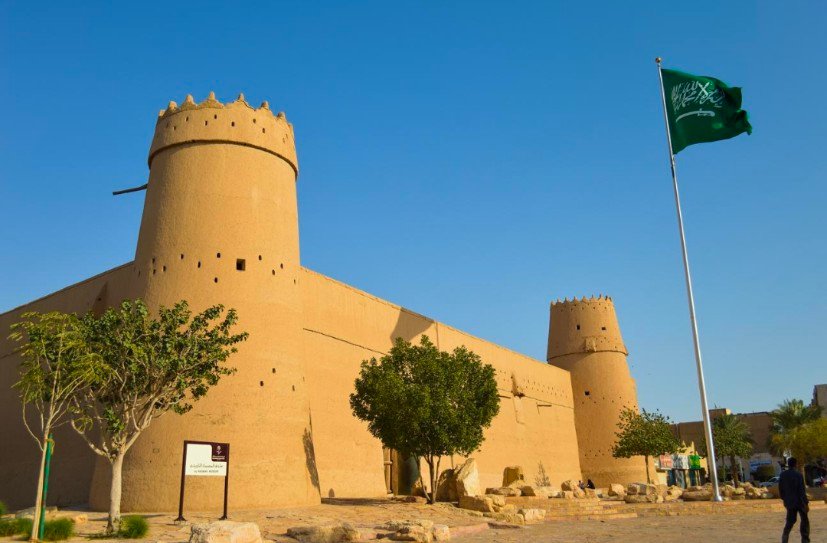
    Plan a visit to the historic Al Masmak Fortress area, then explore modern districts and cafés. Diriyah, a separate historic destination near Riyadh, is also worth considering for its cultural significance and restored architecture.
    Best time: October to March for a more comfortable outdoor itinerary.
    Suggested duration: Two days.
    Travel tip: Riyadh is spread out. Check distances before booking a hotel, and use licensed transport or reputable ride-hailing services.

    AlUla — Ancient tombs and spectacular desert scenery
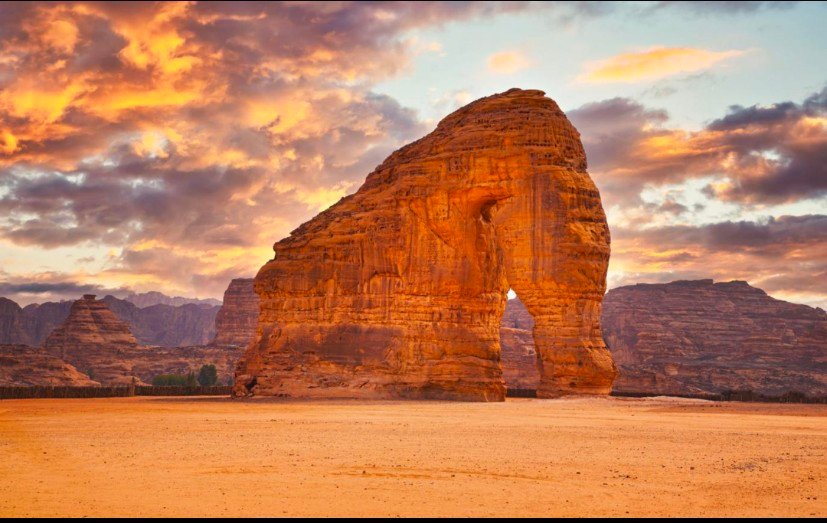
    AlUla is one of Saudi Arabia’s most distinctive destinations, known for sandstone formations, archaeological heritage and desert scenery.
    The area’s major attraction is Hegra, a UNESCO World Heritage Site associated with the Nabataean civilisation. AlUla Old Town, Elephant Rock and the striking mirrored architecture of Maraya are other popular highlights. Visit Saudi describes AlUla as a destination combining ancient heritage with distinctive natural landscapes.
    Activities to consider include:
    Booking a guided visit to Hegra.
    Exploring AlUla Old Town.
    Photographing Elephant Rock at suitable times.
    Taking an organised desert excursion.
    Enjoying the night sky away from city lights where permitted.
    Best time: November to February is generally a strong choice for outdoor exploration.
    Suggested duration: Two or three days.
    Travel tip: Check attraction availability, entry requirements and tour schedules in advance. Some archaeological sites require timed reservations.

    Jeddah — Red Sea coast and historic Al-Balad
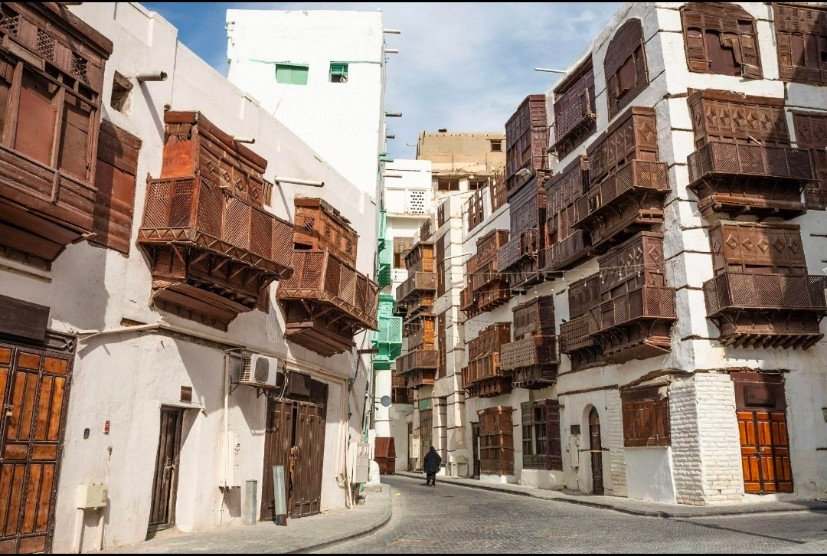
    Jeddah combines coastal scenery, historic architecture, restaurants and a lively urban atmosphere. It is an appealing destination for visitors who want to explore Saudi Arabia’s Red Sea region.
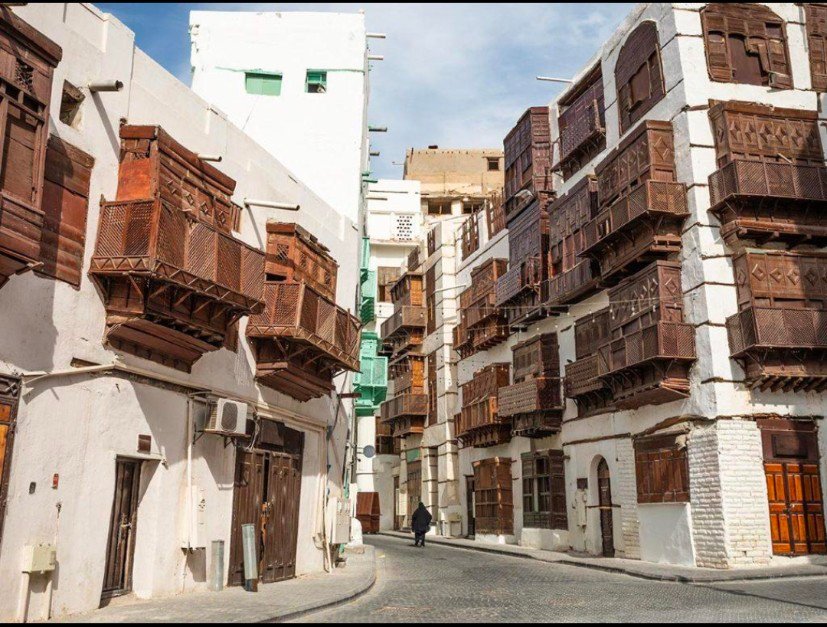
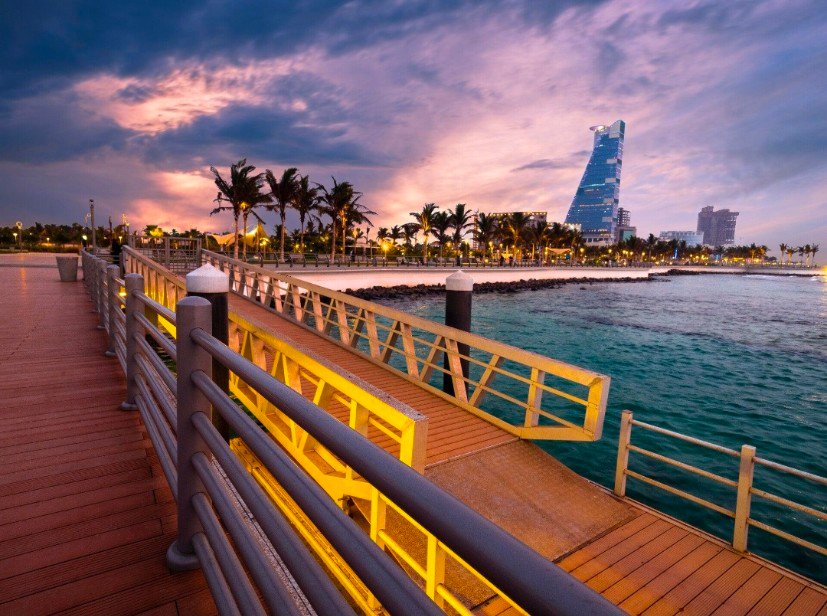
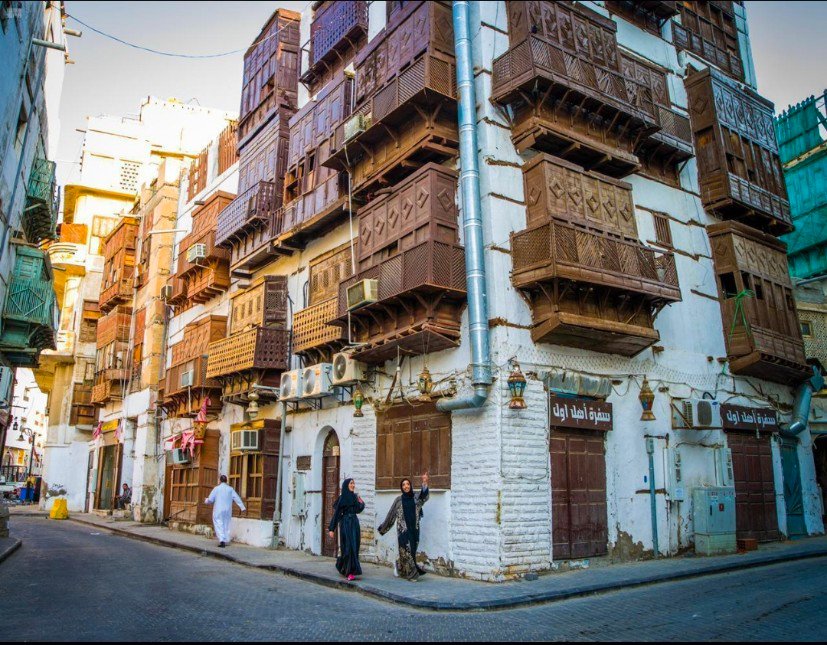
    Start with Al-Balad, the historic district known for traditional buildings and distinctive wooden balconies. Continue to the waterfront for sea views, cafés and an evening stroll when the weather is comfortable.
    You can also explore local restaurants, art spaces and shopping areas.
    Best time: November to March for many outdoor activities, although coastal humidity varies.
    Suggested duration: Two days.
    Travel tip: Dress respectfully when visiting religious or heritage locations, and check the opening times of museums and cultural sites before travelling.

    Diriyah — The birthplace of the Saudi state
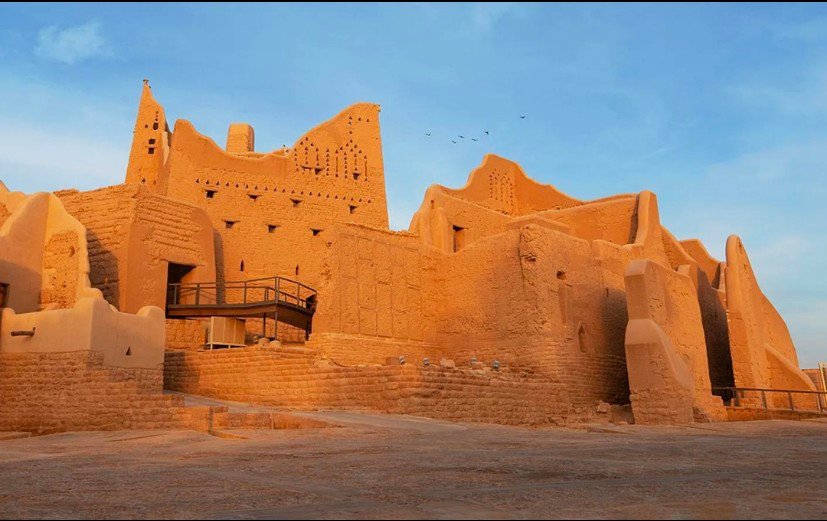
    Diriyah is an important heritage destination near Riyadh. Its At-Turaif district showcases traditional Najdi architecture and the history of the Saudi state.
    Explore the restored buildings, walk through designated heritage areas and learn about the region’s past. The nearby Bujairi area offers dining and visitor experiences, subject to current access and opening arrangements.
    Best time: October to March.
    Suggested duration: Half a day to one day.
    Travel tip: Check official ticketing and access information, especially during special events and busy holiday periods.

    Abha and the Aseer Highlands — Mountains and cooler scenery
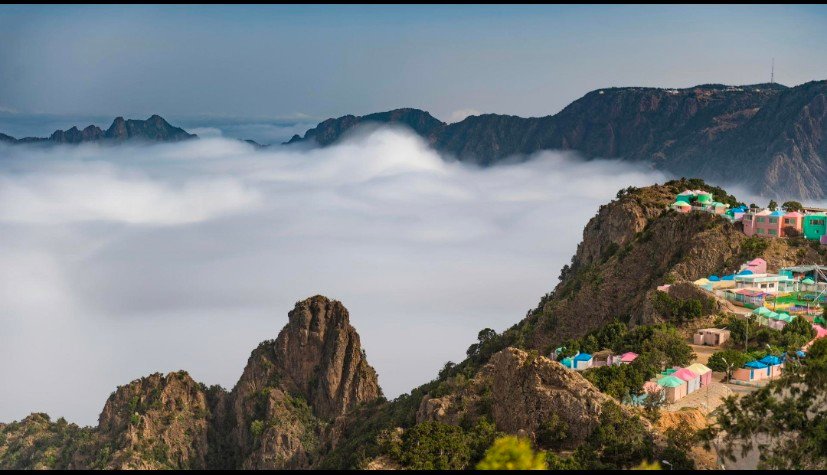
    The Aseer region in southwestern Saudi Arabia offers a different landscape from the country’s central deserts. Visitors can discover mountain viewpoints, traditional villages and green highland scenery.
    Consider exploring Abha, visiting the heritage village of Rijal Almaa and looking for viewpoints around the Soudah highlands. The climate can be more moderate than in many lowland areas, although conditions change with altitude and season.
    Best time: Choose dates based on local weather, with summer offering a potential escape from extreme inland heat.
    Suggested duration: Two days.
    Travel tip: Mountain roads may be winding and visibility can change quickly. Check road conditions and weather alerts before driving.

    The Red Sea — Marine experiences and coastal relaxation
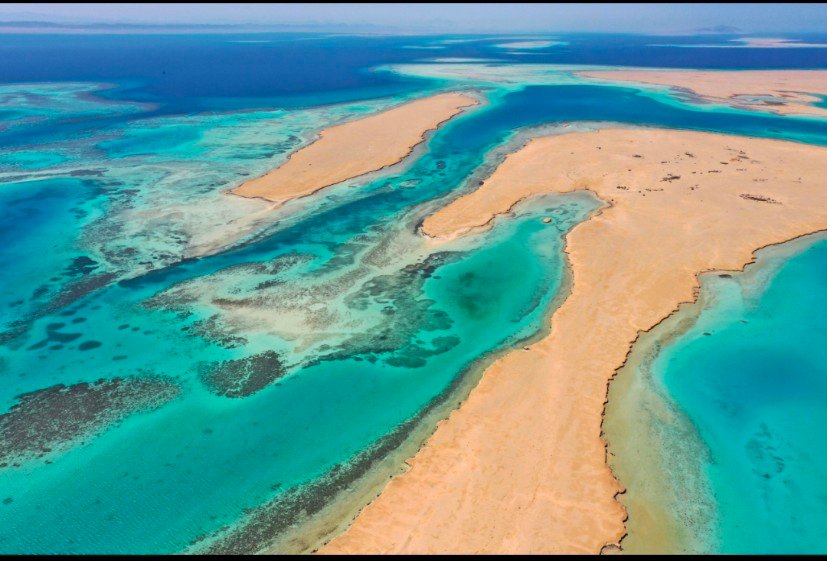
    The Red Sea region is worth considering for travellers interested in marine life, snorkelling, diving and resort stays.
    Activities depend on the location, season, weather, operator and access arrangements. Choose licensed providers, follow marine conservation rules and avoid touching coral or disturbing wildlife.
    Best time: Cooler months can be comfortable for combining coastal excursions with city sightseeing. Summer can also work for selected water activities if conditions and heat precautions are appropriate.
    Suggested duration: Two to three days for a dedicated coastal stay.
    Travel tip: Resort availability, transfers and activity costs vary considerably. Confirm what is included before paying for a package.

    Taif — Mountain scenery and a change of pace
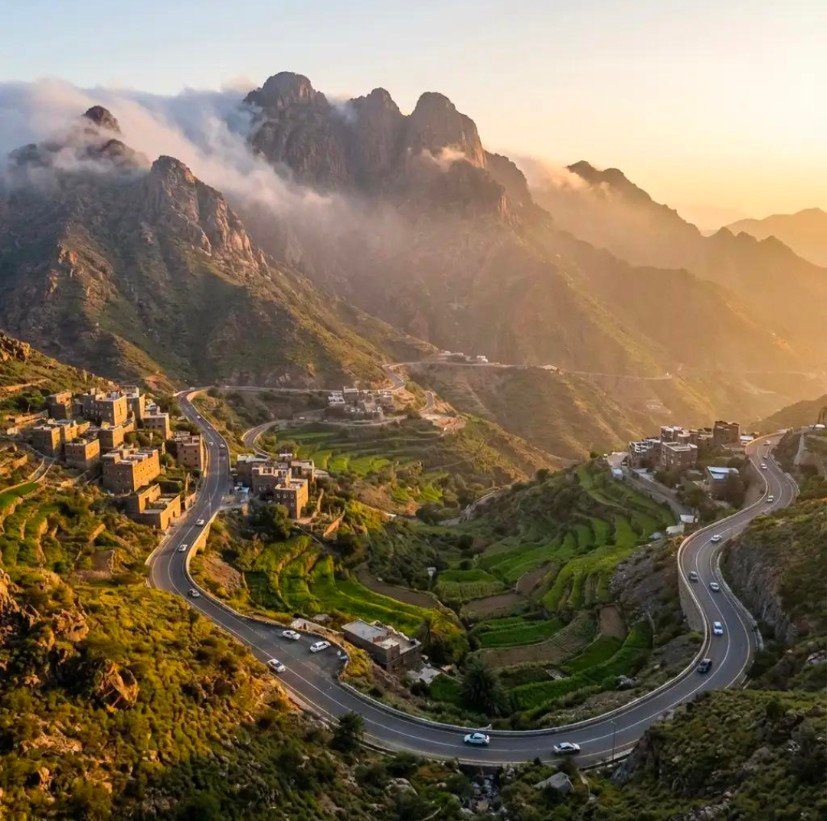
    Taif is known for its highland setting and regional produce. It can be an appealing addition for travellers interested in mountain views, gardens and a slower-paced trip.
    Visit viewpoints, explore local markets and sample regional food. If you are travelling during warmer months, compare local forecasts before deciding which outdoor activities to include.
    Best time: Spring and summer may appeal to visitors seeking a highland destination, but check actual weather conditions.
    Suggested duration: One or two days.

    Al-Ahsa — Oases, traditional culture and natural scenery
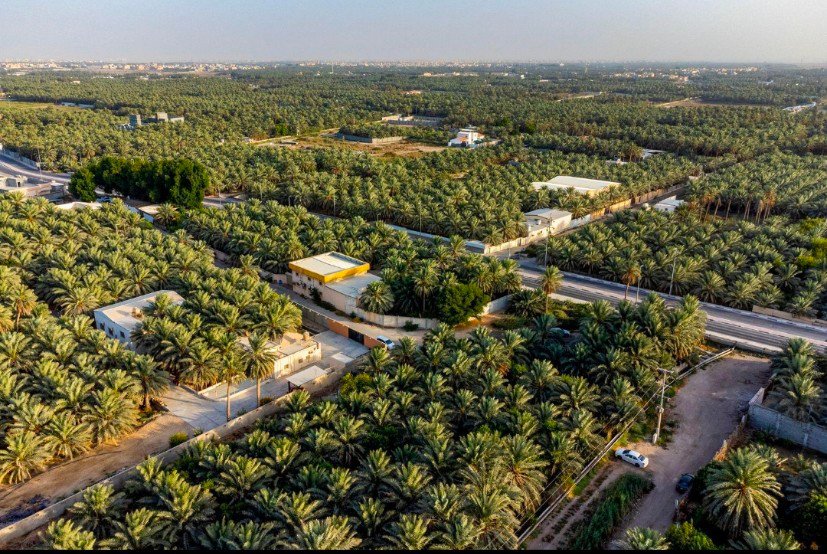
    Al-Ahsa offers a different perspective on Saudi Arabia, with palm groves, oasis landscapes, traditional communities and cultural attractions.
    Spend time learning about the oasis environment, discovering local markets and exploring designated visitor sites. Check opening times and transport options before visiting attractions outside the main urban areas.
    Best time: The cooler months are generally more comfortable for walking and outdoor sightseeing.
    Suggested duration: One or two days.

    How to Explore Saudi Arabia in 2026

    The best way to explore Saudi Arabia is to build your itinerary around geographical regions instead of repeatedly travelling across the country.
    For a first visit, choose a city, add a heritage destination and include either the Red Sea or the southwestern highlands. If you have more time, add another region.
    H3: Choose your travel style
    Culture and history: Riyadh, Diriyah, AlUla and Jeddah.
    Desert adventure: AlUla and organised excursions in suitable areas.
    Coastal relaxation: Jeddah and accessible Red Sea destinations.
    Mountains and nature: Abha, Aseer and Taif.
    Food and city life: Riyadh and Jeddah.
    Religious travel: Plan separately around the relevant pilgrimage requirements and official arrangements.

    Saudi Arabia is too large to explore efficiently without planning transport. Domestic flights may save time on longer journeys, while trains, buses, taxis and rental cars may suit particular routes.
    Check current rail routes and schedules before relying on them. For desert excursions and remote locations, book with reputable operators and confirm pickup points, vehicle suitability and safety arrangements.
    Avoid driving long distances when tired, and do not assume a remote attraction can be reached in an ordinary car.

    Saudi Arabia Travel Itinerary for 7 Days

    This seven-day route is an example for visitors who want a mixture of city life, heritage and desert landscapes. Check flight connections and travel times before booking.

    Day 1 — Arrive in Riyadh
    Check into your accommodation, explore a nearby district and enjoy a relaxed evening.

    Day 2 — Discover Riyadh’s history
    Visit selected museums and heritage attractions. Explore Diriyah if time and transport allow.
    Day 3 — Travel to AlUla
    Use a suitable flight or other available connection. Check in and explore the local area.
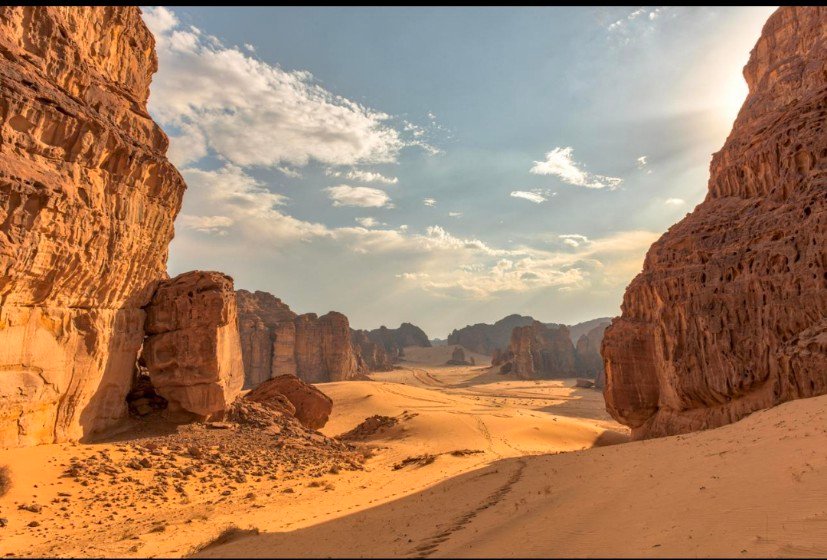
    Day 4 — Explore AlUla
    Visit Hegra on a booked tour and explore other accessible heritage sites.
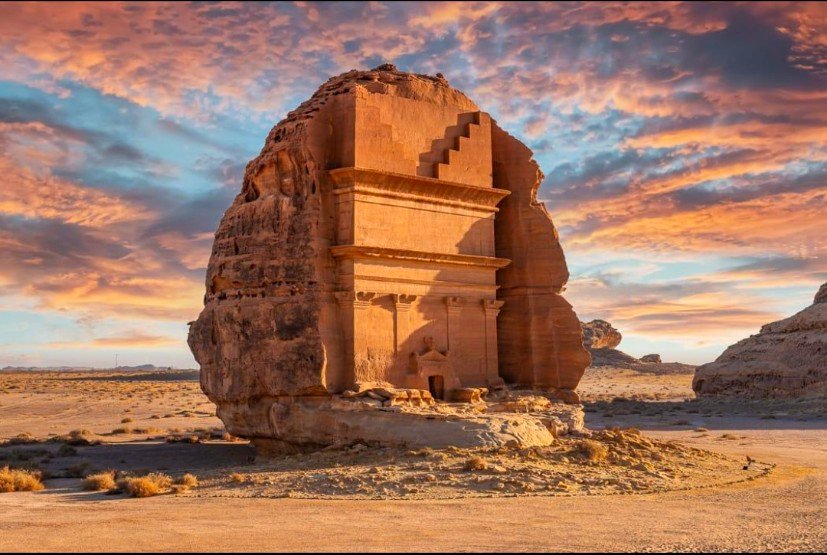
    Day 5 — Travel to Jeddah
    Arrange a suitable connection and enjoy the city’s food scene or waterfront in the evening.
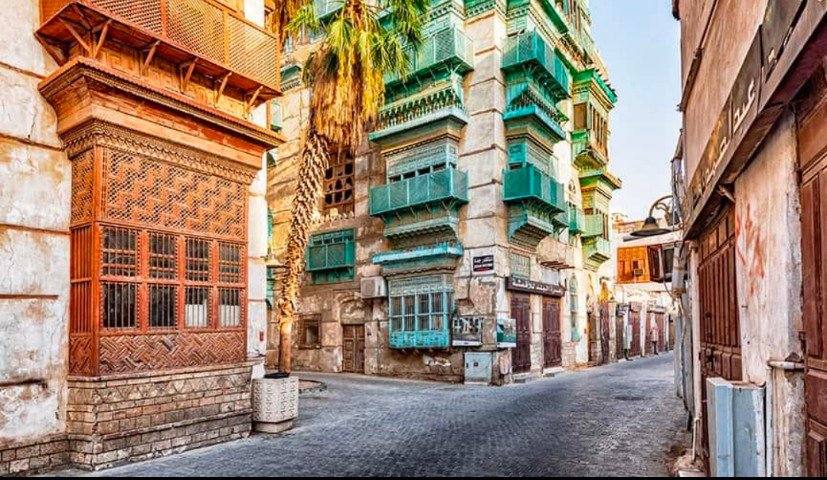
    Day 6 — Explore historic Jeddah
    Discover Al-Balad, traditional architecture, local markets and selected cultural attractions.
    Day 7 — Enjoy the coast and depart
    Spend the morning at a suitable waterfront location, then leave enough time for your airport transfer.
    This itinerary requires advance planning because domestic transport connections may not line up perfectly. If you prefer a slower trip, spend the full week between Riyadh and AlUla or between Jeddah and nearby coastal destinations.

    Saudi Arabia Travel Cost in 2026

    Your total travel budget depends on your departure country, season, hotel standard, transport choices, food preferences and the activities you book.
    Use the following as a planning framework rather than a live price quotation.
    Expense What to budget for
    International flights Compare fares from your departure airport
    Hotels Compare location, ratings, taxes and cancellation terms
    Food Mix local restaurants with occasional higher-end dining
    Transport Account for taxis, transfers, rental cars or domestic flights
    Attractions Check entrance fees and guided-tour prices
    Travel insurance Choose cover appropriate to your activities
    Extra expenses SIM/eSIM, shopping, water and unexpected costs
    How to save money
    Compare flights across several departure dates.
    Book accommodation early for popular winter periods and major events.
    Stay near attractions to reduce local transport expenses.
    Compare the full cost of a rental car with taxis and transfers.
    Reserve popular tours directly through reputable operators.
    Keep an emergency fund for delays and unexpected expenses.
    Do not assume that every destination is inexpensive. Remote desert tours, luxury coastal resorts and premium experiences can cost substantially more than ordinary city sightseeing.

    Saudi Arabia Tourist Visa Requirements for 2026

    Visa requirements depend on your nationality, passport, purpose of travel and eligibility category. Some nationalities qualify for an electronic tourist visa, while others may need a different application route.
    Before booking, check the official  and the . These resources provide eligibility guidance and information about entry requirements. Saudi tourist visa portal⁠
    Visit Saudi visa information page⁠
    Important steps:
    Check your nationality’s eligibility.
    Confirm that your passport meets the current validity requirements.
    Apply through an official or authorised channel.
    Review visa validity, permitted activities and length of stay.
    Check travel insurance requirements.
    Confirm separate rules for Hajj or other pilgrimage travel.
    For Indian passport holders: Do not assume that eligibility is identical to that of every other nationality. Confirm the current options for Indian citizens on the official portal before paying for flights or accommodation.
    A tourist visa should not be treated as permission to work. Pilgrimage requirements and access restrictions may differ from ordinary tourism rules.

    What to Wear and Cultural Etiquette in Saudi Arabia

    Respecting local customs helps make a trip smoother and more enjoyable.
    The official Saudi tourist visa website states that visitors should dress modestly in public places and respect local customs and traditions.
    Clothing advice
    Choose loose, comfortable clothing that covers the shoulders and knees in public.
    Carry lightweight long sleeves for sun protection and cultural settings.
    Bring comfortable walking shoes.
    Pack a warm layer for cool winter evenings and desert nights.
    Check the dress requirements for religious sites and individual attractions.
    Female visitors do not generally need to wear a traditional abaya everywhere, but specific places may have their own requirements. Follow local instructions and dress more conservatively at religious sites.
    Photography and behaviour
    Ask permission before photographing local people. Avoid photographing restricted government or military locations, and follow posted rules at museums and religious sites.
    Public behaviour should remain respectful. Alcohol is prohibited in Saudi Arabia, and visitors should familiarise themselves with local laws before travelling.
    Visiting during Ramadan
    Ramadan changes daily routines, restaurant schedules and opening hours. Visitors should check local guidance and show respect for religious practices. Confirm opening times before planning sightseeing around meals or evening activities.

    Saudi Arabian Food You Should Try
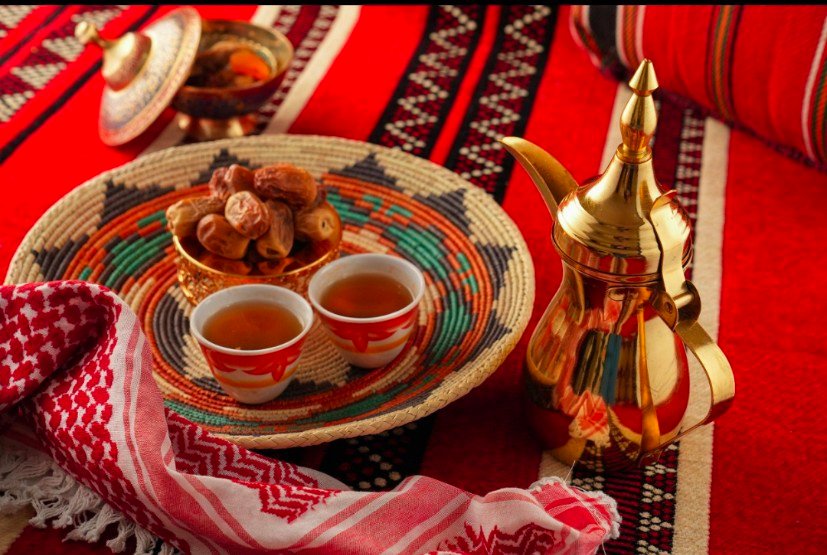
    Food is an important part of exploring Saudi Arabia. Local dishes vary by region, and restaurants range from traditional eateries to international dining venues.
    Try these dishes if they are available and suit your dietary preferences:
    Kabsa: A rice-based dish served with meat or chicken.
    Jareesh: A traditional dish prepared using crushed wheat.
    Mutabbaq: A filled, pan-cooked pastry popular as a snack.
    Dates and Arabic coffee: A traditional combination often associated with hospitality.
    Regional grilled dishes: Look for local preparations using meat, rice and aromatic spices.
    Ask about ingredients and allergens when ordering. Restaurant menus and preparation methods can vary.

    Best Photography Spots in Saudi Arabia

    Saudi Arabia offers many opportunities for landscape, architecture and cultural photography.
    AlUla
    Photograph sandstone formations during suitable daylight, and check permitted photography areas at archaeological sites.
    Riyadh
    Look for city skyline views, modern architecture and designated public viewpoints.
    Historic Jeddah
    Capture traditional building details, doorways and historic streets while respecting residents’ privacy.
    Aseer Highlands
    Photograph mountain scenery, changing cloud cover and village landscapes when conditions are safe.
    For your blog, use original images wherever possible. If you use AI-generated illustrations, label them appropriately rather than presenting them as documentary photographs.

    Essential Travel Tips for Saudi Arabia in 2026

    • A little preparation can help you avoid unnecessary stress.
      Check travel advisories before departure. Review current government guidance and airline updates, particularly when regional security conditions may affect travel.
      Confirm entry rules. Visa eligibility and entry requirements can differ by nationality.
      Check the weather forecast. Plan outdoor activities around the actual conditions rather than seasonal averages alone.
      Keep drinking water available. Heat can be dangerous, particularly during long outdoor excursions.
      Book guided desert trips. Choose reputable operators and avoid isolated routes without appropriate equipment.
      Use suitable transport. Verify routes, pickup points and driving distances.
      Respect cultural rules. Follow local guidance on clothing, photography and public behaviour.
      Keep digital copies of important documents. Store them securely and carry required travel documents.
      Check attraction hours. Holidays, prayer schedules, special events and seasonal operations may affect access.
      Allow flexibility. Leave room for weather changes, transport delays and unexpected closures.
      Important current travel advisory
      Travel conditions can change rapidly. A Reuters report published on October 14, 2026, described security incidents affecting pilgrims and travel arrangements in Saudi Arabia. Before travelling, review the latest official advisory for your nationality and confirm the status of your specific route with your airline.

    Frequently Asked Questions About Visiting Saudi Arabia

    1. What is the best month to visit Saudi Arabia in 2026?
    November is a strong general choice for outdoor sightseeing, while December, January and February are also attractive. The ideal month depends on the region and your activities.
    2. Is Saudi Arabia worth visiting in summer?
    Yes, for selected trips, particularly indoor attractions and carefully planned coastal or highland activities. However, extreme heat makes many outdoor itineraries less comfortable.
    3. How many days are enough for Saudi Arabia?
    Seven to ten days is a useful starting point for a first visit covering two or three destinations. Exploring the entire country requires considerably more time.
    4. Is AlUla worth visiting?
    Yes. AlUla combines ancient archaeological heritage, dramatic rock formations and desert scenery. Reserve sufficient time to visit Hegra and other attractions.
    5. Can Indian citizens visit Saudi Arabia as tourists?
    Indian citizens must meet the applicable Saudi entry and visa requirements. Check eligibility and application options through the official . Saudi tourist visa portal⁠
    6. Is Saudi Arabia expensive for tourists?
    Costs vary widely. Budget-conscious travellers can compare ordinary hotels, local restaurants and public transport, while remote tours and luxury resorts can raise the total substantially.
    7. What should I pack for Saudi Arabia in winter?
    Pack lightweight daytime clothing, comfortable shoes, sun protection and a warm layer for cool evenings. Desert nights and northern areas can be considerably colder than expected.
    8. Is modest clothing necessary?

    Yes. Visitors should dress modestly in public and follow any additional rules at religious or heritage sites. Check current official guidance before travelling.
    9. Can tourists explore Saudi Arabia by public transport?
    Transport options vary by city and route. Flights, buses, trains on selected routes, taxis and rental cars can all be useful. Verify current schedules and connections before planning your journey.
    10. What is the best destination for first-time visitors?
    Riyadh is a useful starting point for modern city life and heritage. AlUla is ideal for ancient sites and desert scenery, while Jeddah suits visitors interested in coastal culture and historic architecture.

    Conclusion: Plan the Best Time to Visit Saudi Arabia in 2026

    Saudi Arabia offers a remarkable combination of historic landmarks, desert landscapes, modern cities, mountain scenery and Red Sea experiences. For most travellers who want to explore outdoors, October through March is the most practical general season, with November through February especially appealing for many sightseeing itineraries.
    Start with Riyadh if you want to understand the country’s modern and historic sides, visit AlUla for its ancient heritage and dramatic landscapes, and choose Jeddah for its historic neighbourhoods and coastal atmosphere. If you prefer mountains, consider Abha and the Aseer region.
    The key to a successful trip is to match your destination to the weather, verify visa requirements, respect local customs and plan transport realistically.
    With careful preparation, a trip to Saudi Arabia in 2026 can become a memorable journey through one of the Arabian Peninsula’s most diverse destinations.

  • Best Time to Visit Saudi Arabia in 2026: Travel Guide

    Best Time to Visit Saudi Arabia in 2026: Travel Guide

    best time to visit Saudi Arabia

    best-time-to-visit-saudi-arabia-2026

    Secondary keywords
    Saudi Arabia travel guide 2026
    best places to visit in Saudi Arabia
    Saudi Arabia weather by month
    Saudi Arabia travel itinerary
    things to do in Saudi Arabia
    Saudi Arabia travel cost
    Saudi Arabia tourist visa requirements
    best time to visit AlUla
    Riyadh travel guide
    Jeddah travel guide

    Long-tail keywords
    Is November a good time to visit Saudi Arabia?
    How many days are enough for Saudi Arabia?
    What to wear in Saudi Arabia as a tourist
    Best places to visit in Saudi Arabia in winter
    Saudi Arabia travel guide for first-time visitors

    Discover the best time to visit Saudi Arabia in 2026, with monthly weather tips, top attractions, travel costs, visa guidance and a practical itinerary.

    Best Time to Visit Saudi Arabia in 2026: Weather, Top Places, Travel Tips and Complete Guide

    Saudi Arabia is a fascinating destination where ancient history, dramatic desert landscapes, modern cities, traditional markets, Red Sea coastlines and rich Arabian culture come together. From the energetic streets of Riyadh to the historic neighbourhoods of Jeddah and the remarkable sandstone formations of AlUla, the country offers a wide range of experiences for international travellers.
    If you are planning a holiday in 2026, understanding the weather is one of the most important steps. Saudi Arabia has a predominantly dry desert climate, but temperatures and rainfall vary considerably between inland cities, coastal areas and the southwestern mountains. The country’s National Center for Meteorology identifies winter, spring, summer and autumn as having distinctly different temperature ranges.
    For most first-time visitors, October to March is a practical overall travel window, with November to February particularly attractive for outdoor sightseeing. However, the best month depends on your destination, budget, interests and tolerance for heat.
    This complete Saudi Arabia travel guide for 2026 explains when to visit, which places to explore, what to do, how to plan your route, how to prepare for the local culture and how to organise a more comfortable trip.
    Quick facts about Saudi Arabia
    Travel detail Information
    Country Saudi Arabia
    Capital Riyadh
    Main language Arabic
    Currency Saudi riyal (SAR)
    Best general season October to March
    Recommended first trip 7–10 days
    Popular destinations Riyadh, Jeddah, AlUla, Abha and Diriyah
    Main experiences Heritage, desert landscapes, museums, food and the Red Sea
    Climate Predominantly dry, with regional differences
    International visitors Check visa eligibility before booking
    Travel requirements, prices, event dates and attraction opening hours can change. Confirm these details before making non-refundable reservations

    What Is the Best Time to Visit Saudi Arabia in 2026?

    The best time to visit Saudi Arabia is generally during the cooler months from October through March. These months offer better conditions for exploring historical neighbourhoods, walking around outdoor attractions, taking desert excursions and enjoying evenings outside.
    The official Visit Saudi seasonal guide identifies winter as a favourable period for exploring cities, mountains and AlUla, while summer can bring temperatures around 45°C across much of the country. Coastal humidity can make the heat feel even more uncomfortable.
    November to February: Best for sightseeing
    Winter is an excellent choice for first-time visitors who want to combine cities, history and desert scenery.
    During this period, consider exploring:
    Riyadh’s museums and historic districts.
    Diriyah’s heritage attractions.
    AlUla’s ancient archaeological sites.
    Jeddah’s waterfront and historic Al-Balad.
    Desert landscapes and guided outdoor experiences.
    Desert nights can be cold, even when afternoons are pleasant. Bring layers and check local forecasts before heading out.
    October and March: Best shoulder-season options
    October and March can suit travellers who want a balance between outdoor exploration and potentially less intense peak-season demand.
    The weather varies by region, so do not assume every destination will be cool. Plan longer walks for mornings and evenings, and compare accommodation rates before booking.
    April and May: Best for carefully planned trips
    Spring can still work for travellers visiting cities, museums, restaurants and indoor attractions. However, inland temperatures rise as summer approaches.
    If your itinerary includes long desert walks or outdoor archaeological sites, schedule activities early in the day and keep midday flexible.

    June to September: Best for selected summer experiences
    Summer is the most challenging period for many outdoor itineraries. Visit Saudi notes that temperatures in much of the country can average around 45°C during this season, although the southwestern highlands are comparatively milder.
    Summer visitors can prioritise air-conditioned museums, shopping centres, selected coastal activities and mountain destinations. Avoid strenuous outdoor activity during extreme heat, drink water regularly and follow local safety advice.

    Saudi Arabia Weather by Month

    February Comfortable conditions in many regions City sightseeing and outdoor excursions
    March Warming days; variable spring weather Heritage and morning hikes
    April Increasing heat inland Museums and shorter outdoor visits
    May Hotter conditions Indoor attractions and selected highlands
    June Very hot in many areas Indoor sightseeing and carefully planned coast trips
    July Extreme inland heat; coastal humidity Indoor activities and mountain escapes
    August Very hot in much of the country Abha and selected indoor attractions
    September Temperatures may remain high Flexible itineraries and early starts
    October Transition toward milder weather Cities, heritage and outdoor experiences
    November Often favourable for sightseeing AlUla, Riyadh and Jeddah
    December Cool evenings and popular winter trips Desert landscapes and cultural experiences
    For official climate information, consult the  and .

    Best Places to Visit in Saudi Arabia in 2026

    Saudi Arabia is a large country. Rather than trying to see everything in one trip, select destinations that fit your available time and the season.

    Riyadh — Modern Saudi Arabia and historic heritage

    Riyadh is the country’s capital and a useful starting point for discovering modern Saudi culture, architecture, museums and traditional heritage.
    Things to do in Riyadh include visiting the National Museum, exploring traditional markets, discovering historic sites and enjoying the city’s contemporary dining scene.
    Plan a visit to the historic Al Masmak Fortress area, then explore modern districts and cafés. Diriyah, a separate historic destination near Riyadh, is also worth considering for its cultural significance and restored architecture.
    Best time: October to March for a more comfortable outdoor itinerary.
    Suggested duration: Two days.
    Travel tip: Riyadh is spread out. Check distances before booking a hotel, and use licensed transport or reputable ride-hailing services.

    AlUla — Ancient tombs and spectacular desert scenery

    AlUla is one of Saudi Arabia’s most distinctive destinations, known for sandstone formations, archaeological heritage and desert scenery.
    The area’s major attraction is Hegra, a UNESCO World Heritage Site associated with the Nabataean civilisation. AlUla Old Town, Elephant Rock and the striking mirrored architecture of Maraya are other popular highlights. Visit Saudi describes AlUla as a destination combining ancient heritage with distinctive natural landscapes.
    Activities to consider include:
    Booking a guided visit to Hegra.
    Exploring AlUla Old Town.
    Photographing Elephant Rock at suitable times.
    Taking an organised desert excursion.
    Enjoying the night sky away from city lights where permitted.
    Best time: November to February is generally a strong choice for outdoor exploration.
    Suggested duration: Two or three days.
    Travel tip: Check attraction availability, entry requirements and tour schedules in advance. Some archaeological sites require timed reservations.

    Jeddah — Red Sea coast and historic Al-Balad

    Jeddah combines coastal scenery, historic architecture, restaurants and a lively urban atmosphere. It is an appealing destination for visitors who want to explore Saudi Arabia’s Red Sea region.
    Start with Al-Balad, the historic district known for traditional buildings and distinctive wooden balconies. Continue to the waterfront for sea views, cafés and an evening stroll when the weather is comfortable.
    You can also explore local restaurants, art spaces and shopping areas.
    Best time: November to March for many outdoor activities, although coastal humidity varies.
    Suggested duration: Two days.
    Travel tip: Dress respectfully when visiting religious or heritage locations, and check the opening times of museums and cultural sites before travelling.

    Diriyah — The birthplace of the Saudi state

    Diriyah is an important heritage destination near Riyadh. Its At-Turaif district showcases traditional Najdi architecture and the history of the Saudi state.
    Explore the restored buildings, walk through designated heritage areas and learn about the region’s past. The nearby Bujairi area offers dining and visitor experiences, subject to current access and opening arrangements.
    Best time: October to March.
    Suggested duration: Half a day to one day.
    Travel tip: Check official ticketing and access information, especially during special events and busy holiday periods.

    Abha and the Aseer Highlands — Mountains and cooler scenery

    The Aseer region in southwestern Saudi Arabia offers a different landscape from the country’s central deserts. Visitors can discover mountain viewpoints, traditional villages and green highland scenery.
    Consider exploring Abha, visiting the heritage village of Rijal Almaa and looking for viewpoints around the Soudah highlands. The climate can be more moderate than in many lowland areas, although conditions change with altitude and season.
    Best time: Choose dates based on local weather, with summer offering a potential escape from extreme inland heat.
    Suggested duration: Two days.
    Travel tip: Mountain roads may be winding and visibility can change quickly. Check road conditions and weather alerts before driving.

    The Red Sea — Marine experiences and coastal relaxation

    The Red Sea region is worth considering for travellers interested in marine life, snorkelling, diving and resort stays.
    Activities depend on the location, season, weather, operator and access arrangements. Choose licensed providers, follow marine conservation rules and avoid touching coral or disturbing wildlife.
    Best time: Cooler months can be comfortable for combining coastal excursions with city sightseeing. Summer can also work for selected water activities if conditions and heat precautions are appropriate.
    Suggested duration: Two to three days for a dedicated coastal stay.
    Travel tip: Resort availability, transfers and activity costs vary considerably. Confirm what is included before paying for a package.

    Taif — Mountain scenery and a change of pace

    Taif is known for its highland setting and regional produce. It can be an appealing addition for travellers interested in mountain views, gardens and a slower-paced trip.
    Visit viewpoints, explore local markets and sample regional food. If you are travelling during warmer months, compare local forecasts before deciding which outdoor activities to include.
    Best time: Spring and summer may appeal to visitors seeking a highland destination, but check actual weather conditions.
    Suggested duration: One or two days.

    Al-Ahsa — Oases, traditional culture and natural scenery

    Al-Ahsa offers a different perspective on Saudi Arabia, with palm groves, oasis landscapes, traditional communities and cultural attractions.
    Spend time learning about the oasis environment, discovering local markets and exploring designated visitor sites. Check opening times and transport options before visiting attractions outside the main urban areas.
    Best time: The cooler months are generally more comfortable for walking and outdoor sightseeing.
    Suggested duration: One or two days.

    How to Explore Saudi Arabia in 2026

    The best way to explore Saudi Arabia is to build your itinerary around geographical regions instead of repeatedly travelling across the country.
    For a first visit, choose a city, add a heritage destination and include either the Red Sea or the southwestern highlands. If you have more time, add another region.
    H3: Choose your travel style
    Culture and history: Riyadh, Diriyah, AlUla and Jeddah.
    Desert adventure: AlUla and organised excursions in suitable areas.
    Coastal relaxation: Jeddah and accessible Red Sea destinations.
    Mountains and nature: Abha, Aseer and Taif.
    Food and city life: Riyadh and Jeddah.
    Religious travel: Plan separately around the relevant pilgrimage requirements and official arrangements.

    Saudi Arabia is too large to explore efficiently without planning transport. Domestic flights may save time on longer journeys, while trains, buses, taxis and rental cars may suit particular routes.
    Check current rail routes and schedules before relying on them. For desert excursions and remote locations, book with reputable operators and confirm pickup points, vehicle suitability and safety arrangements.
    Avoid driving long distances when tired, and do not assume a remote attraction can be reached in an ordinary car.

    Saudi Arabia Travel Itinerary for 7 Days

    This seven-day route is an example for visitors who want a mixture of city life, heritage and desert landscapes. Check flight connections and travel times before booking.

    Day 1 — Arrive in Riyadh
    Check into your accommodation, explore a nearby district and enjoy a relaxed evening.

    Day 2 — Discover Riyadh’s history
    Visit selected museums and heritage attractions. Explore Diriyah if time and transport allow.

    Day 3 — Travel to AlUla
    Use a suitable flight or other available connection. Check in and explore the local area.

    Day 4 — Explore AlUla
    Visit Hegra on a booked tour and explore other accessible heritage sites.

    Day 5 — Travel to Jeddah
    Arrange a suitable connection and enjoy the city’s food scene or waterfront in the evening.

    Day 6 — Explore historic Jeddah
    Discover Al-Balad, traditional architecture, local markets and selected cultural attractions.

    Day 7 — Enjoy the coast and depart
    Spend the morning at a suitable waterfront location, then leave enough time for your airport transfer.

    This itinerary requires advance planning because domestic transport connections may not line up perfectly. If you prefer a slower trip, spend the full week between Riyadh and AlUla or between Jeddah and nearby coastal destinations.

    Saudi Arabia Travel Cost in 2026

    Your total travel budget depends on your departure country, season, hotel standard, transport choices, food preferences and the activities you book.
    Use the following as a planning framework rather than a live price quotation.
    Expense What to budget for
    International flights Compare fares from your departure airport
    Hotels Compare location, ratings, taxes and cancellation terms
    Food Mix local restaurants with occasional higher-end dining
    Transport Account for taxis, transfers, rental cars or domestic flights
    Attractions Check entrance fees and guided-tour prices
    Travel insurance Choose cover appropriate to your activities
    Extra expenses SIM/eSIM, shopping, water and unexpected costs
    How to save money
    Compare flights across several departure dates.
    Book accommodation early for popular winter periods and major events.
    Stay near attractions to reduce local transport expenses.
    Compare the full cost of a rental car with taxis and transfers.
    Reserve popular tours directly through reputable operators.
    Keep an emergency fund for delays and unexpected expenses.
    Do not assume that every destination is inexpensive. Remote desert tours, luxury coastal resorts and premium experiences can cost substantially more than ordinary city sightseeing.

    Saudi Arabia Tourist Visa Requirements for 2026

    Visa requirements depend on your nationality, passport, purpose of travel and eligibility category. Some nationalities qualify for an electronic tourist visa, while others may need a different application route.
    Before booking, check the official  and the . These resources provide eligibility guidance and information about entry requirements. Saudi tourist visa portal⁠
    Visit Saudi visa information page⁠
    Important steps:
    Check your nationality’s eligibility.
    Confirm that your passport meets the current validity requirements.
    Apply through an official or authorised channel.
    Review visa validity, permitted activities and length of stay.
    Check travel insurance requirements.
    Confirm separate rules for Hajj or other pilgrimage travel.
    For Indian passport holders: Do not assume that eligibility is identical to that of every other nationality. Confirm the current options for Indian citizens on the official portal before paying for flights or accommodation.
    A tourist visa should not be treated as permission to work. Pilgrimage requirements and access restrictions may differ from ordinary tourism rules.

    What to Wear and Cultural Etiquette in Saudi Arabia

    Respecting local customs helps make a trip smoother and more enjoyable.
    The official Saudi tourist visa website states that visitors should dress modestly in public places and respect local customs and traditions.
    Clothing advice
    Choose loose, comfortable clothing that covers the shoulders and knees in public.
    Carry lightweight long sleeves for sun protection and cultural settings.
    Bring comfortable walking shoes.
    Pack a warm layer for cool winter evenings and desert nights.
    Check the dress requirements for religious sites and individual attractions.
    Female visitors do not generally need to wear a traditional abaya everywhere, but specific places may have their own requirements. Follow local instructions and dress more conservatively at religious sites.
    Photography and behaviour
    Ask permission before photographing local people. Avoid photographing restricted government or military locations, and follow posted rules at museums and religious sites.
    Public behaviour should remain respectful. Alcohol is prohibited in Saudi Arabia, and visitors should familiarise themselves with local laws before travelling.
    Visiting during Ramadan
    Ramadan changes daily routines, restaurant schedules and opening hours. Visitors should check local guidance and show respect for religious practices. Confirm opening times before planning sightseeing around meals or evening activities.

    Saudi Arabian Food You Should Try

    Food is an important part of exploring Saudi Arabia. Local dishes vary by region, and restaurants range from traditional eateries to international dining venues.
    Try these dishes if they are available and suit your dietary preferences:
    Kabsa: A rice-based dish served with meat or chicken.
    Jareesh: A traditional dish prepared using crushed wheat.
    Mutabbaq: A filled, pan-cooked pastry popular as a snack.
    Dates and Arabic coffee: A traditional combination often associated with hospitality.
    Regional grilled dishes: Look for local preparations using meat, rice and aromatic spices.
    Ask about ingredients and allergens when ordering. Restaurant menus and preparation methods can vary.

    Best Photography Spots in Saudi Arabia

    Saudi Arabia offers many opportunities for landscape, architecture and cultural photography.
    AlUla
    Photograph sandstone formations during suitable daylight, and check permitted photography areas at archaeological sites.
    Riyadh
    Look for city skyline views, modern architecture and designated public viewpoints.
    Historic Jeddah
    Capture traditional building details, doorways and historic streets while respecting residents’ privacy.
    Aseer Highlands
    Photograph mountain scenery, changing cloud cover and village landscapes when conditions are safe.
    For your blog, use original images wherever possible. If you use AI-generated illustrations, label them appropriately rather than presenting them as documentary photographs.
    Essential Travel Tips for Saudi Arabia in 2026

    • A little preparation can help you avoid unnecessary stress.
      Check travel advisories before departure. Review current government guidance and airline updates, particularly when regional security conditions may affect travel.
      Confirm entry rules. Visa eligibility and entry requirements can differ by nationality.
      Check the weather forecast. Plan outdoor activities around the actual conditions rather than seasonal averages alone.
      Keep drinking water available. Heat can be dangerous, particularly during long outdoor excursions.
      Book guided desert trips. Choose reputable operators and avoid isolated routes without appropriate equipment.
      Use suitable transport. Verify routes, pickup points and driving distances.
      Respect cultural rules. Follow local guidance on clothing, photography and public behaviour.
      Keep digital copies of important documents. Store them securely and carry required travel documents.
      Check attraction hours. Holidays, prayer schedules, special events and seasonal operations may affect access.
      Allow flexibility. Leave room for weather changes, transport delays and unexpected closures.
      Important current travel advisory
      Travel conditions can change rapidly. A Reuters report published on October 14, 2026, described security incidents affecting pilgrims and travel arrangements in Saudi Arabia. Before travelling, review the latest official advisory for your nationality and confirm the status of your specific route with your airline.

    Frequently Asked Questions About Visiting Saudi Arabia

    1. What is the best month to visit Saudi Arabia in 2026?
    November is a strong general choice for outdoor sightseeing, while December, January and February are also attractive. The ideal month depends on the region and your activities.
    2. Is Saudi Arabia worth visiting in summer?
    Yes, for selected trips, particularly indoor attractions and carefully planned coastal or highland activities. However, extreme heat makes many outdoor itineraries less comfortable.
    3. How many days are enough for Saudi Arabia?
    Seven to ten days is a useful starting point for a first visit covering two or three destinations. Exploring the entire country requires considerably more time.
    4. Is AlUla worth visiting?
    Yes. AlUla combines ancient archaeological heritage, dramatic rock formations and desert scenery. Reserve sufficient time to visit Hegra and other attractions.
    5. Can Indian citizens visit Saudi Arabia as tourists?
    Indian citizens must meet the applicable Saudi entry and visa requirements. Check eligibility and application options through the official . Saudi tourist visa portal⁠
    6. Is Saudi Arabia expensive for tourists?
    Costs vary widely. Budget-conscious travellers can compare ordinary hotels, local restaurants and public transport, while remote tours and luxury resorts can raise the total substantially.
    7. What should I pack for Saudi Arabia in winter?
    Pack lightweight daytime clothing, comfortable shoes, sun protection and a warm layer for cool evenings. Desert nights and northern areas can be considerably colder than expected.
    8. Is modest clothing necessary?

    Yes. Visitors should dress modestly in public and follow any additional rules at religious or heritage sites. Check current official guidance before travelling.
    9. Can tourists explore Saudi Arabia by public transport?
    Transport options vary by city and route. Flights, buses, trains on selected routes, taxis and rental cars can all be useful. Verify current schedules and connections before planning your journey.
    10. What is the best destination for first-time visitors?
    Riyadh is a useful starting point for modern city life and heritage. AlUla is ideal for ancient sites and desert scenery, while Jeddah suits visitors interested in coastal culture and historic architecture.

    Conclusion: Plan the Best Time to Visit Saudi Arabia in 2026

    Saudi Arabia offers a remarkable combination of historic landmarks, desert landscapes, modern cities, mountain scenery and Red Sea experiences. For most travellers who want to explore outdoors, October through March is the most practical general season, with November through February especially appealing for many sightseeing itineraries.
    Start with Riyadh if you want to understand the country’s modern and historic sides, visit AlUla for its ancient heritage and dramatic landscapes, and choose Jeddah for its historic neighbourhoods and coastal atmosphere. If you prefer mountains, consider Abha and the Aseer region.
    The key to a successful trip is to match your destination to the weather, verify visa requirements, respect local customs and plan transport realistically.
    With careful preparation, a trip to Saudi Arabia in 2026 can become a memorable journey through one of the Arabian Peninsula’s most diverse destinations.

  • Nigeria Travel Guide 2026: Best Time to Visit, Top Places, Things to Do & Travel Tips

    Nigeria Travel Guide 2026: Best Time to Visit, Top Places, Things to Do & Travel Tips

    Best Time to Visit Nigeria in 2026: Travel Guide & Top Places

    best time to visit Nigeria in 2026

    best-time-to-visit-nigeria-2026

    Discover the best time to visit Nigeria in 2026, top places to explore, Lagos attractions, Nigerian food, travel costs, weather, itineraries and essential safety tips.

    Nigeria travel guide 2026
    best places to visit in Nigeria
    how to explore Nigeria in 2026
    Nigeria tourism attractions
    Nigeria dry season travel
    things to do in Lagos Nigeria
    best cities to visit in Nigeria
    Nigeria travel itinerary
    Nigerian culture and food
    Nigeria travel tips for first-time visitors

    Nigeria Travel Guide 2026: Best Time to Visit, Top Places, Things to Do & Travel Tips

    Introduction: Why Visit Nigeria in 2026?

    Nigeria is one of West Africa’s most culturally diverse destinations, known for its energetic cities, music, fashion, traditional festivals, historic landmarks, coastal scenery and distinctive cuisine. From the busy streets and waterfront districts of Lagos to the modern architecture of Abuja and the cultural celebrations of Calabar, the country offers a wide range of experiences for travelers interested in exploring Africa.
    Nigeria is especially interesting for visitors who want to discover contemporary African culture. Afrobeats, Nollywood films, colourful fabrics, local markets and traditional crafts all contribute to the country’s cultural identity. Nature lovers may also be interested in waterfalls, forest reserves, mountain landscapes and wildlife areas.
    However, Nigeria is a large country, and its weather, transport options and security conditions vary considerably by region. Planning a successful holiday requires more than choosing attractions: visitors should check current travel advisories, confirm entry requirements, choose destinations carefully and arrange reliable transportation before departure.
    This Nigeria travel guide for 2026 explains the best time to visit, the most interesting places to explore, local food to try, suggested itineraries, accommodation options and practical planning tips.

    Best Time to Visit Nigeria in 2026

    The best time to visit Nigeria depends on your destination, preferred activities and tolerance for heat. Broadly speaking, the dry season generally extends from November to March, while much of the country experiences a rainy season from approximately April or May through October. Exact timing differs between northern and southern Nigeria.
    November to February: A Popular Time for City Exploration
    November through February is often a practical period for exploring destinations where lower rainfall is helpful. Outdoor sightseeing can be easier when roads and walking routes are less affected by heavy rain.
    Lagos offers contemporary art, restaurants, markets and waterfront experiences. Abuja has landscaped public spaces, museums, architectural landmarks and access to nearby hills. Calabar is known for its cultural attractions and December celebrations.
    December is particularly lively in some Nigerian cities because of concerts, entertainment events, family gatherings and seasonal festivals. This period can also bring higher hotel prices, busy venues and increased demand for flights.
    The Harmattan, a dry and dusty wind from the Sahara, can affect northern and central areas during parts of the dry season. Haze and dusty conditions may reduce visibility, while daytime temperatures can remain high.
    Best for: City sightseeing, cultural experiences and travelers interested in seasonal events, subject to current local safety conditions.
    March to April: Hot Weather and the Seasonal Transition
    March and April can be very hot, particularly in northern and central Nigeria. In some southern areas, rainfall begins to increase during this period.

    Visitors planning outdoor activities should schedule them for early morning or late afternoon, drink sufficient safe water and avoid prolonged exposure to intense midday heat.
    This period may appeal to travelers who prefer quieter sightseeing outside major December festivities. Nevertheless, weather conditions are variable, so check the forecast for each destination before booking.
    Best for: Flexible urban itineraries and indoor cultural attractions, provided heat and local conditions are manageable.
    May to October: The Rainy Season
    Much of Nigeria receives substantial rainfall during the wet season. Southern coastal areas generally experience more rain than many northern areas, although regional differences are important.
    The rainy season can bring greener landscapes and dramatic skies. However, downpours may interrupt outdoor activities, cause local flooding and slow road journeys. Lagos and other urban areas with drainage problems can be particularly affected.
    If you travel during these months, choose accommodation with reliable access, maintain flexibility in your itinerary and monitor local weather warnings.
    Best for: Travelers with flexible schedules who have checked rainfall forecasts and can adjust their plans.
    Which Month Should You Choose?

    Month
    General conditions
    Planning advice
    January
    Often dry; Harmattan may occur
    Prepare for dust and heat
    February
    Generally dry in many regions
    Plan outdoor visits around temperatures
    March
    Hot in many locations
    Carry water and limit midday exertion
    April
    Seasonal transition in many areas
    Check local rainfall forecasts
    May–June
    Rain increases in many southern areas
    Allow extra travel time
    July–August
    Wet conditions in many regions
    Check flooding and road conditions
    September–October
    Rain continues in many southern locations
    Keep plans flexible
    November
    Dry season begins in many areas
    A useful month for planning
    December
    Often dry, with major cultural events
    Book ahead and check security
    These are general seasonal patterns, not a guarantee of weather on a particular date. Nigeria’s regional climate differences mean that the ideal month for Lagos may not be the ideal month for every other destination.

    Top Places to Visit in Nigeria in 2026

    Nigeria offers urban attractions, cultural landmarks, historic sites and natural environments. Choose destinations based on verified local safety information rather than attempting to cover the entire country in one trip.
    1. Lagos: Nigeria’s Dynamic Coastal Metropolis
    Lagos is a major centre for business, entertainment, music, art and fashion. It is an appealing destination for visitors interested in modern Nigerian culture.
    Victoria Island and Ikoyi contain hotels, restaurants, offices and contemporary lifestyle venues. Lekki offers art and craft shopping, conservation attractions and coastal excursions. Mainland neighbourhoods provide additional insight into the scale and diversity of everyday urban life.
    Things to do in Lagos:
    Visit a reputable contemporary art gallery.
    Explore local fashion, crafts and textile designs.
    Sample Nigerian dishes at established restaurants.
    Discover Afrobeats and Nollywood-related cultural experiences.
    Enjoy a carefully arranged waterfront excursion where conditions permit.
    Visit the Lekki Conservation Centre if open and accessible.
    The Lekki Conservation Centre is known for its forest setting and canopy walkway. Check operating arrangements, access conditions and current safety information before visiting.
    Lagos traffic can be intense, so group nearby attractions together rather than crossing the city repeatedly. Use reliable, pre-arranged transport and avoid unplanned journeys after dark.
    2. Abuja: Nigeria’s Federal Capital

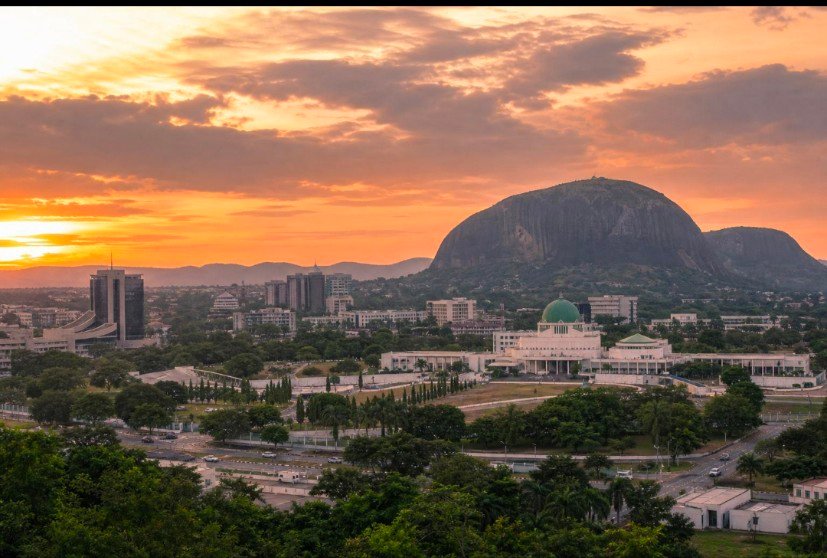
    Abuja is known for its planned road network, government buildings, modern architecture and surrounding hills. It offers a different atmosphere from Lagos, with major landmarks and green spaces spread across a broad urban area.
    Places and experiences to consider:
    Millennium Park for landscaped outdoor spaces.
    Aso Rock viewpoints from authorised public locations.
    The National Mosque, respecting visitor rules and prayer times.
    The National Christian Centre, subject to access arrangements.
    Jabi Lake surroundings for a planned leisure outing.
    Local restaurants and contemporary Nigerian art venues.
    Some religious and government sites have access restrictions. Confirm visitor policies before arriving, and never attempt to enter restricted security zones.
    Abuja is also a possible starting point for regional travel, but visitors should not assume that nearby states or road routes are safe simply because the capital has established hotels and international facilities.
    3. Calabar: Heritage and Cultural Celebrations
    Calabar, in Cross River State, is known for its cultural heritage, regional cuisine and December festivities. The city can appeal to travelers interested in learning about southern Nigerian history and traditions.
    Potential experiences include the Slave History Museum, cultural exhibitions, local markets and organised events. The annual Calabar Carnival is a major attraction during the festive period, although dates, schedules, ticketing and security arrangements should be verified for the year of travel.

    Cross River State also has forest landscapes and nature-related attractions. These should be considered separately from city sightseeing because travel times, access arrangements and local conditions may differ.
    Travel tip: Book accommodation early for major festivals and confirm the location of event venues, transport arrangements and exit routes before attending.
    4. Abeokuta: Historic Rock Formations
    Abeokuta, in Ogun State, is associated with Olumo Rock, a prominent rocky outcrop overlooking the city. The site has historical and cultural significance and offers a distinctive perspective on the area’s landscape.
    Visitors should use official access points, follow local guidance and check whether climbing routes and facilities are open. Wear comfortable footwear and avoid attempting difficult routes without authorised assistance.
    Abeokuta can be of interest to travelers who want to explore Yoruba history and see a different side of southwestern Nigeria.
    5. Osogbo: Art, Culture and Sacred Heritage
    Osogbo is home to the Osun-Osogbo Sacred Grove, a UNESCO-recognised cultural landscape associated with Yoruba spiritual traditions.
    The grove provides an opportunity to learn about the relationship between culture, religion, artistic expression and the natural environment. Visitors should behave respectfully, follow photography rules and avoid disturbing sacred spaces.

    If you plan to attend a cultural ceremony or festival, confirm the dates and access requirements with reliable local organisers. Religious and cultural sites should be approached with respect rather than treated simply as photo opportunities.
    6. Obudu Mountain Resort: Highland Scenery
    Obudu Mountain Resort in Cross River State is associated with elevated landscapes, cooler conditions than many lowland cities and scenic views.
    It may appeal to travelers who enjoy mountain scenery and nature-oriented holidays. Access roads, resort services and individual activities can change with weather and maintenance, so confirm what is operating before committing to the journey.
    Because this destination requires regional travel, review the latest security advice for the entire route, not just the resort itself.
    7. Erin-Ijesha Waterfalls: A Nature Experience
    Erin-Ijesha Waterfalls, also called Olumirin Waterfalls, in Osun State is known for its cascading water and forested surroundings.
    A visit may involve uneven paths, steps and slippery surfaces. Wear footwear with good grip, obey site instructions and do not enter dangerous water or climb closed sections.
    Rainfall can affect access and trail conditions, making local updates especially important during the wet season.
    8. Yankari National Park: Wildlife and Nature
    Yankari National Park in Bauchi State is recognised for its wildlife and natural environment, including the Wikki Warm Springs area.

    Wildlife viewing can be rewarding when it is permitted and organised through authorised park services. However, visitors must assess the current security situation before planning travel to Bauchi State or any connecting route. Some foreign government advisories list this state among areas where travel should be avoided.
    Treat this destination as a research option, not an automatic recommendation for a 2026 holiday. Do not travel there unless current official guidance and reliable local information establish that the proposed journey is appropriate.
    9. Sukur Cultural Landscape: Historic Mountain Heritage
    The Sukur Cultural Landscape in Adamawa State is a UNESCO World Heritage Site known for its historic settlement, agricultural terraces and cultural traditions.
    Its historical importance makes it interesting for travelers researching Nigeria’s heritage. However, the location is in a region where security restrictions may be severe. Check the latest official advice before considering any visit; postpone the trip if authorities advise against travel.
    10. Nigerian Markets, Art and Traditional Crafts
    Markets and craft centres can help visitors understand local design, food, clothing and daily commerce.
    Depending on location and verified access conditions, look for reputable vendors selling textiles, beadwork, artwork and locally made crafts. Ask permission before photographing people or their work, agree on prices before purchases and keep valuables secure.
    For a more meaningful experience, consider booking a knowledgeable guide who can explain the history and significance of the items you see.

    Things to Do in Nigeria in 2026

    Experience Nigerian Music and Contemporary Culture
    Nigeria has a globally influential music and film culture. Afrobeats, live performances, dance, fashion and Nollywood are important parts of contemporary cultural life.
    Look for established venues and professionally organised events. Check the venue, ticket provider, transport arrangements and security plan before attending concerts or nightlife activities.
    Discover Nigerian Art and Textiles
    Nigerian artists work in a wide range of styles, from traditional crafts to contemporary painting, sculpture, photography and mixed media.
    Art galleries and reputable craft centres are useful places to learn about regional traditions. Adire, a resist-dyed textile associated with Yoruba communities, is one example of Nigeria’s rich textile heritage.
    Buying directly from makers where practical can support local creative businesses.
    Explore Local Food
    Food is one of the most enjoyable ways to learn about Nigeria. Regional cooking varies widely, and the same dish may be prepared differently from one household or region to another.
    Try established restaurants that maintain good food-safety standards. If you have allergies or dietary restrictions, explain them clearly before ordering.
    Learn About History and Heritage
    Museums, cultural landscapes, historic buildings and guided heritage tours provide context for Nigeria’s diverse communities.

    Choose guides who explain local history accurately and respectfully. Some historical sites involve difficult subjects, including slavery and colonial rule, and deserve thoughtful treatment.
    Enjoy Nature Responsibly
    Nigeria contains forests, savannas, wetlands, waterfalls and protected areas. Before visiting any nature reserve, check opening times, permits, road access, guide requirements and safety advice.
    Never approach wild animals, feed wildlife or enter restricted areas. Follow park staff instructions and avoid swimming where water conditions are unknown.

    Nigerian Food You Should Try

    Jollof Rice
    Jollof rice is a popular West African dish prepared with rice, tomatoes, peppers, onions and seasonings. Nigerian versions are often served with chicken, fish, plantain or other accompaniments.
    Egusi Soup
    Egusi soup commonly uses ground melon seeds, vegetables and seasonings. It may be served with pounded yam, fufu or another swallow food.
    Suya
    Suya is a seasoned grilled meat dish commonly sold by specialist vendors. Choose vendors with good hygiene and ensure meat is cooked thoroughly.
    Pounded Yam and Egusi
    Pounded yam is a traditional staple often served with rich soups. It is a filling meal that introduces visitors to an important part of Nigerian food culture.
    Moi Moi
    Moi moi is a steamed bean pudding made with blended beans and seasonings. Recipes and accompaniments vary.
    Akara
    Akara consists of bean fritters that are commonly eaten as a snack or breakfast food.
    Ofada Rice and Ayamase

    Ofada rice is associated with southwestern Nigeria and is often served with a distinctive pepper sauce called ayamase. Ask about ingredients and spice levels when ordering.
    Food Safety Tips
    Eat freshly prepared food at reputable establishments.
    Drink sealed bottled water or water confirmed safe to drink.
    Wash your hands before eating.
    Be cautious with raw foods and unrefrigerated dishes.
    Explain food allergies before ordering.
    Carry any necessary prescribed medicines and travel health supplies.

    How to Explore Nigeria: A Practical Travel Plan

    Step 1: Choose a Suitable Region
    Nigeria is too large to explore thoroughly in a short holiday. Instead of trying to visit every famous attraction, select one or two destinations that match your interests.
    For a city-focused trip, you might research Lagos and Abuja separately. For cultural experiences, investigate Calabar or selected heritage sites, subject to current security advice. Nature destinations require additional research into road access, park conditions and regional security.
    Step 2: Research Entry Requirements
    International visitors should confirm whether they need a visa, which visa category applies and whether an electronic visa or other authorisation is available for their nationality.
    Check passport validity, entry conditions, vaccination documentation and any required health declaration using official Nigerian immigration and public-health sources. Rules can change, so do not rely solely on an older blog post or an unofficial visa agent.
    Step 3: Book Accommodation Carefully
    Consider established hotels or guesthouses with verifiable contact details, reliable reviews and appropriate security arrangements.
    Before booking, check:
    Airport transfer arrangements.
    Whether reception is staffed when you arrive.
    Air conditioning and backup power where needed.
    Internet access and payment methods.
    The location of the property relative to your planned activities.
    Cancellation terms and emergency arrangements.

    A central location can save travel time, but the safest and most suitable neighbourhood depends on current local conditions.
    Step 4: Arrange Reliable Transport
    Traffic, road quality, rainfall and journey distances can make transport planning a major part of a Nigerian holiday.
    For airport transfers and unfamiliar routes, arrange reputable transport in advance. Confirm the vehicle, driver and destination. Avoid accepting unsolicited rides or sharing sensitive itinerary information with strangers.
    Domestic flights may save time on long journeys, but check current flight schedules, baggage rules and airport transfer arrangements. Do not assume a road journey is safe simply because it appears short on a map.
    Step 5: Build a Flexible Daily Itinerary
    Group attractions by neighbourhood to reduce unnecessary travel. Leave additional time for traffic, weather and changes in opening hours.
    Plan outdoor sightseeing in the cooler parts of the day, especially during hot months. Keep copies of important documents, protect valuables and have a reliable way to contact your accommodation.

    Suggested Nigeria Itineraries for 2026

    These itineraries are planning templates, not confirmation that every destination or route is safe. Confirm current official advice before selecting the places and transport connections.
    Three-Day City Break
    Day 1: Arrival and settling in
    Arrive at your chosen city, use pre-arranged transport and check into your accommodation. Keep the first day flexible and explore only nearby, well-reviewed venues if local conditions permit.
    Day 2: Culture and cuisine
    Visit an established art gallery, museum or cultural attraction. Enjoy a meal at a reputable restaurant and learn about local music, textiles or contemporary art.
    Day 3: Local sightseeing and departure
    Choose one or two nearby attractions, purchase souvenirs from reputable sellers and allow plenty of time to reach the airport.
    Five-Day Lagos-Focused Trip
    Day 1: Arrival, hotel check-in and rest.
    Day 2: Explore a selected gallery, cultural venue or museum.
    Day 3: Visit the Lekki area and a conservation attraction if open and accessible.
    Day 4: Explore Nigerian food, craft shopping and a pre-arranged cultural experience.
    Day 5: Enjoy a relaxed breakfast, transfer to the airport and depart

    Keep all activities within locations you have checked for current safety. Do not add distant destinations simply to make the itinerary look more ambitious.
    Seven-Day Flexible City and Culture Trip
    Day 1: Arrive and settle in.
    Day 2: Explore local art, museums and architecture.
    Day 3: Discover Nigerian food and craft traditions.
    Day 4: Enjoy a pre-arranged cultural activity or music event.
    Day 5: Take a relaxed local sightseeing day.
    Day 6: Visit an additional attraction only if its location, transport and security conditions have been verified.
    Day 7: Allow time for shopping, packing and departure.
    A multi-city itinerary involving Lagos, Abuja or Calabar may be possible, but it should be designed around confirmed flights, accommodation and the latest security advice. Do not assume that travelling between cities is automatically safe.

    Nigeria Travel Budget: How Much Should You Plan?

    The cost of visiting Nigeria depends on your country of departure, travel dates, accommodation, transport, exchange rates and activities. December events and premium hotels may substantially increase expenses.
    Rather than relying on a single outdated budget estimate, calculate your trip using current quotations.
    Main Expenses to Include
    Flights: Compare fares for your dates and check baggage allowances, layovers and refund conditions.
    Accommodation: Compare the total cost per night, including taxes and service charges.
    Local transport: Budget for airport transfers, city journeys and any organised excursions.
    Food: Include restaurant meals, snacks, bottled water and any special dietary needs.
    Activities: Check current admission fees, guide charges, photography restrictions and transport costs.
    Visa and health preparation: Include applicable visa fees, travel-health appointments, vaccinations or medicines recommended by a qualified travel-health professional.
    Travel insurance: Read the policy carefully for medical evacuation, cancellation, exclusions and any restrictions relating to government travel advisories.
    Emergency reserve: Keep accessible funds for unexpected accommodation, transport changes or medical needs.
    A Simple Budget Formula
    Total trip budget = international flights + accommodation + meals + local transport + activities + visa and health expenses + insurance + emergency reserve.

    Obtain actual prices before booking, and keep a contingency for changes in exchange rates and travel arrangements.

    Where to Stay in Nigeria

    Hotels
    Established hotels may be suitable for travelers who want reception services, airport transfers and on-site facilities. Verify the property and its location before paying.
    Guesthouses
    Guesthouses can offer a more personal experience, but standards vary. Check recent reviews, security arrangements, cleanliness and cancellation policies.
    Serviced Apartments
    Serviced apartments may suit longer stays or travelers who need additional space. Confirm building access controls, reception arrangements, utilities and the identity of the property manager.
    For any accommodation, share your plans with a trusted contact and avoid posting real-time details of your hotel or movements publicly.

    How to Reach Nigeria

    By Air
    International travelers generally arrive through major airports serving destinations such as Lagos and Abuja. Routes and airlines depend on your departure city and travel dates.
    Compare the full journey rather than just the headline fare. Consider visa requirements for transit countries, baggage transfers, arrival times and airport transport.
    Airport Transfers
    Arrange a reliable pickup where possible. Confirm the driver and vehicle through the hotel or transport provider, and keep your accommodation details accessible.
    Getting Around Cities
    Road transport is common, but traffic congestion, driving conditions and security risks require care. Use trusted transport providers and avoid unnecessary journeys after dark.
    Travel Between Regions
    For longer distances, research domestic flights and other suitable transport options. Check official travel advice for both the destination and the entire route before confirming your plans.

    Nigeria Travel Safety Tips for 2026

    Safety deserves particular attention when planning a trip to Nigeria. Conditions vary significantly across states and can change quickly.
    Before booking, read the current advisory issued by your own government and consult relevant Nigerian authorities. For example, the US State Department’s advisory issued in June 2026 recommends reconsidering travel to Nigeria and identifies several states where it advises against travel. Australia’s Smartraveller advice, updated in September 2026, also warns about terrorism, kidnapping, violent crime and civil unrest. These warnings are important when deciding whether a proposed itinerary is appropriate.
    Read the full advisories rather than relying on a headline, and check them again shortly before departure.
    Essential Precautions
    Check the destination state. Do not assume that all parts of Nigeria have the same risk level.
    Verify every route. Road travel can expose visitors to risks that are not apparent from a destination’s tourist attractions.
    Avoid unnecessary travel after dark. Arrange transport and return journeys in advance.
    Choose secure accommodation. Verify the property and its access arrangements.
    Keep a low profile. Avoid displaying expensive jewellery, large amounts of cash or valuable equipment.
    Protect your documents. Keep secure copies of your passport, visa and travel insurance details.
    Avoid demonstrations and large gatherings when security conditions are uncertain.
    Keep emergency contacts accessible. Know how to contact your accommodation, insurer and embassy or consulate.
    Review medical arrangements. Healthcare access and emergency services vary by location.

    Be prepared to change your plans. Cancel or postpone travel if official guidance or local conditions make it unsafe.
    Health and Weather Preparation
    Consult a travel-health professional well before departure. Ask about recommended vaccinations, malaria prevention, mosquito protection, food and water safety, and any destination-specific health requirements.
    Nigeria can experience very high temperatures, particularly in the northern and central regions. Carry safe drinking water, wear suitable clothing and take breaks in cool environments.
    Flooding can disrupt transport during the rainy season. Monitor weather warnings, avoid flooded roads and follow local emergency instructions.
    Responsible Cultural Travel
    Dress appropriately for religious and cultural sites. Ask before photographing people, respect local customs and follow site rules.
    Avoid buying protected wildlife products or participating in activities that harm animals or cultural heritage. Support reputable local guides and businesses where practical.

    Shopping and Souvenirs in Nigeria

    Nigeria offers a variety of locally made crafts, including textiles, artwork, jewellery and decorative objects.
    When shopping, agree on the price before completing a purchase and ask about the origin of valuable or culturally significant objects. Keep receipts for expensive purchases and check customs rules before taking antiques, artwork or other regulated items out of the country.
    Consider buying directly from established artisans or verified craft businesses. This can help you understand the product’s background while supporting local creative communities.

    Photography Tips for Your Nigeria Travel Blog

    Good travel photography can make an article more informative and attractive, especially when each image supports the surrounding text.
    Capture city skylines from authorised public viewpoints.
    Photograph food in clean, well-lit settings.
    Include details of textiles, crafts and architectural features.
    Use landscape images to explain natural environments.
    Obtain permission before photographing identifiable people.
    Follow restrictions at religious, government and security-sensitive locations.
    Use original photographs whenever possible and keep track of image permissions.
    Avoid presenting a generated illustration or a photograph of a different destination as documentary evidence of a specific Nigerian attraction.

    Best Time to Visit Nigeria: Final Recommendation

    For many travelers, November through February is a useful starting point when planning a Nigeria trip because much of the country is in its dry season. However, the best month depends on your destination, local weather and activities.
    Lagos may appeal to visitors interested in art, music, food and city life. Abuja offers modern landmarks and public spaces. Calabar has cultural heritage and festive events, while historic and natural attractions elsewhere in Nigeria require additional research into access and safety.
    The most important part of planning a 2026 visit is not choosing the largest number of attractions. It is building a realistic itinerary, confirming entry requirements, checking weather forecasts, arranging reliable transport and following current official travel advice.
    With careful research and a flexible schedule, you can learn much more about Nigerian culture, cuisine, history and creativity while making better-informed travel decisions.

    Frequently Asked Questions

    1. What is the best time to visit Nigeria in 2026?
    November to February is often a practical period for travel in many parts of Nigeria because it generally falls within the dry season. Weather varies by region, so check local forecasts.
    2. Is December a good month to visit Nigeria?
    December can be lively because of cultural events, concerts and seasonal celebrations. Accommodation and flights may be more expensive, and travelers should check current security advice before attending events.
    3. How many days are enough to explore Nigeria?
    Three to five days can provide an introduction to one city. A longer trip allows more time for museums, cultural experiences and additional destinations, provided the routes are suitable and safe.
    4. What are the best places to visit in Nigeria?
    Popular places to research include Lagos, Abuja, Calabar, Abeokuta, Osogbo, Obudu Mountain Resort and selected national parks. The suitability of each destination depends on current security conditions and access.
    5. Is Nigeria suitable for first-time international travelers?
    It depends on the traveler’s experience, destination and ability to arrange reliable accommodation and transport. Review your government’s latest advisory and consider professional local assistance before deciding.
    6. What food should visitors try in Nigeria?
    Popular dishes include jollof rice, egusi soup, suya, moi moi, akara and pounded yam. Choose reputable food establishments and explain any dietary restrictions.
    7. What should I pack for Nigeria?

    Pack lightweight clothing suitable for hot weather, comfortable footwear, sun protection, insect repellent, necessary medicines, secure document copies and rain protection appropriate to your season and destination.
    8. Do international visitors need a visa for Nigeria?
    Requirements depend on nationality, passport type and purpose of travel. Check the latest official Nigerian immigration requirements before booking.
    9. Is Nigeria expensive to visit?
    Costs vary widely. Flights, accommodation, transport, seasonal events and travel dates all influence the final budget. Obtain current quotations before making a booking.
    10. Can I visit Nigeria during the rainy season?
    Travel may be possible in some destinations, but heavy rainfall and flooding can disrupt transport. Check weather forecasts and local conditions, and keep your itinerary flexible.
    11. Is Lagos worth visiting in 2026?
    Lagos may appeal to travelers interested in Nigerian food, art, music, fashion and contemporary city life. Review the latest security advice and use reliable local transport.
    12. What is the most important Nigeria travel tip?
    Check current official travel advisories before booking, verify the safety of your exact destination and route, and arrange accommodation and transportation carefully.

    Conclusion

    Nigeria offers a rich combination of contemporary culture, traditional heritage, distinctive food, creative industries and varied landscapes. Choosing the right season can make sightseeing easier, but good preparation matters just as much as timing.
    Use this Nigeria travel guide for 2026 as a starting point for researching destinations, organising your itinerary and understanding local customs. Verify current entry requirements, prices, opening hours, weather forecasts and security advice before travelling.
    A thoughtful itinerary focused on a few suitable destinations is more useful than trying to see the entire country in one visit. Plan carefully, respect local communities and prioritise safety throughout your journey.

  • TitleHow to Visit Burj Khalifa in 2026: Tickets, Best Time & Tips

    Title
    How to Visit Burj Khalifa in 2026: Tickets, Best Time & Tips

    Burj Khalifa visit guide 2026

    burj-khalifa-visit-guide-2026

    Best time to visit Burj Khalifa in 2026
    Burj Khalifa tickets price 2026
    Burj Khalifa opening hours
    At the Top Burj Khalifa experience
    Burj Khalifa observation deck
    Dubai travel guide 2026
    Burj Khalifa sunset view
    How to reach Burj Khalifa
    Burj Khalifa and Dubai Mall itinerary
    Burj Khalifa travel tips for first-time visitors

    Plan your Burj Khalifa visit in 2026 with ticket prices, the best time to visit, observation deck tips, transport, nearby attractions and a Dubai itinerary.

    How to Visit Burj Khalifa in 2026: Tickets, Best Time, Views and Travel Tips

    Planning a trip to Dubai in 2026? Visiting Burj Khalifa is one of the most memorable experiences you can add to your travel itinerary. Famous for its extraordinary height, futuristic architecture and panoramic observation decks, this landmark gives visitors a spectacular view of Dubai’s modern skyline.
    Whether you are travelling from India, visiting Dubai for the first time, planning a family holiday or looking for an unforgettable sunset experience, this comprehensive Burj Khalifa visit guide covers the best time to visit, ticket options, transport, nearby attractions, estimated expenses and practical travel advice.
    From the observation decks on Levels 124 and 125 to the premium experience on Level 148, there are several ways to enjoy this architectural masterpiece. With a little planning, you can combine your visit with Dubai Mall, the Dubai Fountain area and other attractions in Downtown Dubai.

    Quick Facts About Burj Khalifa

    Destination: Burj Khalifa, Downtown Dubai, United Arab Emirates
    Best season: November to March for generally more comfortable outdoor weather
    Popular experience: At the Top observation decks
    Standard observation levels: Levels 124 and 125
    Premium observation experience: Level 148, with eligible ticket options
    Nearest major transport connection: Burj Khalifa/Dubai Mall Metro Station
    Recommended visit duration: Around 2–4 hours, allowing for queues and security
    Nearby attractions: Dubai Mall, Dubai Fountain area, Dubai Opera and Sky Views Observatory
    Currency: United Arab Emirates dirham (AED)
    Language: Arabic is the official language; English is widely used in tourism
    Booking advice: Reserve a dated time slot in advance, especially for sunset and holidays
    Opening hours, ticket inclusions and prices can change. Check the official booking calendar for your chosen date before travelling.

    Why Visit Burj Khalifa in 2026?

    Burj Khalifa is more than a famous building. It is a major symbol of Dubai’s transformation into an international destination for architecture, business, shopping and tourism.
    The tower opened in January 2010 and stands approximately 828 metres tall. Its distinctive design, rising profile and illuminated appearance make it one of the most recognisable structures in the world.
    Experience Dubai from Above
    The biggest reason to visit is the panoramic view. From the observation decks, you can see Dubai’s modern skyscrapers, highways, desert surroundings and parts of the coastline, depending on weather and visibility.
    On a clear day, the contrast between the urban skyline and the surrounding desert is especially impressive.
    Enjoy an Extraordinary Elevator Journey
    The journey to the observation levels is part of the attraction. Visitors can experience high-speed elevators, interactive displays and views that change dramatically as they reach the upper floors.
    See Dubai in Daylight and After Dark
    A daytime visit highlights the city’s layout, architecture and distant landscape. During sunset, the skyline takes on warm colours, while an evening visit offers views of illuminated buildings and busy Downtown Dubai.
    If your budget allows, consider choosing a time slot that lets you experience the changing light. However, sunset is popular, so plan for crowds and potentially longer queues.
    A Great Addition to a Dubai Holiday

    Burj Khalifa is conveniently located beside Dubai Mall, making it possible to combine sightseeing, shopping, dining and other attractions in one area. This is particularly useful if you have only one day in Downtown Dubai.

    Best Time to Visit Burj Khalifa in 2026

    The best time depends on your priorities: comfortable weather, photography, fewer crowds or the sunset view.
    November to March: Best for Most Visitors
    November through March is generally a comfortable period for exploring Dubai. Temperatures are often more pleasant than during the summer months, making it easier to walk around Downtown Dubai and enjoy outdoor viewpoints.
    This period is popular with international tourists, so you should book important activities ahead of time.
    Best for: First-time visitors, families, outdoor sightseeing and combining Burj Khalifa with other attractions.
    April and October: Shoulder-Season Options
    April and October can offer a balance between sightseeing opportunities and changing seasonal conditions. Temperatures may already be warm, particularly in the afternoon, so plan outdoor activities around the weather forecast.
    Best for: Travellers who can adjust their sightseeing schedule and prefer to compare hotel prices across different dates.
    May to September: Hotter Months
    Dubai summers can be extremely hot. Outdoor walks may become uncomfortable, especially around midday. Air-conditioned malls, indoor attractions and carefully planned transport become more important.
    The observation decks may still be an option, but visibility can vary with haze and weather.
    Best for: Travellers prioritising indoor attractions, provided they check conditions and available offers.

    What Is the Best Time of Day?
    Morning: A good choice if you want to begin your sightseeing early and spend the afternoon exploring Dubai Mall. Visibility varies, and morning conditions are not always haze-free.
    Afternoon: Useful for combining the observation decks with shopping, dining and other indoor activities.
    Sunset: Popular for golden light, city photography and the transition from daylight to evening. Book early and expect higher demand.
    Evening: Ideal for seeing Dubai’s illuminated skyline. You can also explore the surrounding Downtown area after your visit.
    For most first-time visitors, a late-afternoon time slot can be an excellent choice if sunset views are your priority. If you prefer a more relaxed schedule, compare available morning and non-peak slots before booking.

    Burj Khalifa Tickets and Prices in 2026

    Visitors can choose between standard admission, premium observation experiences and combination tickets.
    The following are indicative prices displayed on the official ticketing website when checked for this guide. They are not guaranteed prices for every date, age group or time slot.
    Ticket option
    Advertised starting price
    Silver: Levels 124 and 125
    AED 189
    Gold: Levels 124, 125 and 148
    AED 399
    Platinum: Premium lounge experience
    AED 769
    At the Top + Dubai Aquarium package
    AED 319
    At the Top + Sky Views package
    AED 278
    Prices and inclusions can vary by package, date, demand and eligibility. Confirm the final total on the official booking page before paying.
    Silver Ticket: Levels 124 and 125
    The standard Silver experience is a popular option for first-time visitors. It includes access to the observation decks on Levels 124 and 125, where you can enjoy panoramic views and the outdoor terrace.
    Choose this option if you want the classic Burj Khalifa experience without paying for premium lounge access.
    Gold Ticket: Access to Level 148
    The Gold experience adds access to Level 148 and includes premium benefits specified by the ticket provider. Depending on the booking terms, these may include priority access, refreshments and guided assistance.

    This option may suit travellers who prefer a more premium visit and want to spend more on the experience.
    Platinum Ticket: A Luxury Experience
    Platinum is designed for visitors seeking a more exclusive experience, with access to the designated premium lounge levels and hospitality benefits described in the ticket package.
    It is not necessary for everyone. Standard admission is enough for many travellers who mainly want the observation decks and city views.
    How to Save Money on Tickets
    Compare available non-peak and peak time slots.
    Book directly through the official ticketing website.
    Compare combination packages only if you genuinely intend to visit both attractions.
    Check child eligibility, age requirements and cancellation conditions.
    Avoid purchasing from unknown sellers or social media accounts.
    Review the total price, including any applicable taxes or additional charges, before payment.
    Official booking information: https://ticket.atthetop.ae/tickets/
    The official site lists date-specific tickets, operating hours and package details. Check these again before your visit because prices and availability can change.

    How to Book Burj Khalifa Tickets Online

    Booking in advance helps you plan the rest of your Dubai itinerary around a confirmed entry time.
    Step 1: Visit the Official Website
    Open the official ticketing website and review the available observation deck experiences.
    Step 2: Select Your Experience
    Choose the standard Silver ticket, the Gold premium experience, Platinum or a suitable combination package.
    Step 3: Select Your Date and Time
    Choose the date of your visit and check the available entry slots. Sunset and holiday periods can be especially popular.
    Step 4: Enter Visitor Details
    Provide the required details for each visitor. Review the age requirements for children and any conditions attached to your selected ticket.
    Step 5: Make Payment
    Complete payment using an accepted payment method and check the final amount before confirming your purchase.
    Step 6: Save Your Confirmation
    Keep your ticket and booking confirmation accessible on your phone. Check whether the ticket specifies an entry time, arrival instructions or identification requirements.
    Step 7: Arrive Early
    Allow extra time to reach the entrance, pass security and locate the correct queue. Official ticket instructions may recommend arriving well before your scheduled time.
    Important: A ticket is generally valid for its specified date and time. Do not assume that you can enter at any time of day.

    How to Reach Burj Khalifa

    Burj Khalifa is in Downtown Dubai, close to Dubai Mall and major city transport connections.
    By Dubai Metro
    The Red Line serves the Burj Khalifa/Dubai Mall Metro Station. From there, visitors generally use the connecting pedestrian route to reach the Dubai Mall area.
    Allow extra time for walking, especially during busy periods or if you are travelling with children.
    By Taxi or Ride-Hailing Service
    A taxi or ride-hailing service can be convenient if you are carrying luggage, travelling with family or staying far from a metro station.
    Tell the driver that you are going to Burj Khalifa or the Dubai Mall entrance associated with your ticket. Traffic can increase journey times during evenings, weekends and major events.
    By Bus
    Dubai’s public bus network serves different parts of the city. Routes and stop locations may change, so use the current public transport journey planner to identify the most convenient connection from your accommodation.
    From Dubai International Airport
    The journey from Dubai International Airport depends on your terminal, traffic and transport choice. A taxi is often convenient, while the Metro can be a useful alternative when the route and service hours suit your arrival.
    Check your arrival terminal, the operating hours and your accommodation location before choosing transport.

    Parking at Dubai Mall
    If you are driving, check the current Dubai Mall parking arrangements, access points and any applicable charges or event restrictions.
    Do not rely on parking availability during major events or holiday periods.

    What to Expect at the Observation Decks

    The observation experience combines indoor viewing areas, outdoor terrace access and information about the tower.
    Level 124
    Level 124 is part of the standard observation experience. Visitors can look out across Dubai, use available viewing facilities and enjoy the perspective from high above the city.
    Level 125
    Level 125 offers another perspective on the surrounding skyline. Spend time observing different directions rather than taking all your photographs from a single spot.
    Level 148
    Level 148 is included in selected premium experiences. The higher-level visit and associated services depend on the ticket you purchase.
    Photography Tips
    Use a lens or phone camera setting that captures a wide field of view.
    Wipe your camera lens before taking pictures.
    Avoid blocking other visitors while photographing.
    Follow instructions about tripods, bags and other equipment.
    Take both wide skyline photographs and closer architectural shots.
    Be patient when popular viewing areas are crowded.
    Visibility can be affected by haze, dust and weather. A premium ticket cannot guarantee a clear view.

    Top Things to Do at Burj Khalifa

    Enjoy the Panoramic Skyline
    Take time to identify Dubai’s landmarks and appreciate the city’s scale. The view changes with the time of day, weather and direction you are facing.
    Watch the Sunset
    If you book a sunset slot, arrive early enough to complete entry procedures and settle in before the light changes. Sunset can attract substantial crowds, so be prepared to share popular viewing areas.
    Explore the Interactive Displays
    Look at the exhibits and displays that explain the building’s architecture, construction and design. These can make the visit more informative, especially for travellers interested in engineering.
    Take Memorable Photographs
    Burj Khalifa offers a memorable backdrop for solo travel pictures, family photographs and holiday memories. Follow staff instructions and remain within designated public areas.
    Explore Downtown Dubai After Your Visit
    After descending, explore the surrounding pedestrian areas, browse Dubai Mall or stop for a meal. This helps you make the most of your journey to Downtown Dubai.
    Consider a Premium Experience
    If the additional benefits matter to you, compare Gold or Platinum options. Check exactly what is included rather than assuming that every premium ticket provides the same services.

    Nearby Attractions to Visit

    One of the advantages of visiting Burj Khalifa is its location near several major Dubai attractions.
    Dubai Mall
    Dubai Mall is a major shopping and entertainment destination next to Burj Khalifa. Visitors can explore retail stores, restaurants and attractions within the complex.
    Suggested time: 2–4 hours, depending on your interests.
    Dubai Fountain Area
    The Dubai Fountain area is a popular place to admire the tower from below and photograph the surrounding skyline.
    Check current operating arrangements and show schedules before making plans, as performances and access can change.
    Dubai Aquarium and Underwater Zoo
    The aquarium is a useful option for families and travellers interested in marine life. A combination ticket may offer value if it covers experiences you already intend to visit.
    Dubai Opera
    Dubai Opera hosts performances and events in Downtown Dubai. Check the official programme if you want to include a concert, show or cultural event in your itinerary.
    Sky Views Observatory
    Sky Views Observatory offers a different elevated perspective of Downtown Dubai, with selected experiences involving glass viewing areas and other activities.

    It is a separate attraction, so check its location, operating conditions and ticket requirements before visiting.
    Old Dubai and Al Fahidi
    If you have additional time, visit Old Dubai to experience a different side of the city. Traditional neighbourhoods, museums, historic streets and creekside areas provide a contrast to Downtown Dubai’s modern architecture.
    Allow sufficient travel time between Downtown Dubai and Old Dubai.

    One-Day Dubai Itinerary Featuring Burj Khalifa

    Here is a practical sample schedule. Adjust the timing to match your ticket and the actual opening hours of each attraction.
    9:00 AM — Breakfast
    Have breakfast near your hotel or choose a café around Downtown Dubai.
    10:00 AM — Explore Dubai Mall
    Walk through the mall and identify the observation deck entrance. If you have a morning ticket, prioritise your scheduled visit.
    12:00 PM — Lunch
    Choose a restaurant or food court according to your budget.
    1:30 PM — Indoor Attractions
    Explore selected shops or a pre-booked attraction, allowing enough time to return to the Burj Khalifa entrance if needed.
    3:30 PM — Burj Khalifa Visit
    For a late-afternoon or sunset booking, allow sufficient time for entry procedures and queues. Move this activity earlier if your confirmed ticket requires it.

    5:30 PM — Skyline Photography
    Spend time around the designated public viewing areas and photograph the tower from below.
    Evening — Fountain Area and Dinner
    Check the latest fountain-area schedule and access arrangements. Finish with dinner in Downtown Dubai.
    This is a flexible plan, not a guarantee of operating times. Avoid booking several activities too tightly together because queues and walking distances can take longer than expected.
    10. Burj Khalifa and Dubai Travel Budget
    Your total spending depends on your hotel, transport, ticket category, meals and the number of attractions you visit.
    The estimates below are illustrative planning ranges, not live quotes. International flights, visa expenses, travel insurance and personal shopping are excluded unless specifically mentioned.
    Expense
    Illustrative budget
    Standard Burj Khalifa ticket
    From AED 189
    Food and drinks
    AED 40–150
    Local transport
    AED 20–100
    Additional attractions
    AED 0–300+
    One-night budget accommodation
    AED 150–400+
    One-night mid-range accommodation
    AED 400–900+
    Hotel rates can rise significantly during popular dates and major events. Check actual rates for your travel dates before preparing a final budget.

    Budget Travel Tips
    Stay near a Metro station to reduce transport expenses.
    Compare hotels in several neighbourhoods rather than choosing only Downtown Dubai.
    Use public transport when it is convenient for your route.
    Select one or two paid attractions instead of buying every available package.
    Eat at food courts or casual restaurants when you want to control costs.
    Keep an emergency allowance for unexpected transport or booking changes.
    Example Budget for a Short Visit
    A traveller visiting Burj Khalifa and spending a few hours in Downtown Dubai may need to budget for the ticket, meals and transport. A longer holiday will require additional money for accommodation, sightseeing and other daily expenses.
    Calculate the cost per person, then multiply it by your group size. Add flights and accommodation separately to avoid underestimating the full holiday cost.

    Where to Stay Near Burj Khalifa

    Your ideal hotel depends on your budget, transport needs and sightseeing priorities.
    Downtown Dubai
    Downtown is convenient for visitors who want to stay close to Burj Khalifa and Dubai Mall. Accommodation in this area can be expensive, especially during busy periods.
    Business Bay
    Business Bay offers a range of accommodation options and can be convenient for exploring Downtown Dubai. Check the walking distance, road access and Metro connections of each property.
    Sheikh Zayed Road
    Hotels near suitable Metro stations can be useful for travellers who want to reach different parts of Dubai without relying entirely on taxis.
    Deira and Other Established Areas
    Travellers on a tighter budget can compare hotels in Deira and other connected neighbourhoods. A lower room rate may mean a longer journey to Burj Khalifa, so consider transport costs as well.
    Before booking accommodation, review recent guest feedback, cancellation conditions, taxes, breakfast inclusions and the exact location.

    Food and Dining Near Burj Khalifa

    Dubai offers a wide variety of dining choices, from inexpensive meals to premium restaurants.
    Budget dining: Food courts, casual cafés and smaller restaurants can help you control spending.
    Mid-range dining: Restaurants around Downtown Dubai offer international cuisines, family meals and varied menus.
    Premium dining: Visitors looking for a special occasion can compare restaurants with skyline views or more elaborate dining experiences.
    Check menus and prices before ordering. A restaurant with a view may cost substantially more than a casual dining option nearby.
    If you have dietary restrictions, check ingredients directly with the restaurant and confirm that suitable options are available.

    Essential Travel Tips for 2026

    Book ahead: Secure your preferred time slot before your trip.
    Check the official ticket: Confirm the date, entry time and access levels.
    Arrive early: Allow time for walking, security and queues.
    Check visibility: Dust and haze may reduce distant views.
    Wear comfortable footwear: Dubai Mall and Downtown Dubai involve considerable walking.
    Carry identification: Bring the documents required by your booking and travel arrangements.
    Check baggage restrictions: Large bags and certain items may need to be stored.
    Respect photography rules: Follow instructions from staff and posted signs.
    Plan transport: Confirm Metro routes, service hours or your return ride.
    Keep digital copies: Save your booking confirmation and essential travel documents.
    Check local guidance: Follow current UAE laws, public conduct requirements and venue instructions.
    Leave time between activities: Queues and walking distances can affect your schedule.

    Safety and Visitor Rules

    Burj Khalifa is a major visitor attraction with security and access procedures. Follow staff instructions and use designated entrances, walkways and viewing areas.
    Keep children close in crowded spaces, supervise them on observation decks and follow all barriers and safety signage.
    Check the venue’s current restrictions before bringing luggage, specialist photography equipment or other items. Do not attempt to climb barriers or enter restricted areas to obtain photographs.
    Dubai is an international city with local laws and cultural expectations. Dress appropriately for the places you visit, behave respectfully in public and check the rules for photography and conduct at specific venues.
    For emergencies, use the appropriate UAE emergency services and follow instructions from venue staff.

    Pros and Cons of Visiting Burj Khalifa

    Pros
    Spectacular views of Dubai from high above the city.
    A memorable experience for first-time visitors.
    Convenient access to Dubai Mall and other Downtown attractions.
    Different ticket options for different budgets.
    Excellent opportunities for architectural and skyline photography.
    Cons
    Popular time slots can be crowded.
    Sunset and premium experiences can cost more.
    Queues and walking distances may increase the total visit time.
    Weather and haze can affect visibility.
    Downtown accommodation and dining may be expensive.
    For many travellers, the experience is worth considering, especially if they enjoy architecture, city views and iconic landmarks. However, the best ticket is the one that fits your interests and budget.

    Frequently Asked Questions

    Is Burj Khalifa worth visiting in 2026?
    Yes, it can be a memorable experience for travellers who enjoy architecture and panoramic city views. Whether it is worth the cost depends on your interests, budget and the visibility on your chosen day.
    What is the best time to visit Burj Khalifa?
    November to March is generally a comfortable season for exploring Dubai. For the observation decks, choose morning for an earlier start, sunset for golden-hour views or evening for illuminated city scenery.
    How much does a Burj Khalifa ticket cost in 2026?
    The official ticket page displayed standard Silver admission from AED 189, Gold from AED 399 and Platinum from AED 769 when checked for this guide. Prices and availability vary, so verify your chosen date on the official booking website.
    Can I buy Burj Khalifa tickets on the same day?
    Availability depends on the date and time slot. Advance booking is recommended, particularly for sunset, weekends and holiday periods.
    How long should I spend at Burj Khalifa?
    Allow approximately 2–4 hours for the overall visit, depending on queues, your ticket category and how long you want to spend in the observation areas.
    Which levels can tourists visit?
    The standard Silver experience includes Levels 124 and 125. Selected premium tickets include Level 148 or other designated lounge levels. Confirm the inclusions of your particular ticket.

    Can I visit Burj Khalifa and Dubai Mall on the same day?
    Yes. The attractions are close to one another, so they can usually be combined in one itinerary. Allow enough time for walking, dining and any pre-booked activities.
    Is Burj Khalifa suitable for families?
    Yes, families can enjoy the observation decks, but children must follow the venue’s age and supervision requirements. Check the latest rules when booking.
    Is the Dubai Fountain area worth visiting?
    It can be a good addition to your itinerary because it offers a different view of Burj Khalifa from below. Check current show schedules and access arrangements before travelling.
    What should I wear to Burj Khalifa?
    Comfortable clothing and walking shoes are practical choices. Dress respectfully in public areas and follow any venue-specific instructions.
    Can I visit without going to the observation deck?
    Yes. You can view and photograph Burj Khalifa from designated public areas around Downtown Dubai without purchasing an observation deck ticket. Access to specific venues or attractions may require separate admission.
    How can I reach Burj Khalifa from the airport?
    You can compare Metro connections and taxis from Dubai International Airport. Your best option depends on your terminal, arrival time, luggage and hotel location.

    Final Thoughts: Plan Your Burj Khalifa Visit in 2026

    Visiting Burj Khalifa is an opportunity to experience one of Dubai’s most recognisable landmarks and see the city from a remarkable perspective. Whether you choose a standard observation deck ticket or a premium experience, planning ahead can make your trip more comfortable and enjoyable.
    Choose your preferred time slot, verify ticket details on the official website, plan your transport and allow enough time to explore Dubai Mall and the surrounding Downtown area.
    If you are planning your first Dubai holiday, Burj Khalifa can be an excellent starting point for discovering the city’s architecture, shopping, dining and modern attractions.
    Plan carefully, check current travel information and enjoy the unforgettable skyline of Dubai in 2026.

  • How to Visit Hong Kong in 2026: Best Time, Places & Travel Guide


    How to Visit Hong Kong in 2026: Best Time, Places & Travel Guide

    how to visit Hong Kong in 2026

    how-to-visit-hong-kong-2026

    https://rahulblogwl.com/how-to-visit-hong-kong-2026/⁠

    Plan your Hong Kong trip in 2026 with the best time to visit, top attractions, travel costs, visa tips, transport advice, food and a practical itinerary.

    Best time to visit Hong Kong in 2026

    The best overall time to visit Hong Kong is generally October to December, when the weather is often more comfortable for sightseeing, harbour cruises, shopping and outdoor activities. November and December are especially popular for pleasant breezes and sunshine.
    Because it is currently October 2026, this guide is particularly useful for people planning a trip in November or December.
    Month Weather and travel experience Recommendation
    January–February Cool, sometimes cloudy Good for city sightseeing
    March–April Mild, sometimes humid or foggy Good for walking tours
    May–August Hot, humid, rainy; typhoon risk Plan indoor alternatives
    September Warm, humid, changing weather Check forecasts carefully
    October Often pleasant, but weather varies Excellent travel option
    November Comfortable conditions are common One of the best months
    December Cool, festive atmosphere Excellent for city breaks
    The Hong Kong Observatory’s seasonal forecast issued in September 2026 expects October–December temperatures and rainfall to be normal to above normal, so check the forecast before booking outdoor activities.

    How to Visit Hong Kong in 2026: Best Time, Places, Budget and Travel Tips

    Introduction
    Hong Kong is one of Asia’s most exciting travel destinations, combining modern skyscrapers, traditional temples, famous shopping streets, scenic islands, theme parks and an internationally recognised food culture. Located on China’s southern coast, Hong Kong offers a distinctive blend of Chinese heritage and international influences.
    Whether you are planning a family holiday, a romantic getaway, a solo adventure or your first international trip from India, Hong Kong offers plenty of experiences in a relatively compact destination.
    Visitors can enjoy spectacular views from Victoria Peak, take a traditional ferry across Victoria Harbour, explore the markets of Mong Kok, visit the Big Buddha on Lantau Island, discover historic temples and experience the city’s famous skyline after dark.
    This Hong Kong travel guide for 2026 explains when to visit, where to go, how to travel around, what to eat, how much money to budget and what Indian travellers should know before departure.

    Why visit Hong Kong in 2026?

    Hong Kong is more than a destination for shopping and skyscrapers. It combines urban attractions with beaches, hiking trails, cultural landmarks and islands.
    Here are some reasons to add Hong Kong to your travel plans:
    Iconic skyline: Enjoy the famous views of Victoria Harbour and Hong Kong Island.
    Scenic viewpoints: Visit Victoria Peak for panoramic city views.
    Cultural attractions: Explore Wong Tai Sin Temple, Man Mo Temple and traditional neighbourhoods.
    Family entertainment: Spend a day at Hong Kong Disneyland or Ocean Park.
    Shopping: Explore luxury shopping malls, street markets and local boutiques.
    Island adventures: Discover Lantau Island, Lamma Island and other coastal areas.
    Public transportation: Use the MTR railway, buses, trams and ferries to reach many popular places.
    Food experiences: Try dim sum, wonton noodles, egg tarts and Hong Kong-style milk tea.
    Hong Kong is also a convenient destination for a three-, four- or five-day city break, although travellers who enjoy hiking, beaches and islands may want to stay longer.

    Best places to visit in Hong Kong

    2.1 Victoria Peak
    Victoria Peak is one of Hong Kong’s most recognisable attractions. From elevated viewpoints, visitors can see the city’s dense skyscrapers, Victoria Harbour, surrounding mountains and parts of Kowloon.
    The Peak is particularly attractive around sunset, when daylight gradually gives way to illuminated buildings.
    Things to do:
    Enjoy the panoramic skyline.
    Walk along suitable Peak-area trails.
    Take photographs of the harbour.
    Explore nearby shops and restaurants.
    Visit around sunset for daytime and evening views.
    Travel tip: Check visibility and cloud conditions before visiting. Fog can sometimes obscure the skyline. Allow extra time for transport and queues during busy periods.

    2.2 Victoria Harbour and Tsim Sha Tsui Promenade

    Victoria Harbour is central to Hong Kong’s identity. The waterfront offers impressive views of the skyscrapers on Hong Kong Island and is one of the city’s most rewarding places for evening photography.
    Tsim Sha Tsui Promenade is a convenient place to walk along the waterfront, enjoy the atmosphere and photograph the skyline.
    Top experiences:
    Walk beside the harbour.
    Take a Star Ferry journey.
    Photograph the skyline after sunset.
    Explore the Avenue of Stars.
    Watch the harbour’s changing light at dusk.
    Allow around two hours for a relaxed visit, or longer if you plan to explore nearby museums and shopping areas.

    2.3 Hong Kong Disneyland

    Hong Kong Disneyland is a major attraction for families, Disney fans and travellers who enjoy themed entertainment. It offers themed lands, rides, character experiences, performances and seasonal celebrations.
    Before your visit, check the official calendar, opening hours, ride availability and ticket conditions. Special events and operating schedules may change throughout the year.
    Planning tips:
    Reserve a full day.
    Purchase tickets through an official or authorised seller.
    Check height requirements for rides.
    Review food and accessibility options.
    Plan transport back to your hotel before the park closes.
    Disneyland can increase the overall cost of your holiday, so include tickets, meals and optional add-ons in your budget.

    2.4 Tian Tan Buddha and Ngong Ping

    The Tian Tan Buddha, commonly known as the Big Buddha, is a major cultural and spiritual landmark on Lantau Island. The surrounding landscape provides a different experience from Hong Kong’s crowded commercial districts.
    Visitors often combine the statue with Ngong Ping Village and Po Lin Monastery.
    Things to experience:
    See the impressive outdoor Buddha statue.
    Explore the monastery surroundings respectfully.
    Enjoy mountain scenery.
    Visit Ngong Ping Village.
    Consider the Ngong Ping cable car if operating conditions allow.
    Weather can affect cable-car services, so check the official operating status before travelling.

    2.5 Mong Kok

    Mong Kok is famous for its energetic streets, shopping areas, food stalls and dense urban atmosphere. It is an excellent place to experience a more everyday side of Hong Kong.
    Explore local shops, fashion stores, electronic products and traditional markets. Popular market areas include Ladies’ Market and the Goldfish Market, although individual stalls and opening hours vary.
    Best for: Budget shopping, street photography, local snacks and exploring Hong Kong after dark.

    2.6 Wong Tai Sin Temple

    Wong Tai Sin Temple is known for its traditional architecture, colourful decorative details and spiritual atmosphere. It offers visitors an opportunity to learn more about local religious customs.
    Dress respectfully, follow posted photography rules and avoid disturbing worshippers.
    2.7 Man Mo Temple

    Man Mo Temple is a historic temple associated with the worship of the gods of literature and war. Located in the Sheung Wan area, it can fit easily into a walking itinerary around Hong Kong Island.
    Combine your visit with nearby traditional streets, small shops, cafes and historic buildings.
    2.8 Ocean Park Hong Kong

    Ocean Park combines rides, animal-related attractions, marine-themed experiences and scenic views. It is an alternative to Disneyland for travellers interested in a different theme-park experience.
    Check the official website for current attractions, animal presentations, opening hours and ticket options before visiting.
    2.9 Lamma Island

    Lamma Island is a useful escape from the skyscrapers and busy shopping districts. Visitors can explore coastal scenery, village streets, walking paths and seafood restaurants.
    A day trip may include a ferry journey, a leisurely walk and a meal beside the waterfront. Check ferry timetables before setting out, especially if you plan to return after dark.
    2.10 Repulse Bay

    Repulse Bay offers a beach-oriented side of Hong Kong. It is a good choice for travellers who want to balance urban sightseeing with time by the sea.
    Weather, sea conditions and seasonal facilities affect the experience. Follow local swimming warnings and use designated swimming areas when available.
    2.11 Central and the Mid-Levels Escalator
    Central is one of Hong Kong’s main commercial districts, with office towers, restaurants, shops and historic streets. The Mid-Levels Escalator system helps visitors explore the area’s steep urban landscape.
    Spend time discovering side streets, cafes and small shops instead of visiting only major shopping centres.
    2.12 Star Ferry

    The Star Ferry is a classic Hong Kong experience. The short harbour crossing offers attractive skyline views and a different perspective on the city.
    Check current routes, schedules and fares before travelling. It can be an enjoyable experience even for visitors with limited time.

    Best time to visit Hong Kong by travel style

    The ideal travel month depends on your interests, budget and tolerance for heat or rain.
    Best time for sightseeing
    October, November and December are usually good choices for exploring viewpoints, markets, temples and waterfront areas. Conditions still vary, so check the weather forecast before finalising outdoor plans.
    Best time for shopping
    Hong Kong has shopping options throughout the year. For comfortable walking between shopping districts, consider the cooler months. Compare prices, check shop policies and remember that luxury shopping can substantially increase your travel budget.
    Best time for families
    Families may prefer cooler weather when planning theme parks, outdoor attractions and long sightseeing days. School holidays and special events can increase demand, so reserve accommodation and popular attractions early.
    Best time for budget travellers
    There is no single cheapest month for every hotel and flight. Prices depend on demand, school holidays, events, airline availability and how early you book.
    Compare multiple dates, consider hotels outside the most expensive central areas and use public transport to reduce costs.
    Should you visit Hong Kong in November 2026?
    November is an attractive option for many visitors because the weather is often comfortable for outdoor sightseeing. However, conditions can change, and rainfall may be higher than normal in late 2026 according to the Hong Kong Observatory’s seasonal outlook.
    Pack light layers and a compact umbrella, and keep an indoor activity available for rainy periods.

    How to reach Hong Kong from India

    Hong Kong International Airport receives international flights from many destinations. Travellers from India can compare available flights from major departure cities such as Delhi, Mumbai, Bengaluru and other airports, depending on the current airline schedule.
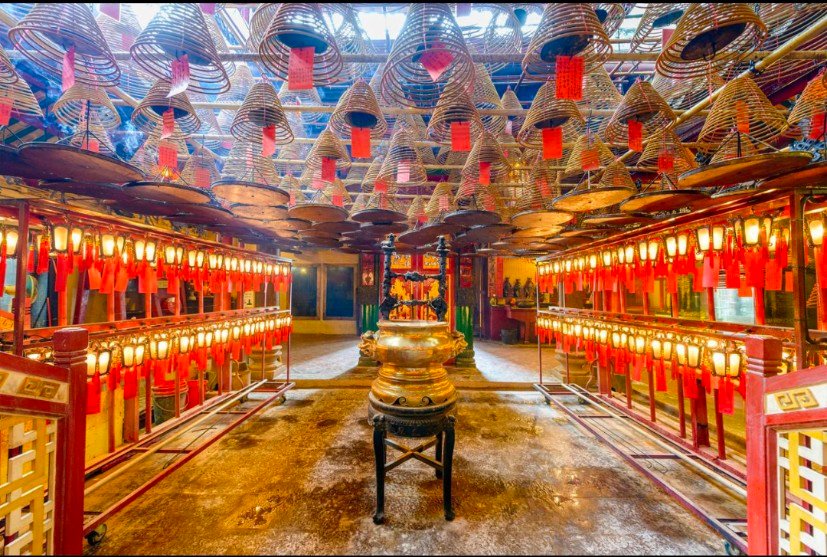
    Step 1: Choose your departure airport
    Compare the total fare, baggage allowance, travel time, layovers and cancellation terms. A cheaper ticket may not be the best value if it requires an inconvenient connection or excludes checked baggage.
    Step 2: Book flights
    Use airline websites or reputable travel platforms to compare fares. Confirm your passport details and travel dates carefully before paying.
    Step 3: Prepare entry documents
    Check the applicable Hong Kong entry requirements for your nationality before departure. Indian passport holders should complete the relevant pre-arrival registration requirements explained in the visa section below.
    Step 4: Travel from the airport to your hotel
    Hong Kong International Airport is connected to the city by the Airport Express, buses and taxis. The Airport Express takes approximately 24 minutes to reach Hong Kong Station, according to the Hong Kong Tourism Board.
    Choose your transfer based on your hotel location, arrival time, luggage and budget.

    Hong Kong visa requirements for Indian travellers in 2026

    Indian nationals planning a short visit to Hong Kong generally need to complete Pre-arrival Registration (PAR) successfully before travelling visa-free.
    According to Hong Kong’s Immigration Department:
    PAR is free of charge.
    The applicant must hold an Indian passport valid for at least six months.
    The arrangement covers eligible visits of up to 14 days per stay.
    A successful registration is valid for six months and may be used for multiple eligible visits during that period.
    The notification slip must be printed and used with the same valid passport used for registration.
    If PAR is unsuccessful, or the intended stay exceeds 14 days, the traveller should check the appropriate visa procedure.
    Official resources:
    Hong Kong Immigration Department — Indian nationals’ PAR⁠
    Hong Kong Tourism Board — visa information for Indian travellers⁠
    Documents to prepare
    Depending on your circumstances, prepare the following:
    A valid passport.
    Successful PAR notification slip, if applicable.
    Confirmed or planned accommodation details.
    Return or onward flight information.
    Evidence of sufficient funds for the trip.
    A practical travel itinerary.
    Travel insurance, recommended for unexpected medical or travel costs.
    These are sensible travel preparations, not a guarantee of admission. Final entry decisions remain subject to immigration requirements.

    How to travel around Hong Kong

    Hong Kong’s transport network makes it possible to visit many major attractions without hiring a private car.
    MTR
    The Mass Transit Railway (MTR) connects many major districts and popular attractions. It is a convenient option for travelling between Hong Kong Island, Kowloon and other connected areas.
    Use official route information to plan transfers and check service updates.
    Buses and trams
    Buses reach numerous neighbourhoods, residential districts and scenic locations. Hong Kong’s historic double-decker trams are especially useful for exploring parts of Hong Kong Island.
    Check the route, direction and fare before boarding.
    Octopus card
    An Octopus card is a convenient contactless payment option for many public transport journeys and participating merchants. The Hong Kong Tourism Board lists physical and mobile visitor options; availability and compatibility depend on the product and device.
    Official information: Octopus Hong Kong⁠
    Taxis
    Taxis can be useful when travelling with luggage, reaching locations away from rail stations or returning late at night. Check the applicable fare, surcharges and payment options.
    Airport Express
    The Airport Express is a fast option for reaching central Hong Kong. Compare it with airport buses and taxis before choosing your transfer.

    Where to stay in Hong Kong

    Your accommodation location can affect both your budget and the time needed for sightseeing.
    Area Best suited for What to consider
    Tsim Sha Tsui First-time visitors Harbour access, shopping and restaurants
    Central Business and city exploration Convenient location, often expensive
    Mong Kok Shopping and local street life Busy streets and smaller rooms
    Wan Chai Dining and transport connections Mix of commercial and residential areas
    Causeway Bay Shopping and dining Crowds and higher demand at busy times
    Lantau Island Airport access or selected attractions Check travel times to central districts
    How to choose a hotel
    Compare the full cost rather than the nightly price alone. Look at room size, location, cancellation policy, luggage storage, air conditioning, reviews and distance to public transport.
    Hong Kong accommodation can be expensive relative to some other Asian destinations. Booking early and travelling outside major events can improve your choices, but savings are never guaranteed.
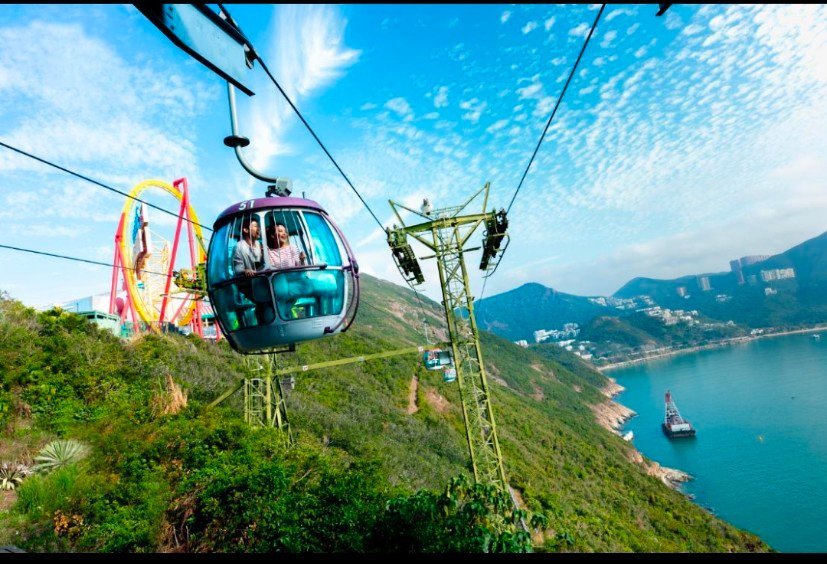
    For families, confirm the maximum occupancy and whether an extra bed is permitted. For budget travellers, check the room dimensions carefully because some low-cost city-centre rooms are very compact.

    Hong Kong travel budget for 2026

    The total cost depends on your departure city, travel dates, hotel standard, food preferences and attractions.
    The following is an illustrative planning estimate per person for four days and three nights, excluding international flights. It is not a live quotation.
    Expense Budget estimate (HKD)
    Budget accommodation, shared room 900–1,800
    Food and drinks 400–800
    Local transport 150–350
    Attractions and activities 200–900
    Miscellaneous expenses 150–350
    Estimated total 1,800–4,200
    These figures are planning ranges, not guaranteed current prices. Accommodation, theme parks, cable cars, premium restaurants and special events can push the total substantially higher.
    How to save money in Hong Kong
    Compare accommodation in several connected districts.
    Use public transport instead of taxis for routine journeys.
    Mix restaurants with affordable local eateries.
    Check official attraction prices before purchasing tickets.
    Avoid booking non-refundable options until your travel documents and dates are confirmed.
    Plan nearby attractions together to reduce unnecessary journeys.
    Keep an emergency reserve for unexpected expenses.
    For travellers from India, add round-trip airfare, travel insurance, applicable payment or foreign-exchange charges and any passport-related expenses to the budget.

    What to eat in Hong Kong

    Food is a major part of the Hong Kong experience. The city offers Cantonese specialities, international restaurants, casual cafes and traditional bakeries.
    Dim sum
    Dim sum includes small dishes such as dumplings, buns and other savoury bites, commonly enjoyed with tea. It is a good introduction to Cantonese dining.
    Wonton noodles
    Wonton noodle soup often features dumplings, thin noodles and a savoury broth. It is a useful meal option when exploring the city.
    Hong Kong-style milk tea
    This strong tea with milk is a well-known local drink. It is commonly served in traditional cafes.
    Egg tarts
    Egg tarts feature a pastry shell with a smooth egg custard filling. They are popular in bakeries and make a convenient snack during a walking tour.
    Roast meats and rice dishes
    Restaurants and local eateries serve dishes featuring roast meats with rice. Prices and portion sizes vary by location.
    Vegetarian and dietary needs
    Vegetarian, vegan, halal and other dietary options are available, but availability varies by neighbourhood and restaurant. Confirm ingredients and preparation methods directly, especially if you have an allergy or strict dietary requirement.

    A practical 4-day Hong Kong itinerary

    This itinerary groups nearby attractions together to help you make efficient use of your time.
    Day 1 — Kowloon and Victoria Harbour
    Arrive, check into your hotel and explore Tsim Sha Tsui Promenade, the Avenue of Stars and nearby shopping streets. Finish with an evening harbour view or Star Ferry ride.

    Day 2 — Hong Kong Island
    Visit Central, explore Man Mo Temple and take time for the Mid-Levels Escalator area. Head to Victoria Peak later in the day if visibility is good.

    Day 3 — Lantau Island
    Visit the Big Buddha, Ngong Ping Village and Po Lin Monastery. If you prefer theme parks, substitute a full day at Hong Kong Disneyland.

    4 — Markets and departure
    Explore Mong Kok, enjoy a final local meal and shop for souvenirs. Leave enough time to collect luggage and reach the airport.

    Optional fifth day
    Spend an additional day at Ocean Park, visit Repulse Bay or take a trip to Lamma Island. Choose one main activity rather than trying to fit every attraction into a single day.

    Best things to do in Hong Kong at night

    Hong Kong is particularly photogenic after sunset, when its waterfront and commercial districts light up.
    Photograph Victoria Harbour from the Tsim Sha Tsui waterfront.
    Explore Mong Kok’s busy shopping streets.
    Enjoy dinner in a local restaurant.
    Take a Star Ferry ride if the timetable suits your plans.
    Visit a permitted observation deck or rooftop venue.
    Explore evening shopping and dining in Central or Causeway Bay.
    Check transport schedules before staying out late. Do not assume every attraction, ferry service or shop remains open until midnight.

    Hong Kong travel tips for first-time visitors

    A little preparation can make your first trip more comfortable and help prevent unnecessary expenses.
    Money and payments
    Hong Kong uses the Hong Kong dollar (HKD). Check your bank’s international transaction fees and compare currency exchange options. Carry a backup payment method in case a card or mobile payment option is not accepted.
    Internet and mobile connectivity
    Arrange mobile data or roaming before you arrive. Check whether your phone supports the selected eSIM or SIM service, and confirm any activation requirements.
    Weather and clothing
    Pack breathable clothing for warm weather, a light jacket for cooler days and a compact umbrella. During the warmer, wetter months, monitor rainstorm and typhoon warnings.
    Language
    Cantonese is widely spoken, while English is also used in many tourist, business and transport settings. Save your hotel’s address and important travel details on your phone.
    Travel insurance
    Consider insurance that covers eligible medical expenses, cancellations, baggage issues and travel disruption. Read the policy exclusions before purchasing.
    Respect local customs
    Follow instructions at temples and cultural attractions. Ask permission before photographing people in sensitive situations, and dispose of rubbish responsibly.
    Keep a flexible itinerary
    Do not schedule every activity back-to-back. Allow extra time for transport, meals, queues, unexpected weather and rest.

    Hong Kong travel mistakes to avoid

    Avoid these common mistakes when planning your 2026 holiday.
    Mistake 1: Booking accommodation based only on price. A distant hotel may increase daily travel time and transport costs.
    Mistake 2: Ignoring entry requirements. Indian travellers should check PAR eligibility and successfully complete registration when required.
    Mistake 3: Visiting the Peak without checking visibility. Clouds and fog can reduce panoramic views.
    Mistake 4: Underestimating the budget. Hotels, premium attractions and shopping can make Hong Kong more expensive than expected.
    Mistake 5: Trying to see everything in two days. Select attractions according to your interests rather than rushing through the entire city.
    Mistake 6: Ignoring weather alerts. Rainstorms and tropical cyclones can affect outdoor activities and transport.
    Mistake 7: Forgetting to check opening hours. Museums, temples, parks and cable-car services may have different schedules or maintenance closures.

    Is Hong Kong worth visiting in 2026?

    Hong Kong is worth considering if you enjoy modern cityscapes, cultural experiences, international food, shopping and convenient public transport. It can also work well for a short holiday because several major attractions can be combined within a few days.
    The destination is not ideal for every budget. Accommodation and major attractions can be expensive, and the warm, humid summer climate may be uncomfortable for some travellers.
    For many first-time visitors, a four- or five-day trip offers a good balance between sightseeing and relaxation. November is a particularly attractive month to consider, provided that the weather forecast and travel costs suit your plans.
    The best approach is to choose your travel dates, confirm your entry documents, reserve accommodation near convenient transport and create an itinerary that includes both famous attractions and local experiences.

    Frequently asked questions about visiting Hong Kong in 2026

    What is the best time to visit Hong Kong in 2026?
    October to December is generally a good period for sightseeing. November and December often have pleasant conditions, but weather varies from year to year. Check the official forecast before travelling.
    How many days are enough for Hong Kong?
    Three days can cover several major city attractions. Four to five days provide more time for Lantau Island, markets, cultural landmarks or a theme park.
    Is Hong Kong expensive for Indian tourists?
    It can be expensive, particularly for hotels and major attractions. Budget travellers can reduce costs by using public transport, choosing affordable accommodation and planning meals carefully.
    Do Indian citizens need a visa for Hong Kong?
    Eligible Indian passport holders can generally visit visa-free for up to 14 days after successfully completing the required Pre-arrival Registration. Longer stays and other purposes may require a visa. Check the official immigration guidance before departure.
    Is Hong Kong safe for tourists?
    Hong Kong has extensive transport and tourist facilities. As in any major city, keep valuables secure, use reputable transport and follow local laws and weather advisories.
    What is the best area to stay in Hong Kong?
    Tsim Sha Tsui is convenient for many first-time visitors. Central, Wan Chai, Causeway Bay and Mong Kok are also worth considering, depending on your budget and itinerary.
    Can Hong Kong be explored without a car?
    Yes. The MTR, buses, trams and ferries provide many practical ways to explore the city. Taxis are available for journeys where public transport is less convenient.
    Is November 2026 a good month for Hong Kong?
    November is generally a strong choice for sightseeing. However, the 2026 seasonal outlook indicates a possibility of above-normal rainfall, so check the forecast closer to your travel dates.

    What should I pack for Hong Kong?
    Pack comfortable walking shoes, weather-appropriate clothes, a compact umbrella, essential medicines, travel documents and suitable charging equipment.
    Is Hong Kong good for a family holiday?
    Yes. Families can combine theme parks, waterfront walks, cultural attractions and shopping. Choose activities according to children’s ages, mobility needs and your overall budget.

    Conclusion

    Hong Kong is a fascinating destination where modern architecture, traditional culture, coastal scenery and exciting food experiences come together. With the right itinerary, you can explore its famous skyline, discover historic temples, visit scenic islands and enjoy local markets without making every day feel rushed.
    For a 2026 trip, October to December is generally worth considering, with November often offering comfortable sightseeing conditions. Plan your budget carefully, verify entry requirements and check the weather before booking outdoor activities.
    Whether you are travelling alone, with friends or with family, thoughtful planning can help you make the most of your Hong Kong holiday.
    If you are building a travel blog, focus on providing practical, accurate information that helps readers plan a real trip. Useful details, clear headings and regularly updated official links will serve readers better than repeating keywords simply to improve an SEO score.

  • Best Places to Visit in Puri in November 2026

    best places to visit in Puri in November

    best-places-to-visit-puri-november-2026

    https://rahulblogwl.com/best-places-to-visit-puri-november-2026/

    Discover the best places to visit in Puri in November 2026, including Jagannath Temple, Golden Beach, Chilika Lake, Konark Sun Temple, weather, travel tips and budget.

    Best Places to Visit in Puri in November 2026: Weather, Jagannath Temple, Beaches and Travel Guide

    Puri, located on the eastern coast of Odisha, India, is one of the country’s most fascinating destinations for spiritual tourism, beach holidays, cultural experiences and local cuisine. Famous for the sacred Shree Jagannath Temple, golden sandy beaches and traditional Odia culture, Puri attracts pilgrims, families, couples, photographers and international travellers throughout the year.
    November is an excellent month to plan a trip to Puri because the monsoon season has generally passed and the weather becomes more comfortable for sightseeing. Travellers can explore historic temples, enjoy peaceful morning walks along the Bay of Bengal, discover traditional handicrafts and take day trips to nearby attractions such as Konark Sun Temple and Chilika Lake.
    Whether you are planning a weekend getaway or a longer Odisha holiday, this Puri travel guide for November 2026 covers the best places to visit, weather conditions, things to do, local food, transportation, accommodation, estimated expenses and practical travel tips.

    Quick Information About Puri

    Destination: Puri, Odisha, India
    Best time to visit: October to March
    Recommended duration: 2–3 days
    Nearest airport: Biju Patnaik International Airport, Bhubaneswar
    Nearest major railway station: Puri Railway Station
    Main attraction: Shree Jagannath Temple
    Famous beach: Puri Beach and Golden Beach
    Popular nearby destination: Konark Sun Temple
    Local language: Odia
    Currency: Indian Rupee (INR)
    Ideal travellers: Families, pilgrims, couples, solo travellers and culture enthusiasts

    Why Visit Puri in November 2026?

    November offers a good balance of sightseeing opportunities, coastal scenery and religious experiences. The weather is usually more pleasant than during the hot summer and rainy monsoon months, making it easier to explore several attractions in one trip.
    Here are the main reasons to consider visiting Puri in November.
    Comfortable sightseeing: The cooler season is generally suitable for temple visits, heritage walks and outdoor exploration.
    Beautiful beaches: Morning and evening walks along the coastline are among the simplest ways to enjoy Puri.
    Spiritual experiences: The Jagannath Temple and other religious sites offer an opportunity to learn about Odisha’s long-standing traditions.
    Nearby attractions: Visitors can combine Puri with Konark, Raghurajpur and Chilika Lake.
    Local cuisine: November is a good opportunity to discover traditional Odia dishes, sweets and temple-associated food traditions.
    November can also be busy, particularly on weekends and public holidays. Book your accommodation early if your dates are fixed.

    Puri Weather in November 2026

    November generally marks the beginning of the comfortable tourist season in coastal Odisha. Days are often warm, while mornings and evenings can feel comparatively pleasant.
    Typical historical climate information suggests daytime temperatures around 28–31°C, with cooler conditions at night. These figures are indicative climate ranges rather than a confirmed forecast for November 2026.
    Visitors should still check the forecast before departure because coastal weather can change, and occasional rain or strong winds may affect outdoor plans.
    What to Expect From the Weather
    Daytime: Warm conditions are common, so lightweight clothing and sunscreen are useful.
    Early morning: A good time for beach walks, photography and beginning temple visits.
    Evening: Pleasant conditions often make it suitable for markets, seaside walks and local dining.
    Rainfall: November is generally drier than the monsoon season, but rain is still possible.
    Sea conditions: Waves and currents can be dangerous even in pleasant weather. Follow lifeguard instructions and swim only in permitted areas.
    What Should You Pack?
    Bring breathable cotton clothing, comfortable walking shoes, sunglasses, sunscreen, a reusable water bottle and a small day bag. Carry modest clothing for religious sites and a light layer for breezy evenings.
    If you plan to visit several places outside Puri, keep some flexibility in your schedule in case weather or transportation conditions change.

    Shree Jagannath Temple

    Shree Jagannath Temple is the spiritual heart of Puri and one of the most important pilgrimage destinations in India. Dedicated to Lord Jagannath, the temple is associated with Lord Balabhadra and Devi Subhadra and forms part of the sacred Char Dham pilgrimage tradition.
    The historic temple is known for its Kalinga-style architecture, towering main structure, religious ceremonies and centuries-old traditions. For many visitors, attending darshan is the main reason for travelling to Puri.
    What Makes the Temple Special?
    The temple is a living centre of worship rather than simply a historical monument. Its rituals, traditional practices and religious atmosphere form an important part of Odisha’s cultural identity.
    Visitors interested in history and architecture can also appreciate the monumental structure and the temple’s role in shaping the identity of Puri.
    Tips for Visiting in November
    Arrive early and allow extra time for queues.
    Check current entry rules and temple timings before travelling.
    Follow instructions from temple authorities and security personnel.
    Dress respectfully and behave quietly within religious surroundings.

    Do not assume that every visitor can enter the inner temple complex.
    Entry rules may differ according to religious and administrative policies. Verify the latest official guidance before your visit.
    Visitors should also remember that the main temple is a place of worship. Photography restrictions and access rules must be respected.

    Puri Beach

    Puri Beach is one of the city’s best-known coastal attractions. Its broad sandy shoreline, Bay of Bengal views and lively atmosphere make it popular with families, couples, photographers and pilgrims.
    Early morning is especially appealing for travellers who enjoy watching the sunrise, observing local fishing activity and taking a peaceful walk before the beach becomes busier.
    Best Things to Do at Puri Beach
    Take a sunrise walk along the sand, photograph the changing colours of the sky, observe coastal life and explore nearby food stalls and local shops.
    The beach can become crowded during holidays and peak tourist periods. If you prefer a quieter experience, visit early in the morning or choose a less busy section of the coastline.
    Is Swimming Safe?
    Sea conditions can vary considerably. Strong currents and unexpected waves are possible, so do not enter the water unless swimming is permitted and local safety personnel consider conditions suitable.
    Avoid swimming alone, stay away from restricted areas and keep children under close supervision.

    Golden Beach, Puri

    Golden Beach is a designated Blue Flag beach in Puri and is known for its maintained visitor facilities and cleaner coastal environment.
    It is a good choice for travellers who want a more organised beach experience. Depending on current operating arrangements, facilities may include seating areas, changing facilities, waste-management infrastructure and safety-related amenities.
    Why Visit Golden Beach?
    Golden Beach is ideal for relaxed seaside walks, coastal photography and enjoying the scenery of the Bay of Bengal.
    It is particularly attractive for visitors who prefer a beach area with managed facilities rather than a completely informal shoreline.
    Travel Tips
    Check current access arrangements, entry charges if applicable, and operating hours before visiting. Keep the beach clean and use designated waste bins.
    Do not assume that swimming is always allowed. Follow lifeguard instructions and any displayed restrictions.

    Gundicha Temple

    Gundicha Temple is closely connected with the religious traditions of Lord Jagannath and the annual Rath Yatra festival.
    The temple becomes especially significant during Rath Yatra, when the deities are traditionally taken from the main Jagannath Temple to Gundicha Temple in decorated chariots.
    Even outside the festival period, it is an interesting stop for travellers who want to understand the religious geography and traditions of Puri.
    What to Know Before Visiting
    Check the temple’s current opening arrangements before travelling. Religious activities and visitor access may vary by day.
    Combine this visit with other cultural attractions in Puri rather than planning your entire day around a single stop.

    Narendra Tank, also known as Narendra Pokhari, is a historic sacred water tank associated with Puri’s religious traditions.
    The site is linked with Chandan Yatra, an important festival connected with Lord Jagannath. The tank and its surroundings offer a different perspective on the city’s spiritual landscape.
    Why Include It in Your Itinerary?
    Narendra Tank can be a worthwhile stop for visitors interested in religious history, traditional architecture and places associated with local rituals.
    Visit respectfully, avoid littering and follow any restrictions around the water.

    Lokanath Temple

    Lokanath Temple is an important Shiva temple in Puri. It attracts devotees throughout the year and offers visitors an opportunity to explore another dimension of the city’s religious traditions.
    The temple is associated with local legends and religious observances, making it meaningful for travellers interested in the relationship between Puri’s different sacred sites.
    Visiting Tips
    Wear modest clothing, check local visiting arrangements and be mindful of worshippers. If you plan to visit several temples in one day, start early and allow enough time for queues and travel between locations.

    Swargadwar Beach and Cremation Ground Area

    Swargadwar is a significant religious area near Puri’s coastline. It is known for its spiritual associations and its role in Hindu funeral traditions.
    Travellers may encounter a busy coastal environment with religious activity, vendors and visitors. The location is culturally important, but it should not be treated like an ordinary entertainment beach.
    How to Visit Respectfully
    Maintain a respectful distance from funeral rites, avoid intrusive photography and follow local customs.
    If your main goal is a relaxed beach walk, Puri Beach or Golden Beach may be more appropriate. If you visit Swargadwar, do so with an understanding of its religious significance.

    Konark Sun Temple

    Konark Sun Temple is one of the most remarkable historical attractions near Puri. Located in Konark, the temple is a UNESCO World Heritage Site celebrated for its monumental stone architecture and association with Surya, the Sun God.
    The temple was conceived as a colossal stone chariot, with intricately carved wheels, horses and sculptural details. Its architecture represents a major achievement of medieval Indian temple design.
    Why Visit Konark in November?
    The relatively comfortable tourist season makes November a good time to explore the temple complex and its surrounding heritage attractions.
    History enthusiasts can spend time examining the carvings and learning about the temple’s symbolism, construction and cultural importance.
    How to Reach Konark From Puri
    Konark can be visited as a day trip from Puri by taxi, private vehicle or available public transport.
    Check current road and transport conditions before departure. If you want to visit several stops along the coast, plan the route in advance rather than assuming every attraction can be covered comfortably in a few hours.
    Travel Tips
    Carry drinking water, wear comfortable shoes and allow sufficient time for the site. Follow conservation rules and never climb on protected structures.

    Chandrabhaga Beach

    Chandrabhaga Beach is another popular coastal destination near Konark. It is known for its open shoreline, sea views and association with the area’s religious and cultural landscape.
    Travellers often combine Chandrabhaga Beach with Konark Sun Temple to make a fuller day trip from Puri.
    Best Experiences
    Enjoy the coastal scenery, take photographs from permitted areas and appreciate the contrast between the historic temple landscape and the open sea.
    As with other beaches, water conditions can change. Avoid entering the sea when warnings are displayed or lifeguards advise against it.

    Chilika Lake and Satapada

    Chilika Lake is a major brackish-water lagoon on the coast of Odisha and an important destination for nature lovers. Satapada is one of the recognised access points for visitors exploring the lake.
    The region is known for birdlife, expansive waterscapes and boat excursions. Seasonal migratory birds can make the broader Chilika region particularly interesting during the cooler months.
    Why Visit Chilika Lake in November?
    November is a promising period for nature-oriented travel as the winter birding season begins to develop. Wildlife sightings, however, are never guaranteed.
    Visitors should use authorised boat operators, follow local conservation guidance and avoid disturbing birds or other wildlife.
    What About Dolphins?
    Irrawaddy dolphins are associated with parts of Chilika, including waters around Satapada. Sightings depend on conditions and animal movement.
    Choose responsible operators and maintain a safe distance from wildlife. Never pressure boat operators to chase dolphins or approach them too closely.
    How Much Time Should You Allow?
    Plan a substantial part of the day for travel, the boat excursion and the return journey. Check the latest boat availability, prices and weather-related operating conditions locally.

    Raghurajpur Heritage Crafts Village

    Raghurajpur is a traditional crafts village near Puri, recognised for its artistic heritage. It is particularly associated with Pattachitra painting and other forms of traditional craftsmanship.
    A visit offers a chance to see how local artists preserve and practise skills passed down through generations.
    What Can You Experience?
    Depending on which artists are available, you may see painted works, traditional motifs, palm-leaf art and other handicrafts.
    You can support local livelihoods by purchasing authentic artwork directly from artisans. Ask permission before photographing people or their workshops.
    Why It Is Worth Visiting
    Raghurajpur adds a cultural dimension to a Puri trip. It is an especially useful stop for travellers who want to understand more about Odisha than its temples and beaches.

    Pipili Appliqué Village

    Pipili is famous for its colourful appliqué craft, traditionally used in decorative textiles and festival-related objects.
    Visitors can browse locally made umbrellas, wall hangings, fabric decorations and other handicrafts, although designs and availability vary by shop.
    Shopping Tips
    Compare products, ask about materials and workmanship, and support genuine local artisans when possible.
    If you are travelling from Bhubaneswar to Puri or planning a broader Odisha itinerary, Pipili may fit naturally into your journey depending on your route and available time.

    Balukhand-Konark Wildlife Sanctuary

    Balukhand-Konark Wildlife Sanctuary protects a coastal landscape between the Puri and Konark region. It offers a different kind of experience from the area’s temples and beaches.
    The sanctuary is associated with coastal vegetation and wildlife habitats, including deer.
    Is It Worth Visiting?
    It may interest travellers who enjoy nature, landscapes and less conventional sightseeing. Wildlife sightings depend on the environment, season and visitor conditions.
    Before planning a visit, check whether access, routes and any required permissions are available. Do not enter restricted areas or approach wild animals.

    Puri Local Markets

    Puri’s markets are worth exploring if you want to shop for souvenirs and experience everyday local life.
    You may find religious souvenirs, textiles, handicrafts, conch-shell products, traditional decorative items and packaged local sweets.
    What Should You Buy?
    Consider locally made handicrafts, Pattachitra-inspired artwork, traditional textiles and suitable packaged food products.
    Check quality and pricing before buying, and handle religious objects respectfully. For fragile artwork, request protective packaging if you plan to travel a long distance.

    Experience Traditional Odia Food

    Food is an important part of a Puri holiday. The city’s culinary traditions include rice-based meals, vegetable dishes, sweets and preparations connected with temple culture.
    Mahaprasad
    Mahaprasad is associated with the worship traditions of Shree Jagannath Temple. Visitors interested in this experience should follow the temple’s current arrangements and food-related customs.
    Dalma
    Dalma is a traditional Odia preparation made with lentils and vegetables. It is a good dish to try if you want to explore regional home-style flavours.
    Pakhala Bhata
    Pakhala is a rice-based dish traditionally associated with Odisha. Preparation and accompaniments vary, so ask local restaurants about their version.
    Chhena Poda
    Chhena Poda is a famous Odia sweet made primarily from chhena, or fresh cheese, and is known for its baked, caramelised flavour.
    Food Safety Tips
    Choose clean food establishments, drink safe water and be cautious with food that has been left uncovered for long periods.
    If you have dietary restrictions, ask about ingredients before ordering.

    Best Things to Do in Puri in November

    Puri offers more than a list of attractions. The most rewarding trip often combines religious experiences, time by the sea, local food and a little cultural exploration.
    Here are some experiences to consider:
    Visit Shree Jagannath Temple according to current entry rules.
    Watch the sunrise from an appropriate beach location.
    Walk along Puri Beach in the early morning.
    Explore Golden Beach and its managed facilities.
    Visit Konark Sun Temple on a day trip.
    Take a responsible boat excursion at Chilika Lake.
    Discover traditional painting at Raghurajpur.
    Shop for regional handicrafts.
    Try traditional Odia food and sweets.
    Spend an evening exploring local markets.
    Do not try to fit every attraction into one day. A slower itinerary gives you more time to appreciate the destination.

    Suggested 3-Day Puri Itinerary

    Day 1: Spiritual and Cultural Puri
    Early morning: Begin with a visit to Shree Jagannath Temple, allowing extra time for entry procedures and queues.
    Late morning: Explore another accessible religious attraction, such as Narendra Tank or Gundicha Temple, depending on opening arrangements and travel time.
    Afternoon: Have lunch and rest during the warmer part of the day.
    Evening: Visit Puri Beach and explore the nearby market area.
    Day 2: Konark and the Coast
    Morning: Travel to Konark Sun Temple and explore its historic architecture.
    Afternoon: Continue to Chandrabhaga Beach if conditions and transport allow.
    Evening: Return to Puri and enjoy a relaxed dinner.
    Day 3: Nature and Handicrafts
    Option A: Spend the day exploring Chilika Lake around Satapada, with a responsible boat excursion if available.
    Option B: Visit Raghurajpur and explore traditional handicrafts, followed by a relaxed afternoon in Puri.
    Choose one option based on your interests. Combining Chilika Lake, Raghurajpur and several other distant attractions on the same day may make the schedule unnecessarily rushed.

    Estimated Puri Travel Budget for November 2026

    Your total cost depends on your starting city, travel dates, hotel category, transport choices and the number of attractions you visit.
    The following amounts are planning estimates, not live quotations.
    Expense
    Budget estimate per person
    Basic accommodation, per night when sharing
    ₹500–₹1,200
    Mid-range accommodation, per night when sharing
    ₹1,200–₹3,000
    Food per day
    ₹300–₹800
    Local transport per day
    ₹200–₹700
    Sightseeing and activities
    ₹200–₹1,000
    Additional travel or contingency
    ₹300–₹1,000
    For a budget-conscious traveller staying two nights and travelling locally, a rough allowance of ₹3,000–₹6,000 per person may be workable, excluding long-distance travel. A more comfortable trip may cost ₹6,000–₹12,000 or more per person, depending on accommodation and excursions.
    These estimates are not guaranteed prices. Holiday dates, room availability, transport fares and private tours can change the total substantially.
    How to Save Money
    Reserve accommodation before peak dates.
    Compare the total room price, including taxes and extra charges.
    Use suitable public transport where practical.
    Group nearby attractions together to reduce travel time.
    Check boat excursion prices and inclusions before paying.
    Keep an emergency allowance for unexpected expenses.

    Where to Stay in Puri

    The best area depends on whether you prioritise temple access, the beach, quiet surroundings or transport connections.
    Near Shree Jagannath Temple
    This area may suit pilgrims who want convenient access to the temple and nearby markets.
    Expect busy streets and crowds during popular visiting periods. Check walking distances and local traffic restrictions before booking.
    Near Puri Beach
    Staying near the beach may be convenient for sunrise walks, coastal dining and evening outings.
    Compare the actual beach access, room facilities, noise levels and total price rather than choosing solely on the basis of a sea-view photograph.
    Chakratirtha Road and Nearby Areas
    These areas may suit visitors looking for accommodation options with access to coastal attractions and local transport.
    Check the exact location on a map and confirm how you will reach the temple, railway station and your planned day-trip destinations.
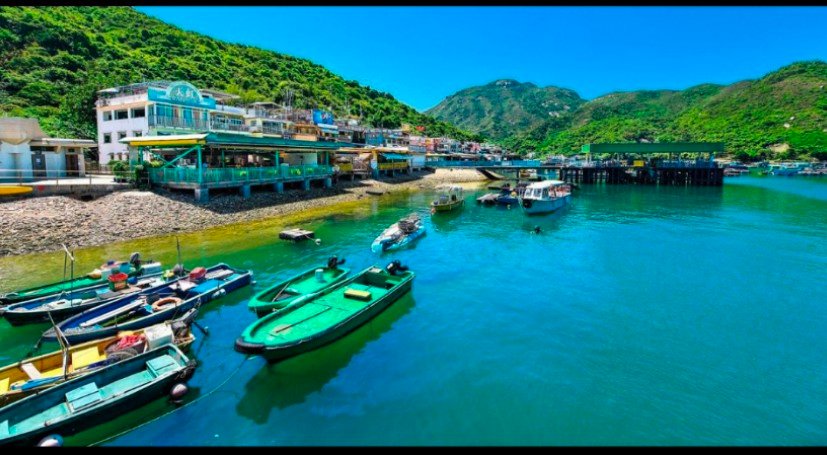
    Hotel Booking Advice
    Read recent reviews, confirm cancellation policies and check whether breakfast, parking and air conditioning are included.
    If travelling with older family members or children, consider lift access, walking distances and the availability of nearby food options.

    How to Reach Puri

    Puri is accessible by rail and road, with Bhubaneswar serving as the nearest major airport city.
    By Train
    Puri Railway Station is a major arrival point for travellers visiting the city. Depending on your starting location, direct trains or connecting services may be available.
    Check your preferred date, current timetable, ticket availability and arrival time before booking.
    By Air
    Biju Patnaik International Airport in Bhubaneswar is the nearest major airport, approximately 60 km from Puri by road, although the exact journey distance depends on the route.
    From the airport, you can consider a taxi, pre-arranged transfer or available public transport connections.
    By Road
    Puri is connected with Bhubaneswar and other destinations in Odisha by road. Depending on your starting point, you may travel by bus, taxi or private vehicle.
    Travel time varies with traffic, road conditions and your exact destination in Puri.
    Getting Around Puri
    Auto-rickshaws, cycle-rickshaws, taxis and other local transport options may be available depending on the route.
    Confirm the fare before starting a journey if a meter is not being used. For longer trips to Konark or Chilika Lake, compare the cost and convenience of a private vehicle with public transport.

    Important Travel Tips for November 2026

    Check temple rules: Confirm current darshan arrangements, entry eligibility and prohibited items before departure.
    Book early: Accommodation and transport can become more expensive around holidays and busy weekends.
    Protect yourself from the sun: November can still be warm, especially around midday.
    Stay hydrated: Carry drinking water and take breaks during outdoor sightseeing.
    Respect religious customs: Dress appropriately and follow instructions at temples and sacred places.
    Be careful at the beach: Follow lifeguard instructions and avoid unsafe swimming conditions.
    Use responsible wildlife tourism: Never chase, feed or disturb dolphins and birds.
    Carry payment alternatives: Keep some cash for small purchases while using secure payment methods when available.
    Check transport details: Confirm return arrangements before starting a full-day excursion.
    Keep valuables secure: Use ordinary precautions in busy markets, railway stations and crowded public areas.

    Is Puri Worth Visiting in November 2026?

    Yes, Puri is a strong choice for a November holiday if you enjoy a combination of spirituality, coastal scenery, historic architecture and local culture.
    The most rewarding plan is to spend time at Shree Jagannath Temple, enjoy the beaches, and select one or two nearby destinations based on your interests. Konark is an excellent choice for architecture and history, while Chilika Lake appeals to travellers interested in nature and birdlife.
    November is generally a favourable period for sightseeing, but check current weather, temple arrangements, transport schedules and accommodation availability before finalising your plans.

    Frequently Asked Questions About Puri in November

    1. Is November a good time to visit Puri?
    Yes. November generally falls within Odisha’s main tourist season, when conditions are often more comfortable for sightseeing than during the monsoon and peak summer.
    2. What is the weather like in Puri in November?
    Conditions are usually warm during the day and more comfortable in the morning and evening. Historical climate figures suggest daytime temperatures around 28–31°C, although actual weather can vary.
    3. How many days are enough for Puri?
    Two days can cover the main attractions in Puri. Three days provide more time for Konark, Chilika Lake or a traditional crafts village.
    4. What is the most famous attraction in Puri?
    Shree Jagannath Temple is the city’s most famous religious attraction. Puri Beach and Golden Beach are also major highlights.
    5. Can I visit Konark Sun Temple from Puri in one day?
    Yes. Konark is a popular day trip from Puri. Allow enough time for transport, exploring the temple complex and visiting nearby coastal attractions.
    6. Is Chilika Lake worth visiting in November?
    Chilika Lake can be an excellent choice for nature lovers, especially those interested in birds and boat excursions. Wildlife sightings depend on conditions and cannot be guaranteed.
    7. Is Puri suitable for a family trip?
    Yes. Families can combine temple visits, beach walks, local food and cultural attractions. Choose accommodation with convenient access and supervise children carefully around the sea.

    8. What should I wear in Puri in November?
    Lightweight, breathable clothing is suitable for the warm weather. Carry modest clothing for religious sites, comfortable shoes and sun protection.
    9. Is Puri expensive for tourists?
    Puri can suit different budgets. Costs depend on accommodation, travel dates, food choices and whether you hire private transport for excursions.
    10. Is swimming allowed at Puri Beach?
    Permission and safety depend on the specific location and sea conditions. Follow posted notices and lifeguard instructions, and do not enter the water when conditions are unsafe.
    11. What local food should I try in Puri?
    Consider traditional Odia dishes such as dalma and pakhala, along with chhena poda. Mahaprasad is also an important part of the city’s religious food traditions.
    12. How far is Puri from Bhubaneswar Airport?
    The airport is approximately 60 km from Puri by road. Actual travel distance and time depend on your route and traffic.
    13. Is Golden Beach different from Puri Beach?
    Golden Beach is a designated Blue Flag section of Puri’s coastal area, recognised for managed facilities and environmental standards. Check current access arrangements before visiting.

    14. Should I book hotels in advance for November?
    Booking in advance is advisable, especially for weekends, holidays and fixed travel dates.
    15. Can I visit Puri and Konark in a two-day trip?
    Yes, with careful planning. Dedicate one day to Puri’s main attractions and another to Konark and the nearby coastline. Add Chilika Lake only if your schedule allows sufficient travel time.

    Conclusion

    Puri is much more than a pilgrimage destination. It brings together sacred traditions, beautiful coastal landscapes, historic temples, traditional crafts and the flavours of Odisha.
    November 2026 offers a promising opportunity to experience these highlights in generally favourable sightseeing conditions. Start with Shree Jagannath Temple, explore Puri Beach and Golden Beach, and make time for Konark Sun Temple or Chilika Lake if your schedule allows.
    Plan your transport carefully, check current temple and beach rules, support local artisans and travel responsibly. With a practical itinerary and realistic budget, Puri can become one of the most memorable destinations on your Odisha journey.
    Plan your Puri holiday with Rahulblogwl.com and explore the spiritual and coastal beauty of Odisha.

  • Best Time to Visit Jaisalmer, Rajasthan in 2026: Complete Travel Guide

    Best Time to Visit Jaisalmer, Rajasthan in 2026: Complete Travel Guide


    Best Time to Visit Jaisalmer in 2026: Weather, Places & Travel Tips

    best time to visit Jaisalmer

    best-time-to-visit-jaisalmer-2026

    https://rahulblogwl.com/best-time-to-visit-jaisalmer-2026/

    Discover the best time to visit Jaisalmer in 2026. Explore Golden Fort, Sam Sand Dunes, desert safaris, winter weather, travel budgets and a complete itinerary.

    Best Time to Visit Jaisalmer in 2026

    The best time to visit Jaisalmer, Rajasthan, is generally October to March, when cooler weather makes sightseeing, exploring historic streets and enjoying desert safaris more comfortable. November and February are particularly attractive for travellers who want to experience the Golden City without the extreme heat of summer. Rajasthan Tourism also identifies winter as the most comfortable season for exploring the state.
    Jaisalmer is famous for its golden sandstone architecture, magnificent fort, intricately carved havelis, desert landscapes, colourful markets and traditional Rajasthani culture. Located in western Rajasthan near the Thar Desert, the city offers a distinctive combination of history, architecture, adventure and desert hospitality.
    However, choosing the right month depends on your priorities. You may prefer pleasant sightseeing weather, a quiet budget trip, a camel safari, photography opportunities or a cultural festival. This guide explains the seasons, month-by-month conditions, best attractions, transport, accommodation, estimated budgets and practical travel tips for planning your 2026 visit.

    Quick Facts About Jaisalmer

    Destination: Jaisalmer, Rajasthan, India
    Nickname: The Golden City
    Best season: October to March
    Best overall months: November and February
    Ideal trip length: 2–4 days
    Famous for: Golden Fort, havelis, Sam Sand Dunes, camel safaris and desert camps
    Suggested trip style: Heritage sightseeing, desert adventures, photography, cultural experiences and local food.

    Month-by-Month Guide: When Should You Visit Jaisalmer?

    January: Pleasant Days and Cold Desert Nights
    January is one of the most popular months for visiting Jaisalmer. Daytime sightseeing is often comfortable, making it a good time to explore the fort, walk through historic neighbourhoods and take a desert excursion.
    Winter nights can become very cold, particularly at desert camps. Pack warm clothes, a jacket, socks and comfortable walking shoes.
    January is suitable for:
    Exploring Jaisalmer Fort and Patwon Ki Haveli.
    Watching the sunset at Sam Sand Dunes.
    Spending a night at a desert camp.
    Enjoying traditional music, dance and Rajasthani cuisine.
    Best for: Families, couples, photographers and first-time visitors.
    February: An Excellent Month for Culture and Desert Adventures
    February offers a good combination of sightseeing weather and cultural experiences. It is also traditionally associated with Jaisalmer’s Desert Festival, which features folk music, dance, camel-related events, local crafts and traditional competitions.
    The 2026 Desert Festival was listed for 29 January to 1 February 2026 by India’s Ministry of Tourism. That event has passed, so check official announcements for future festival dates before planning a trip around it.
    February is ideal for visitors who want to combine heritage sightseeing with desert experiences.
    March: Warm Days and a Quieter End to Winter
    March can be a good month for travellers who want to avoid some of the peak winter crowds. Temperatures gradually rise, so plan outdoor sightseeing for early morning and late afternoon.
    You can still enjoy the fort, havelis, local shopping and desert trips, but carry water and sun protection.
    Best for: Flexible travellers, culture lovers and visitors planning a longer Rajasthan itinerary.

    April: Increasing Heat
    April marks the beginning of the hotter period. Walking through exposed streets or visiting open desert areas in the afternoon can become uncomfortable.
    If you visit during April, start sightseeing early, take breaks indoors during the hottest hours and arrange desert activities for cooler times of day.
    Best for: Travellers with flexible schedules who can manage hot weather.
    May: Very Hot Desert Conditions
    May is generally not the best month for a conventional Jaisalmer holiday because daytime heat can be intense. Long walks, open-air sightseeing and afternoon camel rides may be difficult.
    If May is your only available travel month, prioritise air-conditioned accommodation, early starts, hydration and a shorter sightseeing schedule.
    June: Extreme Heat Risk
    June can bring very hot conditions to the Thar Desert. Outdoor activities require careful planning, and some travellers may prefer postponing their trip until the weather improves.
    Avoid strenuous midday activities, never underestimate the desert sun and follow local weather advisories.
    July: Monsoon Season Begins
    Jaisalmer is in an arid region, so its monsoon experience differs from that of many greener Indian destinations. Rainfall is generally limited compared with wetter parts of India, but local weather can vary.

    July may appeal to travellers looking for a quieter visit, although heat and humidity can still affect comfort.
    August: A Different Desert Experience
    August may offer occasional rain and changes in the desert landscape. However, it is not the most reliable month for visitors whose main goal is comfortable desert camping.
    Check the weather and confirm road and activity conditions with local operators before booking.

    Keep your itinerary flexible and check the forecast before travelling.
    October: The Tourist Season Returns
    October is a strong choice for the beginning of the Jaisalmer travel season. The weather generally becomes more suitable for sightseeing as the region moves away from summer heat.
    Early October can still be hot. For greater comfort, consider the second half of the month, while checking the actual forecast before departure.
    October is especially suitable for walking tours, architectural photography, evening markets and desert excursions.
    November: One of the Best Months Overall
    November is an excellent month for many first-time visitors. It typically offers a useful balance of daytime sightseeing conditions and cooler evenings.
    Popular activities include visiting the Golden Fort, discovering carved havelis, watching desert sunsets and spending an evening at a desert camp.
    Book accommodation and popular camps in advance if travelling during a busy weekend or holiday period.
    December: Festive Atmosphere and Cold Nights
    December is a popular month for winter holidays, family trips and couples seeking a desert experience. Days are often pleasant, while nights can be surprisingly cold.
    Christmas and New Year can bring greater demand for accommodation and desert camps. Compare inclusions carefully before booking: a low advertised price may not cover transfers, meals, cultural programmes or safari activities.
    Best for: Holiday travellers who plan ahead and bring suitable winter clothing.

    Best Month at a Glance

    Month Travel suitability Main consideration
    January Excellent Cold nights
    February Excellent Check festival dates
    March Very good Increasing daytime heat
    April Fair Hot afternoons
    May Challenging Intense heat
    June Challenging Extreme heat risk
    July Variable Heat and weather
    August Variable Check local conditions
    September Improving Early month may be warm
    October Very good Early October can be hot
    November Excellent Popular travel period
    December Excellent Cold nights and higher demand
    These are general seasonal recommendations, not a daily forecast. Actual conditions vary from year to year. The official Incredible India page for Sam Sand Dunes also illustrates the large seasonal temperature range in the region.

    Why Visit Jaisalmer in Winter?

    Winter makes Jaisalmer particularly rewarding because many of its best experiences take place outdoors.
    First, cooler daytime conditions generally make it easier to explore historic architecture. You can spend time admiring carved balconies, sandstone façades, narrow streets and traditional markets without planning every activity around extreme heat.
    Second, the desert becomes more appealing for sunrise and sunset excursions. Golden light falling over the sand creates excellent opportunities for landscape photography.
    Third, winter is associated with cultural events and seasonal travel activity across Rajasthan. Visitors may find folk performances and special programmes at selected desert camps, although schedules differ by operator and date.
    Finally, cooler weather makes it easier to combine several attractions in one day. A well-planned itinerary can include the fort, havelis, a local lunch, a sunset viewpoint and an evening cultural programme.

    Top Places to Visit in Jaisalmer in 2026

    1. Jaisalmer Fort — The Heart of the Golden City


    Jaisalmer Fort, also known as Sonar Qila, is the city’s best-known landmark. Its golden sandstone walls seem to change colour as sunlight moves across the city.
    Unlike many forts that function primarily as historical monuments, Jaisalmer Fort remains a living urban neighbourhood, with residents, shops, temples and historic homes inside its walls.
    Walk through the narrow lanes, appreciate the traditional architecture and explore the viewpoints. Take your time rather than rushing through the fort in a few minutes.
    Best time to visit: Morning or late afternoon during the cooler months.
    2. Sam Sand Dunes — Experience the Thar Desert

    Sam Sand Dunes is one of the most popular places near Jaisalmer for experiencing the desert. Located around 40 kilometres from the city according to Incredible India, the area offers camel rides, jeep safaris, sunset views and desert camping.
    A typical visit begins in the afternoon, with time for a safari before sunset. Some camps also offer dinner and cultural performances featuring regional music and dance.
    Choose an operator that explains the duration, route, safety arrangements and total price before the activity begins. Avoid booking solely on the basis of a photograph or an unusually low advertised rate.
    Best time: October to March, particularly the late afternoon and evening.

    3. Patwon Ki Haveli — Discover Intricate Architecture

    Patwon Ki Haveli is a famous architectural attraction known for its detailed stone carvings, decorative façades and historic character.
    It is a rewarding stop for people interested in architecture, heritage, photography and the history of wealthy merchant families in Rajasthan.
    Observe the carved windows and balconies closely. Details that may seem small from the street often become impressive when viewed at close range.
    Best time: Morning, when you can explore at a relaxed pace.
    4. Gadisar Lake — A Historic Water Landmark

    Gadisar Lake is known for its historic setting, stone steps, pavilions and architectural details. It has traditionally been a popular place for photography and quiet walks.
    However, conditions in 2026 deserve special attention. A report published on 11 October 2026 described severe water shortages and exposed lakebed areas after deficient rainfall and prolonged heat. Check the latest local conditions before making this a central part of your itinerary.
    Visit respectfully, keep the area clean and avoid assuming that water levels or boating arrangements will be the same as in older travel photographs.

    1. Bada Bagh — Cenotaphs and Sunset Photography

    Bada Bagh is known for its royal cenotaphs, often called chhatris, set against the arid landscape outside the main city.
    The carved stone structures provide an atmospheric setting for photography and an introduction to the region’s royal history.
    Allow sufficient time for travel from the city, and check the current entry arrangements and fees before visiting.

    1. Kuldhara Village — History and Desert Legends

    Kuldhara is a historic abandoned settlement whose story has become part of Jaisalmer’s local folklore. The remains of buildings and village streets create an unusual heritage stop away from the city centre.
    Local legends are popular, but distinguish folklore from verified historical evidence when discussing the village.
    Visit during daylight, respect restricted areas and avoid damaging or climbing on old structures.

    1. Jain Temples Inside Jaisalmer Fort

    The Jain temples within the fort are notable for their detailed stonework and religious significance. They offer a different perspective on Jaisalmer’s artistic and spiritual heritage.
    Follow the rules posted at the entrance, dress respectfully and ask before taking photographs, particularly where restrictions apply.

    1. Amar Sagar Lake and Palace Complex

    Amar Sagar is located on the outskirts of Jaisalmer and is associated with a historic palace, water structures and Jain temple architecture. Rajasthan Tourism describes it as a peaceful location for appreciating the area’s heritage.
    Combine this visit with other nearby sights if transport arrangements allow. Because conditions around water bodies may change, verify the current situation locally.

    1. Desert National Park — Wildlife and Landscape

    Desert National Park represents the ecological diversity of the Thar Desert. Its landscape includes sand dunes, rocky terrain and other arid habitats. Rajasthan Tourism identifies it as an important area for desert wildlife and the endangered Great Indian Bustard.
    This destination is better suited to travellers who enjoy nature, wildlife and open landscapes than to those seeking only monuments and shopping.
    Check access rules, authorised guides and wildlife-viewing conditions before your visit. Wildlife sightings are never guaranteed.

    1. Local Markets and Traditional Shopping

    Jaisalmer’s markets are good places to explore regional handicrafts, textiles, jewellery, souvenirs and traditional footwear.
    Look for items that reflect local craftsmanship, and compare prices before buying. If you are purchasing something described as handmade or made from a particular material, ask the seller about its origin.
    Shopping is also an opportunity to interact with local businesses and learn more about the city’s culture.

    Best Things to Do in Jaisalmer

    The Golden City is more than a collection of forts and historic buildings. Its strongest appeal lies in the combination of desert landscapes, traditional culture, architecture and local food.

    1. Enjoy a Camel Safari
      A camel ride offers a traditional way to experience the desert landscape. Choose a responsible operator, confirm the ride duration and avoid activities that appear unsafe or distressing to the animals.
    1. Try a Jeep Safari
      A guided jeep safari is an alternative for travellers who prefer a motorised desert experience. Ask about the route, safety equipment and whether the operator has permission to use the selected area.

    3. Watch Rajasthani Folk Performances
    Some desert camps and cultural venues arrange folk music, dance and puppet shows. Confirm the programme and timings in advance because entertainment is not included in every package.

    4. Explore the Old City on Foot
    Walk through the historic streets to appreciate sandstone architecture, small shops, carved balconies and everyday life. Wear comfortable footwear and be mindful that residents still live and work in many of these lanes.

    5. Spend a Night in the Desert
    An overnight camp can include accommodation, dinner, cultural performances and a sunrise experience. Read the package details carefully and bring warm layers for winter nights.

    What to Eat in Jaisalmer

    Food is an important part of a Jaisalmer holiday. Traditional Rajasthani cuisine includes rich flavours, locally adapted cooking methods and dishes suited to the region’s climate and food traditions.
    Try these foods when available:
    Dal baati churma: A classic Rajasthani combination of lentils, baked wheat balls and a sweet crumbly preparation.
    Ker sangri: A traditional desert-region dish made with ker berries and sangri beans.
    Gatte ki sabzi: Gram-flour dumplings cooked in a spiced gravy.
    Rajasthani thali: A convenient way to sample several dishes in one meal.
    Local sweets: Ask about regional specialties and freshly prepared options.
    Choose clean, busy food establishments, drink safe water and mention any food allergies before ordering. If you are trying unfamiliar dishes, start with smaller portions.

    Where to Stay in Jaisalmer

    Your choice of accommodation depends on the experience you want.
    Budget guesthouses
    Suitable for backpackers and travellers who want to spend more on sightseeing than accommodation. Compare cleanliness, bathroom facilities, reviews and access to transport.
    Heritage hotels
    These can offer traditional architecture, courtyards and a historic atmosphere. Check whether rooms have modern facilities and whether the property is accessible with luggage.
    Desert camps
    Ideal for travellers who want to spend the evening near the dunes. Verify the exact location, heating arrangements, bathroom facilities, meals and transport before booking.
    For a first visit, consider spending one or two nights in the city and one night at a desert camp. This allows you to explore the historic attractions without rushing while still experiencing the desert after sunset.

    Estimated Jaisalmer Travel Budget for 2026

    The following figures are illustrative planning estimates per person, not live hotel quotes. Actual costs vary by date, accommodation standard, group size, transport and activities.
    Expense Budget estimate
    Budget room per night ₹700–₹1,500
    Mid-range room per night ₹2,000–₹4,500
    Meals per day ₹400–₹900
    Local transport per day ₹300–₹1,000
    Desert safari or activity ₹500–₹2,000
    Desert camp package ₹2,000–₹6,000+
    A rough daily budget, excluding long-distance travel, could be:
    Budget traveller: ₹1,500–₹3,000 per day.
    Mid-range traveller: ₹3,500–₹7,000 per day.
    Premium traveller: ₹8,000 or more per day.
    These estimates should be treated as a starting point. Peak-season dates, private transport and luxury camps may cost considerably more. Check current rates and inclusions before making reservations.
    To reduce costs, travel with a small group, compare accommodation outside the busiest areas, book transport in advance and ask for a written breakdown of safari charges.

    How to Reach Jaisalmer

    By Train
    Jaisalmer has a railway station connected to selected cities, with services and schedules varying by date. Check the official Indian Railways or IRCTC booking system for available trains, fares and journey times.
    Train travel can be convenient for visitors coming from other parts of Rajasthan and major cities with suitable connections.
    By Air
    Jaisalmer Airport is the nearest airport, but flight availability can be seasonal or limited. Confirm actual operating flights for your travel dates before relying on an air connection.
    Jodhpur Airport is another option, although it requires additional overland travel to Jaisalmer.
    By Road
    Jaisalmer can be reached by road from Jodhpur and other Rajasthan destinations. Travel times depend on your starting point, traffic, road conditions and stops.
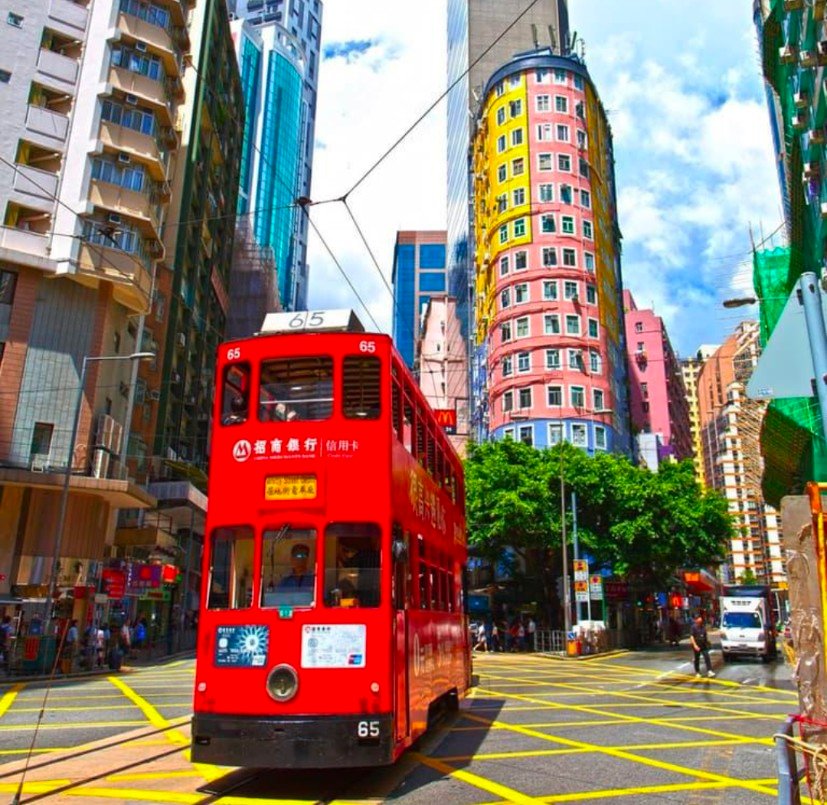
    For a multi-city trip, you could combine Jaisalmer with Jodhpur, Bikaner or Jaipur, but allow sufficient time for the distances involved.
    Getting Around the City
    Many historic attractions are relatively close together, although narrow streets and pedestrian areas can make vehicle access difficult. Walking is practical for parts of the old city; autos, taxis and pre-arranged transport are useful for attractions outside the centre.
    For desert excursions, confirm whether transfers from your hotel are included.

    A Practical Three-Day Jaisalmer Itinerary

    Day 1 — Explore the Golden City
    Morning to evening
    Visit Jaisalmer Fort.
    Explore the Jain temples, subject to opening arrangements.
    See Patwon Ki Haveli.
    Browse the local markets.
    Enjoy a traditional Rajasthani dinner.

    Day 2 — Experience the Thar Desert
    Afternoon and overnight
    Travel to Sam Sand Dunes.
    Enjoy a booked camel or jeep safari.
    Watch the sunset.
    Attend a cultural programme if available.
    Stay at a desert camp or return to the city.
    Day 3 — Heritage and Photography

    Day 3 — Heritage and Photography
    Morning to afternoon
    Visit Bada Bagh.
    Explore Kuldhara if transport and access permit.
    Visit Gadisar Lake if local conditions are suitable.
    Buy souvenirs and enjoy lunch.
    Depart or continue your Rajasthan journey

    This itinerary is flexible. You can change the order depending on opening hours, weather, your arrival time and the locations included in your accommodation package.

    What to Pack for Jaisalmer

    Your packing list should match the season.
    For October and March
    Lightweight, breathable clothes.
    Sunglasses and a sun hat.
    Sunscreen and comfortable shoes.
    A light jacket for cooler evenings.
    For November to February
    Warm jacket, especially for desert nights.
    Long trousers and comfortable walking shoes.
    A scarf or shawl.
    Moisturiser and lip balm for dry conditions.
    For April to September
    Lightweight clothing that covers your skin.
    A hat, sunscreen and reusable water bottle.
    Extra attention to hydration.
    Flexible plans that avoid the hottest hours.
    Carry necessary medicines, personal identification, phone charging equipment and offline copies of important bookings.

    Travel Safety Tips for Jaisalmer

    A well-planned trip helps you enjoy the desert without unnecessary risks.
    Respect the heat. Avoid strenuous outdoor activities during extreme daytime temperatures.
    Stay hydrated. Carry drinking water on longer excursions.
    Choose responsible safari operators. Ask about safety equipment, routes and animal welfare.
    Confirm prices in advance. Clarify whether meals, transfers and cultural shows are included.
    Protect your belongings. Keep valuables secure in crowded markets and transport areas.
    Respect religious places. Follow dress codes and photography restrictions.
    Check local travel advice. Jaisalmer is near an international border, so obey any access restrictions and official instructions.
    Plan for cold nights. Desert temperatures can drop substantially after sunset.
    Use sun protection. Sunglasses, suitable clothing and sunscreen are useful throughout the year.
    Leave natural and historic sites undamaged. Do not litter, climb restricted structures or disturb wildlife.

    Photography Tips: Capture Jaisalmer at Its Best

    Jaisalmer is particularly photogenic because its sandstone architecture reflects warm light.
    Early morning: Photograph the fort and historic streets in softer light.
    Late afternoon: Capture the texture and colour of the sandstone buildings.
    Sunset: Photograph the desert landscape from an authorised viewpoint.
    Blue hour: Look for changing colours around illuminated architecture.
    Close-up photography: Focus on carved windows, balconies, doors and decorative stonework.
    Always ask permission before photographing people closely. Respect restrictions at temples and other religious sites.
    For your travel blog, combine wide landscape images with architectural details and useful destination photographs. This creates a more informative article than using repeated sunset pictures.

    Is Jaisalmer Worth Visiting in 2026?

    Yes. Jaisalmer is a strong choice for travellers interested in Indian heritage, desert landscapes, traditional architecture and cultural experiences. It offers a different atmosphere from Rajasthan’s larger cities, with a historic fort, sandstone streets and access to the Thar Desert.
    However, the experience depends on when you visit and how you plan your activities. Winter generally provides the most comfortable conditions for outdoor exploration, while summer requires greater care with heat and scheduling.
    For a first visit, plan at least two full days if possible. Choose November or February if your priority is comfortable sightseeing, or consider October and March if you prefer a transition-season trip and can adapt to warmer weather.
    Check the current forecast, transport schedules, attraction access and accommodation prices before finalising your itinerary

    Frequently Asked Questions

    1. What is the best time to visit Jaisalmer in 2026?
    October to March is generally the best period. November and February are excellent choices for sightseeing and desert experiences, although exact weather varies.
    2. Is Jaisalmer good to visit in October?
    Yes. October is a good month as the region moves toward its cooler tourist season. Early October can still be hot, so plan outdoor activities carefully.
    3. Which is the coldest month in Jaisalmer?
    December and January commonly bring the coldest winter nights. Bring warm clothing if you plan to stay in the desert.
    4. Can I visit Jaisalmer in summer?
    Yes, but April to June can be extremely hot. Avoid strenuous midday activities and prioritise hydration, shade and suitable accommodation.
    5. How many days are enough for Jaisalmer?
    Two to four days is a useful range. Two days cover the main attractions at a brisk pace, while three or four days allow time for a desert camp, additional heritage sites and relaxed sightseeing.
    6. What is the best time for a camel safari?
    The cooler months, especially October to March, are generally more comfortable. Early morning and late afternoon are preferable to the hottest part of the day.
    7. Is November a good time for Jaisalmer?
    Yes. November is a strong all-round choice for heritage sightseeing, desert excursions and photography.
    8. Is Jaisalmer suitable for families?
    Yes. Families can enjoy the fort, havelis, local food and desert scenery. Choose age-appropriate safari activities and accommodation with clear safety arrangements.

    9. Is one night in a desert camp enough?
    One night can be enough to experience a sunset, dinner, cultural entertainment and the desert atmosphere. Check exactly which activities are included in your package.
    10. What is Jaisalmer famous for?
    Jaisalmer is famous for its Golden Fort, carved sandstone havelis, Sam Sand Dunes, desert safaris, traditional crafts and Rajasthani culture.
    11. Is Jaisalmer expensive to visit?
    It can be affordable with budget accommodation and local meals. Desert camps, private transport and peak-season bookings can increase the total cost.
    12. Can I visit Jaisalmer during the monsoon?
    Yes, but weather conditions can be variable. Check local forecasts and confirm the availability of outdoor activities before travelling.
    13. What should I wear in Jaisalmer?
    Wear breathable clothing and comfortable shoes for sightseeing. In winter, carry a warm jacket because desert evenings and nights can be cold.
    14. Is Jaisalmer Fort still inhabited?
    Yes. Jaisalmer Fort is a living historic neighbourhood containing homes, shops and religious sites as well as tourist attractions.
    15. What should I know about Gadisar Lake before visiting?
    Check the current conditions before travelling. An October 2026 report described severe water shortages and exposed lakebed areas, so older photographs may not represent current conditions.

    Conclusion: Plan Your Jaisalmer Trip at the Right Time

    Jaisalmer is one of Rajasthan’s most distinctive travel destinations, combining the history of the Golden Fort with the beauty of the Thar Desert. From historic havelis and colourful markets to camel safaris and desert nights, the city offers experiences that appeal to a wide range of travellers.
    The best time to visit Jaisalmer in 2026 is generally October to March. November and February are especially appealing for comfortable sightseeing and outdoor adventures. December and January are also popular, but travellers should prepare for cold nights and book busy travel dates in advance.
    Choose your travel month based on your budget, weather preferences and interests. Plan your sightseeing carefully, respect local culture and verify current conditions before departure.
    Whether you are planning a short weekend escape or a longer Rajasthan holiday, Jaisalmer can offer a memorable combination of history, adventure and desert beauty

  • Title: How to Explore India in 2026: Best Places, Budget & Travel Tips

    Title: How to Explore India in 2026: Best Places, Budget & Travel Tips

    How to Explore India in 2026: Best Places, Tips & Itinerary

    how to explore India in 2026

    how-to-explore-india-2026

    Discover how to explore India in 2026 with the best places to visit, cultural experiences, travel tips, transportation advice, budgets, and a practical itinerary.

    How to Explore India in 2026: Best Places, Travel Tips, Budget and Itinerary

    India is a country where ancient history, colourful traditions, beautiful landscapes and modern cities come together to create unforgettable travel experiences. From the snow-covered mountains of the Himalayas to the tropical beaches of Kerala, every region offers something different to discover. Whether you enjoy history, nature, food, wildlife, adventure or spiritual journeys, India has countless destinations waiting to be explored.
    If you are wondering how to explore India in 2026, the best approach is to plan your trip around your interests, available time and budget. India is a vast country, and trying to visit every major attraction in one journey can make your holiday tiring and expensive. Instead, choose a few destinations, understand their local culture and leave enough time to enjoy each experience.
    This India travel guide 2026 explains the best places to visit, ideal travel seasons, transportation options, food experiences, accommodation choices, estimated budgets and a practical itinerary. Use these suggestions to plan a memorable Indian adventure.

    Why Explore India in 2026?

    India offers a remarkable variety of travel experiences within one country. You can visit historic forts in Rajasthan, enjoy Himalayan scenery in Uttarakhand, explore ancient temples in Tamil Nadu, relax on Goa’s beaches and discover the backwaters of Kerala.
    Travelling in India can also be suitable for different budgets. Backpackers can use trains, public transport and affordable guesthouses, while travellers seeking comfort can choose private transfers, boutique hotels and premium resorts.
    Here are some reasons to explore India in 2026:
    Discover ancient monuments, forts, palaces and UNESCO World Heritage Sites.
    Experience festivals, traditional music, regional art and local markets.
    Taste regional cuisines that differ significantly from state to state.
    Explore mountains, deserts, beaches, forests, rivers and wildlife reserves.
    Find accommodation and transport options for different travel budgets.
    Meet local communities and learn about India’s diverse cultures.
    The secret to a successful India trip is to travel responsibly, respect local customs and avoid packing too many destinations into a short holiday.

    Best Places to Visit in India in 2026

    Best Places to Visit in India in 2026

    1. Agra, Uttar Pradesh
    Agra is one of India’s most recognisable historical destinations and an excellent starting point for first-time visitors. Its most famous attraction is the Taj Mahal, a marble mausoleum associated with the Mughal emperor Shah Jahan and his wife Mumtaz Mahal.
    Visit the Taj Mahal early in the morning when possible, allowing time for security checks and photographs. The monument is generally closed on Fridays, so check official visiting information before planning your visit.
    Other attractions include Agra Fort, Mehtab Bagh and the historic streets around the city’s traditional markets. If you enjoy architecture and history, Agra can be combined with Delhi and Jaipur on the Golden Triangle route.
    2. Jaipur, Rajasthan
    Jaipur, popularly known as the Pink City, is famous for its royal heritage, colourful bazaars and impressive architecture.
    Explore Amber Fort, Hawa Mahal, City Palace and Jantar Mantar. Each attraction offers a different perspective on Rajasthan’s history and architectural traditions.
    Spend time in local markets to browse textiles, jewellery, handicrafts and traditional souvenirs. Try regional dishes such as dal baati churma, gatte ki sabzi and pyaaz kachori.
    Jaipur is especially suitable for travellers who want a mixture of history, photography, shopping and local cuisine.
    3. Delhi, the National Capital
    Delhi combines historic monuments with modern neighbourhoods, busy markets, museums and an extensive food scene.

    Explore Humayun’s Tomb, Qutub Minar, the Red Fort area and India Gate. Old Delhi is known for its narrow lanes, traditional markets and distinctive street food.
    The city is also a major transport hub, making it convenient for connecting to other parts of India by train, bus or air.
    Allow at least two days if you want to explore both Old Delhi and New Delhi without rushing.
    4. Kashmir, Jammu and Kashmir
    Kashmir attracts visitors with mountain scenery, lakes, gardens and traditional houseboats.
    Srinagar is a popular base for exploring Dal Lake, Mughal gardens and nearby mountain landscapes. Depending on the season and current access conditions, travellers may also visit Gulmarg, Pahalgam or Sonamarg.
    Spring brings flowering gardens, summer offers opportunities for sightseeing and outdoor activities, and winter attracts visitors interested in snow.
    Check weather forecasts, road conditions and local travel advisories before departure, particularly in winter.
    5. Manali, Himachal Pradesh
    Manali is a popular mountain destination for nature lovers, couples and adventure travellers. Surrounded by the Himalayas, it offers forest walks, scenic viewpoints, cafés and access to outdoor activities.

    Visit Old Manali, explore the Hadimba Devi Temple and enjoy views of the surrounding mountains. Solang Valley is known for seasonal adventure activities, although availability depends on weather and operating conditions.
    Avoid assuming that high mountain roads will be open throughout the year. Check official local updates before planning journeys toward high-altitude areas.
    6. Rishikesh, Uttarakhand
    Rishikesh is known for yoga, meditation, riverside scenery and adventure tourism along the Ganges.
    Visitors can explore the riverfront, attend the evening Ganga Aarti, visit temples and bridges, or participate in yoga classes. Depending on the season and local permissions, rafting and other outdoor activities may also be available.
    Rishikesh can be combined with Haridwar for a short spiritual and cultural journey. Choose licensed adventure operators and follow local river-safety instructions.
    7. Kerala
    Kerala is an excellent choice for travellers who enjoy tropical scenery, greenery, traditional cuisine and a slower pace of travel.

    Alleppey, also called Alappuzha, is known for its backwaters and houseboat experiences. Munnar offers tea plantations and mountain views, while Kochi features historic neighbourhoods, waterfront areas and cultural attractions.
    Travellers can combine a few nights in the hills with time beside the backwaters or coast. Monsoon conditions can affect outdoor activities and transport, so check seasonal forecasts.
    8. Goa
    Goa is famous for its beaches, Portuguese-influenced heritage, seafood and relaxed coastal atmosphere.
    North Goa offers lively beach areas, markets and nightlife, while South Goa includes quieter stretches of coast and resort areas. Visitors can also explore historic churches and the heritage district of Old Goa.
    Beyond the beaches, try local Goan cuisine, visit traditional villages and learn about the region’s cultural history. Respect beach safety guidance and local rules regarding alcohol, littering and public behaviour.
    9. Varanasi, Uttar Pradesh
    Varanasi is one of India’s best-known spiritual cities and an important destination for understanding religious traditions along the Ganges.

    Explore the ghats, observe the evening Ganga Aarti from a suitable viewing area and visit important temples where access is permitted. A sunrise boat ride can offer a memorable perspective on the riverfront.
    The city can be crowded, especially during festivals. Dress respectfully at religious sites, follow photography restrictions and give people space during ceremonies.
    10. Sikkim and the Northeast
    Sikkim is an attractive destination for travellers seeking mountain scenery, monasteries, lakes and quieter hill towns. Gangtok is a useful base for exploring the region, while other destinations may require additional permits or special travel arrangements.
    The wider Northeast includes Assam’s tea-growing areas, Meghalaya’s waterfalls and living root bridges, and Arunachal Pradesh’s mountain landscapes.
    Because weather, road access and permit requirements vary, research the specific state and route before booking. Do not assume that every border-area destination is accessible to every traveller throughout the year.

    How to Choose the Right Region

    India is too large to explore completely in a single short trip. Choose destinations based on the experiences you want.
    History and architecture: Delhi, Agra and Jaipur.
    Mountains and nature: Kashmir, Himachal Pradesh, Uttarakhand and Sikkim.
    Beaches and coastal culture: Goa and Kerala.
    Spiritual experiences: Varanasi, Rishikesh and selected temple towns.
    Food and city life: Delhi, Mumbai, Hyderabad and Kolkata.
    Wildlife: National parks and wildlife reserves, subject to seasonal access and park regulations.
    For a first trip of one week, choose one region or a compact route. For a two-week holiday, combine destinations that have convenient transport connections.

    Best Time to Explore India in 2026

    India experiences different climates across its regions, so there is no single perfect month for every destination.
    October to March
    These months are often suitable for exploring many northern, western and central Indian destinations. Delhi, Agra, Jaipur and Varanasi can be particularly appealing during cooler weather.

    However, winter fog can delay flights and trains in northern India. Mountain destinations may experience snow, road closures and very cold conditions.
    April to June
    This period can be very hot across much of northern and central India. Hill stations such as Manali and selected Himalayan destinations may offer cooler weather, but they can also be busy during school holidays.
    Plan outdoor sightseeing early in the morning, carry water and avoid prolonged exposure to extreme heat.
    June to September
    The monsoon brings rainfall to many parts of India. Kerala, the Western Ghats and other green landscapes can look especially beautiful, but heavy rain may disrupt transport and outdoor activities.
    Landslides and flooding can affect some mountain and coastal routes. Check local weather warnings and maintain flexibility in your itinerary.

    How to Travel Around India

    Trains
    Indian Railways connects many major cities and smaller towns. Trains can be economical and offer a useful way to experience the country.
    Book popular routes in advance through official railway booking channels. Confirm the train number, departure station, class and reservation status before travelling.
    Domestic Flights
    Flights can save considerable time when travelling between distant regions, such as Delhi and Kerala or Mumbai and the Northeast.
    Compare the total cost, including baggage charges, airport transfers and departure times. A cheap ticket may not be the best choice if it creates an impractical connection.
    Buses
    Government and private buses connect many cities, hill stations and regional destinations. Services range from basic local buses to overnight air-conditioned coaches.

    Check the boarding point and arrival location carefully, especially when travelling overnight.
    Metro and Local Transport
    Metro systems operate in several major Indian cities, including Delhi and Mumbai. They can be convenient for avoiding road congestion.
    Auto-rickshaws, taxis and app-based cab services can help with shorter journeys. Confirm fares or use a reliable booking method before starting a trip.
    Renting a Car
    A private car with a local driver can be practical for multi-stop sightseeing, especially in Rajasthan or certain mountain regions.

    Estimated Budget for Exploring India

    Your total travel cost depends on the season, destination, accommodation, transport and activities. The following figures are illustrative planning estimates per person per day, not live quotes.
    Travel style
    Estimated daily budget
    Budget traveller
    ₹1,200–₹2,500
    Mid-range traveller
    ₹3,000–₹7,000
    Premium traveller
    ₹8,000–₹20,000+
    These estimates may cover accommodation, meals, local transport and ordinary sightseeing, but they do not necessarily include intercity flights, expensive tours, shopping or major adventure activities. Costs can be higher in remote areas, popular resorts and peak holiday periods.
    Ways to Save Money
    Travel during shoulder seasons when weather and local conditions are suitable.
    Book transport early when reservations are available.
    Choose accommodation near reliable transport links.
    Eat at clean, well-reviewed local restaurants.
    Compare attraction entry fees and guided tour prices.
    Avoid changing hotels every night.
    Keep an emergency fund for delays and unexpected expenses.
    For international visitors, include visa-related costs, travel insurance, international flights and airport transfers in the overall budget.

    What to Eat While Exploring India

    India
    Food is an essential part of discovering India’s regional cultures. Recipes, ingredients and cooking styles can change dramatically between states.
    In Rajasthan, try dal baati churma and regional vegetarian dishes. Delhi offers chaat, kebabs and a wide range of North Indian food. Gujarat is known for dishes such as dhokla and thepla, while South Indian menus often feature dosa, idli and regional rice dishes.
    Kerala is known for coconut-based curries, seafood and traditional meals served on banana leaves. Goa offers distinctive coastal dishes influenced by local and Portuguese culinary traditions.
    If you have food allergies or dietary restrictions, communicate them clearly to restaurant staff. Choose clean food establishments, drink safe water and be cautious with raw foods when hygiene is uncertain.

    Accommodation Options in India

    India has accommodation for different budgets and travel styles.
    Hostels and guesthouses: Useful for solo travellers, backpackers and people seeking affordable stays.
    Budget hotels: Practical for short city visits when you want a private room without premium prices.
    Mid-range hotels and boutique stays: Offer a balance of comfort, facilities and location.
    Heritage hotels: Converted historic buildings can provide an opportunity to experience regional architecture and hospitality.
    Resorts and premium properties: Suitable for travellers who prefer extensive facilities, private transfers or a relaxing holiday.
    Before booking, check recent guest reviews, cancellation rules, the exact location and transport access. International visitors should confirm any check-in documentation requirements directly with the property.

    A Practical 7-Day India Itinerary

    If this is your first visit, the Golden Triangle is a useful introduction to India’s history and culture.
    Day 1: Arrive in Delhi
    Settle into your accommodation and explore a nearby market or landmark, depending on your arrival time.
    Day 2: Explore Delhi
    Visit selected historical monuments, museums and areas of Old Delhi. Leave enough time for traffic and security checks.
    Day 3: Travel to Agra
    Take a train or other suitable transport to Agra. Explore Agra Fort or another attraction after checking opening hours.
    Day 4: Visit the Taj Mahal
    Visit the Taj Mahal at an appropriate time, then travel onward or enjoy another local attraction. Remember to account for the monument’s weekly closure.
    Day 5: Travel to Jaipur
    Continue to Jaipur and spend the evening exploring a market or enjoying Rajasthani food.
    Day 6: Discover Jaipur
    Visit Amber Fort, Hawa Mahal and other attractions according to your interests and available time.
    Day 7: Departure

    Depart from Jaipur or return to Delhi, depending on your flight arrangements. Allow a generous transfer buffer before an international departure.
    This itinerary is a starting point, not a fixed schedule. If you prefer mountains, beaches or wildlife, build a different route around one region rather than trying to add distant destinations.

    Visa and Entry Requirements for International Visitors

    Visa and entry requirements depend on your nationality, passport and purpose of travel.
    Before travelling, consult India’s official government visa resources and confirm whether you are eligible for an e-Visa or need another visa category. Apply through the official channel, review the permitted entry points and check the validity of your travel documents.
    Do not rely on third-party claims that every nationality can enter under the same rules. Visa conditions and permitted activities may change.
    Domestic travellers should also carry appropriate identification for transport, accommodation and other bookings where required.

    Safety Tips for Exploring India

    India can be rewarding to explore, but good preparation makes travel easier.
    Keep your passport, cash and valuables secure.
    Use recognised transport providers, especially late at night.
    Share your itinerary with a trusted person.
    Follow local advice during extreme heat, heavy rainfall or mountain weather.
    Use licensed guides and operators for adventure activities.
    Respect religious sites, dress expectations and photography restrictions.

    Purchase travel insurance suitable for your activities.
    Keep digital and offline copies of important travel documents.
    Check official travel advisories before visiting sensitive or remote areas.
    Learn a few useful local phrases and keep emergency contacts accessible.
    Solo travellers should research neighbourhoods and transport arrangements in advance. Be cautious about unsolicited offers and confirm the price and terms of a service before accepting it.

    How to Plan a Better India Trip

    A successful trip begins with realistic planning. First, decide how many days you have. Next, select a region, research transport connections and build a route that allows time for meals, rest and unexpected delays.
    Make a shortlist of essential attractions rather than filling every hour. Check opening days, entry fees and reservation requirements directly with official sources.
    Download offline maps, save your hotel address and carry a suitable power bank. If visiting multiple states, remember that languages, weather, food and local customs may change from one destination to another.
    Finally, travel with curiosity. Some of the most memorable moments may come from a small local market, a conversation with a guide, a regional meal or an unexpected view along the way.

    Responsible Tourism in India

    Responsible travel helps protect the places and communities you visit.
    Avoid leaving litter at beaches, mountains, rivers and heritage sites. Follow wildlife-viewing rules and never feed wild animals unless an authorised conservation programme specifically permits it.
    Choose local guides and businesses when practical, respect cultural traditions and ask permission before photographing people. At religious locations, follow instructions about footwear, clothing and restricted areas.
    When booking wildlife experiences, research whether operators prioritise animal welfare and habitat protection.
    Travelling responsibly makes your journey more meaningful and helps preserve destinations for future visitors.

    Frequently Asked Questions

    1. How can I explore India in 2026?
    Start by selecting a region based on your interests, choose a realistic travel duration and research the weather, transport and accommodation. Reserve important services in advance and leave some flexibility for local experiences.
    2. What are the best places to visit in India for first-time travellers?
    Delhi, Agra and Jaipur are a popular combination because they offer historical monuments, architecture, markets and food experiences. Kerala, Goa and Rishikesh are alternatives for travellers with different interests.
    3. How many days are enough to explore India?
    Seven days can be enough for one compact route. Two weeks allow more variety, but exploring several distant regions may require additional time. India is too large to cover completely in one short holiday.
    4. What is the best month to visit India?
    October to March is often suitable for many northern and western destinations. However, the best month depends on the specific region, altitude, weather and activities you want to enjoy.

    5. Is India affordable for tourists?
    India offers a wide range of accommodation, food and transport options. Budget travellers can often manage costs with advance planning, while premium hotels, private transfers and remote destinations can be considerably more expensive.

    6. What should I pack for an India trip?

    Pack clothing suitable for the season, comfortable walking shoes, sun protection, essential medicines, a reusable water bottle where appropriate, travel documents and chargers. Mountain and monsoon destinations may require specialised clothing.
    7. Is public transport useful in India?
    Yes. Trains, buses and urban metro systems can be practical for many journeys. Availability, comfort and booking requirements vary by route, so compare options before departure.
    8. How can I find reliable travel information?
    Check official railway and transport websites, monument authorities, state tourism departments, weather services and government visa resources. Confirm important details close to your travel date.

    Conclusion: Start Exploring India in 2026

    India offers a remarkable combination of history, natural beauty, spiritual traditions, regional food and everyday cultural experiences. From the Taj Mahal and Jaipur’s forts to Kerala’s backwaters and the Himalayas, every journey can reveal a different side of the country.
    The best way to explore India in 2026 is to travel at a comfortable pace, select destinations that match your interests and prepare for regional differences in climate, transport and customs. Compare costs, verify important travel information and leave room for experiences that cannot be planned in advance.
    Whether you have one week or several weeks, thoughtful planning can help you create a memorable trip through India.
    Start with one region, travel responsibly and discover India one destination at a time.

  • Best Time to Visit Harihar Fort, Nashik: Complete Travel Guide 2026

    Best Time to Visit Harihar Fort, Nashik: Complete Travel Guide 2026

    Best Time to Visit Harihar Fort 2026: Trek & Travel Guide

    best time to visit Harihar Fort

    best-time-to-visit-harihar-fort

    Discover the best time to visit Harihar Fort in Nashik in 2026. Explore the famous rock-cut steps, trekking routes, weather, travel tips, budget and safety advice.

    Secondary keywords:
    Harihar Fort Nashik travel guide 2026
    Harihar Fort trek
    Harihar Fort trekking route
    Harihar Fort best season
    Harihar Fort distance from Nashik
    Harihar Fort opening and trekking rules
    Harihar Fort height
    Harihar Fort safety tips
    Harihar Fort itinerary
    places to visit near Harihar Fort

    Best Time to Visit Harihar Fort, Nashik: Complete Travel Guide 2026

    Introduction
    Harihar Fort, also known as Harshagad, is one of Maharashtra’s most distinctive trekking destinations. Located in Nashik district near the Trimbakeshwar region, the fort is famous for its dramatic rock-cut staircase, rugged basalt cliffs, historic remains and expansive views of the Sahyadri mountain range.
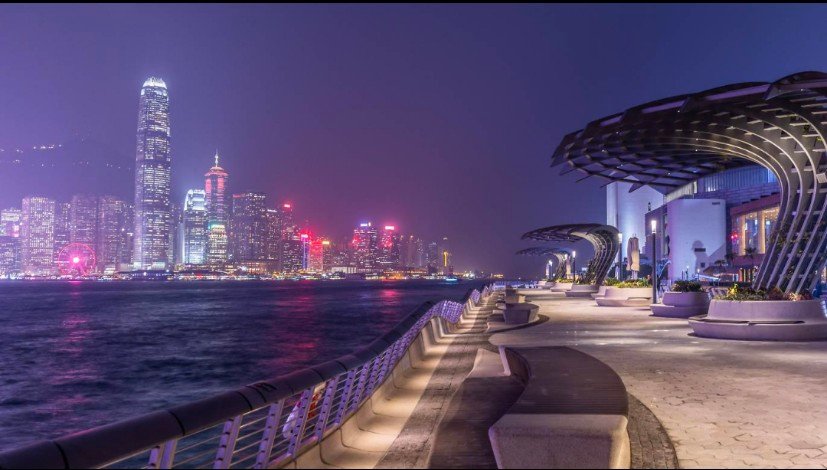
    Unlike many hill forts that can be reached through a relatively gradual trail, Harihar Fort has a steep staircase carved into the rock. This unusual approach is a major reason adventure enthusiasts travel here. However, the exposed steps also require careful foot placement, physical confidence and suitable weather conditions.
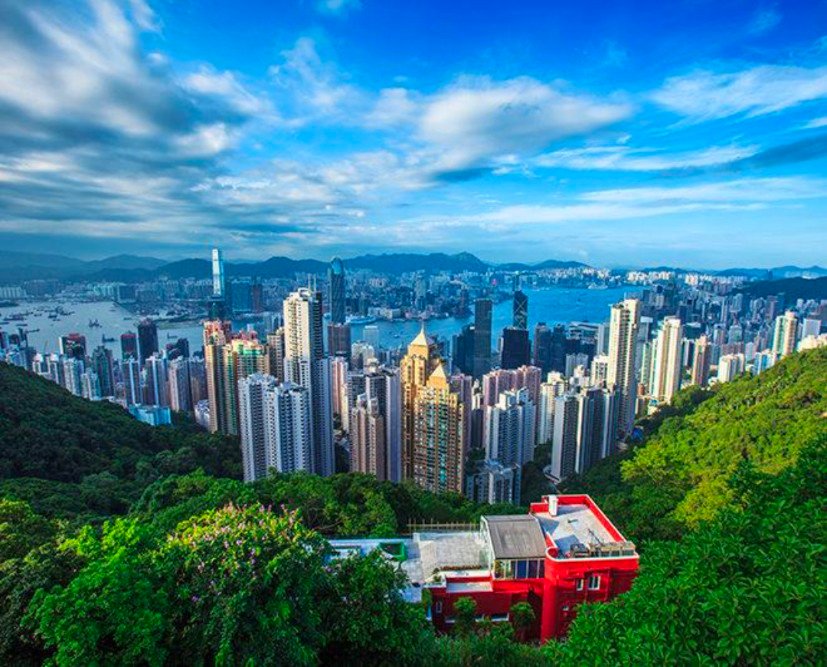
    If you are planning a trip in 2026, the most important decision is choosing the right season. October to February is generally the preferred period for a more comfortable trek and clearer views. The monsoon transforms the surrounding hills into a beautiful green landscape, but rain can make the steep staircase dangerously slippery. Maharashtra’s tourism resources similarly highlight the appeal of post-monsoon trekking and the risks of wet trails.
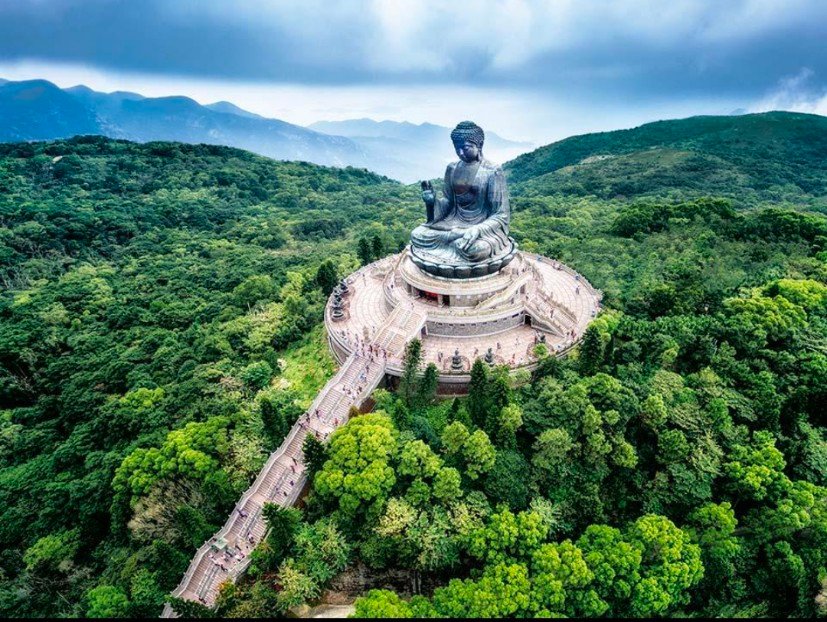
    This travel guide covers the best time to visit Harihar Fort, its location, trekking experience, routes, transport, accommodation, budget, nearby attractions, packing checklist and safety advice.

    Quick Facts About Harihar Fort

    Travel detail Information
    Destination Harihar Fort (Harshagad)
    Region Nashik district, Maharashtra, India
    Nearest major city Nashik
    Approximate distance from Nashik city Around 40 km, depending on the route
    Famous attraction Steep rock-cut staircase
    Best general season October to February
    Monsoon conditions Green scenery, but increased slip risk
    Main activity Trekking and sightseeing
    Suggested trip duration One day
    Trek suitability People with appropriate fitness and confidence on steep terrain
    Travel style Adventure, nature and heritage
    The Nashik Municipal Corporation tourism page places Harihar Fort approximately 40 km from Nashik city and describes its distinctive steps and remaining fort structures. Distances and travel times vary according to the starting point and chosen base village.

    Where Is Harihar Fort Located?

    Harihar Fort is situated in the Western Ghats, in Nashik district, Maharashtra. It is associated with the Trimbakeshwar area and is surrounded by rugged hills, valleys and rural settlements.
    The fort is also known as Harshagad. Its elevated position and unusual rock-cut approach make it a popular destination for trekkers seeking a challenging day outdoors.
    The surrounding landscape changes considerably through the year. During the rainy season, the hills often become green and mist-covered. In winter, the weather is generally more comfortable for walking, while clear days may offer better visibility across the surrounding mountain ranges.
    Harihar Fort is best treated as a trekking destination rather than a conventional sightseeing spot. Visitors should allow enough time for the approach trail, the steep staircase, exploring the summit and the return journey.

    Best Time to Visit Harihar Fort in 2026

    Choosing the right season is essential because the main attraction is also the most demanding part of the climb.
    October to February: Best overall season
    For many visitors, October to February is the most practical period to plan a Harihar Fort trek.
    After the monsoon, the surrounding hills can remain green, while cooler weather makes the uphill walk more comfortable than during the hottest months. Winter also tends to offer better opportunities for mountain views when the sky is clear.
    Why choose this season?
    Generally more comfortable temperatures for trekking.
    Potentially clearer views of the Sahyadri landscape.
    Suitable conditions for photography on dry days.
    A good option for travellers planning a day trip from Nashik.
    Less exposure to heavy monsoon rain, although weather can still change.
    Best recommendation: Choose a dry-weather day between October and February, check the forecast and start early. These months do not guarantee safe conditions every day; inspect the latest local access and weather information before travelling.
    March to May: Hot-weather trekking
    Summer can make the climb more physically demanding. Temperatures in the wider Nashik region rise during this period, and the exposed trail may provide little shade.
    If you plan to visit in summer:
    Begin early, provided the route is open and conditions are safe.
    Carry sufficient drinking water.
    Avoid unnecessary midday exposure.
    Wear proper trekking footwear.
    Turn back if you experience dizziness, weakness or signs of heat exhaustion.
    Summer may work for experienced hikers who are properly prepared, but it is not the easiest choice for beginners.

    June to September: Monsoon scenery, increased danger
    Monsoon brings lush greenery, mist and dramatic mountain scenery to the Sahyadris. The region can look especially attractive during and after rainfall.
    However, the famous stone staircase becomes hazardous when wet. Rain, moss, poor visibility, strong winds and crowded steps can increase the risk of a serious fall. Local restrictions or temporary closures may also apply.
    For this reason, do not choose the monsoon solely for photographs. Check official or local trekking guidance before departure, and do not attempt the steep staircase during unsafe conditions. If access is restricted, postpone your trip.

    Which month should you choose?

    Month General recommendation
    January Good choice for cooler weather and clear-day views
    February Good choice for a comfortable trek
    March Possible, but temperatures begin rising
    April–May Hot; early starts and careful preparation are essential
    June–September Scenic but higher risk from rain and slippery rock
    October Attractive post-monsoon option when conditions are dry
    November Good choice for comfortable trekking
    December Good choice for cooler weather and mountain scenery
    These are seasonal guidelines, not a forecast for specific dates. Check current weather and access conditions before travelling. Maharashtra Tourism identifies October to February as a preferred period for visiting Harihar Fort and warns about the slippery staircase in rain.

    Why Is Harihar Fort Famous?

    Harihar Fort stands out because of its unusual combination of history, landscape and challenging access.
    The rock-cut staircase
    The fort’s steep staircase is its signature feature. Stone steps cut into the rock rise sharply along the cliff, creating a memorable approach to the upper fort.
    This section requires attention and composure. Visitors should avoid rushing, keep their hands free where possible and maintain enough space from other climbers.
    Sahyadri mountain views
    The elevated position gives visitors views of the surrounding hills and valleys when visibility is good. The scenery varies with the season, from misty green slopes during the rains to more defined ridgelines on clear winter days.
    Historic fort remains
    The summit contains remnants of the former fortification, along with rock-cut water cisterns. The site is valuable both as a trekking destination and as part of Maharashtra’s historic hill-fort landscape.
    A memorable adventure
    For travellers who enjoy hiking, natural scenery and heritage sites, Harihar Fort offers an experience that is different from a typical roadside viewpoint.
    Nevertheless, it is not a place where adventure should take priority over safety. A successful visit means returning safely, not necessarily reaching the summit.

    Harihar Fort Trek: Difficulty, Duration and Preparation

    Harihar Fort is best approached as a demanding hike with an exposed, steep staircase. The exact difficulty depends on fitness, weather, crowding and the condition of the trail.
    Is Harihar Fort suitable for beginners?
    A beginner who is physically fit and comfortable with heights may be able to complete the trek in suitable conditions, preferably with an experienced local guide. However, the steep staircase makes this a poor choice for anyone who is frightened by exposed heights or struggles with balance.
    Before deciding, consider:
    Your current fitness and hiking experience.
    Whether you can climb steep steps without rushing.
    Whether you are comfortable with exposed drops.
    Whether the trail is dry and officially accessible.
    Whether everyone in your group can safely manage the return descent.
    Children, older adults and anyone with mobility or balance difficulties should carefully assess the route rather than assume it is an ordinary hill walk.
    How long does the trek take?
    Allow several hours for the complete outing, including the approach, climbing, time at the top and descent. The actual duration varies by route, fitness, weather, crowding and stops. Do not rely on a fixed timetable when conditions are uncertain.
    Start early enough to finish in daylight, and set a turnaround time so that you do not feel pressured to continue if conditions deteriorate.
    What makes the staircase challenging?
    The rock-cut steps are steep, narrow in places and exposed. Rain or damp rock can reduce grip. People climbing down may also encounter others moving in the opposite direction.

    Use three basic rules:
    Maintain secure footing before moving to the next step.
    Give other trekkers space, particularly at narrow sections.
    Never rush or pose for photographs on exposed steps

    How to Reach Harihar Fort

    You can plan your journey through Nashik and continue towards the fort’s base villages.
    By road
    Nashik is the principal city for organising a road journey. From Nashik, travel towards the Trimbakeshwar region and the appropriate trek starting point. Nirgudpada and Harshewadi are commonly associated with Harihar Fort trekking approaches; the exact route should be confirmed locally before setting off.
    You can travel by private car, taxi or other local transport. Road conditions, journey time and the availability of return transport can vary.
    By train
    For travellers arriving from other cities, Nashik Road railway station is a practical rail gateway. From there, arrange onward road transport to the correct base village.
    Confirm the last available return transport before beginning the trek. Do not assume that taxis or buses will be readily available after dark.
    By air
    Travellers coming from distant parts of India can investigate flights serving Nashik or Mumbai, depending on schedules and fares. Mumbai may provide a wider selection of connections, but it involves a longer onward journey.
    Compare the full journey, including airport transfers, rather than selecting a flight based only on airfare.
    By bus
    You may be able to reach Nashik using intercity buses and then arrange local transport. Direct public transport to the trekking trailhead may be limited or inconvenient, so verify routes and timings before departure.
    Important: Confirm the correct base village, current road access and any temporary restrictions before leaving Nashik.

    Suggested One-Day Harihar Fort Itinerary

    A one-day itinerary is practical for visitors staying in Nashik or nearby, provided transport and trekking access are confirmed in advance.
    Early
    1. Travel to the trailhead
    Start early, eat breakfast and confirm that the route is open. Check that every member of the group has appropriate footwear, water and basic supplies.
    Morning
    2. Begin the trek
    Follow the established trail and the instructions of your guide. Take breaks as needed, especially before reaching the exposed staircase.
    Midday
    3. Explore the summit if safe
    Enjoy the views, examine the historic remains from a safe distance and take photographs from stable ground. Avoid cliff edges.
    Afternoon
    4. Descend carefully
    Allow generous time for the return. Descending the steep steps can be harder than climbing up. Do not delay your return for additional photographs.
    Evening
    5. Return to Nashik
    Have a meal, rest and consider nearby sightseeing only if sufficient daylight and transport time remain.
    The itinerary is a planning framework, not a guarantee of trek duration. If the trail is crowded, the weather worsens or access is restricted, change your plans.

    Places to Visit Near Harihar Fort

    Harihar Fort can be part of a broader Nashik trip. The following destinations offer a mix of spiritual heritage, history and nature.
    Trimbakeshwar Temple
    A major Hindu pilgrimage destination near Nashik, associated with Lord Shiva and one of India’s twelve Jyotirlingas. Check temple timings and visitor rules before travelling.

    Anjaneri Fort
    A hill destination known for trekking, mountain scenery and its traditional association with Hanuman. Plan a separate outing if you want to explore it properly.

    Pandavleni Caves
    An important group of ancient rock-cut Buddhist caves near Nashik, suitable for visitors interested in archaeology, architecture and regional history.

    Panchavati and Ramkund
    Explore Nashik’s religious and cultural heritage around the Godavari River. These locations are better suited to a city sightseeing itinerary.

    Nashik vineyard region
    Discover the region’s vineyard landscapes and food experiences. Check age requirements, opening hours and booking arrangements directly with each venue.

    These are separate destinations, not all immediate neighbours of the fort. Check road distances and opening hours before combining them into one itinerary. Nashik’s official tourism resources list attractions including Anjaneri, Pandavleni and Panchavati.

    Where to Stay

    Your accommodation depends on whether you want to complete the trek in a single day or spend a weekend exploring the region.
    Stay in Nashik city
    Nashik offers a wider choice of hotels, guesthouses, restaurants and transport services. It can be a convenient base if you want to visit Harihar Fort and other attractions during the same trip.
    Stay near the trekking area
    Local accommodation and homestay availability may be more limited near the trailhead. Confirm amenities, food availability, check-in times and transport directly with the property before booking.
    Budget accommodation
    Travellers on a budget can compare basic hotels, lodges and guesthouses. Check recent reviews, cleanliness, cancellation terms and the distance from your planned transport connection.
    Booking advice: Reserve ahead during popular weekends and holidays. Do not plan to camp on the fort or in the surrounding area unless camping is expressly permitted and you have verified the applicable rules.

    Harihar Fort Trip Budget

    The actual cost depends on your departure city, transport, accommodation, group size and whether you hire a guide.
    The following figures are illustrative planning estimates per person, not verified current prices.
    Expense Approximate budget
    Local transport, shared ₹300–₹800
    Food and drinking water ₹200–₹400
    Basic accommodation, if needed ₹800–₹1,800
    Guide or organised trek ₹500–₹1,200
    Miscellaneous expenses ₹100–₹300
    These figures are not quotations and may differ substantially from local rates. Long-distance travel from another city will add to the cost. Confirm guide fees, transport fares, entry requirements and any applicable charges before departure.
    For a group, sharing a vehicle may reduce transport costs. However, don’t choose an inexperienced or unqualified guide simply because the price is lower.

    What to Pack for Harihar Fort Trek

    Pack light enough to move safely, but bring the essentials.
    Proper trekking shoes with reliable grip.
    Drinking water appropriate for the duration and weather.
    A small backpack.
    Snacks and a packed meal.
    Weather-appropriate clothing.
    Rain protection when necessary, without attempting the climb in unsafe rain.
    A charged mobile phone and a power bank.
    Basic first-aid supplies and personal medication.
    A headlamp for emergencies, not as an excuse to begin a late trek.
    Identification and emergency contact details.
    A small bag for carrying your rubbish back.
    Avoid loose items that can fall from your pockets. Keep your hands available for balance on the exposed staircase.

    Essential Safety Tips for Harihar Fort

    Safety deserves its own section because the staircase is not a normal walking trail.
    Check the weather and access restrictions
    Review the forecast and contact a reliable local guide or relevant authorities about current trail access. Do not proceed if there is a closure, heavy rain, lightning, dangerous wind or another warning.
    Wear suitable footwear
    Shoes with good grip are essential. Avoid smooth-soled casual shoes, slippers and footwear that makes your footing unstable.
    Do not rush the staircase
    Move deliberately and maintain a safe distance from other people. Never push past another trekker on a narrow section.
    Avoid dangerous photography
    Do not stand near unprotected cliff edges, climb barriers or lean backwards for selfies. Use a stable location and keep the camera strap secure.
    Respect your limits
    If you feel uncomfortable with heights, experience exhaustion or cannot maintain safe footing, turn back. Reaching the summit is optional; getting home safely is not.
    Avoid unsafe monsoon attempts
    Rain-soaked steps can be extremely slippery. Monsoon scenery is not worth taking an unnecessary risk. A temporary closure must be respected.
    Keep the fort clean
    Carry back wrappers, plastic bottles and other waste. Do not damage historic structures or carve names into the rock.
    The need for these precautions is not theoretical: a fatal fall at Harihar Fort was reported in 2025, with slippery stone steps highlighted as a particular danger during the rainy season.

    Local Food to Try During Your Trip

    A trip to Nashik is also an opportunity to enjoy Maharashtrian food. Depending on the time of day and the places open along your route, you may find:
    Misal pav: A spicy local favourite served with bread.
    Poha: A convenient breakfast before setting off.
    Vada pav: A popular snack for the journey.
    Thali: A complete meal with several regional dishes.
    Tea and local snacks: Useful during a rest stop, provided you have enough time and safe access.
    Eat breakfast before starting the trek, and carry food that will not spoil easily. Do not depend on finding food stalls at the summit or along the entire route.

    Photography Guide: Capture Harihar Fort Beautifully

    Harihar Fort offers excellent opportunities for landscape photography, especially on clear days.
    Best photography subjects
    The rock-cut staircase viewed from a safe position.
    The basalt cliff and surrounding green slopes.
    The mountain valleys visible from the summit.
    Historic fort remains and rock-cut cisterns.
    Wide landscape views during clear weather.
    Early morning can provide attractive light and cooler temperatures, but do not enter the trail before you can navigate it safely. Avoid standing on exposed steps to capture a particular angle.

    Two-Day Nashik and Harihar Fort Itinerary

    If you have more time, a two-day trip can be more relaxed.
    Day 1: Harihar Fort
    Travel to the trailhead early.
    Complete the trek only if the route is open and conditions are safe.
    Return to your accommodation with enough daylight.
    Have dinner and rest.
    Day 2: Explore Nashik
    Visit Trimbakeshwar Temple, subject to current visitor arrangements.
    Explore Panchavati and Ramkund.
    Visit Pandavleni Caves if time and opening hours permit.
    Enjoy local food before travelling home.
    Do not add several attractions after a tiring trek simply to fit everything into one day. A slower itinerary gives you more flexibility if weather or transport changes your plans.

    Responsible Tourism at Harihar Fort

    Harihar Fort is both a natural environment and a historic place. Responsible visitors help protect the site for future generations.
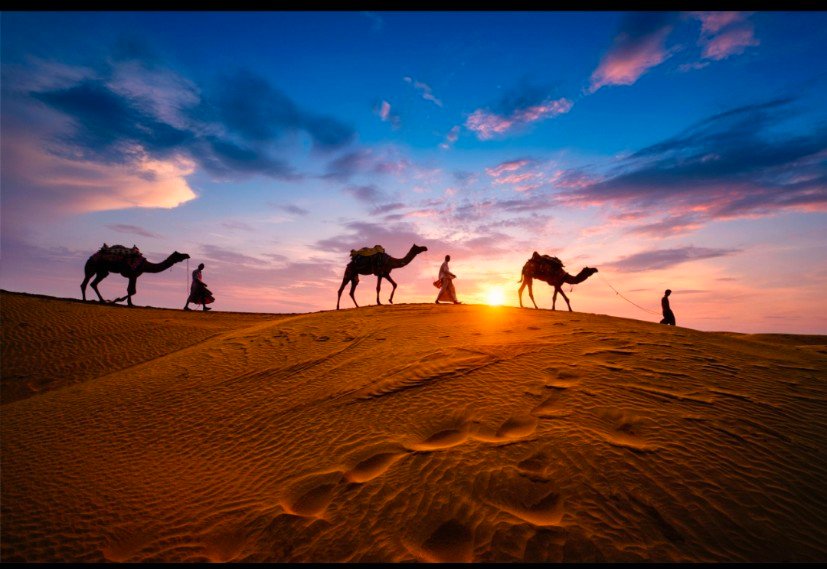
    Follow instructions from local authorities and forest or trekking personnel.
    Respect any temporary restrictions and permitted routes.
    Avoid loud music and disturbing wildlife.
    Do not litter or leave food packaging behind.
    Do not damage the stone steps or historic structures.
    Support local businesses and guides where appropriate.
    Avoid risky stunts and crowded photo sessions on exposed terrain.
    Responsible trekking means respecting the mountain, the local community and other visitors.

    Frequently Asked Questions

    Q1. What is the best time to visit Harihar Fort in 2026?
    October to February is generally the preferred period for comfortable trekking and clearer mountain views. Always check the local weather and route status.
    Q2. Where is Harihar Fort located?
    Harihar Fort, also called Harshagad, is in Nashik district, Maharashtra, near the Trimbakeshwar region.
    Q3. Why is Harihar Fort famous?
    It is particularly famous for its steep rock-cut staircase, basalt cliffs, historic fort remains and Sahyadri mountain scenery.
    Q4. Is Harihar Fort suitable for beginners?
    It may be possible for fit beginners in suitable conditions, but the steep, exposed staircase is challenging. An experienced local guide and an honest assessment of your comfort with heights are advisable.
    Q5. Can I visit Harihar Fort during the monsoon?
    Monsoon visits can be risky because the stone staircase becomes slippery. Check current restrictions and conditions, and do not attempt the trek when it is unsafe or closed.
    Q6. How far is Harihar Fort from Nashik?
    The Nashik Municipal Corporation tourism listing gives an approximate distance of 40 km from Nashik city. Your actual road journey will depend on the route and base village.
    Q7. How much time should I allow for the trek?
    Allow several hours for the approach, ascent, summit visit and descent. The duration depends on your fitness, route, weather and crowding.
    Q8. What should I wear for the trek?
    Wear trekking shoes with good grip, comfortable clothing and weather-appropriate layers. Avoid footwear that makes it difficult to maintain balance.

    Q9. Is a guide necessary?
    A guide can be especially helpful for first-time visitors, groups unfamiliar with the route and people who need assistance navigating local access. Select someone experienced with the current route and safety conditions.
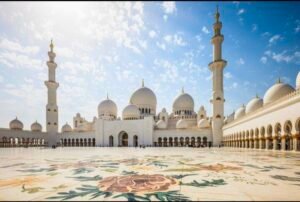
    Q10. Can I camp overnight at Harihar Fort?
    Do not assume overnight camping is allowed. Verify current permissions, local restrictions and safe accommodation arrangements before planning an overnight stay.
    Q11. Can I travel to Harihar Fort with children?
    The exposed staircase makes the trek unsuitable for many young children. Carefully assess each child’s abilities, comfort with heights and the conditions on the day. Do not pressure children to continue if they are uncomfortable.
    Q12. What are the nearest attractions to combine with Harihar Fort?
    Trimbakeshwar Temple, Anjaneri Fort, Pandavleni Caves and Panchavati are options for a wider Nashik itinerary. Check travel distances and opening hours before combining them.
    Q13. What is the approximate trip budget?
    Costs vary according to transport, accommodation, food and guide arrangements. Treat the estimates in this guide as planning figures, and verify actual rates before travelling.
    Q14. Is Harihar Fort worth visiting?
    For travellers who enjoy historic forts, mountain scenery and challenging hikes, Harihar Fort can be a memorable experience. The right weather, suitable preparation and safe trekking decisions are essential.

    Conclusion

    Harihar Fort is one of the most distinctive trekking destinations in Nashik district, offering an unusual rock-cut staircase, dramatic cliffs, historic remains and views of the Sahyadri mountains.
    For most visitors, October to February is a sensible period to plan a trek because the weather is generally more comfortable and the rainy season has passed. Summer requires extra attention to heat, while the monsoon demands particular caution because wet stone steps can become dangerous.
    Plan your transport, confirm the trail’s current status, wear suitable footwear and leave enough time for a careful descent. If the conditions are unsafe, postponing the trip is always the better decision.
    With thoughtful preparation, a visit to Harihar Fort can become a rewarding part of a larger Nashik travel experience.

  • Best Time to Visit UAE & Singapore: Travel Guide 2026

    Best Time to Visit UAE & Singapore: Travel Guide 2026

    Best Time to Visit UAE & Singapore 2026: Complete Travel Guide

    best time to visit UAE and Singapore

    best-time-to-visit-uae-singapore-travel-guide-2026

    Discover the best time to visit UAE and Singapore in 2026. Explore weather, top attractions, travel costs, local food, itineraries, transport and practical travel tips.

    keyword ideas
    best time to visit UAE and Singapore
    UAE and Singapore travel guide 2026
    best time to visit Dubai
    best time to visit Abu Dhabi
    best time to visit Singapore
    UAE travel itinerary 2026
    Singapore travel tips for first-time visitors
    UAE and Singapore trip cost
    best places to visit in UAE and Singapore
    Dubai and Singapore holiday itinerary

    Best Time to Visit UAE & Singapore: Complete Travel Guide 2026

    The United Arab Emirates (UAE) and Singapore are two fascinating destinations for international travellers. The UAE is famous for its futuristic skylines, luxury shopping malls, golden deserts, traditional souks, beautiful mosques and extraordinary architectural landmarks. Singapore, on the other hand, is celebrated for its clean streets, lush gardens, multicultural heritage, modern attractions, delicious street food and efficient public transportation.
    If you are planning an international holiday in 2026, combining the UAE and Singapore can be an exciting way to experience two different sides of Asia and the Middle East. You can admire the world’s most impressive modern architecture in Dubai, discover Emirati culture in Abu Dhabi, enjoy a desert safari and then explore Singapore’s waterfront, futuristic gardens and colourful neighbourhoods.
    One of the most important decisions when planning this journey is choosing the right travel dates. The UAE has a hot desert climate, with much more comfortable outdoor conditions during the cooler months. Singapore has a tropical climate, which means warm temperatures, high humidity and the possibility of rain throughout the year.
    This guide explains the best time to visit UAE and Singapore in 2026, including seasonal weather, popular attractions, suggested itineraries, transport, accommodation, food, budgeting and practical planning tips.
    Whether you are a solo traveller, a couple, a family or a first-time international tourist, this guide will help you organise a more comfortable and memorable holiday.

    Quick Facts About UAE and Singapore

    United Arab Emirates
    Capital: Abu Dhabi
    Popular city: Dubai
    Currency: UAE dirham (AED)
    Official language: Arabic
    Time zone: UTC+4
    Climate: Hot desert climate
    Best general period: November to March

    Singapore
    Capital: Singapore
    Currency: Singapore dollar (SGD)
    Official languages: English, Malay, Mandarin and Tamil
    Time zone: UTC+8
    Climate: Tropical, warm and humid
    Best general period: February to early March for relatively drier conditions
    Rain is possible throughout the year

    Best Time to Visit UAE and Singapore in 2026

    The best dates depend on whether you prefer outdoor adventures, sightseeing, shopping, beaches or a budget-friendly holiday.
    Best time to visit the UAE

    For most travellers, November to March is the most comfortable period to visit the UAE. The weather is generally more suitable for walking around cities, exploring heritage districts, taking desert excursions and visiting outdoor attractions. Dubai’s official tourism guide identifies October through April as a popular period for pleasant outdoor conditions.
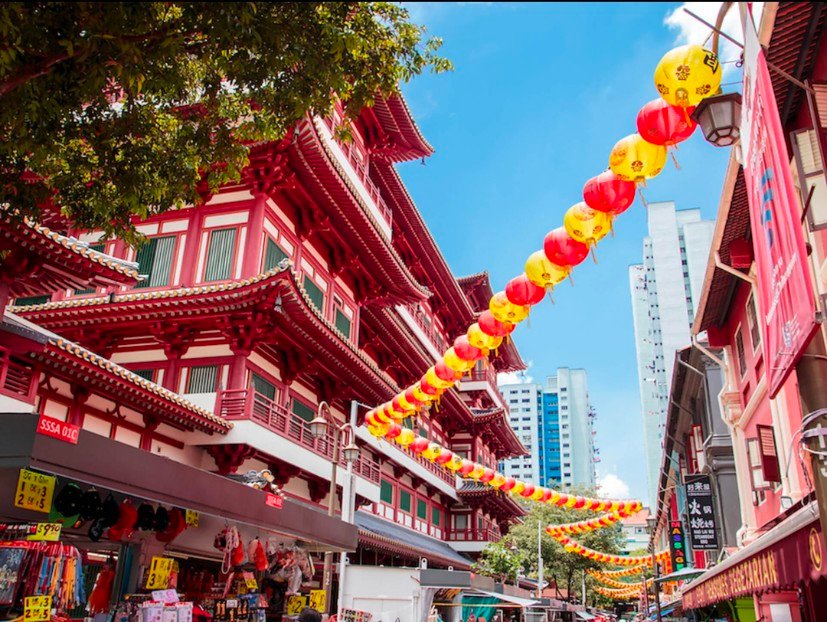
    November: Pleasant sightseeing weather, desert adventures and outdoor dining.
    December: Festive events, shopping and lively city attractions; accommodation can be expensive around holidays.
    January: Comfortable conditions for sightseeing, beaches and outdoor experiences.
    February: Excellent for combining city tours with desert excursions.
    March: Warm days and generally good outdoor sightseeing conditions, although temperatures begin rising.
    April and October can also work well, but the heat becomes more noticeable as summer approaches or ends.
    Best time to visit Singapore

    Singapore stays warm and humid throughout the year. February is usually the driest month based on long-term climate averages, while November to January generally brings more rainfall. Afternoon thunderstorms are possible in many months, including during otherwise sunny periods.
    February: A good option for visitors seeking relatively drier conditions.
    March: Suitable for sightseeing, gardens, neighbourhood walks and outdoor dining.
    April and May: Warm and humid, with a possibility of thunderstorms.
    June to September: Good for a mix of outdoor and indoor attractions, but showers can still occur.
    October and November: Keep your schedule flexible because afternoon thunderstorms are possible.
    December and January: Festive decorations and celebrations, but wetter conditions are more likely, particularly in December.
    These are seasonal tendencies, not guarantees for a specific travel date. Check local forecasts shortly before departure.
    Which months are best for visiting both destinations?
    If you want to visit the UAE and Singapore on the same holiday, consider February or early March 2027 for a future trip, or November 2026 if your dates are limited to the remaining part of this year.
    November offers increasingly comfortable conditions in the UAE, although Singapore may be wetter. February is usually drier in Singapore, while the UAE is still in its comfortable outdoor season. There is no single month that guarantees perfect weather in both destinations

    UAE Travel Guide 2026

    The United Arab Emirates is a federation of seven emirates: Abu Dhabi, Dubai, Sharjah, Ajman, Umm Al Quwain, Ras Al Khaimah and Fujairah. Each has its own attractions, from modern architecture and luxury resorts to mountain scenery, historic districts and coastal landscapes.
    Dubai: A city of modern wonders
    Dubai is one of the most recognisable cities in the Middle East. Its combination of modern architecture, shopping, beaches, entertainment and desert adventures attracts visitors from around the world.
    Top things to do in Dubai
    Burj Khalifa: Visit the observation decks for panoramic views of the city.
    Dubai Mall: Explore shopping, restaurants and indoor attractions.
    Dubai Fountain area: Enjoy the waterfront atmosphere and check the current performance schedule.
    Palm Jumeirah: See the famous palm-shaped development and enjoy waterfront views.
    Dubai Marina: Walk along the promenade and discover restaurants and boat excursions.
    Old Dubai: Explore the Al Fahidi Historical Neighbourhood and traditional souks.
    Desert safari: Experience the dunes, sunset scenery and a pre-arranged desert camp.
    Museum of the Future: Explore exhibits focused on future technologies and innovation.
    A useful strategy is to group attractions by area. Visit Downtown Dubai on one day, explore Old Dubai on another and reserve a separate day for the beach or desert.
    Abu Dhabi: Culture, architecture and island attractions

    Abu Dhabi, the UAE’s capital, offers a different experience from Dubai. It combines cultural landmarks, museums, waterfront developments and entertainment attractions.
    Places to visit in Abu Dhabi
    Sheikh Zayed Grand Mosque: Admire the white marble architecture, courtyards and detailed decorative work. Follow visitor rules and dress requirements.
    Louvre Abu Dhabi: Explore art, historical objects and the distinctive museum architecture.
    Qasr Al Watan: Visit the presidential palace complex and learn about Emirati governance and heritage.
    Corniche: Enjoy coastal views and designated public beach areas.
    Yas Island: Explore theme parks and entertainment attractions; check age requirements and opening schedules.
    Saadiyat Island: Discover cultural attractions and beaches.
    Abu Dhabi is a good choice for travellers who want culture and architecture alongside modern entertainment.
    Sharjah: Heritage and museums

    Sharjah offers a more heritage-focused experience, with museums, traditional architecture, cultural spaces and waterfront areas.
    Consider visiting the Sharjah Museum of Islamic Civilization, the Heart of Sharjah heritage district and Al Noor Island. Opening days and hours vary, so confirm details before travelling.
    Sharjah can also be explored as a day trip from Dubai, but allow enough time for traffic and transportation.
    Ras Al Khaimah: Mountains and outdoor adventures

    Ras Al Khaimah is known for its mountain scenery, coastal resorts and outdoor activities. Jebel Jais is a major attraction for travellers interested in elevated landscapes and adventure experiences.
    Possible activities include scenic drives, hiking on designated routes, resort stays and guided outdoor excursions. Check weather, activity availability and safety restrictions before visiting mountainous areas.
    Fujairah: Beaches and the east coast

    Fujairah sits on the UAE’s eastern coast and offers a different landscape from Dubai’s urban skyline. The area features beaches, mountain scenery, historic sites and opportunities for water-based activities.
    Visitors can explore Fujairah Fort, nearby heritage sites and coastal resorts. If snorkelling or diving is on your itinerary, use a reputable operator and check sea conditions.
    Desert safari: An unforgettable UAE experience

    A desert safari is one of the most memorable experiences available in the UAE. Many excursions include transport from the city, dune driving, sunset stops and optional cultural entertainment or meals.
    Practical advice:
    Book with a licensed and reputable operator.
    Check exactly what is included in the advertised price.
    Tell the operator about mobility limitations or other relevant needs.
    Choose a morning or evening excursion according to the season.
    Carry water and sun protection.
    Avoid activities that make you uncomfortable or seem unsafe.
    Cooler months are generally more comfortable for outdoor desert excursions. In summer, prioritise heat safety and follow the operator’s guidance.

    Singapore Travel Guide 2026

    Singapore is a compact island destination that combines a modern skyline, lush green spaces, cultural neighbourhoods, shopping districts and a celebrated food scene. Its efficient public transport makes it possible to explore many major attractions without hiring a private vehicle.
    Marina Bay: The iconic Singapore skyline

    Marina Bay is an excellent starting point for first-time visitors. The waterfront features recognisable buildings, scenic walking paths and attractions that are especially attractive around sunset.
    Things to do around Marina Bay
    Photograph the Merlion and waterfront skyline.
    See Marina Bay Sands from the promenade.
    Walk across the Helix Bridge.
    Explore the ArtScience Museum.
    Visit the observation deck at Marina Bay Sands if tickets and access are available.
    Enjoy the evening city lights from a public waterfront viewpoint.
    Plan this area for late afternoon and evening to experience changing light and the illuminated skyline. Outdoor conditions can be humid, so carry water and take breaks.
    Gardens by the Bay: Nature meets technology

    Gardens by the Bay is one of Singapore’s best-known attractions. The Supertree Grove creates a striking futuristic landscape, while the conservatories provide opportunities to explore plants and indoor garden environments.
    Allow several hours if you want to explore multiple areas rather than only taking photographs. Some attractions require separate tickets, and indoor conservatories have their own operating schedules.
    Visitor tips
    Check the official schedule for any light-and-sound show.
    Book popular ticketed attractions in advance when appropriate.
    Bring a light rain jacket or compact umbrella.
    Wear comfortable shoes for the walking paths.
    Check whether a particular conservatory is closed for maintenance.
    Sentosa Island: Beaches and family attractions

    Sentosa is a leisure destination with beaches, entertainment venues, resort facilities and family activities. The exact attractions available to visitors may change, so check official listings before purchasing tickets.
    Activities can include beach visits, scenic rides, indoor entertainment and theme-park experiences. Plan your day around the attractions that matter most to you rather than trying to fit everything into a few hours.
    If you visit during hot or rainy weather, combine outdoor activities with indoor attractions and schedule regular breaks.
    Chinatown: Heritage, temples and local food

    Chinatown is an excellent neighbourhood for exploring Singapore’s multicultural history, traditional architecture, temples, markets and food.
    Visit the Chinatown Heritage Centre if open, explore nearby heritage streets and look for local food stalls. Respect worshippers when entering religious sites, and follow photography rules.
    A visit can be combined with other central neighbourhoods using Singapore’s public transport network.
    Little India: Colourful streets and Indian culture

    Kampong Glam combines Malay heritage with cafés, independent shops, street art and historic architecture. The Sultan Mosque is a prominent landmark, and Haji Lane is popular for its colourful streets and small businesses.
    Spend a few hours exploring the neighbourhood at a relaxed pace. Check opening hours for shops and cultural attractions, especially on public holidays.
    Singapore Zoo and wildlife attractions
    Singapore’s wildlife attractions can be a rewarding addition to a family itinerary. The Singapore Zoo and other nature-focused attractions offer opportunities to learn about wildlife and conservation.
    Check current opening hours, ticket arrangements, feeding-session schedules and transport options before visiting. Plan for walking in warm, humid conditions and use designated paths.
    Singapore’s food scene

    Food is a major part of the Singapore experience. Hawker centres offer a wide range of local dishes, while restaurants serve cuisines from across Asia and beyond.
    Try dishes such as:
    Hainanese chicken rice
    Laksa
    Char kway teow
    Satay
    Chilli crab
    Kaya toast with eggs
    Roti prata
    Ask about ingredients if you have dietary restrictions. Food stalls differ in their preparation methods, and not every dish is suitable for every diet. Carry a payment method accepted by your chosen establishment and check prices before ordering seafood by weight.

    UAE vs Singapore: Weather by Season

    The two destinations have very different climates. Understanding those differences helps you decide how many days to spend in each country and which activities to prioritise.
    Period UAE Singapore
    January–February Generally comfortable for outdoor sightseeing Warm and humid; February is typically relatively dry
    March–April Warm, with increasing heat in April Warm, humid, with possible thunderstorms
    May–June Increasingly hot; outdoor activities need careful planning Hot and humid, with showers possible
    July–September Very hot summer conditions Warm and humid, with showers and occasional squalls
    October Heat gradually eases Warm, with possible thunderstorms
    November–December Increasingly pleasant for outdoor activities Warm; rainfall is often higher, especially in December
    The UAE seasonal guidance is based on official UAE and Dubai tourism information, while Singapore’s climate patterns are described by its Meteorological Service.
    What should you pack?
    For the UAE, pack breathable clothing, sunglasses, sunscreen and comfortable walking shoes. Bring modest clothing for religious and cultural sites, and a light layer for heavily air-conditioned interiors.
    For Singapore, choose lightweight clothing, comfortable shoes, a compact umbrella or rain jacket and a refillable water bottle. A small bag for wet items can also be useful.
    If you are visiting both destinations, pack clothing that works in hot weather, with one or two modest outfits suitable for cultural sites.

    How to Reach the UAE and Singapore from India

    Flights from India connect major cities with both destinations, but availability, fares and travel times vary by departure airport, airline and date.
    Flying to the UAE
    Dubai International Airport and Zayed International Airport in Abu Dhabi are major gateways. Depending on your itinerary, you may also consider Sharjah International Airport.
    Before booking:
    Compare fares for your preferred dates.
    Check baggage allowances and any additional charges.
    Confirm the airport you will arrive at.
    Compare airport transfer costs with your accommodation location.
    Review entry requirements for your passport.
    If you plan to visit both Dubai and Abu Dhabi, decide whether a single-city base or a split stay will make your trip easier.
    Flying to Singapore
    Singapore Changi Airport is the main international gateway. It offers connections to destinations across Asia, the Middle East and the rest of the world.
    After arrival, travellers can use public transport, taxis or pre-booked transfers, depending on their arrival time and accommodation location.
    Check whether your hotel is near an MRT station. Staying close to a convenient station can reduce daily transport costs and travel time.
    Combining UAE and Singapore in one trip
    You can plan a multi-city flight itinerary from India, visiting the UAE first and Singapore second, or the reverse. Compare the total cost of separate tickets against a multi-city booking.
    Before confirming flights, check baggage rules, transit requirements, airport changes and whether your ticket is protected if a connecting flight is delayed.

    Visa and Entry Requirements for Indian Travellers

    Visa requirements depend on nationality, passport type, residence status, purpose of travel and current immigration rules. Indian citizens should verify the requirements that apply to their own circumstances before booking.
    UAE entry planning
    For a tourist visit, you may need an appropriate UAE entry permit or visa unless you qualify for a visa-free arrangement or another eligible facility.
    Check the official UAE government portal or the relevant UAE immigration authority for current eligibility, permitted duration of stay, required documents and application procedures.
    Prepare the documents requested for your circumstances, which may include:
    A valid passport.
    Confirmed travel and accommodation details.
    Proof of onward or return travel, if required.
    Financial evidence, where requested.
    Any additional documents specified by the visa authority.
    Do not assume that another traveller’s visa experience applies to your passport.
    Singapore entry planning
    Check the official Immigration & Checkpoints Authority of Singapore for your nationality’s visa requirements and current entry conditions.
    Depending on your circumstances, you may need a visa, an approved travel document or other supporting paperwork. Eligible travellers may also need to submit the Singapore Arrival Card within the permitted time window before arrival.
    Remember that an arrival card is not a substitute for a visa when a visa is required.

    Important visa advice
    Use official government websites rather than relying solely on social media.
    Apply well before your intended travel dates.
    Verify passport validity requirements.
    Check permitted stay duration and any restrictions.
    Keep copies of important travel documents.
    Recheck rules shortly before departure because immigration policies can change.

    UAE and Singapore Travel Budget 2026

    Your total cost will depend on flights, hotel category, travel dates, meals, attraction tickets, local transport and shopping. The estimates below are illustrative planning ranges, not live quotations or guaranteed prices.
    Estimated daily budget per person
    Excluding international flights; adjust for season, room-sharing and paid attractions.
    UAE
    Budget-conscious
    Simple accommodation, economical meals, public transport
    AED 250–450
    Mid-range
    Comfortable hotel, mixed dining, selected attractions
    AED 500–1,000
    Luxury
    Premium hotels, fine dining, private experiences
    AED 1,200+
    Singapore
    Budget-conscious
    Hostel or basic stay, hawker meals, public transport
    SGD 80–150
    Mid-range
    Comfortable hotel, local dining, paid attractions
    SGD 180–350
    Luxury
    Premium hotel, fine dining, private experiences
    SGD 450+
    Actual spending can fall outside these ranges, particularly during school holidays, major events and peak travel periods. Singapore accommodation can be a significant expense, while UAE costs vary widely between basic stays and premium resorts.

    How to save money in the UAE

    Compare hotels in different neighbourhoods rather than choosing only Downtown Dubai.
    Use public transport when it suits your itinerary.
    Book popular attractions ahead when advance pricing is advantageous.
    Compare desert safari inclusions carefully.
    Avoid planning long outdoor walks during extreme summer heat.
    Set a shopping budget before visiting major malls.

    How to save money in Singapore

    Eat at hawker centres and affordable local restaurants.
    Choose accommodation near public transport.
    Group nearby attractions on the same day.
    Mix paid attractions with parks and public waterfront walks.
    Check official attraction websites for ticket options.
    Carry a reusable water bottle and plan for the weather.
    Budget example for a combined holiday
    For a seven-day trip, you could spend four days in the UAE and three days in Singapore. Your total budget should include flights between destinations, accommodation, food, transport, attractions, insurance, visas if applicable and a contingency reserve.
    Calculate the costs using your actual travel dates rather than relying on a generic total. The UAE and Singapore use different currencies, so remember to account for conversion fees and exchange rates.

    Pages: 1 2