
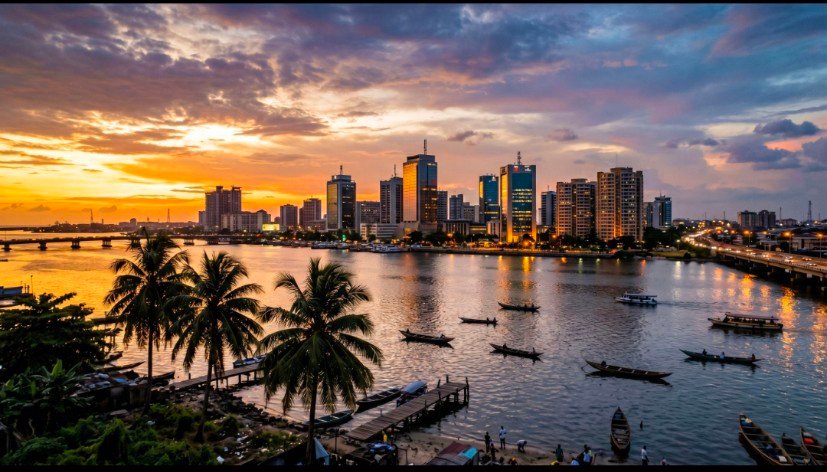

Best Time to Visit Nigeria in 2026: Travel Guide & Top Places
best time to visit Nigeria in 2026
best-time-to-visit-nigeria-2026
Discover the best time to visit Nigeria in 2026, top places to explore, Lagos attractions, Nigerian food, travel costs, weather, itineraries and essential safety tips.
Nigeria travel guide 2026
best places to visit in Nigeria
how to explore Nigeria in 2026
Nigeria tourism attractions
Nigeria dry season travel
things to do in Lagos Nigeria
best cities to visit in Nigeria
Nigeria travel itinerary
Nigerian culture and food
Nigeria travel tips for first-time visitors
Nigeria Travel Guide 2026: Best Time to Visit, Top Places, Things to Do & Travel Tips
Introduction: Why Visit Nigeria in 2026?
Nigeria is one of West Africa’s most culturally diverse destinations, known for its energetic cities, music, fashion, traditional festivals, historic landmarks, coastal scenery and distinctive cuisine. From the busy streets and waterfront districts of Lagos to the modern architecture of Abuja and the cultural celebrations of Calabar, the country offers a wide range of experiences for travelers interested in exploring Africa.
Nigeria is especially interesting for visitors who want to discover contemporary African culture. Afrobeats, Nollywood films, colourful fabrics, local markets and traditional crafts all contribute to the country’s cultural identity. Nature lovers may also be interested in waterfalls, forest reserves, mountain landscapes and wildlife areas.
However, Nigeria is a large country, and its weather, transport options and security conditions vary considerably by region. Planning a successful holiday requires more than choosing attractions: visitors should check current travel advisories, confirm entry requirements, choose destinations carefully and arrange reliable transportation before departure.
This Nigeria travel guide for 2026 explains the best time to visit, the most interesting places to explore, local food to try, suggested itineraries, accommodation options and practical planning tips.
Best Time to Visit Nigeria in 2026
The best time to visit Nigeria depends on your destination, preferred activities and tolerance for heat. Broadly speaking, the dry season generally extends from November to March, while much of the country experiences a rainy season from approximately April or May through October. Exact timing differs between northern and southern Nigeria.
November to February: A Popular Time for City Exploration
November through February is often a practical period for exploring destinations where lower rainfall is helpful. Outdoor sightseeing can be easier when roads and walking routes are less affected by heavy rain.
Lagos offers contemporary art, restaurants, markets and waterfront experiences. Abuja has landscaped public spaces, museums, architectural landmarks and access to nearby hills. Calabar is known for its cultural attractions and December celebrations.
December is particularly lively in some Nigerian cities because of concerts, entertainment events, family gatherings and seasonal festivals. This period can also bring higher hotel prices, busy venues and increased demand for flights.
The Harmattan, a dry and dusty wind from the Sahara, can affect northern and central areas during parts of the dry season. Haze and dusty conditions may reduce visibility, while daytime temperatures can remain high.
Best for: City sightseeing, cultural experiences and travelers interested in seasonal events, subject to current local safety conditions.
March to April: Hot Weather and the Seasonal Transition
March and April can be very hot, particularly in northern and central Nigeria. In some southern areas, rainfall begins to increase during this period.
Visitors planning outdoor activities should schedule them for early morning or late afternoon, drink sufficient safe water and avoid prolonged exposure to intense midday heat.
This period may appeal to travelers who prefer quieter sightseeing outside major December festivities. Nevertheless, weather conditions are variable, so check the forecast for each destination before booking.
Best for: Flexible urban itineraries and indoor cultural attractions, provided heat and local conditions are manageable.
May to October: The Rainy Season
Much of Nigeria receives substantial rainfall during the wet season. Southern coastal areas generally experience more rain than many northern areas, although regional differences are important.
The rainy season can bring greener landscapes and dramatic skies. However, downpours may interrupt outdoor activities, cause local flooding and slow road journeys. Lagos and other urban areas with drainage problems can be particularly affected.
If you travel during these months, choose accommodation with reliable access, maintain flexibility in your itinerary and monitor local weather warnings.
Best for: Travelers with flexible schedules who have checked rainfall forecasts and can adjust their plans.
Which Month Should You Choose?
Month
General conditions
Planning advice
January
Often dry; Harmattan may occur
Prepare for dust and heat
February
Generally dry in many regions
Plan outdoor visits around temperatures
March
Hot in many locations
Carry water and limit midday exertion
April
Seasonal transition in many areas
Check local rainfall forecasts
May–June
Rain increases in many southern areas
Allow extra travel time
July–August
Wet conditions in many regions
Check flooding and road conditions
September–October
Rain continues in many southern locations
Keep plans flexible
November
Dry season begins in many areas
A useful month for planning
December
Often dry, with major cultural events
Book ahead and check security
These are general seasonal patterns, not a guarantee of weather on a particular date. Nigeria’s regional climate differences mean that the ideal month for Lagos may not be the ideal month for every other destination.
Top Places to Visit in Nigeria in 2026
Nigeria offers urban attractions, cultural landmarks, historic sites and natural environments. Choose destinations based on verified local safety information rather than attempting to cover the entire country in one trip.
1. Lagos: Nigeria’s Dynamic Coastal Metropolis
Lagos is a major centre for business, entertainment, music, art and fashion. It is an appealing destination for visitors interested in modern Nigerian culture.
Victoria Island and Ikoyi contain hotels, restaurants, offices and contemporary lifestyle venues. Lekki offers art and craft shopping, conservation attractions and coastal excursions. Mainland neighbourhoods provide additional insight into the scale and diversity of everyday urban life.
Things to do in Lagos:
Visit a reputable contemporary art gallery.
Explore local fashion, crafts and textile designs.
Sample Nigerian dishes at established restaurants.
Discover Afrobeats and Nollywood-related cultural experiences.
Enjoy a carefully arranged waterfront excursion where conditions permit.
Visit the Lekki Conservation Centre if open and accessible.
The Lekki Conservation Centre is known for its forest setting and canopy walkway. Check operating arrangements, access conditions and current safety information before visiting.
Lagos traffic can be intense, so group nearby attractions together rather than crossing the city repeatedly. Use reliable, pre-arranged transport and avoid unplanned journeys after dark.
2. Abuja: Nigeria’s Federal Capital
Abuja is known for its planned road network, government buildings, modern architecture and surrounding hills. It offers a different atmosphere from Lagos, with major landmarks and green spaces spread across a broad urban area.
Places and experiences to consider:
Millennium Park for landscaped outdoor spaces.
Aso Rock viewpoints from authorised public locations.
The National Mosque, respecting visitor rules and prayer times.
The National Christian Centre, subject to access arrangements.
Jabi Lake surroundings for a planned leisure outing.
Local restaurants and contemporary Nigerian art venues.
Some religious and government sites have access restrictions. Confirm visitor policies before arriving, and never attempt to enter restricted security zones.
Abuja is also a possible starting point for regional travel, but visitors should not assume that nearby states or road routes are safe simply because the capital has established hotels and international facilities.
3. Calabar: Heritage and Cultural Celebrations
Calabar, in Cross River State, is known for its cultural heritage, regional cuisine and December festivities. The city can appeal to travelers interested in learning about southern Nigerian history and traditions.
Potential experiences include the Slave History Museum, cultural exhibitions, local markets and organised events. The annual Calabar Carnival is a major attraction during the festive period, although dates, schedules, ticketing and security arrangements should be verified for the year of travel.
Cross River State also has forest landscapes and nature-related attractions. These should be considered separately from city sightseeing because travel times, access arrangements and local conditions may differ.
Travel tip: Book accommodation early for major festivals and confirm the location of event venues, transport arrangements and exit routes before attending.
4. Abeokuta: Historic Rock Formations
Abeokuta, in Ogun State, is associated with Olumo Rock, a prominent rocky outcrop overlooking the city. The site has historical and cultural significance and offers a distinctive perspective on the area’s landscape.
Visitors should use official access points, follow local guidance and check whether climbing routes and facilities are open. Wear comfortable footwear and avoid attempting difficult routes without authorised assistance.
Abeokuta can be of interest to travelers who want to explore Yoruba history and see a different side of southwestern Nigeria.
5. Osogbo: Art, Culture and Sacred Heritage
Osogbo is home to the Osun-Osogbo Sacred Grove, a UNESCO-recognised cultural landscape associated with Yoruba spiritual traditions.
The grove provides an opportunity to learn about the relationship between culture, religion, artistic expression and the natural environment. Visitors should behave respectfully, follow photography rules and avoid disturbing sacred spaces.
If you plan to attend a cultural ceremony or festival, confirm the dates and access requirements with reliable local organisers. Religious and cultural sites should be approached with respect rather than treated simply as photo opportunities.
6. Obudu Mountain Resort: Highland Scenery
Obudu Mountain Resort in Cross River State is associated with elevated landscapes, cooler conditions than many lowland cities and scenic views.
It may appeal to travelers who enjoy mountain scenery and nature-oriented holidays. Access roads, resort services and individual activities can change with weather and maintenance, so confirm what is operating before committing to the journey.
Because this destination requires regional travel, review the latest security advice for the entire route, not just the resort itself.
7. Erin-Ijesha Waterfalls: A Nature Experience
Erin-Ijesha Waterfalls, also called Olumirin Waterfalls, in Osun State is known for its cascading water and forested surroundings.
A visit may involve uneven paths, steps and slippery surfaces. Wear footwear with good grip, obey site instructions and do not enter dangerous water or climb closed sections.
Rainfall can affect access and trail conditions, making local updates especially important during the wet season.
8. Yankari National Park: Wildlife and Nature
Yankari National Park in Bauchi State is recognised for its wildlife and natural environment, including the Wikki Warm Springs area.
Wildlife viewing can be rewarding when it is permitted and organised through authorised park services. However, visitors must assess the current security situation before planning travel to Bauchi State or any connecting route. Some foreign government advisories list this state among areas where travel should be avoided.
Treat this destination as a research option, not an automatic recommendation for a 2026 holiday. Do not travel there unless current official guidance and reliable local information establish that the proposed journey is appropriate.
9. Sukur Cultural Landscape: Historic Mountain Heritage
The Sukur Cultural Landscape in Adamawa State is a UNESCO World Heritage Site known for its historic settlement, agricultural terraces and cultural traditions.
Its historical importance makes it interesting for travelers researching Nigeria’s heritage. However, the location is in a region where security restrictions may be severe. Check the latest official advice before considering any visit; postpone the trip if authorities advise against travel.
10. Nigerian Markets, Art and Traditional Crafts
Markets and craft centres can help visitors understand local design, food, clothing and daily commerce.
Depending on location and verified access conditions, look for reputable vendors selling textiles, beadwork, artwork and locally made crafts. Ask permission before photographing people or their work, agree on prices before purchases and keep valuables secure.
For a more meaningful experience, consider booking a knowledgeable guide who can explain the history and significance of the items you see.
Things to Do in Nigeria in 2026
Experience Nigerian Music and Contemporary Culture
Nigeria has a globally influential music and film culture. Afrobeats, live performances, dance, fashion and Nollywood are important parts of contemporary cultural life.
Look for established venues and professionally organised events. Check the venue, ticket provider, transport arrangements and security plan before attending concerts or nightlife activities.
Discover Nigerian Art and Textiles
Nigerian artists work in a wide range of styles, from traditional crafts to contemporary painting, sculpture, photography and mixed media.
Art galleries and reputable craft centres are useful places to learn about regional traditions. Adire, a resist-dyed textile associated with Yoruba communities, is one example of Nigeria’s rich textile heritage.
Buying directly from makers where practical can support local creative businesses.
Explore Local Food
Food is one of the most enjoyable ways to learn about Nigeria. Regional cooking varies widely, and the same dish may be prepared differently from one household or region to another.
Try established restaurants that maintain good food-safety standards. If you have allergies or dietary restrictions, explain them clearly before ordering.
Learn About History and Heritage
Museums, cultural landscapes, historic buildings and guided heritage tours provide context for Nigeria’s diverse communities.
Choose guides who explain local history accurately and respectfully. Some historical sites involve difficult subjects, including slavery and colonial rule, and deserve thoughtful treatment.
Enjoy Nature Responsibly
Nigeria contains forests, savannas, wetlands, waterfalls and protected areas. Before visiting any nature reserve, check opening times, permits, road access, guide requirements and safety advice.
Never approach wild animals, feed wildlife or enter restricted areas. Follow park staff instructions and avoid swimming where water conditions are unknown.
Nigerian Food You Should Try
Jollof Rice
Jollof rice is a popular West African dish prepared with rice, tomatoes, peppers, onions and seasonings. Nigerian versions are often served with chicken, fish, plantain or other accompaniments.
Egusi Soup
Egusi soup commonly uses ground melon seeds, vegetables and seasonings. It may be served with pounded yam, fufu or another swallow food.
Suya
Suya is a seasoned grilled meat dish commonly sold by specialist vendors. Choose vendors with good hygiene and ensure meat is cooked thoroughly.
Pounded Yam and Egusi
Pounded yam is a traditional staple often served with rich soups. It is a filling meal that introduces visitors to an important part of Nigerian food culture.
Moi Moi
Moi moi is a steamed bean pudding made with blended beans and seasonings. Recipes and accompaniments vary.
Akara
Akara consists of bean fritters that are commonly eaten as a snack or breakfast food.
Ofada Rice and Ayamase
Ofada rice is associated with southwestern Nigeria and is often served with a distinctive pepper sauce called ayamase. Ask about ingredients and spice levels when ordering.
Food Safety Tips
Eat freshly prepared food at reputable establishments.
Drink sealed bottled water or water confirmed safe to drink.
Wash your hands before eating.
Be cautious with raw foods and unrefrigerated dishes.
Explain food allergies before ordering.
Carry any necessary prescribed medicines and travel health supplies.
How to Explore Nigeria: A Practical Travel Plan
Step 1: Choose a Suitable Region
Nigeria is too large to explore thoroughly in a short holiday. Instead of trying to visit every famous attraction, select one or two destinations that match your interests.
For a city-focused trip, you might research Lagos and Abuja separately. For cultural experiences, investigate Calabar or selected heritage sites, subject to current security advice. Nature destinations require additional research into road access, park conditions and regional security.
Step 2: Research Entry Requirements
International visitors should confirm whether they need a visa, which visa category applies and whether an electronic visa or other authorisation is available for their nationality.
Check passport validity, entry conditions, vaccination documentation and any required health declaration using official Nigerian immigration and public-health sources. Rules can change, so do not rely solely on an older blog post or an unofficial visa agent.
Step 3: Book Accommodation Carefully
Consider established hotels or guesthouses with verifiable contact details, reliable reviews and appropriate security arrangements.
Before booking, check:
Airport transfer arrangements.
Whether reception is staffed when you arrive.
Air conditioning and backup power where needed.
Internet access and payment methods.
The location of the property relative to your planned activities.
Cancellation terms and emergency arrangements.
A central location can save travel time, but the safest and most suitable neighbourhood depends on current local conditions.
Step 4: Arrange Reliable Transport
Traffic, road quality, rainfall and journey distances can make transport planning a major part of a Nigerian holiday.
For airport transfers and unfamiliar routes, arrange reputable transport in advance. Confirm the vehicle, driver and destination. Avoid accepting unsolicited rides or sharing sensitive itinerary information with strangers.
Domestic flights may save time on long journeys, but check current flight schedules, baggage rules and airport transfer arrangements. Do not assume a road journey is safe simply because it appears short on a map.
Step 5: Build a Flexible Daily Itinerary
Group attractions by neighbourhood to reduce unnecessary travel. Leave additional time for traffic, weather and changes in opening hours.
Plan outdoor sightseeing in the cooler parts of the day, especially during hot months. Keep copies of important documents, protect valuables and have a reliable way to contact your accommodation.
Suggested Nigeria Itineraries for 2026
These itineraries are planning templates, not confirmation that every destination or route is safe. Confirm current official advice before selecting the places and transport connections.
Three-Day City Break
Day 1: Arrival and settling in
Arrive at your chosen city, use pre-arranged transport and check into your accommodation. Keep the first day flexible and explore only nearby, well-reviewed venues if local conditions permit.
Day 2: Culture and cuisine
Visit an established art gallery, museum or cultural attraction. Enjoy a meal at a reputable restaurant and learn about local music, textiles or contemporary art.
Day 3: Local sightseeing and departure
Choose one or two nearby attractions, purchase souvenirs from reputable sellers and allow plenty of time to reach the airport.
Five-Day Lagos-Focused Trip
Day 1: Arrival, hotel check-in and rest.
Day 2: Explore a selected gallery, cultural venue or museum.
Day 3: Visit the Lekki area and a conservation attraction if open and accessible.
Day 4: Explore Nigerian food, craft shopping and a pre-arranged cultural experience.
Day 5: Enjoy a relaxed breakfast, transfer to the airport and depart
Keep all activities within locations you have checked for current safety. Do not add distant destinations simply to make the itinerary look more ambitious.
Seven-Day Flexible City and Culture Trip
Day 1: Arrive and settle in.
Day 2: Explore local art, museums and architecture.
Day 3: Discover Nigerian food and craft traditions.
Day 4: Enjoy a pre-arranged cultural activity or music event.
Day 5: Take a relaxed local sightseeing day.
Day 6: Visit an additional attraction only if its location, transport and security conditions have been verified.
Day 7: Allow time for shopping, packing and departure.
A multi-city itinerary involving Lagos, Abuja or Calabar may be possible, but it should be designed around confirmed flights, accommodation and the latest security advice. Do not assume that travelling between cities is automatically safe.
Nigeria Travel Budget: How Much Should You Plan?
The cost of visiting Nigeria depends on your country of departure, travel dates, accommodation, transport, exchange rates and activities. December events and premium hotels may substantially increase expenses.
Rather than relying on a single outdated budget estimate, calculate your trip using current quotations.
Main Expenses to Include
Flights: Compare fares for your dates and check baggage allowances, layovers and refund conditions.
Accommodation: Compare the total cost per night, including taxes and service charges.
Local transport: Budget for airport transfers, city journeys and any organised excursions.
Food: Include restaurant meals, snacks, bottled water and any special dietary needs.
Activities: Check current admission fees, guide charges, photography restrictions and transport costs.
Visa and health preparation: Include applicable visa fees, travel-health appointments, vaccinations or medicines recommended by a qualified travel-health professional.
Travel insurance: Read the policy carefully for medical evacuation, cancellation, exclusions and any restrictions relating to government travel advisories.
Emergency reserve: Keep accessible funds for unexpected accommodation, transport changes or medical needs.
A Simple Budget Formula
Total trip budget = international flights + accommodation + meals + local transport + activities + visa and health expenses + insurance + emergency reserve.
Obtain actual prices before booking, and keep a contingency for changes in exchange rates and travel arrangements.
Where to Stay in Nigeria
Hotels
Established hotels may be suitable for travelers who want reception services, airport transfers and on-site facilities. Verify the property and its location before paying.
Guesthouses
Guesthouses can offer a more personal experience, but standards vary. Check recent reviews, security arrangements, cleanliness and cancellation policies.
Serviced Apartments
Serviced apartments may suit longer stays or travelers who need additional space. Confirm building access controls, reception arrangements, utilities and the identity of the property manager.
For any accommodation, share your plans with a trusted contact and avoid posting real-time details of your hotel or movements publicly.
How to Reach Nigeria
By Air
International travelers generally arrive through major airports serving destinations such as Lagos and Abuja. Routes and airlines depend on your departure city and travel dates.
Compare the full journey rather than just the headline fare. Consider visa requirements for transit countries, baggage transfers, arrival times and airport transport.
Airport Transfers
Arrange a reliable pickup where possible. Confirm the driver and vehicle through the hotel or transport provider, and keep your accommodation details accessible.
Getting Around Cities
Road transport is common, but traffic congestion, driving conditions and security risks require care. Use trusted transport providers and avoid unnecessary journeys after dark.
Travel Between Regions
For longer distances, research domestic flights and other suitable transport options. Check official travel advice for both the destination and the entire route before confirming your plans.
Nigeria Travel Safety Tips for 2026
Safety deserves particular attention when planning a trip to Nigeria. Conditions vary significantly across states and can change quickly.
Before booking, read the current advisory issued by your own government and consult relevant Nigerian authorities. For example, the US State Department’s advisory issued in June 2026 recommends reconsidering travel to Nigeria and identifies several states where it advises against travel. Australia’s Smartraveller advice, updated in September 2026, also warns about terrorism, kidnapping, violent crime and civil unrest. These warnings are important when deciding whether a proposed itinerary is appropriate.
Read the full advisories rather than relying on a headline, and check them again shortly before departure.
Essential Precautions
Check the destination state. Do not assume that all parts of Nigeria have the same risk level.
Verify every route. Road travel can expose visitors to risks that are not apparent from a destination’s tourist attractions.
Avoid unnecessary travel after dark. Arrange transport and return journeys in advance.
Choose secure accommodation. Verify the property and its access arrangements.
Keep a low profile. Avoid displaying expensive jewellery, large amounts of cash or valuable equipment.
Protect your documents. Keep secure copies of your passport, visa and travel insurance details.
Avoid demonstrations and large gatherings when security conditions are uncertain.
Keep emergency contacts accessible. Know how to contact your accommodation, insurer and embassy or consulate.
Review medical arrangements. Healthcare access and emergency services vary by location.
Be prepared to change your plans. Cancel or postpone travel if official guidance or local conditions make it unsafe.
Health and Weather Preparation
Consult a travel-health professional well before departure. Ask about recommended vaccinations, malaria prevention, mosquito protection, food and water safety, and any destination-specific health requirements.
Nigeria can experience very high temperatures, particularly in the northern and central regions. Carry safe drinking water, wear suitable clothing and take breaks in cool environments.
Flooding can disrupt transport during the rainy season. Monitor weather warnings, avoid flooded roads and follow local emergency instructions.
Responsible Cultural Travel
Dress appropriately for religious and cultural sites. Ask before photographing people, respect local customs and follow site rules.
Avoid buying protected wildlife products or participating in activities that harm animals or cultural heritage. Support reputable local guides and businesses where practical.
Shopping and Souvenirs in Nigeria
Nigeria offers a variety of locally made crafts, including textiles, artwork, jewellery and decorative objects.
When shopping, agree on the price before completing a purchase and ask about the origin of valuable or culturally significant objects. Keep receipts for expensive purchases and check customs rules before taking antiques, artwork or other regulated items out of the country.
Consider buying directly from established artisans or verified craft businesses. This can help you understand the product’s background while supporting local creative communities.
Photography Tips for Your Nigeria Travel Blog
Good travel photography can make an article more informative and attractive, especially when each image supports the surrounding text.
Capture city skylines from authorised public viewpoints.
Photograph food in clean, well-lit settings.
Include details of textiles, crafts and architectural features.
Use landscape images to explain natural environments.
Obtain permission before photographing identifiable people.
Follow restrictions at religious, government and security-sensitive locations.
Use original photographs whenever possible and keep track of image permissions.
Avoid presenting a generated illustration or a photograph of a different destination as documentary evidence of a specific Nigerian attraction.
Best Time to Visit Nigeria: Final Recommendation
For many travelers, November through February is a useful starting point when planning a Nigeria trip because much of the country is in its dry season. However, the best month depends on your destination, local weather and activities.
Lagos may appeal to visitors interested in art, music, food and city life. Abuja offers modern landmarks and public spaces. Calabar has cultural heritage and festive events, while historic and natural attractions elsewhere in Nigeria require additional research into access and safety.
The most important part of planning a 2026 visit is not choosing the largest number of attractions. It is building a realistic itinerary, confirming entry requirements, checking weather forecasts, arranging reliable transport and following current official travel advice.
With careful research and a flexible schedule, you can learn much more about Nigerian culture, cuisine, history and creativity while making better-informed travel decisions.
Frequently Asked Questions
1. What is the best time to visit Nigeria in 2026?
November to February is often a practical period for travel in many parts of Nigeria because it generally falls within the dry season. Weather varies by region, so check local forecasts.
2. Is December a good month to visit Nigeria?
December can be lively because of cultural events, concerts and seasonal celebrations. Accommodation and flights may be more expensive, and travelers should check current security advice before attending events.
3. How many days are enough to explore Nigeria?
Three to five days can provide an introduction to one city. A longer trip allows more time for museums, cultural experiences and additional destinations, provided the routes are suitable and safe.
4. What are the best places to visit in Nigeria?
Popular places to research include Lagos, Abuja, Calabar, Abeokuta, Osogbo, Obudu Mountain Resort and selected national parks. The suitability of each destination depends on current security conditions and access.
5. Is Nigeria suitable for first-time international travelers?
It depends on the traveler’s experience, destination and ability to arrange reliable accommodation and transport. Review your government’s latest advisory and consider professional local assistance before deciding.
6. What food should visitors try in Nigeria?
Popular dishes include jollof rice, egusi soup, suya, moi moi, akara and pounded yam. Choose reputable food establishments and explain any dietary restrictions.
7. What should I pack for Nigeria?
Pack lightweight clothing suitable for hot weather, comfortable footwear, sun protection, insect repellent, necessary medicines, secure document copies and rain protection appropriate to your season and destination.
8. Do international visitors need a visa for Nigeria?
Requirements depend on nationality, passport type and purpose of travel. Check the latest official Nigerian immigration requirements before booking.
9. Is Nigeria expensive to visit?
Costs vary widely. Flights, accommodation, transport, seasonal events and travel dates all influence the final budget. Obtain current quotations before making a booking.
10. Can I visit Nigeria during the rainy season?
Travel may be possible in some destinations, but heavy rainfall and flooding can disrupt transport. Check weather forecasts and local conditions, and keep your itinerary flexible.
11. Is Lagos worth visiting in 2026?
Lagos may appeal to travelers interested in Nigerian food, art, music, fashion and contemporary city life. Review the latest security advice and use reliable local transport.
12. What is the most important Nigeria travel tip?
Check current official travel advisories before booking, verify the safety of your exact destination and route, and arrange accommodation and transportation carefully.
Conclusion
Nigeria offers a rich combination of contemporary culture, traditional heritage, distinctive food, creative industries and varied landscapes. Choosing the right season can make sightseeing easier, but good preparation matters just as much as timing.
Use this Nigeria travel guide for 2026 as a starting point for researching destinations, organising your itinerary and understanding local customs. Verify current entry requirements, prices, opening hours, weather forecasts and security advice before travelling.
A thoughtful itinerary focused on a few suitable destinations is more useful than trying to see the entire country in one visit. Plan carefully, respect local communities and prioritise safety throughout your journey.
Leave a Reply