Best Time to Visit Harihar Fort 2026: Trek & Travel Guide
best time to visit Harihar Fort
best-time-to-visit-harihar-fort
Discover the best time to visit Harihar Fort in Nashik in 2026. Explore the famous rock-cut steps, trekking routes, weather, travel tips, budget and safety advice.
Secondary keywords:
Harihar Fort Nashik travel guide 2026
Harihar Fort trek
Harihar Fort trekking route
Harihar Fort best season
Harihar Fort distance from Nashik
Harihar Fort opening and trekking rules
Harihar Fort height
Harihar Fort safety tips
Harihar Fort itinerary
places to visit near Harihar Fort
Best Time to Visit Harihar Fort, Nashik: Complete Travel Guide 2026
Introduction
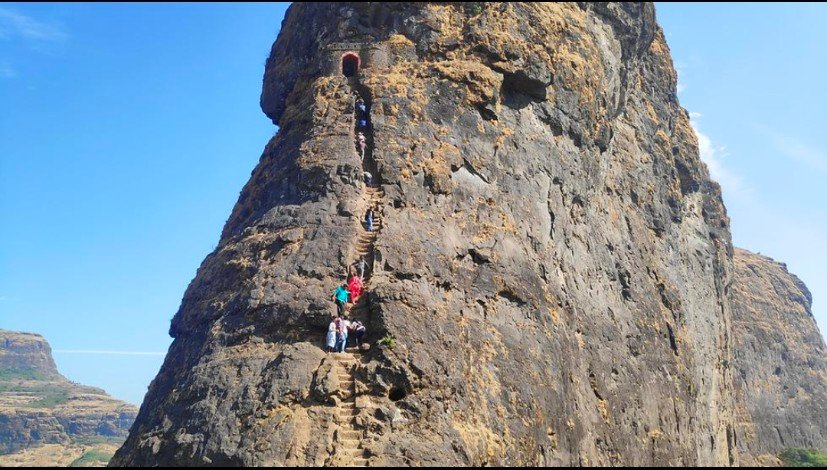
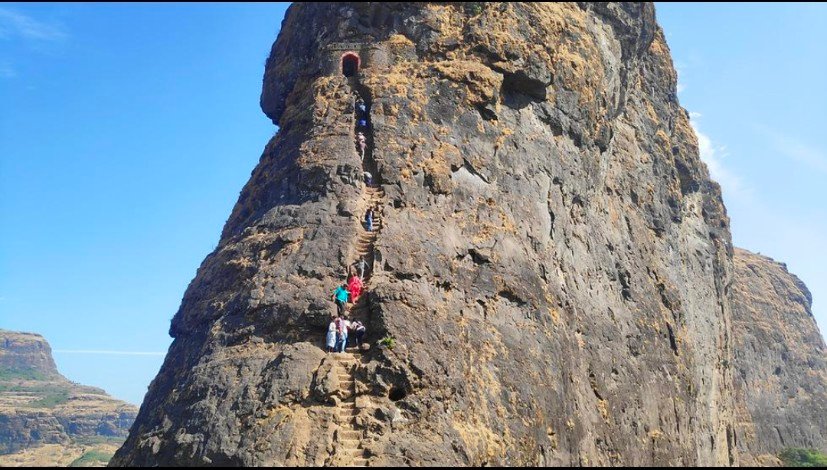
Harihar Fort, also known as Harshagad, is one of Maharashtra’s most distinctive trekking destinations. Located in Nashik district near the Trimbakeshwar region, the fort is famous for its dramatic rock-cut staircase, rugged basalt cliffs, historic remains and expansive views of the Sahyadri mountain range.
Unlike many hill forts that can be reached through a relatively gradual trail, Harihar Fort has a steep staircase carved into the rock. This unusual approach is a major reason adventure enthusiasts travel here. However, the exposed steps also require careful foot placement, physical confidence and suitable weather conditions.
If you are planning a trip in 2026, the most important decision is choosing the right season. October to February is generally the preferred period for a more comfortable trek and clearer views. The monsoon transforms the surrounding hills into a beautiful green landscape, but rain can make the steep staircase dangerously slippery. Maharashtra’s tourism resources similarly highlight the appeal of post-monsoon trekking and the risks of wet trails.
This travel guide covers the best time to visit Harihar Fort, its location, trekking experience, routes, transport, accommodation, budget, nearby attractions, packing checklist and safety advice.
Quick Facts About Harihar Fort
Travel detail Information
Destination Harihar Fort (Harshagad)
Region Nashik district, Maharashtra, India
Nearest major city Nashik
Approximate distance from Nashik city Around 40 km, depending on the route
Famous attraction Steep rock-cut staircase
Best general season October to February
Monsoon conditions Green scenery, but increased slip risk
Main activity Trekking and sightseeing
Suggested trip duration One day
Trek suitability People with appropriate fitness and confidence on steep terrain
Travel style Adventure, nature and heritage
The Nashik Municipal Corporation tourism page places Harihar Fort approximately 40 km from Nashik city and describes its distinctive steps and remaining fort structures. Distances and travel times vary according to the starting point and chosen base village.
Where Is Harihar Fort Located?
Harihar Fort is situated in the Western Ghats, in Nashik district, Maharashtra. It is associated with the Trimbakeshwar area and is surrounded by rugged hills, valleys and rural settlements.
The fort is also known as Harshagad. Its elevated position and unusual rock-cut approach make it a popular destination for trekkers seeking a challenging day outdoors.
The surrounding landscape changes considerably through the year. During the rainy season, the hills often become green and mist-covered. In winter, the weather is generally more comfortable for walking, while clear days may offer better visibility across the surrounding mountain ranges.
Harihar Fort is best treated as a trekking destination rather than a conventional sightseeing spot. Visitors should allow enough time for the approach trail, the steep staircase, exploring the summit and the return journey.
Best Time to Visit Harihar Fort in 2026
Choosing the right season is essential because the main attraction is also the most demanding part of the climb.
October to February: Best overall season
For many visitors, October to February is the most practical period to plan a Harihar Fort trek.
After the monsoon, the surrounding hills can remain green, while cooler weather makes the uphill walk more comfortable than during the hottest months. Winter also tends to offer better opportunities for mountain views when the sky is clear.
Why choose this season?
Generally more comfortable temperatures for trekking.
Potentially clearer views of the Sahyadri landscape.
Suitable conditions for photography on dry days.
A good option for travellers planning a day trip from Nashik.
Less exposure to heavy monsoon rain, although weather can still change.
Best recommendation: Choose a dry-weather day between October and February, check the forecast and start early. These months do not guarantee safe conditions every day; inspect the latest local access and weather information before travelling.
March to May: Hot-weather trekking
Summer can make the climb more physically demanding. Temperatures in the wider Nashik region rise during this period, and the exposed trail may provide little shade.
If you plan to visit in summer:
Begin early, provided the route is open and conditions are safe.
Carry sufficient drinking water.
Avoid unnecessary midday exposure.
Wear proper trekking footwear.
Turn back if you experience dizziness, weakness or signs of heat exhaustion.
Summer may work for experienced hikers who are properly prepared, but it is not the easiest choice for beginners.
June to September: Monsoon scenery, increased danger
Monsoon brings lush greenery, mist and dramatic mountain scenery to the Sahyadris. The region can look especially attractive during and after rainfall.
However, the famous stone staircase becomes hazardous when wet. Rain, moss, poor visibility, strong winds and crowded steps can increase the risk of a serious fall. Local restrictions or temporary closures may also apply.
For this reason, do not choose the monsoon solely for photographs. Check official or local trekking guidance before departure, and do not attempt the steep staircase during unsafe conditions. If access is restricted, postpone your trip.
Which month should you choose?
Month General recommendation
January Good choice for cooler weather and clear-day views
February Good choice for a comfortable trek
March Possible, but temperatures begin rising
April–May Hot; early starts and careful preparation are essential
June–September Scenic but higher risk from rain and slippery rock
October Attractive post-monsoon option when conditions are dry
November Good choice for comfortable trekking
December Good choice for cooler weather and mountain scenery
These are seasonal guidelines, not a forecast for specific dates. Check current weather and access conditions before travelling. Maharashtra Tourism identifies October to February as a preferred period for visiting Harihar Fort and warns about the slippery staircase in rain.
Why Is Harihar Fort Famous?
Harihar Fort stands out because of its unusual combination of history, landscape and challenging access.
The rock-cut staircase
The fort’s steep staircase is its signature feature. Stone steps cut into the rock rise sharply along the cliff, creating a memorable approach to the upper fort.
This section requires attention and composure. Visitors should avoid rushing, keep their hands free where possible and maintain enough space from other climbers.
Sahyadri mountain views
The elevated position gives visitors views of the surrounding hills and valleys when visibility is good. The scenery varies with the season, from misty green slopes during the rains to more defined ridgelines on clear winter days.
Historic fort remains
The summit contains remnants of the former fortification, along with rock-cut water cisterns. The site is valuable both as a trekking destination and as part of Maharashtra’s historic hill-fort landscape.
A memorable adventure
For travellers who enjoy hiking, natural scenery and heritage sites, Harihar Fort offers an experience that is different from a typical roadside viewpoint.
Nevertheless, it is not a place where adventure should take priority over safety. A successful visit means returning safely, not necessarily reaching the summit.
Harihar Fort Trek: Difficulty, Duration and Preparation
Harihar Fort is best approached as a demanding hike with an exposed, steep staircase. The exact difficulty depends on fitness, weather, crowding and the condition of the trail.
Is Harihar Fort suitable for beginners?
A beginner who is physically fit and comfortable with heights may be able to complete the trek in suitable conditions, preferably with an experienced local guide. However, the steep staircase makes this a poor choice for anyone who is frightened by exposed heights or struggles with balance.
Before deciding, consider:
Your current fitness and hiking experience.
Whether you can climb steep steps without rushing.
Whether you are comfortable with exposed drops.
Whether the trail is dry and officially accessible.
Whether everyone in your group can safely manage the return descent.
Children, older adults and anyone with mobility or balance difficulties should carefully assess the route rather than assume it is an ordinary hill walk.
How long does the trek take?
Allow several hours for the complete outing, including the approach, climbing, time at the top and descent. The actual duration varies by route, fitness, weather, crowding and stops. Do not rely on a fixed timetable when conditions are uncertain.
Start early enough to finish in daylight, and set a turnaround time so that you do not feel pressured to continue if conditions deteriorate.
What makes the staircase challenging?
The rock-cut steps are steep, narrow in places and exposed. Rain or damp rock can reduce grip. People climbing down may also encounter others moving in the opposite direction.
Use three basic rules:
Maintain secure footing before moving to the next step.
Give other trekkers space, particularly at narrow sections.
Never rush or pose for photographs on exposed steps
How to Reach Harihar Fort
You can plan your journey through Nashik and continue towards the fort’s base villages.
By road
Nashik is the principal city for organising a road journey. From Nashik, travel towards the Trimbakeshwar region and the appropriate trek starting point. Nirgudpada and Harshewadi are commonly associated with Harihar Fort trekking approaches; the exact route should be confirmed locally before setting off.
You can travel by private car, taxi or other local transport. Road conditions, journey time and the availability of return transport can vary.
By train
For travellers arriving from other cities, Nashik Road railway station is a practical rail gateway. From there, arrange onward road transport to the correct base village.
Confirm the last available return transport before beginning the trek. Do not assume that taxis or buses will be readily available after dark.
By air
Travellers coming from distant parts of India can investigate flights serving Nashik or Mumbai, depending on schedules and fares. Mumbai may provide a wider selection of connections, but it involves a longer onward journey.
Compare the full journey, including airport transfers, rather than selecting a flight based only on airfare.
By bus
You may be able to reach Nashik using intercity buses and then arrange local transport. Direct public transport to the trekking trailhead may be limited or inconvenient, so verify routes and timings before departure.
Important: Confirm the correct base village, current road access and any temporary restrictions before leaving Nashik.
Suggested One-Day Harihar Fort Itinerary
A one-day itinerary is practical for visitors staying in Nashik or nearby, provided transport and trekking access are confirmed in advance.
Early
1. Travel to the trailhead
Start early, eat breakfast and confirm that the route is open. Check that every member of the group has appropriate footwear, water and basic supplies.
Morning
2. Begin the trek
Follow the established trail and the instructions of your guide. Take breaks as needed, especially before reaching the exposed staircase.
Midday
3. Explore the summit if safe
Enjoy the views, examine the historic remains from a safe distance and take photographs from stable ground. Avoid cliff edges.
Afternoon
4. Descend carefully
Allow generous time for the return. Descending the steep steps can be harder than climbing up. Do not delay your return for additional photographs.
Evening
5. Return to Nashik
Have a meal, rest and consider nearby sightseeing only if sufficient daylight and transport time remain.
The itinerary is a planning framework, not a guarantee of trek duration. If the trail is crowded, the weather worsens or access is restricted, change your plans.
Places to Visit Near Harihar Fort
Harihar Fort can be part of a broader Nashik trip. The following destinations offer a mix of spiritual heritage, history and nature.
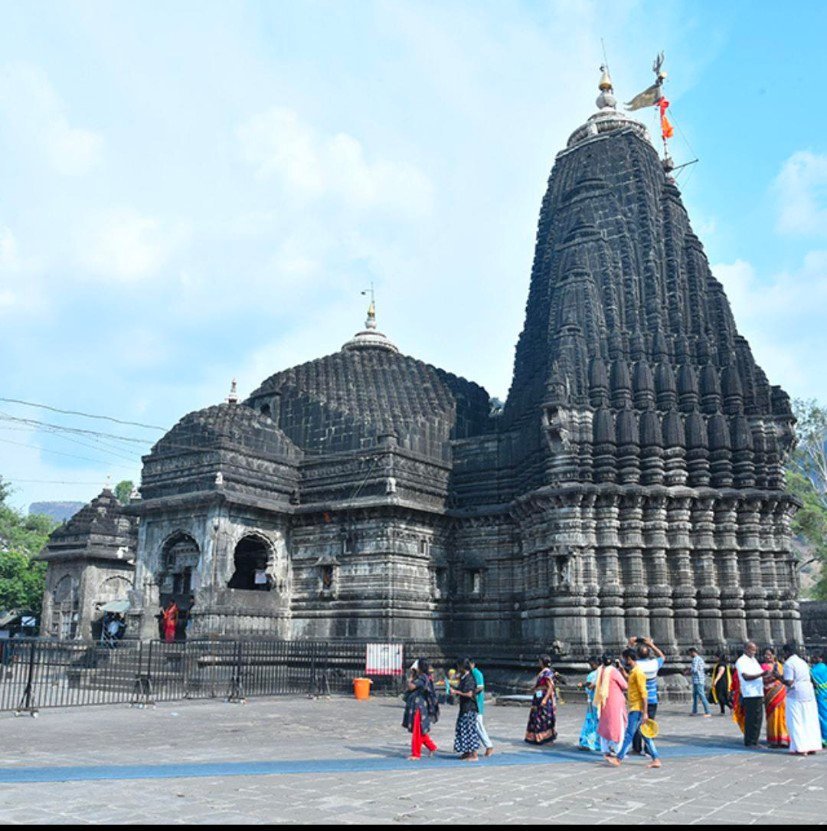
Trimbakeshwar Temple
A major Hindu pilgrimage destination near Nashik, associated with Lord Shiva and one of India’s twelve Jyotirlingas. Check temple timings and visitor rules before travelling.
Anjaneri Fort
A hill destination known for trekking, mountain scenery and its traditional association with Hanuman. Plan a separate outing if you want to explore it properly.
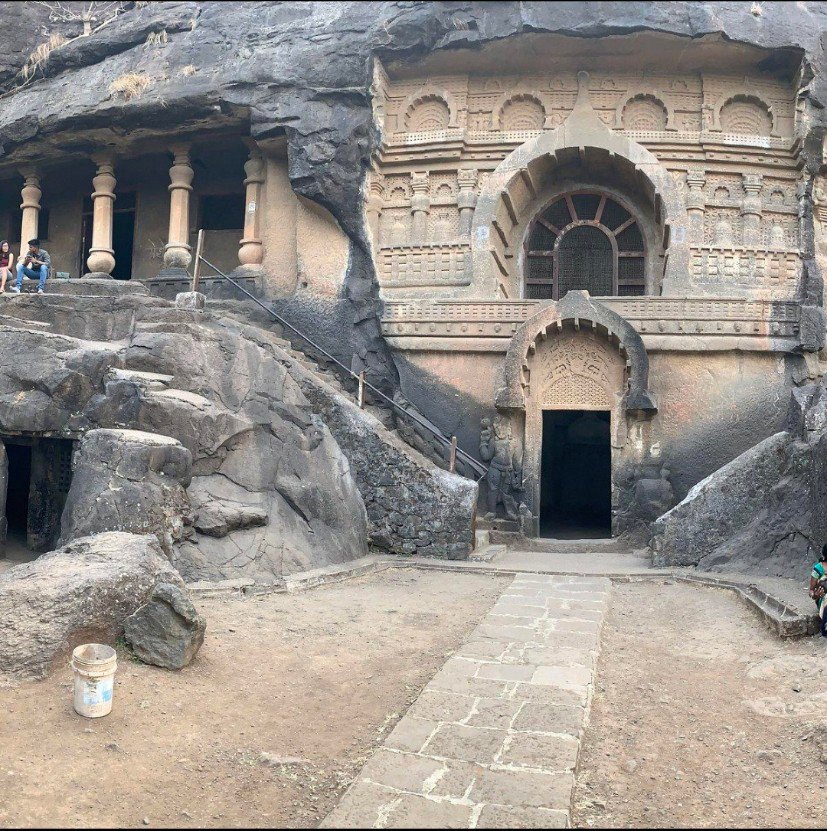
Pandavleni Caves
An important group of ancient rock-cut Buddhist caves near Nashik, suitable for visitors interested in archaeology, architecture and regional history.
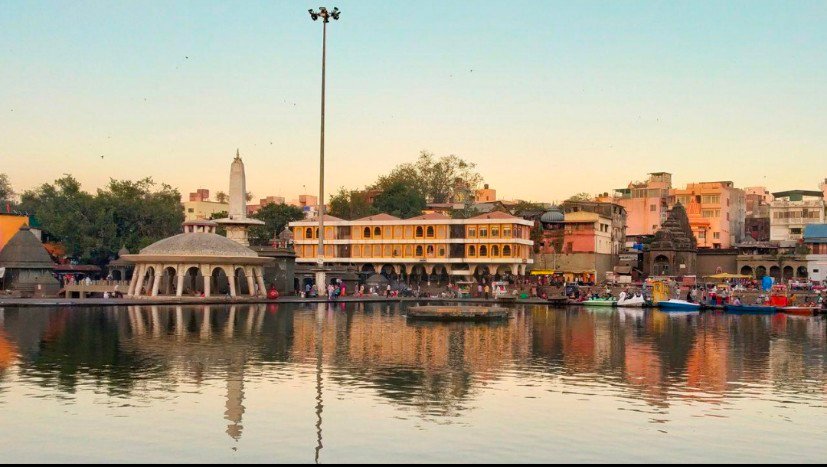
Panchavati and Ramkund
Explore Nashik’s religious and cultural heritage around the Godavari River. These locations are better suited to a city sightseeing itinerary.
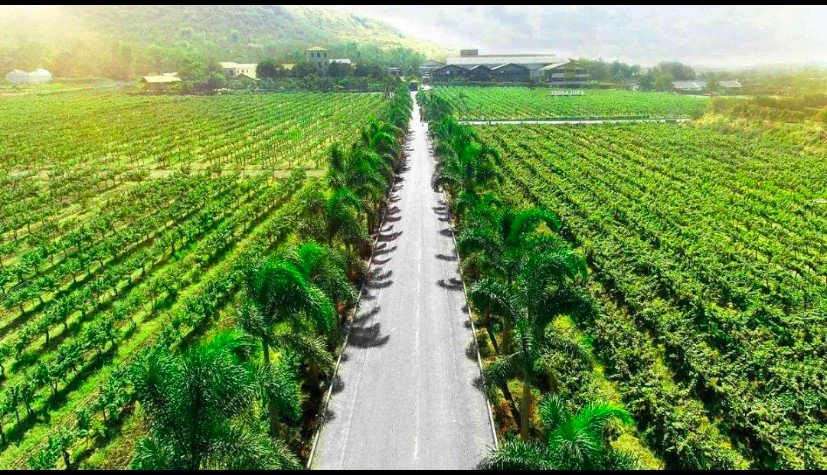
Nashik vineyard region
Discover the region’s vineyard landscapes and food experiences. Check age requirements, opening hours and booking arrangements directly with each venue.
These are separate destinations, not all immediate neighbours of the fort. Check road distances and opening hours before combining them into one itinerary. Nashik’s official tourism resources list attractions including Anjaneri, Pandavleni and Panchavati.
Where to Stay
Your accommodation depends on whether you want to complete the trek in a single day or spend a weekend exploring the region.
Stay in Nashik city
Nashik offers a wider choice of hotels, guesthouses, restaurants and transport services. It can be a convenient base if you want to visit Harihar Fort and other attractions during the same trip.
Stay near the trekking area
Local accommodation and homestay availability may be more limited near the trailhead. Confirm amenities, food availability, check-in times and transport directly with the property before booking.
Budget accommodation
Travellers on a budget can compare basic hotels, lodges and guesthouses. Check recent reviews, cleanliness, cancellation terms and the distance from your planned transport connection.
Booking advice: Reserve ahead during popular weekends and holidays. Do not plan to camp on the fort or in the surrounding area unless camping is expressly permitted and you have verified the applicable rules.
Harihar Fort Trip Budget
The actual cost depends on your departure city, transport, accommodation, group size and whether you hire a guide.
The following figures are illustrative planning estimates per person, not verified current prices.
Expense Approximate budget
Local transport, shared ₹300–₹800
Food and drinking water ₹200–₹400
Basic accommodation, if needed ₹800–₹1,800
Guide or organised trek ₹500–₹1,200
Miscellaneous expenses ₹100–₹300
These figures are not quotations and may differ substantially from local rates. Long-distance travel from another city will add to the cost. Confirm guide fees, transport fares, entry requirements and any applicable charges before departure.
For a group, sharing a vehicle may reduce transport costs. However, don’t choose an inexperienced or unqualified guide simply because the price is lower.
What to Pack for Harihar Fort Trek
Pack light enough to move safely, but bring the essentials.
Proper trekking shoes with reliable grip.
Drinking water appropriate for the duration and weather.
A small backpack.
Snacks and a packed meal.
Weather-appropriate clothing.
Rain protection when necessary, without attempting the climb in unsafe rain.
A charged mobile phone and a power bank.
Basic first-aid supplies and personal medication.
A headlamp for emergencies, not as an excuse to begin a late trek.
Identification and emergency contact details.
A small bag for carrying your rubbish back.
Avoid loose items that can fall from your pockets. Keep your hands available for balance on the exposed staircase.
Essential Safety Tips for Harihar Fort
Safety deserves its own section because the staircase is not a normal walking trail.
Check the weather and access restrictions
Review the forecast and contact a reliable local guide or relevant authorities about current trail access. Do not proceed if there is a closure, heavy rain, lightning, dangerous wind or another warning.
Wear suitable footwear
Shoes with good grip are essential. Avoid smooth-soled casual shoes, slippers and footwear that makes your footing unstable.
Do not rush the staircase
Move deliberately and maintain a safe distance from other people. Never push past another trekker on a narrow section.
Avoid dangerous photography
Do not stand near unprotected cliff edges, climb barriers or lean backwards for selfies. Use a stable location and keep the camera strap secure.
Respect your limits
If you feel uncomfortable with heights, experience exhaustion or cannot maintain safe footing, turn back. Reaching the summit is optional; getting home safely is not.
Avoid unsafe monsoon attempts
Rain-soaked steps can be extremely slippery. Monsoon scenery is not worth taking an unnecessary risk. A temporary closure must be respected.
Keep the fort clean
Carry back wrappers, plastic bottles and other waste. Do not damage historic structures or carve names into the rock.
The need for these precautions is not theoretical: a fatal fall at Harihar Fort was reported in 2025, with slippery stone steps highlighted as a particular danger during the rainy season.
Local Food to Try During Your Trip
A trip to Nashik is also an opportunity to enjoy Maharashtrian food. Depending on the time of day and the places open along your route, you may find:
Misal pav: A spicy local favourite served with bread.
Poha: A convenient breakfast before setting off.
Vada pav: A popular snack for the journey.
Thali: A complete meal with several regional dishes.
Tea and local snacks: Useful during a rest stop, provided you have enough time and safe access.
Eat breakfast before starting the trek, and carry food that will not spoil easily. Do not depend on finding food stalls at the summit or along the entire route.
Photography Guide: Capture Harihar Fort Beautifully
Harihar Fort offers excellent opportunities for landscape photography, especially on clear days.
Best photography subjects
The rock-cut staircase viewed from a safe position.
The basalt cliff and surrounding green slopes.
The mountain valleys visible from the summit.
Historic fort remains and rock-cut cisterns.
Wide landscape views during clear weather.
Early morning can provide attractive light and cooler temperatures, but do not enter the trail before you can navigate it safely. Avoid standing on exposed steps to capture a particular angle.
Two-Day Nashik and Harihar Fort Itinerary
If you have more time, a two-day trip can be more relaxed.
Day 1: Harihar Fort
Travel to the trailhead early.
Complete the trek only if the route is open and conditions are safe.
Return to your accommodation with enough daylight.
Have dinner and rest.
Day 2: Explore Nashik
Visit Trimbakeshwar Temple, subject to current visitor arrangements.
Explore Panchavati and Ramkund.
Visit Pandavleni Caves if time and opening hours permit.
Enjoy local food before travelling home.
Do not add several attractions after a tiring trek simply to fit everything into one day. A slower itinerary gives you more flexibility if weather or transport changes your plans.
Responsible Tourism at Harihar Fort
Harihar Fort is both a natural environment and a historic place. Responsible visitors help protect the site for future generations.
Follow instructions from local authorities and forest or trekking personnel.
Respect any temporary restrictions and permitted routes.
Avoid loud music and disturbing wildlife.
Do not litter or leave food packaging behind.
Do not damage the stone steps or historic structures.
Support local businesses and guides where appropriate.
Avoid risky stunts and crowded photo sessions on exposed terrain.
Responsible trekking means respecting the mountain, the local community and other visitors.
Frequently Asked Questions
Q1. What is the best time to visit Harihar Fort in 2026?
October to February is generally the preferred period for comfortable trekking and clearer mountain views. Always check the local weather and route status.
Q2. Where is Harihar Fort located?
Harihar Fort, also called Harshagad, is in Nashik district, Maharashtra, near the Trimbakeshwar region.
Q3. Why is Harihar Fort famous?
It is particularly famous for its steep rock-cut staircase, basalt cliffs, historic fort remains and Sahyadri mountain scenery.
Q4. Is Harihar Fort suitable for beginners?
It may be possible for fit beginners in suitable conditions, but the steep, exposed staircase is challenging. An experienced local guide and an honest assessment of your comfort with heights are advisable.
Q5. Can I visit Harihar Fort during the monsoon?
Monsoon visits can be risky because the stone staircase becomes slippery. Check current restrictions and conditions, and do not attempt the trek when it is unsafe or closed.
Q6. How far is Harihar Fort from Nashik?
The Nashik Municipal Corporation tourism listing gives an approximate distance of 40 km from Nashik city. Your actual road journey will depend on the route and base village.
Q7. How much time should I allow for the trek?
Allow several hours for the approach, ascent, summit visit and descent. The duration depends on your fitness, route, weather and crowding.
Q8. What should I wear for the trek?
Wear trekking shoes with good grip, comfortable clothing and weather-appropriate layers. Avoid footwear that makes it difficult to maintain balance.
Q9. Is a guide necessary?
A guide can be especially helpful for first-time visitors, groups unfamiliar with the route and people who need assistance navigating local access. Select someone experienced with the current route and safety conditions.
Q10. Can I camp overnight at Harihar Fort?
Do not assume overnight camping is allowed. Verify current permissions, local restrictions and safe accommodation arrangements before planning an overnight stay.
Q11. Can I travel to Harihar Fort with children?
The exposed staircase makes the trek unsuitable for many young children. Carefully assess each child’s abilities, comfort with heights and the conditions on the day. Do not pressure children to continue if they are uncomfortable.
Q12. What are the nearest attractions to combine with Harihar Fort?
Trimbakeshwar Temple, Anjaneri Fort, Pandavleni Caves and Panchavati are options for a wider Nashik itinerary. Check travel distances and opening hours before combining them.
Q13. What is the approximate trip budget?
Costs vary according to transport, accommodation, food and guide arrangements. Treat the estimates in this guide as planning figures, and verify actual rates before travelling.
Q14. Is Harihar Fort worth visiting?
For travellers who enjoy historic forts, mountain scenery and challenging hikes, Harihar Fort can be a memorable experience. The right weather, suitable preparation and safe trekking decisions are essential.
Conclusion
Harihar Fort is one of the most distinctive trekking destinations in Nashik district, offering an unusual rock-cut staircase, dramatic cliffs, historic remains and views of the Sahyadri mountains.
For most visitors, October to February is a sensible period to plan a trek because the weather is generally more comfortable and the rainy season has passed. Summer requires extra attention to heat, while the monsoon demands particular caution because wet stone steps can become dangerous.
Plan your transport, confirm the trail’s current status, wear suitable footwear and leave enough time for a careful descent. If the conditions are unsafe, postponing the trip is always the better decision.
With thoughtful preparation, a visit to Harihar Fort can become a rewarding part of a larger Nashik travel experience.
Leave a Reply