best time to visit Saudi Arabia
best-time-to-visit-saudi-arabia-2026
Secondary keywords
Saudi Arabia travel guide 2026
best places to visit in Saudi Arabia
Saudi Arabia weather by month
Saudi Arabia travel itinerary
things to do in Saudi Arabia
Saudi Arabia travel cost
Saudi Arabia tourist visa requirements
best time to visit AlUla
Riyadh travel guide
Jeddah travel guide
Long-tail keywords
Is November a good time to visit Saudi Arabia?
How many days are enough for Saudi Arabia?
What to wear in Saudi Arabia as a tourist
Best places to visit in Saudi Arabia in winter
Saudi Arabia travel guide for first-time visitors
Discover the best time to visit Saudi Arabia in 2026, with monthly weather tips, top attractions, travel costs, visa guidance and a practical itinerary.
Best Time to Visit Saudi Arabia in 2026: Weather, Top Places, Travel Tips and Complete Guide
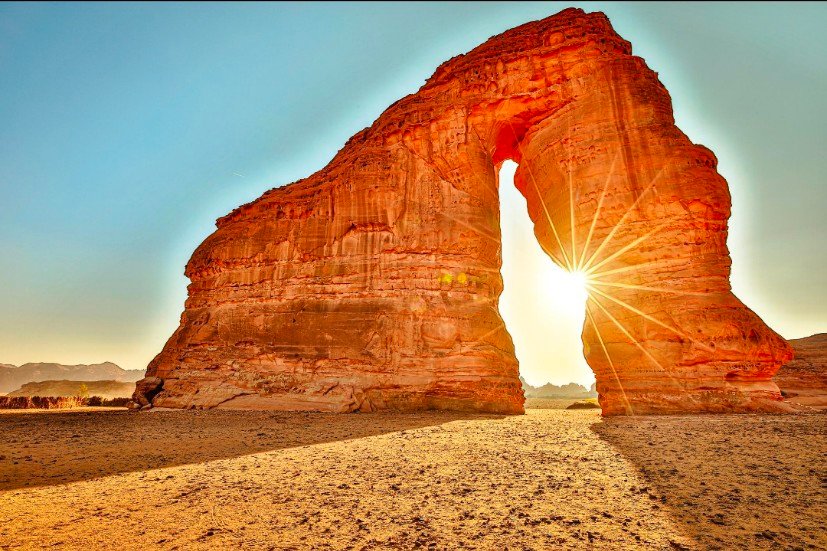
Saudi Arabia is a fascinating destination where ancient history, dramatic desert landscapes, modern cities, traditional markets, Red Sea coastlines and rich Arabian culture come together. From the energetic streets of Riyadh to the historic neighbourhoods of Jeddah and the remarkable sandstone formations of AlUla, the country offers a wide range of experiences for international travellers.
If you are planning a holiday in 2026, understanding the weather is one of the most important steps. Saudi Arabia has a predominantly dry desert climate, but temperatures and rainfall vary considerably between inland cities, coastal areas and the southwestern mountains. The country’s National Center for Meteorology identifies winter, spring, summer and autumn as having distinctly different temperature ranges.
For most first-time visitors, October to March is a practical overall travel window, with November to February particularly attractive for outdoor sightseeing. However, the best month depends on your destination, budget, interests and tolerance for heat.
This complete Saudi Arabia travel guide for 2026 explains when to visit, which places to explore, what to do, how to plan your route, how to prepare for the local culture and how to organise a more comfortable trip.
Quick facts about Saudi Arabia
Travel detail Information
Country Saudi Arabia
Capital Riyadh
Main language Arabic
Currency Saudi riyal (SAR)
Best general season October to March
Recommended first trip 7–10 days
Popular destinations Riyadh, Jeddah, AlUla, Abha and Diriyah
Main experiences Heritage, desert landscapes, museums, food and the Red Sea
Climate Predominantly dry, with regional differences
International visitors Check visa eligibility before booking
Travel requirements, prices, event dates and attraction opening hours can change. Confirm these details before making non-refundable reservations
What Is the Best Time to Visit Saudi Arabia in 2026?
The best time to visit Saudi Arabia is generally during the cooler months from October through March. These months offer better conditions for exploring historical neighbourhoods, walking around outdoor attractions, taking desert excursions and enjoying evenings outside.
The official Visit Saudi seasonal guide identifies winter as a favourable period for exploring cities, mountains and AlUla, while summer can bring temperatures around 45°C across much of the country. Coastal humidity can make the heat feel even more uncomfortable.
November to February: Best for sightseeing
Winter is an excellent choice for first-time visitors who want to combine cities, history and desert scenery.
During this period, consider exploring:
Riyadh’s museums and historic districts.
Diriyah’s heritage attractions.
AlUla’s ancient archaeological sites.
Jeddah’s waterfront and historic Al-Balad.
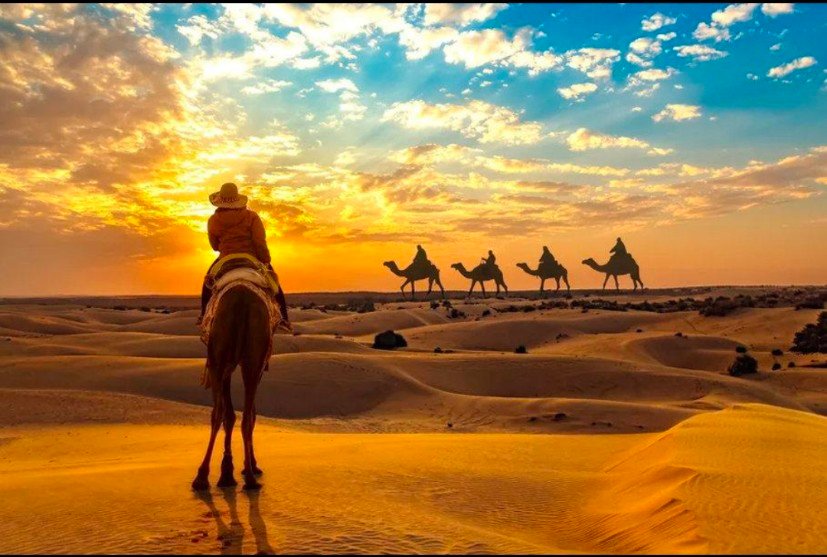
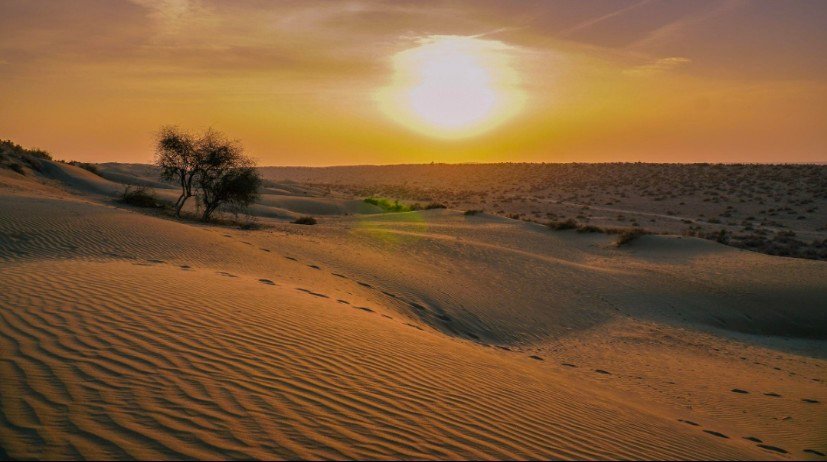
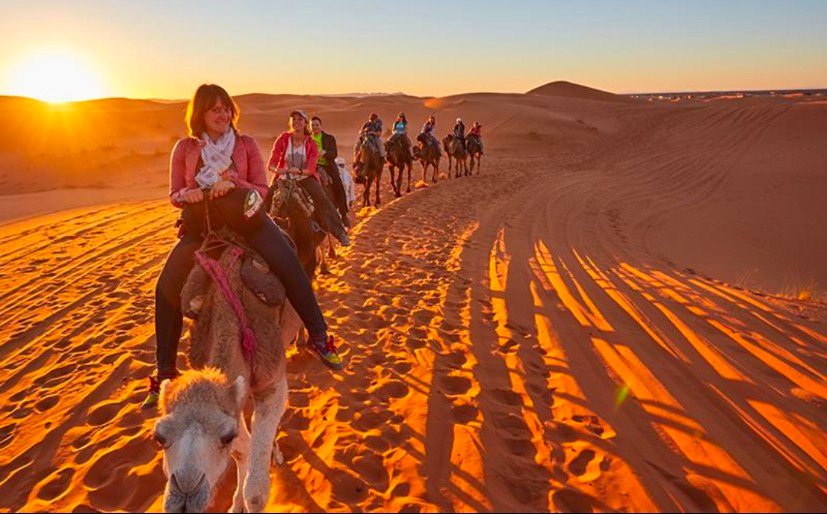
Desert landscapes and guided outdoor experiences.
Desert nights can be cold, even when afternoons are pleasant. Bring layers and check local forecasts before heading out.
October and March: Best shoulder-season options
October and March can suit travellers who want a balance between outdoor exploration and potentially less intense peak-season demand.
The weather varies by region, so do not assume every destination will be cool. Plan longer walks for mornings and evenings, and compare accommodation rates before booking.
April and May: Best for carefully planned trips
Spring can still work for travellers visiting cities, museums, restaurants and indoor attractions. However, inland temperatures rise as summer approaches.
If your itinerary includes long desert walks or outdoor archaeological sites, schedule activities early in the day and keep midday flexible.
June to September: Best for selected summer experiences
Summer is the most challenging period for many outdoor itineraries. Visit Saudi notes that temperatures in much of the country can average around 45°C during this season, although the southwestern highlands are comparatively milder.
Summer visitors can prioritise air-conditioned museums, shopping centres, selected coastal activities and mountain destinations. Avoid strenuous outdoor activity during extreme heat, drink water regularly and follow local safety advice.
Saudi Arabia Weather by Month
February Comfortable conditions in many regions City sightseeing and outdoor excursions
March Warming days; variable spring weather Heritage and morning hikes
April Increasing heat inland Museums and shorter outdoor visits
May Hotter conditions Indoor attractions and selected highlands
June Very hot in many areas Indoor sightseeing and carefully planned coast trips
July Extreme inland heat; coastal humidity Indoor activities and mountain escapes
August Very hot in much of the country Abha and selected indoor attractions
September Temperatures may remain high Flexible itineraries and early starts
October Transition toward milder weather Cities, heritage and outdoor experiences
November Often favourable for sightseeing AlUla, Riyadh and Jeddah
December Cool evenings and popular winter trips Desert landscapes and cultural experiences
For official climate information, consult the and .
Best Places to Visit in Saudi Arabia in 2026
Saudi Arabia is a large country. Rather than trying to see everything in one trip, select destinations that fit your available time and the season.
Riyadh — Modern Saudi Arabia and historic heritage

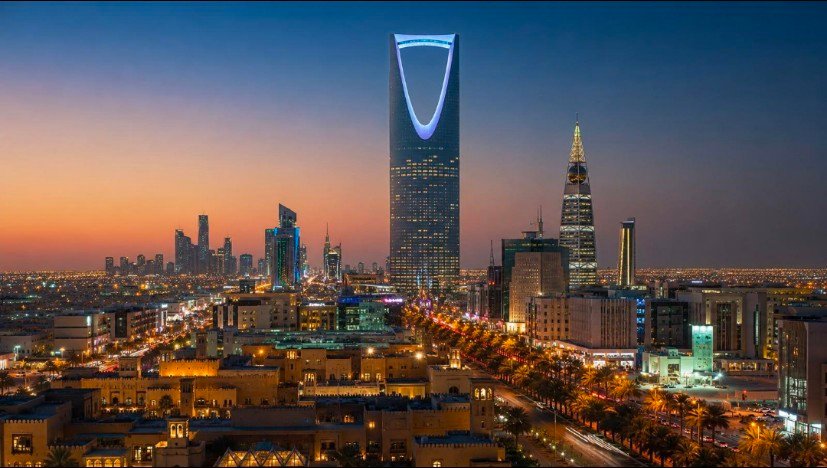
Riyadh is the country’s capital and a useful starting point for discovering modern Saudi culture, architecture, museums and traditional heritage.
Things to do in Riyadh include visiting the National Museum, exploring traditional markets, discovering historic sites and enjoying the city’s contemporary dining scene.
Plan a visit to the historic Al Masmak Fortress area, then explore modern districts and cafés. Diriyah, a separate historic destination near Riyadh, is also worth considering for its cultural significance and restored architecture.
Best time: October to March for a more comfortable outdoor itinerary.
Suggested duration: Two days.
Travel tip: Riyadh is spread out. Check distances before booking a hotel, and use licensed transport or reputable ride-hailing services.
AlUla — Ancient tombs and spectacular desert scenery
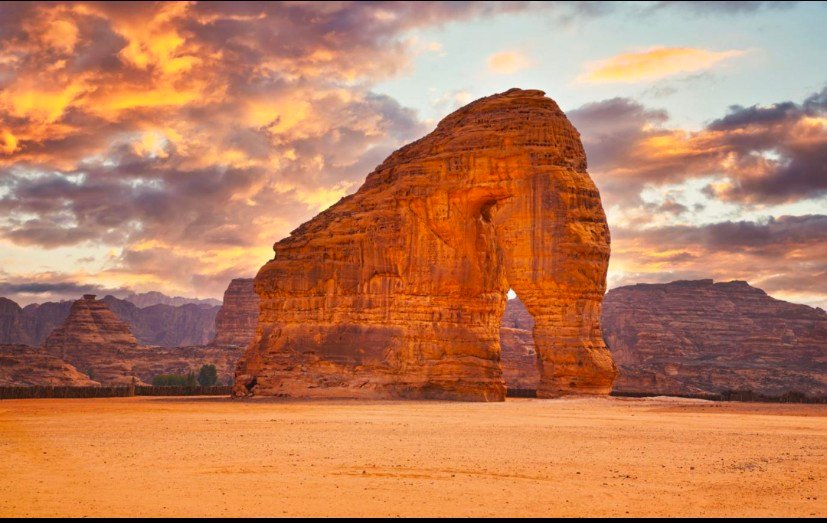
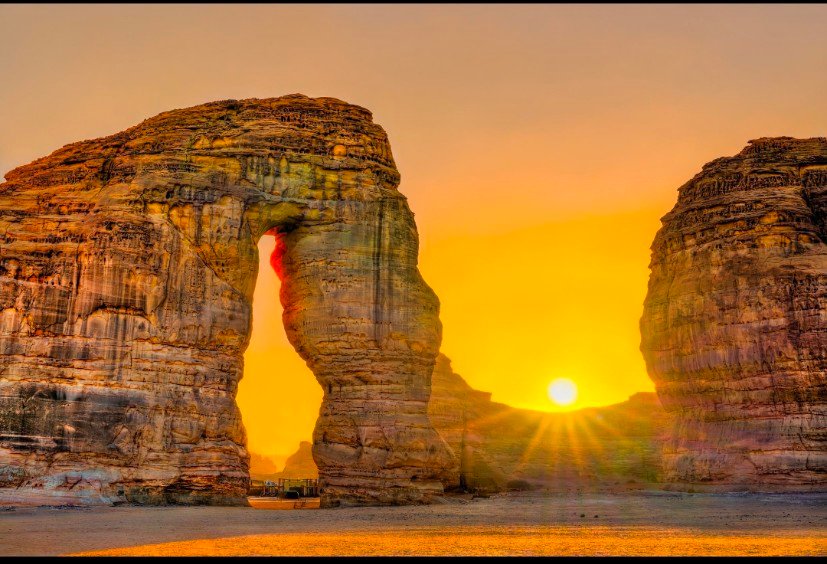
AlUla is one of Saudi Arabia’s most distinctive destinations, known for sandstone formations, archaeological heritage and desert scenery.
The area’s major attraction is Hegra, a UNESCO World Heritage Site associated with the Nabataean civilisation. AlUla Old Town, Elephant Rock and the striking mirrored architecture of Maraya are other popular highlights. Visit Saudi describes AlUla as a destination combining ancient heritage with distinctive natural landscapes.
Activities to consider include:
Booking a guided visit to Hegra.
Exploring AlUla Old Town.
Photographing Elephant Rock at suitable times.
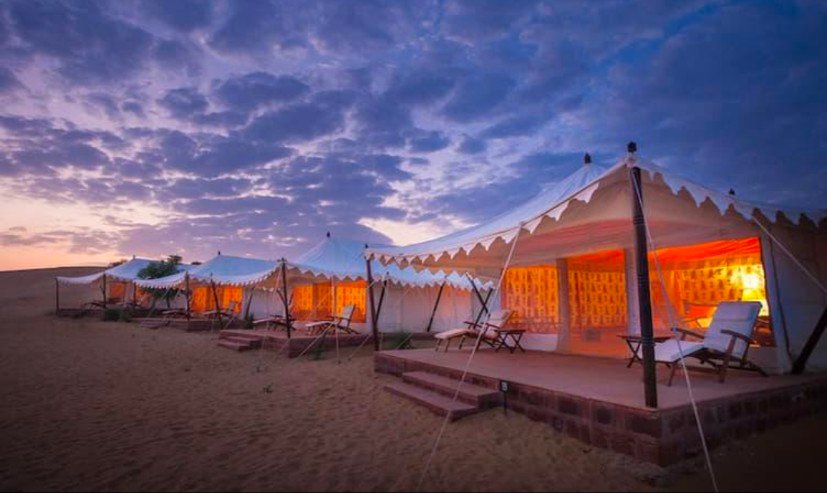
Taking an organised desert excursion.
Enjoying the night sky away from city lights where permitted.
Best time: November to February is generally a strong choice for outdoor exploration.
Suggested duration: Two or three days.
Travel tip: Check attraction availability, entry requirements and tour schedules in advance. Some archaeological sites require timed reservations.
Jeddah — Red Sea coast and historic Al-Balad
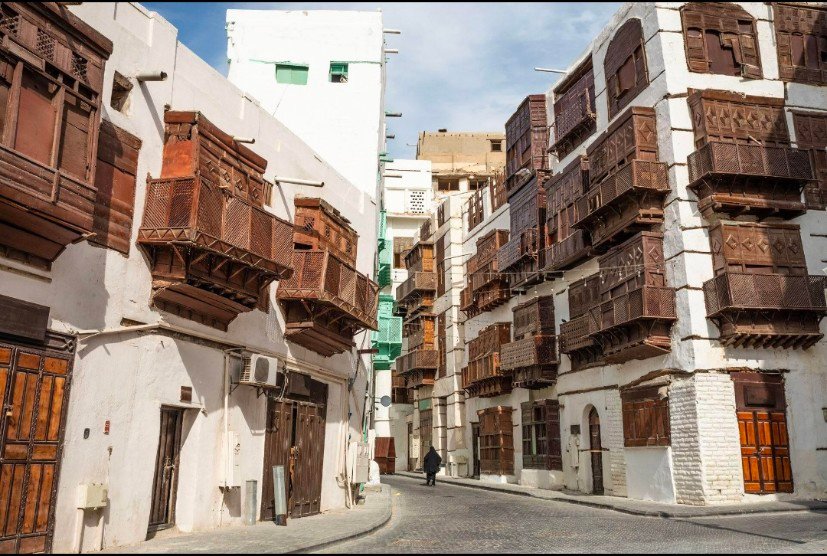
Jeddah combines coastal scenery, historic architecture, restaurants and a lively urban atmosphere. It is an appealing destination for visitors who want to explore Saudi Arabia’s Red Sea region.
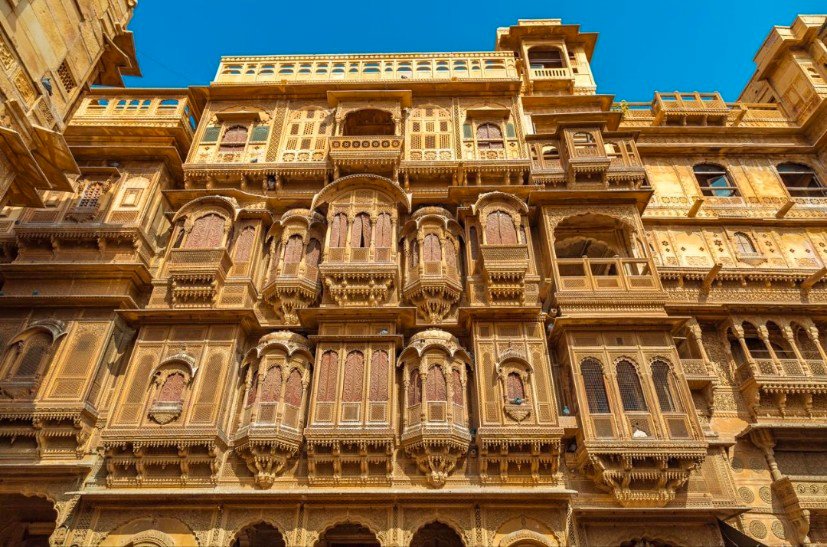
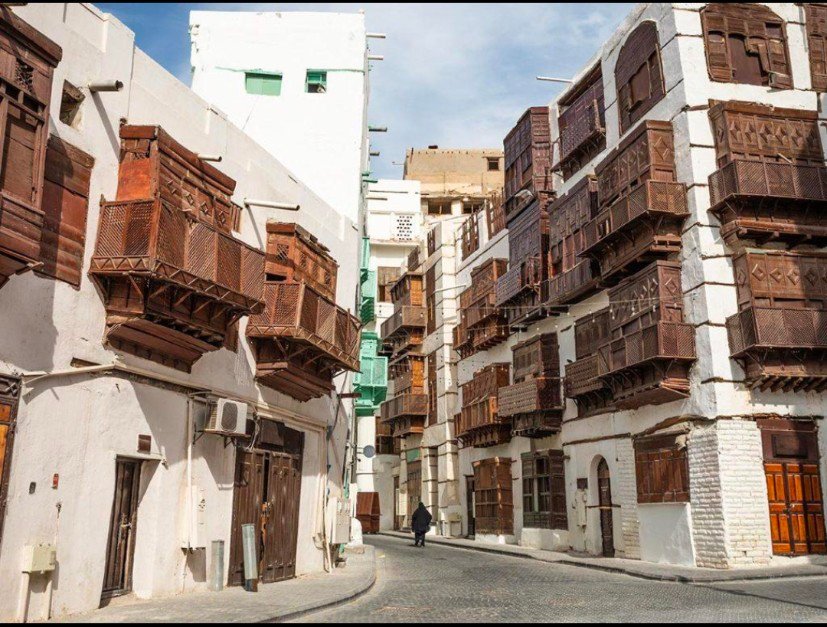
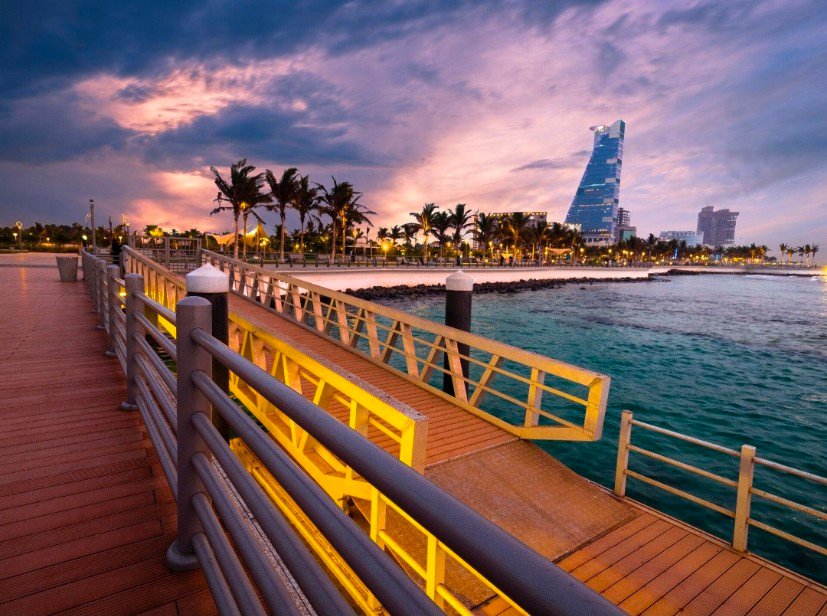
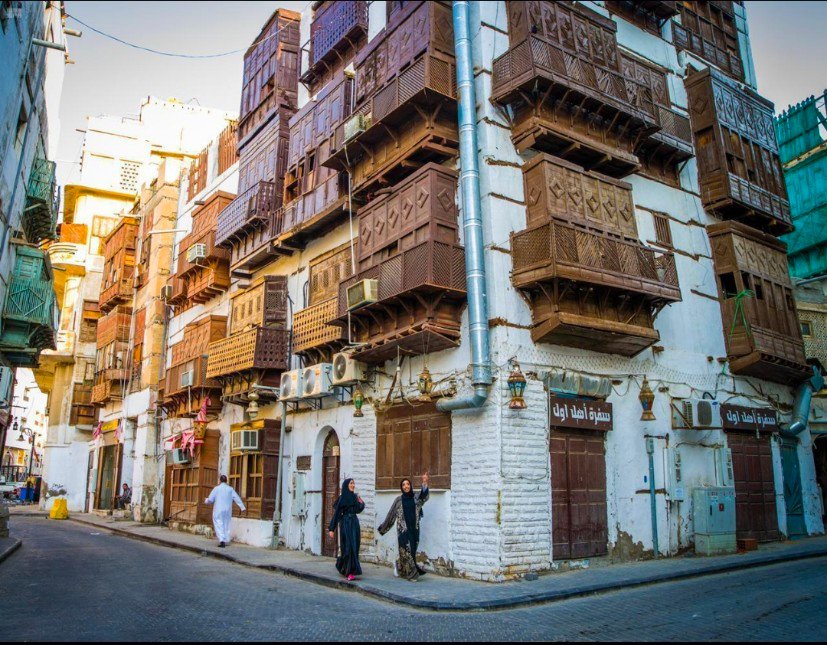
Start with Al-Balad, the historic district known for traditional buildings and distinctive wooden balconies. Continue to the waterfront for sea views, cafés and an evening stroll when the weather is comfortable.
You can also explore local restaurants, art spaces and shopping areas.
Best time: November to March for many outdoor activities, although coastal humidity varies.
Suggested duration: Two days.
Travel tip: Dress respectfully when visiting religious or heritage locations, and check the opening times of museums and cultural sites before travelling.
Diriyah — The birthplace of the Saudi state
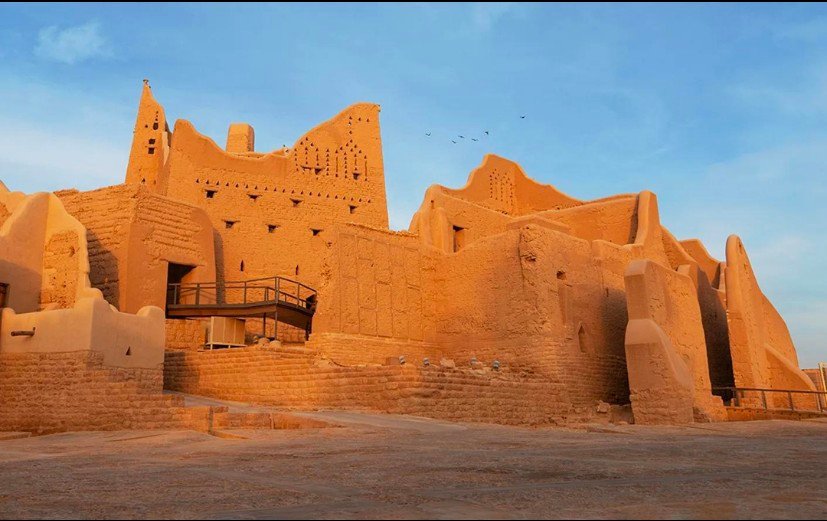
Diriyah is an important heritage destination near Riyadh. Its At-Turaif district showcases traditional Najdi architecture and the history of the Saudi state.
Explore the restored buildings, walk through designated heritage areas and learn about the region’s past. The nearby Bujairi area offers dining and visitor experiences, subject to current access and opening arrangements.
Best time: October to March.
Suggested duration: Half a day to one day.
Travel tip: Check official ticketing and access information, especially during special events and busy holiday periods.
Abha and the Aseer Highlands — Mountains and cooler scenery
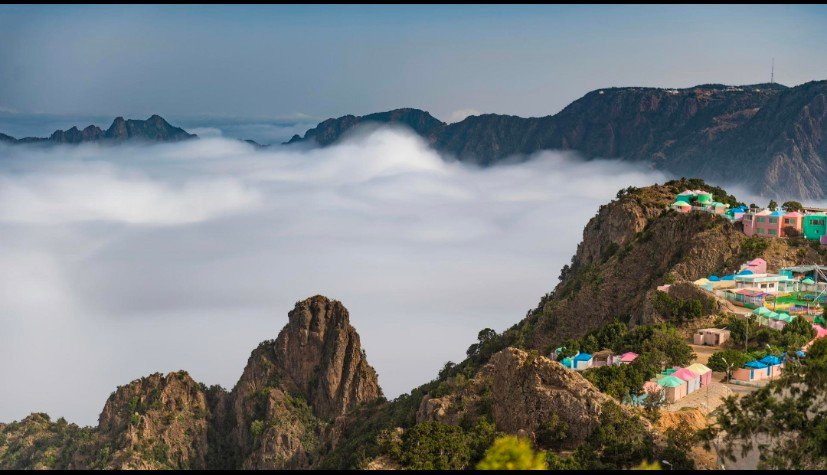
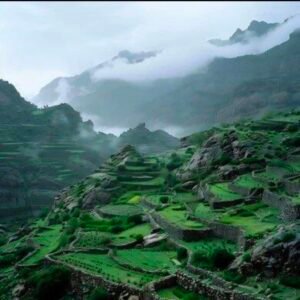
The Aseer region in southwestern Saudi Arabia offers a different landscape from the country’s central deserts. Visitors can discover mountain viewpoints, traditional villages and green highland scenery.
Consider exploring Abha, visiting the heritage village of Rijal Almaa and looking for viewpoints around the Soudah highlands. The climate can be more moderate than in many lowland areas, although conditions change with altitude and season.
Best time: Choose dates based on local weather, with summer offering a potential escape from extreme inland heat.
Suggested duration: Two days.
Travel tip: Mountain roads may be winding and visibility can change quickly. Check road conditions and weather alerts before driving.
The Red Sea — Marine experiences and coastal relaxation
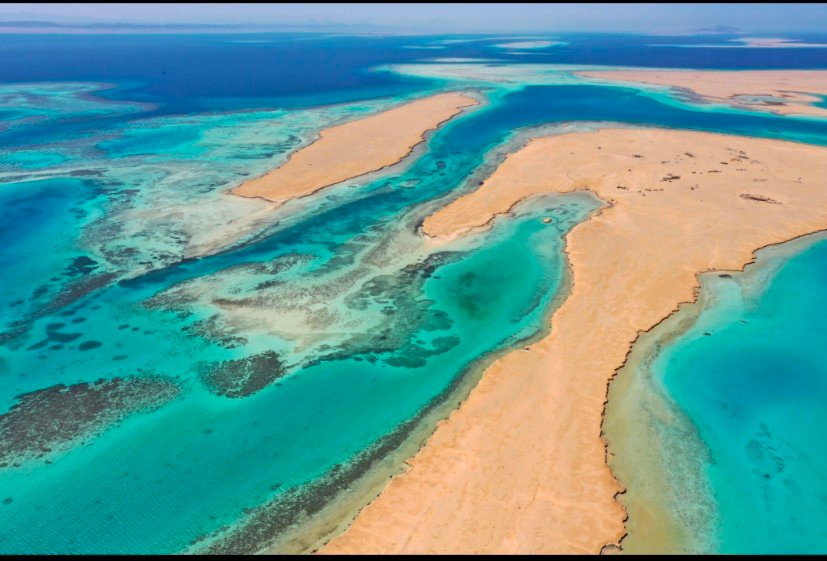
The Red Sea region is worth considering for travellers interested in marine life, snorkelling, diving and resort stays.
Activities depend on the location, season, weather, operator and access arrangements. Choose licensed providers, follow marine conservation rules and avoid touching coral or disturbing wildlife.
Best time: Cooler months can be comfortable for combining coastal excursions with city sightseeing. Summer can also work for selected water activities if conditions and heat precautions are appropriate.
Suggested duration: Two to three days for a dedicated coastal stay.
Travel tip: Resort availability, transfers and activity costs vary considerably. Confirm what is included before paying for a package.
Taif — Mountain scenery and a change of pace
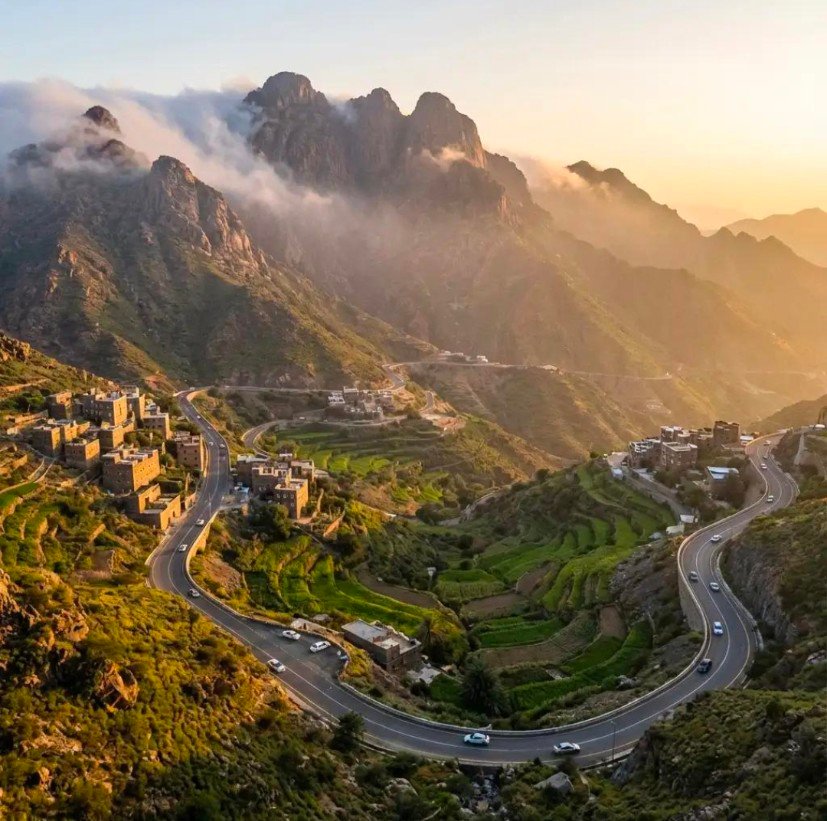
Taif is known for its highland setting and regional produce. It can be an appealing addition for travellers interested in mountain views, gardens and a slower-paced trip.
Visit viewpoints, explore local markets and sample regional food. If you are travelling during warmer months, compare local forecasts before deciding which outdoor activities to include.
Best time: Spring and summer may appeal to visitors seeking a highland destination, but check actual weather conditions.
Suggested duration: One or two days.
Al-Ahsa — Oases, traditional culture and natural scenery
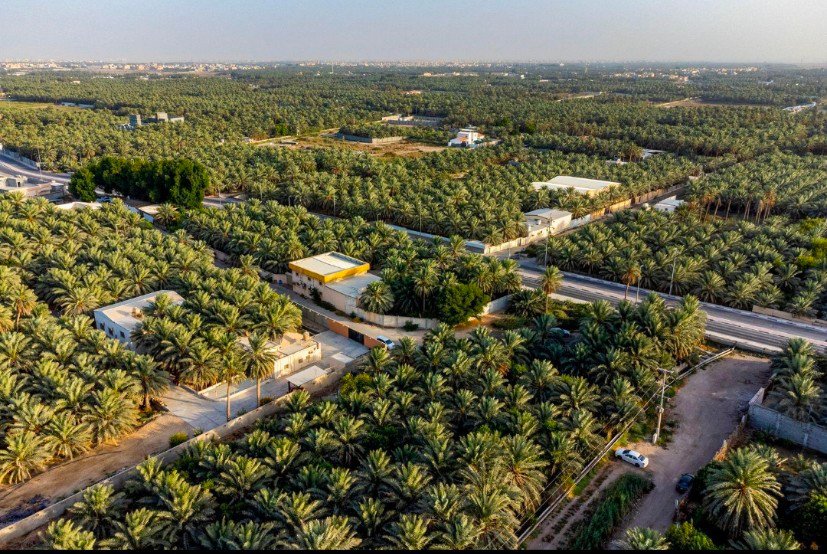
Al-Ahsa offers a different perspective on Saudi Arabia, with palm groves, oasis landscapes, traditional communities and cultural attractions.
Spend time learning about the oasis environment, discovering local markets and exploring designated visitor sites. Check opening times and transport options before visiting attractions outside the main urban areas.
Best time: The cooler months are generally more comfortable for walking and outdoor sightseeing.
Suggested duration: One or two days.
How to Explore Saudi Arabia in 2026
The best way to explore Saudi Arabia is to build your itinerary around geographical regions instead of repeatedly travelling across the country.
For a first visit, choose a city, add a heritage destination and include either the Red Sea or the southwestern highlands. If you have more time, add another region.
H3: Choose your travel style
Culture and history: Riyadh, Diriyah, AlUla and Jeddah.
Desert adventure: AlUla and organised excursions in suitable areas.
Coastal relaxation: Jeddah and accessible Red Sea destinations.
Mountains and nature: Abha, Aseer and Taif.
Food and city life: Riyadh and Jeddah.
Religious travel: Plan separately around the relevant pilgrimage requirements and official arrangements.
Saudi Arabia is too large to explore efficiently without planning transport. Domestic flights may save time on longer journeys, while trains, buses, taxis and rental cars may suit particular routes.
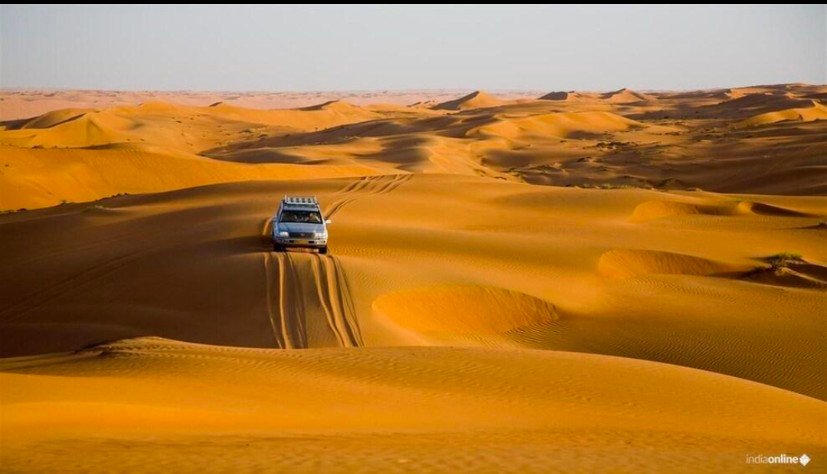
Check current rail routes and schedules before relying on them. For desert excursions and remote locations, book with reputable operators and confirm pickup points, vehicle suitability and safety arrangements.
Avoid driving long distances when tired, and do not assume a remote attraction can be reached in an ordinary car.
Saudi Arabia Travel Itinerary for 7 Days
This seven-day route is an example for visitors who want a mixture of city life, heritage and desert landscapes. Check flight connections and travel times before booking.
Day 1 — Arrive in Riyadh
Check into your accommodation, explore a nearby district and enjoy a relaxed evening.
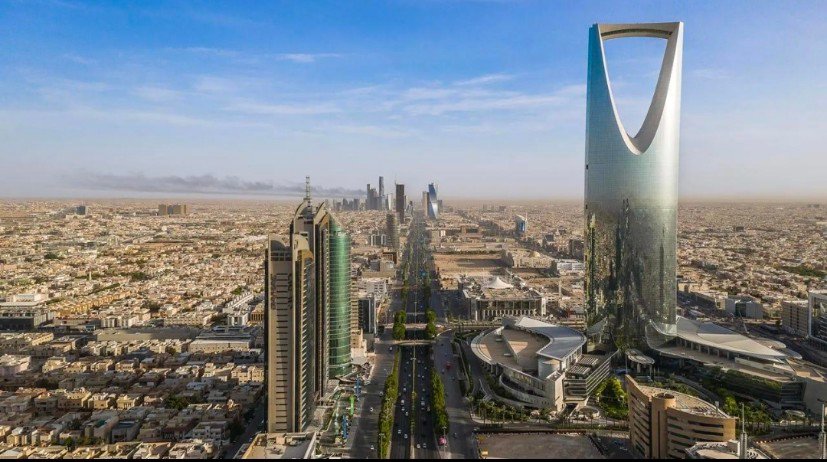
Day 2 — Discover Riyadh’s history
Visit selected museums and heritage attractions. Explore Diriyah if time and transport allow.
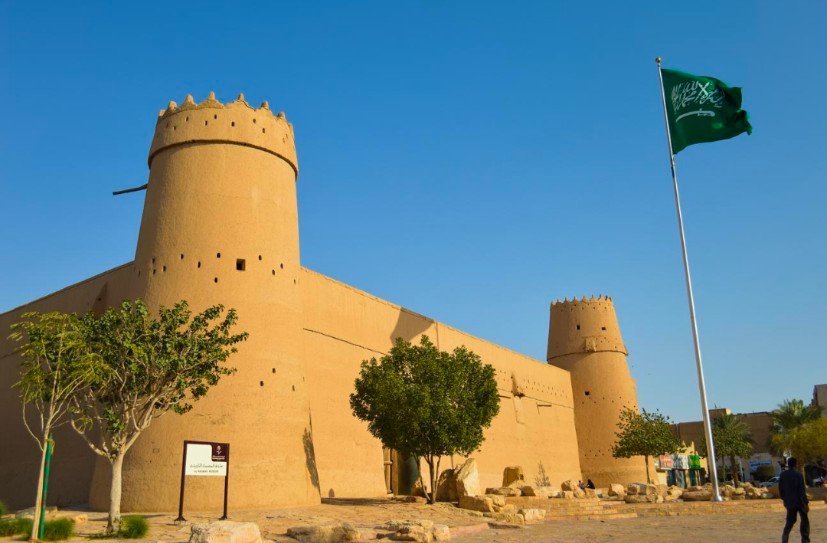
Day 3 — Travel to AlUla
Use a suitable flight or other available connection. Check in and explore the local area.
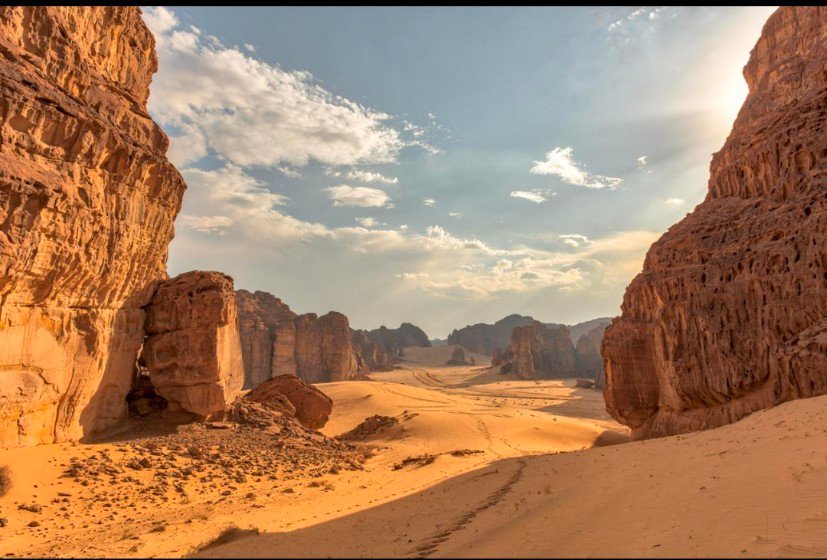
Day 4 — Explore AlUla
Visit Hegra on a booked tour and explore other accessible heritage sites.
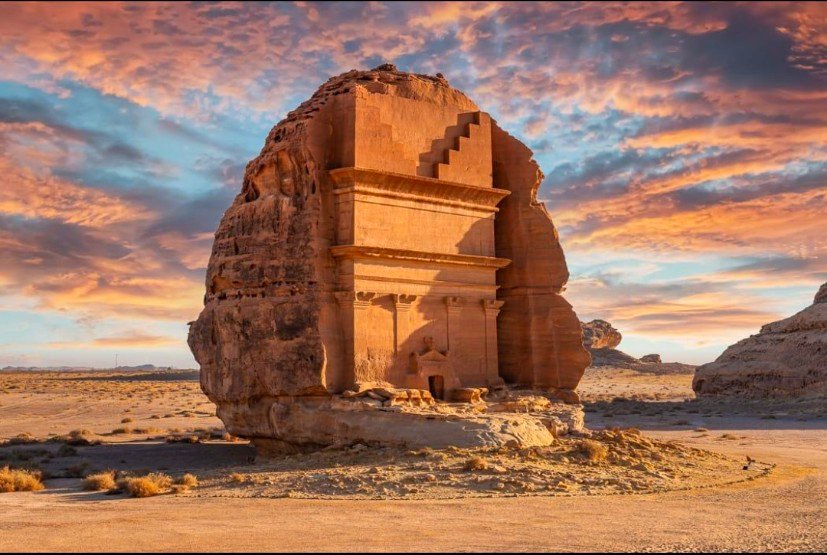
Day 5 — Travel to Jeddah
Arrange a suitable connection and enjoy the city’s food scene or waterfront in the evening.
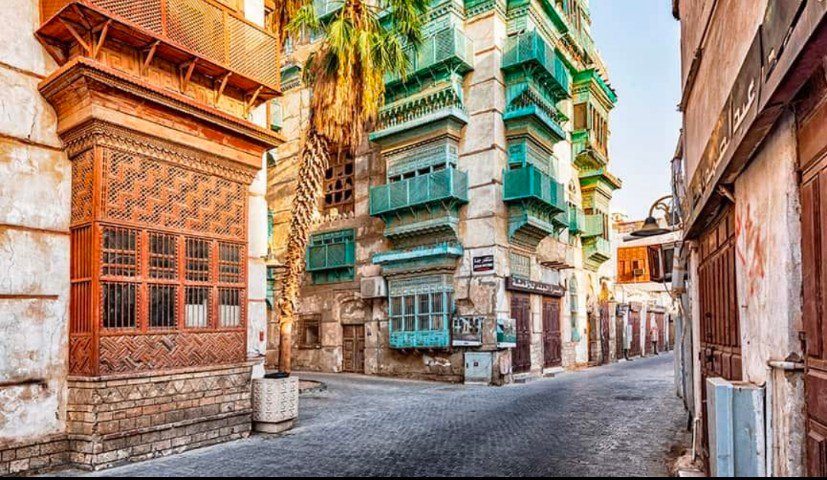
Day 6 — Explore historic Jeddah
Discover Al-Balad, traditional architecture, local markets and selected cultural attractions.
Day 7 — Enjoy the coast and depart
Spend the morning at a suitable waterfront location, then leave enough time for your airport transfer.
This itinerary requires advance planning because domestic transport connections may not line up perfectly. If you prefer a slower trip, spend the full week between Riyadh and AlUla or between Jeddah and nearby coastal destinations.
Saudi Arabia Travel Cost in 2026
Your total travel budget depends on your departure country, season, hotel standard, transport choices, food preferences and the activities you book.
Use the following as a planning framework rather than a live price quotation.
Expense What to budget for
International flights Compare fares from your departure airport
Hotels Compare location, ratings, taxes and cancellation terms
Food Mix local restaurants with occasional higher-end dining
Transport Account for taxis, transfers, rental cars or domestic flights
Attractions Check entrance fees and guided-tour prices
Travel insurance Choose cover appropriate to your activities
Extra expenses SIM/eSIM, shopping, water and unexpected costs
How to save money
Compare flights across several departure dates.
Book accommodation early for popular winter periods and major events.
Stay near attractions to reduce local transport expenses.
Compare the full cost of a rental car with taxis and transfers.
Reserve popular tours directly through reputable operators.
Keep an emergency fund for delays and unexpected expenses.
Do not assume that every destination is inexpensive. Remote desert tours, luxury coastal resorts and premium experiences can cost substantially more than ordinary city sightseeing.
Saudi Arabia Tourist Visa Requirements for 2026
Visa requirements depend on your nationality, passport, purpose of travel and eligibility category. Some nationalities qualify for an electronic tourist visa, while others may need a different application route.
Before booking, check the official and the . These resources provide eligibility guidance and information about entry requirements. Saudi tourist visa portal
Visit Saudi visa information page
Important steps:
Check your nationality’s eligibility.
Confirm that your passport meets the current validity requirements.
Apply through an official or authorised channel.
Review visa validity, permitted activities and length of stay.
Check travel insurance requirements.
Confirm separate rules for Hajj or other pilgrimage travel.
For Indian passport holders: Do not assume that eligibility is identical to that of every other nationality. Confirm the current options for Indian citizens on the official portal before paying for flights or accommodation.
A tourist visa should not be treated as permission to work. Pilgrimage requirements and access restrictions may differ from ordinary tourism rules.
What to Wear and Cultural Etiquette in Saudi Arabia
Respecting local customs helps make a trip smoother and more enjoyable.
The official Saudi tourist visa website states that visitors should dress modestly in public places and respect local customs and traditions.
Clothing advice
Choose loose, comfortable clothing that covers the shoulders and knees in public.
Carry lightweight long sleeves for sun protection and cultural settings.
Bring comfortable walking shoes.
Pack a warm layer for cool winter evenings and desert nights.
Check the dress requirements for religious sites and individual attractions.
Female visitors do not generally need to wear a traditional abaya everywhere, but specific places may have their own requirements. Follow local instructions and dress more conservatively at religious sites.
Photography and behaviour
Ask permission before photographing local people. Avoid photographing restricted government or military locations, and follow posted rules at museums and religious sites.
Public behaviour should remain respectful. Alcohol is prohibited in Saudi Arabia, and visitors should familiarise themselves with local laws before travelling.
Visiting during Ramadan
Ramadan changes daily routines, restaurant schedules and opening hours. Visitors should check local guidance and show respect for religious practices. Confirm opening times before planning sightseeing around meals or evening activities.
Saudi Arabian Food You Should Try
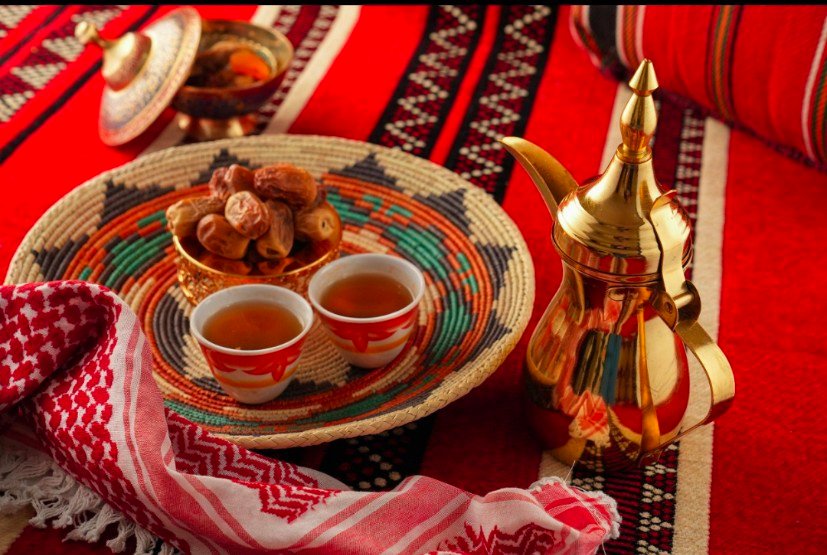




Food is an important part of exploring Saudi Arabia. Local dishes vary by region, and restaurants range from traditional eateries to international dining venues.
Try these dishes if they are available and suit your dietary preferences:
Kabsa: A rice-based dish served with meat or chicken.
Jareesh: A traditional dish prepared using crushed wheat.
Mutabbaq: A filled, pan-cooked pastry popular as a snack.
Dates and Arabic coffee: A traditional combination often associated with hospitality.
Regional grilled dishes: Look for local preparations using meat, rice and aromatic spices.
Ask about ingredients and allergens when ordering. Restaurant menus and preparation methods can vary.
Best Photography Spots in Saudi Arabia
Saudi Arabia offers many opportunities for landscape, architecture and cultural photography.
AlUla
Photograph sandstone formations during suitable daylight, and check permitted photography areas at archaeological sites.
Riyadh
Look for city skyline views, modern architecture and designated public viewpoints.
Historic Jeddah
Capture traditional building details, doorways and historic streets while respecting residents’ privacy.
Aseer Highlands
Photograph mountain scenery, changing cloud cover and village landscapes when conditions are safe.
For your blog, use original images wherever possible. If you use AI-generated illustrations, label them appropriately rather than presenting them as documentary photographs.

Essential Travel Tips for Saudi Arabia in 2026
- A little preparation can help you avoid unnecessary stress.
Check travel advisories before departure. Review current government guidance and airline updates, particularly when regional security conditions may affect travel.
Confirm entry rules. Visa eligibility and entry requirements can differ by nationality.
Check the weather forecast. Plan outdoor activities around the actual conditions rather than seasonal averages alone.
Keep drinking water available. Heat can be dangerous, particularly during long outdoor excursions.
Book guided desert trips. Choose reputable operators and avoid isolated routes without appropriate equipment.
Use suitable transport. Verify routes, pickup points and driving distances.
Respect cultural rules. Follow local guidance on clothing, photography and public behaviour.
Keep digital copies of important documents. Store them securely and carry required travel documents.
Check attraction hours. Holidays, prayer schedules, special events and seasonal operations may affect access.
Allow flexibility. Leave room for weather changes, transport delays and unexpected closures.
Important current travel advisory
Travel conditions can change rapidly. A Reuters report published on October 14, 2026, described security incidents affecting pilgrims and travel arrangements in Saudi Arabia. Before travelling, review the latest official advisory for your nationality and confirm the status of your specific route with your airline.
Frequently Asked Questions About Visiting Saudi Arabia
1. What is the best month to visit Saudi Arabia in 2026?
November is a strong general choice for outdoor sightseeing, while December, January and February are also attractive. The ideal month depends on the region and your activities.
2. Is Saudi Arabia worth visiting in summer?
Yes, for selected trips, particularly indoor attractions and carefully planned coastal or highland activities. However, extreme heat makes many outdoor itineraries less comfortable.
3. How many days are enough for Saudi Arabia?
Seven to ten days is a useful starting point for a first visit covering two or three destinations. Exploring the entire country requires considerably more time.
4. Is AlUla worth visiting?
Yes. AlUla combines ancient archaeological heritage, dramatic rock formations and desert scenery. Reserve sufficient time to visit Hegra and other attractions.
5. Can Indian citizens visit Saudi Arabia as tourists?
Indian citizens must meet the applicable Saudi entry and visa requirements. Check eligibility and application options through the official . Saudi tourist visa portal
6. Is Saudi Arabia expensive for tourists?
Costs vary widely. Budget-conscious travellers can compare ordinary hotels, local restaurants and public transport, while remote tours and luxury resorts can raise the total substantially.
7. What should I pack for Saudi Arabia in winter?
Pack lightweight daytime clothing, comfortable shoes, sun protection and a warm layer for cool evenings. Desert nights and northern areas can be considerably colder than expected.
8. Is modest clothing necessary?
Yes. Visitors should dress modestly in public and follow any additional rules at religious or heritage sites. Check current official guidance before travelling.
9. Can tourists explore Saudi Arabia by public transport?
Transport options vary by city and route. Flights, buses, trains on selected routes, taxis and rental cars can all be useful. Verify current schedules and connections before planning your journey.
10. What is the best destination for first-time visitors?
Riyadh is a useful starting point for modern city life and heritage. AlUla is ideal for ancient sites and desert scenery, while Jeddah suits visitors interested in coastal culture and historic architecture.
Conclusion: Plan the Best Time to Visit Saudi Arabia in 2026
Saudi Arabia offers a remarkable combination of historic landmarks, desert landscapes, modern cities, mountain scenery and Red Sea experiences. For most travellers who want to explore outdoors, October through March is the most practical general season, with November through February especially appealing for many sightseeing itineraries.
Start with Riyadh if you want to understand the country’s modern and historic sides, visit AlUla for its ancient heritage and dramatic landscapes, and choose Jeddah for its historic neighbourhoods and coastal atmosphere. If you prefer mountains, consider Abha and the Aseer region.
The key to a successful trip is to match your destination to the weather, verify visa requirements, respect local customs and plan transport realistically.
With careful preparation, a trip to Saudi Arabia in 2026 can become a memorable journey through one of the Arabian Peninsula’s most diverse destinations.