Title: Best Time to Visit Vaishno Devi Temple 2026: Weather, Rush & Travel Guide

Written by

in

Focus Keyphrase: best time to visit Vaishno Devi Temple

Secondary Keywords:
Vaishno Devi best time to visit
best month to visit Vaishno Devi
Vaishno Devi weather
Vaishno Devi Yatra 2026
Vaishno Devi in October
Vaishno Devi in November
Vaishno Devi in winter
Vaishno Devi in monsoon
Katra to Vaishno Devi
Vaishno Devi Temple travel guide

Slug: best-time-to-visit-vaishno-devi-temple

Meta Description: Best time to visit Vaishno Devi Temple in 2026. Explore month-wise weather, crowd, Navratri rush, trekking tips, Katra travel, packing guide and the best season for Mata Vaishno Devi Yatra.
Category: India Travel / Religious Travel
Best Time to Visit Vaishno Devi Temple 2026: Complete Weather, Crowd & Yatra Guide

Planning a pilgrimage to Mata Vaishno Devi in 2026 and wondering about the best time to visit Vaishno Devi Temple? Choosing the right month can make a major difference to your pilgrimage experience. Weather, crowd levels, trekking conditions, holidays, Navratri celebrations, rainfall and winter temperatures can all affect your journey from Katra to the holy shrine.
Mata Vaishno Devi Temple is one of the most important pilgrimage destinations in India. The holy shrine is located in the Trikuta Hills near Katra in Jammu and Kashmir. Pilgrims begin their journey from Katra and travel towards the Bhawan, where they seek darshan of the sacred pindies inside the Holy Cave.
The yatra is open throughout the year, so there is no single month that works perfectly for every traveller. Some visitors prefer pleasant weather, some want to experience Navratri, while others prefer quieter periods with fewer crowds.
For many travellers, October to November can be an attractive period because the weather is generally more comfortable than the peak summer months. However, the exact crowd situation can vary, especially around festivals, weekends and holidays.
This complete Vaishno Devi travel guide 2026 explains the best months to visit, month-wise weather, crowd conditions, monsoon travel, winter travel, Navratri, trekking tips, what to pack, how to reach Katra, accommodation, safety advice and frequently asked questions

Quick Answer: What Is the Best Time to Visit Vaishno Devi Temple?

If your priority is a comfortable pilgrimage with manageable weather, October and November are worth considering, while winter can provide a very different experience.
The official Shri Mata Vaishno Devi Shrine Board states that the yatra remains open throughout the year. It also notes that summer months, Navratri periods and New Year vacations can experience peak rush.
Best months at a glance
Month
Weather
Crowd
Suitable for
January
Cold
Moderate to high around holidays
Winter lovers
February
Cold to pleasant
Moderate
Quieter pilgrimage
March
Pleasant
Can increase around festivals
Comfortable trekking
April
Pleasant/warm
Festival-dependent
Families and pilgrims
May
Warm
High
Holiday travellers
June
Hot
High
Summer holidays
July
Rainy
Variable
Monsoon lovers
August
Rainy/green
Variable
Scenic pilgrimage
September
Pleasant/transition
Variable
Flexible travellers
October
Pleasant
Festival-dependent
Comfortable weather
November
Cool/pleasant
Moderate
Comfortable pilgrimage
December
Cold
Can rise around holidays
Winter experience
Important: Crowd levels can change from day to day. Always check current yatra information, weather alerts and official Shrine Board announcements before travelling.

Why Choosing the Right Time Matters

A visit to Vaishno Devi is different from an ordinary sightseeing trip. The pilgrimage involves a substantial uphill journey, and weather conditions can affect walking comfort.
The journey begins at Katra and continues through the pilgrimage route towards Bhawan. Because the route includes climbs, travellers should consider their fitness level, age, weather conditions and available facilities before deciding when to travel.
During periods of heavy rush, waiting times can increase. The Shrine Board has specifically advised pilgrims to consider crowd patterns when planning their journey.
For someone visiting for the first time, choosing a period with comfortable temperatures can make walking easier.
The best travel month therefore depends on your priorities:
Want comfortable walking? Consider cooler months.
Want greenery and waterfalls? Consider the monsoon, subject to weather conditions.
Want snowfall and winter scenery? Consider December or January.
Want Navratri celebrations? Travel during Navratri, but expect higher crowds.
Want to avoid major rush? Avoid peak holiday and festival periods where possible.

Best Time to Visit Vaishno Devi Temple: Season-Wise Guide

1. Autumn — September to November
Autumn is one of the most attractive periods for travellers who prefer cooler conditions without the harshest winter weather.
September marks the transition from the monsoon season. By October and November, conditions can become cooler and more comfortable for trekking.
Vaishno Devi in September
September can be a good transition month. The surrounding hills may still retain greenery from the monsoon, creating attractive views along the route.
However, rainfall can still occur, so checking the weather forecast before starting the yatra is important.
Vaishno Devi in October
October is often considered a popular month because the weather becomes more comfortable for outdoor activity.
However, October can overlap with festival periods, including Navratri, depending on the calendar. During major festival days, the pilgrimage can become considerably busier.
If you want to visit in October, check the festival calendar and current crowd information before booking.
Vaishno Devi in November
November can be another comfortable period for pilgrims who prefer cool weather.
The temperature becomes colder compared with October, especially at higher elevations and during nighttime.
For many travellers, November offers a useful balance between cooler weather and trekking comfort.
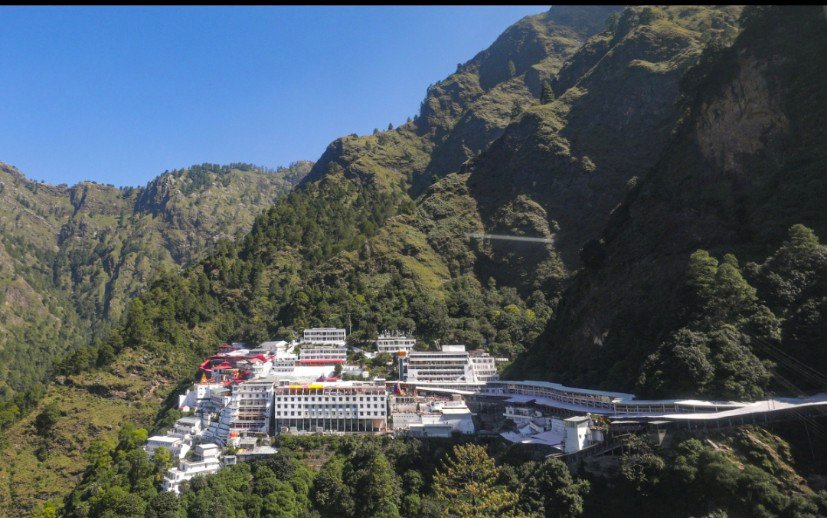
Photo 1 placement: After this section.
Filename: vaishno-devi-autumn-yatra.jpg
ALT: Vaishno Devi Yatra route in autumn
Caption: Autumn views along the Vaishno Devi pilgrimage route.
2. Winter — December to February
Winter changes the atmosphere of the Vaishno Devi pilgrimage completely.
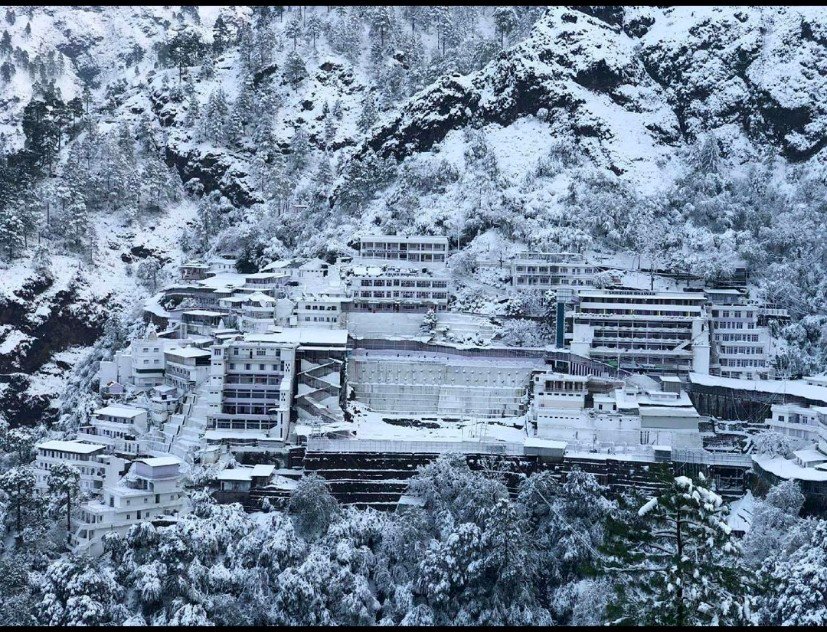
Katra can become cold, while the higher parts of the Trikuta Hills can be considerably colder. Snowfall can occur in the region during winter.
The official Shrine Board notes that December and January can experience snowfall and that the original Holy Cave remains open during winter.
Vaishno Devi in December
December is suitable for travellers who enjoy cold weather.
However, Christmas and New Year holiday periods can increase travel demand and crowd levels.
If you are travelling with elderly people or young children, prepare carefully for colder conditions.
Vaishno Devi in January
January is among the coldest periods.
Snowfall may create a beautiful winter landscape, but cold weather can make the pilgrimage more demanding.
Carry appropriate winter clothing and check official weather and route updates before travelling.
Vaishno Devi in February
February remains cold but can gradually become more comfortable as the month progresses.
Travellers who prefer a quieter winter pilgrimage may consider February, subject to current weather and crowd conditions.
Winter packing list
Carry:
Warm jacket
Thermal clothing
Woollen socks
Gloves
Cap
Comfortable walking shoes
Small backpack
Water bottle
Personal medicines
Rain protection if required
Identification documents
Avoid carrying unnecessary heavy luggage.
Photo 2 placement: After the winter section.
Filename: vaishno-devi-temple-winter.jpg
ALT: Vaishno Devi Bhawan during winter
Caption: Winter scenery around the Vaishno Devi shrine area.
3. Spring — March to April
Spring can provide comfortable conditions for outdoor travel.
Temperatures generally become more pleasant compared with winter, while summer heat has not yet reached its peak.
March and April can therefore be useful months for travellers who want to trek without extreme cold or summer heat.
However, festival dates can affect crowd levels.
Always check the official pilgrimage information before starting your journey.
4. Summer — May to June
Summer is one of the busiest periods because of school and college holidays.
The Shrine Board identifies May and June among periods that can experience significant rush.
Katra can become warm, while the trek still involves physical effort.
If you must travel during summer:
Start your trek according to current conditions.
Carry sufficient water.
Wear comfortable clothing.
Protect yourself from direct sun.
Take breaks.
Avoid unnecessary luggage.
Check crowd information.
Follow official instructions.
Summer can still be a meaningful time to visit, but travellers should plan for higher demand.
Photo 3 placement: After the summer section.
Filename: katra-vaishno-devi-yatra-summer.jpg
ALT: Pilgrims walking from Katra to Vaishno Devi in summer
Caption: Pilgrims beginning the Vaishno Devi Yatra from Katra.
5. Monsoon — July to September
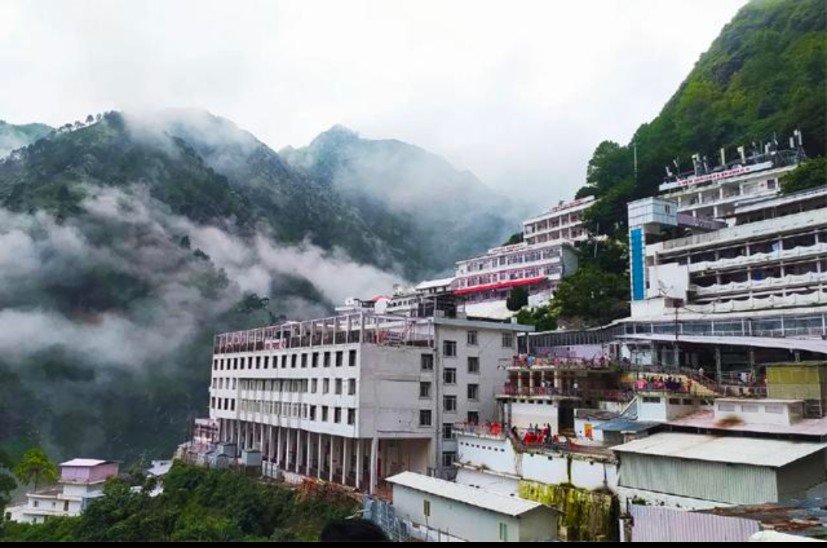
The monsoon season gives the surrounding landscape a greener appearance.
The official Shrine Board describes the monsoon period as a scenic time, with greenery and waterfalls adding to the natural surroundings.
However, rain can also make outdoor travel more complicated.
Wet tracks, slippery sections, reduced visibility and adverse weather can affect the journey.
Is monsoon safe for Vaishno Devi?
Monsoon travel requires extra caution.
Do not treat a normal weather forecast as a guarantee of safe trekking conditions. Heavy rain, cloudbursts or landslide alerts can change conditions quickly.
The Shrine Board advises pilgrims to follow official weather, track and security updates and postpone travel when authorities issue adverse-weather warnings.
Carry:
Raincoat
Waterproof bag cover
Extra socks
Quick-drying clothes
Comfortable grip shoes
Small towel
Phone protection
Necessary medicines
Photo 4 placement: Here.
Filename: vaishno-devi-monsoon-greenery.jpg
ALT: Green hills near Vaishno Devi during monsoon
Caption: Green landscapes around the Vaishno Devi pilgrimage route during the rainy season.

Best Month to Visit Vaishno Devi for Different Types of Travellers

There is no universal answer because every traveller has different priorities.
Best month for comfortable weather
October and November can be considered by travellers who prefer cooler conditions.
Best time for winter scenery
December and January are suitable for travellers who enjoy cold weather and possible snowfall.
Best time for greenery
The monsoon period can provide greener surroundings and scenic landscapes, but weather conditions should be monitored closely.
Best time for families
Families should consider comfortable temperatures and avoid periods of extreme crowding where possible.
Best time for elderly travellers
Older travellers should focus less on a particular month and more on current weather, crowd conditions, physical ability and available travel assistance.
The Shrine Board provides facilities including accommodation and assistance options, but travellers should plan according to individual needs.

Vaishno Devi During Navratri

Navratri is an important period for devotees visiting Mata Vaishno Devi.
The atmosphere can become particularly festive, but festival periods can also attract large numbers of pilgrims.
If your primary purpose is to experience Navratri celebrations, travelling during this period can be meaningful.
If your priority is a quieter pilgrimage, consider dates outside the major festival rush.
Tips for Navratri travel
Book accommodation early.
Check the official yatra status.
Allow extra time.
Avoid assuming that a normal weekday will automatically mean low crowds.
Carry minimal luggage.
Follow official announcements.
Keep your identification and booking information secure.
Photo 5 placement: Navratri section.
Filename: vaishno-devi-navratri-yatra.jpg
ALT: Vaishno Devi pilgrims during Navratri
Caption: Devotees visiting Mata Vaishno Devi during the Navratri period.

How to Reach Vaishno Devi Temple

The pilgrimage begins from Katra.
By Train
Katra is connected to the Indian railway network, making train travel a convenient option for many pilgrims.
Travellers should check the latest train schedules before departure because railway timetables can change.
By Air
Jammu is the major airport option for travellers arriving by air.
From Jammu, travellers can continue towards Katra using road or rail connections depending on availability.
By Road
Katra can be reached by road from Jammu and other cities in the region.
Bus, taxi and private vehicle options are commonly used.
Katra to Vaishno Devi
The pilgrimage route begins from Katra and continues towards the shrine.
The official Shrine Board provides facilities along the pilgrimage route and also offers options such as battery cars and helicopter services, subject to availability and applicable rules.

Vaishno Devi Yatra Registration

Yatra registration is an important step.
The official Shrine Board states that pilgrims must obtain the required yatra registration/access authorization before proceeding on the pilgrimage route.
Online registration is also available through the official Shrine Board system.
Do not depend on random agents or unofficial websites for pilgrimage services.
Always verify booking information through the official Shrine Board website.
Photo 6 placement: Registration section.
Filename: vaishno-devi-yatra-registration-katra.jpg
ALT: Vaishno Devi Yatra registration in Katra
Caption: Pilgrims completing the required registration process before beginning the yatra.

Vaishno Devi Yatra Route

The traditional journey begins at Katra and continues through the hill route towards Bhawan.
Important locations along the route include:
Banganga
Charan Paduka
Adhkuwari
Himkoti
Sanjichhat
Bhawan
Bhairon Ghati
The Shrine Board provides information about distances, elevations and facilities along the route.
The physical difficulty of the journey depends on the traveller’s fitness, weather, pace and chosen route.
Do not rush.
Take regular breaks.
Stay hydrated.
Use designated rest areas.

New and Alternative Facilities

Depending on current availability and rules, pilgrims may have access to services such as:
Battery cars
Helicopter services
Pony services
Pithoo services
Palki services
Accommodation
Food facilities
Medical assistance
Ropeway connectivity towards Bhairon Ji
Availability, operating hours, fares and booking procedures can change.
Always confirm current details through the official Shrine Board before travelling.
The Shrine Board currently lists the Bhawan–Bhairon ropeway as operational, with published operating hours subject to official updates.
Photo 7 placement: After facilities section.
Filename: vaishno-devi-bhairon-ropeway.jpg
ALT: Vaishno Devi Bhawan to Bhairon ropeway
Caption: Ropeway connection between Bhawan and Bhairon Ji area.

Where to Stay During Vaishno Devi Yatra

pilgrimage.
Katra provides hotels, guesthouses and other accommodation options.
The Shrine Board also provides accommodation facilities at selected locations.
Best strategy
If you are travelling during:
Navratri
Summer holidays
Christmas holidays
New Year
Long weekends
book accommodation well in advance.
For a quieter trip, consider travelling outside major holiday periods.
What to Wear at Vaishno Devi
Your clothing should match the season.
Summer
Wear:
Light cotton clothes
Comfortable trousers
Breathable T-shirts
Comfortable walking shoes
Cap
Monsoon
Wear:
Quick-drying clothes
Rain jacket
Waterproof footwear
Extra socks
Winter
Wear:
Thermal layer
Warm jacket
Gloves
Woollen socks
Cap
The Shrine Board recommends carrying clothing appropriate to the season because weather conditions can vary along the pilgrimage route.

What to Pack for Vaishno Devi Yatra

Keep your backpack light.
Essential items
Yatra registration/access documents
Government ID
Mobile phone
Power bank
Water bottle
Basic medicines
Comfortable shoes
Weather-appropriate clothing
Small torch
Rain protection
Personal hygiene products
Some emergency cash
Do not carry unnecessary heavy items.
The official Shrine Board specifically advises pilgrims to travel light.

Vaishno Devi Yatra Tips for First-Time Visitors

1. Check the official website
Before leaving for Katra, check the latest yatra information.
2. Check weather alerts
Weather can change quickly in the hills.
3. Avoid unofficial information
Do not rely on random social media forwards for safety or route information.
4. Keep your luggage light
A heavy backpack can make the uphill journey much harder.
5. Wear proper shoes
Comfortable walking shoes are more useful than fashionable footwear.
6. Take breaks
There is no need to rush.
7. Stay hydrated
Drink water regularly, particularly during warmer weather.
8. Protect valuables
Keep your phone, wallet and identification secure.
9. Respect the pilgrimage environment
Follow cleanliness and local instructions.
10. Follow Shrine Board announcements
Official instructions should take priority over unofficial advice.

Vaishno Devi for Senior Citizens

Senior citizens should plan the pilgrimage carefully.
Before travelling, consider:
Fitness level
Current weather
Trekking requirements
Medical needs
Rest requirements
Availability of assisted travel facilities
The Shrine Board provides facilities intended to assist pilgrims of different age groups, but every traveller should make an individual assessment of their physical ability.
Do not force an elderly traveller to complete a difficult route without appropriate preparation.
Vaishno Devi with Children
Families can visit Vaishno Devi with children, but the trek requires planning.
Carry:
Child’s identification
Comfortable clothes
Snacks as appropriate
Water
Extra clothing
Basic medicines
Weather protection
Avoid travelling during extreme weather unless necessary.
Keep children close to family members in crowded areas.

How Many Days Are Enough for Vaishno Devi?

For a straightforward pilgrimage, many travellers plan approximately 2–3 days for the overall trip, depending on their starting city.
Sample 2-day plan
Day 1: Arrive in Katra and rest.
Day 2: Complete the yatra and return according to your schedule.
Sample 3-day plan
Day 1: Arrive in Katra and explore the town.
Day 2: Complete the Vaishno Devi Yatra.
Day 3: Rest, visit nearby attractions and return.
Travellers coming from distant cities may need additional days for transportation.

One-Day Vaishno Devi Plan

A one-day pilgrimage can be physically demanding.
A basic plan could be:
Early morning
Start from Katra after completing required formalities.
Morning
Proceed towards the pilgrimage route.
Afternoon
Continue towards Bhawan depending on walking speed and crowd conditions.
Later
Complete darshan and return according to your physical condition.
Do not treat this as a fixed timetable. Actual journey duration can vary considerably.

Best Time to Visit Vaishno Devi to Avoid Crowds

Crowd conditions are dynamic.
The official Shrine Board notes that peak rush can occur during:
May
June
July
Chaitra Navratri
Sharad/Ashwin Navratri
New Year holidays
School and college holidays
Weekends can also become busy.
The Board recommends checking the pattern and number of pilgrims before planning.
If your priority is a comfortable pilgrimage, choose dates outside major festivals and holiday periods whenever possible.
Photo 8 placement: Crowd/route section.
Filename: vaishno-devi-yatra-track-pilgrims.jpg
ALT: Pilgrims walking on Vaishno Devi Yatra track
Caption: Pilgrims travelling along the route from Katra towards Bhawan.

Is October a Good Time to Visit Vaishno Devi?

October can be an attractive month because temperatures are generally more comfortable than peak summer.
However, October may coincide with Navratri.
Therefore, there are two different experiences:
Regular October dates
Potentially more comfortable for travellers who prefer cooler weather.
Navratri dates
More festive but potentially much busier.
Check the exact festival dates before booking.
Is November a Good Time to Visit Vaishno Devi?
November can be a comfortable choice for travellers who prefer cool weather.
The temperature is lower than summer, and the pilgrimage route can be pleasant for walking when weather conditions are favourable.
Pack warm clothing for early mornings and nights.
Is December a Good Time to Visit Vaishno Devi?
December is suitable for people who enjoy winter conditions.
The official Shrine Board notes that winter months can bring snowfall.
However, New Year travel can increase crowds.
Check weather and route conditions before departure.
Is January a Good Time to Visit Vaishno Devi?
January offers a genuine winter pilgrimage experience.
Snow and cold conditions can make the surroundings beautiful, but travellers should be prepared for lower temperatures.
Senior citizens, children and people sensitive to cold should take extra precautions.
Is Monsoon a Good Time to Visit Vaishno Devi?
Monsoon can be scenic because the hills become greener.
However, safety should come first.
Heavy rainfall can create difficult trekking conditions.
Never ignore official warnings about rainfall, landslides, cloudbursts or route restrictions.
If severe weather is forecast, postponing the journey is safer than taking unnecessary risks.

Food During Vaishno Devi Yatra

Pilgrims can find food and refreshments along the route and around Katra.
Keep meals light before strenuous walking.
Avoid overeating before beginning a long uphill journey.
Carry water and follow the official facilities available along the route.
Photography at Vaishno Devi
Photography rules can apply in sensitive areas.
The Shrine Board states that video cameras are not allowed on the track.
Always follow current instructions regarding photography and electronic equipment.
Do not photograph restricted areas or religious rituals when prohibited.
Respect other pilgrims.
Photo 9 placement: Photography section.
Filename: vaishno-devi-katra-travel-photography.jpg
ALT: Vaishno Devi pilgrimage landscape near Katra
Caption: Scenic surroundings near the Vaishno Devi pilgrimage route.

Safety Tips for Vaishno Devi Yatra 2026

Safety should always come before completing a planned itinerary.
Follow these rules
Check official announcements.
Monitor weather conditions.
Avoid the yatra during severe weather alerts.
Stay on designated routes.
Follow security instructions.
Do not enter restricted areas.
Keep emergency contacts saved.
Do not trek alone in low visibility.
Stay hydrated.
Take rest when required.
Keep children and elderly family members close.
Avoid carrying prohibited items.
The Shrine Board specifically advises pilgrims to postpone or reschedule travel during adverse weather conditions and to follow official instructions.

Important Official Contacts

Before travelling, save the official Shrine Board contact information.
The Shrine Board currently publishes a 24-hour general helpline and other contact numbers for pilgrimage-related assistance.
For the latest numbers, always verify them on the official website because contact information and services can change.
Official website:
Shri Mata Vaishno Devi Shrine Board — maavaishnodevi.org
Do not use unofficial agents for Shrine Board bookings.
Vaishno Devi Travel Budget
Your total budget depends heavily on your starting city, hotel category, transportation and services used during the pilgrimage.
Budget categories
Transportation to Katra
Hotel
Food
Local transport
Yatra-related services
Personal shopping
Emergency expenses
Budget traveller
Choose train travel, budget accommodation and simple meals.
Mid-range traveller
Choose a comfortable hotel in Katra and convenient transportation.
Premium traveller
Choose higher-category accommodation and available premium transportation services.
Always verify current prices before publishing exact fares because rates can change.

Best Time to Visit Vaishno Devi: Final Recommendation

If your main goal is comfortable weather and trekking, consider the cooler periods around October and November, while checking festival dates.
If you want snow and winter scenery, December and January can provide a different experience.
If you enjoy green landscapes, the monsoon can be attractive, but you must monitor rainfall and official safety advisories.
If you want to experience Navratri, plan around the festival but be prepared for potentially heavy crowds.
The most important rule is simple: do not choose a date only because an internet article calls it the “best month.” Check current weather, yatra status, crowd information and official Shrine Board announcements immediately before travelling.

Frequently Asked Questions About Vaishno Devi

What is the best time to visit Vaishno Devi Temple?
October and November can be considered by travellers looking for cooler and more comfortable trekking conditions. However, the best month depends on weather, festival dates and crowd levels.
Is Vaishno Devi open throughout the year?
Yes. The official Shrine Board states that the yatra is open throughout the year.
Which month is best for Vaishno Devi?
There is no single best month for everyone. October and November can be suitable for comfortable weather, while winter and monsoon offer different experiences.
Is October crowded at Vaishno Devi?
It can be crowded, especially if your visit coincides with Navratri or other holidays.
Is November good for Vaishno Devi?
November can be a comfortable month for pilgrims who prefer cooler weather.
Can I visit Vaishno Devi in winter?
Yes. The Shrine Board states that the shrine remains open during winter and snowfall can occur.
Can I visit Vaishno Devi during monsoon?
Yes, but weather conditions should be checked carefully. Heavy rain can make hill travel more difficult.
How far is Vaishno Devi from Katra?
The pilgrimage begins from Katra and proceeds towards Bhawan through the hill route. Distances can vary depending on the route and destination point.
Is Vaishno Devi suitable for senior citizens?
Senior citizens can visit, but they should consider their physical condition and use appropriate assistance facilities when required.
What should I wear at Vaishno Devi?
Wear comfortable walking clothes and shoes. In winter, carry heavy warm clothing. During monsoon, carry rain protection.
Is registration required for Vaishno Devi Yatra?
Pilgrims are required to complete the applicable yatra registration process and obtain the required authorization before proceeding.
Can I book Vaishno Devi services online?
Several Shrine Board services can be booked online through the official system, subject to availability.
Is Vaishno Devi safe during heavy rain?
Heavy rainfall can create safety risks in hilly areas. Follow official warnings and postpone travel if authorities advise against the journey.
How many days are enough for Vaishno Devi?
A 2–3 day trip can work for many travellers, but your required time depends on your starting city and travel arrangements.
What is the best time to avoid crowds at Vaishno Devi?
Avoid major festivals, school holidays, New Year periods and busy weekends where possible. Check current crowd information before travelling.

Complete Month-Wise Vaishno Devi Calendar

January
Cold and possible snowfall. Carry heavy winter clothing.
February
Cold but gradually becoming more comfortable.
March
Pleasant spring conditions with possible festival-related crowds.
April
Comfortable to warm conditions; check festival dates.
May
Warm and potentially busy because of holidays.
June
Warm and often busy.
July
Monsoon conditions. Check rainfall and official alerts.
August
Green surroundings but continued monsoon considerations.
September
Transition period with potentially pleasant conditions.
October
Comfortable weather, but Navratri can bring major crowds.
November
Cooler conditions and often suitable for trekking.
December
Cold winter conditions with possible snowfall and holiday crowds.

What Makes a Vaishno Devi Trip Special?

The Vaishno Devi pilgrimage is not simply a sightseeing journey.
For devotees, it is a spiritual journey through the Trikuta Hills towards the Holy Cave.
The combination of mountain scenery, physical trekking and religious significance creates a distinctive travel experience.
Whether you travel during winter snow, autumn weather or the green monsoon period, preparation is important.
A well-planned trip allows you to focus on the pilgrimage rather than worrying about basic travel arrangements.

Conclusion

The best time to visit Vaishno Devi Temple depends on what kind of pilgrimage experience you want.
For comfortable weather, October and November can be useful choices, although festival dates must be considered. Winter brings colder conditions and the possibility of snow, while monsoon creates greener scenery but requires greater attention to weather conditions.
Summer and major festival periods can attract large crowds, so travellers looking for a quieter pilgrimage should plan outside peak periods whenever possible.
Most importantly, check the official Shri Mata Vaishno Devi Shrine Board website before travelling. Weather, crowd levels, registration requirements, service availability and safety instructions can change.
With the right season, comfortable clothing, light luggage, proper registration and realistic planning, your 2026 Vaishno Devi Yatra can be much more comfortable and memorable.

Comments

Leave a Reply

Your email address will not be published. Required fields are marked *