Best Time to Visit Mumbai 2026: Weather, Places & Tips
best time to visit Mumbai
best-time-to-visit-mumbai
Discover the best time to visit Mumbai in 2026. Explore monthly weather, top attractions, local food, travel costs, festivals, and practical travel tips.
Best Time to Visit Mumbai in 2026
The best time to visit Mumbai is generally from October to February, when the weather is usually more comfortable for sightseeing, exploring heritage buildings, enjoying coastal walks, and discovering the city’s famous street food. Maharashtra Tourism also recommends this period for sightseeing.
Mumbai is a city that can be visited throughout the year. The ideal month depends on your budget, weather preference, sightseeing plans, and whether you want to experience the monsoon or major festivals.
Best months to visit Mumbai
Month Weather and experience Recommendation
January Comfortable sightseeing and coastal walks Excellent
February Pleasant for heritage tours and food exploration Excellent
March Warmer days and humid afternoons Good with planning
April Hot and humid weather Better for indoor attractions
May Heat, humidity and pre-monsoon showers Less comfortable
June Monsoon begins, with rain and travel disruptions possible For rain lovers
July Heavy rain and dramatic coastal scenery Plan carefully
August Green surroundings and rainy weather For monsoon lovers
September Rainfall may continue, with changing conditions Flexible trips
October Transition out of the monsoon Very good
November Generally favourable for sightseeing Excellent
December Festive atmosphere and outdoor activities Excellent
These are general seasonal patterns, not a forecast for specific dates. Check current weather alerts before travelling.
Mumbai Weather by Season
October can still be humid, and occasional rain is possible. November, December, January, and February are generally stronger choices for a sightseeing-focused holiday.
Best activities during winter:
Explore the Gateway of India.
Enjoy an evening at Marine Drive.
Visit Elephanta Caves.
Discover Mumbai’s historic architecture.
Try local street food and Maharashtrian cuisine.
Visit temples, museums, markets, and art galleries.
Summer in Mumbai: March to May
Mumbai’s summer is hot and humid. Walking for long periods during the afternoon can be tiring, especially if you are travelling with children or older family members.
You can still enjoy the city by planning outdoor activities for the morning and evening and reserving the afternoon for museums, shopping centres, cafés, or your hotel.
Summer travel tips:
Carry drinking water and sun protection.
Wear lightweight, breathable clothing.
Book accommodation with reliable air conditioning if needed.
Avoid strenuous sightseeing during the hottest hours.
Check local weather forecasts before outdoor activities.
Monsoon in Mumbai: June to September
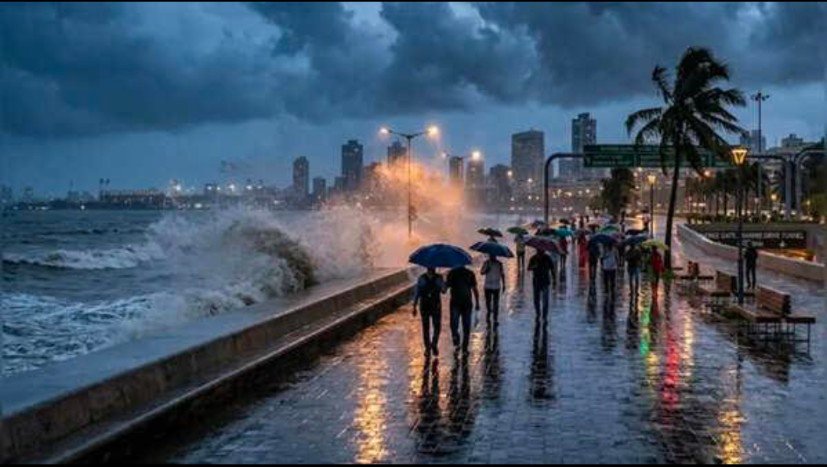
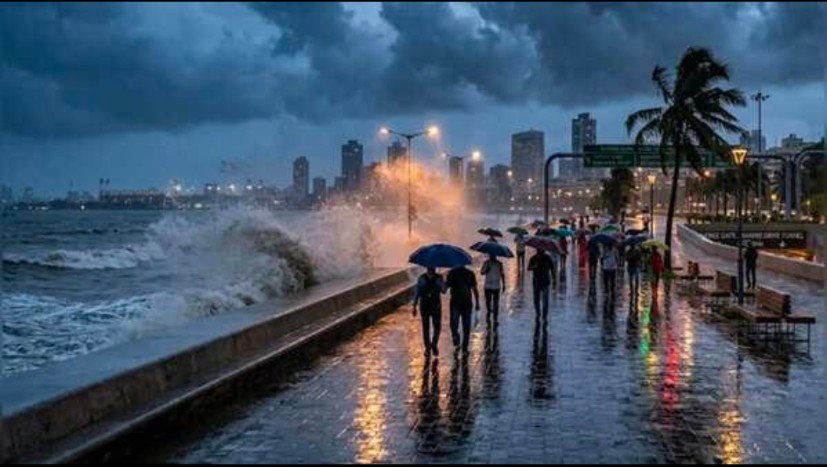
Mumbai’s monsoon brings heavy rain, cloudy skies, dramatic sea views, and greener surroundings. It can be an atmospheric time to experience the city, but rainfall can also disrupt transport and outdoor sightseeing.
Monsoon travel is best suited to visitors who are comfortable with flexible plans. Avoid entering the sea, standing on slippery rocks, or visiting exposed coastal areas during rough weather.
Who should visit during the monsoon?
Travellers who enjoy rainy weather.
Photography enthusiasts who want dramatic skies.
Visitors looking for a different atmosphere from peak sightseeing season.
People planning indoor museums, cafés, shopping, and food experiences.
Do not assume that every monsoon day will be scenic or safe. Follow official weather warnings and local instructions.
Top Places to Visit in Mumbai
Mumbai combines coastal scenery, heritage architecture, religious sites, museums, markets, and modern entertainment. The following attractions are useful starting points for a first-time visitor.
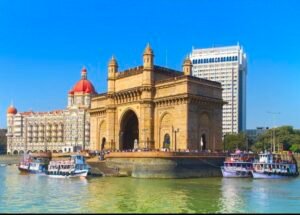
1. Gateway of India
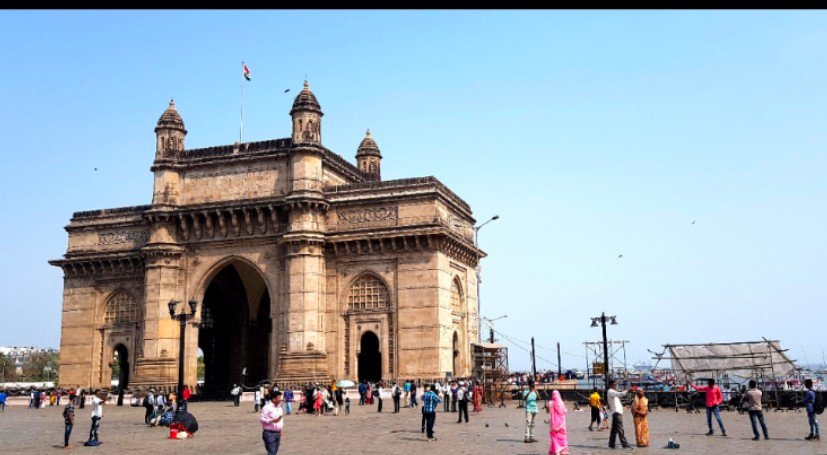
The Gateway of India is one of Mumbai’s best-known landmarks. Completed in 1924, this monumental arch stands beside the Arabian Sea and offers a classic introduction to the city’s historic waterfront.
Visitors can admire the architecture, photograph the monument, watch the harbour, and explore the surrounding Colaba area. Boat trips to nearby destinations may be available, depending on weather, operating schedules, and official restrictions.
Travel tips:
Visit early to avoid some of the crowds.
Allow extra time during weekends and holidays.
Check boat departure times separately if planning a harbour trip.
Keep valuables secure in busy public areas.
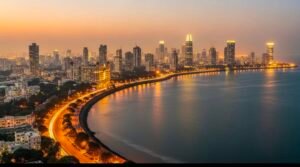
2. Marine Drive
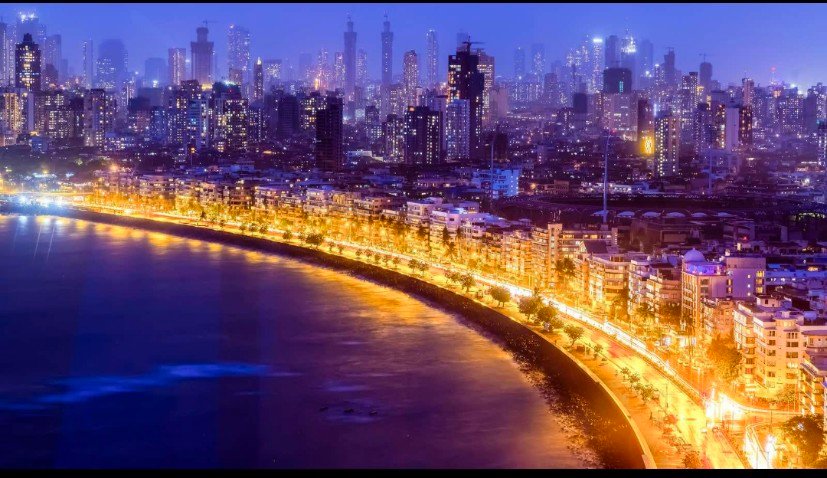
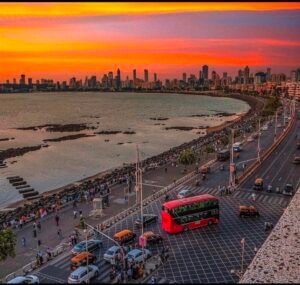
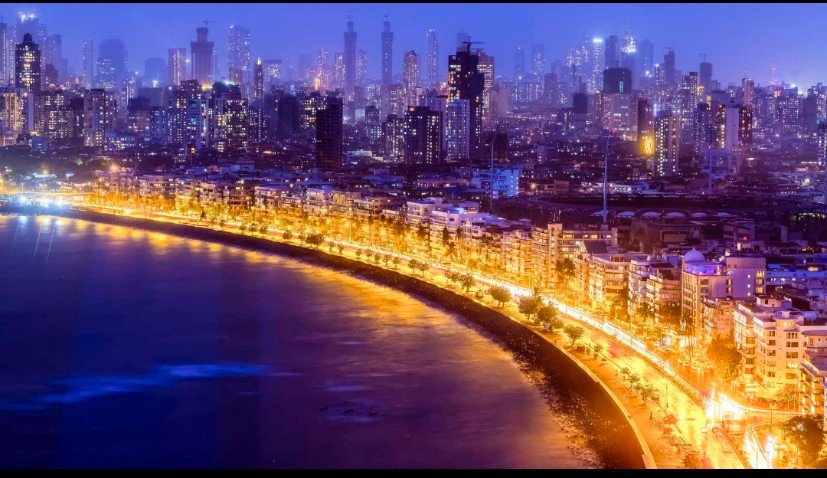
Marine Drive is a celebrated coastal boulevard known for its sweeping curve along the Arabian Sea. After dark, the line of streetlights has inspired the nickname “Queen’s Necklace.”
It is an excellent place for a relaxed walk, city photography, watching the sunset, and experiencing Mumbai’s lively evening atmosphere.
Visit in the late afternoon or early evening when the weather is more comfortable. Stay on designated public walkways and follow local safety instructions when waves are high.
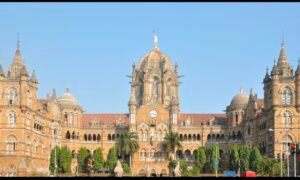
3. Chhatrapati Shivaji Maharaj Terminus
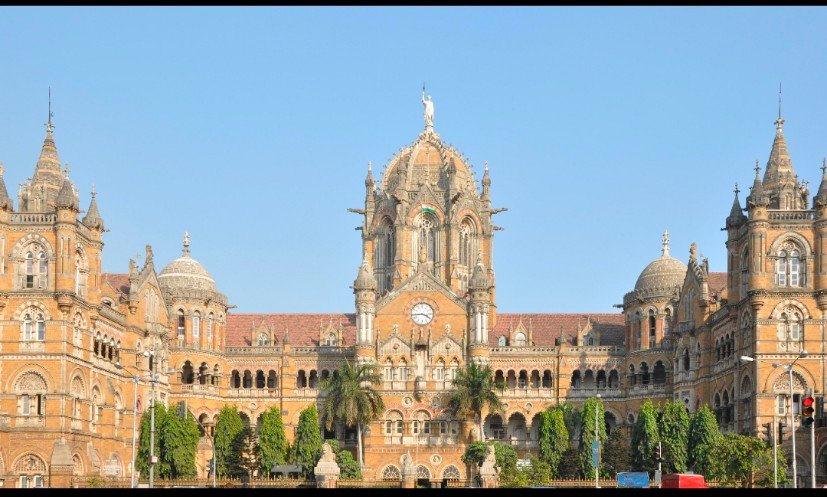
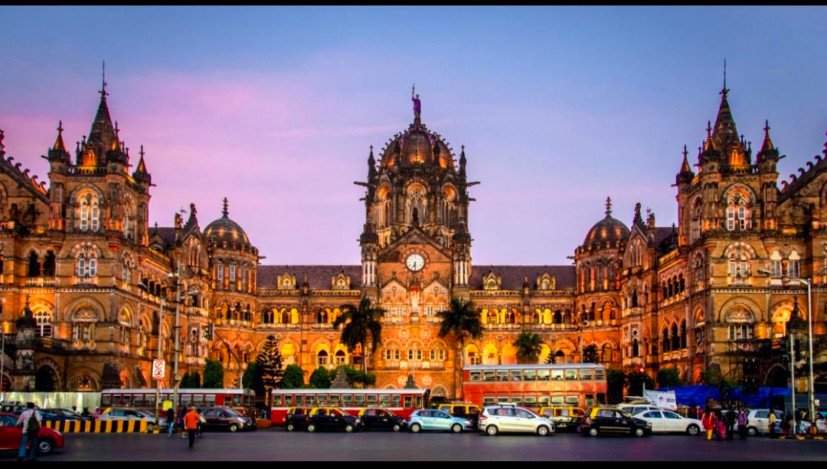
Chhatrapati Shivaji Maharaj Terminus, often called CSMT, is an extraordinary example of historic railway architecture. Its ornate stonework, domes, arches, and elaborate façade make it a highlight for architecture enthusiasts.
The station is also an active transport hub, so visitors should respect railway rules and avoid entering restricted areas for photographs.
Combine a visit with other nearby heritage buildings in South Mumbai for an efficient walking and sightseeing itinerary.
4. Elephanta Caves
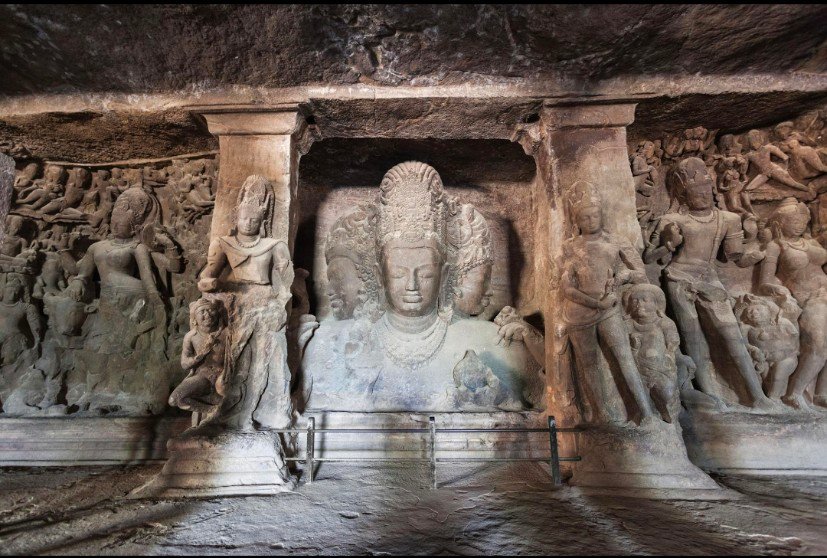
Elephanta Caves are a major heritage attraction on Elephanta Island in Mumbai Harbour. The rock-cut cave complex is especially known for its remarkable sculptures associated with Hindu traditions, including the famous three-faced Shiva sculpture.
Reaching the island generally involves a ferry from the Gateway of India area. Boat operations may be affected by sea conditions, maintenance, and official restrictions.
Plan several hours for the excursion, wear comfortable footwear, carry water, and confirm the latest ferry and site timings before departure.
5. Siddhivinayak Temple
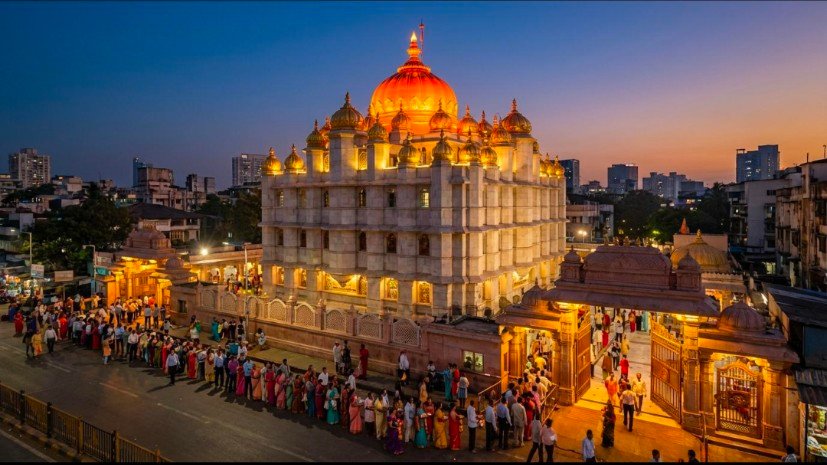
Dedicated to Lord Ganesha, Siddhivinayak Temple is one of Mumbai’s prominent religious destinations. It attracts worshippers throughout the year, particularly on important religious days.
Visitors should check current darshan timings, security arrangements, photography rules, and special-day crowd advisories before visiting.
Dress respectfully and allow additional time during festivals and busy periods.
Juhu Beach
Juhu Beach is a popular place to experience Mumbai’s everyday coastal life. Visitors come for evening walks, sunsets, local snacks, and the lively atmosphere.
The beach can be crowded, especially on weekends and holidays. Water quality and sea conditions can vary, so avoid swimming unless authorities explicitly permit it.
8. Bandra-Worli Sea Link
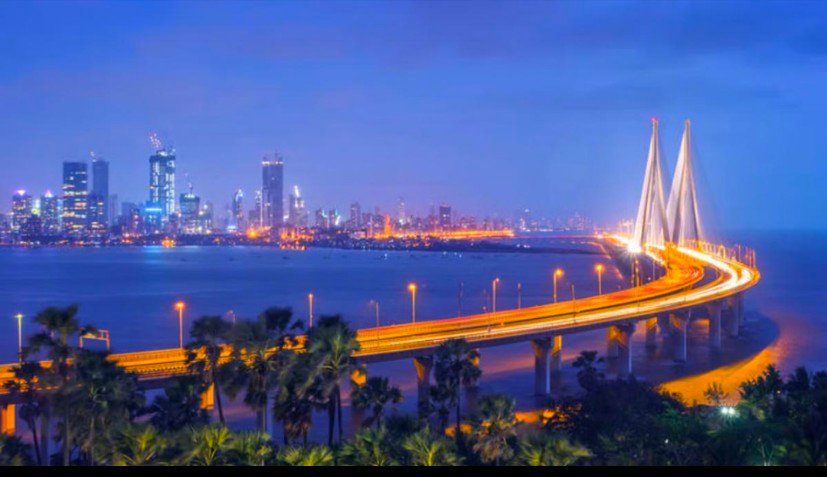
The Bandra-Worli Sea Link is an impressive modern bridge connecting parts of Mumbai across the sea. It is a memorable feature of the city’s skyline.
For a visitor, the best way to appreciate the bridge is from a permitted viewpoint or suitable nearby waterfront location. Do not stop on the bridge or attempt to photograph it from prohibited areas.
9. Colaba Causeway
Colaba Causeway is a lively shopping district known for street stalls, accessories, clothing, souvenirs, and cafés.
Bargaining may be possible at some stalls, but compare prices before buying. Check the quality of products, keep your phone and wallet secure, and allow time to explore the neighbouring historic streets.
10. Chhatrapati Shivaji Maharaj Vastu Sangrahalaya
This museum is a strong choice for travellers interested in history, art, archaeology, and cultural heritage. It provides a useful indoor activity during hot afternoons or rainy weather.
Confirm opening hours, ticket details, photography policies, and current exhibitions before visiting.
Things to Do in Mumbai
- Choose an evening with suitable weather, take a relaxed coastal walk, and enjoy the city lights after sunset. Keep time available for traffic when returning to your hotel.
Explore Mumbai’s street food
Try local favourites such as vada pav, pav bhaji, bhel puri, sev puri, and misal pav at reputable establishments.
Choose vendors with good hygiene practices, freshly prepared food, and safe drinking water. Travellers with sensitive stomachs should be particularly cautious with raw garnishes, ice, and uncovered food.
Discover Bollywood
Mumbai is closely associated with India’s Hindi-language film industry. Depending on availability, visitors may be able to book an organised studio visit or a guided film-related experience.
Confirm what the tour actually includes. Studio access, filming schedules, and opportunities to see celebrities are never guaranteed.
Explore heritage architecture
Walk around appropriate public routes in South Mumbai to see historic buildings, decorative façades, and distinctive architectural styles.
A guided walking tour can help explain the history behind the buildings. Respect private property, traffic rules, and photography restrictions.
Experience local markets
Mumbai’s markets provide opportunities to shop for clothes, accessories, books, gifts, and local products. Compare prices and use secure payment methods.
Visit museums and galleries
Museums and galleries offer a comfortable way to explore the city’s cultural history, particularly during summer afternoons and rainy periods.
Experience Ganesh Chaturthi
Ganesh Chaturthi is an important festival in Mumbai, featuring devotional activities, community celebrations, and elaborate Ganesh idols.
Festival dates vary each year. If visiting during the festival, expect crowds, traffic diversions, accommodation demand, and changing access arrangements. Check official notices before planning your route.
Mumbai Travel Guide: Month-by-Month Advice
These are excellent months for a first visit. Plan heritage sightseeing, waterfront walks, markets, temples, and an excursion to Elephanta Caves if ferry services are operating.
Book popular accommodation early for weekends and major events.
March and April
Temperatures and humidity can make long outdoor itineraries uncomfortable. Start early, take breaks, and use indoor attractions during the afternoon.
May
May is often hot and humid, with possible pre-monsoon showers. Flexible plans and accommodation with suitable cooling facilities can make the trip more comfortable.
June, July and August
These months are associated with the southwest monsoon. Keep spare time in your schedule, carry waterproof protection, and monitor official weather alerts.
Avoid planning a tight itinerary around ferries, exposed coastal locations, or other weather-sensitive activities.
September
Rainfall patterns vary. Conditions may improve as the month progresses, but heavy showers can still occur. Check the forecast close to your travel dates.
October
October is a useful transition month. It can be a good time for sightseeing, although humidity and occasional rain may continue.
November and December
These months are generally well suited to city exploration, outdoor dining, heritage walks, and evening coastal activities.
December may bring higher demand around holidays and New Year celebrations, so compare accommodation prices in advance.
How Many Days Are Enough for Mumbai?
For most first-time visitors, three days provide a reasonable introduction to Mumbai. Four or five days allow a slower pace and more time for museums, neighbourhoods, shopping, and additional excursions.
One-day Mumbai itinerary
Morning: Gateway of India and the Colaba area.
Late morning: Explore nearby heritage architecture.
Afternoon: Visit a museum, subject to opening hours.
Evening: Marine Drive and local food.
Two-day Mumbai itinerary
Day 1: Gateway of India, Colaba Causeway, heritage architecture, museum visit, and Marine Drive.
Day 2: Siddhivinayak Temple, Haji Ali Dargah, Bandra area, and an evening at Juhu Beach, depending on opening hours, traffic, and access conditions.
Three-day Mumbai itinerary
Day 1: Explore South Mumbai’s historic landmarks and waterfront.
Day 2: Visit Elephanta Caves if boat services and weather permit, then enjoy a relaxed evening.
Day 3: Explore a religious site, museum, local market, and selected Bandra or Juhu attractions.
Avoid trying to visit every attraction in one day. Mumbai traffic and travel distances can make an overloaded schedule stressful.
How to Reach Mumbai
- Mumbai is a major transport hub, with air, rail, and road connections to cities across India and international destinations.
By air
Chhatrapati Shivaji Maharaj International Airport serves Mumbai. After landing, you can continue by authorised taxi, app-based cab where available, or other suitable local transport.
Check your terminal, baggage arrangements, and transfer time before booking onward transport.
By train
Mumbai is connected to many parts of India by rail. Depending on your booking, you may arrive at a major terminal such as CSMT, Mumbai Central, or another Mumbai-area station.
Check the exact arrival station on your ticket. Different stations can be far apart, and transfer time matters.
By road
Buses, private cars, and taxis connect Mumbai with other destinations in Maharashtra and neighbouring states.
Road journey times can vary considerably due to congestion, rain, roadworks, and departure location. Keep extra time for airport and railway transfers.
Getting around Mumbai
Mumbai’s local trains and metro services can be useful for avoiding road traffic on suitable routes. Buses, taxis, auto-rickshaws in permitted areas, and walking can also help.
Before travelling, check current service routes, ticketing rules, operating hours, and any disruptions.
Mumbai Trip Budget for 2026
- The cost of a Mumbai trip depends on your travel dates, accommodation standard, food choices, transport, and activities. The following figures are illustrative planning estimates, not live prices or quotations.
Expense Budget estimate per person
Budget accommodation per night ₹800–₹2,000
Mid-range accommodation per night ₹2,500–₹6,000
Food per day ₹400–₹1,200
Local transport per day ₹150–₹600
Paid attractions and activities ₹200–₹1,500+
Extra spending allowance per day ₹200–₹700
Actual prices can fall outside these ranges, especially during major events and holidays.
Estimated three-day trip cost
For one person, a basic three-day trip might cost around ₹5,000–₹10,000 excluding long-distance travel, while a more comfortable mid-range trip may cost ₹10,000–₹22,000 or more.
Travelling with another person and sharing a room may reduce the accommodation cost per person. Flights, premium hotels, shopping, and private tours can increase the total substantially.
How to save money in Mumbai
Book accommodation close to transport that suits your itinerary.
Compare prices before confirming a hotel.
Use public transport on convenient routes.
Eat at hygienic local restaurants rather than choosing expensive venues for every meal.
Group nearby attractions together.
Check whether attractions require advance booking.
Avoid making last-minute bookings during major festivals where possible.
Where to Stay in Mumbai
Choosing the right neighbourhood can save time and reduce transport expenses.
South Mumbai: Consider this area if your main interests are Gateway of India, Colaba, historic architecture, and museums. Accommodation can be relatively expensive.
Bandra: Useful for exploring western Mumbai, cafés, shopping, and selected coastal areas. Check the distance to your planned attractions.
Andheri: May suit travellers who need access to transport connections, business districts, or the airport area. Compare the actual distance and journey time.
Near a suitable railway or metro station: This can be practical if you plan to travel across the city each day. Check the specific station, neighbourhood, and late-night transport options before booking.
Before paying, read recent guest reviews, confirm cancellation terms, and verify the property’s location.
What to Eat in Mumbai
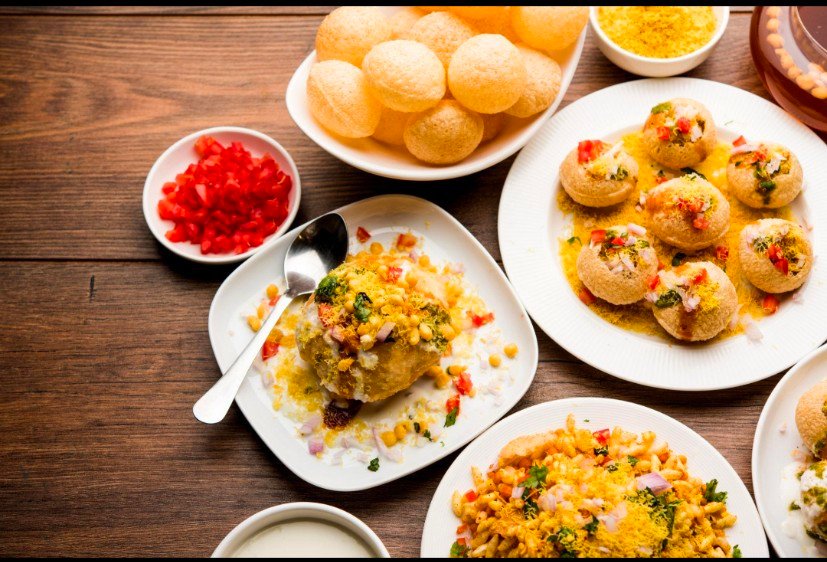
Mumbai’s food culture reflects Maharashtrian traditions and influences from many communities.
Vada pav: A spiced potato fritter served in a bread roll.
Pav bhaji: A buttery bread-and-vegetable dish popular across the city.
Bhel puri: A crunchy snack made with puffed rice, chutneys, and other ingredients.
Sev puri: A tangy snack topped with chutneys and crunchy sev.
Misal pav: A spicy sprouted-bean curry served with bread.
Bombay sandwich: A popular vegetable sandwich, with many local variations.
Maharashtrian thali: A meal offering several regional dishes.
Seafood: Coastal restaurants serve different fish and seafood preparations.
Food availability and preparation vary by vendor. If you have dietary restrictions, ask about ingredients and cooking methods before ordering
What to Pack for Mumbai
- Your packing list should reflect the season.
For October to February:
Lightweight clothes.
Comfortable walking shoes.
Sunscreen and sunglasses.
A reusable water bottle.
A light layer for air-conditioned indoor spaces.
For March to May:
Breathable clothing.
Sun protection.
Water bottle.
Comfortable footwear.
Personal medicines and basic travel essentials.
For June to September:
Umbrella or reliable raincoat.
Water-resistant bag.
Quick-drying clothes.
Shoes with good grip.
Waterproof protection for your phone and documents.
Carry identification, hotel details, emergency contacts, and booking confirmations. Keep copies of important travel information in a secure location.
Essential Safety Tips for Mumbai
Mumbai is a large, busy city, so sensible urban travel precautions are important.
Keep your phone, wallet, and valuables secure in crowded areas.
Use authorised transport and confirm the destination before departing.
Avoid isolated coastal areas late at night.
Follow lifeguard instructions and official beach warnings.
Never enter rough seas during monsoon conditions.
Check weather alerts and traffic diversions.
Keep some extra time for travel between attractions.
Respect religious customs and restrictions at places of worship.
Buy ferry tickets from authorised sources and confirm return arrangements.
Keep emergency contact details accessible.
For emergencies in India, the national emergency response number is 112.
Best Time to Visit Mumbai for Different Travellers
Type of traveller Suggested period
First-time visitor November to February
Heritage and architecture enthusiast November to February
Street-food explorer October to February, with year-round options
Budget-conscious visitor Compare dates outside major holidays
Monsoon photography enthusiast June to September, with safety precautions
Family holiday November to February
Indoor museum and shopping trip Possible throughout the year
Ganesh Chaturthi experience Visit during the festival dates announced for the year
The best choice is the season that matches your priorities rather than simply choosing the most popular month.
Frequently Asked Questions (FAQs)
- Yes, if you enjoy rainy weather and can keep your itinerary flexible. Heavy rain can disrupt transport and outdoor activities, so follow official warnings.
How many days are enough to explore Mumbai?
Three days is a useful starting point. Four or five days allow more time for museums, markets, neighbourhoods, and excursions.
Is Mumbai suitable for a family trip?
Yes. Families can explore museums, historic landmarks, markets, and coastal promenades. Plan rest breaks and check access conditions for each attraction.
What are the most famous places in Mumbai?
Popular attractions include Gateway of India, Marine Drive, Elephanta Caves, CSMT, Siddhivinayak Temple, Haji Ali Dargah, and Juhu Beach.
Is Mumbai very hot in December?
December is generally more comfortable than the summer months, although warm and humid conditions can still occur.
Can I visit Mumbai in one day?
Yes, but focus on a small number of nearby attractions. Trying to cover the entire city in one day can lead to excessive travel time.
Is Mumbai expensive for tourists?
Mumbai offers a range of budgets. Public transport and local food can help reduce costs, while premium accommodation and private activities can increase spending.
Do I need to book attractions in advance?
It depends on the attraction, travel date, and activity. Check official ticketing information, especially for ferry trips, guided tours, and popular events.
Conclusion
Mumbai is a destination where historic architecture, coastal scenery, religious landmarks, vibrant markets, and memorable food come together. For most travellers, October to February is the most convenient period for sightseeing, while the monsoon offers a different experience for visitors who enjoy rain and can adapt their plans.
For a successful trip, choose your travel dates carefully, allow enough time between attractions, prepare for Mumbai’s weather, and check current transport and site information before departure.
Whether you have one day or five days, a thoughtful itinerary can help you discover the many sides of Mumbai.
Plan your Mumbai trip in 2026, explore the city’s famous attractions, and experience the energy of Maharashtra’s capital.
Leave a Reply