Best Time to Visit Jaisalmer in 2026: Weather, Places & Travel Tips
best time to visit Jaisalmer
best-time-to-visit-jaisalmer-2026
https://rahulblogwl.com/best-time-to-visit-jaisalmer-2026/
Discover the best time to visit Jaisalmer in 2026. Explore Golden Fort, Sam Sand Dunes, desert safaris, winter weather, travel budgets and a complete itinerary.
Best Time to Visit Jaisalmer in 2026
The best time to visit Jaisalmer, Rajasthan, is generally October to March, when cooler weather makes sightseeing, exploring historic streets and enjoying desert safaris more comfortable. November and February are particularly attractive for travellers who want to experience the Golden City without the extreme heat of summer. Rajasthan Tourism also identifies winter as the most comfortable season for exploring the state.
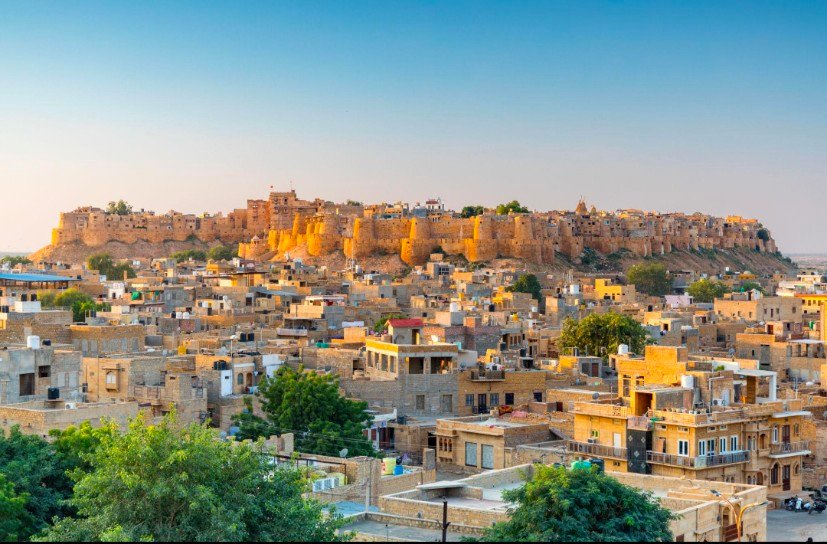
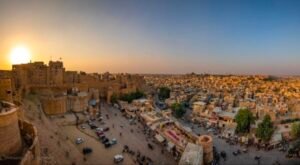
Jaisalmer is famous for its golden sandstone architecture, magnificent fort, intricately carved havelis, desert landscapes, colourful markets and traditional Rajasthani culture. Located in western Rajasthan near the Thar Desert, the city offers a distinctive combination of history, architecture, adventure and desert hospitality.
However, choosing the right month depends on your priorities. You may prefer pleasant sightseeing weather, a quiet budget trip, a camel safari, photography opportunities or a cultural festival. This guide explains the seasons, month-by-month conditions, best attractions, transport, accommodation, estimated budgets and practical travel tips for planning your 2026 visit.
Quick Facts About Jaisalmer
Destination: Jaisalmer, Rajasthan, India
Nickname: The Golden City
Best season: October to March
Best overall months: November and February
Ideal trip length: 2–4 days
Famous for: Golden Fort, havelis, Sam Sand Dunes, camel safaris and desert camps
Suggested trip style: Heritage sightseeing, desert adventures, photography, cultural experiences and local food.
Month-by-Month Guide: When Should You Visit Jaisalmer?
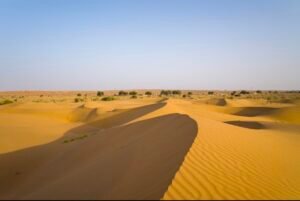
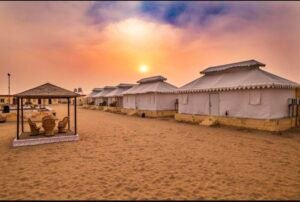
January: Pleasant Days and Cold Desert Nights
January is one of the most popular months for visiting Jaisalmer. Daytime sightseeing is often comfortable, making it a good time to explore the fort, walk through historic neighbourhoods and take a desert excursion.
Winter nights can become very cold, particularly at desert camps. Pack warm clothes, a jacket, socks and comfortable walking shoes.
January is suitable for:
Exploring Jaisalmer Fort and Patwon Ki Haveli.
Watching the sunset at Sam Sand Dunes.
Spending a night at a desert camp.
Enjoying traditional music, dance and Rajasthani cuisine.
Best for: Families, couples, photographers and first-time visitors.
February: An Excellent Month for Culture and Desert Adventures
February offers a good combination of sightseeing weather and cultural experiences. It is also traditionally associated with Jaisalmer’s Desert Festival, which features folk music, dance, camel-related events, local crafts and traditional competitions.
The 2026 Desert Festival was listed for 29 January to 1 February 2026 by India’s Ministry of Tourism. That event has passed, so check official announcements for future festival dates before planning a trip around it.
February is ideal for visitors who want to combine heritage sightseeing with desert experiences.
March: Warm Days and a Quieter End to Winter
March can be a good month for travellers who want to avoid some of the peak winter crowds. Temperatures gradually rise, so plan outdoor sightseeing for early morning and late afternoon.
You can still enjoy the fort, havelis, local shopping and desert trips, but carry water and sun protection.
Best for: Flexible travellers, culture lovers and visitors planning a longer Rajasthan itinerary.
April: Increasing Heat
April marks the beginning of the hotter period. Walking through exposed streets or visiting open desert areas in the afternoon can become uncomfortable.
If you visit during April, start sightseeing early, take breaks indoors during the hottest hours and arrange desert activities for cooler times of day.
Best for: Travellers with flexible schedules who can manage hot weather.
May: Very Hot Desert Conditions
May is generally not the best month for a conventional Jaisalmer holiday because daytime heat can be intense. Long walks, open-air sightseeing and afternoon camel rides may be difficult.
If May is your only available travel month, prioritise air-conditioned accommodation, early starts, hydration and a shorter sightseeing schedule.
June: Extreme Heat Risk
June can bring very hot conditions to the Thar Desert. Outdoor activities require careful planning, and some travellers may prefer postponing their trip until the weather improves.
Avoid strenuous midday activities, never underestimate the desert sun and follow local weather advisories.
July: Monsoon Season Begins
Jaisalmer is in an arid region, so its monsoon experience differs from that of many greener Indian destinations. Rainfall is generally limited compared with wetter parts of India, but local weather can vary.
July may appeal to travellers looking for a quieter visit, although heat and humidity can still affect comfort.
August: A Different Desert Experience
August may offer occasional rain and changes in the desert landscape. However, it is not the most reliable month for visitors whose main goal is comfortable desert camping.
Check the weather and confirm road and activity conditions with local operators before booking.
Keep your itinerary flexible and check the forecast before travelling.
October: The Tourist Season Returns
October is a strong choice for the beginning of the Jaisalmer travel season. The weather generally becomes more suitable for sightseeing as the region moves away from summer heat.
Early October can still be hot. For greater comfort, consider the second half of the month, while checking the actual forecast before departure.
October is especially suitable for walking tours, architectural photography, evening markets and desert excursions.
November: One of the Best Months Overall
November is an excellent month for many first-time visitors. It typically offers a useful balance of daytime sightseeing conditions and cooler evenings.
Popular activities include visiting the Golden Fort, discovering carved havelis, watching desert sunsets and spending an evening at a desert camp.
Book accommodation and popular camps in advance if travelling during a busy weekend or holiday period.
December: Festive Atmosphere and Cold Nights
December is a popular month for winter holidays, family trips and couples seeking a desert experience. Days are often pleasant, while nights can be surprisingly cold.
Christmas and New Year can bring greater demand for accommodation and desert camps. Compare inclusions carefully before booking: a low advertised price may not cover transfers, meals, cultural programmes or safari activities.
Best for: Holiday travellers who plan ahead and bring suitable winter clothing.
Best Month at a Glance
Month Travel suitability Main consideration
January Excellent Cold nights
February Excellent Check festival dates
March Very good Increasing daytime heat
April Fair Hot afternoons
May Challenging Intense heat
June Challenging Extreme heat risk
July Variable Heat and weather
August Variable Check local conditions
September Improving Early month may be warm
October Very good Early October can be hot
November Excellent Popular travel period
December Excellent Cold nights and higher demand
These are general seasonal recommendations, not a daily forecast. Actual conditions vary from year to year. The official Incredible India page for Sam Sand Dunes also illustrates the large seasonal temperature range in the region.
Why Visit Jaisalmer in Winter?
Winter makes Jaisalmer particularly rewarding because many of its best experiences take place outdoors.
First, cooler daytime conditions generally make it easier to explore historic architecture. You can spend time admiring carved balconies, sandstone façades, narrow streets and traditional markets without planning every activity around extreme heat.
Second, the desert becomes more appealing for sunrise and sunset excursions. Golden light falling over the sand creates excellent opportunities for landscape photography.
Third, winter is associated with cultural events and seasonal travel activity across Rajasthan. Visitors may find folk performances and special programmes at selected desert camps, although schedules differ by operator and date.
Finally, cooler weather makes it easier to combine several attractions in one day. A well-planned itinerary can include the fort, havelis, a local lunch, a sunset viewpoint and an evening cultural programme.
Top Places to Visit in Jaisalmer in 2026
1. Jaisalmer Fort — The Heart of the Golden City
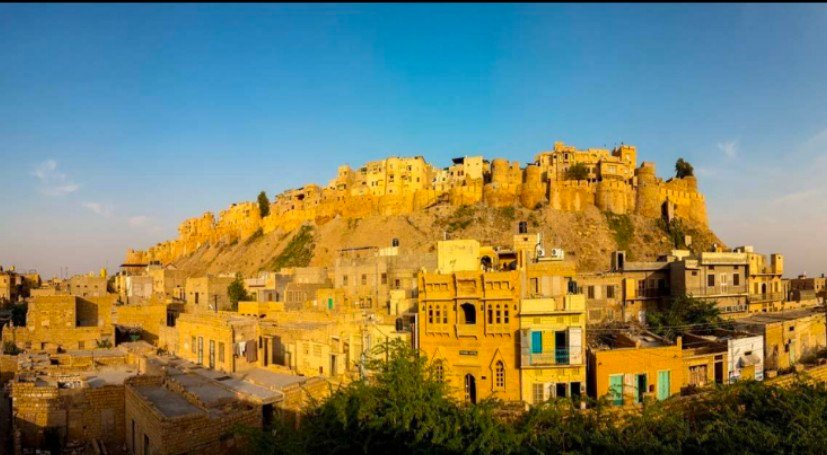
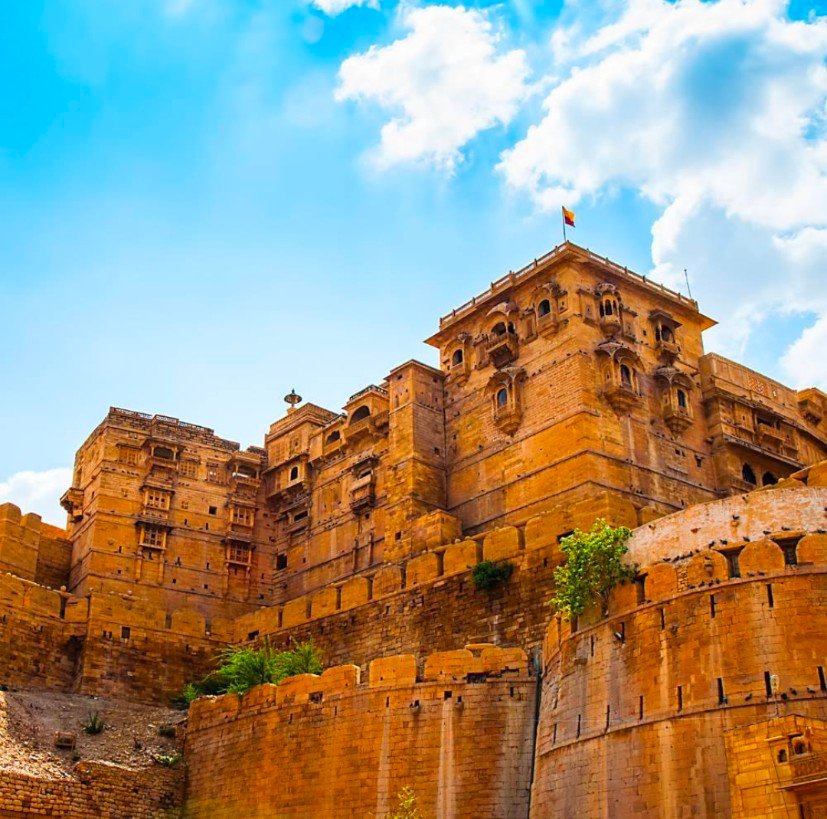
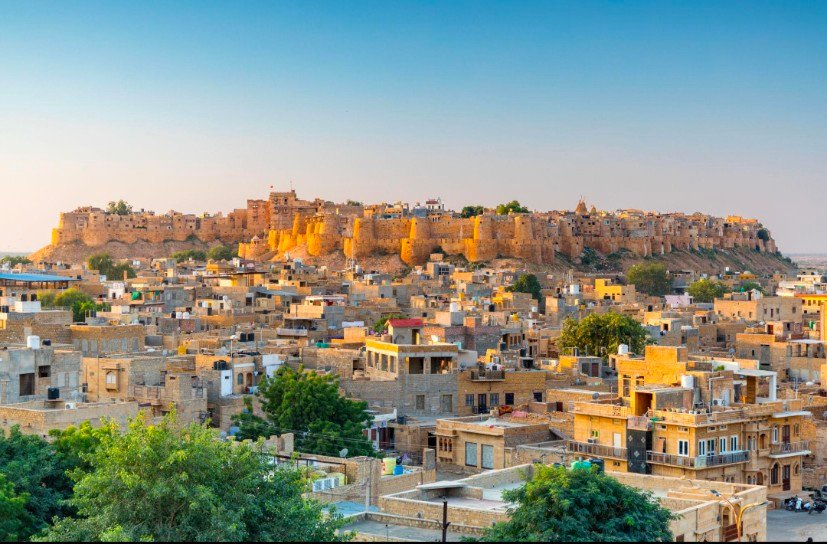
Jaisalmer Fort, also known as Sonar Qila, is the city’s best-known landmark. Its golden sandstone walls seem to change colour as sunlight moves across the city.
Unlike many forts that function primarily as historical monuments, Jaisalmer Fort remains a living urban neighbourhood, with residents, shops, temples and historic homes inside its walls.
Walk through the narrow lanes, appreciate the traditional architecture and explore the viewpoints. Take your time rather than rushing through the fort in a few minutes.
Best time to visit: Morning or late afternoon during the cooler months.
2. Sam Sand Dunes — Experience the Thar Desert
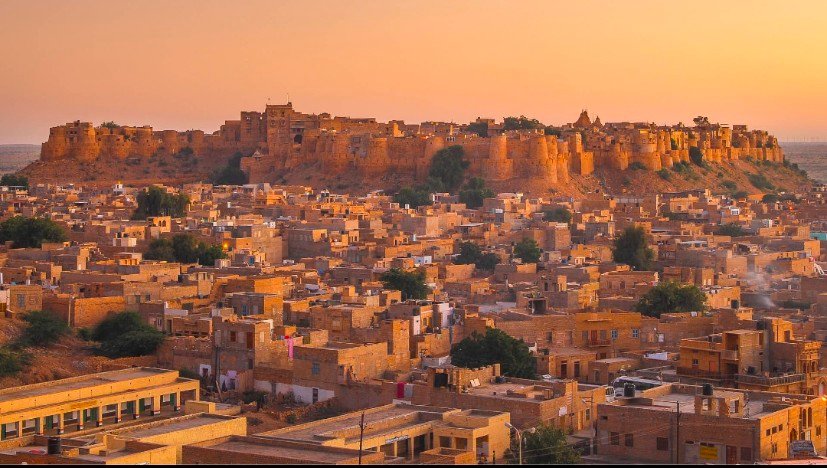
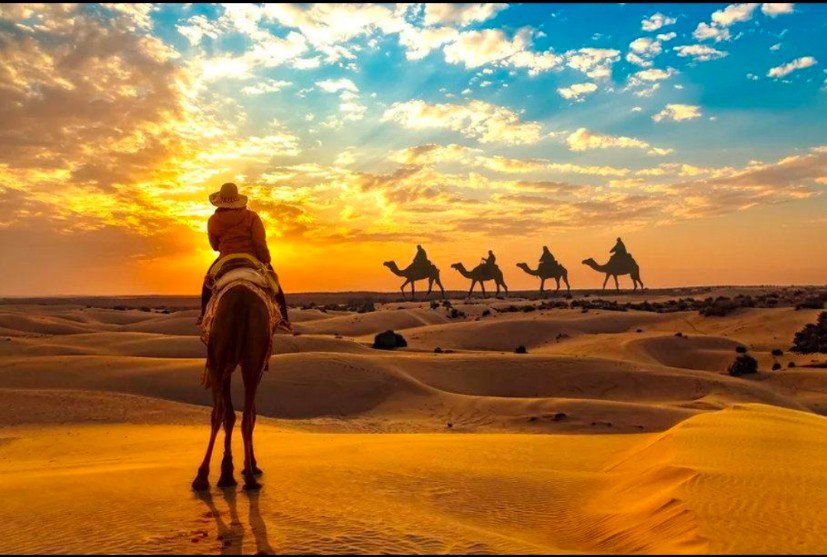
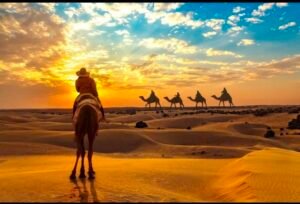
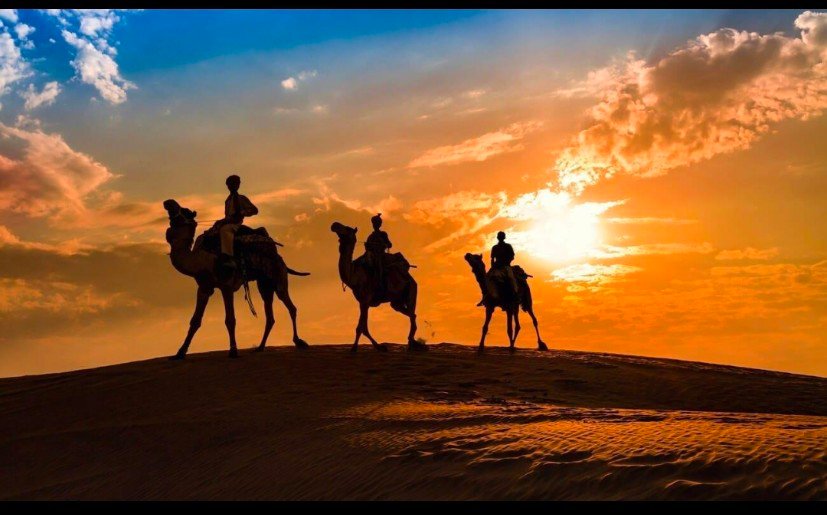
Sam Sand Dunes is one of the most popular places near Jaisalmer for experiencing the desert. Located around 40 kilometres from the city according to Incredible India, the area offers camel rides, jeep safaris, sunset views and desert camping.
A typical visit begins in the afternoon, with time for a safari before sunset. Some camps also offer dinner and cultural performances featuring regional music and dance.
Choose an operator that explains the duration, route, safety arrangements and total price before the activity begins. Avoid booking solely on the basis of a photograph or an unusually low advertised rate.
Best time: October to March, particularly the late afternoon and evening.
3. Patwon Ki Haveli — Discover Intricate Architecture
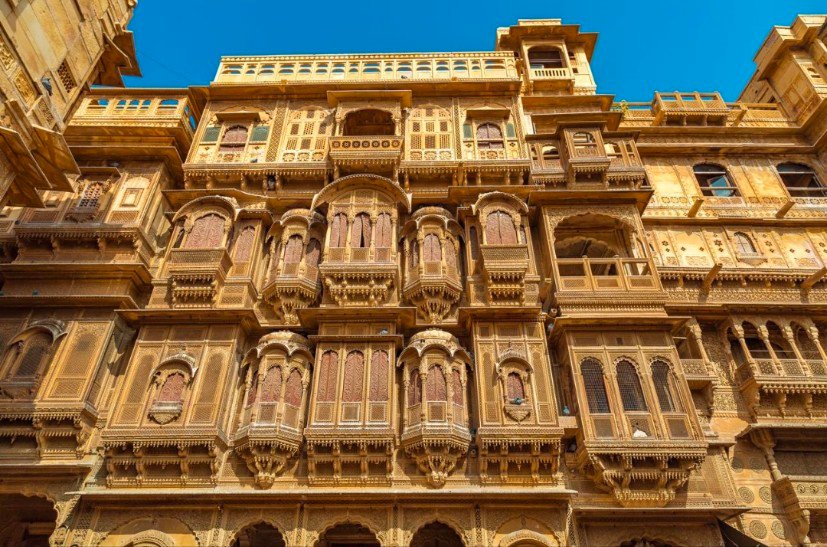
Patwon Ki Haveli is a famous architectural attraction known for its detailed stone carvings, decorative façades and historic character.
It is a rewarding stop for people interested in architecture, heritage, photography and the history of wealthy merchant families in Rajasthan.
Observe the carved windows and balconies closely. Details that may seem small from the street often become impressive when viewed at close range.
Best time: Morning, when you can explore at a relaxed pace.
4. Gadisar Lake — A Historic Water Landmark
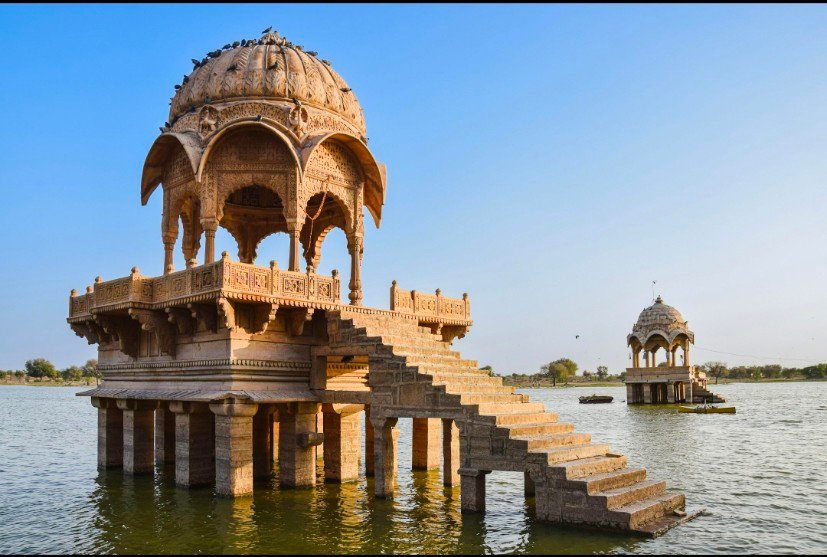
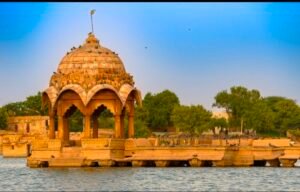
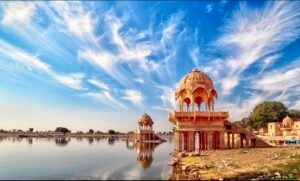
Gadisar Lake is known for its historic setting, stone steps, pavilions and architectural details. It has traditionally been a popular place for photography and quiet walks.
However, conditions in 2026 deserve special attention. A report published on 11 October 2026 described severe water shortages and exposed lakebed areas after deficient rainfall and prolonged heat. Check the latest local conditions before making this a central part of your itinerary.
Visit respectfully, keep the area clean and avoid assuming that water levels or boating arrangements will be the same as in older travel photographs.
- Bada Bagh — Cenotaphs and Sunset Photography
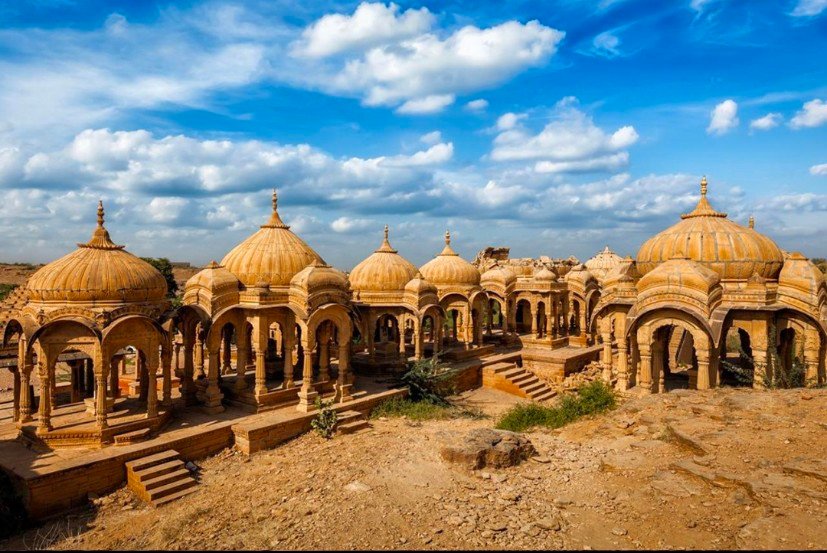
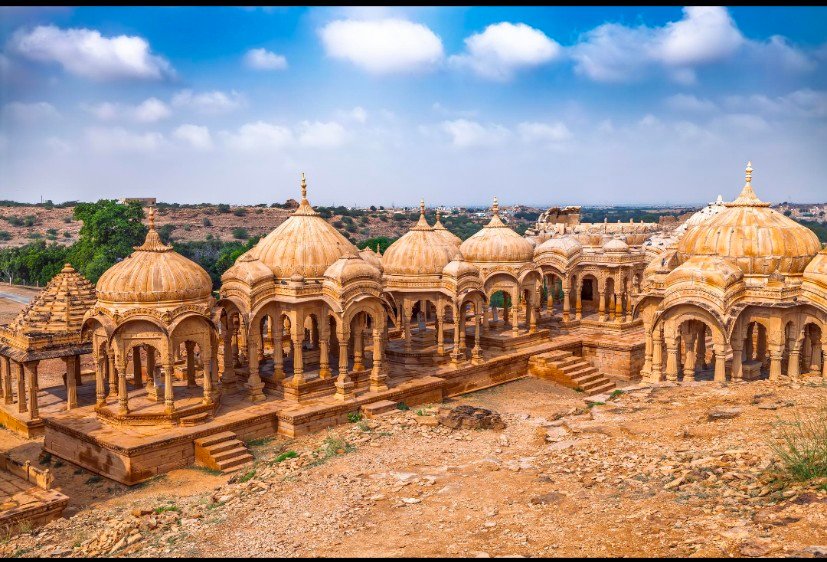
Bada Bagh is known for its royal cenotaphs, often called chhatris, set against the arid landscape outside the main city.
The carved stone structures provide an atmospheric setting for photography and an introduction to the region’s royal history.
Allow sufficient time for travel from the city, and check the current entry arrangements and fees before visiting.
- Kuldhara Village — History and Desert Legends
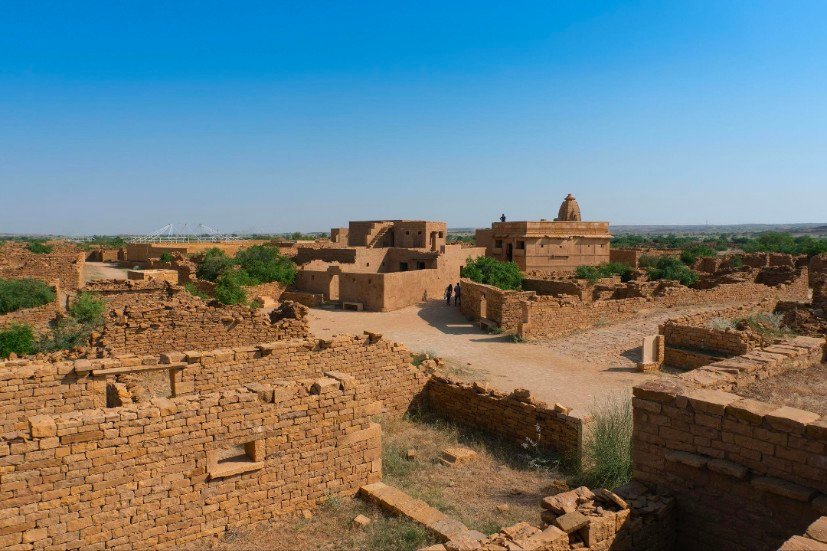
Kuldhara is a historic abandoned settlement whose story has become part of Jaisalmer’s local folklore. The remains of buildings and village streets create an unusual heritage stop away from the city centre.
Local legends are popular, but distinguish folklore from verified historical evidence when discussing the village.
Visit during daylight, respect restricted areas and avoid damaging or climbing on old structures.
- Jain Temples Inside Jaisalmer Fort
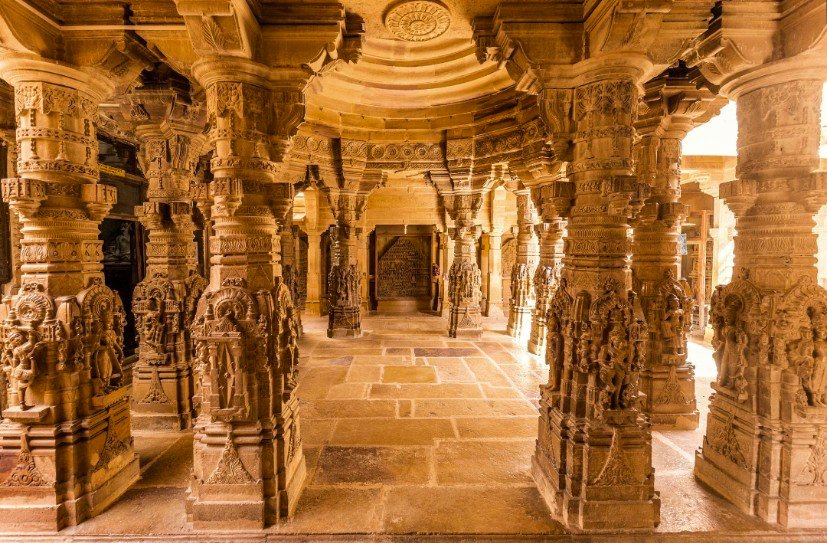
The Jain temples within the fort are notable for their detailed stonework and religious significance. They offer a different perspective on Jaisalmer’s artistic and spiritual heritage.
Follow the rules posted at the entrance, dress respectfully and ask before taking photographs, particularly where restrictions apply.
- Amar Sagar Lake and Palace Complex
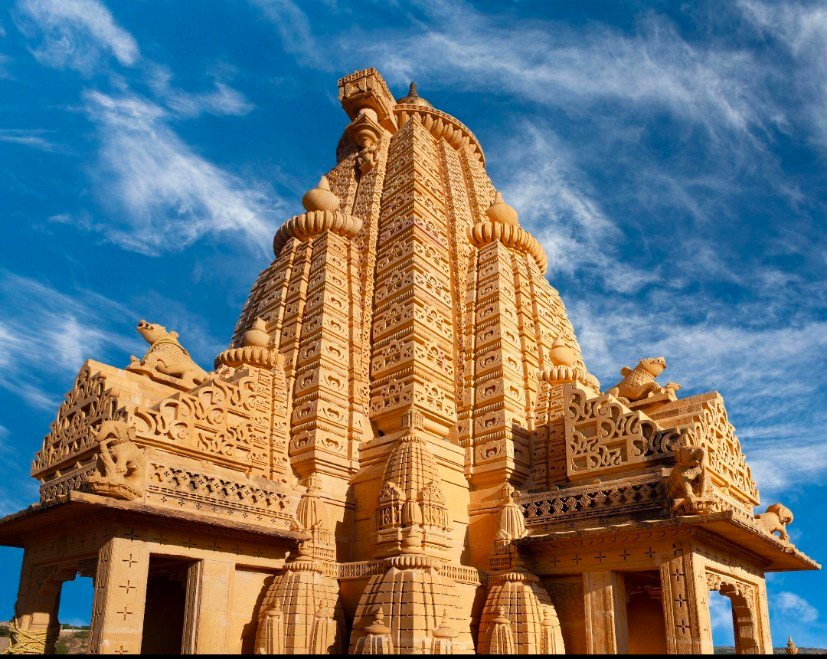
Amar Sagar is located on the outskirts of Jaisalmer and is associated with a historic palace, water structures and Jain temple architecture. Rajasthan Tourism describes it as a peaceful location for appreciating the area’s heritage.
Combine this visit with other nearby sights if transport arrangements allow. Because conditions around water bodies may change, verify the current situation locally.
- Desert National Park — Wildlife and Landscape
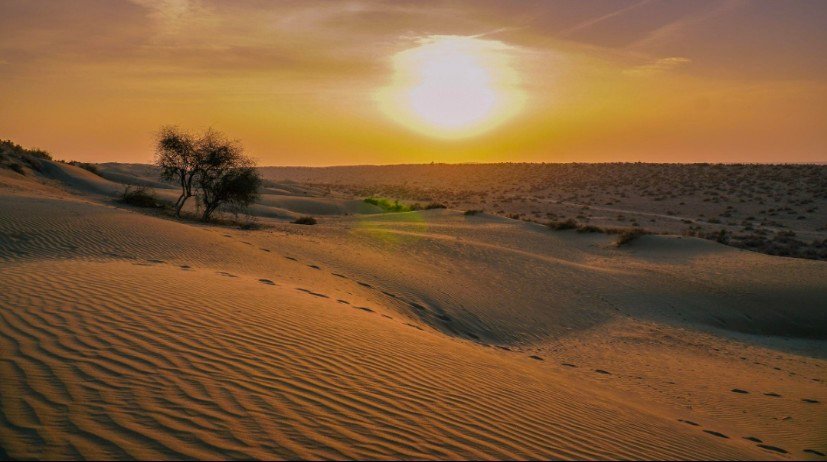
Desert National Park represents the ecological diversity of the Thar Desert. Its landscape includes sand dunes, rocky terrain and other arid habitats. Rajasthan Tourism identifies it as an important area for desert wildlife and the endangered Great Indian Bustard.
This destination is better suited to travellers who enjoy nature, wildlife and open landscapes than to those seeking only monuments and shopping.
Check access rules, authorised guides and wildlife-viewing conditions before your visit. Wildlife sightings are never guaranteed.
- Local Markets and Traditional Shopping

Jaisalmer’s markets are good places to explore regional handicrafts, textiles, jewellery, souvenirs and traditional footwear.
Look for items that reflect local craftsmanship, and compare prices before buying. If you are purchasing something described as handmade or made from a particular material, ask the seller about its origin.
Shopping is also an opportunity to interact with local businesses and learn more about the city’s culture.
Best Things to Do in Jaisalmer
The Golden City is more than a collection of forts and historic buildings. Its strongest appeal lies in the combination of desert landscapes, traditional culture, architecture and local food.
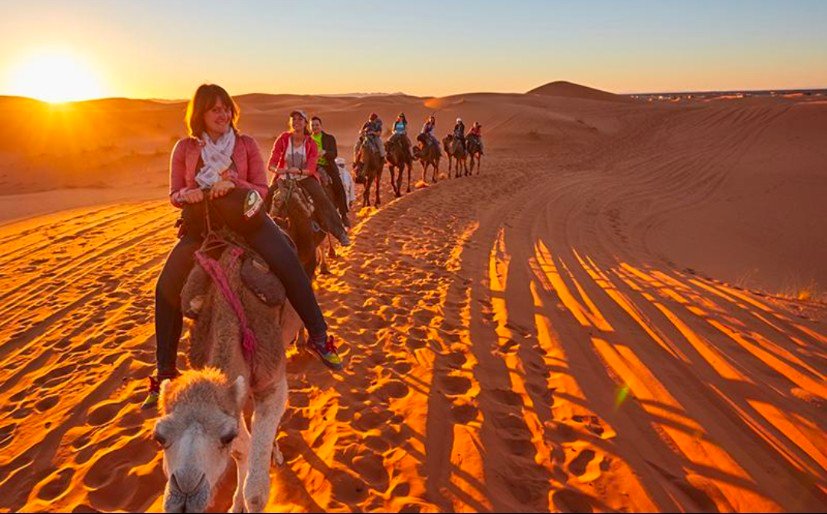
- Enjoy a Camel Safari
A camel ride offers a traditional way to experience the desert landscape. Choose a responsible operator, confirm the ride duration and avoid activities that appear unsafe or distressing to the animals.
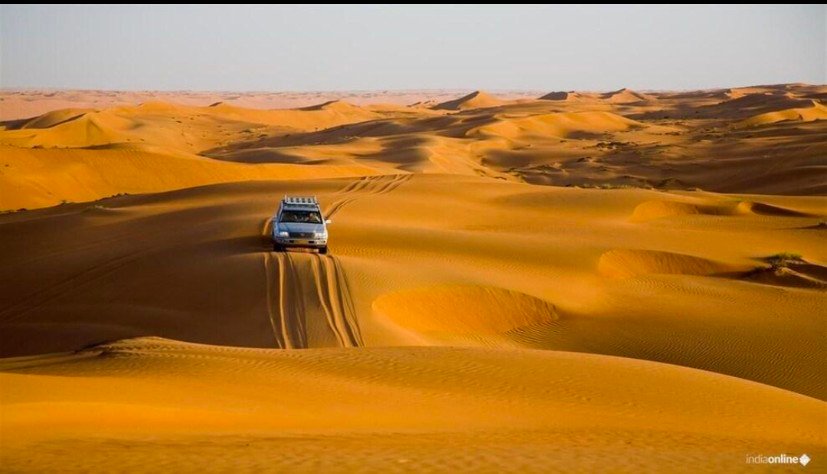
- Try a Jeep Safari
A guided jeep safari is an alternative for travellers who prefer a motorised desert experience. Ask about the route, safety equipment and whether the operator has permission to use the selected area.
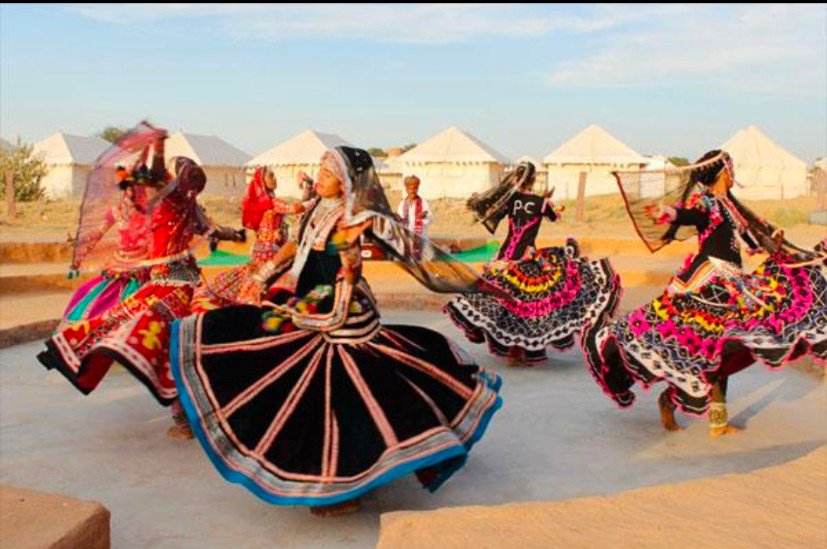
3. Watch Rajasthani Folk Performances
Some desert camps and cultural venues arrange folk music, dance and puppet shows. Confirm the programme and timings in advance because entertainment is not included in every package.
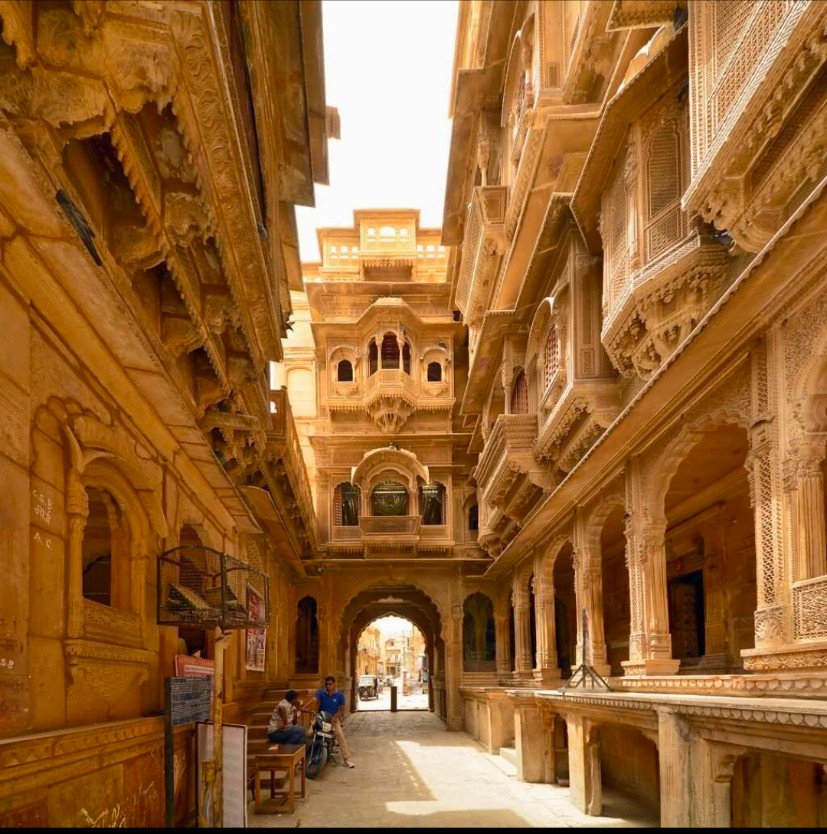
4. Explore the Old City on Foot
Walk through the historic streets to appreciate sandstone architecture, small shops, carved balconies and everyday life. Wear comfortable footwear and be mindful that residents still live and work in many of these lanes.
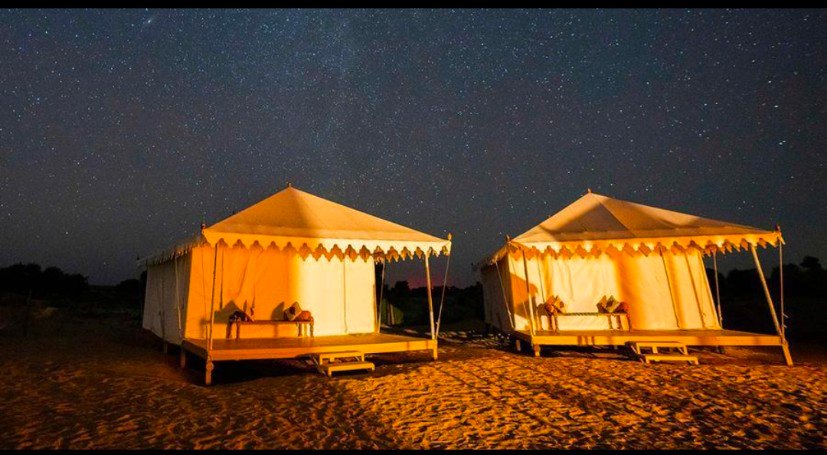
5. Spend a Night in the Desert
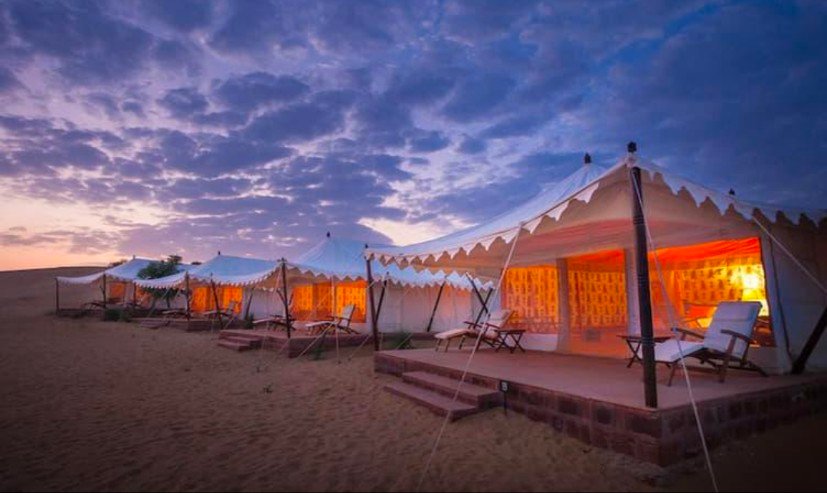
An overnight camp can include accommodation, dinner, cultural performances and a sunrise experience. Read the package details carefully and bring warm layers for winter nights.
What to Eat in Jaisalmer
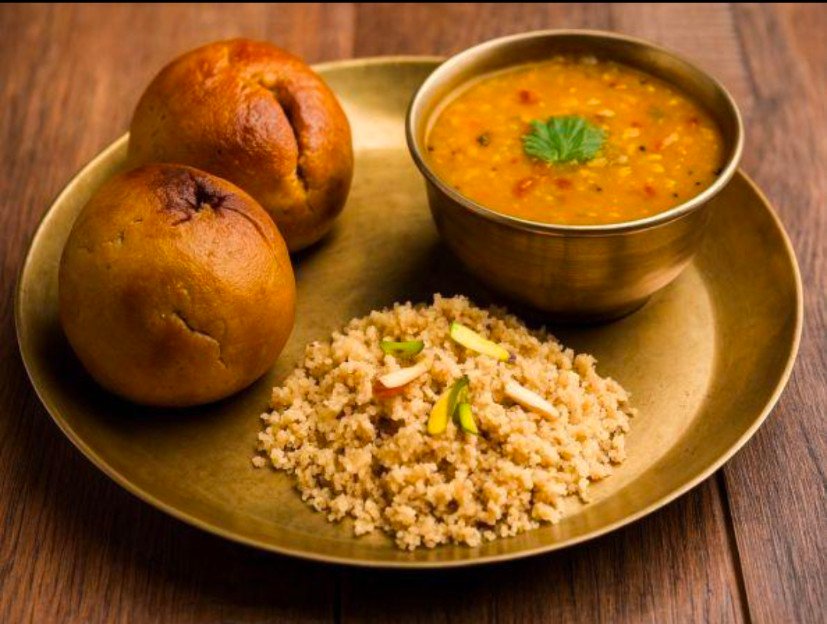

Food is an important part of a Jaisalmer holiday. Traditional Rajasthani cuisine includes rich flavours, locally adapted cooking methods and dishes suited to the region’s climate and food traditions.
Try these foods when available:
Dal baati churma: A classic Rajasthani combination of lentils, baked wheat balls and a sweet crumbly preparation.
Ker sangri: A traditional desert-region dish made with ker berries and sangri beans.
Gatte ki sabzi: Gram-flour dumplings cooked in a spiced gravy.
Rajasthani thali: A convenient way to sample several dishes in one meal.
Local sweets: Ask about regional specialties and freshly prepared options.
Choose clean, busy food establishments, drink safe water and mention any food allergies before ordering. If you are trying unfamiliar dishes, start with smaller portions.
Where to Stay in Jaisalmer
Your choice of accommodation depends on the experience you want.
Budget guesthouses
Suitable for backpackers and travellers who want to spend more on sightseeing than accommodation. Compare cleanliness, bathroom facilities, reviews and access to transport.
Heritage hotels
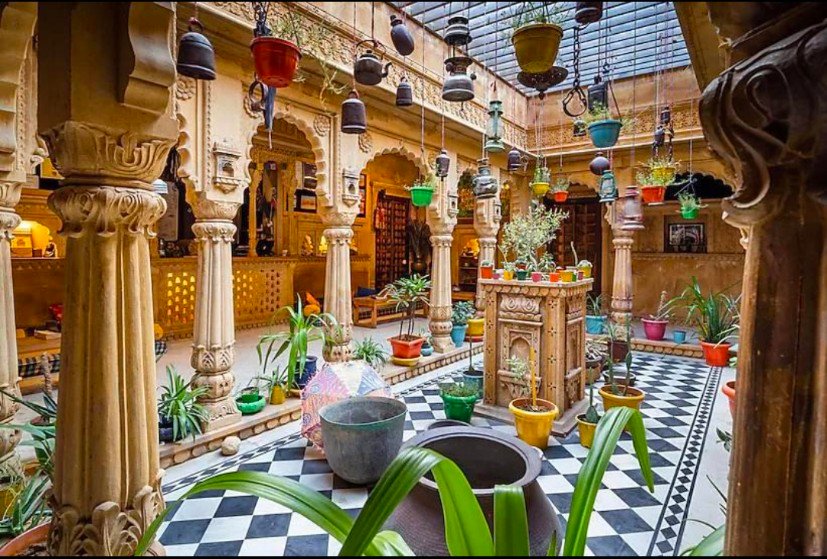
These can offer traditional architecture, courtyards and a historic atmosphere. Check whether rooms have modern facilities and whether the property is accessible with luggage.
Desert camps
Ideal for travellers who want to spend the evening near the dunes. Verify the exact location, heating arrangements, bathroom facilities, meals and transport before booking.
For a first visit, consider spending one or two nights in the city and one night at a desert camp. This allows you to explore the historic attractions without rushing while still experiencing the desert after sunset.

Estimated Jaisalmer Travel Budget for 2026
The following figures are illustrative planning estimates per person, not live hotel quotes. Actual costs vary by date, accommodation standard, group size, transport and activities.
Expense Budget estimate
Budget room per night ₹700–₹1,500
Mid-range room per night ₹2,000–₹4,500
Meals per day ₹400–₹900
Local transport per day ₹300–₹1,000
Desert safari or activity ₹500–₹2,000
Desert camp package ₹2,000–₹6,000+
A rough daily budget, excluding long-distance travel, could be:
Budget traveller: ₹1,500–₹3,000 per day.
Mid-range traveller: ₹3,500–₹7,000 per day.
Premium traveller: ₹8,000 or more per day.
These estimates should be treated as a starting point. Peak-season dates, private transport and luxury camps may cost considerably more. Check current rates and inclusions before making reservations.
To reduce costs, travel with a small group, compare accommodation outside the busiest areas, book transport in advance and ask for a written breakdown of safari charges.
How to Reach Jaisalmer
By Train
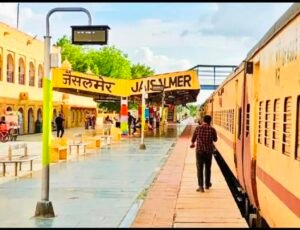
Jaisalmer has a railway station connected to selected cities, with services and schedules varying by date. Check the official Indian Railways or IRCTC booking system for available trains, fares and journey times.
Train travel can be convenient for visitors coming from other parts of Rajasthan and major cities with suitable connections.
By Air
Jaisalmer Airport is the nearest airport, but flight availability can be seasonal or limited. Confirm actual operating flights for your travel dates before relying on an air connection.
Jodhpur Airport is another option, although it requires additional overland travel to Jaisalmer.
By Road
Jaisalmer can be reached by road from Jodhpur and other Rajasthan destinations. Travel times depend on your starting point, traffic, road conditions and stops.
For a multi-city trip, you could combine Jaisalmer with Jodhpur, Bikaner or Jaipur, but allow sufficient time for the distances involved.
Getting Around the City
Many historic attractions are relatively close together, although narrow streets and pedestrian areas can make vehicle access difficult. Walking is practical for parts of the old city; autos, taxis and pre-arranged transport are useful for attractions outside the centre.
For desert excursions, confirm whether transfers from your hotel are included.
A Practical Three-Day Jaisalmer Itinerary
Day 1 — Explore the Golden City
Morning to evening
Visit Jaisalmer Fort.
Explore the Jain temples, subject to opening arrangements.
See Patwon Ki Haveli.
Browse the local markets.
Enjoy a traditional Rajasthani dinner.
Day 2 — Experience the Thar Desert
Afternoon and overnight
Travel to Sam Sand Dunes.
Enjoy a booked camel or jeep safari.
Watch the sunset.
Attend a cultural programme if available.
Stay at a desert camp or return to the city.
Day 3 — Heritage and Photography
Day 3 — Heritage and Photography
Morning to afternoon
Visit Bada Bagh.
Explore Kuldhara if transport and access permit.
Visit Gadisar Lake if local conditions are suitable.
Buy souvenirs and enjoy lunch.
Depart or continue your Rajasthan journey
This itinerary is flexible. You can change the order depending on opening hours, weather, your arrival time and the locations included in your accommodation package.
What to Pack for Jaisalmer
Your packing list should match the season.
For October and March
Lightweight, breathable clothes.
Sunglasses and a sun hat.
Sunscreen and comfortable shoes.
A light jacket for cooler evenings.
For November to February
Warm jacket, especially for desert nights.
Long trousers and comfortable walking shoes.
A scarf or shawl.
Moisturiser and lip balm for dry conditions.
For April to September
Lightweight clothing that covers your skin.
A hat, sunscreen and reusable water bottle.
Extra attention to hydration.
Flexible plans that avoid the hottest hours.
Carry necessary medicines, personal identification, phone charging equipment and offline copies of important bookings.
Travel Safety Tips for Jaisalmer
A well-planned trip helps you enjoy the desert without unnecessary risks.
Respect the heat. Avoid strenuous outdoor activities during extreme daytime temperatures.
Stay hydrated. Carry drinking water on longer excursions.
Choose responsible safari operators. Ask about safety equipment, routes and animal welfare.
Confirm prices in advance. Clarify whether meals, transfers and cultural shows are included.
Protect your belongings. Keep valuables secure in crowded markets and transport areas.
Respect religious places. Follow dress codes and photography restrictions.
Check local travel advice. Jaisalmer is near an international border, so obey any access restrictions and official instructions.
Plan for cold nights. Desert temperatures can drop substantially after sunset.
Use sun protection. Sunglasses, suitable clothing and sunscreen are useful throughout the year.
Leave natural and historic sites undamaged. Do not litter, climb restricted structures or disturb wildlife.
Photography Tips: Capture Jaisalmer at Its Best
Jaisalmer is particularly photogenic because its sandstone architecture reflects warm light.
Early morning: Photograph the fort and historic streets in softer light.
Late afternoon: Capture the texture and colour of the sandstone buildings.
Sunset: Photograph the desert landscape from an authorised viewpoint.
Blue hour: Look for changing colours around illuminated architecture.
Close-up photography: Focus on carved windows, balconies, doors and decorative stonework.
Always ask permission before photographing people closely. Respect restrictions at temples and other religious sites.
For your travel blog, combine wide landscape images with architectural details and useful destination photographs. This creates a more informative article than using repeated sunset pictures.
Is Jaisalmer Worth Visiting in 2026?
Yes. Jaisalmer is a strong choice for travellers interested in Indian heritage, desert landscapes, traditional architecture and cultural experiences. It offers a different atmosphere from Rajasthan’s larger cities, with a historic fort, sandstone streets and access to the Thar Desert.
However, the experience depends on when you visit and how you plan your activities. Winter generally provides the most comfortable conditions for outdoor exploration, while summer requires greater care with heat and scheduling.
For a first visit, plan at least two full days if possible. Choose November or February if your priority is comfortable sightseeing, or consider October and March if you prefer a transition-season trip and can adapt to warmer weather.
Check the current forecast, transport schedules, attraction access and accommodation prices before finalising your itinerary
Frequently Asked Questions
1. What is the best time to visit Jaisalmer in 2026?
October to March is generally the best period. November and February are excellent choices for sightseeing and desert experiences, although exact weather varies.
2. Is Jaisalmer good to visit in October?
Yes. October is a good month as the region moves toward its cooler tourist season. Early October can still be hot, so plan outdoor activities carefully.
3. Which is the coldest month in Jaisalmer?
December and January commonly bring the coldest winter nights. Bring warm clothing if you plan to stay in the desert.
4. Can I visit Jaisalmer in summer?
Yes, but April to June can be extremely hot. Avoid strenuous midday activities and prioritise hydration, shade and suitable accommodation.
5. How many days are enough for Jaisalmer?
Two to four days is a useful range. Two days cover the main attractions at a brisk pace, while three or four days allow time for a desert camp, additional heritage sites and relaxed sightseeing.
6. What is the best time for a camel safari?
The cooler months, especially October to March, are generally more comfortable. Early morning and late afternoon are preferable to the hottest part of the day.
7. Is November a good time for Jaisalmer?
Yes. November is a strong all-round choice for heritage sightseeing, desert excursions and photography.
8. Is Jaisalmer suitable for families?
Yes. Families can enjoy the fort, havelis, local food and desert scenery. Choose age-appropriate safari activities and accommodation with clear safety arrangements.
9. Is one night in a desert camp enough?
One night can be enough to experience a sunset, dinner, cultural entertainment and the desert atmosphere. Check exactly which activities are included in your package.
10. What is Jaisalmer famous for?
Jaisalmer is famous for its Golden Fort, carved sandstone havelis, Sam Sand Dunes, desert safaris, traditional crafts and Rajasthani culture.
11. Is Jaisalmer expensive to visit?
It can be affordable with budget accommodation and local meals. Desert camps, private transport and peak-season bookings can increase the total cost.
12. Can I visit Jaisalmer during the monsoon?
Yes, but weather conditions can be variable. Check local forecasts and confirm the availability of outdoor activities before travelling.
13. What should I wear in Jaisalmer?
Wear breathable clothing and comfortable shoes for sightseeing. In winter, carry a warm jacket because desert evenings and nights can be cold.
14. Is Jaisalmer Fort still inhabited?
Yes. Jaisalmer Fort is a living historic neighbourhood containing homes, shops and religious sites as well as tourist attractions.
15. What should I know about Gadisar Lake before visiting?
Check the current conditions before travelling. An October 2026 report described severe water shortages and exposed lakebed areas, so older photographs may not represent current conditions.
Conclusion: Plan Your Jaisalmer Trip at the Right Time
Jaisalmer is one of Rajasthan’s most distinctive travel destinations, combining the history of the Golden Fort with the beauty of the Thar Desert. From historic havelis and colourful markets to camel safaris and desert nights, the city offers experiences that appeal to a wide range of travellers.
The best time to visit Jaisalmer in 2026 is generally October to March. November and February are especially appealing for comfortable sightseeing and outdoor adventures. December and January are also popular, but travellers should prepare for cold nights and book busy travel dates in advance.
Choose your travel month based on your budget, weather preferences and interests. Plan your sightseeing carefully, respect local culture and verify current conditions before departure.
Whether you are planning a short weekend escape or a longer Rajasthan holiday, Jaisalmer can offer a memorable combination of history, adventure and desert beauty
Leave a Reply