
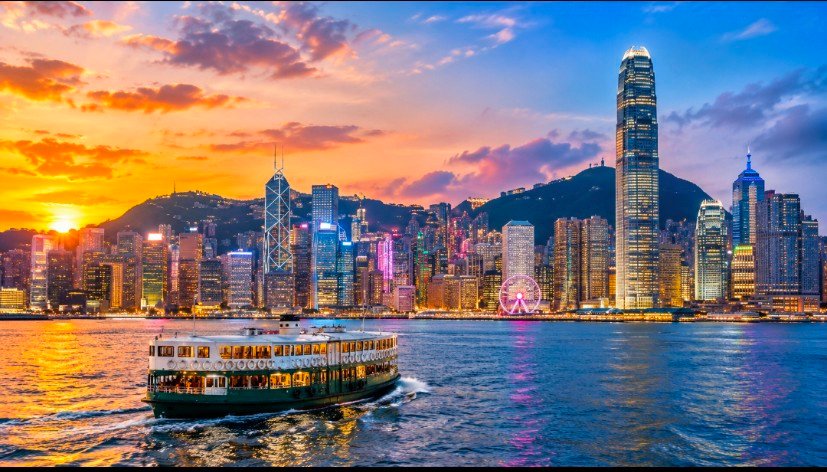
how to visit Hong Kong in 2026
how-to-visit-hong-kong-2026
https://rahulblogwl.com/how-to-visit-hong-kong-2026/
Plan your Hong Kong trip in 2026 with the best time to visit, top attractions, travel costs, visa tips, transport advice, food and a practical itinerary.
Best time to visit Hong Kong in 2026

The best overall time to visit Hong Kong is generally October to December, when the weather is often more comfortable for sightseeing, harbour cruises, shopping and outdoor activities. November and December are especially popular for pleasant breezes and sunshine.
Because it is currently October 2026, this guide is particularly useful for people planning a trip in November or December.
Month Weather and travel experience Recommendation
January–February Cool, sometimes cloudy Good for city sightseeing
March–April Mild, sometimes humid or foggy Good for walking tours
May–August Hot, humid, rainy; typhoon risk Plan indoor alternatives
September Warm, humid, changing weather Check forecasts carefully
October Often pleasant, but weather varies Excellent travel option
November Comfortable conditions are common One of the best months
December Cool, festive atmosphere Excellent for city breaks
The Hong Kong Observatory’s seasonal forecast issued in September 2026 expects October–December temperatures and rainfall to be normal to above normal, so check the forecast before booking outdoor activities.
How to Visit Hong Kong in 2026: Best Time, Places, Budget and Travel Tips
Introduction
Hong Kong is one of Asia’s most exciting travel destinations, combining modern skyscrapers, traditional temples, famous shopping streets, scenic islands, theme parks and an internationally recognised food culture. Located on China’s southern coast, Hong Kong offers a distinctive blend of Chinese heritage and international influences.
Whether you are planning a family holiday, a romantic getaway, a solo adventure or your first international trip from India, Hong Kong offers plenty of experiences in a relatively compact destination.
Visitors can enjoy spectacular views from Victoria Peak, take a traditional ferry across Victoria Harbour, explore the markets of Mong Kok, visit the Big Buddha on Lantau Island, discover historic temples and experience the city’s famous skyline after dark.
This Hong Kong travel guide for 2026 explains when to visit, where to go, how to travel around, what to eat, how much money to budget and what Indian travellers should know before departure.
Why visit Hong Kong in 2026?
Hong Kong is more than a destination for shopping and skyscrapers. It combines urban attractions with beaches, hiking trails, cultural landmarks and islands.
Here are some reasons to add Hong Kong to your travel plans:
Iconic skyline: Enjoy the famous views of Victoria Harbour and Hong Kong Island.
Scenic viewpoints: Visit Victoria Peak for panoramic city views.
Cultural attractions: Explore Wong Tai Sin Temple, Man Mo Temple and traditional neighbourhoods.
Family entertainment: Spend a day at Hong Kong Disneyland or Ocean Park.
Shopping: Explore luxury shopping malls, street markets and local boutiques.
Island adventures: Discover Lantau Island, Lamma Island and other coastal areas.
Public transportation: Use the MTR railway, buses, trams and ferries to reach many popular places.
Food experiences: Try dim sum, wonton noodles, egg tarts and Hong Kong-style milk tea.
Hong Kong is also a convenient destination for a three-, four- or five-day city break, although travellers who enjoy hiking, beaches and islands may want to stay longer.
Best places to visit in Hong Kong
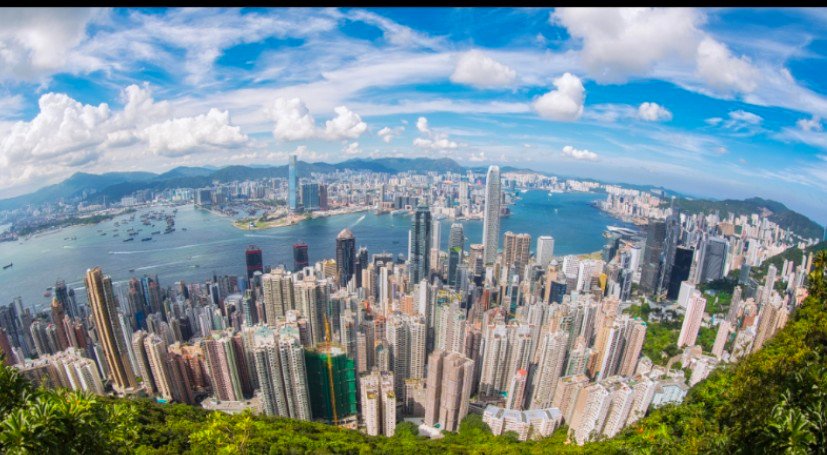
2.1 Victoria Peak
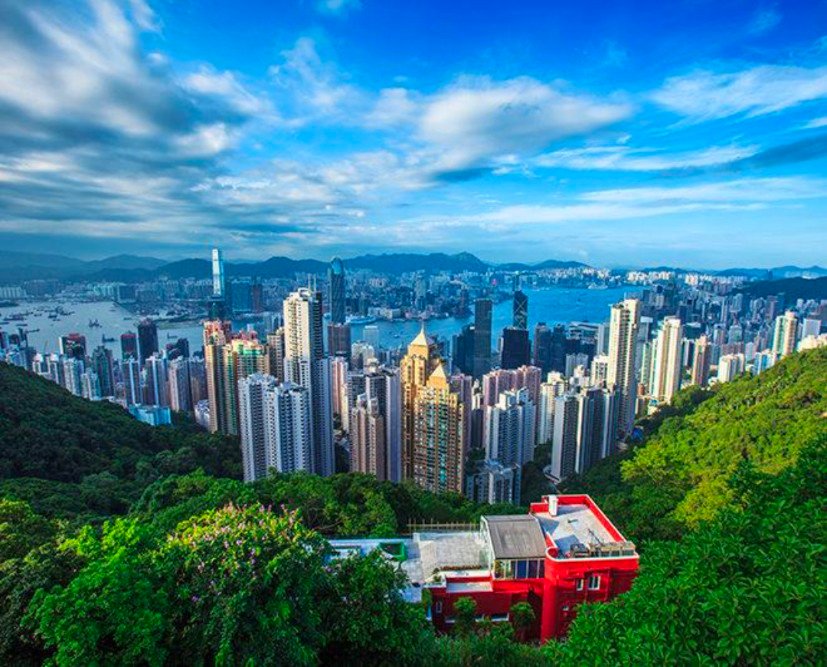
Victoria Peak is one of Hong Kong’s most recognisable attractions. From elevated viewpoints, visitors can see the city’s dense skyscrapers, Victoria Harbour, surrounding mountains and parts of Kowloon.
The Peak is particularly attractive around sunset, when daylight gradually gives way to illuminated buildings.
Things to do:
Enjoy the panoramic skyline.
Walk along suitable Peak-area trails.
Take photographs of the harbour.
Explore nearby shops and restaurants.
Visit around sunset for daytime and evening views.
Travel tip: Check visibility and cloud conditions before visiting. Fog can sometimes obscure the skyline. Allow extra time for transport and queues during busy periods.
2.2 Victoria Harbour and Tsim Sha Tsui Promenade
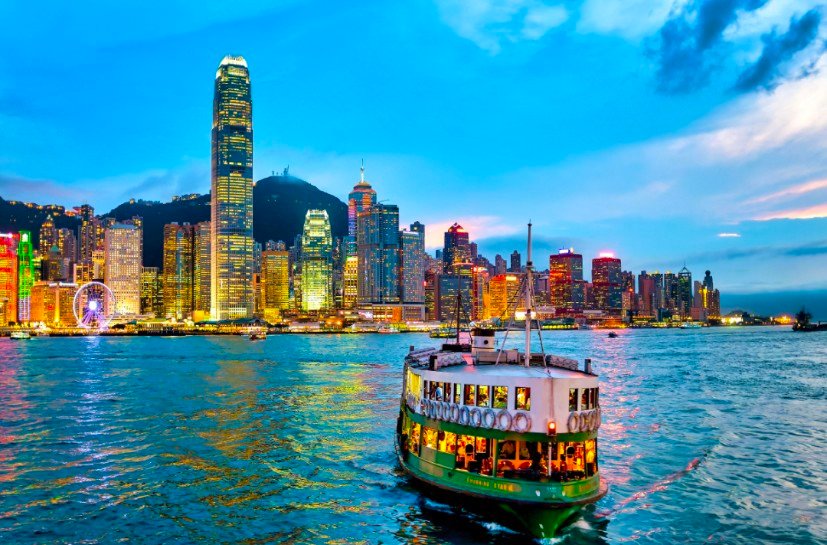
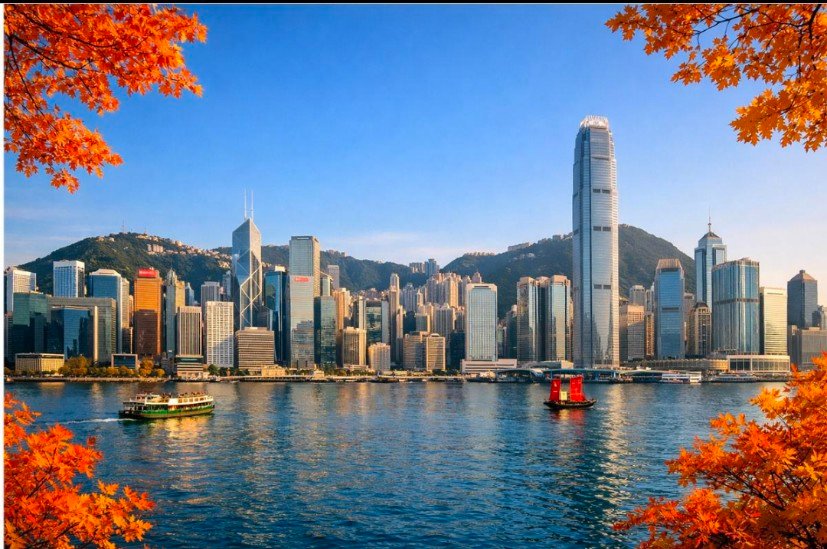
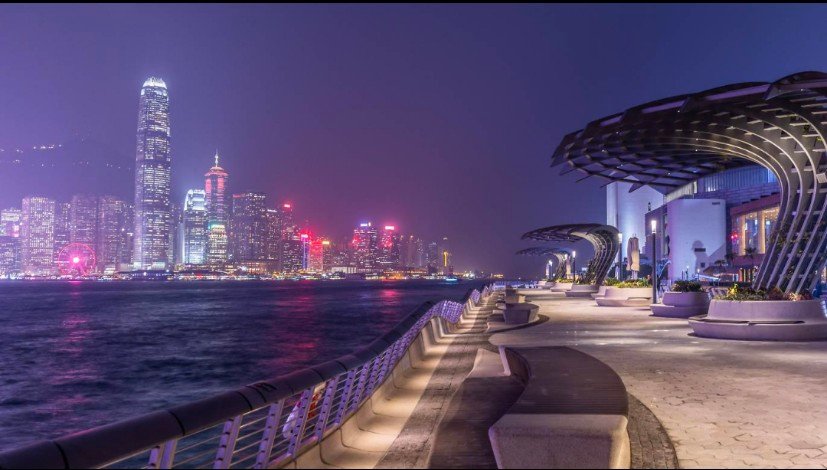
Victoria Harbour is central to Hong Kong’s identity. The waterfront offers impressive views of the skyscrapers on Hong Kong Island and is one of the city’s most rewarding places for evening photography.
Tsim Sha Tsui Promenade is a convenient place to walk along the waterfront, enjoy the atmosphere and photograph the skyline.
Top experiences:
Walk beside the harbour.
Take a Star Ferry journey.
Photograph the skyline after sunset.
Explore the Avenue of Stars.
Watch the harbour’s changing light at dusk.
Allow around two hours for a relaxed visit, or longer if you plan to explore nearby museums and shopping areas.
2.3 Hong Kong Disneyland

Hong Kong Disneyland is a major attraction for families, Disney fans and travellers who enjoy themed entertainment. It offers themed lands, rides, character experiences, performances and seasonal celebrations.
Before your visit, check the official calendar, opening hours, ride availability and ticket conditions. Special events and operating schedules may change throughout the year.
Planning tips:
Reserve a full day.
Purchase tickets through an official or authorised seller.
Check height requirements for rides.
Review food and accessibility options.
Plan transport back to your hotel before the park closes.
Disneyland can increase the overall cost of your holiday, so include tickets, meals and optional add-ons in your budget.
2.4 Tian Tan Buddha and Ngong Ping

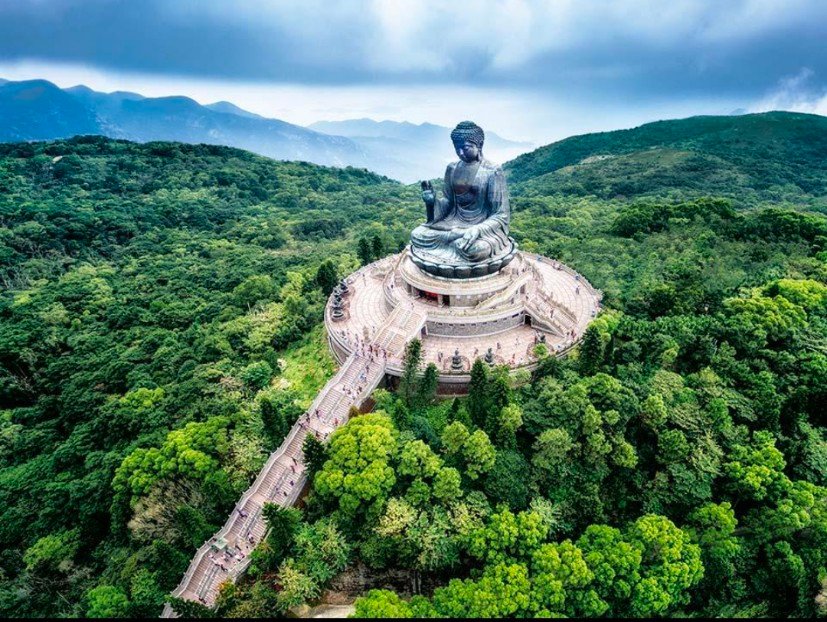
The Tian Tan Buddha, commonly known as the Big Buddha, is a major cultural and spiritual landmark on Lantau Island. The surrounding landscape provides a different experience from Hong Kong’s crowded commercial districts.
Visitors often combine the statue with Ngong Ping Village and Po Lin Monastery.
Things to experience:
See the impressive outdoor Buddha statue.
Explore the monastery surroundings respectfully.
Enjoy mountain scenery.
Visit Ngong Ping Village.
Consider the Ngong Ping cable car if operating conditions allow.
Weather can affect cable-car services, so check the official operating status before travelling.
2.5 Mong Kok
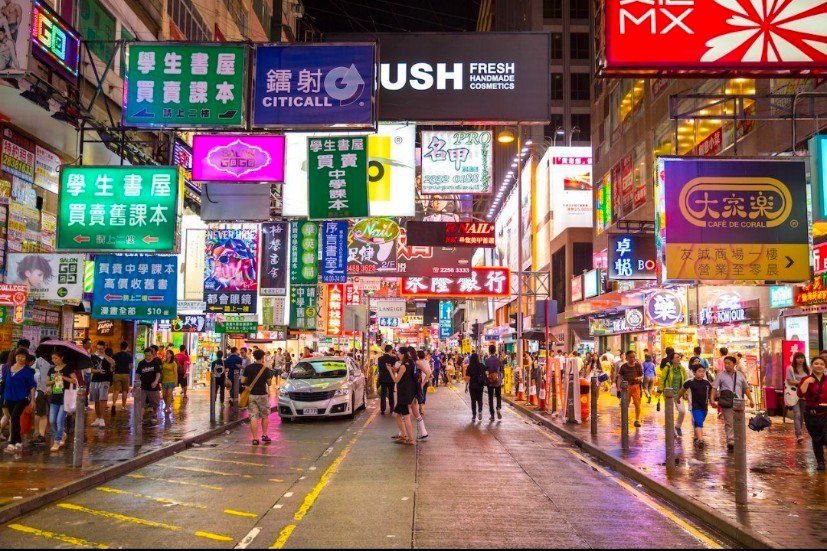
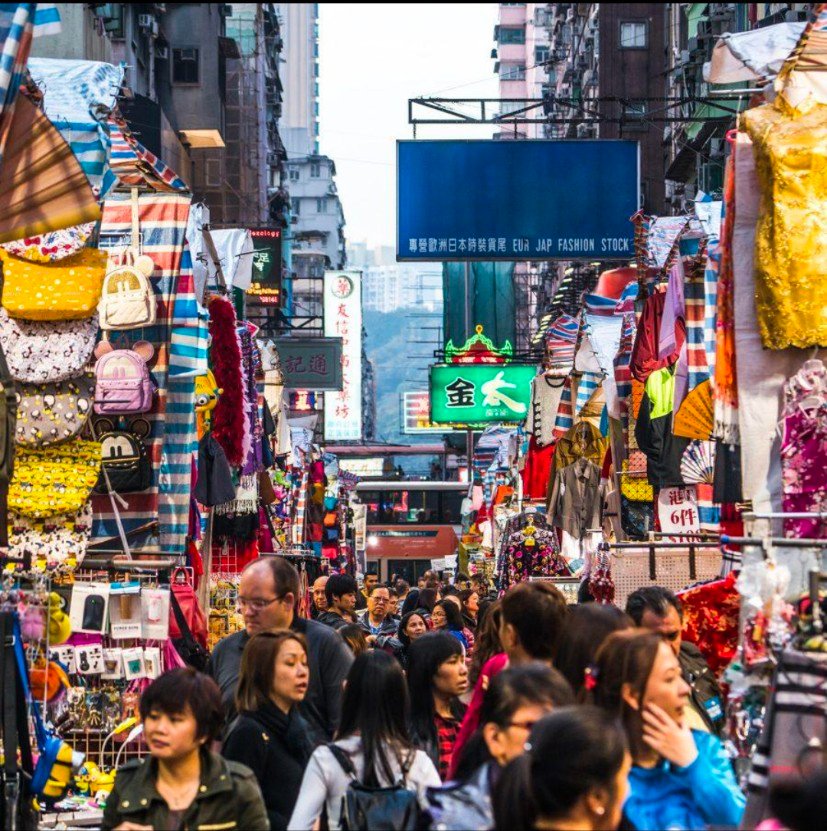
Mong Kok is famous for its energetic streets, shopping areas, food stalls and dense urban atmosphere. It is an excellent place to experience a more everyday side of Hong Kong.
Explore local shops, fashion stores, electronic products and traditional markets. Popular market areas include Ladies’ Market and the Goldfish Market, although individual stalls and opening hours vary.
Best for: Budget shopping, street photography, local snacks and exploring Hong Kong after dark.
2.6 Wong Tai Sin Temple
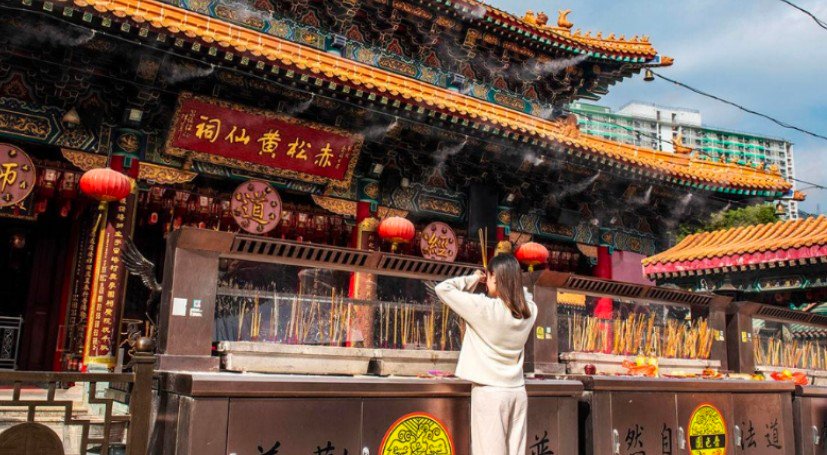
Wong Tai Sin Temple is known for its traditional architecture, colourful decorative details and spiritual atmosphere. It offers visitors an opportunity to learn more about local religious customs.
Dress respectfully, follow posted photography rules and avoid disturbing worshippers.
2.7 Man Mo Temple
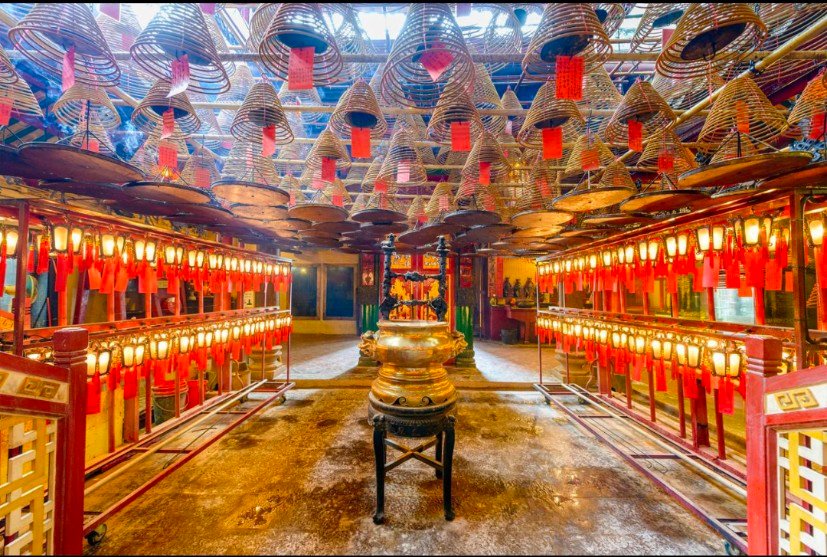
Man Mo Temple is a historic temple associated with the worship of the gods of literature and war. Located in the Sheung Wan area, it can fit easily into a walking itinerary around Hong Kong Island.
Combine your visit with nearby traditional streets, small shops, cafes and historic buildings.
2.8 Ocean Park Hong Kong
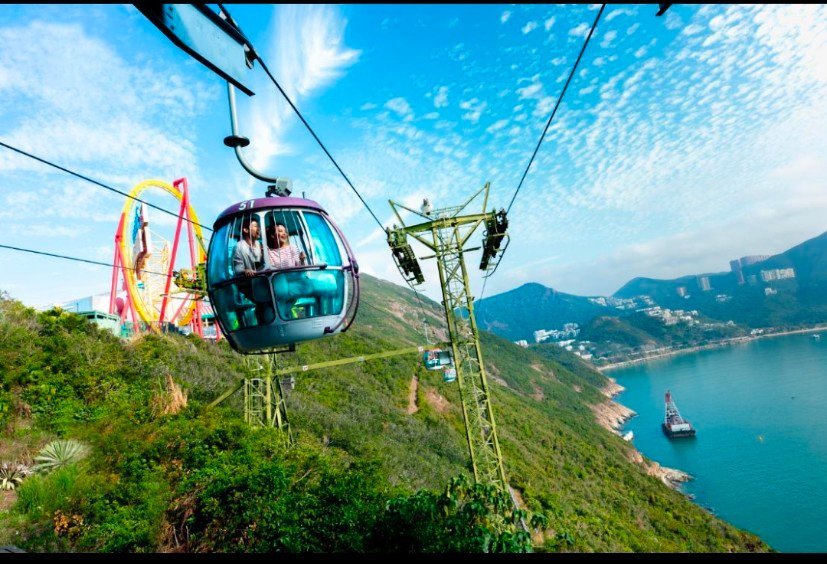
Ocean Park combines rides, animal-related attractions, marine-themed experiences and scenic views. It is an alternative to Disneyland for travellers interested in a different theme-park experience.
Check the official website for current attractions, animal presentations, opening hours and ticket options before visiting.
2.9 Lamma Island

Lamma Island is a useful escape from the skyscrapers and busy shopping districts. Visitors can explore coastal scenery, village streets, walking paths and seafood restaurants.
A day trip may include a ferry journey, a leisurely walk and a meal beside the waterfront. Check ferry timetables before setting out, especially if you plan to return after dark.
2.10 Repulse Bay
Repulse Bay offers a beach-oriented side of Hong Kong. It is a good choice for travellers who want to balance urban sightseeing with time by the sea.
Weather, sea conditions and seasonal facilities affect the experience. Follow local swimming warnings and use designated swimming areas when available.
2.11 Central and the Mid-Levels Escalator
Central is one of Hong Kong’s main commercial districts, with office towers, restaurants, shops and historic streets. The Mid-Levels Escalator system helps visitors explore the area’s steep urban landscape.
Spend time discovering side streets, cafes and small shops instead of visiting only major shopping centres.
2.12 Star Ferry
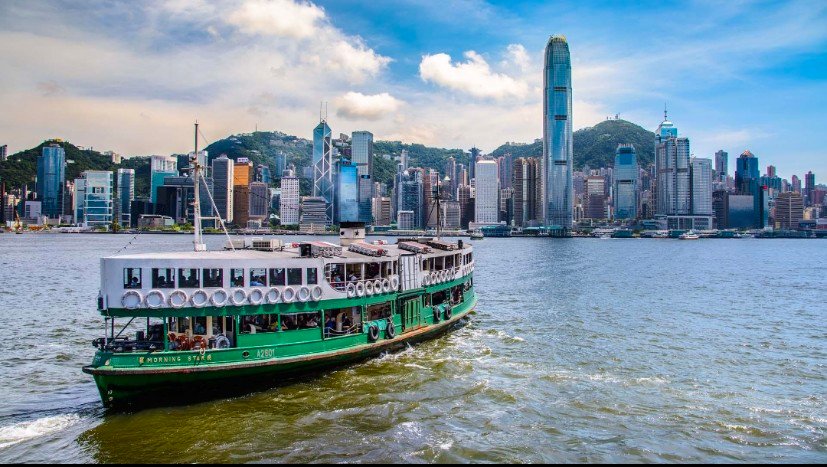
The Star Ferry is a classic Hong Kong experience. The short harbour crossing offers attractive skyline views and a different perspective on the city.
Check current routes, schedules and fares before travelling. It can be an enjoyable experience even for visitors with limited time.
Best time to visit Hong Kong by travel style
The ideal travel month depends on your interests, budget and tolerance for heat or rain.
Best time for sightseeing
October, November and December are usually good choices for exploring viewpoints, markets, temples and waterfront areas. Conditions still vary, so check the weather forecast before finalising outdoor plans.
Best time for shopping
Hong Kong has shopping options throughout the year. For comfortable walking between shopping districts, consider the cooler months. Compare prices, check shop policies and remember that luxury shopping can substantially increase your travel budget.
Best time for families
Families may prefer cooler weather when planning theme parks, outdoor attractions and long sightseeing days. School holidays and special events can increase demand, so reserve accommodation and popular attractions early.
Best time for budget travellers
There is no single cheapest month for every hotel and flight. Prices depend on demand, school holidays, events, airline availability and how early you book.
Compare multiple dates, consider hotels outside the most expensive central areas and use public transport to reduce costs.
Should you visit Hong Kong in November 2026?
November is an attractive option for many visitors because the weather is often comfortable for outdoor sightseeing. However, conditions can change, and rainfall may be higher than normal in late 2026 according to the Hong Kong Observatory’s seasonal outlook.
Pack light layers and a compact umbrella, and keep an indoor activity available for rainy periods.
How to reach Hong Kong from India
Hong Kong International Airport receives international flights from many destinations. Travellers from India can compare available flights from major departure cities such as Delhi, Mumbai, Bengaluru and other airports, depending on the current airline schedule.
Step 1: Choose your departure airport
Compare the total fare, baggage allowance, travel time, layovers and cancellation terms. A cheaper ticket may not be the best value if it requires an inconvenient connection or excludes checked baggage.
Step 2: Book flights
Use airline websites or reputable travel platforms to compare fares. Confirm your passport details and travel dates carefully before paying.
Step 3: Prepare entry documents
Check the applicable Hong Kong entry requirements for your nationality before departure. Indian passport holders should complete the relevant pre-arrival registration requirements explained in the visa section below.
Step 4: Travel from the airport to your hotel
Hong Kong International Airport is connected to the city by the Airport Express, buses and taxis. The Airport Express takes approximately 24 minutes to reach Hong Kong Station, according to the Hong Kong Tourism Board.
Choose your transfer based on your hotel location, arrival time, luggage and budget.
Hong Kong visa requirements for Indian travellers in 2026
Indian nationals planning a short visit to Hong Kong generally need to complete Pre-arrival Registration (PAR) successfully before travelling visa-free.
According to Hong Kong’s Immigration Department:
PAR is free of charge.
The applicant must hold an Indian passport valid for at least six months.
The arrangement covers eligible visits of up to 14 days per stay.
A successful registration is valid for six months and may be used for multiple eligible visits during that period.
The notification slip must be printed and used with the same valid passport used for registration.
If PAR is unsuccessful, or the intended stay exceeds 14 days, the traveller should check the appropriate visa procedure.
Official resources:
Hong Kong Immigration Department — Indian nationals’ PAR
Hong Kong Tourism Board — visa information for Indian travellers
Documents to prepare
Depending on your circumstances, prepare the following:
A valid passport.
Successful PAR notification slip, if applicable.
Confirmed or planned accommodation details.
Return or onward flight information.
Evidence of sufficient funds for the trip.
A practical travel itinerary.
Travel insurance, recommended for unexpected medical or travel costs.
These are sensible travel preparations, not a guarantee of admission. Final entry decisions remain subject to immigration requirements.
How to travel around Hong Kong
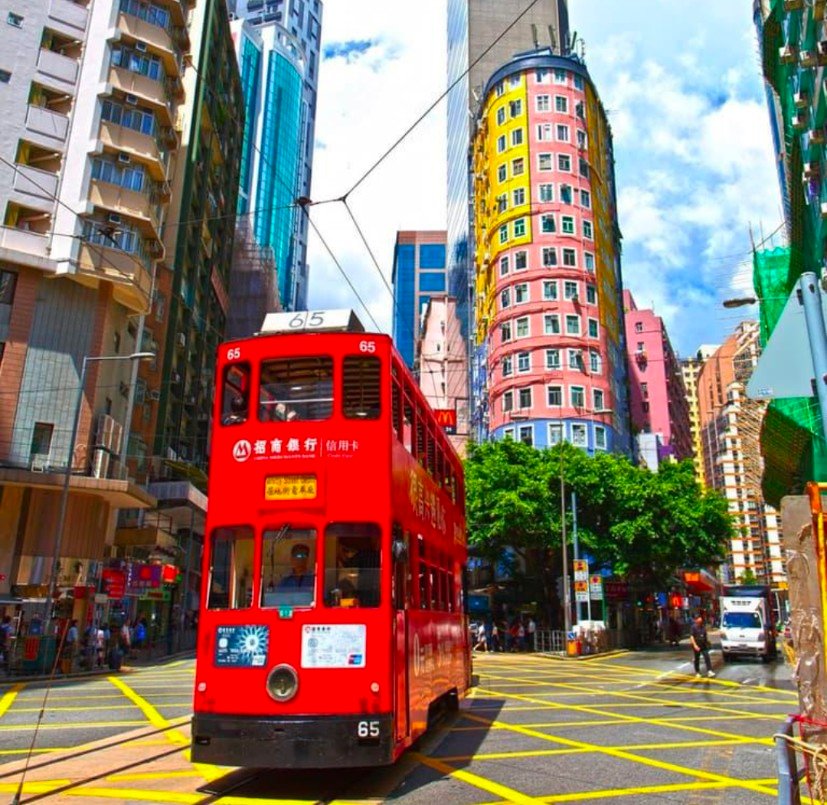
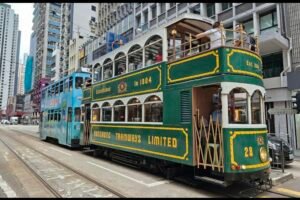
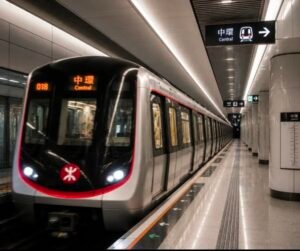
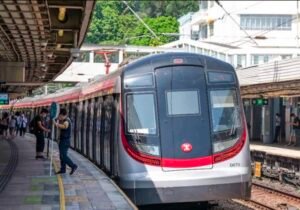
Hong Kong’s transport network makes it possible to visit many major attractions without hiring a private car.
MTR
The Mass Transit Railway (MTR) connects many major districts and popular attractions. It is a convenient option for travelling between Hong Kong Island, Kowloon and other connected areas.
Use official route information to plan transfers and check service updates.
Buses and trams
Buses reach numerous neighbourhoods, residential districts and scenic locations. Hong Kong’s historic double-decker trams are especially useful for exploring parts of Hong Kong Island.
Check the route, direction and fare before boarding.
Octopus card
An Octopus card is a convenient contactless payment option for many public transport journeys and participating merchants. The Hong Kong Tourism Board lists physical and mobile visitor options; availability and compatibility depend on the product and device.
Official information: Octopus Hong Kong
Taxis
Taxis can be useful when travelling with luggage, reaching locations away from rail stations or returning late at night. Check the applicable fare, surcharges and payment options.
Airport Express
The Airport Express is a fast option for reaching central Hong Kong. Compare it with airport buses and taxis before choosing your transfer.
Where to stay in Hong Kong
Your accommodation location can affect both your budget and the time needed for sightseeing.
Area Best suited for What to consider
Tsim Sha Tsui First-time visitors Harbour access, shopping and restaurants
Central Business and city exploration Convenient location, often expensive
Mong Kok Shopping and local street life Busy streets and smaller rooms
Wan Chai Dining and transport connections Mix of commercial and residential areas
Causeway Bay Shopping and dining Crowds and higher demand at busy times
Lantau Island Airport access or selected attractions Check travel times to central districts
How to choose a hotel
Compare the full cost rather than the nightly price alone. Look at room size, location, cancellation policy, luggage storage, air conditioning, reviews and distance to public transport.
Hong Kong accommodation can be expensive relative to some other Asian destinations. Booking early and travelling outside major events can improve your choices, but savings are never guaranteed.
For families, confirm the maximum occupancy and whether an extra bed is permitted. For budget travellers, check the room dimensions carefully because some low-cost city-centre rooms are very compact.
Hong Kong travel budget for 2026
The total cost depends on your departure city, travel dates, hotel standard, food preferences and attractions.
The following is an illustrative planning estimate per person for four days and three nights, excluding international flights. It is not a live quotation.
Expense Budget estimate (HKD)
Budget accommodation, shared room 900–1,800
Food and drinks 400–800
Local transport 150–350
Attractions and activities 200–900
Miscellaneous expenses 150–350
Estimated total 1,800–4,200
These figures are planning ranges, not guaranteed current prices. Accommodation, theme parks, cable cars, premium restaurants and special events can push the total substantially higher.
How to save money in Hong Kong
Compare accommodation in several connected districts.
Use public transport instead of taxis for routine journeys.
Mix restaurants with affordable local eateries.
Check official attraction prices before purchasing tickets.
Avoid booking non-refundable options until your travel documents and dates are confirmed.
Plan nearby attractions together to reduce unnecessary journeys.
Keep an emergency reserve for unexpected expenses.
For travellers from India, add round-trip airfare, travel insurance, applicable payment or foreign-exchange charges and any passport-related expenses to the budget.
What to eat in Hong Kong
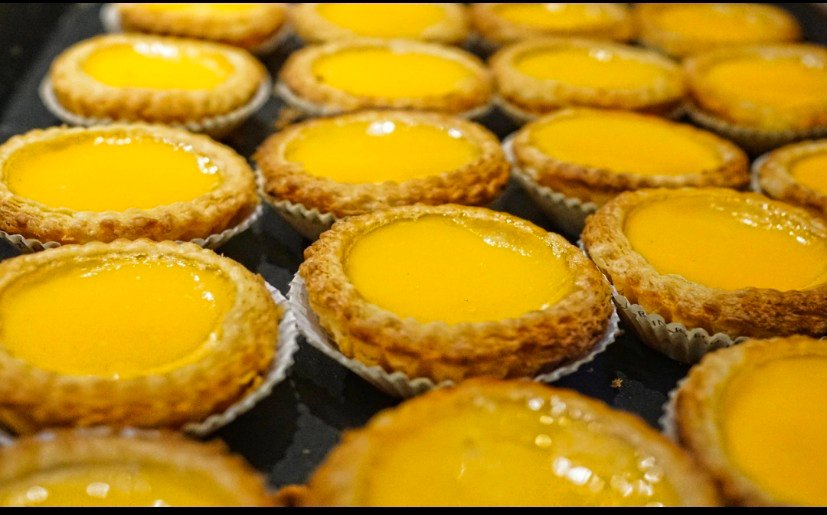

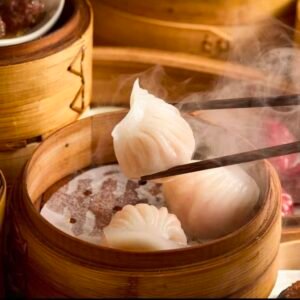
Food is a major part of the Hong Kong experience. The city offers Cantonese specialities, international restaurants, casual cafes and traditional bakeries.
Dim sum
Dim sum includes small dishes such as dumplings, buns and other savoury bites, commonly enjoyed with tea. It is a good introduction to Cantonese dining.
Wonton noodles
Wonton noodle soup often features dumplings, thin noodles and a savoury broth. It is a useful meal option when exploring the city.
Hong Kong-style milk tea
This strong tea with milk is a well-known local drink. It is commonly served in traditional cafes.
Egg tarts
Egg tarts feature a pastry shell with a smooth egg custard filling. They are popular in bakeries and make a convenient snack during a walking tour.
Roast meats and rice dishes
Restaurants and local eateries serve dishes featuring roast meats with rice. Prices and portion sizes vary by location.
Vegetarian and dietary needs
Vegetarian, vegan, halal and other dietary options are available, but availability varies by neighbourhood and restaurant. Confirm ingredients and preparation methods directly, especially if you have an allergy or strict dietary requirement.
A practical 4-day Hong Kong itinerary
This itinerary groups nearby attractions together to help you make efficient use of your time.
Day 1 — Kowloon and Victoria Harbour
Arrive, check into your hotel and explore Tsim Sha Tsui Promenade, the Avenue of Stars and nearby shopping streets. Finish with an evening harbour view or Star Ferry ride.
Day 2 — Hong Kong Island
Visit Central, explore Man Mo Temple and take time for the Mid-Levels Escalator area. Head to Victoria Peak later in the day if visibility is good.
Day 3 — Lantau Island
Visit the Big Buddha, Ngong Ping Village and Po Lin Monastery. If you prefer theme parks, substitute a full day at Hong Kong Disneyland.
4 — Markets and departure
Explore Mong Kok, enjoy a final local meal and shop for souvenirs. Leave enough time to collect luggage and reach the airport.
Optional fifth day
Spend an additional day at Ocean Park, visit Repulse Bay or take a trip to Lamma Island. Choose one main activity rather than trying to fit every attraction into a single day.
Best things to do in Hong Kong at night
Hong Kong is particularly photogenic after sunset, when its waterfront and commercial districts light up.
Photograph Victoria Harbour from the Tsim Sha Tsui waterfront.
Explore Mong Kok’s busy shopping streets.
Enjoy dinner in a local restaurant.
Take a Star Ferry ride if the timetable suits your plans.
Visit a permitted observation deck or rooftop venue.
Explore evening shopping and dining in Central or Causeway Bay.
Check transport schedules before staying out late. Do not assume every attraction, ferry service or shop remains open until midnight.
Hong Kong travel tips for first-time visitors
A little preparation can make your first trip more comfortable and help prevent unnecessary expenses.
Money and payments
Hong Kong uses the Hong Kong dollar (HKD). Check your bank’s international transaction fees and compare currency exchange options. Carry a backup payment method in case a card or mobile payment option is not accepted.
Internet and mobile connectivity
Arrange mobile data or roaming before you arrive. Check whether your phone supports the selected eSIM or SIM service, and confirm any activation requirements.
Weather and clothing
Pack breathable clothing for warm weather, a light jacket for cooler days and a compact umbrella. During the warmer, wetter months, monitor rainstorm and typhoon warnings.
Language
Cantonese is widely spoken, while English is also used in many tourist, business and transport settings. Save your hotel’s address and important travel details on your phone.
Travel insurance
Consider insurance that covers eligible medical expenses, cancellations, baggage issues and travel disruption. Read the policy exclusions before purchasing.
Respect local customs
Follow instructions at temples and cultural attractions. Ask permission before photographing people in sensitive situations, and dispose of rubbish responsibly.
Keep a flexible itinerary
Do not schedule every activity back-to-back. Allow extra time for transport, meals, queues, unexpected weather and rest.
Hong Kong travel mistakes to avoid
Avoid these common mistakes when planning your 2026 holiday.
Mistake 1: Booking accommodation based only on price. A distant hotel may increase daily travel time and transport costs.
Mistake 2: Ignoring entry requirements. Indian travellers should check PAR eligibility and successfully complete registration when required.
Mistake 3: Visiting the Peak without checking visibility. Clouds and fog can reduce panoramic views.
Mistake 4: Underestimating the budget. Hotels, premium attractions and shopping can make Hong Kong more expensive than expected.
Mistake 5: Trying to see everything in two days. Select attractions according to your interests rather than rushing through the entire city.
Mistake 6: Ignoring weather alerts. Rainstorms and tropical cyclones can affect outdoor activities and transport.
Mistake 7: Forgetting to check opening hours. Museums, temples, parks and cable-car services may have different schedules or maintenance closures.
Is Hong Kong worth visiting in 2026?
Hong Kong is worth considering if you enjoy modern cityscapes, cultural experiences, international food, shopping and convenient public transport. It can also work well for a short holiday because several major attractions can be combined within a few days.
The destination is not ideal for every budget. Accommodation and major attractions can be expensive, and the warm, humid summer climate may be uncomfortable for some travellers.
For many first-time visitors, a four- or five-day trip offers a good balance between sightseeing and relaxation. November is a particularly attractive month to consider, provided that the weather forecast and travel costs suit your plans.
The best approach is to choose your travel dates, confirm your entry documents, reserve accommodation near convenient transport and create an itinerary that includes both famous attractions and local experiences.
Frequently asked questions about visiting Hong Kong in 2026
What is the best time to visit Hong Kong in 2026?
October to December is generally a good period for sightseeing. November and December often have pleasant conditions, but weather varies from year to year. Check the official forecast before travelling.
How many days are enough for Hong Kong?
Three days can cover several major city attractions. Four to five days provide more time for Lantau Island, markets, cultural landmarks or a theme park.
Is Hong Kong expensive for Indian tourists?
It can be expensive, particularly for hotels and major attractions. Budget travellers can reduce costs by using public transport, choosing affordable accommodation and planning meals carefully.
Do Indian citizens need a visa for Hong Kong?
Eligible Indian passport holders can generally visit visa-free for up to 14 days after successfully completing the required Pre-arrival Registration. Longer stays and other purposes may require a visa. Check the official immigration guidance before departure.
Is Hong Kong safe for tourists?
Hong Kong has extensive transport and tourist facilities. As in any major city, keep valuables secure, use reputable transport and follow local laws and weather advisories.
What is the best area to stay in Hong Kong?
Tsim Sha Tsui is convenient for many first-time visitors. Central, Wan Chai, Causeway Bay and Mong Kok are also worth considering, depending on your budget and itinerary.
Can Hong Kong be explored without a car?
Yes. The MTR, buses, trams and ferries provide many practical ways to explore the city. Taxis are available for journeys where public transport is less convenient.
Is November 2026 a good month for Hong Kong?
November is generally a strong choice for sightseeing. However, the 2026 seasonal outlook indicates a possibility of above-normal rainfall, so check the forecast closer to your travel dates.
What should I pack for Hong Kong?
Pack comfortable walking shoes, weather-appropriate clothes, a compact umbrella, essential medicines, travel documents and suitable charging equipment.
Is Hong Kong good for a family holiday?
Yes. Families can combine theme parks, waterfront walks, cultural attractions and shopping. Choose activities according to children’s ages, mobility needs and your overall budget.
Conclusion
Hong Kong is a fascinating destination where modern architecture, traditional culture, coastal scenery and exciting food experiences come together. With the right itinerary, you can explore its famous skyline, discover historic temples, visit scenic islands and enjoy local markets without making every day feel rushed.
For a 2026 trip, October to December is generally worth considering, with November often offering comfortable sightseeing conditions. Plan your budget carefully, verify entry requirements and check the weather before booking outdoor activities.
Whether you are travelling alone, with friends or with family, thoughtful planning can help you make the most of your Hong Kong holiday.
If you are building a travel blog, focus on providing practical, accurate information that helps readers plan a real trip. Useful details, clear headings and regularly updated official links will serve readers better than repeating keywords simply to improve an SEO score.
Leave a Reply