title
Best Time to Visit Nagaland 2026–2027: Places, Travel Guide & Tips
Best time to visit Nagaland
best-time-to-visit-nagaland-2026-2027
Discover the best time to visit Nagaland in 2026–2027. Explore Kohima, Dzükou Valley, Hornbill Festival, beautiful villages, travel costs and essential travel tips.
Secondary SEO keywords
Nagaland travel guide 2026
Nagaland tourism 2026–2027
Best places to visit in Nagaland
Nagaland trip cost
Things to do in Nagaland
How to reach Nagaland
Hornbill Festival 2026
Nagaland tourist attractions
Best season to visit Nagaland
Nagaland itinerary 7 days
Dzükou Valley travel guide
Kohima tourist places
Nagaland village tourism
Nagaland travel tips
Nagaland winter travel
Nagaland sightseeing places
Nagaland cultural festivals
Nagaland tourism guide for beginners
Nagaland budget trip
Nagaland travel itinerary 2027
Best Time to Visit Nagaland in 2026–2027: How to Explore Nagaland, Top Tourist Places, Festivals and Travel Tips
Introduction: Discover the Beautiful Land of Nagaland
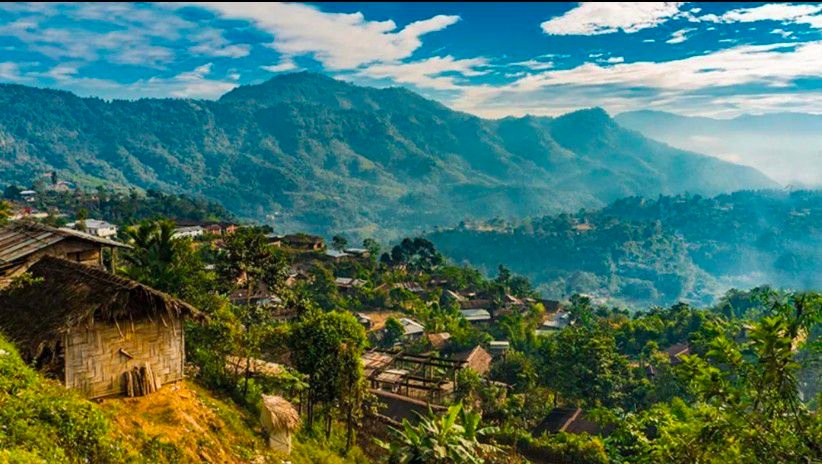
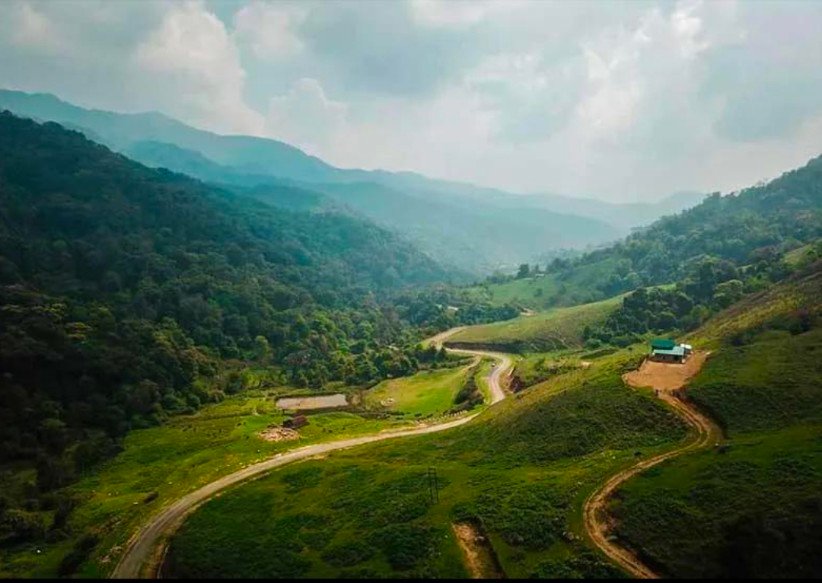
Nagaland is one of the most fascinating travel destinations in Northeast India. Known for its beautiful mountains, traditional villages, colourful festivals, peaceful natural surroundings and unique cultural heritage, this northeastern state offers an unforgettable experience to travellers looking for something different from ordinary holiday destinations.
Located in the northeastern corner of India, Nagaland shares its borders with Assam, Arunachal Pradesh, Manipur and Myanmar. The state is particularly famous for its diverse Naga communities, traditional architecture, beautiful landscapes, local cuisine and warm hospitality.
Whether you are a nature lover, adventure enthusiast, photographer, cultural explorer or someone who enjoys peaceful mountain holidays, Nagaland has something special to offer.
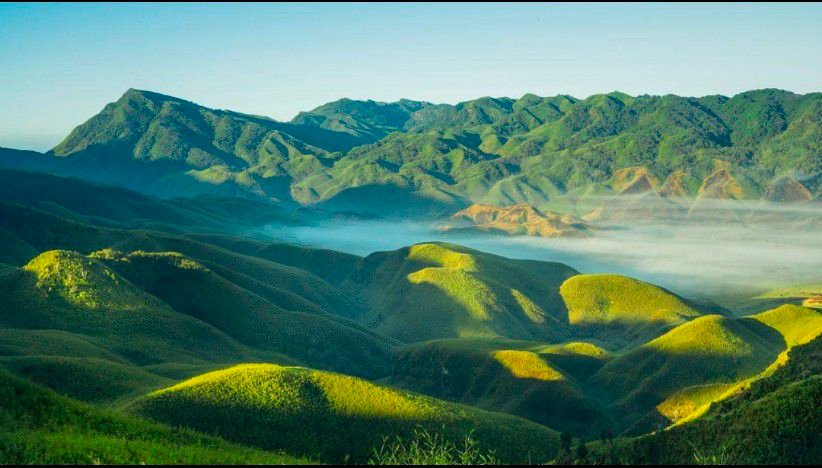
One of the biggest attractions of the state is the famous Hornbill Festival, which showcases the cultural traditions, music, dance, food and handicrafts of different Naga communities. Another major attraction is Dzükou Valley, a spectacular natural destination famous for its rolling green hills, seasonal flowers and breathtaking trekking routes.
Travelling to Nagaland in 2026–2027 can be a wonderful opportunity to discover its natural beauty and cultural traditions. However, choosing the right travel season is important because the weather, road conditions and outdoor activities change throughout the year.
The best time to visit Nagaland is generally from October to May. December is particularly popular because of the Hornbill Festival, while March and April are attractive months for exploring villages and enjoying pleasant outdoor conditions.
In this complete Nagaland travel guide, we will explore the best months to visit, famous tourist attractions, local experiences, transportation, accommodation, food, travel costs and practical planning advice.
If you are planning your first trip to Northeast India, this guide will help you prepare for an enjoyable Nagaland holiday.
Best Time to Visit Nagaland in 2026–2027
The best time to visit Nagaland is between October and May, when travellers can generally enjoy better conditions for sightseeing, cultural exploration and outdoor activities.
During these months, the weather is usually more suitable for visiting mountain destinations, traditional villages, historical attractions and scenic viewpoints.
However, every season offers a different experience.
1. October to November: Best for Nature and Photography
October and November are excellent months for exploring Nagaland after the main monsoon period.
The hills become greener, the surrounding countryside looks refreshing, and the changing weather creates beautiful scenery for photography.
These months are particularly suitable for:
Exploring Kohima and surrounding villages.
Visiting scenic mountain viewpoints.
Discovering traditional Naga architecture.
Enjoying village homestays.
Photography and nature walks.
Exploring local markets and cultural attractions.
November is also an interesting month for travellers who want to experience traditional community celebrations. Festival dates and public access should be checked with local organisers before planning.
Why visit during this season?
October and November offer a good balance between nature, sightseeing and cultural experiences. They are especially suitable for travellers who prefer exploring Nagaland without making the entire holiday dependent on a major festival.
2. December: Best for Hornbill Festival
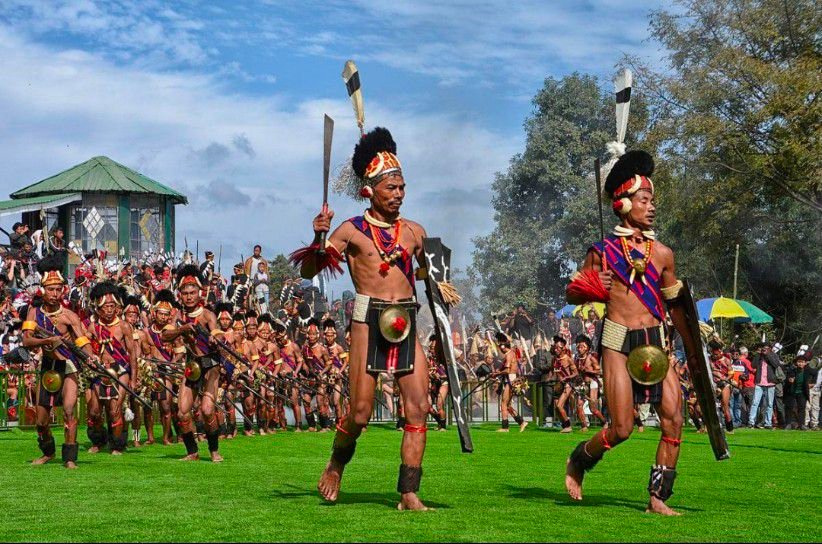
December is one of the most popular months to visit Nagaland because of the internationally recognised Hornbill Festival.
The 2026 Hornbill Festival is officially listed for 1–10 December 2026 at Kisama, near Kohima.
During this celebration, visitors can experience different aspects of Naga cultural heritage, including:
Traditional dances and performances.
Indigenous music.
Traditional clothing.
Local food.
Handicrafts and artwork.
Cultural exhibitions.
Community activities.
The festival offers a wonderful introduction to the different communities and cultural traditions of Nagaland.
December is also suitable for sightseeing around Kohima, visiting historical locations and exploring nearby villages.
Important travel advice: Accommodation and transportation can become busy during the festival. Book your stay early and check the official festival programme, venue arrangements and ticket details before travelling.
- January to February: Best for Peaceful Mountain Holidays
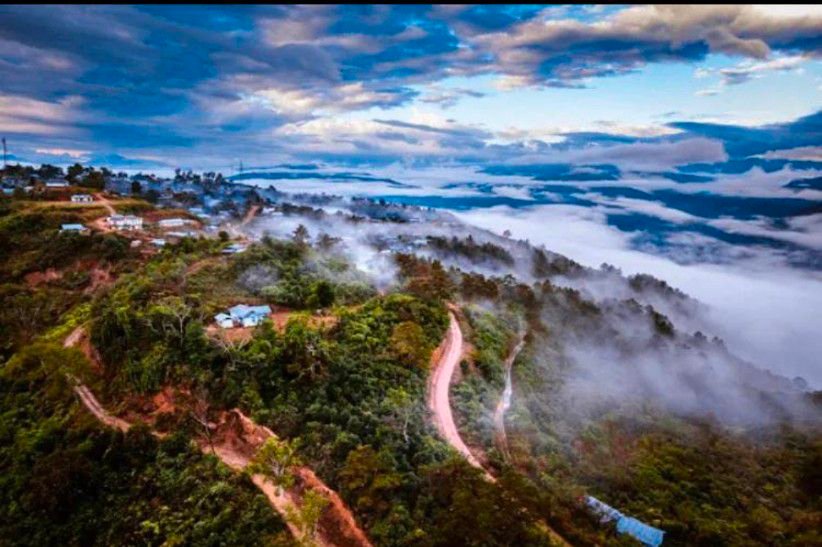
January and February are good options for visitors who enjoy peaceful destinations and quieter sightseeing experiences.
Winter brings cooler temperatures, particularly in higher-altitude areas.
Travellers can explore:
Kohima War Cemetery.
Kisama Heritage Village.
Local Naga villages.
Mountain viewpoints.
Cultural museums.
Traditional markets.
The evenings and early mornings can become quite cold, so warm clothing is important.
If you prefer a relaxed holiday with fewer festival crowds, these months are worth considering.
4. March to April: Best for Village Exploration and Outdoor Activities
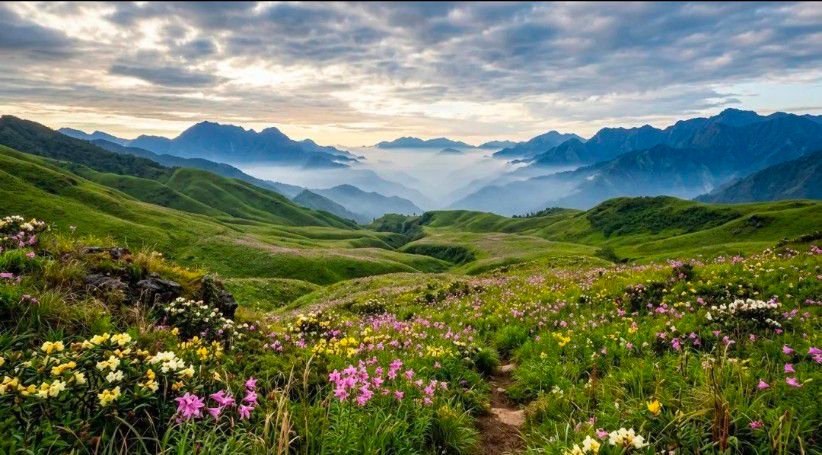
March and April are attractive months for exploring Nagaland’s countryside.
The weather can be comfortable for sightseeing and village visits, although conditions vary between locations and elevations.
Some recommended activities include:
Exploring Dzükou Valley.
Visiting traditional villages.
Taking guided nature walks.
Discovering local handicrafts.
Enjoying photography.
Experiencing community traditions.
Travellers interested in hiking should check current trail conditions and arrange a local guide where appropriate.
- May to September: Monsoon Season
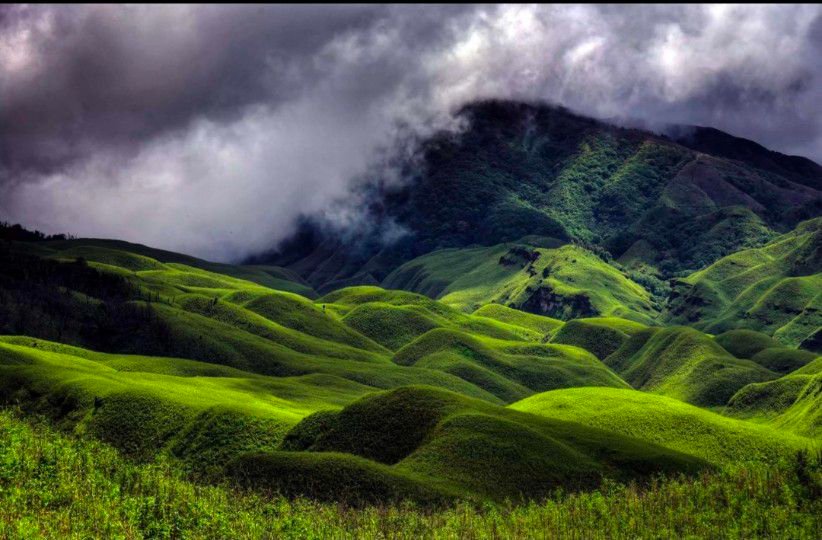
May to September is generally the wetter period in Nagaland.
The landscape becomes extremely green, and forests, hills and valleys look beautiful.
However, heavy rainfall can create travel difficulties.
Possible challenges include:
Slippery trekking trails.
Road disruptions.
Reduced visibility.
Landslide risks.
Changes to outdoor activity schedules.
Travellers planning a monsoon holiday should maintain flexible itineraries and check road conditions before travelling between destinations.
Overall recommendation: Choose October to May for a general Nagaland holiday, December for the Hornbill Festival and March–April for village exploration and outdoor experiences.
Nagaland Weather Month by Month
Understanding the weather is important before booking your Nagaland holiday.
The following table provides a general seasonal planning guide. Actual temperatures and rainfall vary by district and elevation.
Month General conditions Travel suitability
January Cool winter Good
February Cool and pleasant Good
March Spring conditions Excellent
April Mild, occasional rain Excellent
May Increasing rainfall Moderate
June Monsoon Limited
July Heavy rainfall possible Limited
August Wet and cloudy Limited
September Rain gradually changes Moderate
October Post-monsoon scenery Excellent
November Pleasant autumn Excellent
December Cool, festival season Excellent
These are general travel-planning descriptions, not a live weather forecast.
Best Places to Visit in Nagaland in 2026–2027
Nagaland has many beautiful destinations where visitors can experience mountain landscapes, traditional culture, historical attractions and village life.
Here are some of the most interesting places to include in your itinerary.
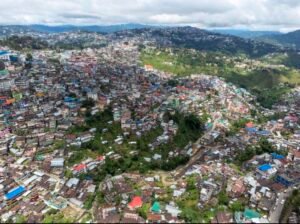
1. Kohima – The Beautiful Capital of Nagaland
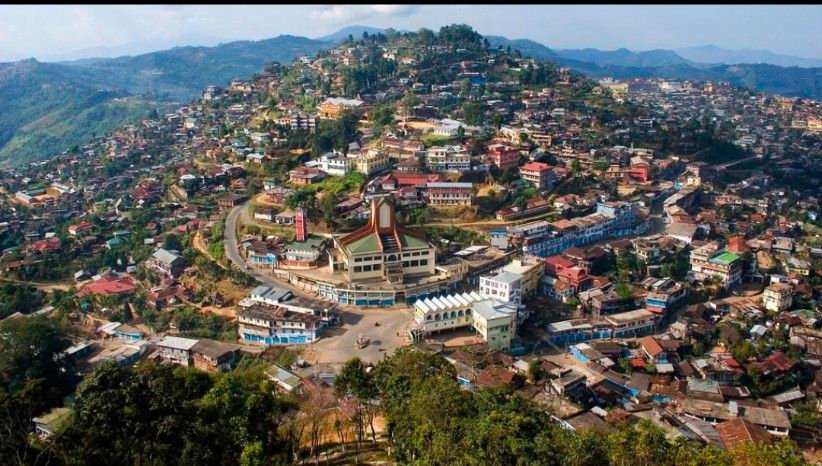
Kohima is the capital city of Nagaland and one of the most important destinations for travellers exploring the state.
Situated among beautiful hills, Kohima offers a combination of history, culture, local markets and scenic landscapes.
The city is also an excellent starting point for exploring nearby attractions, including Kisama Heritage Village and Dzükou Valley.
Top attractions in Kohima:
Kohima War Cemetery.
Kisama Heritage Village.
Local markets.
Nearby traditional villages.
Scenic mountain viewpoints.
Kohima War Cemetery is particularly important for history enthusiasts because it commemorates soldiers who lost their lives during the Battle of Kohima in the Second World War.
Visitors can spend one or two days exploring Kohima and its surrounding attractions.
2. Dzükou Valley – A Paradise for Nature Lovers
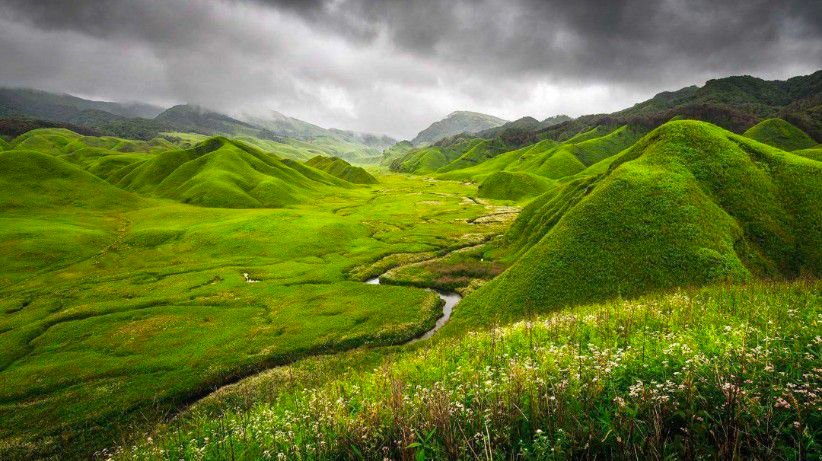
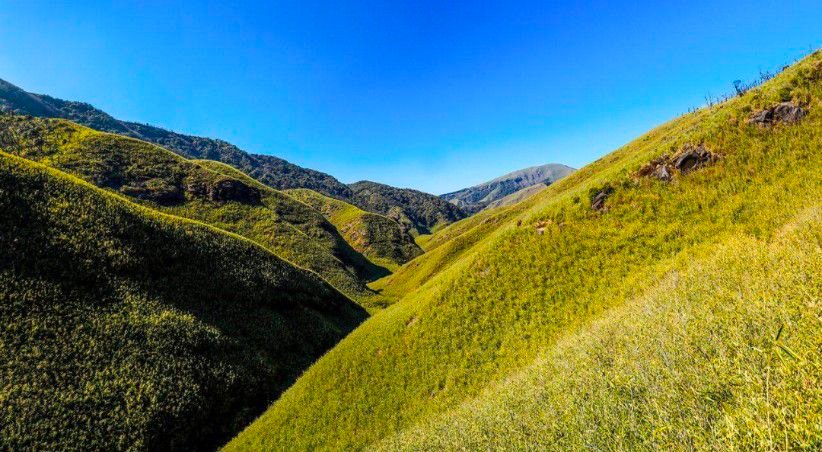
Dzükou Valley is one of the most spectacular natural destinations in Northeast India.
Located along the Nagaland–Manipur border, the valley is famous for its rolling green hills, beautiful streams, seasonal flowers and peaceful surroundings.
The valley is especially attractive to adventure lovers, trekkers and landscape photographers.
Things to do in Dzükou Valley:
Enjoy mountain trekking.
Capture beautiful landscape photographs.
Explore natural streams.
Experience peaceful camping where permitted.
Discover seasonal flowers.
Enjoy sunrise and sunset views.
The Dzükou Lily is one of the valley’s best-known botanical attractions.
Visitors should prepare for a challenging trek in some sections. Carry sufficient drinking water, suitable footwear, warm clothing and necessary supplies.
It is advisable to arrange a local guide and check access, weather and accommodation arrangements before departure.
3. Kisama Heritage Village – Experience Naga Culture
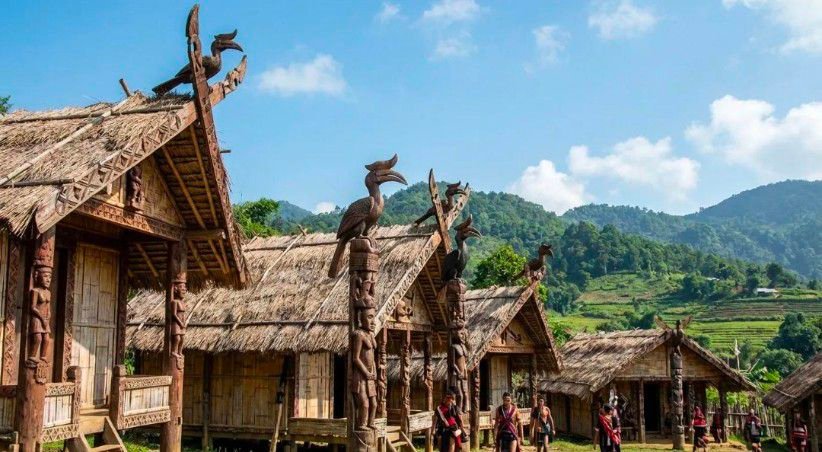
Kisama Heritage Village is one of the most important cultural attractions in Nagaland.
Located near Kohima, the village is particularly famous as the main venue of the Hornbill Festival.
The heritage village showcases traditional architecture and cultural spaces associated with different Naga communities.
Visitors can explore:
Traditional morungs.
Cultural architecture.
Traditional handicrafts.
Community performances during festivals.
Local food and cultural displays.
Kisama is a particularly good destination for people interested in learning about Nagaland’s cultural heritage.
4. Mokokchung – Explore the Culture of the Ao Community
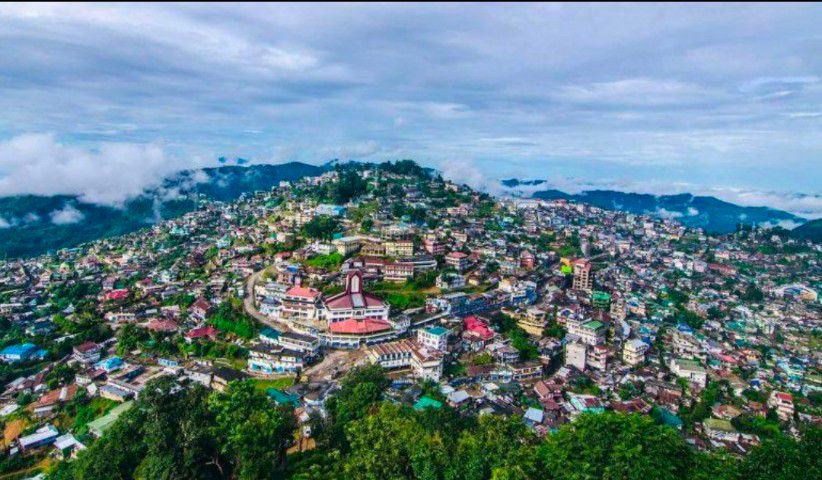
Mokokchung is a beautiful hill district in Nagaland and an important cultural destination associated with the Ao Naga community.
It offers a peaceful atmosphere, traditional villages and beautiful mountain surroundings.
The region is particularly interesting for visitors who want to explore village traditions and experience local hospitality.
Top experiences:
Explore traditional Ao villages.
Visit local markets.
Discover traditional architecture.
Experience local food.
Photograph scenic mountain landscapes.
Longjang, Ungma and Mopungchuket are among the villages worth researching when planning a cultural visit.
Always check with local hosts about village access, photography etiquette and visitor arrangements.
- Mon – Discover the Konyak Naga Heritage
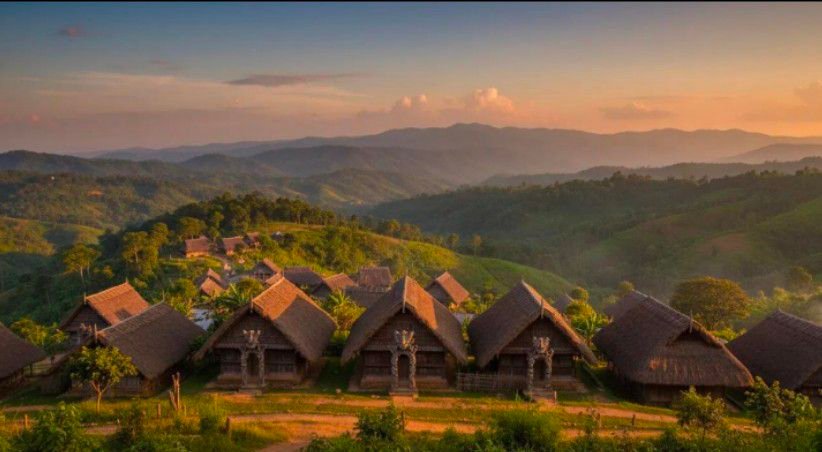
Mon is one of the most fascinating destinations in eastern Nagaland.
The district is associated with the Konyak Naga community and is known for its distinctive cultural traditions, traditional villages and beautiful surroundings.
Longwa Village is among the most interesting places to explore.
The village is especially notable for its location near the India–Myanmar international border.
Visitors can discover:
Traditional village architecture.
Konyak cultural heritage.
Local handicrafts.
Scenic mountain views.
Traditional community life.
Travellers should arrange visits respectfully through local hosts and follow current border-area restrictions.
6. Wokha – Beautiful Landscapes and Nature
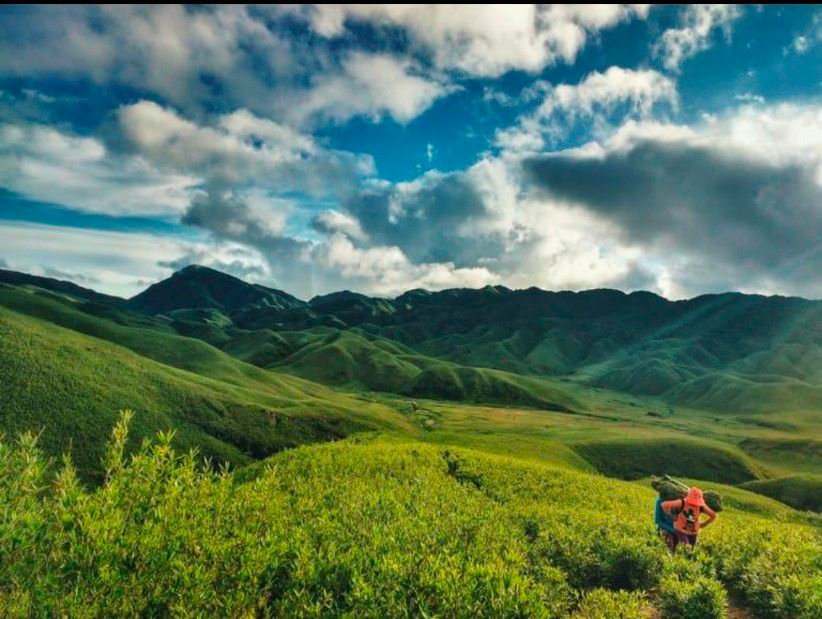
Wokha is another attractive destination for nature lovers.
The district is known for its green hills, scenic countryside and cultural traditions associated with the Lotha Naga community.
Mount Tiyi is one of its well-known natural attractions.
Visitors can enjoy:
Scenic mountain drives.
Nature photography.
Village exploration.
Local cultural experiences.
Peaceful countryside surroundings.
Wokha is a good destination for travellers looking to explore beyond the popular tourist circuit.
7. Doyang Lake – A Beautiful Natural Attraction
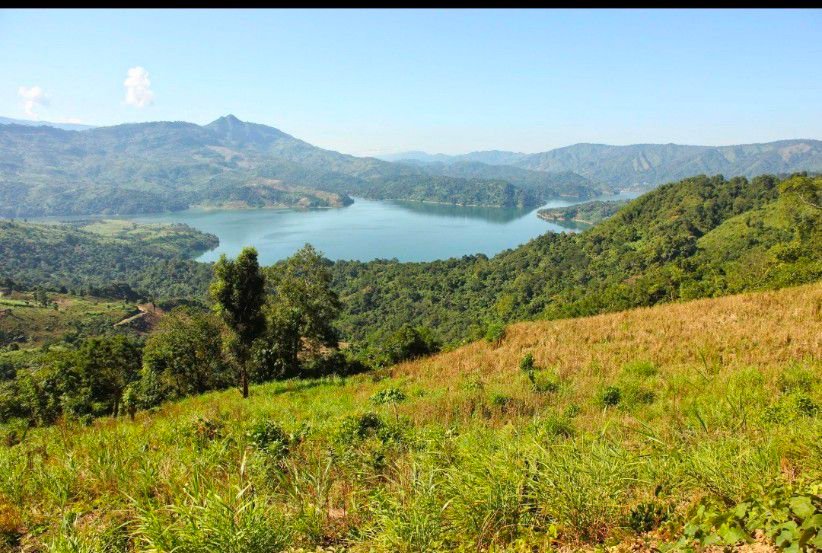
Doyang Lake is one of the most beautiful natural attractions in Nagaland.
Located in Wokha district, the lake is surrounded by hills and offers peaceful scenery.
The destination is particularly famous for the seasonal migration of Amur falcons.
During the migration season, large numbers of these birds use the region as an important resting area.
Things to enjoy:
Birdwatching with local guidance.
Nature photography.
Beautiful lake views.
Peaceful surroundings.
Exploring nearby villages.
The Amur falcon migration is generally associated with the autumn months, but exact bird activity varies each year. Check recent local observations before planning a dedicated birdwatching trip.
8. Tuophema Village – Experience Traditional Village Life
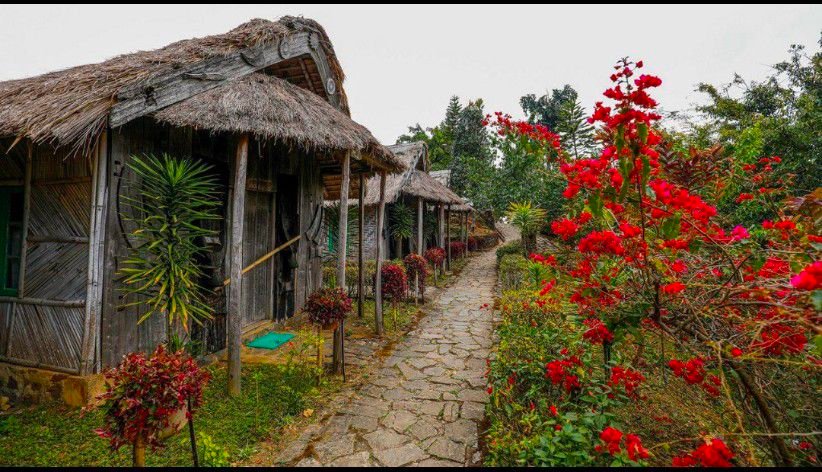
Tuophema is an attractive cultural tourism destination near Kohima.
It provides visitors with opportunities to learn about traditional village life and experience local hospitality.
Travellers can explore traditional-style accommodation, village surroundings, local food and cultural activities.
It is a suitable place for people who want a more immersive experience rather than spending the entire holiday in cities.
9. Khonoma Green Village – A Unique Eco-Tourism Destination
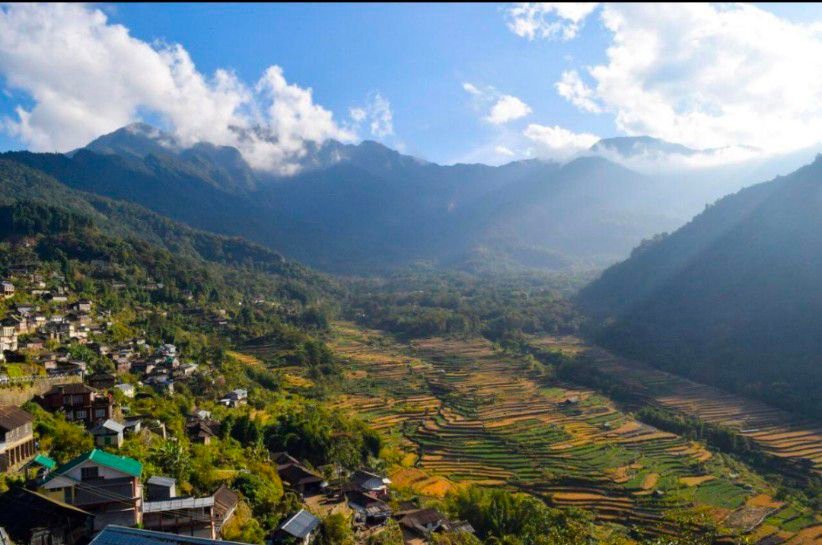
Khonoma is one of the most interesting villages near Kohima.
It is widely recognised for community-led conservation and its green village identity.
The village offers a beautiful combination of traditional architecture, terraced agricultural landscapes and mountain scenery.
Top experiences in Khonoma:
Explore traditional village streets.
Learn about community conservation.
Enjoy mountain photography.
Discover local agricultural practices.
Experience village hospitality.
Visitors should respect local customs and follow community guidance while exploring.
10. Pfutsero – Enjoy the Mountain Scenery
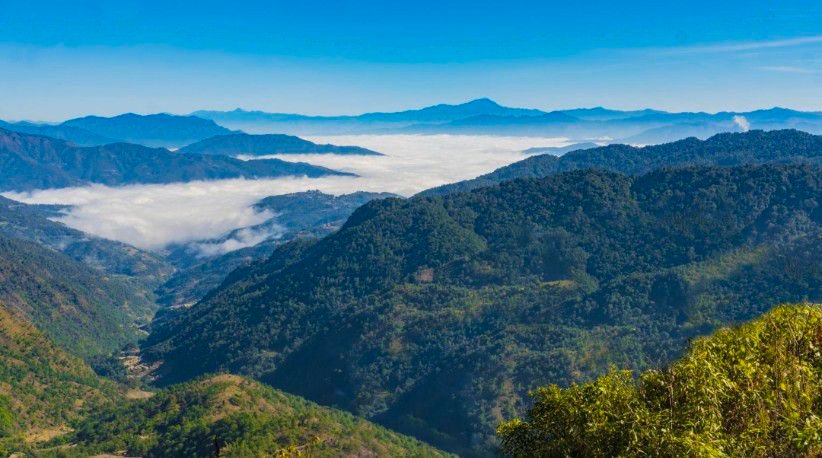
Pfutsero is a scenic town in Phek district.
It is known for its relatively high elevation, cool conditions and beautiful mountain surroundings.
The town is a good choice for visitors interested in exploring quieter parts of Nagaland.
Travellers can enjoy local markets, village culture, mountain scenery and peaceful surroundings.
Top Things to Do in Nagaland
Nagaland is not simply a destination for sightseeing. It is a place where visitors can enjoy different experiences involving nature, history, traditional culture and local communities.
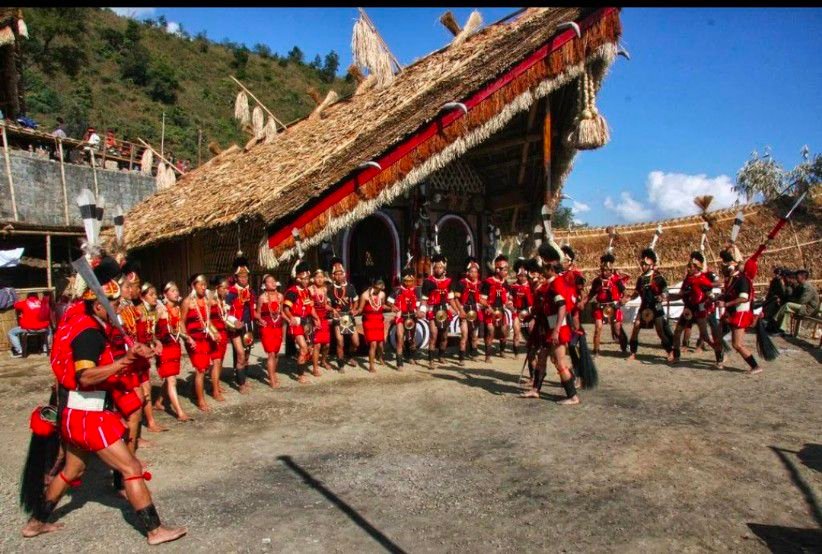

1. Attend the Hornbill Festival
The Hornbill Festival is one of the most exciting cultural experiences in Nagaland.
It provides an opportunity to discover traditional music, dances, handicrafts, local food and community traditions.
The 2026 event is scheduled from December 1 to December 10 at Kisama.
2. Go Trekking in Dzükou Valley
Dzükou Valley is a wonderful destination for adventure enthusiasts.
The trekking experience takes visitors through beautiful hills, natural landscapes and scenic mountain routes.
Choose an appropriate route based on your fitness level and current weather conditions.
3. Explore Traditional Naga Villages
Village tourism is one of the most memorable experiences in Nagaland.
Visitors can learn about traditional homes, community activities, local food and cultural heritage.
Consider hiring a local guide to understand the history and customs of the area.
4. Enjoy Nature Photography
Nagaland offers many opportunities for landscape photography.
Some excellent subjects include:
Mountain ranges.
Traditional villages.
Green valleys.
Lakes and rivers.
Local handicrafts.
Seasonal flowers.
Early morning and late afternoon can provide beautiful natural lighting.
5. Experience Local Naga Food
Food is an important part of the travel experience.
Visitors can discover traditional dishes prepared with local vegetables, herbs, rice, bamboo shoots and other regional ingredients.
6. Explore Local Handicrafts
Nagaland has a rich tradition of weaving, bamboo work, woodcraft and other handmade products.
Buying directly from local artisans can help support community-based tourism.
7. Visit Historical Attractions
Kohima War Cemetery is an important historical location.
Visitors interested in World War II history can learn more about the Battle of Kohima and its significance.
8. Enjoy Birdwatching
The Doyang region is particularly interesting for birdwatching enthusiasts.
Arrange responsible birdwatching with knowledgeable local guides and avoid disturbing wildlife.
Hornbill Festival 2026: A Must-Experience Cultural Celebration
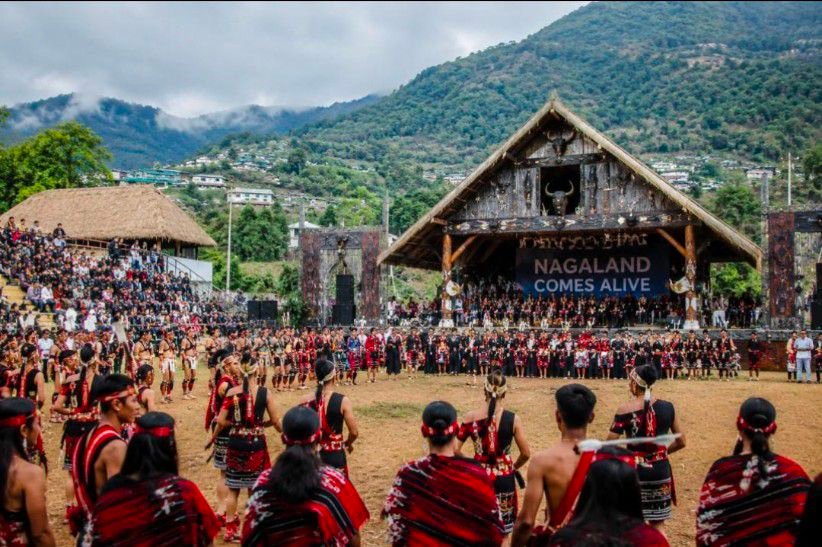
The Hornbill Festival is one of the most important reasons why many travellers visit Nagaland.
The festival celebrates the state’s cultural heritage and provides a platform for different communities to showcase their traditions.
1–10 December 2026
Hornbill Festival
Kisama Naga Heritage Village, near Kohima
10-day festival
Source: Tourism Nagaland official event listing.
Check official Tourism Nagaland website
What Can You Experience?
Visitors can enjoy a wide range of cultural activities.
Traditional performances: Different communities showcase traditional dances, music and cultural performances.
Food experiences: Visitors can explore regional cuisine and traditional food preparations.
Handicrafts: The festival provides opportunities to discover textiles, bamboo products and other handmade items.
Cultural architecture: Traditional morungs offer insight into the heritage of different Naga communities.
Music and entertainment: Visitors may also find contemporary music and other entertainment activities in the festival programme.
How Many Days Should You Spend?
For first-time visitors, two full days at the festival can provide a useful introduction.
Three days can be better if you want to spend more time exploring cultural displays, food and performances.
Do not assume every event takes place at the same venue. Check the final programme before travelling.
Important Hornbill Festival Travel Advice
Book accommodation in advance.
Apply for your required ILP before travelling.
Confirm the festival ticket and entry arrangements.
Arrange your transport to Kisama.
Carry warm clothing.
Keep your phone charged.
Respect performers and local communities.
Check the official programme for changes.
How to Reach Nagaland in 2026–2027
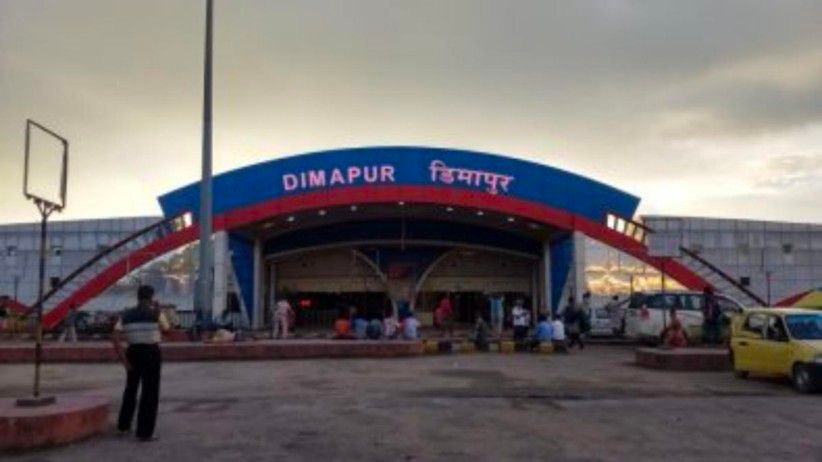
Travelling to Nagaland is possible by air, rail and road.
Dimapur is the main transportation gateway for most visitors.
1. By Air
Dimapur Airport is the only airport in Nagaland.
It provides air access to the state, with direct flight connections subject to airline schedules.
Travellers arriving from other major Indian cities may need to connect through another airport.
From Dimapur Airport, visitors can hire a taxi or arrange private transportation to Kohima.
Before booking, check flight availability, baggage rules and arrival times.
2. By Train
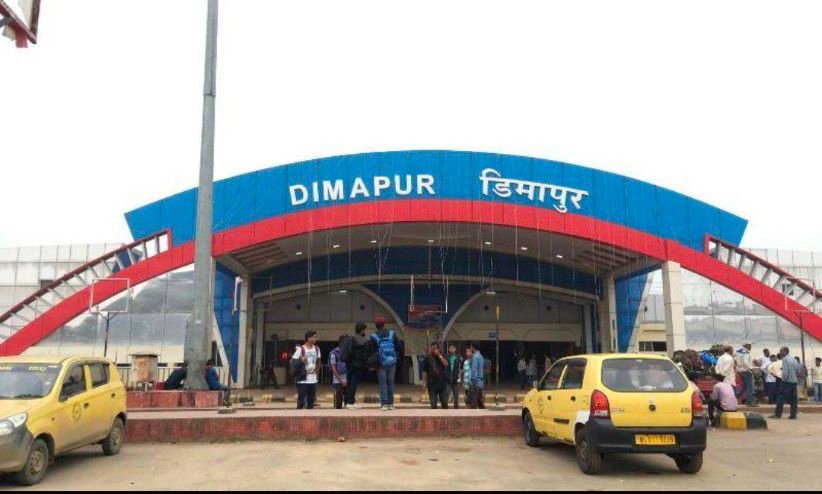
Travelling by train is another convenient option.
Dimapur Railway Station is connected to the Northeast Frontier Railway network.
Visitors from cities such as Delhi, Kolkata and Guwahati can explore suitable train connections depending on their departure location and travel dates.
After reaching Dimapur Railway Station, taxis are available for onward travel.
- By Road
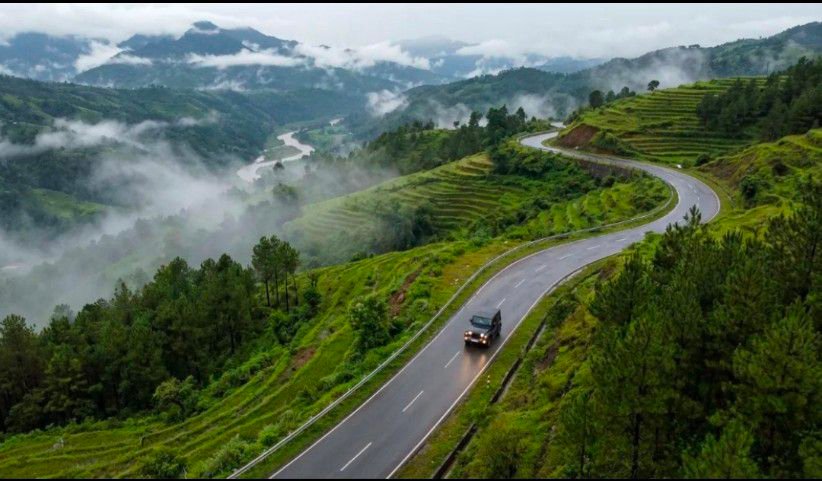
Nagaland can also be explored by road.
Travellers can reach Kohima from Dimapur using shared taxis, private taxis or pre-arranged vehicles.
The journey offers beautiful views of hills, forests and countryside.
For a comfortable trip:
Start early in the morning.
Check road conditions.
Avoid unnecessary night driving.
Keep drinking water available.
Allow extra time for mountain roads.
Use reliable local transport.
The Nagaland government also identifies Dimapur as the principal gateway by air and rail and describes the road connection to Kohima.
How to Reach Nagaland from Major Indian Cities
Starting city Suggested route
Delhi Flight or train to Dimapur
Mumbai Flight connection to Dimapur
Kolkata Flight or train to Dimapur
Guwahati Train or road to Dimapur
Bengaluru Flight connection to Dimapur
Hyderabad Flight connection to Dimapur
Always compare actual schedules before making reservations.
Inner Line Permit (ILP) for Nagaland
Before travelling, visitors should understand the entry permit requirements.
Nagaland requires an Inner Line Permit for visitors who are not indigenous inhabitants of the state, including Indian and foreign visitors under the current ILP rules.
The Government of Nagaland provides an online application facility.
Official website: Nagaland Inner Line Permit Portal
According to the official ILP FAQ:
Domestic tourist ILP fee: ₹200 per person.
Foreign tourist ILP fee: ₹500 per person.
Tourist ILP validity: 30 days.
Tourist applicants do not require a guarantor but must provide a local contact.
Processing can vary; tourist applications submitted during working hours may be approved within approximately four hours.
Important Information for Foreign Tourists
There is a recent change worth knowing.
According to the Nagaland Home Department announcement published on November 17, 2026, the Protected Area Permit requirement for foreign tourists is relaxed for 20 days annually, from November 26 to December 15.
Citizens of Afghanistan, China and Pakistan, and foreign nationals originating from these countries, continue to require prior approval from the Ministry of Home Affairs.
Foreign visitors should verify their individual entry requirements, visa conditions, registration requirements and applicable ILP arrangements before travelling.
Best Food to Try in Nagaland

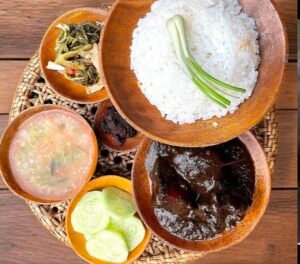

Nagaland offers a distinctive food culture influenced by local ingredients, traditional cooking methods and community traditions.
Food lovers can discover dishes prepared using rice, vegetables, bamboo shoots, fermented ingredients, herbs and locally sourced meat.
Here are some foods worth exploring.
1. Smoked Pork
Smoked pork is one of the well-known dishes associated with Naga cuisine.
It is prepared using traditional smoking techniques and is often cooked with vegetables, herbs or bamboo shoots.
2. Bamboo Shoot Dishes
Bamboo shoots are widely used in Northeast Indian cuisine.
They add a distinctive flavour to different preparations and are often combined with meat or vegetables.
3. Axone (Fermented Soybean)
Axone is a traditional fermented soybean ingredient associated with Naga cuisine.
It is used in various dishes and has a strong, distinctive flavour.
4. Galho
Galho is a traditional rice-based preparation that may include vegetables, herbs and meat.
It is a comforting dish worth trying during your visit.
5. Sticky Rice
Rice is an important part of everyday food traditions in Nagaland.
Visitors can discover different rice preparations in local restaurants and community kitchens.
Food tip: Ask about ingredients before ordering, especially if you have dietary restrictions. Some traditional preparations can be spicy or contain fermented ingredients.
Where to Stay in Nagaland
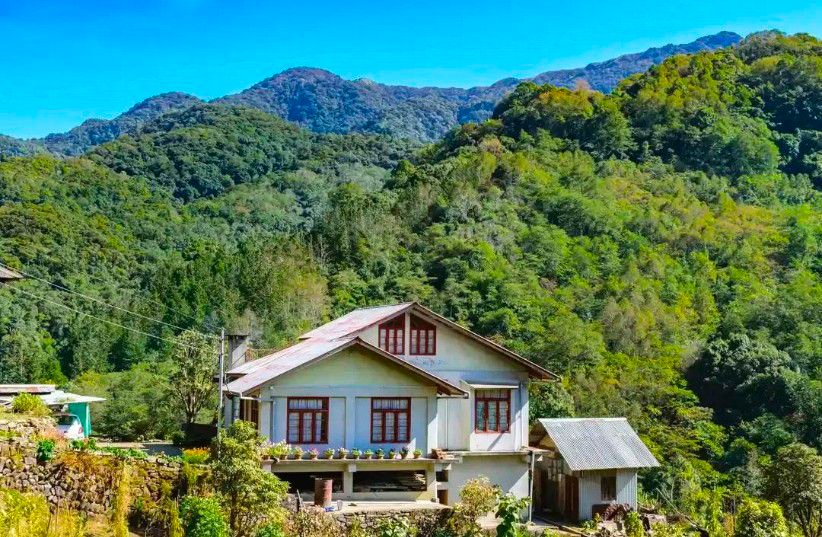
Nagaland offers different accommodation choices depending on the destination, budget and type of travel experience.
Visitors can choose between hotels, guesthouses, homestays and other local accommodation options.
1. Hotels in Kohima
Kohima is a convenient base for travellers visiting the capital and nearby tourist attractions.
You can look for:
Budget hotels.
Mid-range hotels.
Family accommodation.
Guesthouses.
Private rooms.
2. Village Homestays
Village homestays are excellent for travellers who want to experience local hospitality.
They can provide opportunities to understand traditional lifestyles, enjoy home-cooked meals and learn about community culture.
However, facilities may be simpler than those offered by city hotels.
3. Accommodation Near Kisama
Visitors attending the Hornbill Festival should consider accommodation in Kohima or other suitable nearby locations.
During the festival, rooms may become limited, so booking early is recommended.
4. Accommodation in Dimapur
Dimapur is another practical choice, particularly for travellers arriving by train or plane.
Staying here can be useful for an overnight stop before travelling further into Nagaland.
Booking tip: Confirm the exact address, cancellation policy, transport availability, hot water and meal arrangements before paying.
Nagaland Trip Cost and Budget in 2026–2027
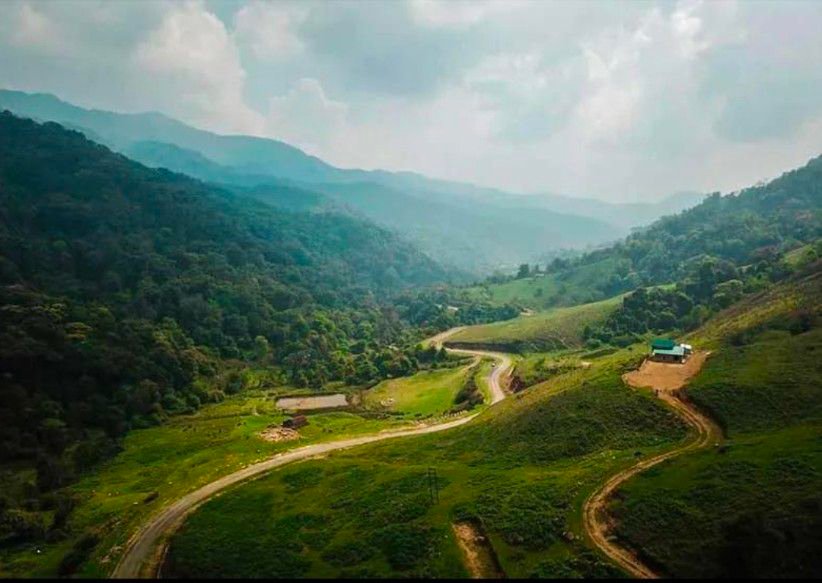
The cost of visiting Nagaland depends on your travel style, accommodation, transportation, number of destinations and travel season.
The following figures are illustrative planning estimates, not verified live hotel or transport quotations.
Estimated Daily Travel Budget
Expense Budget estimate
Budget accommodation ₹800–₹1,500
Mid-range accommodation ₹1,800–₹3,500
Food ₹400–₹900
Local transport ₹300–₹1,000
Sightseeing and activities ₹200–₹800
Miscellaneous ₹200–₹500
Estimated 7-Day Trip Cost Per Person
Travel style Approximate budget
Budget traveller ₹10,000–₹15,000
Mid-range traveller ₹18,000–₹30,000
Comfortable traveller ₹35,000–₹50,000+
These estimates exclude flights or long-distance train tickets to Nagaland. Actual costs can be higher during Hornbill Festival, and shared transport, accommodation and activity prices vary by destination.
How to Save Money During Your Nagaland Trip
Book accommodation early.
Use shared taxis where practical.
Travel with friends or family to share transport expenses.
Choose local restaurants.
Plan nearby attractions together.
Confirm accommodation prices before arrival.
Avoid unnecessary last-minute bookings.
Best 7-Day Nagaland Travel Itinerary
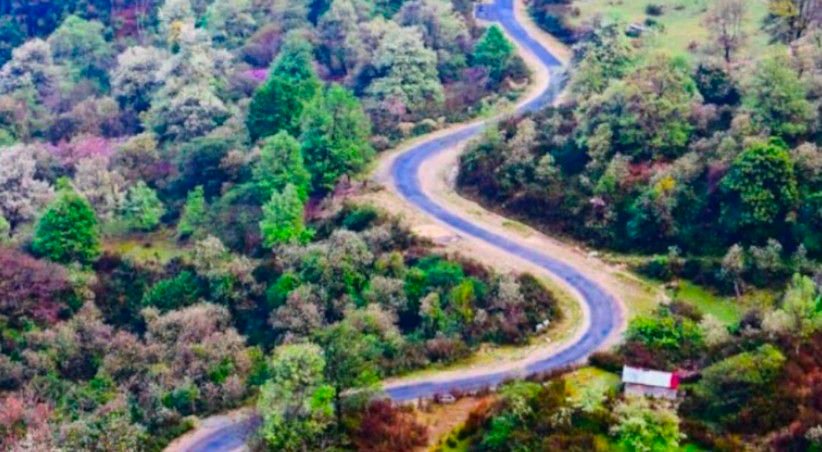
A seven-day trip is a reasonable starting point for exploring some of Nagaland’s most popular destinations.
This itinerary assumes arrival through Dimapur and travel towards Kohima. Actual driving times depend on road conditions, weather and transport availability.
7 days in Nagaland
Day 1 – Arrival in Dimapur
Arrive at Dimapur Airport or Railway Station. Explore nearby attractions if time allows and stay overnight.
Day 2 – Travel to Kohima
Travel to Kohima, check into your accommodation and explore the local town.
Day 3 – Kohima sightseeing
Visit Kohima War Cemetery, local markets and nearby cultural attractions.
Day 4 – Kisama and Khonoma
Explore Kisama Heritage Village and arrange a respectful visit to Khonoma.
Day 5 – Dzükou Valley
Dedicate the day to a locally guided Dzükou Valley excursion. Adjust the route to your fitness and available time.
Day 6 – Village and cultural exploration
Explore a nearby village or enjoy additional time in Kohima.
Day 7 – Return to Dimapur
Travel back to Dimapur with sufficient time for your onward train or flight.
Alternative: 10-Day Nagaland Travel Plan
If you have more time, consider extending the trip.
Day Destination
1 Dimapur
2 Kohima
3 Kohima sightseeing
4 Kisama
5 Khonoma
6 Dzükou Valley
7 Mokokchung
8 Explore nearby Ao villages
9 Wokha and Doyang region
10 Return towards Dimapur
This is an ambitious route. Do not treat it as a fixed driving schedule: the eastern and western destinations are spread across mountainous terrain. Add extra days or remove destinations if transport connections and road conditions do not support the route comfortably.
Best Travel Experiences in Nagaland for Different Types of Travellers
Nagaland can be enjoyed in different ways depending on your interests.
For Couples
Couples may enjoy:
Peaceful mountain accommodation.
Scenic viewpoints.
Local food experiences.
Village walks.
Nature photography.
For Families
Families can explore:
Kohima.
Kisama Heritage Village.
Cultural museums.
Local markets.
Suitable village tourism destinations.
Choose comfortable transport and avoid overly demanding trekking routes if travelling with young children or older family members.
For Adventure Lovers
Adventure enthusiasts can consider:
Dzükou Valley trekking.
Guided nature walks.
Mountain photography.
Birdwatching.
Exploring rural landscapes.
Always check local conditions and use experienced guides for unfamiliar routes.
For Solo Travellers
Solo travellers can explore Nagaland through organised local tours, homestays and community-based tourism.
Before leaving for remote destinations, share your itinerary with your accommodation provider and arrange reliable transport.
Important Travel Tips for Nagaland in 2026–2027
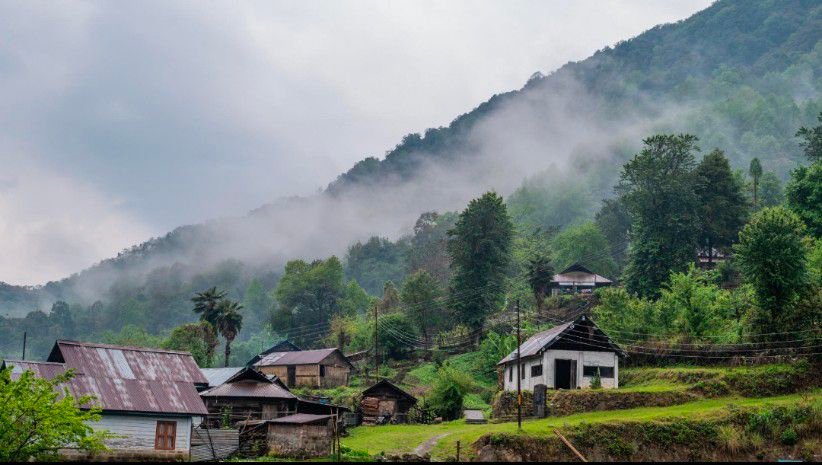
2. Carry Warm Clothes
Winter mornings and evenings can be cold, particularly in higher-altitude locations.
3. Check Road Conditions
Mountain roads can be affected by rainfall, landslides and maintenance work.
4. Respect Local Culture
Nagaland has diverse communities with different traditions and customs.
Ask permission before photographing people, homes, private spaces or cultural activities.
5. Carry Cash
Digital payment facilities are available in many places, but connectivity and payment acceptance can vary in remote areas.
6. Book Festival Accommodation Early
December can attract many visitors because of the Hornbill Festival.
7. Use Local Guides
A knowledgeable local guide can help you understand cultural traditions and explore less familiar locations responsibly.
8. Pack Comfortable Shoes
Good walking shoes are useful for village exploration, uneven roads and trekking.
9. Keep Emergency Contacts
Save the contact details of your accommodation, transport provider and local assistance services.
10. Protect the Environment
Avoid littering, respect wildlife and follow community rules in conservation areas.
11. Keep Extra Travel Time
Do not plan important flights or train connections with extremely tight road-transfer schedules.
12. Check Network Availability
Mobile connectivity can vary between towns, valleys and remote villages. Download important maps and travel information before leaving major towns.
Shopping in Nagaland: What to Buy
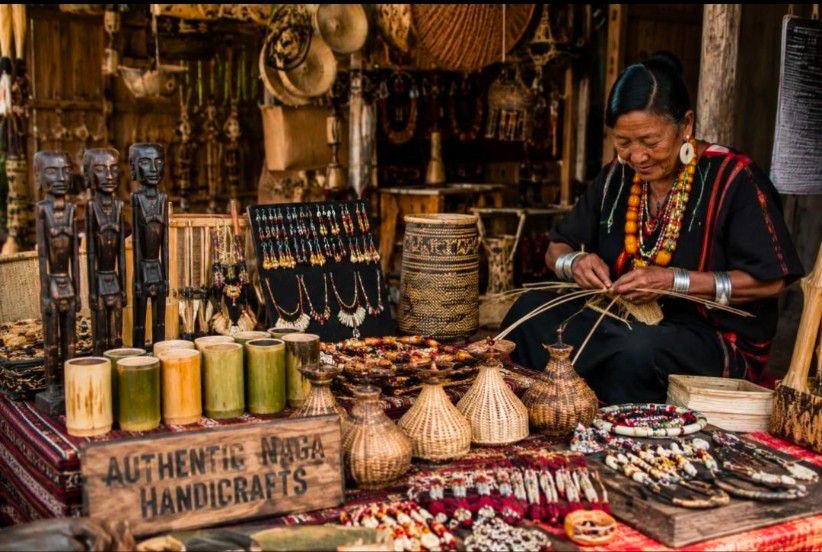
Nagaland is known for traditional handicrafts and locally produced items.
Visitors interested in shopping can look for:
Handwoven shawls.
Traditional textiles.
Bamboo handicrafts.
Handmade decorative products.
Local artwork.
Traditional jewellery.
Locally made souvenirs.
Purchasing directly from local artisans can support traditional skills and community businesses.
Remember to ask about the materials, origin and cultural significance of traditional products.
Responsible and Sustainable Tourism in Nagaland
Nagaland’s natural beauty and cultural heritage make responsible tourism especially important.
Visitors should understand that villages are living communities, not simply tourist attractions.
Here are some ways to travel responsibly:
Support local accommodation providers.
Buy genuine local handicrafts.
Follow village entry rules.
Avoid disturbing wildlife.
Do not litter.
Ask before taking photographs.
Respect religious and cultural spaces.
Follow trekking and camping guidelines.
Avoid collecting plants or other natural materials.
Responsible travel helps preserve the natural environment while supporting local communities.
Final Thoughts: Is Nagaland Worth Visiting in 2026–2027?
Nagaland is a remarkable destination for travellers looking for beautiful mountain landscapes, cultural experiences, traditional villages and peaceful natural surroundings.
From the spectacular Dzükou Valley to the historical attractions of Kohima, from the cultural heritage of Kisama to the scenic beauty of Doyang Lake, the state offers a variety of experiences.
The best time to visit Nagaland is generally October to May. December is an especially attractive month for people interested in the Hornbill Festival, while March and April are good options for exploring villages and enjoying outdoor activities.
For a first-time visitor, a seven-day trip covering Dimapur, Kohima, Kisama, Khonoma and Dzükou Valley can provide a memorable introduction to the region.
However, the most rewarding part of visiting Nagaland may not simply be the destinations. It is also the opportunity to learn about local traditions, appreciate community hospitality and discover a different side of India.
Plan responsibly, respect local customs and allow enough time to enjoy the journey.
Nagaland is more than a holiday destination. It is an opportunity to discover the natural beauty and cultural richness of Northeast India.
Frequently Asked Questions About Nagaland Travel
1. What is the best time to visit Nagaland?
October to May is generally the best period to visit Nagaland. December is particularly popular because of the Hornbill Festival.
2. Is December a good time to visit Nagaland?
Yes. December offers cooler weather and the Hornbill Festival, officially scheduled for December 1–10, 2026.
3. How many days are enough to explore Nagaland?
Seven to ten days are a good starting point for exploring Kohima, Dzükou Valley, Kisama and selected villages.
4. Is Nagaland safe for tourists?
Nagaland welcomes domestic and international visitors. However, travellers should follow local advice, check current conditions and respect community rules.
5. Do Indian tourists need a permit to visit Nagaland?
Yes. Indian visitors who are not indigenous inhabitants of Nagaland generally need an Inner Line Permit.
6. How much does a Nagaland trip cost?
A seven-day budget trip may cost approximately ₹10,000–₹15,000 per person, excluding long-distance travel to Nagaland. Actual costs depend on accommodation and transportation.
7. Which is the most beautiful place in Nagaland?
Dzükou Valley is among the state’s most famous natural attractions because of its beautiful green hills, flowers and trekking scenery.
8. What is Nagaland famous for?
Nagaland is famous for its traditional Naga cultures, Hornbill Festival, beautiful mountains, villages, handicrafts and unique cuisine.
9. How can I reach Nagaland from Delhi?
You can travel by flight or train towards Dimapur, followed by road transportation to Kohima and other destinations.
10. Can I visit Nagaland during the monsoon?
Yes, but June to September can bring heavy rainfall and challenging road conditions. Flexible travel plans are recommended.
11. Which festival is famous in Nagaland?
The Hornbill Festival is one of Nagaland’s most famous cultural festivals. It is held annually in December.
12. Is Nagaland suitable for family holidays?
Yes. Families can explore Kohima, cultural attractions, villages and scenic locations. Choose accommodation and activities according to everyone’s comfort.
13. What language is spoken in Nagaland?
Different Naga communities speak different languages. English is an official language, and Nagamese is also widely used for communication.
14. Can foreigners visit Nagaland?
Yes, foreign nationals can visit subject to applicable visa, ILP and other entry requirements. Certain nationalities have additional restrictions.
15. What should I pack for Nagaland?
Carry comfortable clothes, warm layers, walking shoes, rain protection, personal medicines, identification documents and a power bank.
Leave a Reply