
Title
Hornbill Festival 2026 Nagaland: Dates, Tickets & Travel Guide
Hornbill Festival 2026
hornbill-festival-2026-nagaland
Explore Hornbill Festival 2026 in Nagaland. Discover dates, tickets, Kisama Heritage Village, attractions, hotels, travel tips and budget.
Secondary SEO keywords
Hornbill Festival Nagaland 2026
Hornbill Festival dates 2026
Hornbill Festival tickets price
Hornbill Festival Kisama
How to reach Kisama Heritage Village
Hornbill Festival travel guide
Nagaland tourism in December
Best time to visit Nagaland
Kohima tourist attractions
Hornbill Festival accommodation
Hornbill Festival budget
Naga traditional culture
Things to do in Nagaland
Hornbill Festival itinerary
What Is the Hornbill Festival?
The Hornbill Festival is one of the most important cultural events in Northeast India. It was first organised in 2000 by the Government of Nagaland to promote, preserve and showcase the state’s rich cultural heritage.
The festival brings together communities from different Naga tribes to celebrate their traditional lifestyles, music, dance, clothing, handicrafts, food and indigenous customs.
It is often called the Festival of Festivals because it provides an opportunity to experience many different Naga cultural traditions in one location.
The festival is named after the Great Hornbill, a bird that holds an important place in the cultural traditions and folklore of the region.
Why is the Hornbill Festival famous?
There are several reasons why travellers from India and other countries visit Nagaland during December.
Traditional Naga tribal dances and songs.
Colourful traditional clothing and jewellery.
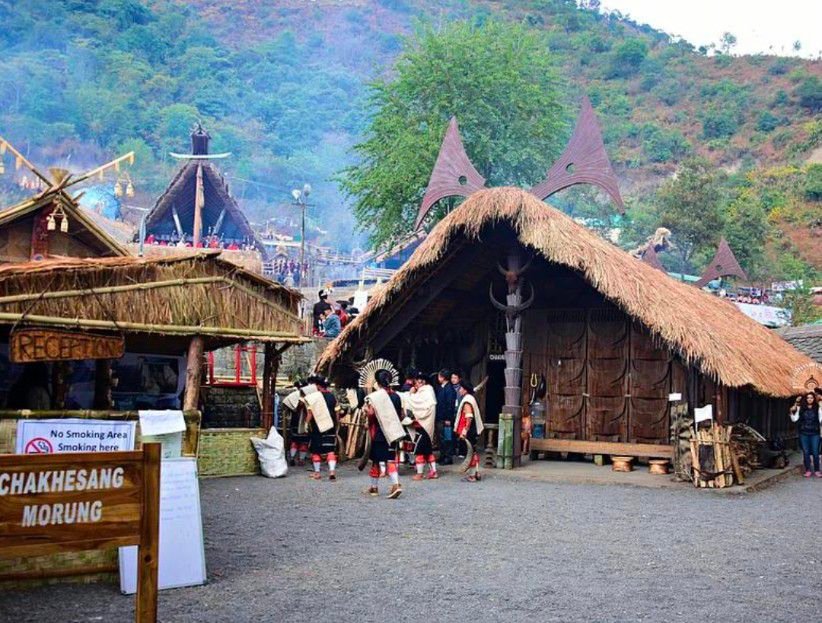
Beautifully designed traditional morungs.
Local Naga food and indigenous cooking.
Rock concerts and live musical performances.
Traditional sports and indigenous games.
Handmade crafts, textiles and souvenirs.
Cultural exhibitions and photography opportunities.
The experience is not limited to watching performances. Visitors can also learn about local craftsmanship, interact respectfully with artisans and discover the cultural differences between communities.
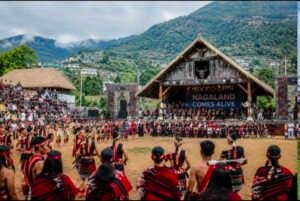
Hornbill Festival 2026 Dates and Timings
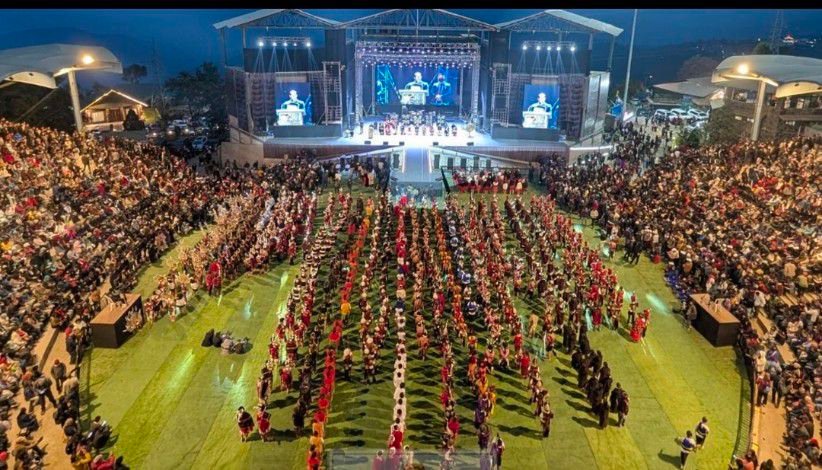
The 27th edition of the Hornbill Festival is scheduled for:
Starting date: Tuesday, 1 December 2026
Ending date: Thursday, 10 December 2026
Total duration: 10 days
Main venue: Kisama Naga Heritage Village, Nagaland.
The dates are confirmed by Nagaland Tourism and reported by DD News.
What is the best day to visit?
Your preferred date depends on what you want to experience.
Date Suggested travel experience
1 December Opening celebrations and Statehood Day
2–3 December Cultural performances and exploration
4–5 December Traditional crafts, food and music
6–7 December Cultural activities and sightseeing
8–9 December More festival experiences and concerts
10 December Closing-day celebrations
This is a suggested travel-planning outline, not a confirmed day-wise programme. Check the official schedule before choosing a particular performance.
How many days should you spend?
One day: A short introduction to the festival.
Two days: Good for first-time visitors.
Three days: Recommended for culture, food, music and sightseeing.
Four to five days: Ideal if you also want to explore Kohima and nearby villages.
My recommendation is to spend at least two complete days at Kisama
Hornbill Festival 2026 Tickets and Entry Fees
Tickets and admission arrangements are important parts of your travel budget.
For the 2026 edition, the official material reviewed for this guide confirms the festival dates, but a final official general-admission tariff for December has not been verified.
Some travel publications have mentioned indicative entry charges of approximately ₹50–₹100, but you should not treat these as confirmed 2026 prices.
How to check tickets
Before travelling:
Visit the official Nagaland Tourism website.
Look for the Hornbill Festival 2026 announcement.
Check whether the event has online or on-site ticketing.
Confirm whether music concerts require separate admission.
Check the date, venue and refund conditions.
Keep your ticket confirmation available on your phone.
Official website: Nagaland Tourism
Important: Do not purchase a ticket from an unknown social media account or an unverified seller. Also, do not assume that a ticket for a separate Hornbill-branded concert or event automatically includes admission to Kisama.
Where Is Kisama Heritage Village?
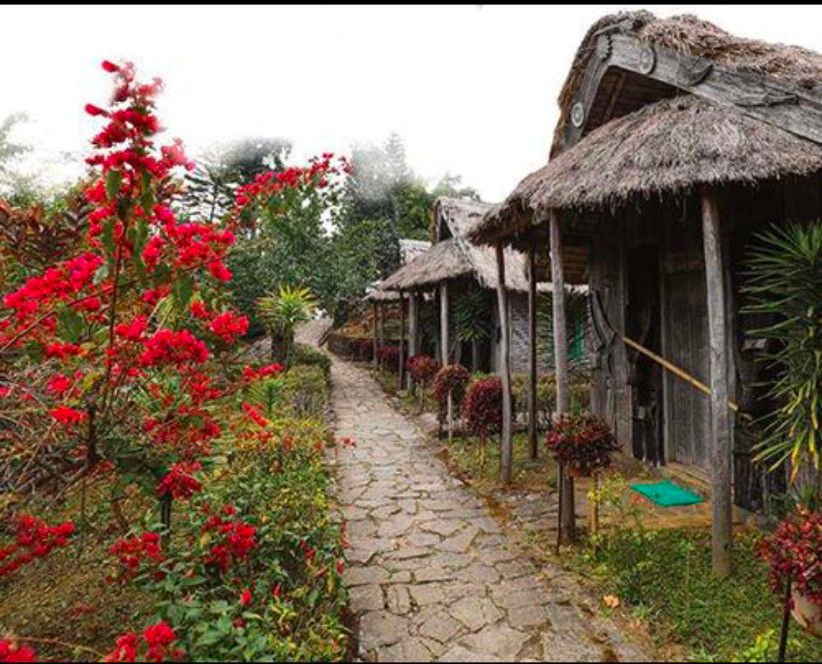
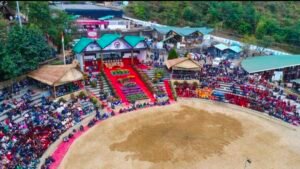
The main Hornbill Festival venue is the Kisama Naga Heritage Village.
Kisama is situated approximately 12 kilometres south of Kohima.
The village is a cultural heritage complex where visitors can explore traditional architectural structures representing different Naga communities.
The word Kisama is commonly explained as a combination of Kigwema and Phesama, the neighbouring villages associated with the heritage site.
What can you explore at Kisama?
Traditional morungs.
Community cultural displays.
Traditional performances.
Local handicraft stalls.
Naga food stalls.
Cultural exhibitions.
Music and entertainment venues.
Traditional architectural designs.
What are Morungs?
Morungs are traditional community institutions associated with Naga social and cultural life.
Historically, they played an important role in community education, social activities, cultural knowledge and the passing of traditions between generations.
At Kisama, the traditional structures help visitors understand the architectural styles and cultural identities represented by different Naga communities.
Look closely at the wooden carvings, roofs, decorative details and traditional designs. Each structure can tell a different story.
Top Attractions at Hornbill Festival 2026
The Hornbill Festival offers many activities throughout its ten-day celebration. Here are some of the best experiences to include in your travel plan.
7.1 Traditional Naga Tribal Dance
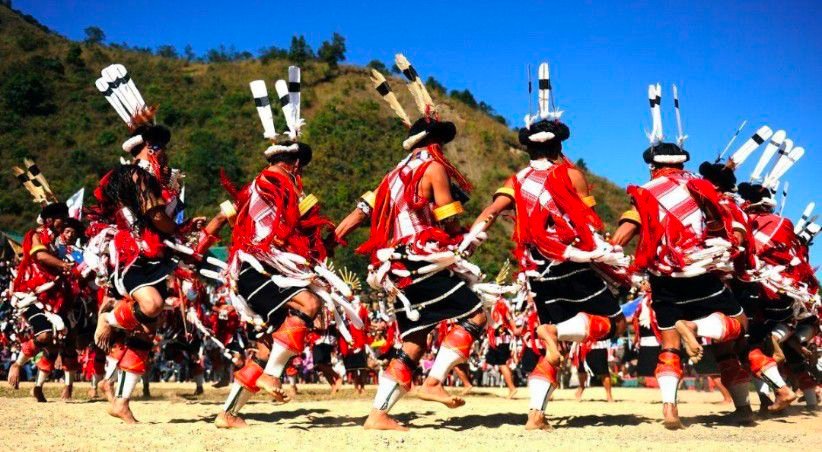
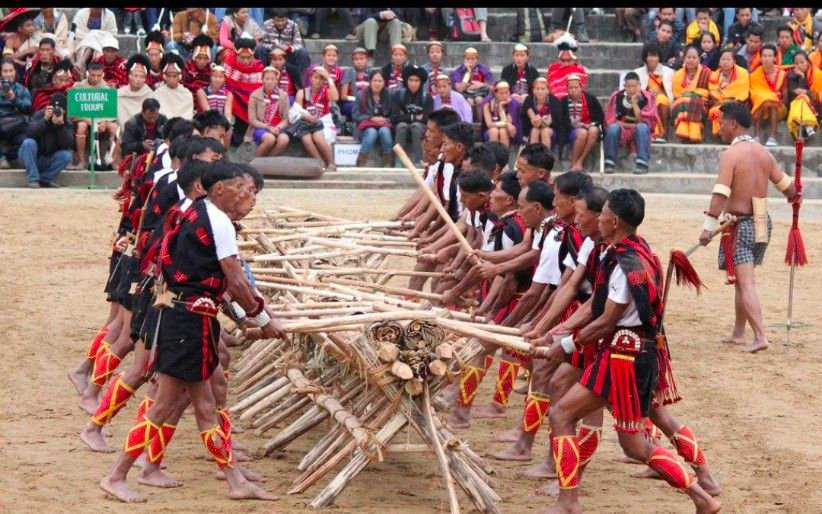
Traditional dance performances are among the biggest attractions of the festival.
Different cultural groups present traditional dances accompanied by rhythmic music, singing and indigenous instruments.
The colourful clothing, traditional ornaments and coordinated movements make these performances especially interesting for visitors.
Travel tip: Find a comfortable viewing position before the performance begins. Watch the entire performance rather than rushing between different stages.
7.2 Traditional Naga Music
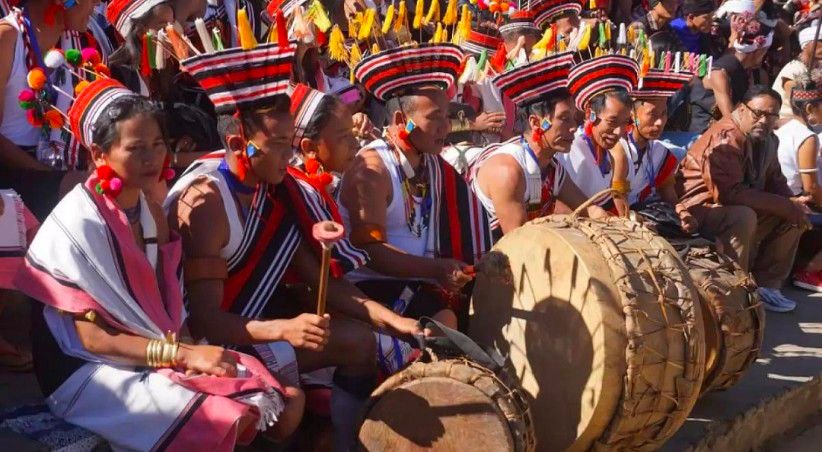
Music is an important part of Naga cultural identity.
At the festival, you may experience traditional songs, group singing, rhythmic drumming and other musical presentations.
The music reflects different communities and their cultural histories.
Spend time listening to the performances and learning about the instruments from local participants.
7.3 Hornbill International Rock Festival
The music programme adds a modern entertainment experience to the traditional festival.
Rock music, live bands and evening performances attract younger travellers and music lovers.
Check the 2026 programme for the confirmed artists, dates, venues and ticket arrangements.
Do not assume every evening concert takes place inside the main Kisama festival grounds.
7.4 Traditional Naga Morungs
Exploring the morungs is one of the most educational experiences at Kisama.
These structures showcase traditional architectural designs, community identities and cultural symbols.
Walk around the heritage village and read the names associated with each community display.
If a local guide or host is available, ask about the meaning of the carvings and decorations.
7.5 Traditional Naga Food
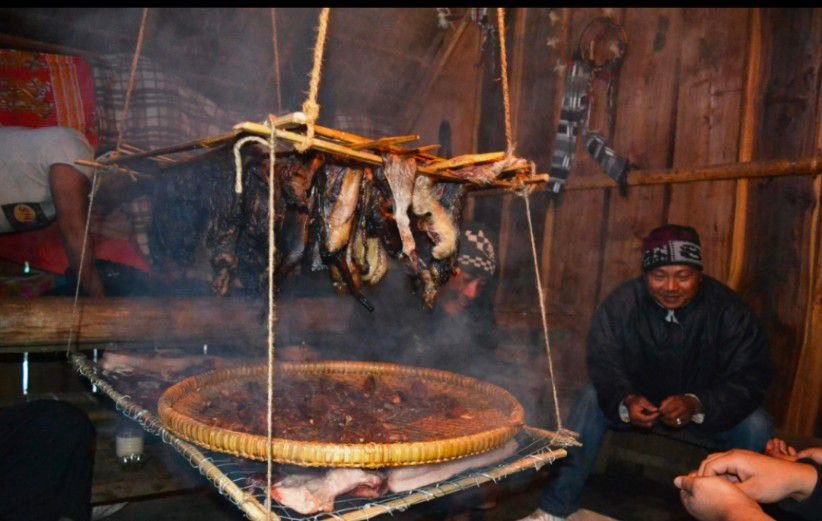

Food lovers should not miss the opportunity to explore Naga cuisine.
Traditional dishes often include rice, meat, vegetables, bamboo shoots, fermented ingredients and local herbs.
Popular dishes and ingredients to look out for include:
Smoked pork.
Pork with bamboo shoots.
Smoked meat dishes.
Axone-based preparations.
Galho, a traditional rice-based dish.
Local vegetable preparations.
Traditional chutneys and spicy condiments.
Food can be very different from what visitors are accustomed to in other parts of India.
Ask vendors about ingredients before ordering, especially if you have dietary restrictions or allergies.
7.6 Naga Handicrafts and Traditional Textiles
The handicraft section is a wonderful place to discover local creativity.
You can look for:
Handwoven shawls.
Traditional textiles.
Beaded jewellery.
Bamboo products.
Cane handicrafts.
Handmade decorative objects.
Local souvenirs.
Buying directly from local artisans, when possible, helps support the people who create these traditional products.
7.7 Indigenous Games and Traditional Sports
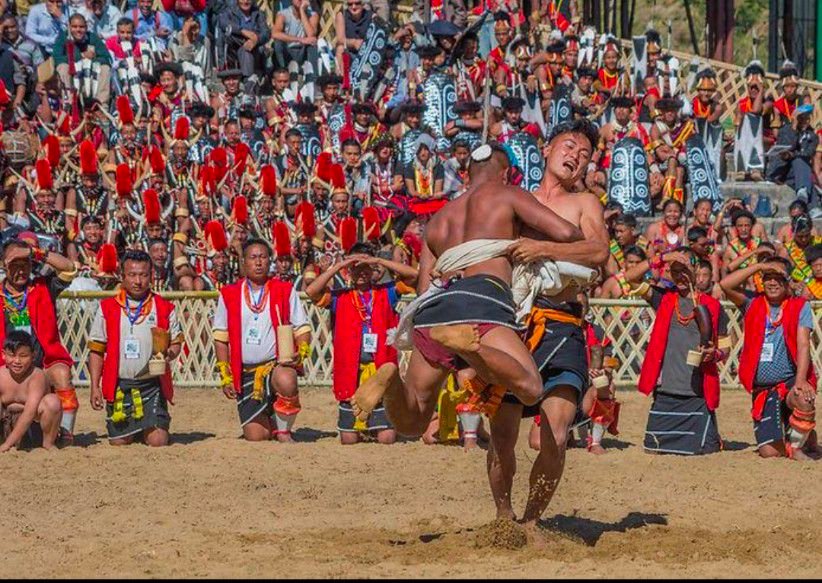
Traditional sports are another interesting feature of the festival.
Depending on the published programme, visitors may see indigenous competitions, demonstrations and physical activities.
These events provide a glimpse into the sporting traditions and community activities of Nagaland.
7.8 Photography and Cultural Experiences
The festival is an excellent destination for photography enthusiasts.
You can photograph:
Traditional architecture.
Festival decorations.
Cultural performances.
Traditional clothing.
Handicrafts and textiles.
Mountain scenery.
Local food displays.
Always ask permission before taking close-up portraits or photographing people in private or sensitive situations
Best Places to Visit Near Kisama and Kohima
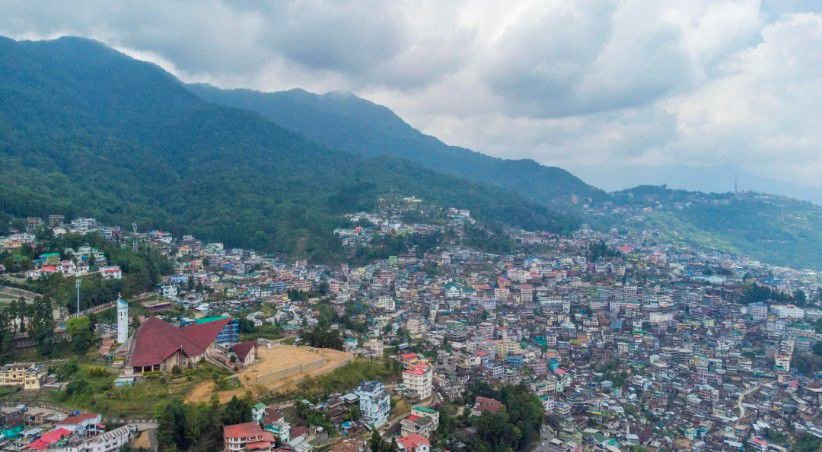
Do not limit your holiday to the festival grounds. Nagaland has beautiful landscapes, historical attractions and traditional villages.
Here are some places worth considering.
8.1 Kohima War Cemetery
The Kohima War Cemetery is one of the most important historical attractions in the state.
It commemorates soldiers who lost their lives during the Battle of Kohima in the Second World War.
The beautifully maintained memorial garden offers visitors an opportunity to understand an important chapter of Indian and world history.
Best for: History lovers, families and educational travellers.
8.2 Kohima Cathedral
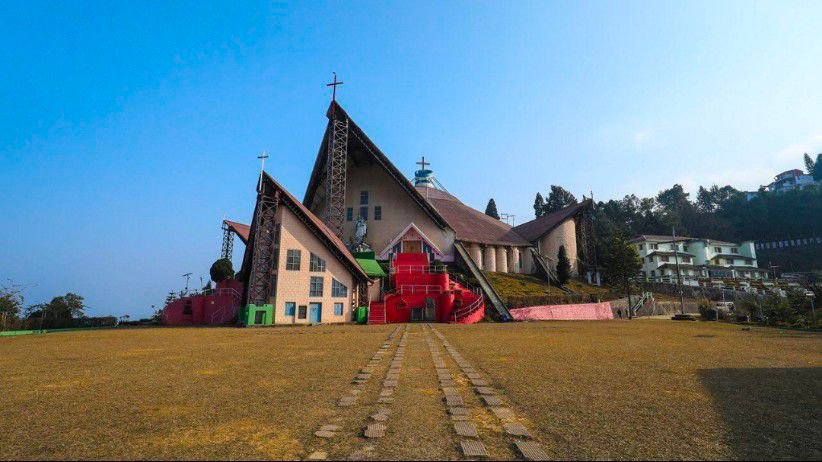
The Mary Help of Christians Cathedral is a well-known religious and architectural attraction.
It is recognised for its distinctive design and peaceful hilltop setting.
Visitors interested in architecture, history and religious heritage can include it in a Kohima sightseeing trip.
8.3 Dzüko Valley
The beautiful Dzüko Valley is one of Northeast India’s most remarkable natural destinations.
It is known for rolling green landscapes, seasonal flowers, mountain scenery and trekking routes.
The valley is particularly popular among nature lovers and adventure travellers.
However, visiting Dzüko Valley requires additional travel planning and a trek. It is not simply a short walk from Kisama.
Travel tip: Arrange a suitable guide, check current trail conditions and allow sufficient time.
8.4 Khonoma Green Village
Khonoma Village is known for its traditional village life, beautiful surroundings and community-led conservation efforts.
Visitors can explore traditional houses, village landscapes and local cultural heritage.
It is a good choice for travellers interested in rural tourism and sustainable travel.
Always respect local village rules and arrange a visit through an appropriate local contact.
8.5 Japfü Peak
Japfü Peak is an attractive destination for trekking and mountain scenery.
It is popular among visitors interested in outdoor adventures and panoramic views.
Weather and trail conditions can change, so check local advice before planning the trek.
8.6 Touphema Tourist Village
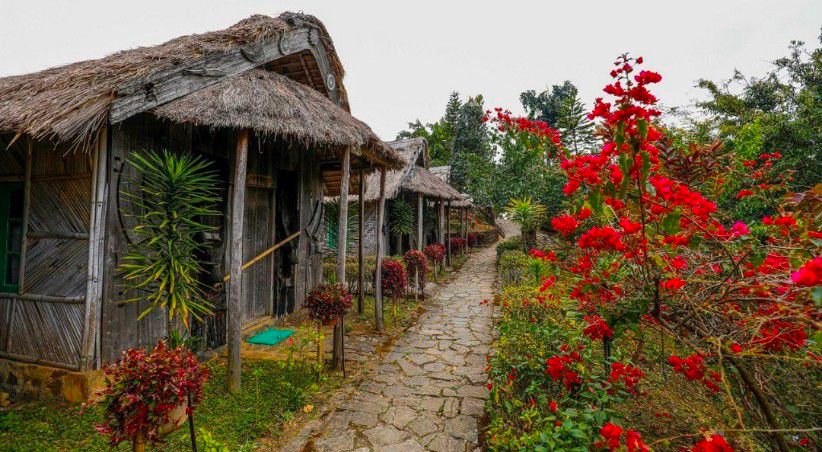
Touphema Tourist Village offers an opportunity to experience traditional-style village accommodation and local hospitality.
Visitors can learn about Naga traditions, food and village lifestyles.
It can be a rewarding addition to a longer Nagaland trip.
Best Time to Visit Nagaland and Hornbill Festival
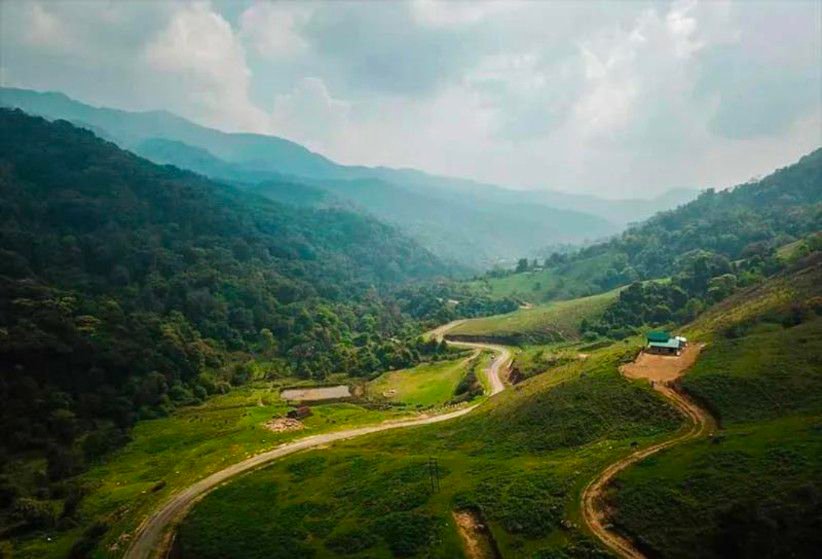
The best time to visit Nagaland depends on your travel interests.
However, December is particularly attractive for people who want to experience the Hornbill Festival.
December – Best for the Hornbill Festival
December is the main festival season.
Advantages include:
Access to the annual cultural celebration.
Traditional performances and music.
Handicraft exhibitions.
Local food experiences.
Comfortable daytime sightseeing weather.
Opportunities to explore surrounding villages.
Evenings and early mornings can be cold, so carry warm clothing.
October and November – Good for Nature and Sightseeing
These months can be suitable for travellers who want to explore Nagaland outside the main festival period.
The weather can be pleasant, although conditions vary with rainfall and elevation.
March to May – Spring and Early Summer
Spring can be attractive for exploring the hills, villages and natural landscapes.
It is also a good time to learn about Nagaland’s other traditional festivals.
June to September – Monsoon Season
Heavy rainfall can affect road travel, trekking and outdoor activities.
If you travel during these months, check weather forecasts and local road conditions.
Overall recommendation: Choose 1–10 December 2026 if experiencing the Hornbill Festival is your main reason for visiting Nagaland.
Weather During Hornbill Festival 2026
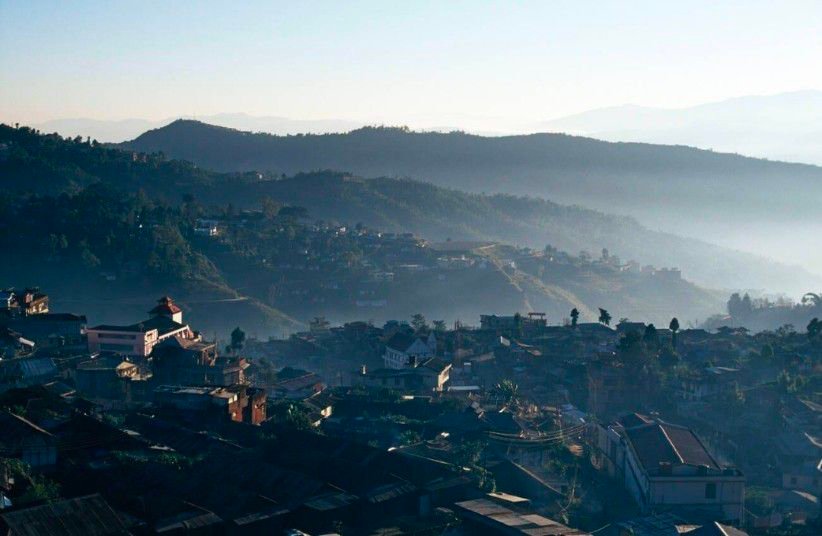
Nagaland experiences a cooler mountain climate compared with many other parts of India.
December generally brings cool daytime conditions and colder evenings.
Time of day What to expect
Early morning Cold and sometimes misty
Late morning Pleasant for sightseeing
Afternoon Comfortable in sunshine
Evening Noticeably colder
Night Warm clothes recommended
Weather varies from year to year, so check a current forecast before departure.
What clothes should you pack?
Warm jacket.
Sweater or sweatshirt.
Comfortable trousers.
Walking shoes.
Warm socks.
Scarf or muffler.
Light gloves.
Rain protection if needed.
Wear comfortable shoes because you may spend several hours walking around the festival grounds.
How to Reach Kisama Heritage Village
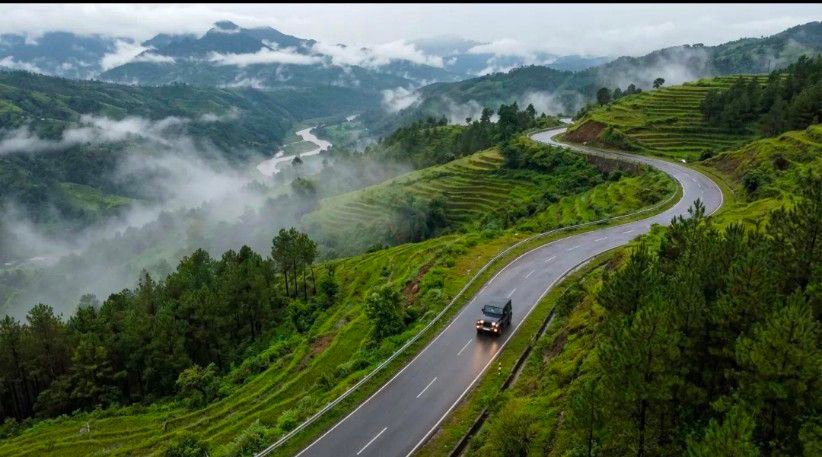
Reaching Kisama is relatively straightforward once you arrive in Nagaland.
The main gateway is Dimapur, which has the nearest airport and major railway station.
11.1 By Air – Dimapur Airport
Dimapur Airport is the nearest airport for most visitors travelling to Kohima and Kisama.
After landing, you can arrange:
Private taxi.
Shared taxi.
Pre-booked hotel transfer.
Local road transport.
Dimapur to Kohima is approximately 74 km by road, with a journey commonly taking around 2–3 hours depending on traffic and road conditions.
From Kohima, Kisama is approximately another 12 km south.
11.2 By Train – Dimapur Railway Station
Dimapur Railway Station is the main railway gateway for visitors arriving by train.
You can travel to Dimapur from railway-connected cities such as Guwahati and other regional destinations.
After reaching the station:
Find a suitable shared or private taxi.
Confirm the fare before departure.
Travel towards Kohima.
Continue to your booked accommodation or Kisama.
Book your railway tickets early because festival season can increase travel demand.
11.3 By Road – From Guwahati
Guwahati is another useful starting point for a Northeast India road journey.
You can travel from Guwahati to Dimapur and continue towards Kohima.
Depending on traffic, route and road conditions, this journey may take several hours.
11.4 From Kohima to Kisama
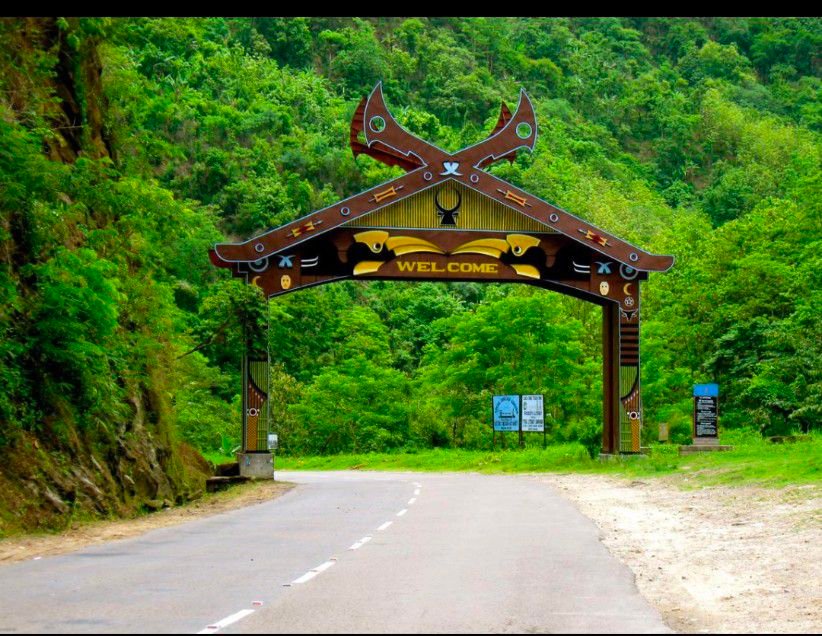
Kisama is about 12 km from Kohima.
Transport options include:
Local taxi.
Private cab.
Shared vehicle.
Pre-arranged accommodation transfer.
Festival transport, if officially announced.
During the festival, traffic arrangements may change. Follow official instructions and confirm the drop-off and pickup points with your driver.
Nagaland Inner Line Permit (ILP) for Indian Travellers
One of the most important travel requirements is the Inner Line Permit.
Indian citizens who are not indigenous inhabitants of Nagaland generally need an ILP to enter the state.
According to the official Nagaland ILP portal, the domestic tourist fee is ₹200 per person, with 30 days of validity. Additional payment gateway charges may apply.
How to apply for an ILP online
Visit the official ILP portal.
Select the option to apply for a new ILP.
Choose the tourist category.
Enter your mobile number.
Complete OTP verification.
Fill in the application details.
Upload the required documents.
Pay the applicable fee.
Wait for approval and save the confirmation.
Official application portal:
Apply for Nagaland Inner Line Permit
ILP travel tips
Apply before travelling.
Enter your personal information correctly.
Keep a digital copy of the permit.
Carry valid photo identification.
Check the permit’s validity dates.
Apply separately for each eligible traveller.
The official FAQ says tourist applicants do not require a local guarantor but must provide a local contact.
Important information for foreign tourists
The Nagaland Home Department announced on 17 November 2026 that the Protected Area Permit requirement for foreign tourists is relaxed for tourism visits from 26 November to 15 December each year.
This covers the Hornbill Festival period in 2026. However, nationals of Afghanistan, China and Pakistan, and foreign nationals originating from those countries, continue to require prior Ministry of Home Affairs approval.
Foreign visitors should still check applicable visa, registration and other immigration requirements before travelling.
Where to Stay During Hornbill Festival 2026
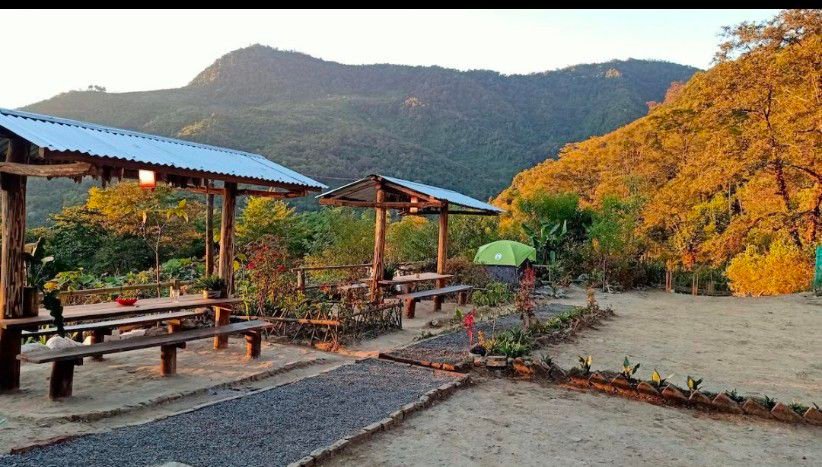
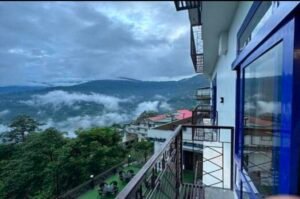
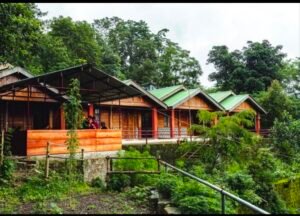
Accommodation is one of the most important things to arrange before travelling to Nagaland in December.
During the Hornbill Festival, many visitors travel to Kohima and nearby villages. Therefore, rooms close to Kisama can become difficult to find.
You have three main accommodation choices:
Homestays near Kisama and Kigwema.
Hotels and guesthouses in Kohima.
Campsites and special festival accommodation.
Recommended accommodation near Kisama
1. Hills Homestay
Kigwema, near Kisama
A family-run homestay option for visitors who want to stay close to the festival venue.
Phone: +91 70057 66794
2. Dawn Homestay
Zakhama, Nagaland
A homestay choice for travellers looking for a local atmosphere and convenient access to Kisama.
Phone: +91 85758 26863
3. Sunrise View Cottage
Kigwema, Nagaland
A hillside homestay option for visitors interested in mountain surroundings.
Phone: +91 70050 34012
4. Rhododendron Resort
4. Rhododendron Resort
Near Kisama, Phesama
A resort-style option for travellers who prefer a more conventional accommodation experience.
Phone: +91 98622 22098
5. Polo Hotel Kohima
Kohima, Nagaland
An option for visitors who want to stay in Kohima town and travel to Kisama.
Phone: +91 99867 02889
These are accommodation suggestions, not confirmed room vacancies or festival-season prices. Contact each property directly to check availability, room facilities, transport and cancellation policies.
Hornbill Festival 2026 Trip Budget
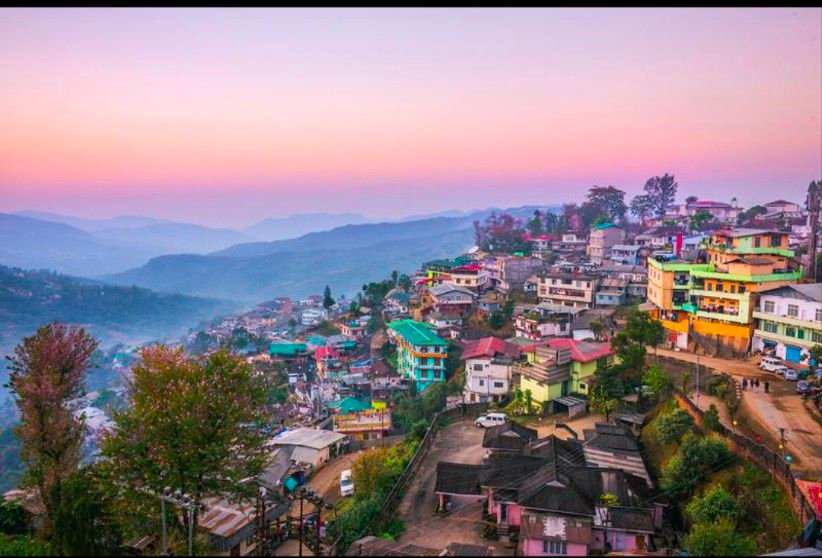
Expense Budget estimate
Accommodation (3 nights) ₹3,000–₹6,000
Food and drinks ₹1,200–₹2,000
Local transportation ₹1,000–₹2,000
Festival admission Allow ₹100–₹300 provisionally
Sightseeing ₹500–₹1,000
ILP ₹200
Miscellaneous ₹500–₹1,000
Estimated local trip total ₹6,500–₹12,500
These are illustrative planning allowances, not quoted 2026 prices. Festival admission is unconfirmed, and the allowance above is not an official ticket tariff. Dimapur arrival transfers and your journey from your home city are not included.
Budget by travel style
Travel style Estimated local budget
Budget traveller ₹6,500–₹9,000
Comfortable traveller ₹10,000–₹16,000
Premium traveller ₹20,000–₹35,000+
These estimates assume approximately four days and three nights. Transport from your departure city, airfare, rail tickets and some special events can increase the total.
How to save money
Book railway tickets early.
Choose a homestay instead of an expensive resort.
Share taxis with other travellers.
Eat at local food outlets.
Spend two or three days at the festival rather than extending your stay unnecessarily.
Book accommodation with meals included.
Compare transport options before paying.
Best Things to Eat During Hornbill Festival
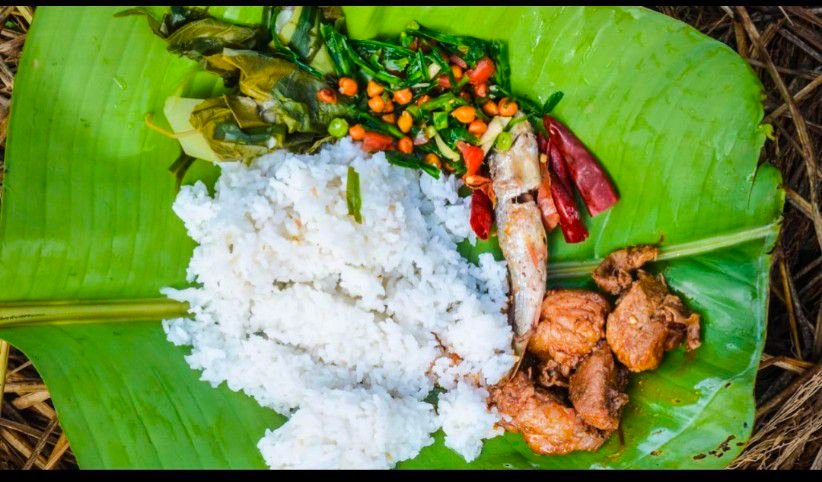
Food is a major part of the cultural experience.
Naga cuisine is known for distinctive ingredients, traditional cooking methods and bold flavours.
Here are some dishes and ingredients worth exploring.
Smoked Pork
Smoked pork is one of the well-known foods associated with Nagaland.
It is prepared using traditional smoking methods that give the meat a distinctive flavour.
Bamboo Shoot
Bamboo shoots are used in many traditional preparations. They are often combined with meat and vegetables.
Axone
Axone is fermented soybean used in several Naga dishes.
It has a strong and distinctive flavour and is an important traditional ingredient.
Galho
Galho is a traditional rice-based dish that can include vegetables and other ingredients.
It is a comforting meal, particularly during colder weather.
Local Rice and Vegetables
Rice is an important part of everyday meals in Nagaland.
You can also find traditional vegetable dishes prepared with seasonal ingredients.
Food safety tip: Choose clean food stalls, drink safe water and ask about ingredients if you have food allergies or dietary restrictions.
A Perfect 4-Day Hornbill Festival 2026 Itinerary
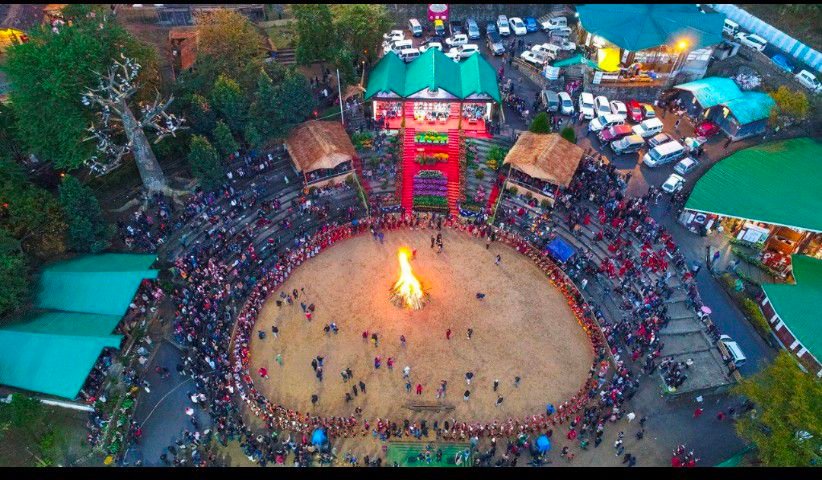
If you are visiting Nagaland for the first time, this four-day itinerary will help you balance festival activities and sightseeing.
Day 1: Arrival in Dimapur and Travel to Kohima
Start your journey by arriving at Dimapur Airport or Dimapur Railway Station.
After reaching Dimapur:
Meet your pre-arranged taxi.
Travel towards Kohima.
Check in at your accommodation.
Rest after your journey.
Explore nearby areas if time permits.
Confirm your next day’s transport.
Avoid planning a long sightseeing schedule on arrival day.
Day 2: Explore Hornbill Festival at Kisama
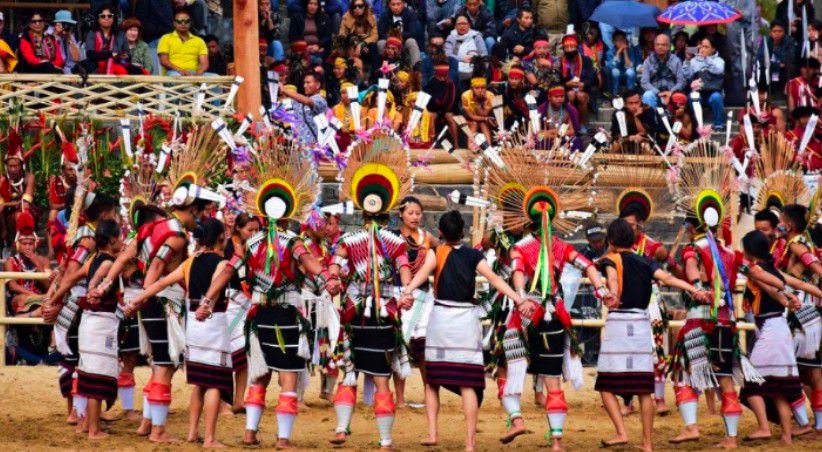
Start early and travel to Kisama Heritage Village.
Suggested activities:
Explore traditional morungs.
Watch cultural performances.
Experience traditional music.
Explore handicraft stalls.
Try local Naga food.
Photograph traditional architecture.
Attend an evening event if scheduled.
Spend sufficient time understanding the cultural displays rather than rushing through the venue.
Day 3: Festival and Kohima Sightseeing
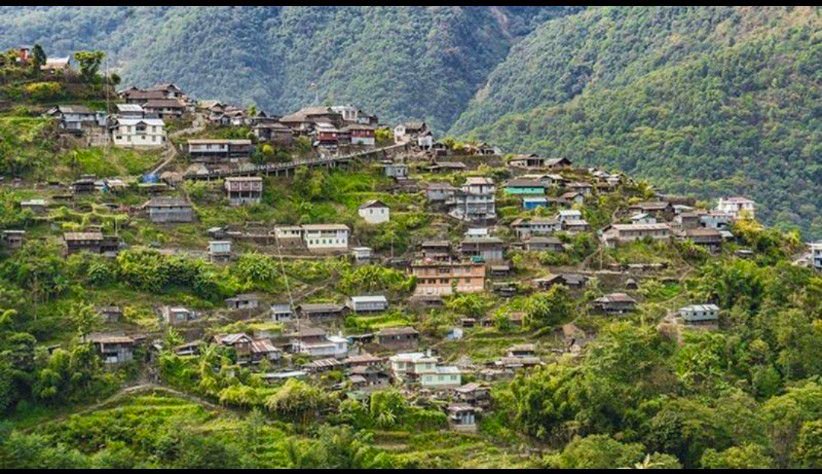
If your transport schedule allows, arrange a visit to Khonoma Village.
Explore the traditional village environment and surrounding landscapes.
After sightseeing, return towards Dimapur for your onward journey.
Allow sufficient time for the road transfer and avoid booking an extremely tight flight or train connection.
If your departure is early, skip Khonoma and travel directly to Dimapur.
Travel Tips for Hornbill Festival 2026
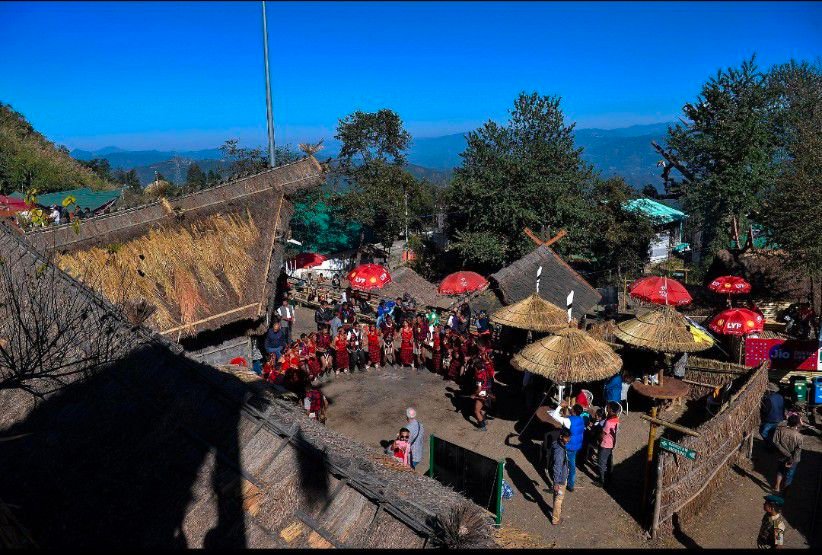
A little preparation can make your journey easier and more enjoyable.
Before travelling
Apply for your ILP if applicable.
Reserve accommodation.
Confirm your train or flight tickets.
Check official festival announcements.
Arrange airport or railway transfers.
Carry valid identification.
Keep emergency contact numbers.
During the festival
Reach Kisama early.
Wear comfortable walking shoes.
Carry a warm jacket.
Keep drinking water with you.
Respect local customs.
Ask permission before photographing people.
Avoid littering.
Keep your belongings secure.
Follow official traffic instructions.
Money and mobile connectivity
Carry sufficient cash because small vendors and local transport providers may not accept every digital payment method.
Keep your phone charged and download important travel details for offline access.
Mobile network and internet quality can vary depending on your location and network provider.
Responsible tourism
The Hornbill Festival is not just an entertainment event. It is an opportunity to learn about living cultures.
Be respectful when visiting morungs and interacting with performers, artisans and local residents.
Support local businesses and purchase authentic handicrafts where possible.
Photography Guide: Best Photo Opportunities
If you enjoy travel photography, Kisama offers many interesting subjects.
Best photography subjects
Traditional tribal costumes.
Cultural dance performances.
Morung architecture.
Handwoven textiles.
Local food.
Traditional handicrafts.
Festival decorations.
Mountain landscapes.
Evening concerts.
Photography equipment
You do not need expensive equipment to capture beautiful travel memories.
A smartphone with a good camera can be sufficient.
For better photographs:
Use natural daylight.
Keep the camera lens clean.
Avoid excessive digital zoom.
Use landscape orientation for wide views.
Take detail photographs of crafts.
Ask permission for portraits.
Respect photography restrictions.
Why You Should Visit Hornbill Festival in 2026
There are many reasons to add this festival to your Northeast India travel list.
Cultural learning: Discover different Naga traditions, clothing, food and community identities.
Unique experiences: Watch traditional dances, listen to indigenous music and explore the morungs.
Beautiful surroundings: Enjoy the scenic mountain landscapes around Kohima.
Local shopping: Discover traditional textiles, bamboo crafts and handmade souvenirs.
Food experiences: Try distinctive local ingredients and traditional recipes.
Music and entertainment: Experience the combination of cultural performances and modern musical events.
For travellers who want something different from conventional city tourism, Hornbill Festival offers an interesting combination of heritage, community and entertainment.
Common Mistakes to Avoid During Hornbill Festival
Before travelling, keep these common mistakes in mind.
Booking accommodation too late: Nearby homestays can have high demand during festival dates.
Ignoring the ILP: Indian visitors who require an ILP should arrange it before entering Nagaland.
Assuming ticket prices: Verify official admission prices rather than relying on old travel articles.
Not arranging transport: Decide how you will return from Kisama, particularly after evening events.
Packing only summer clothes: December evenings can be cold.
Planning too many destinations: Road journeys and sightseeing can take longer than expected.
Ignoring local customs: Respect the traditions and privacy of local communities.
Booking non-refundable packages without checking: Confirm inclusions, cancellation policies and event venues first.
Frequently Asked Questions (FAQs)
Q1. When is Hornbill Festival 2026?
The Hornbill Festival 2026 is scheduled from 1 December to 10 December 2026 in Nagaland.
Q2. Where is the Hornbill Festival celebrated?
The main festival venue is Kisama Naga Heritage Village, approximately 12 km south of Kohima.
Q3. Is the Hornbill Festival free to enter?
The final official general-admission fee for December 2026 has not been verified in the material reviewed. Check Nagaland Tourism for the latest ticket announcement.
Q4. How much does a Hornbill Festival trip cost?
A basic four-day local trip may cost approximately ₹6,500–₹12,500 per person, excluding travel to Dimapur.
Q5. Which is the nearest airport to Kisama?
Dimapur Airport is the nearest airport commonly used by visitors travelling to Kisama and Kohima.
Q6. Which is the nearest railway station?
Dimapur Railway Station is the main railway gateway to Nagaland.
Q7. Do Indian tourists need an ILP?
Yes. Indian visitors who are not indigenous inhabitants of Nagaland generally need an Inner Line Permit. The official domestic tourist fee is ₹200 for 30 days.
Q8. Do foreign tourists need a Protected Area Permit?
The Nagaland Home Department announced a relaxation for foreign tourists visiting for tourism from 26 November to 15 December each year. Certain nationalities still require prior approval. Check current immigration and registration requirements.
Q9. What is the best duration for visiting Hornbill Festival?
Two to three full days are recommended to experience the festival comfortably.
Q10. What should I wear during December?
Carry warm clothes, a jacket, comfortable trousers and walking shoes.
Q11. Is Hornbill Festival suitable for families?
Yes. Families can enjoy cultural performances, food, music and handicraft exhibitions. Plan comfortable transport and breaks for children and older visitors.
Q12. Can I take photographs at the festival?
Photography is generally an enjoyable part of the experience, but ask permission before taking close-up portraits and respect any restrictions.
Q13. Which accommodation is closest to Kisama?
Homestays around Kigwema and the Kisama area are worth checking first. Confirm the actual walking distance with your property.
Q14. Is December a good time to visit Nagaland?
Yes. December is particularly good for visitors interested in the Hornbill Festival and cultural tourism.
Q15. What are the best attractions near Kohima?
Kohima War Cemetery, Mary Help of Christians Cathedral, Khonoma Village and Dzüko Valley are among the attractions to consider.
Leave a Reply