How to Explore India in 2026: Best Places, Tips & Itinerary
how to explore India in 2026
how-to-explore-india-2026
Discover how to explore India in 2026 with the best places to visit, cultural experiences, travel tips, transportation advice, budgets, and a practical itinerary.
How to Explore India in 2026: Best Places, Travel Tips, Budget and Itinerary
India is a country where ancient history, colourful traditions, beautiful landscapes and modern cities come together to create unforgettable travel experiences. From the snow-covered mountains of the Himalayas to the tropical beaches of Kerala, every region offers something different to discover. Whether you enjoy history, nature, food, wildlife, adventure or spiritual journeys, India has countless destinations waiting to be explored.
If you are wondering how to explore India in 2026, the best approach is to plan your trip around your interests, available time and budget. India is a vast country, and trying to visit every major attraction in one journey can make your holiday tiring and expensive. Instead, choose a few destinations, understand their local culture and leave enough time to enjoy each experience.
This India travel guide 2026 explains the best places to visit, ideal travel seasons, transportation options, food experiences, accommodation choices, estimated budgets and a practical itinerary. Use these suggestions to plan a memorable Indian adventure.
Why Explore India in 2026?
India offers a remarkable variety of travel experiences within one country. You can visit historic forts in Rajasthan, enjoy Himalayan scenery in Uttarakhand, explore ancient temples in Tamil Nadu, relax on Goa’s beaches and discover the backwaters of Kerala.
Travelling in India can also be suitable for different budgets. Backpackers can use trains, public transport and affordable guesthouses, while travellers seeking comfort can choose private transfers, boutique hotels and premium resorts.
Here are some reasons to explore India in 2026:
Discover ancient monuments, forts, palaces and UNESCO World Heritage Sites.
Experience festivals, traditional music, regional art and local markets.
Taste regional cuisines that differ significantly from state to state.
Explore mountains, deserts, beaches, forests, rivers and wildlife reserves.
Find accommodation and transport options for different travel budgets.
Meet local communities and learn about India’s diverse cultures.
The secret to a successful India trip is to travel responsibly, respect local customs and avoid packing too many destinations into a short holiday.
Best Places to Visit in India in 2026
Best Places to Visit in India in 2026
1. Agra, Uttar Pradesh
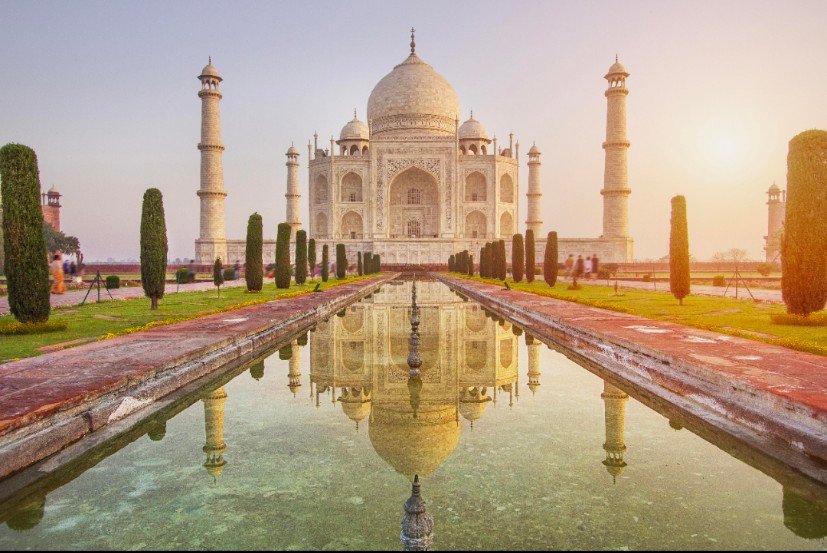
Agra is one of India’s most recognisable historical destinations and an excellent starting point for first-time visitors. Its most famous attraction is the Taj Mahal, a marble mausoleum associated with the Mughal emperor Shah Jahan and his wife Mumtaz Mahal.
Visit the Taj Mahal early in the morning when possible, allowing time for security checks and photographs. The monument is generally closed on Fridays, so check official visiting information before planning your visit.
Other attractions include Agra Fort, Mehtab Bagh and the historic streets around the city’s traditional markets. If you enjoy architecture and history, Agra can be combined with Delhi and Jaipur on the Golden Triangle route.
2. Jaipur, Rajasthan
Jaipur, popularly known as the Pink City, is famous for its royal heritage, colourful bazaars and impressive architecture.
Explore Amber Fort, Hawa Mahal, City Palace and Jantar Mantar. Each attraction offers a different perspective on Rajasthan’s history and architectural traditions.
Spend time in local markets to browse textiles, jewellery, handicrafts and traditional souvenirs. Try regional dishes such as dal baati churma, gatte ki sabzi and pyaaz kachori.
Jaipur is especially suitable for travellers who want a mixture of history, photography, shopping and local cuisine.
3. Delhi, the National Capital
Delhi combines historic monuments with modern neighbourhoods, busy markets, museums and an extensive food scene.
Explore Humayun’s Tomb, Qutub Minar, the Red Fort area and India Gate. Old Delhi is known for its narrow lanes, traditional markets and distinctive street food.
The city is also a major transport hub, making it convenient for connecting to other parts of India by train, bus or air.
Allow at least two days if you want to explore both Old Delhi and New Delhi without rushing.
4. Kashmir, Jammu and Kashmir
Kashmir attracts visitors with mountain scenery, lakes, gardens and traditional houseboats.
Srinagar is a popular base for exploring Dal Lake, Mughal gardens and nearby mountain landscapes. Depending on the season and current access conditions, travellers may also visit Gulmarg, Pahalgam or Sonamarg.
Spring brings flowering gardens, summer offers opportunities for sightseeing and outdoor activities, and winter attracts visitors interested in snow.
Check weather forecasts, road conditions and local travel advisories before departure, particularly in winter.
5. Manali, Himachal Pradesh
Manali is a popular mountain destination for nature lovers, couples and adventure travellers. Surrounded by the Himalayas, it offers forest walks, scenic viewpoints, cafés and access to outdoor activities.
Visit Old Manali, explore the Hadimba Devi Temple and enjoy views of the surrounding mountains. Solang Valley is known for seasonal adventure activities, although availability depends on weather and operating conditions.
Avoid assuming that high mountain roads will be open throughout the year. Check official local updates before planning journeys toward high-altitude areas.
6. Rishikesh, Uttarakhand
Rishikesh is known for yoga, meditation, riverside scenery and adventure tourism along the Ganges.
Visitors can explore the riverfront, attend the evening Ganga Aarti, visit temples and bridges, or participate in yoga classes. Depending on the season and local permissions, rafting and other outdoor activities may also be available.
Rishikesh can be combined with Haridwar for a short spiritual and cultural journey. Choose licensed adventure operators and follow local river-safety instructions.
7. Kerala
Kerala is an excellent choice for travellers who enjoy tropical scenery, greenery, traditional cuisine and a slower pace of travel.
Alleppey, also called Alappuzha, is known for its backwaters and houseboat experiences. Munnar offers tea plantations and mountain views, while Kochi features historic neighbourhoods, waterfront areas and cultural attractions.
Travellers can combine a few nights in the hills with time beside the backwaters or coast. Monsoon conditions can affect outdoor activities and transport, so check seasonal forecasts.
8. Goa
Goa is famous for its beaches, Portuguese-influenced heritage, seafood and relaxed coastal atmosphere.
North Goa offers lively beach areas, markets and nightlife, while South Goa includes quieter stretches of coast and resort areas. Visitors can also explore historic churches and the heritage district of Old Goa.
Beyond the beaches, try local Goan cuisine, visit traditional villages and learn about the region’s cultural history. Respect beach safety guidance and local rules regarding alcohol, littering and public behaviour.
9. Varanasi, Uttar Pradesh
Varanasi is one of India’s best-known spiritual cities and an important destination for understanding religious traditions along the Ganges.
Explore the ghats, observe the evening Ganga Aarti from a suitable viewing area and visit important temples where access is permitted. A sunrise boat ride can offer a memorable perspective on the riverfront.
The city can be crowded, especially during festivals. Dress respectfully at religious sites, follow photography restrictions and give people space during ceremonies.
10. Sikkim and the Northeast
Sikkim is an attractive destination for travellers seeking mountain scenery, monasteries, lakes and quieter hill towns. Gangtok is a useful base for exploring the region, while other destinations may require additional permits or special travel arrangements.
The wider Northeast includes Assam’s tea-growing areas, Meghalaya’s waterfalls and living root bridges, and Arunachal Pradesh’s mountain landscapes.
Because weather, road access and permit requirements vary, research the specific state and route before booking. Do not assume that every border-area destination is accessible to every traveller throughout the year.
How to Choose the Right Region
India is too large to explore completely in a single short trip. Choose destinations based on the experiences you want.
History and architecture: Delhi, Agra and Jaipur.
Mountains and nature: Kashmir, Himachal Pradesh, Uttarakhand and Sikkim.
Beaches and coastal culture: Goa and Kerala.
Spiritual experiences: Varanasi, Rishikesh and selected temple towns.
Food and city life: Delhi, Mumbai, Hyderabad and Kolkata.
Wildlife: National parks and wildlife reserves, subject to seasonal access and park regulations.
For a first trip of one week, choose one region or a compact route. For a two-week holiday, combine destinations that have convenient transport connections.
Best Time to Explore India in 2026
India experiences different climates across its regions, so there is no single perfect month for every destination.
October to March
These months are often suitable for exploring many northern, western and central Indian destinations. Delhi, Agra, Jaipur and Varanasi can be particularly appealing during cooler weather.
However, winter fog can delay flights and trains in northern India. Mountain destinations may experience snow, road closures and very cold conditions.
April to June
This period can be very hot across much of northern and central India. Hill stations such as Manali and selected Himalayan destinations may offer cooler weather, but they can also be busy during school holidays.
Plan outdoor sightseeing early in the morning, carry water and avoid prolonged exposure to extreme heat.
June to September
The monsoon brings rainfall to many parts of India. Kerala, the Western Ghats and other green landscapes can look especially beautiful, but heavy rain may disrupt transport and outdoor activities.
Landslides and flooding can affect some mountain and coastal routes. Check local weather warnings and maintain flexibility in your itinerary.
How to Travel Around India
Trains
Indian Railways connects many major cities and smaller towns. Trains can be economical and offer a useful way to experience the country.
Book popular routes in advance through official railway booking channels. Confirm the train number, departure station, class and reservation status before travelling.
Domestic Flights
Flights can save considerable time when travelling between distant regions, such as Delhi and Kerala or Mumbai and the Northeast.
Compare the total cost, including baggage charges, airport transfers and departure times. A cheap ticket may not be the best choice if it creates an impractical connection.
Buses
Government and private buses connect many cities, hill stations and regional destinations. Services range from basic local buses to overnight air-conditioned coaches.
Check the boarding point and arrival location carefully, especially when travelling overnight.
Metro and Local Transport
Metro systems operate in several major Indian cities, including Delhi and Mumbai. They can be convenient for avoiding road congestion.
Auto-rickshaws, taxis and app-based cab services can help with shorter journeys. Confirm fares or use a reliable booking method before starting a trip.
Renting a Car
A private car with a local driver can be practical for multi-stop sightseeing, especially in Rajasthan or certain mountain regions.
Estimated Budget for Exploring India
Your total travel cost depends on the season, destination, accommodation, transport and activities. The following figures are illustrative planning estimates per person per day, not live quotes.
Travel style
Estimated daily budget
Budget traveller
₹1,200–₹2,500
Mid-range traveller
₹3,000–₹7,000
Premium traveller
₹8,000–₹20,000+
These estimates may cover accommodation, meals, local transport and ordinary sightseeing, but they do not necessarily include intercity flights, expensive tours, shopping or major adventure activities. Costs can be higher in remote areas, popular resorts and peak holiday periods.
Ways to Save Money
Travel during shoulder seasons when weather and local conditions are suitable.
Book transport early when reservations are available.
Choose accommodation near reliable transport links.
Eat at clean, well-reviewed local restaurants.
Compare attraction entry fees and guided tour prices.
Avoid changing hotels every night.
Keep an emergency fund for delays and unexpected expenses.
For international visitors, include visa-related costs, travel insurance, international flights and airport transfers in the overall budget.
What to Eat While Exploring India
India
Food is an essential part of discovering India’s regional cultures. Recipes, ingredients and cooking styles can change dramatically between states.
In Rajasthan, try dal baati churma and regional vegetarian dishes. Delhi offers chaat, kebabs and a wide range of North Indian food. Gujarat is known for dishes such as dhokla and thepla, while South Indian menus often feature dosa, idli and regional rice dishes.
Kerala is known for coconut-based curries, seafood and traditional meals served on banana leaves. Goa offers distinctive coastal dishes influenced by local and Portuguese culinary traditions.
If you have food allergies or dietary restrictions, communicate them clearly to restaurant staff. Choose clean food establishments, drink safe water and be cautious with raw foods when hygiene is uncertain.
Accommodation Options in India
India has accommodation for different budgets and travel styles.
Hostels and guesthouses: Useful for solo travellers, backpackers and people seeking affordable stays.
Budget hotels: Practical for short city visits when you want a private room without premium prices.
Mid-range hotels and boutique stays: Offer a balance of comfort, facilities and location.
Heritage hotels: Converted historic buildings can provide an opportunity to experience regional architecture and hospitality.
Resorts and premium properties: Suitable for travellers who prefer extensive facilities, private transfers or a relaxing holiday.
Before booking, check recent guest reviews, cancellation rules, the exact location and transport access. International visitors should confirm any check-in documentation requirements directly with the property.
A Practical 7-Day India Itinerary
If this is your first visit, the Golden Triangle is a useful introduction to India’s history and culture.
Day 1: Arrive in Delhi
Settle into your accommodation and explore a nearby market or landmark, depending on your arrival time.
Day 2: Explore Delhi
Visit selected historical monuments, museums and areas of Old Delhi. Leave enough time for traffic and security checks.
Day 3: Travel to Agra
Take a train or other suitable transport to Agra. Explore Agra Fort or another attraction after checking opening hours.
Day 4: Visit the Taj Mahal
Visit the Taj Mahal at an appropriate time, then travel onward or enjoy another local attraction. Remember to account for the monument’s weekly closure.
Day 5: Travel to Jaipur
Continue to Jaipur and spend the evening exploring a market or enjoying Rajasthani food.
Day 6: Discover Jaipur
Visit Amber Fort, Hawa Mahal and other attractions according to your interests and available time.
Day 7: Departure
Depart from Jaipur or return to Delhi, depending on your flight arrangements. Allow a generous transfer buffer before an international departure.
This itinerary is a starting point, not a fixed schedule. If you prefer mountains, beaches or wildlife, build a different route around one region rather than trying to add distant destinations.
Visa and Entry Requirements for International Visitors
Visa and entry requirements depend on your nationality, passport and purpose of travel.
Before travelling, consult India’s official government visa resources and confirm whether you are eligible for an e-Visa or need another visa category. Apply through the official channel, review the permitted entry points and check the validity of your travel documents.
Do not rely on third-party claims that every nationality can enter under the same rules. Visa conditions and permitted activities may change.
Domestic travellers should also carry appropriate identification for transport, accommodation and other bookings where required.
Safety Tips for Exploring India
India can be rewarding to explore, but good preparation makes travel easier.
Keep your passport, cash and valuables secure.
Use recognised transport providers, especially late at night.
Share your itinerary with a trusted person.
Follow local advice during extreme heat, heavy rainfall or mountain weather.
Use licensed guides and operators for adventure activities.
Respect religious sites, dress expectations and photography restrictions.
Purchase travel insurance suitable for your activities.
Keep digital and offline copies of important travel documents.
Check official travel advisories before visiting sensitive or remote areas.
Learn a few useful local phrases and keep emergency contacts accessible.
Solo travellers should research neighbourhoods and transport arrangements in advance. Be cautious about unsolicited offers and confirm the price and terms of a service before accepting it.
How to Plan a Better India Trip
A successful trip begins with realistic planning. First, decide how many days you have. Next, select a region, research transport connections and build a route that allows time for meals, rest and unexpected delays.
Make a shortlist of essential attractions rather than filling every hour. Check opening days, entry fees and reservation requirements directly with official sources.
Download offline maps, save your hotel address and carry a suitable power bank. If visiting multiple states, remember that languages, weather, food and local customs may change from one destination to another.
Finally, travel with curiosity. Some of the most memorable moments may come from a small local market, a conversation with a guide, a regional meal or an unexpected view along the way.
Responsible Tourism in India
Responsible travel helps protect the places and communities you visit.
Avoid leaving litter at beaches, mountains, rivers and heritage sites. Follow wildlife-viewing rules and never feed wild animals unless an authorised conservation programme specifically permits it.
Choose local guides and businesses when practical, respect cultural traditions and ask permission before photographing people. At religious locations, follow instructions about footwear, clothing and restricted areas.
When booking wildlife experiences, research whether operators prioritise animal welfare and habitat protection.
Travelling responsibly makes your journey more meaningful and helps preserve destinations for future visitors.
Frequently Asked Questions
1. How can I explore India in 2026?
Start by selecting a region based on your interests, choose a realistic travel duration and research the weather, transport and accommodation. Reserve important services in advance and leave some flexibility for local experiences.
2. What are the best places to visit in India for first-time travellers?
Delhi, Agra and Jaipur are a popular combination because they offer historical monuments, architecture, markets and food experiences. Kerala, Goa and Rishikesh are alternatives for travellers with different interests.
3. How many days are enough to explore India?
Seven days can be enough for one compact route. Two weeks allow more variety, but exploring several distant regions may require additional time. India is too large to cover completely in one short holiday.
4. What is the best month to visit India?
October to March is often suitable for many northern and western destinations. However, the best month depends on the specific region, altitude, weather and activities you want to enjoy.
5. Is India affordable for tourists?
India offers a wide range of accommodation, food and transport options. Budget travellers can often manage costs with advance planning, while premium hotels, private transfers and remote destinations can be considerably more expensive.
6. What should I pack for an India trip?
Pack clothing suitable for the season, comfortable walking shoes, sun protection, essential medicines, a reusable water bottle where appropriate, travel documents and chargers. Mountain and monsoon destinations may require specialised clothing.
7. Is public transport useful in India?
Yes. Trains, buses and urban metro systems can be practical for many journeys. Availability, comfort and booking requirements vary by route, so compare options before departure.
8. How can I find reliable travel information?
Check official railway and transport websites, monument authorities, state tourism departments, weather services and government visa resources. Confirm important details close to your travel date.
Conclusion: Start Exploring India in 2026
India offers a remarkable combination of history, natural beauty, spiritual traditions, regional food and everyday cultural experiences. From the Taj Mahal and Jaipur’s forts to Kerala’s backwaters and the Himalayas, every journey can reveal a different side of the country.
The best way to explore India in 2026 is to travel at a comfortable pace, select destinations that match your interests and prepare for regional differences in climate, transport and customs. Compare costs, verify important travel information and leave room for experiences that cannot be planned in advance.
Whether you have one week or several weeks, thoughtful planning can help you create a memorable trip through India.
Start with one region, travel responsibly and discover India one destination at a time.
Leave a Reply