

titleBest Time to Visit Ladakh in 2026: Complete Travel Guide
Best time to visit Ladakh in 2026
best-time-to-visit-ladakh-2026
Discover the best time to visit Ladakh in 2026 with a month-by-month weather guide, top attractions, travel itinerary, budget, permits, road trips and essential safety tips.
secondary keywords
Best month to visit Ladakh
Ladakh trip cost in 2026
Places to visit in Ladakh
Ladakh itinerary for 5 days
Ladakh weather in June
Leh Ladakh road trip
Best time to visit Pangong Lake
How to reach Ladakh from India
Nubra Valley travel guide
Ladakh travel tips for beginners

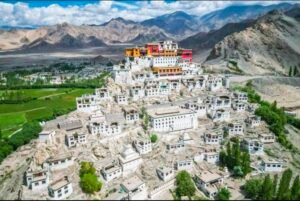
Best time to visit Ladakh in 2026
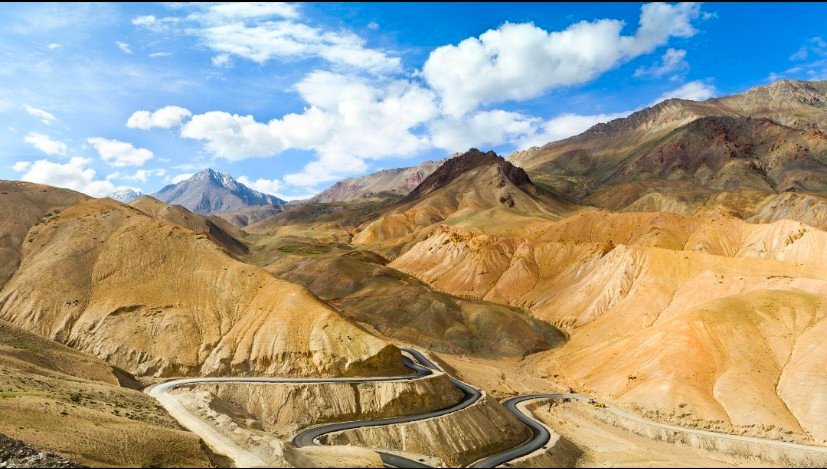
The best time to visit Ladakh depends on your travel goals, budget, preferred weather and the experiences you want to enjoy. For most first-time visitors, June to September is the main travel season. September and early October can also be excellent for clear mountain scenery and fewer crowds, although temperatures drop and some routes may close.
Best months at a glance
Month What to expect Best for
March–April Cold weather, possible snow, spring landscapes Quiet trips and photography
May Warming days; some roads and facilities may still be opening Flexible travellers
June Long days and improving road access First-time visitors and road trips
July–August Peak travel season, busy attractions Lakes, trekking and festivals
September Crisp views, autumn colours and cooler nights Photography and scenic drives
Early October Colder weather and fewer visitors Experienced, well-prepared travellers
November–February Severe cold and limited access to some destinations Specialised winter trips
These are typical seasonal patterns, not a guarantee of current conditions. Always check road status and local advisories before departure.
1. June: One of the best months for Ladakh
June is an excellent choice for travellers who want to combine sightseeing, mountain roads, monasteries and lake visits. Many visitors plan journeys around Leh, Nubra Valley and Pangong Lake during this period.
However, opening dates for high mountain passes depend on snow clearance and weather. Confirm your intended road route before booking a non-refundable trip.
2. July: Beautiful landscapes and peak-season travel
July offers long daylight hours and is popular for motorcycle trips, photography and sightseeing. Tourist demand can be high, so hotels and transport may cost more than during quieter periods.
Rainfall is generally lower in Ladakh than in many other parts of India, but the approach roads and neighbouring mountain regions can still experience rain, landslides and delays.
3. August: Ideal for culture and adventure
August is suitable for travellers interested in mountain scenery, village life, local cuisine and outdoor activities. It can be a busy month, especially around popular lakes and mountain passes.
Book accommodation ahead of time and avoid trying to cover too many destinations in one day.
4. September: A strong choice for photography
September is particularly attractive for travellers who prefer dramatic mountain landscapes, clear-looking skies and the changing colours of autumn. Tourist numbers may begin to ease after the summer peak.
Nights become colder, however, and late-season road conditions can change quickly. Carry warm clothing and verify accommodation availability in remote areas.
5. Winter in Ladakh: November to February
Winter reveals a different side of Ladakh, with snow-covered landscapes, freezing temperatures and specialised experiences such as guided winter trekking.
This season requires careful planning. Some roads and remote accommodation options may be unavailable, and cold-weather equipment is essential. Winter travel is best suited to visitors who understand the conditions and have reliable local support.
Why visit Ladakh in 2026?
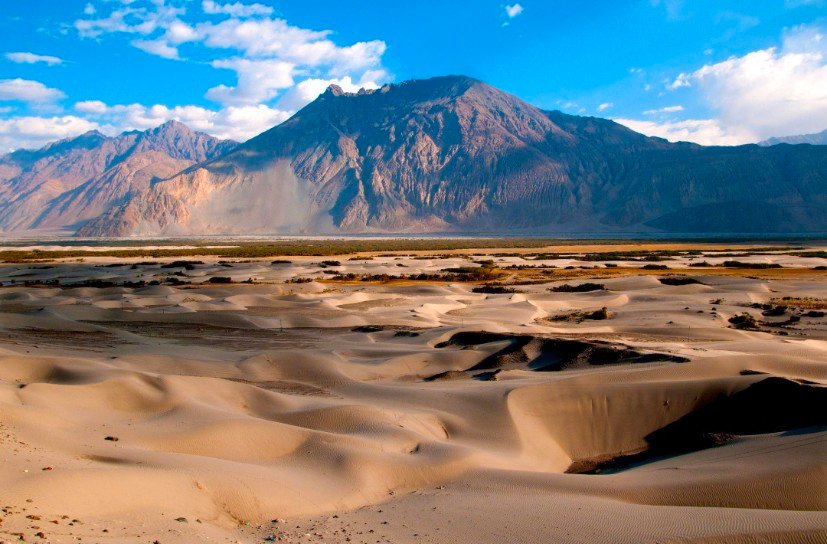


Ladakh is famous for its high-altitude landscapes, ancient monasteries, mountain passes, lakes, remote villages and distinctive cultural heritage. It offers a very different experience from India’s tropical beaches, forests and crowded metropolitan cities.
Travellers can spend their days exploring historic buildings, driving through mountain valleys, tasting local dishes, watching the changing colours of Pangong Lake or enjoying the quiet atmosphere of a traditional village.
The region also offers opportunities for stargazing, hiking, cultural visits and wildlife experiences. Official Ladakh Tourism highlights heritage, adventure, ecology, local cuisine and winter tourism among its major travel experiences.
What makes Ladakh special?
Mountain scenery: Rugged Himalayan landscapes and dramatic high-altitude passes.
Beautiful lakes: Pangong Tso, Tso Moriri and Tso Kar.
Cultural heritage: Monasteries, historic palaces and traditional settlements.
Adventure: Selected road trips, trekking routes and cycling experiences.
Local food: Momos, thukpa, butter tea and apricot-based products.
Night skies: Remote areas can offer memorable stargazing opportunities when weather and conditions cooperate.
Top places to visit in Ladakh in 2026
1. Leh: The starting point of your Ladakh journey
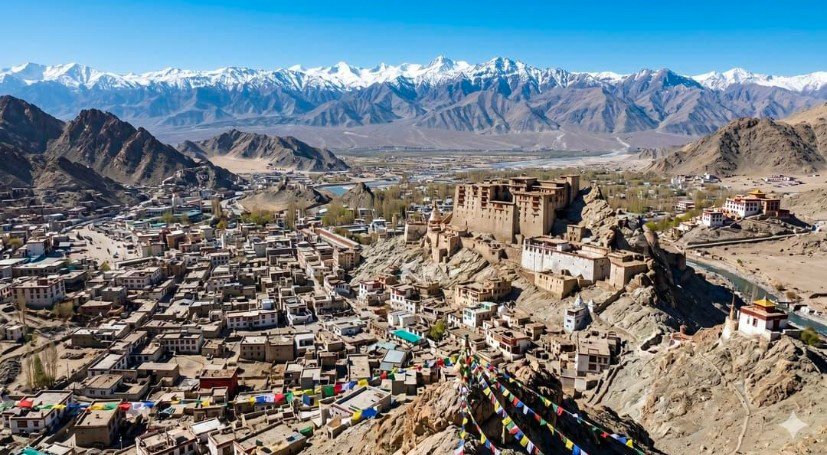
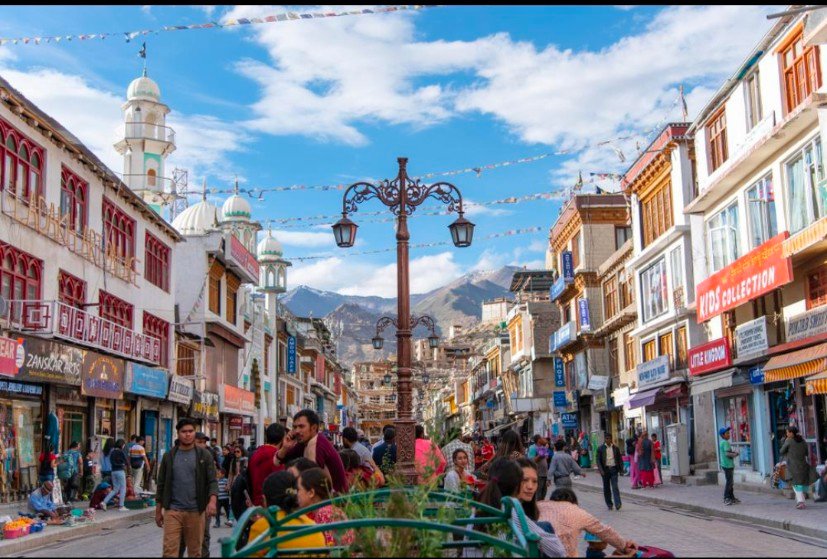
Leh is the main base for many visitors. It offers accommodation, restaurants, transport services, markets and access to nearby cultural attractions.
Spend your first days adjusting to the altitude instead of immediately travelling to remote lakes or high passes.
Things to do in Leh:
Explore Leh Market and browse local handicrafts.
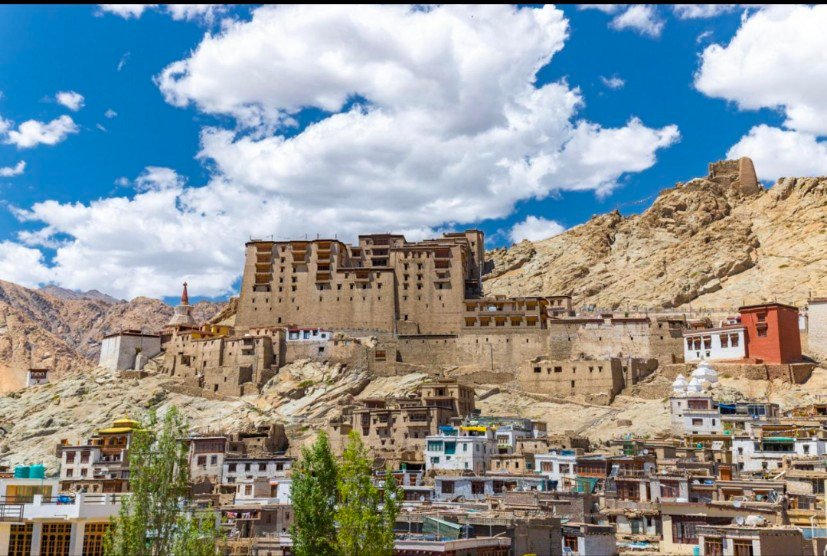
Visit Leh Palace and learn about the region’s history.
Enjoy the views from Shanti Stupa.
Try Ladakhi food at a local restaurant.
Arrange transport, permits and supplies for your onward journey.
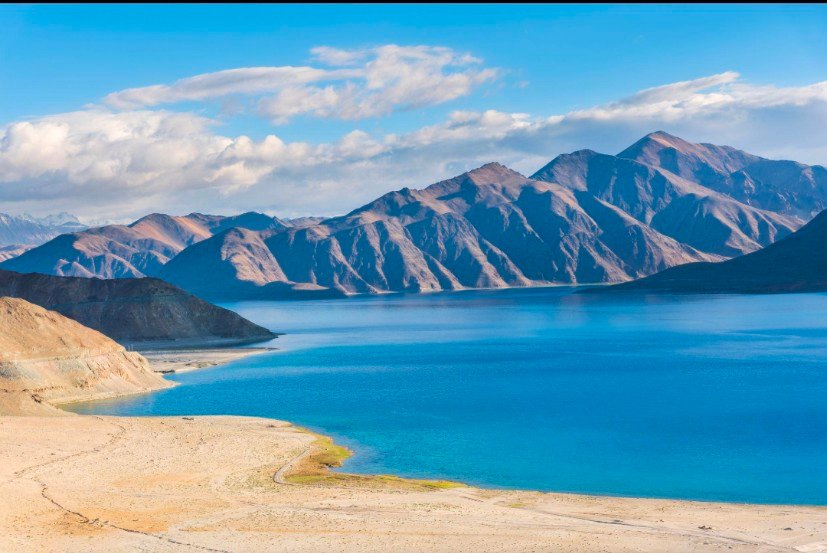
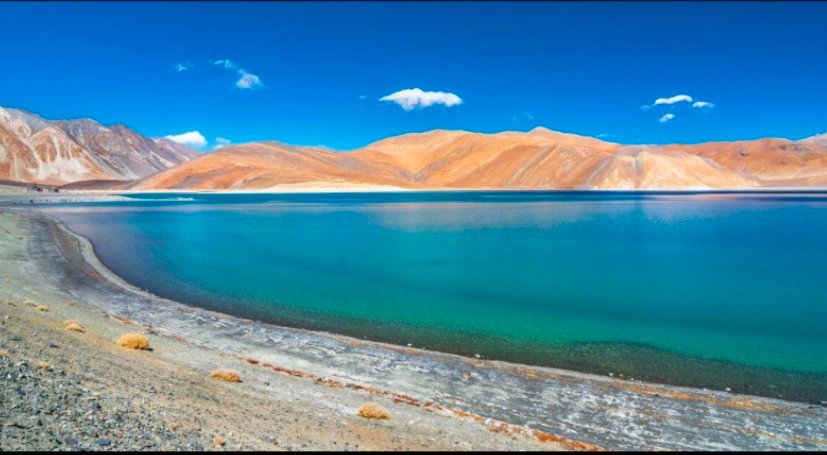
2. Pangong Tso: The famous high-altitude lake
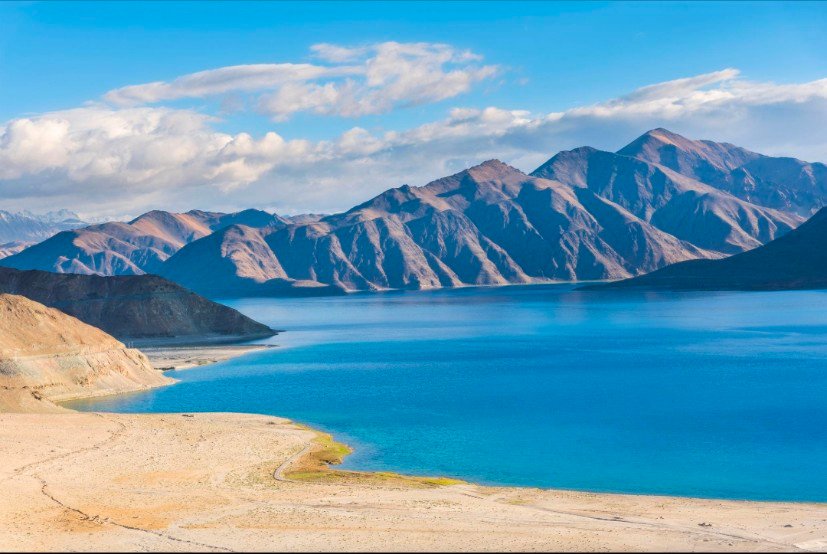
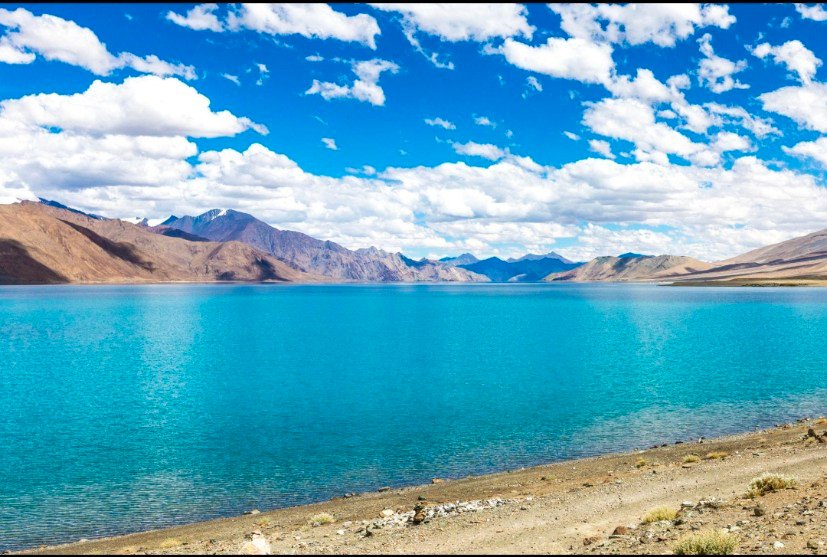
Pangong Tso is one of Ladakh’s best-known natural attractions. Its striking colours change with light, weather and viewing conditions, making it a favourite destination for landscape photography.
Visitors generally travel from Leh by road, often combining the journey with other attractions if conditions and their itinerary allow.
Travel tips:
Check the latest access rules and permit requirements.
Wear layers because temperatures can fall sharply.
Carry drinking water and any essential medication.
Do not assume mobile networks or card payments will work everywhere.
Follow local instructions and avoid littering around the lake.
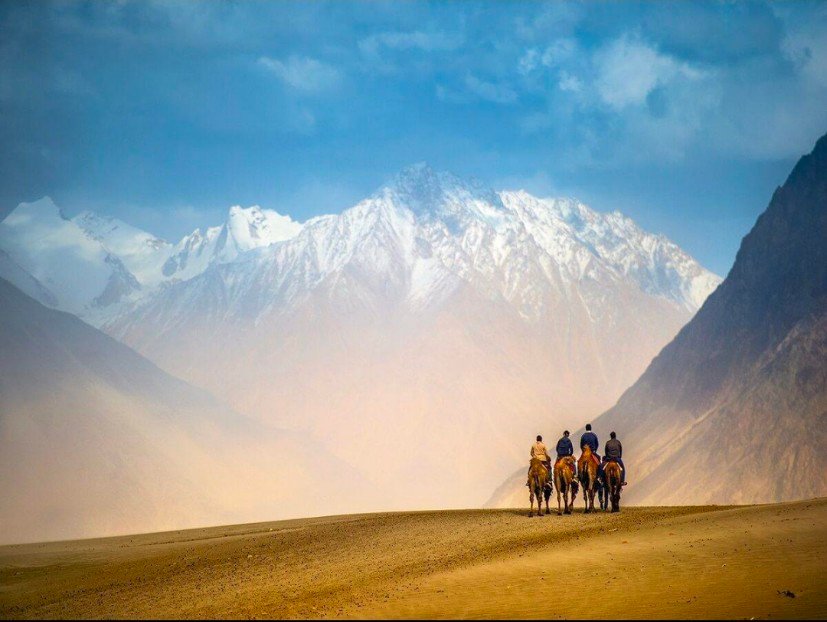
- Nubra Valley: Sand dunes and mountain landscapes
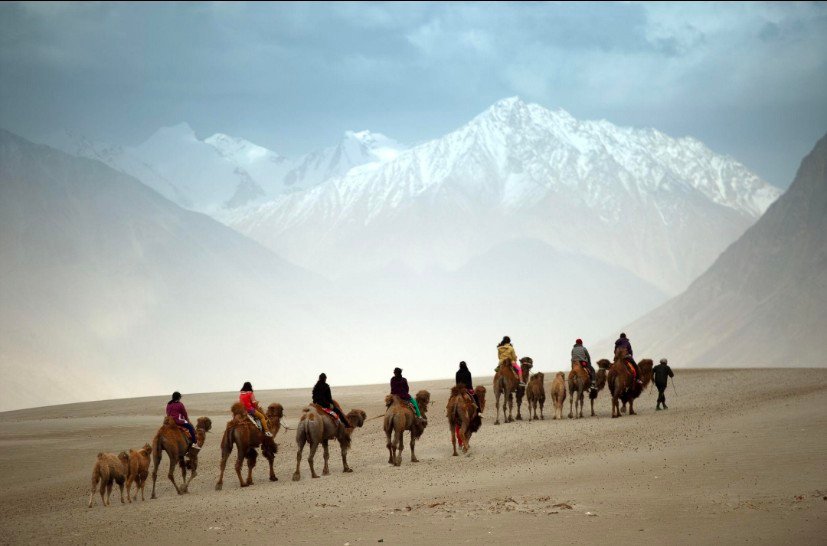
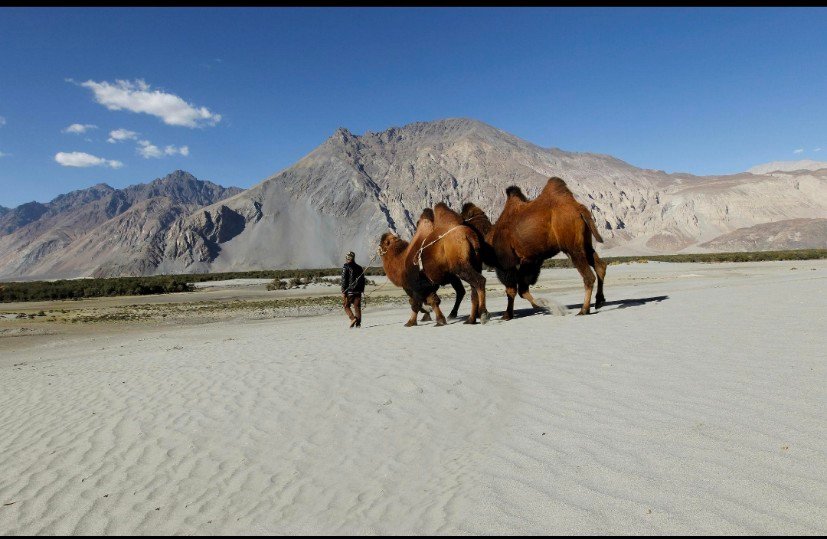
Nubra Valley is known for its broad valley scenery, settlements, mountain views and the sand dunes around Hunder.
Popular experiences include visiting Diskit Monastery, exploring Hunder and learning about local life. Double-humped Bactrian camel rides are a well-known seasonal activity in the Hunder area.
Plan enough time to enjoy the valley rather than treating it as a quick photo stop. Check mountain-pass conditions before setting off from Leh.
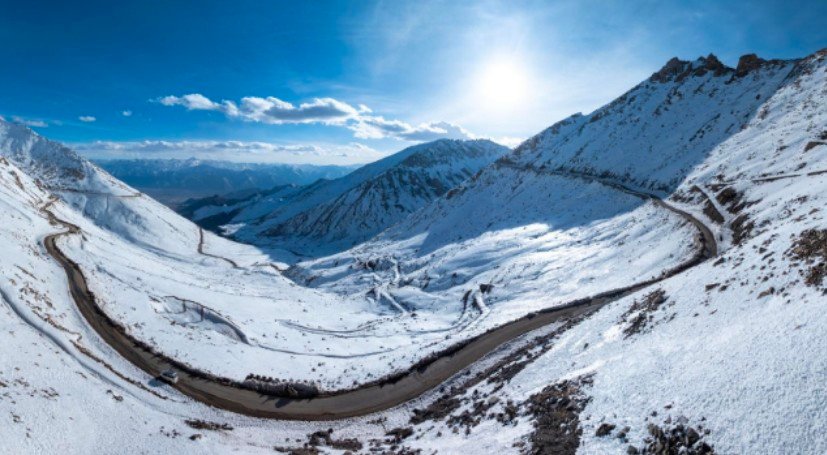
- Khardung La: A spectacular mountain pass
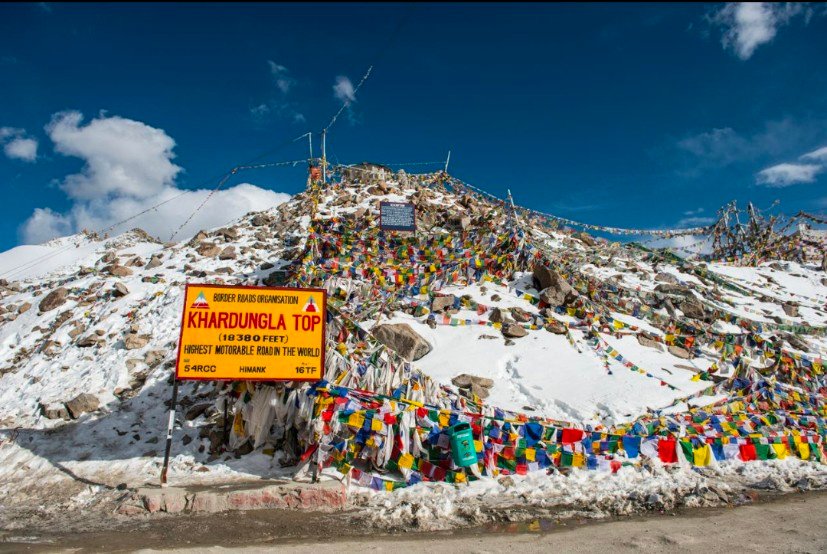
Khardung La is associated with the road journey between Leh and Nubra Valley. It is a popular stop for travellers seeking high-altitude scenery.
Altitude sickness is a serious consideration here. Do not rush to a high pass immediately after arriving in Leh, and do not continue upward if you develop symptoms.
Road access can be affected by snow, weather and official restrictions. Follow the instructions of local authorities.
- Thiksey Monastery: A cultural highlight
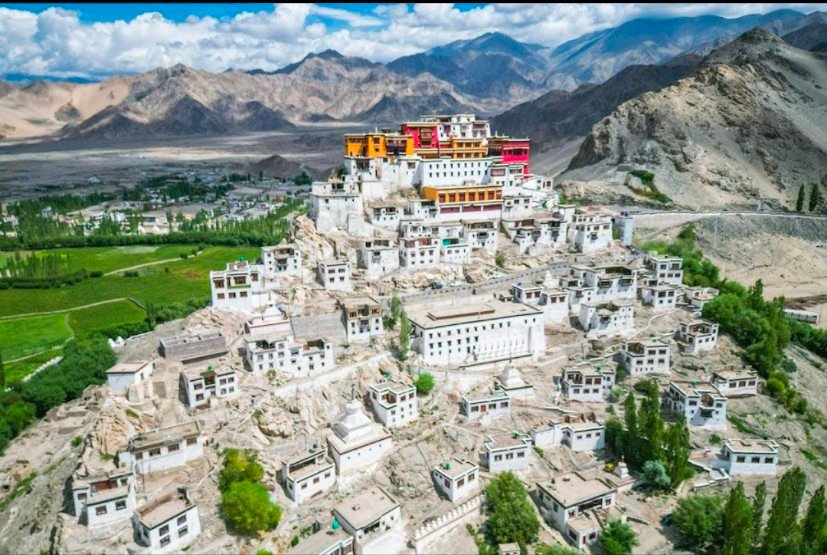
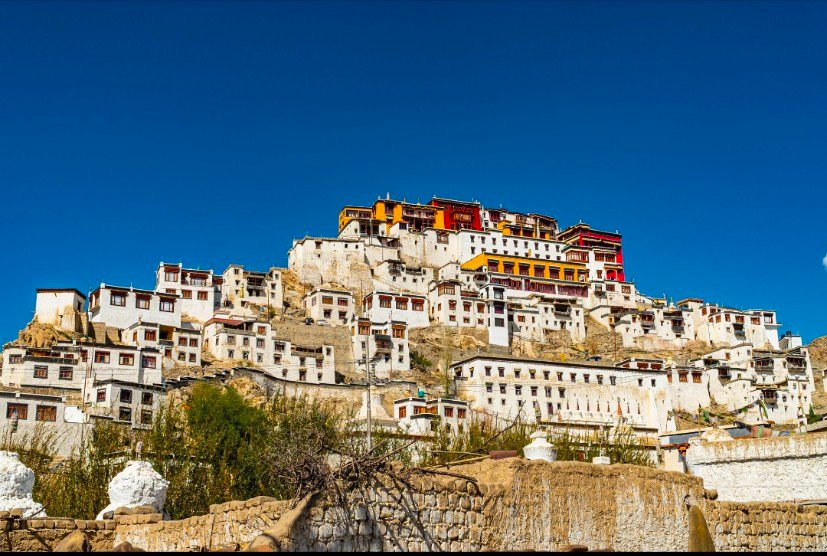
Thiksey Monastery is a striking monastery near Leh, known for its hillside setting and traditional architecture.
Visitors can appreciate the monastery’s cultural and spiritual significance while learning about Ladakh’s Buddhist heritage.
Dress respectfully, follow photography rules and keep noise to a minimum in prayer areas.
- Hemis Monastery: History and tradition
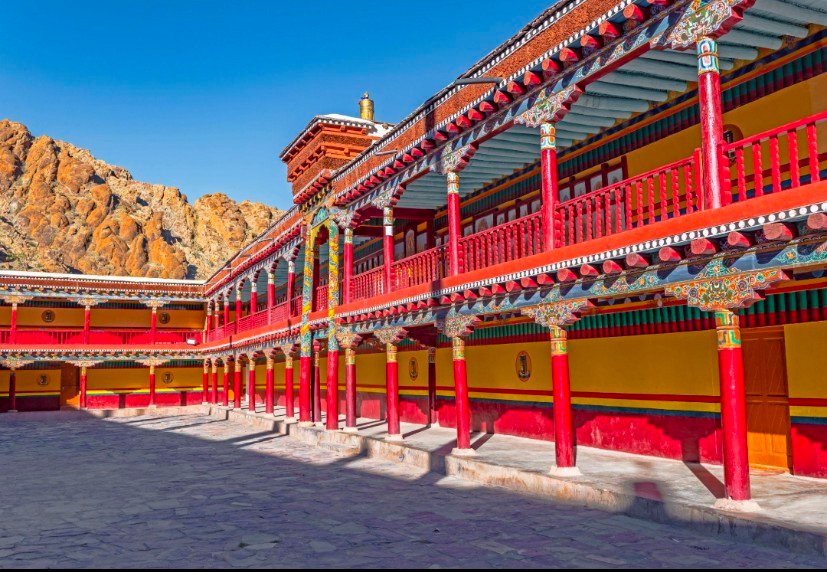
Hemis Monastery is an important cultural destination with a rich monastic heritage. Depending on your travel dates, you may be able to learn about local religious celebrations and traditional practices.
Festival dates vary, so verify the schedule for 2026 before planning your trip around a particular event.
- Tso Moriri: A quieter lake experience
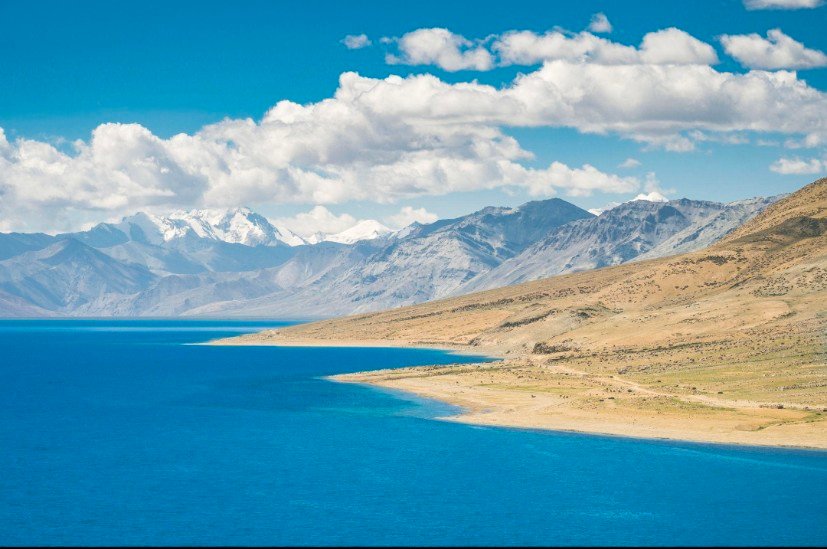
Tso Moriri offers a remote lake setting surrounded by mountain scenery. It is attractive to travellers looking for nature, photography and a quieter atmosphere than some of Ladakh’s busier attractions.
Because it is remote and at high altitude, plan fuel, accommodation, food and transport carefully. Confirm access and local requirements before travelling.
- Shanti Stupa: Panoramic views of Leh
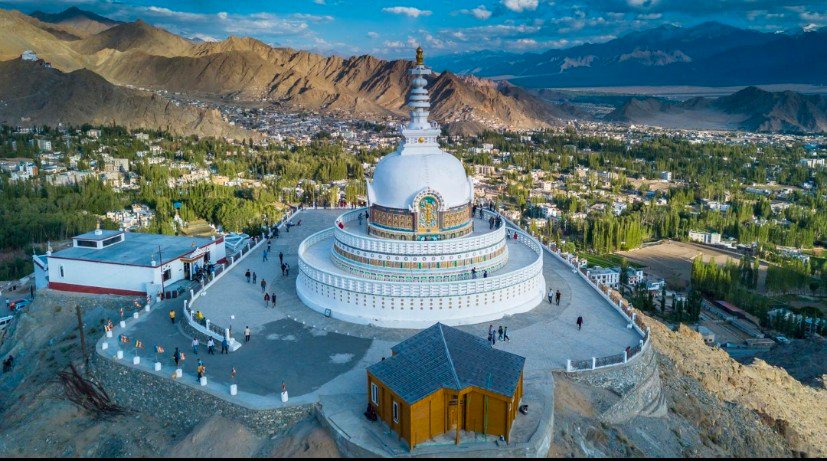
Shanti Stupa is a well-known landmark offering wide views of Leh and the surrounding mountains. It works well as part of a gentle local sightseeing day after adequate rest.
Visit when the weather is clear for the best views, and allow time to enjoy the setting without rushing.
9. Leh Palace: Explore Ladakh’s history
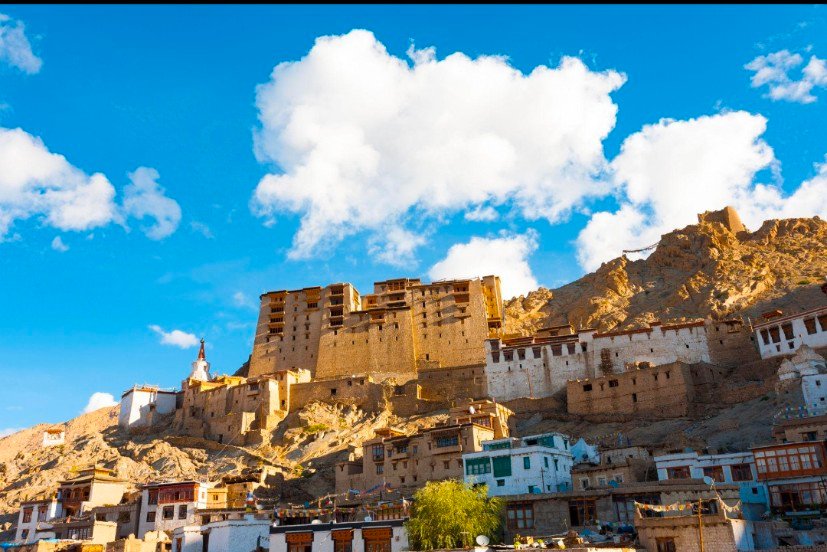
Leh Palace is a historic building overlooking the town. It offers a useful introduction to Ladakh’s royal heritage and architecture.
Combine it with a walk around Leh’s old town, local markets and nearby cultural sites.
10. Magnetic Hill and the Indus Valley
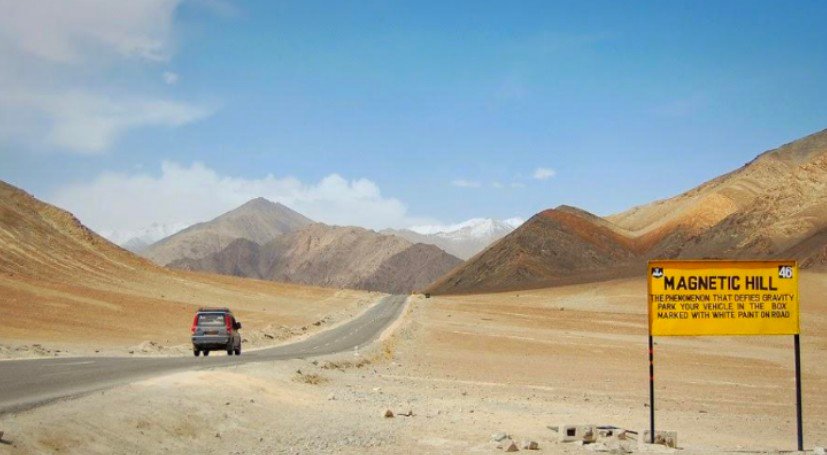
Magnetic Hill is a popular stop on the road west of Leh. Visitors often stop for photographs and to see the landscape around the Indus Valley.
Treat claims about unusual magnetic effects as a tourist attraction rather than a verified scientific phenomenon. Drive carefully, remain on permitted roads and avoid obstructing traffic for photos.
How to reach Ladakh from different parts of India
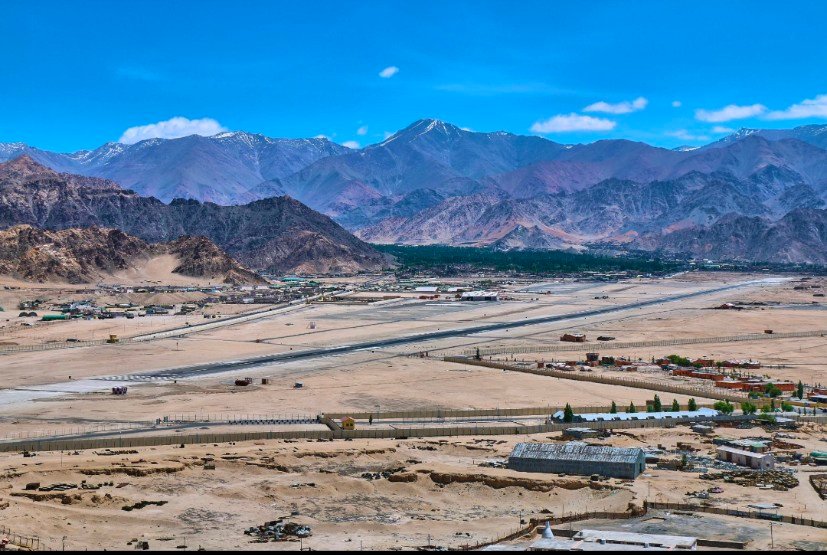
There are two common ways to reach Leh: by air or by road. Your best option depends on your budget, available time, preferred scenery and the current condition of mountain highways.
Option 1: Travel by flight
Flying to Leh is often the fastest option. Travellers commonly look for flights from Delhi and other major Indian cities, sometimes with a connection.
After landing, do not immediately begin a demanding sightseeing tour. Leh is at a high altitude, and rapid ascent can cause altitude sickness. The official Ladakh tourism advisory recommends at least 48 hours of acclimatisation before travelling to higher-altitude destinations.
Option 2: Srinagar to Leh road trip
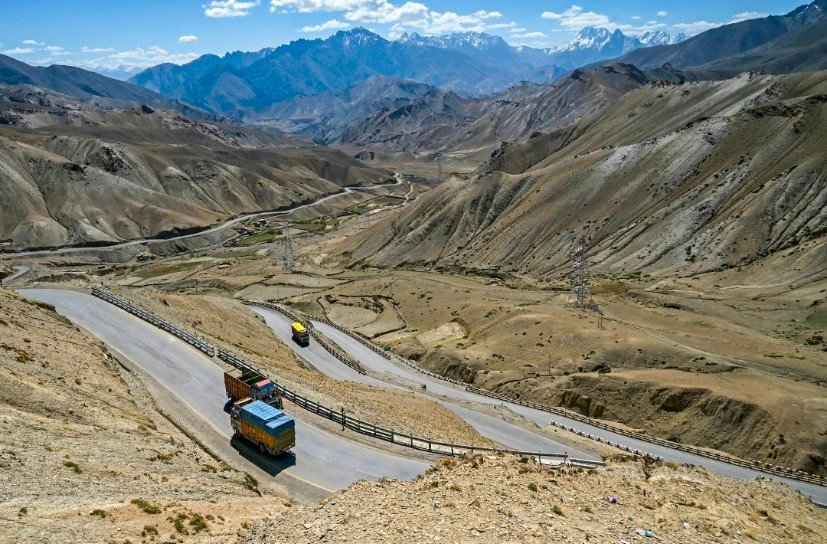
The Srinagar–Leh route passes through dramatic mountain scenery and the Kargil region. It is a popular choice for travellers who want to experience a gradual road journey into Ladakh.
The route is seasonal, and actual opening dates depend on conditions. Check official road updates before departing.
Option 3: Manali to Leh road trip
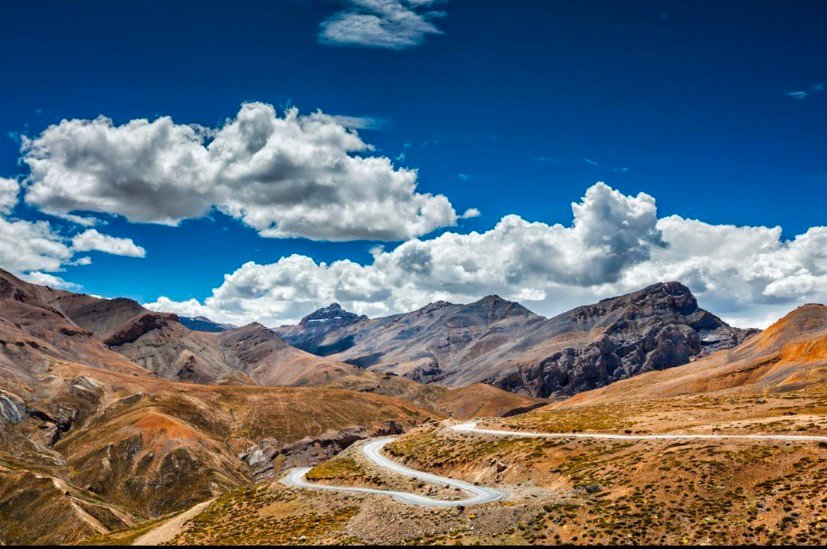
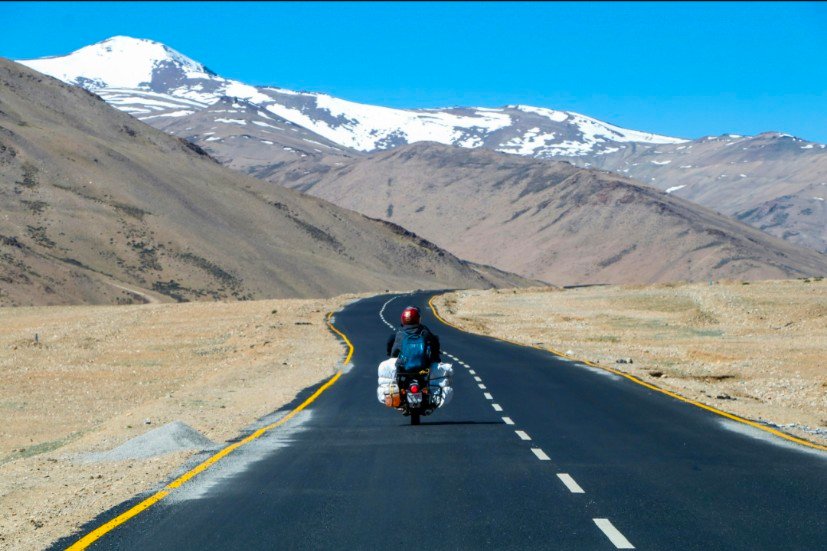
The Manali–Leh highway is famous among motorcycle riders and road-trip enthusiasts. The journey passes through high mountain terrain and remote stretches where services may be limited.
Do not plan this journey based only on the distance shown by a navigation app. Weather, road closures, traffic, vehicle condition and acclimatisation can significantly affect travel time.
Which route should you choose?
Travel style Suggested option
Limited time Flight to Leh
Scenic road journey Srinagar–Leh
Motorcycle adventure Manali–Leh, when officially open
First-time high-altitude traveller Flight or a carefully planned gradual road journey
Budget-conscious traveller Compare flights, shared transport and bus options for your dates
For current transport details, start with the official Leh District tourism and travel information.
A 7-day Ladakh itinerary for 2026
A seven-day trip can cover several highlights, but it should not be rushed. This sample itinerary assumes you arrive in Leh and that the relevant roads and attractions are accessible.


Day 1 — Arrive in Leh
Rest, hydrate, eat light meals and allow your body to adjust to the altitude. Avoid strenuous activity.
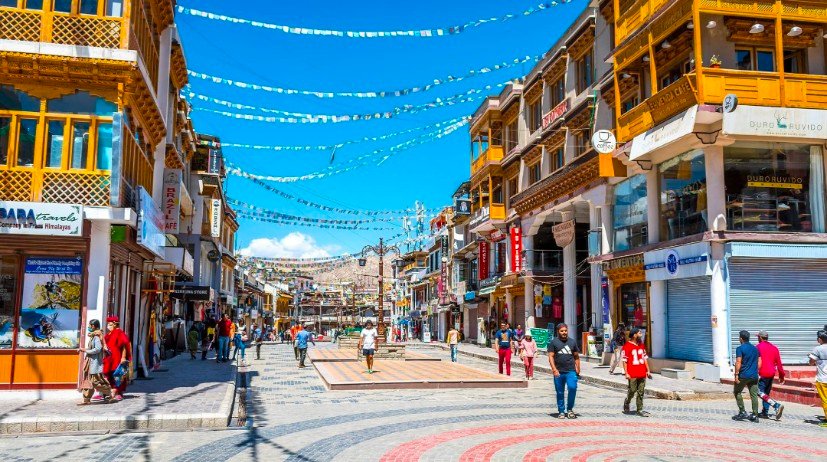
2 — Gentle local sightseeing
If you feel well, explore Leh town and its market at an easy pace. Continue to avoid strenuous activity during acclimatisation.
3 — Monasteries and nearby sights
Visit Thiksey Monastery and other nearby attractions if you are well acclimatised. Keep the schedule flexible.
Day 4 — Travel towards Nubra Valley
Take the approved route through the mountains, stopping only at permitted and safe viewpoints. Stay overnight in the valley.
Day 5 — Explore Nubra Valley
Visit Hunder, Diskit and other accessible local attractions. Consider a visit to Turtuk only if the route and available time make it practical.
Day 6 — Pangong Lake, if accessible
Travel via a currently permitted route, allowing plenty of time for mountain driving. Stay only at accommodation confirmed for your travel dates.
Day 7 — Return and departure
Return to Leh according to road conditions. Keep a buffer before your flight, and avoid scheduling a tight connection after a long mountain drive.
Important: This is a planning template, not a guarantee that every leg can be completed in the stated time. For a more relaxed trip, allow 8–10 days or longer. A seven-day schedule should not override acclimatisation, medical advice or road restrictions.
How much does a Ladakh trip cost in 2026?
The cost depends on your departure city, transport, season, accommodation, number of travellers and the destinations you include.
The following are illustrative planning estimates per person, not live quotations. They exclude major shopping expenses and can vary substantially.
Expense Estimated cost in INR
Return flights from a major Indian city ₹6,000–₹18,000+
Budget accommodation, per night ₹800–₹1,800
Mid-range accommodation, per night ₹2,000–₹5,000
Food, per day ₹500–₹1,200
Shared local transport and sightseeing ₹3,000–₹8,000 for the trip
Private vehicle Highly variable by route and group size
Miscellaneous expenses ₹1,000–₹3,000
Example budgets
Budget traveller
₹12,000–₹22,000
Approximately 5–7 days, excluding or minimising airfare through a suitable road or bus plan.
Mid-range traveller
₹22,000–₹40,000
Approximately 5–7 days with comfortable stays and shared or group transport; airfare may be extra.
Comfort-focused traveller
₹40,000+
Private transport, premium accommodation, flights and remote stays can raise the total substantially.
Before booking, compare the complete cost rather than the hotel price alone. Ask whether transport, meals, permits, transfers and taxes are included.
Best things to do in Ladakh
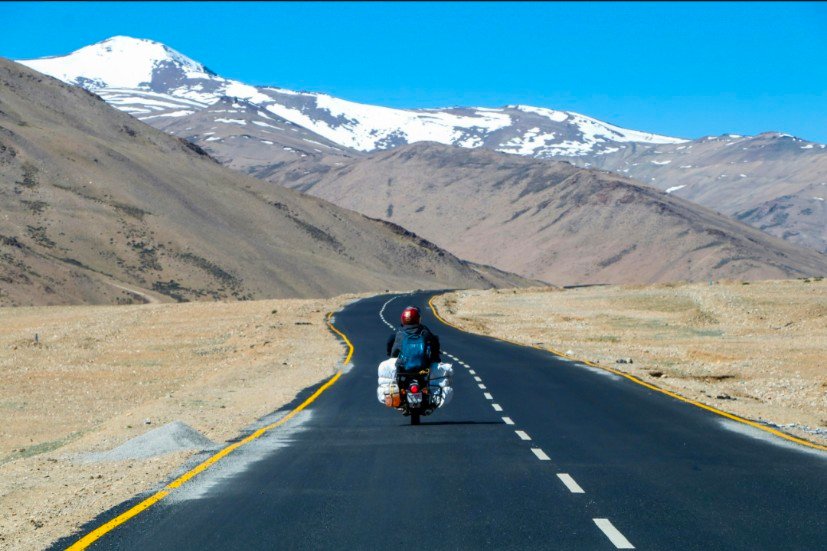

Experience a Himalayan road trip
Mountain drives are one of Ladakh’s signature experiences. Choose a suitable vehicle, travel with experienced local drivers where appropriate, and allow extra time for changing conditions.
Explore local culture
Visit monasteries and heritage sites respectfully. Learn about local customs, ask before photographing residents and support local guides and businesses.
Taste traditional food
Look for momos, thukpa, skyu, tingmo and other regional dishes. Butter tea and apricot products are also associated with Ladakhi food culture.
Photograph the landscapes
Early morning and late afternoon can provide beautiful light on the mountains. Protect your camera and phone batteries from cold, and never stop in unsafe places to take photographs.
Enjoy stargazing
Ladakh’s remote landscapes can offer excellent opportunities to observe the night sky. Choose a safe, permitted location, check the forecast and dress for cold conditions.
Shop for local products
Explore authentic handicrafts, woollen items and apricot-based products. Buy from reputable local sellers and ask about the origin of products before purchasing.
Where to stay in Ladakh
Leh is a practical base for your first nights because it offers a wider range of accommodation and access to transport, shops and medical facilities.
For a longer trip, consider staying in Nubra Valley or near Pangong Lake if suitable accommodation is open and confirmed for your dates. Remote stays may have fewer services, limited heating or unreliable connectivity.
Before booking, check:
Heating and hot-water arrangements.
Whether meals are available.
Road access to the property.
Cancellation policies for weather-related disruptions.
Backup power and mobile connectivity.
Distance from medical facilities.
A locally operated guesthouse or homestay can also provide a valuable opportunity to learn about everyday life in Ladakh.
What to pack for Ladakh in 2026
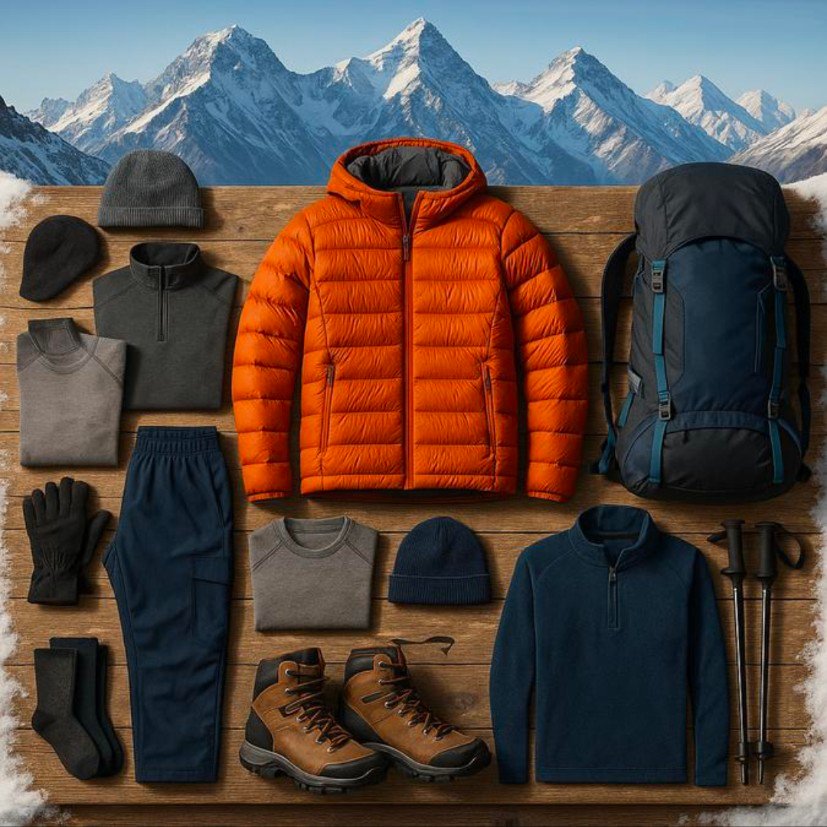
Ladakh’s weather can change quickly, and temperatures vary between sunny afternoons and cold nights.
Use this packing checklist:
Warm base layers, fleece and an insulated jacket.
Windproof and waterproof outerwear.
Comfortable walking shoes with good grip.
Sunglasses, sunscreen and lip balm.
Reusable water bottle.
Personal medicines and a first-aid kit.
Identification and copies of travel documents.
Phone, charger, power bank and offline maps.
Cash for places where digital payments are unavailable.
Gloves, warm socks and a hat.
Emergency contact details and travel insurance information.
For winter travel, add suitable thermal equipment and confirm whether your planned transport and accommodation can operate safely in severe cold.
Ladakh travel permits and important rules
Some popular destinations lie in protected or sensitive border areas. Permit requirements depend on the destination, your nationality and the rules in force when you travel.
Before departure:
Check the latest information on the official Ladakh Tourism website.
Review any applicable Inner Line Permit requirements through the official portal.
Carry valid identification and vehicle documents if driving.
Follow restrictions on photography, camping and access to protected areas.
Confirm local requirements for remote destinations before setting off.
Do not assume that a permit, route or access rule from a previous year remains valid in 2026.
Health and safety tips for Ladakh
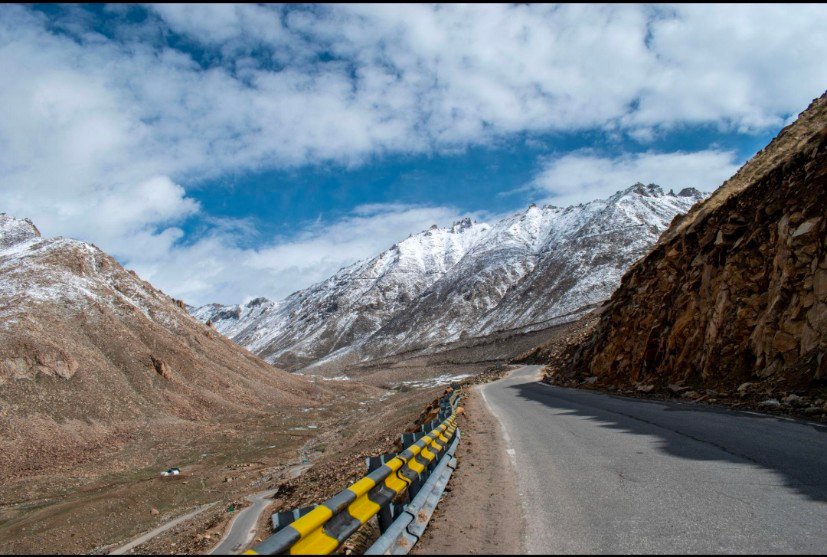
Ladakh’s altitude is one of the most important factors to consider when planning your trip. Even physically fit travellers can experience altitude sickness.
The official tourism advisory recommends at least 48 hours of acclimatisation in Leh before proceeding to higher-altitude areas.
Follow these precautions:
Rest during the initial acclimatisation period.
Avoid alcohol and strenuous exercise during the first two days.
Do not ascend further if you develop symptoms of altitude sickness.
Seek medical help for a persistent headache, nausea, dizziness or unusual breathlessness.
If symptoms become severe, especially breathlessness at rest, confusion or loss of coordination, seek emergency assistance and descend with medical guidance.
Carry essential prescribed medicines and consult a healthcare professional about altitude-related risks before departure.
Check weather and road advisories every day.
Avoid night driving on unfamiliar mountain roads.
Keep extra food, water, warm clothing and emergency supplies in your vehicle.
Never treat medication as a substitute for acclimatisation. Remote regions may have limited medical facilities, so appropriate travel insurance and emergency planning are worthwhile.
Responsible tourism in Ladakh
Ladakh’s lakes, mountains and villages are environmentally fragile. Responsible travel helps protect the places that make the region special.
Carry your rubbish back with you.
Avoid single-use plastics wherever practical.
Do not disturb wildlife or feed wild animals.
Respect monasteries and religious ceremonies.
Ask permission before photographing local people.
Use designated roads and campsites.
Support local guides, homestays and small businesses.
Respect water conservation practices in the cold desert environment.
Travel slowly, leave natural areas as you found them and respect the communities that welcome visitors.
Frequently asked questions about Ladakh
1. What is the best time to visit Ladakh in 2026?
June to September is the main season for most sightseeing and road trips. September and early October can be attractive for photography and quieter travel, subject to weather and road access.
2. Which month is best for a Ladakh bike trip?
June through September is generally the main window for motorcycle trips, depending on route openings and weather. Check current road conditions, vehicle requirements and safety arrangements before departure.
3. How many days are enough for Ladakh?
Seven days can cover a few major attractions if you fly into Leh, but 8–10 days or more allows a more relaxed trip with acclimatisation and weather buffers.
4. Is Ladakh expensive to visit?
It can be affordable with shared transport, budget accommodation and advance planning. Private vehicles, flights, premium hotels and remote destinations can increase costs significantly.
5. Can beginners visit Ladakh?
Yes, beginners can visit with careful planning. Allow enough time to acclimatise, avoid an overly ambitious itinerary and arrange suitable transport and accommodation.
6. Is Ladakh safe for solo travellers?
It can be suitable for solo travel, but remote roads, high altitude, limited connectivity and changing weather require preparation. Share your itinerary, check in regularly and use reliable local transport.
7. Is a permit required for Pangong Lake?
Access requirements depend on current rules and the traveller’s circumstances. Check the official Ladakh permit information before travelling.
8. Can I visit Ladakh in October?
Yes, depending on conditions. October can bring cold nights, reduced services and changing access to mountain passes. Confirm your route and accommodation before departure.
9. What should I wear in Ladakh during summer?
Wear layers, including a warm jacket, comfortable walking shoes, sun protection and a windproof outer layer. Even summer nights can be cold.
10. Which places should first-time visitors prioritise?
Leh, Thiksey Monastery, Nubra Valley and Pangong Lake are popular choices. Include other destinations only if time, acclimatisation and road conditions permit.
11. Is Ladakh suitable for a family trip?
Yes, with age-appropriate planning, comfortable accommodation, adequate acclimatisation and medical advice where necessary. Families should avoid rushing between high-altitude destinations.
12. What is the best way to reach Ladakh?
Flying to Leh is convenient for travellers with limited time. Road trips via Srinagar or Manali offer memorable scenery but require more time and careful checks of road access.
Conclusion: Plan your Ladakh trip in 2026
Ladakh is a remarkable destination for travellers who love mountain landscapes, beautiful lakes, cultural heritage and adventure. Choosing the right season can make a major difference to your experience.
For most visitors, June to September is a good starting point for planning. September may be particularly appealing if you prefer autumn scenery and potentially fewer crowds. Winter offers a different experience but requires more specialised preparation.
The most important part of a successful Ladakh trip is not seeing the maximum number of places. It is travelling at a safe pace, respecting the environment and allowing enough time to appreciate the journey.
Use this guide to plan your route, budget and accommodation, and always confirm current weather, road conditions and permit requirements before departure.
Leave a Reply