


best time to visit Kuwait
best-time-to-visit-kuwait-2026
Discover the best time to visit Kuwait in 2026, including weather, top attractions, things to do, local food, travel costs, transport, and practical tips.
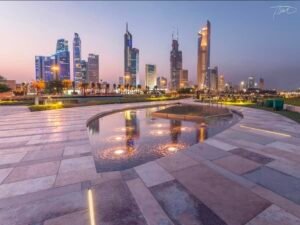
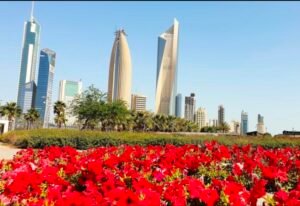
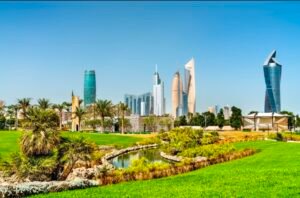
Best Time to Visit Kuwait in 2026: Complete Travel Guide
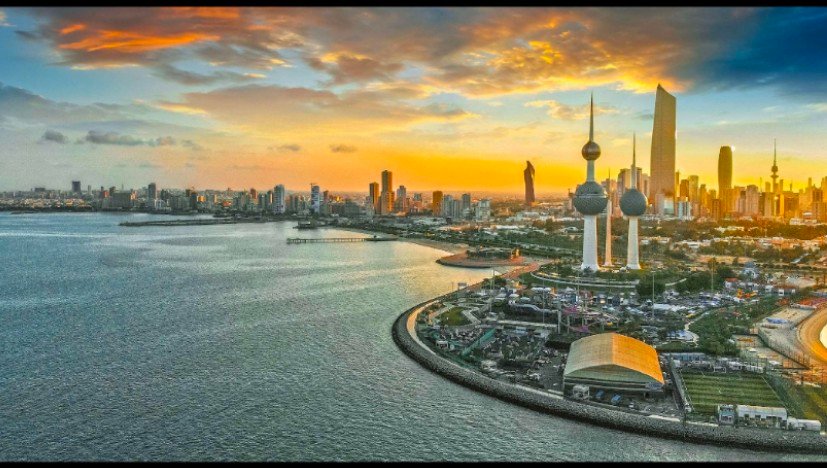


Planning a trip to Kuwait in 2026? This small but fascinating country on the Arabian Gulf combines modern skyscrapers, traditional markets, beautiful waterfront views, Islamic architecture, museums, shopping destinations, and authentic Middle Eastern cuisine. Whether you are planning a short city break, a cultural holiday, or a longer Gulf adventure, understanding Kuwait’s weather, attractions, transport, and local customs can make your journey more enjoyable.
The best time to visit Kuwait is generally from November to March, when temperatures are more comfortable for sightseeing and outdoor activities. April and October can also be suitable, particularly for travellers who plan their activities carefully. Summer, especially June through August, can be extremely hot, making extended outdoor exploration difficult.
This Kuwait travel guide for 2026 explains when to visit, what to see, how to plan your itinerary, what to eat, how to get around, and which practical details to check before departure.
Quick Facts About Kuwait
Country: State of Kuwait
Capital: Kuwait City
Region: Middle East, Arabian Gulf
Official language: Arabic
Commonly used language for international communication: English is widely used in many urban businesses and tourism settings.
Currency: Kuwaiti dinar (KWD)
Time zone: Arabia Standard Time, UTC+3
Main international airport: Kuwait International Airport
Best general travel season: November to March
Climate: Hot desert climate
Popular attractions: Kuwait Towers, Souq Al-Mubarakiya, Grand Mosque, Al Shaheed Park, The Avenues, and the Scientific Center
Ideal first-time visit: Around 3–5 days, depending on your interests
Travel documents: Passport and the appropriate visa or entry authorization, depending on nationality
Confirm current entry rules, attraction opening hours, and transport arrangements before travelling.
Best Time to Visit Kuwait in 2026
The best time to visit Kuwait depends on your preferred activities and tolerance for heat. Winter is usually the most comfortable season for walking along the waterfront, exploring historic markets, visiting parks, and taking outdoor photographs.
November to March: Best Overall Season
November through March is generally the strongest period for a sightseeing holiday. Daytime temperatures are often much more manageable than in summer, although winter evenings can become chilly and occasional rain or strong winds may affect plans.
During this period, visitors can enjoy Kuwait City, explore traditional souqs, spend time at seaside promenades, and arrange outdoor excursions when conditions are suitable.
Best for: First-time visitors, families, sightseeing, walking tours, photography, and outdoor dining.
Travel tip: Pack light clothing for sunny afternoons and a jacket for cooler evenings. Check the daily forecast because temperatures can vary.
December to February: Best for Comfortable Exploration
Winter is an appealing time for visitors who want to explore without dealing with the most intense summer heat. The season is suitable for city sightseeing, cultural attractions, shopping, and relaxing in public parks.
January can be cool, particularly at night. Rain is possible during the winter season, so carrying a compact umbrella or lightweight waterproof jacket may be useful.
Best for: Cultural experiences, city tours, markets, museums, and relaxed itineraries.
March and Early April: A Seasonal Transition
March often offers pleasant opportunities for outdoor exploration. Temperatures begin to rise as spring progresses, and some days can become unexpectedly hot. Wind and dust storms may also occur.
If you travel in March or early April, schedule longer walks for the morning or evening and check weather alerts before planning outdoor excursions.
Best for: Waterfront visits, photography, gardens, and flexible sightseeing.
October: A Gradual Return to Outdoor Travel
October marks the transition away from the hottest part of the year, but it can still be hot, especially early in the month. Conditions generally improve as November approaches.
Choose air-conditioned attractions during the warmer hours and reserve outdoor activities for cooler parts of the day.
Best for: Shopping, museums, restaurants, and carefully timed sightseeing.
May to September: The Hottest Period
Kuwait experiences very high summer temperatures. June, July, August, and parts of September can be particularly challenging, with daytime temperatures frequently exceeding 40°C and occasionally climbing higher.
Outdoor activities during peak heat can increase the risk of dehydration and heat illness. If you must travel in summer, prioritize indoor attractions, air-conditioned transport, frequent water breaks, and a flexible schedule.
Best for: Indoor shopping, museums, entertainment venues, and travellers with a strong preference for indoor activities.
Important: Do not plan long desert walks or strenuous outdoor activities during extreme heat. Follow local weather warnings and health guidance.
Kuwait Weather Month by Month
The following table is a general planning guide, not a forecast for specific dates.
Month
General conditions
Travel recommendation
January
Cool to mild days; chilly nights possible
Excellent for sightseeing
February
Mild weather with occasional rain
Very good
March
Warming days; possible dust or wind
Very good
April
Increasingly warm to hot
Good with early starts
May
Hot conditions develop
Indoor-focused travel
June
Extremely hot and dry
Limit outdoor exposure
July
Intense summer heat
Prioritize indoor attractions
August
Intense heat; humid periods possible
Indoor-focused travel
September
Very hot, gradually easing later
Plan carefully
October
Warm to hot, improving later
Increasingly suitable
November
Generally more comfortable
Excellent
December
Mild days and cooler nights
Excellent
For climate details, consult the Kuwait Meteorological Center and the World Meteorological Organization’s city climate information. Conditions in any individual year can differ from historical averages.
Top Places to Visit in Kuwait in 2026
Kuwait’s attractions range from iconic modern landmarks to traditional shopping districts, museums, parks, and waterfront areas. The following places make a useful starting point for a first-time itinerary.
1. Kuwait Towers
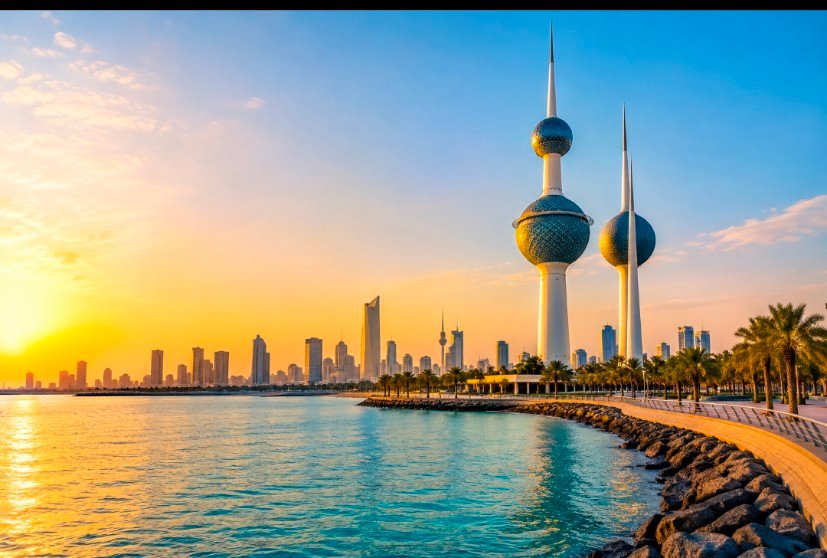
Kuwait Towers are among the country’s best-known landmarks. Their distinctive spherical structures and elevated position beside the Arabian Gulf make them a popular stop for visitors.
Come to appreciate the architecture, photograph the towers from the waterfront, and enjoy the surrounding coastal scenery. If observation facilities or restaurants are part of your plans, verify their current opening arrangements before visiting.
Best time to visit: Late afternoon or near sunset, subject to opening hours and weather.
Photography tip: Capture the towers with the Gulf in the foreground for a classic Kuwait travel photograph.
2. Souq Al-Mubarakiya
Souq Al-Mubarakiya is a traditional market area where visitors can experience a more historic side of Kuwait. Depending on the shops and stalls open during your visit, you may find spices, dates, sweets, perfumes, clothing, household goods, and local products.
Walk through the lanes, compare prices, sample suitable local snacks, and observe everyday shopping culture. A market visit can also provide opportunities to discover regional flavours and buy small souvenirs.
Best time to visit: Late afternoon or evening, after checking local business hours.
Travel tip: Ask permission before photographing vendors or individuals. Compare prices before purchasing and carry some small denominations of local currency.
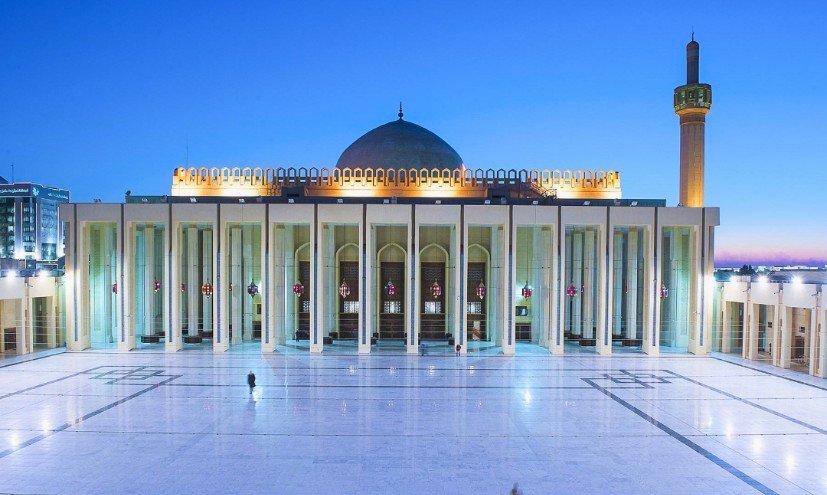
3. Grand Mosque of Kuwait
The Grand Mosque is an important religious and architectural landmark in Kuwait City. Its design, decorative details, and scale make it a meaningful stop for travellers interested in Islamic architecture and local culture.
Visitors should check whether guided tours are available and whether advance arrangements are required. Respect prayer times, dress modestly, and follow all instructions given by mosque staff.
Best for: Architecture, cultural learning, and respectful religious tourism.
Important: Access arrangements may change, and visitors should never assume every area is open to tourists.
4. Al Shaheed Park
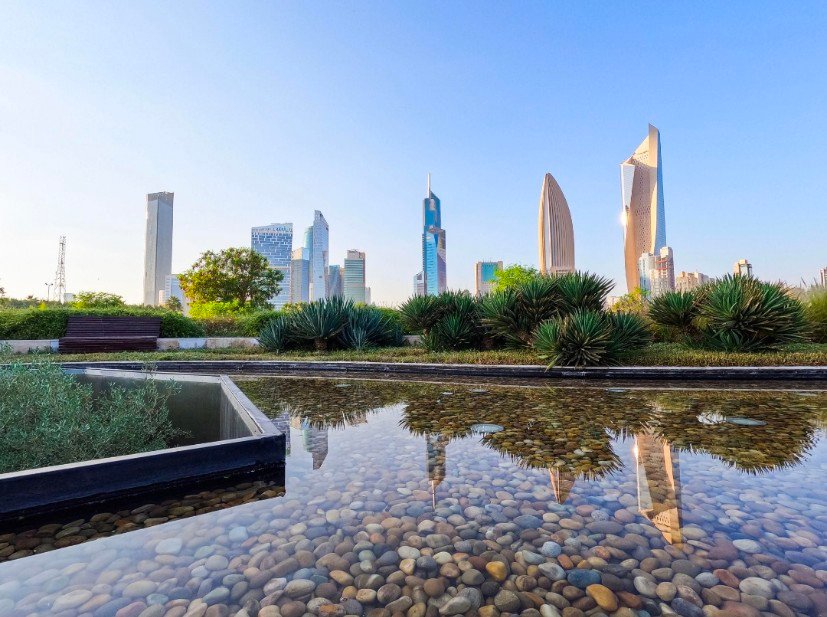
Al Shaheed Park brings together landscaped green spaces, cultural features, walking routes, and places to relax in the heart of Kuwait City. It is a useful contrast to the surrounding urban environment.
Depending on the season and current facilities, you can walk through landscaped areas, visit museums, explore art installations, or take a break at a café.
Because the park has outdoor spaces, cooler months are especially attractive for a visit.
Best time to visit: Early morning or late afternoon in comfortable weather.
Travel tip: Check official opening hours for the park and its museums separately, as operating schedules can differ.
5. The Scientific Center
The Scientific Center is a useful option for families and visitors interested in marine life, science, and educational experiences. Its facilities and available exhibits may change, so check the official website for current attractions, ticket prices, and hours.
This is an especially practical choice during hot afternoons, when indoor activities can make a trip more comfortable.
Best for: Families, children, educational visits, and indoor sightseeing.
6. The Avenues
The Avenues is a major shopping and leisure destination known for its extensive retail environment, restaurants, cafés, and indoor spaces.
It can be a convenient stop for travellers seeking international brands, meals, shopping, and a break from the weather. The mall’s scale means it is worth allowing enough time rather than treating it as a very quick stop.
Best time to visit: Afternoon or evening, depending on the activities you have planned.
Budget tip: Shopping centres can make it easy to spend more than intended. Decide on a shopping budget before you arrive.
7. Kuwait National Museum
Travellers interested in the country’s history and heritage should investigate the Kuwait National Museum and its current exhibitions.
Museum collections, visitor access, and operating schedules can change, so confirm current arrangements before including it in a fixed itinerary.
Pairing a museum visit with another cultural attraction can help you understand Kuwait beyond its modern skyline.
8. Tareq Rajab Museum
The Tareq Rajab Museum is associated with collections of Islamic art, cultural objects, jewellery, textiles, and other historical material.
It may appeal to travellers who enjoy traditional craftsmanship and cultural collections. Verify the current opening schedule and access arrangements before visiting.
9. Marina Crescent and the Waterfront
Kuwait’s coastal areas offer opportunities to enjoy Gulf views, walk along promenades, take photographs, and visit nearby cafés or restaurants.
Marina Crescent is a recognised waterfront leisure area. The experience is especially pleasant when temperatures are comfortable and the sea breeze is refreshing.
Best time to visit: Sunset or early evening during the cooler season.
Safety tip: Follow local instructions around the shoreline and avoid exposed waterfront areas during severe weather.
10. Failaka Island
Failaka Island is known for its historical significance and coastal setting. A visit can offer a different perspective on Kuwait beyond the main urban centre.
However, transport arrangements and access to particular sites may depend on current ferry services, local permissions, and operational conditions.
Before planning a day trip, confirm that transport is running, understand the return schedule, and check whether any planned archaeological or heritage sites are accessible.
11. Kuwait’s Desert Landscapes
The desert environment is part of Kuwait’s geographical identity. Depending on local regulations and seasonal conditions, travellers may be able to arrange guided excursions outside the city.
Choose an established operator, confirm the exact route, and ensure the trip is appropriate for the weather. Avoid driving into remote areas without suitable preparation, navigation, communication, and local knowledge.
Best season: Cooler months, particularly November through March, subject to the daily forecast.
12. Traditional Restaurants and Local Cafés
A food-focused outing can be as memorable as a sightseeing tour. Look for restaurants serving Kuwaiti and broader Gulf cuisine, and explore local cafés for tea, coffee, and traditional sweets.
Research current reviews, opening hours, prices, and dietary requirements before choosing where to eat.
Best Things to Do in Kuwait
Explore Kuwait City on Foot
Walking is a good way to experience individual neighbourhoods, markets, and waterfront areas when temperatures are comfortable. Rather than attempting to walk across the entire city, choose compact areas and use a taxi or other suitable transport between them.
Discover Traditional Markets
Visit a souq to see local products, sample regional foods, and learn about everyday commercial traditions. Shop respectfully and compare prices before buying.
Experience Kuwaiti Cuisine
Try traditional dishes in established restaurants. Ask staff about ingredients if you have dietary restrictions, allergies, or religious dietary requirements.
Enjoy Sunset Photography
The combination of the Gulf, modern architecture, and changing evening light creates opportunities for memorable photographs. Kuwait Towers and public waterfront promenades are useful starting points.
Visit Museums and Cultural Attractions
Museums can provide historical context that complements visits to markets, religious architecture, and modern landmarks. Check which exhibitions and tours are currently operating.
Spend Time in Parks
During cooler weather, parks offer a welcome change of pace. Choose a time when temperatures are comfortable and check any posted rules.
Explore Modern Shopping and Entertainment
Large shopping centres provide dining, retail, and entertainment options, making them practical during hot weather or occasional rainy periods.
Try a Guided City Tour
A reputable local guide may help you combine attractions efficiently, understand local customs, and arrange transport. Check the itinerary, inclusions, cancellation terms, and operator credentials before paying.
A Suggested 3-Day Kuwait Itinerary
Day 1: Landmarks and the Waterfront
Morning
Start with Kuwait Towers, if visitor access is available.
Explore the surrounding waterfront and take photographs.
Afternoon
Choose an indoor attraction, museum, or shopping destination.
Have lunch at a restaurant that serves Kuwaiti or regional cuisine.
Evening
Enjoy the waterfront in comfortable weather.
Finish with dinner at a restaurant you have researched in advance.
Day 2: Heritage and Local Culture
Morning
Visit the Grand Mosque if visitor arrangements are available.
Learn about Islamic architecture and local traditions.
Afternoon
Explore Souq Al-Mubarakiya.
Browse traditional products and try local snacks.
Evening
Enjoy a relaxed dinner or visit a café.
Day 3: Parks, Museums, and Shopping
Morning
Visit Al Shaheed Park when conditions are comfortable.
Explore any museums or cultural facilities open during your visit.
Afternoon
Visit the Scientific Center or another suitable indoor attraction.
Alternatively, spend time at The Avenues.
Evening
Enjoy a final meal and review your transport arrangements for departure.
This itinerary is flexible. Opening hours, travel times, access restrictions, weather, and the security situation may require changes.
How to Reach Kuwait
By Air
Kuwait International Airport is the country’s main international airport. Travellers should compare flight schedules, baggage rules, layover requirements, and ticket conditions before booking.
If you are travelling from India, check available direct and connecting flights from your departure city. Flight availability, prices, and routes vary by date and airline.
Important for 2026: Before purchasing a non-refundable ticket, check current airline notices and official travel advisories. Regional security conditions can affect flight schedules and airport operations.
Airport to the City
Depending on the terminal and your destination, you may be able to use an official taxi, pre-arranged hotel transfer, or another authorised transport service.
Confirm the pickup location, estimated fare, and payment method before starting the journey. Do not assume that a particular terminal, route, or transfer service is operating without checking.
Kuwait Visa Requirements in 2026
Visa requirements depend on your nationality, passport, travel purpose, and the current rules of the Kuwaiti authorities.
Travellers should consult the official Kuwait visa portal before making final arrangements. The official portal provides information about tourist visas, applications, passport requirements, and permitted stays.
Indian passport holders should verify their own eligibility rather than assume that a visa-on-arrival, electronic visa, or other entry option automatically applies to them.
Before departure, check:
Passport validity requirements.
Whether you need a visa or entry authorization.
Whether you qualify for an electronic application.
Required photographs, documents, and application information.
Visa validity, permitted length of stay, and entry conditions.
Any rules that apply to your particular travel purpose.
A visa or entry permit does not necessarily guarantee admission at the border. Follow the conditions printed on your approved documents.
Official starting point: https://kuwaitvisa.moi.gov.kw/
Also consult the official tourism portal: https://visitkuwait.gov.kw/
Where to Stay in Kuwait
Your accommodation choice should depend on your budget, itinerary, preferred surroundings, and access to transport.
Luxury Hotels
Luxury properties may offer restaurants, fitness facilities, concierge services, and convenient access to business or waterfront districts. Compare room inclusions and cancellation terms rather than selecting by appearance alone.
Mid-Range Hotels
Mid-range accommodation can provide a balance between comfort and cost. Check recent guest reviews, room facilities, location, and the distance to your planned attractions.
Budget Accommodation
Budget options may suit travellers who plan to spend most of the day outside their room. Confirm the full price, taxes, deposit requirements, transport access, and cancellation policy.
How to Choose the Right Area
Before booking, map your main attractions and check likely journey times. A less expensive room can cost more overall if it requires lengthy or expensive daily transfers.
Compare prices for your actual travel dates, as rates can change during holidays, events, and periods of strong demand.
Kuwait Travel Budget: How Much Should You Plan?
Your total trip cost depends on your departure city, travel dates, accommodation, meals, transport, shopping, and visa requirements. A single fixed budget would be misleading without those details.
Build your budget around the following categories:
Expense
What to consider
Flights
Return airfare, baggage, changes, and transfers
Visa
Applicable application fees and document costs
Accommodation
Nightly rate, taxes, deposits, and cancellation terms
Food
Restaurants, cafés, snacks, and drinking water
Local transport
Taxis, transfers, and other available services
Attractions
Admission, guided tours, and optional activities
Shopping
Souvenirs, gifts, and personal purchases
Insurance
Medical emergencies, cancellations, and covered activities
Emergency reserve
Unexpected expenses or travel disruptions
To keep costs under control, compare accommodation before booking, group nearby attractions together, check admission fees in advance, and set a daily spending limit.
Avoid relying on old online prices without checking them for your travel dates.
What to Eat in Kuwait
Food is an important part of the travel experience. Kuwaiti cuisine reflects Gulf traditions and wider regional influences.
Machboos
Machboos is a well-known Gulf rice dish commonly prepared with spices and meat or seafood. Ingredients and recipes vary between restaurants and households.
Mutabbaq Samak
This traditional preparation features fish served with rice and seasoning. It can be a good option for travellers interested in seafood and regional flavours.
Harees
Harees is a comforting dish made from wheat and meat, cooked until it develops a soft, thick consistency. Availability may vary by restaurant and season.
Grilled Meat and Regional Rice Dishes
Restaurants across Kuwait serve a range of grilled meats, rice dishes, and Middle Eastern specialities. Ask about spice levels and ingredients if you have dietary needs.
Dates, Sweets, Tea, and Coffee
Dates and traditional sweets can be enjoyable snacks or souvenirs. Tea and coffee are also common parts of regional hospitality.
If you have food allergies, communicate them clearly and confirm preparation methods with restaurant staff.
How to Get Around Kuwait
Taxis and Ride Services
Taxis and available ride-hailing services can be convenient for moving between attractions. Check the service’s current availability, pickup instructions, and estimated fare.
Public Transport
Public bus services operate in Kuwait, but routes and suitability depend on where you want to go. Check current route information and schedules before relying on public transport for a time-sensitive appointment.
Rental Cars
A rental car can provide flexibility for travellers who are comfortable with local driving conditions. Check licence requirements, insurance coverage, parking arrangements, and the rental company’s terms.
Do not drive if you are unfamiliar with local road rules or feel unprepared for traffic conditions.
Walking
Walking is most useful for compact sightseeing areas during comfortable weather. In summer, heat can make even relatively short outdoor journeys hazardous.
For longer distances, combine walking with appropriate transport rather than attempting to cover too much on foot.
Local Customs and Travel Etiquette
Kuwait has its own cultural expectations and legal requirements. Visitors should behave respectfully and learn the current rules before arrival.
Dress Respectfully
Choose clothing appropriate to the place you are visiting. More conservative clothing is advisable for religious sites and some traditional settings.
Respect Religious Practices
Follow mosque rules, prayer-time instructions, and photography restrictions. Ask before entering areas where visitor access is unclear.
Ask Before Taking Photographs
Be considerate when photographing people, private property, religious spaces, or official facilities. Avoid photographing security or military sites and follow any posted restrictions.
Follow Local Laws
Rules relating to alcohol, drugs, public behaviour, photography, and other matters can differ substantially from those in your home country. Check current official guidance and obey local law.
Be Polite and Patient
A friendly greeting, respectful communication, and consideration for local customs can make interactions more pleasant.
Safety Tips for Visiting Kuwait in 2026
Travel safety requires more than ordinary sightseeing preparation. Check official advisories close to departure because regional conditions, flight operations, and local restrictions can change.
Check Security and Travel Advisories
Review your government’s current advice for Kuwait, as well as official announcements from local authorities. Recheck before departure and during your stay.
In 2026, regional security risks have been significant enough that some governments have issued heightened warnings. Consider the advice relevant to your nationality and circumstances before deciding whether to travel.
Prepare for Extreme Heat
Drink water regularly, avoid strenuous activity during peak heat, seek air-conditioned spaces, and learn the symptoms of heat illness.
If you or a companion develops confusion, collapse, or other severe symptoms associated with heat, seek emergency medical help immediately.
Monitor Dust Storms
Dust and sand storms can reduce visibility and disrupt travel. Check local weather alerts and postpone outdoor activities when authorities advise against them.
Keep Important Documents Secure
Keep your passport, visa information, travel insurance details, hotel address, and emergency contacts accessible. Maintain secure copies of essential documents.
Use Reputable Transport
Choose authorised services and confirm your destination and fare arrangements. Share your itinerary with someone you trust if you are travelling alone.
Purchase Suitable Travel Insurance
Review exclusions and confirm whether your policy covers medical care, cancellations, planned activities, and disruptions associated with security events. Do not assume that every policy covers every circumstance.
What to Pack for Kuwait
Your packing list should reflect the season and planned activities.
For winter:
Comfortable daytime clothing.
A jacket or sweater for cooler evenings.
Walking shoes.
A compact umbrella if rain is forecast.
Modest clothing for cultural and religious sites.
For spring and autumn:
Breathable clothing.
Sun protection.
Comfortable footwear.
A light jacket for changing conditions.
Dust protection if appropriate and recommended by local guidance.
For summer:
Lightweight clothing that respects local customs.
Sun hat and sunglasses.
High-SPF sunscreen.
A refillable water bottle.
Comfortable footwear.
A plan to avoid prolonged outdoor exposure.
Keep essential medicines in their original packaging and verify whether any medication requires documentation or special permission for entry.
Best Time to Visit Kuwait for Different Travellers
For families: November to March is generally the most comfortable period for outdoor sightseeing. Indoor attractions can be useful throughout the year.
For photographers: Cooler months offer more comfortable conditions for exploring waterfronts, architecture, and markets. Check the weather and light conditions before setting out.
For culture lovers: Winter is well suited to combining traditional markets, museums, architecture, and local food.
For budget-conscious visitors: Compare flights and accommodation across several dates. Lower prices are not worth sacrificing heat safety, reliable transport, or suitable accommodation.
For shopping enthusiasts: Indoor shopping destinations provide an option during hot weather, though holiday periods and events may affect crowds and prices.
For outdoor enthusiasts: Choose cooler months and confirm conditions for each activity. Avoid strenuous desert activities in extreme heat.
Common Travel Mistakes to Avoid
Visiting outdoor attractions in the middle of a hot summer day. Schedule activities around the weather.
Assuming visa rules are the same for every nationality. Check your own eligibility through official sources.
Booking a non-refundable trip without checking current advisories. Review security conditions and airline notices first.
Underestimating transport times. Group nearby attractions and allow a realistic margin.
Ignoring local customs. Research photography, dress, and behaviour expectations.
Relying on old ticket prices or opening hours. Verify information with the attraction before travelling.
Planning too many activities. Leave time for meals, rest, and unexpected delays.
Travelling without insurance or an emergency plan. Prepare for medical needs and travel disruptions.
Frequently Asked Questions About Kuwait
1. What is the best time to visit Kuwait in 2026?
November to March is generally the best period for comfortable sightseeing. Check the daily forecast before planning outdoor activities.
2. Is Kuwait worth visiting?
Kuwait can appeal to travellers interested in Gulf culture, architecture, museums, traditional markets, shopping, and regional cuisine. Your experience will depend on your interests, itinerary, and travel conditions.
3. How many days are enough for Kuwait?
Three to five days can be a useful starting point for a first visit to Kuwait City and selected nearby attractions. Longer trips may allow more time for museums, shopping, guided excursions, and quieter exploration.
4. Is Kuwait extremely hot in summer?
Yes. Summer temperatures frequently exceed 40°C, and extreme heat can make outdoor sightseeing dangerous. Plan around indoor attractions and official heat warnings.
5. Is December a good time to visit Kuwait?
December is generally a good month for sightseeing because temperatures are usually much more comfortable than during summer. Pack a layer for cool evenings and check the forecast.
6. What currency is used in Kuwait?
The official currency is the Kuwaiti dinar (KWD). Check current exchange rates and card acceptance arrangements before
travelling.
7. Do Indian citizens need a visa for Kuwait?
Entry requirements depend on current Kuwaiti rules and the traveller’s circumstances. Indian passport holders should check the official visa portal for the applicable requirements before booking.
8. What are the top places to visit in Kuwait?
Popular options include Kuwait Towers, Souq Al-Mubarakiya, the Grand Mosque, Al Shaheed Park, the Scientific Center, The Avenues, and selected museums and waterfront areas.
9. Is Kuwait suitable for families?
Families can enjoy shopping centres, museums, parks, waterfront attractions, and suitable guided experiences. Choose activities according to children’s ages, the weather, and current operating hours.
10. Can tourists explore Kuwait without renting a car?
Yes, depending on the itinerary. Taxis and other available transport options can connect many attractions, while public transport may suit certain routes. Check current services before relying on a particular connection.
11. What language is spoken in Kuwait?
Arabic is the official language. English is also commonly used in many urban commercial and tourism settings, although not everyone will speak it.
12. Is Kuwait safe to visit in 2026?
Safety conditions can change. Check your government’s current travel advisory, local official announcements, and airline updates before deciding to travel. Follow local instructions throughout your stay.
13. What should I wear in Kuwait?
Wear comfortable clothing suitable for the weather and local customs. Modest clothing is recommended for religious sites and traditional settings.
14. Is Kuwait good for a short trip?
Yes. A short trip can cover major city landmarks, markets, museums, shopping, and local food if you plan a realistic itinerary.
15. What should I check before travelling to Kuwait?
Check visa eligibility, passport validity, flight operations, security advisories, accommodation, transport, attraction opening hours, travel insurance, and weather forecasts.
Final Thoughts: Plan Your Kuwait Trip in 2026
Kuwait offers a distinctive combination of modern city life, Gulf waterfront scenery, traditional markets, museums, architecture, and regional cuisine. For most leisure travellers, November through March is the most comfortable season to explore these experiences.
A successful visit begins with realistic planning. Choose attractions that match your interests, verify current visa requirements, prepare for the weather, respect local customs, and check security and flight updates before departure.
If you are planning your first visit, begin with Kuwait Towers, Souq Al-Mubarakiya, Al Shaheed Park, and a selection of museums or indoor attractions. Add other destinations according to your available time and current access arrangements.
Travel conditions can change, so confirm important details with official sources before making final decisions. With thoughtful preparation and a flexible itinerary, you can plan a more informed and enjoyable Kuwait travel experience in 2026.
Leave a Reply