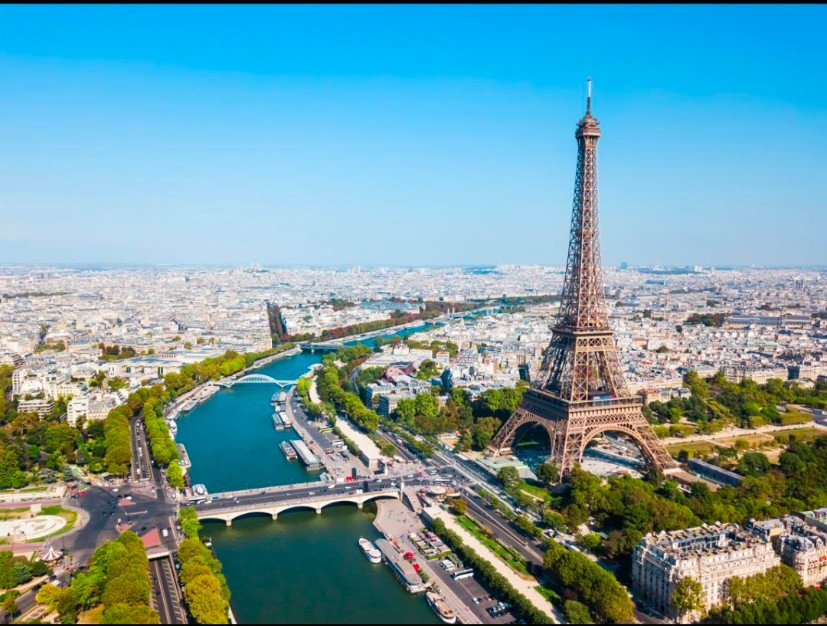
Europe Travel Guide 2026: Best Places to Visit, Best Time & Travel Costs
europe-travel-guide-2026
Europe travel guide 2026
best places to visit in Europe in 2026
best time to visit Europe
Europe trip cost from India
Europe travel budget for 7 days
Europe itinerary for first-time visitors
cheapest European countries to visit
Europe travel tips for beginners
Europe vacation cost per person
best European cities for tourists
how to plan a Europe trip from India
Plan your Europe trip in 2026 with the best places to visit, seasonal travel tips, estimated costs, transport advice, sample itineraries and practical planning tips.
Europe Travel Guide 2026: Best Places to Visit, Best Time & Travel Costs
Europe is one of the world’s most rewarding travel destinations, offering historic cities, beautiful coastlines, mountain landscapes, charming villages and diverse cultures. From the romantic streets of Paris and the ancient monuments of Rome to the blue-domed villages of Greece and the dramatic scenery of Switzerland, every region has something special to offer.
Planning a European holiday in 2026 can feel overwhelming because there are so many countries, attractions and transport options. The good news is that you do not need to visit every country to experience the best of Europe. With a realistic itinerary, careful budgeting and the right travel season, you can create a memorable trip without spending unnecessarily.
This Europe travel guide 2026 explains the best places to visit, the best time to travel, estimated holiday costs, transport options, visa considerations and practical tips for first-time visitors. It is designed for travellers planning a short city break, a week-long holiday or a longer European adventure.
Table of Contents
Why visit Europe in 2026?
Best places to visit in Europe
Best time to visit Europe
Europe travel costs and budget
How to plan a Europe trip
How to reach Europe from India
Visa requirements and travel documents
Best ways to travel around Europe
Best things to do in Europe
A sample 10-day Europe itinerary
Budget-friendly European destinations
Accommodation, food and local transport
Safety tips and common mistakes
Pros and cons of travelling in Europe
Frequently asked questions
Why Visit Europe in 2026?
Europe combines centuries of history with modern cities, excellent transport connections and remarkable natural scenery. Travellers can explore famous museums, walk through medieval old towns, relax beside the Mediterranean Sea and enjoy regional food, all within a single holiday.
One of Europe’s greatest advantages is its diversity. France is known for art, architecture and cuisine. Italy attracts visitors with ancient Roman landmarks, historic towns and regional dishes. Switzerland offers spectacular mountain views, while Greece is famous for its islands and coastal villages. Spain combines beaches, architecture, lively neighbourhoods and a rich culinary culture.
Travellers can also discover destinations beyond the best-known capitals. Cities such as Kraków, Budapest, Ljubljana and Porto can offer rewarding cultural experiences and, depending on the season, better value than some of Western Europe’s most expensive tourist centres.
What makes Europe suitable for different travellers?
First-time travellers: Major cities have established tourist infrastructure, accommodation choices and public transport.
Couples: Historic streets, coastal sunsets and scenic train journeys create opportunities for romantic holidays.
Families: Museums, castles, parks and interactive attractions can appeal to children and adults.
Budget travellers: Hostels, supermarkets, free walking routes and advance transport bookings can reduce costs.
Nature lovers: The Alps, Scandinavian landscapes, national parks and Mediterranean coastlines provide outdoor adventures.
Europe is not one uniform destination. Prices, weather, languages, transport networks and entry requirements vary significantly by country. Planning your route around a specific region usually creates a better experience than trying to cover the entire continent in a short trip.
Best Places to Visit in Europe in 2026
2.1 Paris, France
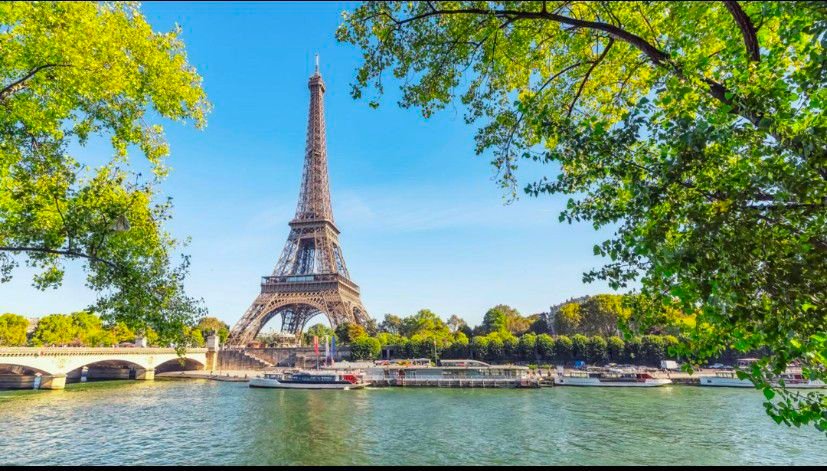
Paris is an excellent choice for travellers interested in art, architecture, food and iconic landmarks. The Eiffel Tower, Louvre Museum, Notre-Dame area, Montmartre and the banks of the Seine are among its most recognisable attractions.
Spend time exploring neighbourhood cafés, traditional bakeries, bookshops and local markets rather than rushing between major landmarks. The city is also a convenient starting point for visitors interested in French history and day trips to nearby attractions.
Best experiences in Paris
View the Eiffel Tower from different parts of the city.
Explore the Louvre or another museum that matches your interests.
Walk through Montmartre’s historic streets.
Enjoy French pastries and regional cuisine.
Take a scenic walk beside the Seine.
Suggested stay: Three days.
Budget level: High, particularly for central accommodation and popular attractions.
2.2 Rome, Italy
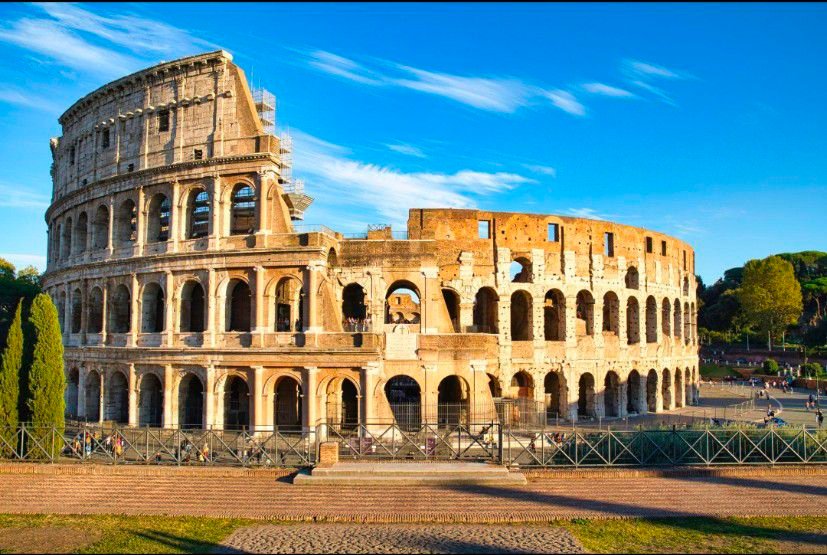
Rome is one of Europe’s strongest choices for history enthusiasts. Its streets bring together ancient ruins, Renaissance art, lively public squares and traditional Italian restaurants.
The Colosseum, Roman Forum, Pantheon and Trevi Fountain are essential stops for many first-time visitors. Vatican City, a separate sovereign state within Rome, is home to St Peter’s Basilica and the Vatican Museums.
Wear comfortable walking shoes because many of the historic attractions are best explored on foot. Reserve timed-entry tickets for particularly popular attractions when available.
Best experiences in Rome
Discover ancient Roman monuments.
Explore the historic city centre.
Taste local pasta dishes and gelato.
Visit Vatican City and its major landmarks.
Enjoy an evening walk through historic piazzas.
Suggested stay: Three days.
Budget level: Moderate to high, depending on the neighbourhood and season.
2.3 Santorini, Greece
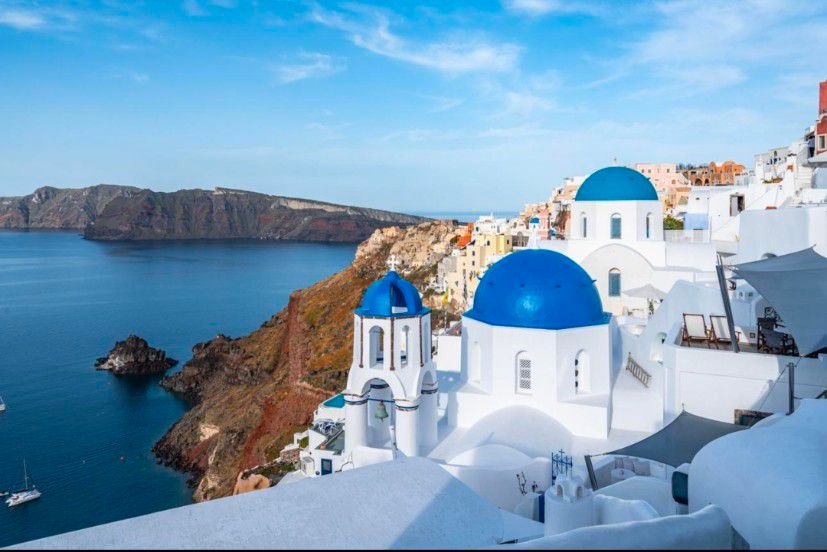
Santorini is known for whitewashed buildings, blue-domed churches, volcanic scenery and sunsets overlooking the Aegean Sea. It is particularly popular with couples and travellers seeking beautiful coastal views.
Oia is famous for sunset viewpoints, while Fira offers restaurants, shopping and access to walking routes along the caldera. Visitors can also explore volcanic beaches and traditional villages.
Summer is lively but often expensive. Spring and autumn can provide a more relaxed atmosphere, although ferry schedules, swimming conditions and opening dates vary.
Best experiences: Sunset viewing, village walks, boat excursions and local Greek cuisine.
Suggested stay: Two or three days.
Budget level: Moderate to high, especially during peak summer.
2.4 Amsterdam, Netherlands
Amsterdam is a compact and attractive city known for its canals, historic houses, museums and cycling culture. Its canal district is a major highlight, while the Rijksmuseum and Van Gogh Museum appeal to art lovers.
Explore different neighbourhoods, take a canal cruise or visit a local market. Cycling can be enjoyable, but visitors should understand local traffic rules and avoid riding in cycle lanes as pedestrians.
Spring brings flower displays and seasonal interest in the wider Netherlands. Accommodation can become expensive during major events and busy travel periods.
Suggested stay: Two or three days.
Budget level: Moderate to high.
2.5 Prague, Czechia
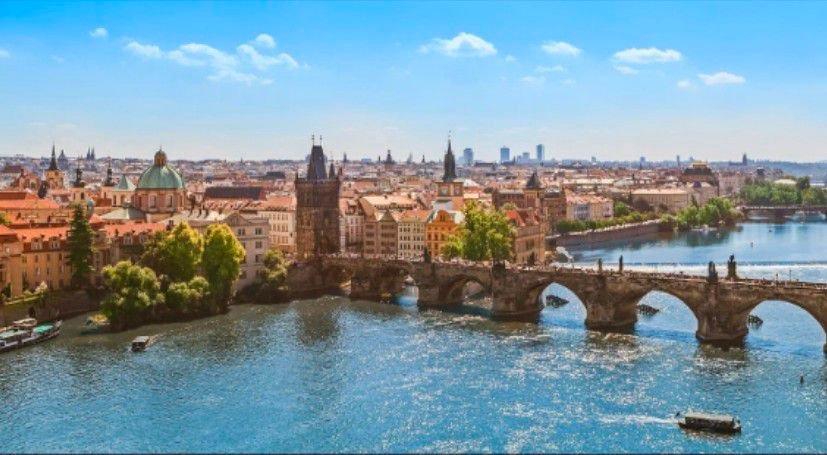
Prague offers medieval architecture, castle views, historic squares and an atmospheric old town. The Charles Bridge, Prague Castle and Old Town Square are among its most famous sights.
Walk through the historic centre early in the morning to experience quieter streets. Visit smaller neighbourhoods and local cafés to get beyond the busiest tourist routes.
Prague can offer better value than several Western European capitals, although accommodation prices increase during busy periods. Remember that Czechia uses the Czech koruna, not the euro.
Suggested stay: Two or three days.
Budget level: Moderate.
2.6 Barcelona, Spain
Barcelona combines Mediterranean beaches, food markets, distinctive architecture and lively neighbourhoods. The Sagrada Família and Park Güell are among the city’s best-known attractions, while the Gothic Quarter offers historic streets and small squares.
Enjoy tapas, visit local markets and allow time to explore the waterfront. Reserve major architectural attractions in advance where necessary.
Keep an eye on belongings in busy tourist areas and on public transport. As in other major destinations, accommodation prices depend heavily on dates and location.
Suggested stay: Three days.
Budget level: Moderate to high.
2.7 Interlaken and the Swiss Alps, Switzerland
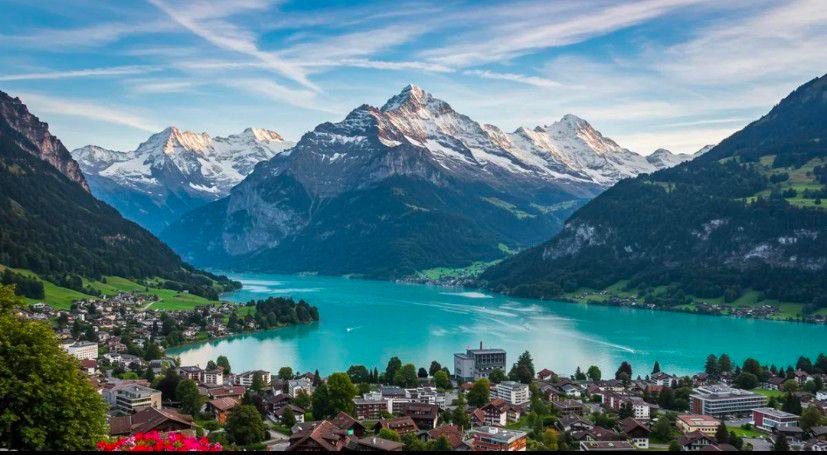
Switzerland is a favourite destination for mountain scenery, lakes, hiking and panoramic train journeys. Interlaken provides a convenient base for exploring the Jungfrau region, although nearby villages and mountain excursions may require additional transport costs.
Visitors can choose between gentle lakeside walks and more demanding alpine hikes. Weather changes quickly in mountainous areas, so check trail conditions and mountain transport information before setting out.
Switzerland is generally one of Europe’s more expensive destinations. Travellers can control costs by comparing accommodation outside the busiest centres, preparing some meals and researching transport passes carefully.
Suggested stay: Three days.
Budget level: High.
2.8 Lisbon, Portugal
Lisbon is known for hillside neighbourhoods, colourful buildings, historic trams, viewpoints and Portuguese food. Visitors can explore Alfama, enjoy views across the Tagus River and sample traditional pastries.
The city is hilly, so comfortable footwear is important. Public transport can help with steep routes, while nearby Sintra makes a rewarding day trip for travellers interested in palaces and historic landscapes.
Lisbon may be less expensive than some of Europe’s most famous capitals, but popular neighbourhoods can still command high accommodation prices.
Suggested stay: Two or three days.
Budget level: Moderate.
2.9 Budapest, Hungary
Budapest sits along the Danube River and is famous for its grand architecture, thermal baths and impressive evening views. The Hungarian Parliament Building, Buda Castle area and historic thermal bath complexes are among its highlights.
Walk along the river, explore both Buda and Pest, and try traditional Hungarian dishes. Thermal baths have their own admission rules, so check opening times and what to bring before visiting.
Hungary uses the Hungarian forint. Check the exchange rate and avoid assuming that prices or payment practices are identical to those in euro-area countries.
Suggested stay: Two or three days.
Budget level: Moderate, although prices vary by area and season.
2.10 Reykjavik and Iceland’s natural landscapes

Iceland is a distinctive destination for waterfalls, volcanic landscapes, geothermal pools, glaciers and, during suitable dark and clear nights, the northern lights.
Reykjavik is a useful base for museums, cafés and organised excursions. Travellers with more time can explore the Golden Circle or plan a longer road trip, subject to weather and road conditions.
Winter driving can be challenging, and daylight hours are limited. Summer offers longer days but does not guarantee good weather. Iceland is expensive, so calculate accommodation, food, fuel and excursion costs before booking.
Suggested stay: Four to seven days, depending on your route.
Budget level: High.
Other destinations worth considering include Vienna, Austria; Florence, Italy; Kraków, Poland; Porto, Portugal; Ljubljana, Slovenia; Copenhagen, Denmark; and the Norwegian fjords.
Best Time to Visit Europe in 2026
The best time to visit Europe depends on your budget, preferred weather and activities. Spring and early autumn are excellent starting points for many first-time travellers because they can offer comfortable sightseeing conditions without the full intensity of the summer peak season.
Spring: March to May
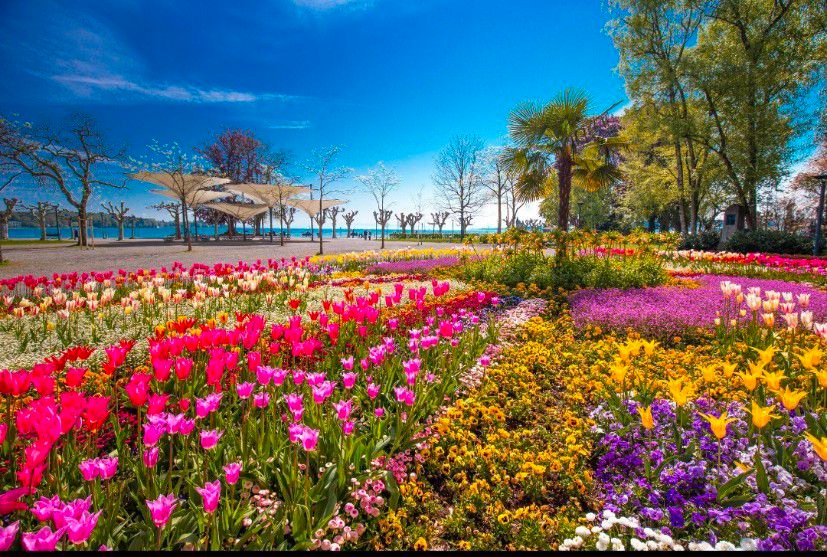
Mild weather develops across many southern and western destinations, and parks and gardens become more colourful. Early spring can still be cold, especially in northern Europe and the mountains.
Ideal for: Paris, Amsterdam, Rome, Lisbon and city breaks.
Summer: June to August
Long days, outdoor events and warm Mediterranean weather make summer popular. It is also a busy and often expensive period, and heatwaves can affect parts of southern Europe.
Ideal for: Greece, Spain, coastal Italy, the Alps and outdoor festivals.
Autumn: September to November
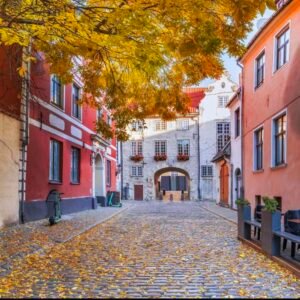
September and early October can be excellent for cultural sightseeing and some coastal destinations. Later autumn brings cooler weather, shorter days and more variable conditions.
Ideal for: Italy, Portugal, Spain, France and city-based itineraries.
Winter: December to February
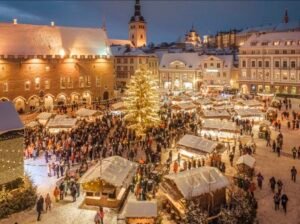
Winter is ideal for Christmas markets, skiing and festive city breaks. Many northern destinations have very short days, while some island and coastal businesses operate on reduced schedules.
Ideal for: Vienna, Prague, the Alps and northern lights trips.
Which month should you choose?
Month What to expect
January–February Cold weather, skiing and quieter city breaks
March–April Spring sightseeing, with changeable weather
May–June Pleasant conditions in many regions and long days
July–August Peak season, beaches, festivals and higher demand
September A strong all-round choice for many destinations
October Autumn colours and cooler sightseeing conditions
November Quieter cities, colder weather and shorter days
December Christmas markets, festive lights and winter activities
My recommendation: Consider May, June or September for a first Europe trip. However, compare conditions in each destination rather than tre
Europe Travel Costs in 2026: Detailed Budget
The cost of a European holiday varies significantly depending on your departure city, countries visited, accommodation standard, transport choices and travel dates.
A week in Portugal or parts of Central Europe may cost considerably less than a week in Switzerland, Iceland or central Paris. The following estimates are planning examples, not live quotes or guaranteed prices.
Estimated daily spending per person
Expense Budget travel Mid-range travel
Accommodation per night €25–€60 €80–€160
Food and drinks per day €15–€30 €30–€60
Local transport per day €5–€12 €10–€25
Attractions per day €5–€20 €15–€40
Miscellaneous expenses €5–€10 €10–€20
Estimated daily total €55–€132 €145–€305
These ranges are illustrative. Hostel dormitories, private rooms, tourist taxes, restaurant choices and seasonal demand can change the final total considerably.
How much does a 7-day Europe trip cost from India?
For an illustrative budget, assume one adult travelling from India, sharing a mid-range room where practical and visiting several major cities. The table excludes shopping and unusually expensive activities.
Expense Estimated cost
Return international flights ₹45,000–₹90,000
Accommodation for 7 nights ₹35,000–₹70,000
Food and drinks ₹15,000–₹28,000
Trains and local transport ₹12,000–₹25,000
Attractions and activities ₹8,000–₹18,000
Insurance, visa and related costs ₹10,000–₹18,000
Estimated total ₹1,25,000–₹2,49,000
These are rough planning figures in Indian rupees, not verified October 2026 prices. Actual airfare, visa-centre charges, insurance premiums, exchange rates and accommodation rates may fall outside these ranges. The budget assumes a single traveller and does not include extensive shopping.
How to save money on a Europe holiday
Book strategically. Compare flights and accommodation early, and check cancellation conditions before paying.
Choose fewer destinations. Every extra city can add transport costs, luggage fees and another hotel night.
Stay near public transport. A less central hotel may be good value if it has reliable connections.
Use supermarkets and bakeries. Preparing breakfast or buying picnic lunches can lower food spending.
Compare transport tickets. Point-to-point rail fares, regional passes and advance tickets may offer different value.
Check free attractions. Parks, public squares, neighbourhood walks and selected museum days can help balance your budget.
Travel outside peak dates. May, early June and September can be worth comparing with July and August.
The cheapest ticket is not always the cheapest journey. A budget flight to a distant airport may require additional transfers, baggage fees and extra travel time.
How to Plan a Europe Trip
Good planning helps you spend more time enjoying Europe and less time dealing with transport problems or rushed schedules.
Step 1: Decide your total budget
Set a realistic spending limit that includes flights, accommodation, meals, transport, attractions, insurance and an emergency reserve. Do not use your entire budget for flights and hotels.
Step 2: Select a region
For a first trip, consider one of these combinations:
France and Italy for art, architecture and food.
Italy and Switzerland for historic cities and mountain scenery.
Spain and Portugal for coastal cities, culture and cuisine.
Czechia, Austria and Hungary for historic Central European cities.
Check the distance between destinations before choosing a route.
Step 3: Choose your travel dates
Check public holidays, seasonal events, expected weather and attraction opening times. Summer accommodation and popular landmarks may require advance booking.
Step 4: Book flights and accommodation
Compare return flights with open-jaw tickets, where you arrive in one city and leave from another. This can reduce backtracking on some routes, although it is not always cheaper.
Choose accommodation based on transport access, cancellation conditions and the actual total price, including taxes and mandatory fees.
Step 5: Prepare your documents
Check your passport, applicable visa requirements, travel insurance and proof of accommodation. Keep digital copies of essential documents in a secure place.
Step 6: Plan each day realistically
Group nearby attractions together and leave some free time. Avoid scheduling a major museum, a long train journey and several distant attractions on the same day.
Step 7: Keep a backup plan
Save emergency contacts, transport alternatives and accommodation details offline. Flexible arrangements can be valuable when weather or transport disruptions affect your itinerary.
How to Reach Europe from India
Indian travellers can reach major European destinations through direct flights on selected routes or connecting flights through international hubs. Availability, fares and schedules depend on the departure city and travel date.
Common departure airports include Delhi, Mumbai and Bengaluru. Depending on the route, you may find connections to Paris, Amsterdam, Rome, Frankfurt, Zurich or other European gateways.
Flight booking tips
Compare the total return fare, not only the outbound price.
Check baggage allowance and airport transfer costs.
Allow enough time between connecting flights, particularly when changing airports or tickets.
Check transit visa requirements for your passport and transit country.
Compare arrival and departure airports before choosing a multi-city itinerary.
If you are travelling from a smaller city in Madhya Pradesh, include the cost and time of reaching your international departure airport. A cheaper international fare may not provide the lowest overall journey cost after adding domestic transport and an overnight stay.
What should you pack?
For a typical sightseeing holiday, consider:
Comfortable walking shoes.
Clothing appropriate for the season and region.
A lightweight waterproof jacket.
A universal travel adapter compatible with your destinations.
Any necessary prescription medication in its original packaging.
A bank card and a suitable backup payment method.
Travel insurance details and emergency contacts.
Check the weather forecast before departure and pack for the actual itinerary rather than assuming all European countries have the same conditions.
Leave a Reply