
Europe Visa Requirements for Indian Travellers
Visa rules are among the most important parts of planning a European holiday. Europe does not have a single visa that automatically covers every country on the continent.
Many European countries participate in the Schengen Area, which has common short-stay visa rules. The United Kingdom and several other European destinations have separate entry requirements.
Schengen visa basics
Indian passport holders generally need a Schengen visa for a short tourist visit to the Schengen Area. A short-stay visa normally permits stays of up to 90 days within any 180-day period, subject to the visa’s conditions and validity.
The European Commission’s official visa guidance explains that you should generally apply through the country where you will spend the longest time. If you will spend equal time in multiple Schengen countries, you generally apply through the country you will enter first.
Common application requirements may include:
A valid passport.
A completed application form and compliant photograph.
Travel medical insurance.
Evidence of accommodation and travel plans.
Evidence of sufficient financial means.
Supporting documents relating to your circumstances and intention to return.
Requirements vary with the application and consulate, so use the official embassy or consulate instructions for your main destination.
When should you apply?
The European Commission states that a short-stay Schengen application is generally submitted no earlier than six months before travel and at least 15 days before the intended journey. Processing can take longer in some cases, so applying early is sensible.
Do not treat visa approval as guaranteed. Avoid non-refundable bookings until you understand the applicable rules and your own risk.
What about ETIAS and the new entry system?
The EU’s Entry/Exit System (EES) became fully operational at Schengen external borders on 10 April 2026. It records relevant entry and exit information for covered non-EU travellers, including biometric data where required.
ETIAS is a separate travel authorisation intended for eligible visa-exempt travellers. According to the official EU information available at the time of writing, ETIAS is scheduled to start in the last quarter of 2026, but travellers should verify its actual operational status before departure. Indian citizens who require a Schengen visa generally do not apply for ETIAS for that same visa-required trip.
Check the official European Commission visa information and official ETIAS website for current requirements.
Never rely on an unofficial website claiming to guarantee a visa or travel authorisation.
Best Ways to Travel Around Europe
Europe offers several transport options, and the right choice depends on the distance, route and available budget.
Train travel
Trains are convenient for many journeys between major European cities. High-speed services connect selected destinations, while regional trains can reach smaller towns and scenic areas.
Book popular routes in advance where possible. Compare individual tickets with rail passes, because a pass does not automatically offer the lowest price and reservations may cost extra.
Budget airlines
Flights can save time on longer journeys, particularly when destinations are far apart. However, compare the total cost after adding luggage, airport transfers and any seat-selection charges.
Buses
Long-distance buses may be an economical alternative to trains. They can take longer, and departure points may be outside the main city centre, so check the complete journey time.
Public transport
Metro systems, trams and local buses are useful for exploring cities. Look for daily or multi-day passes if you expect to make several journeys. Always check the ticket’s validity rules and whether it covers airport transfers.
Rental cars
A rental car can be useful for rural areas, mountain villages and destinations with limited public transport. Check driving licences, insurance, tolls, parking rules and cross-border rental conditions before booking.
Practical tip: Plan your intercity journeys before finalising hotels. A sensible route can save both money and valuable holiday time.
Best Things to Do in Europe
Europe offers far more than famous landmarks. The most rewarding experiences often come from combining major attractions with local culture.
Explore historic landmarks
Visit castles, ancient ruins, cathedrals, palaces and historic neighbourhoods. Choose a few major attractions that genuinely interest you rather than trying to visit every famous monument.
Experience local food
Try regional dishes and explore bakeries, markets and neighbourhood restaurants. Food traditions differ widely, from Italian pasta and Portuguese seafood to Hungarian specialities and Greek meze.
Enjoy scenic train journeys
Some European rail routes travel through mountain valleys, lakeside landscapes and historic towns. Research the actual route and book scenic journeys that fit your itinerary.
Discover museums and art
Paris, Rome, Amsterdam, Madrid and Vienna offer outstanding cultural collections. Reserve tickets where required, and check whether free-entry days or discounted admission are available.
Visit Europe’s natural landscapes
Hike in the Alps, explore coastal paths, relax beside lakes or discover national parks. Research seasonal conditions, trail closures and safety guidance before setting off.
Enjoy seasonal festivals
Europe hosts music festivals, cultural celebrations, Christmas markets and local food events. Confirm dates and ticket availability through official event websites before planning your trip around a particular event.
Sample 10-Day Europe Itinerary for First-Time Visitors
A ten-day holiday works best when you concentrate on a manageable number of destinations. This example combines Paris, Switzerland and Italy, although transport prices and schedules should be checked for your dates.
Days 1–3: Paris, France
Day 1: Arrive, check in and explore the neighbourhood.
Day 2: Visit the Eiffel Tower area and choose a major museum.
Day 3: Explore Montmartre and walk beside the Seine.
Days 4–6: Lucerne, Switzerland
Day 4: Travel to Switzerland and explore Lucerne.
Day 5: Enjoy a lake excursion or a mountain outing, weather permitting.
Day 6: Explore the old town and surrounding scenery.
Days 7–10: Rome, Italy
Day 7: Travel to Rome and enjoy an evening walk.
Day 8: Explore the Colosseum and Roman Forum.
Day 9: Visit Vatican City and other historic attractions.
Day 10: Enjoy a final Italian meal and depart.
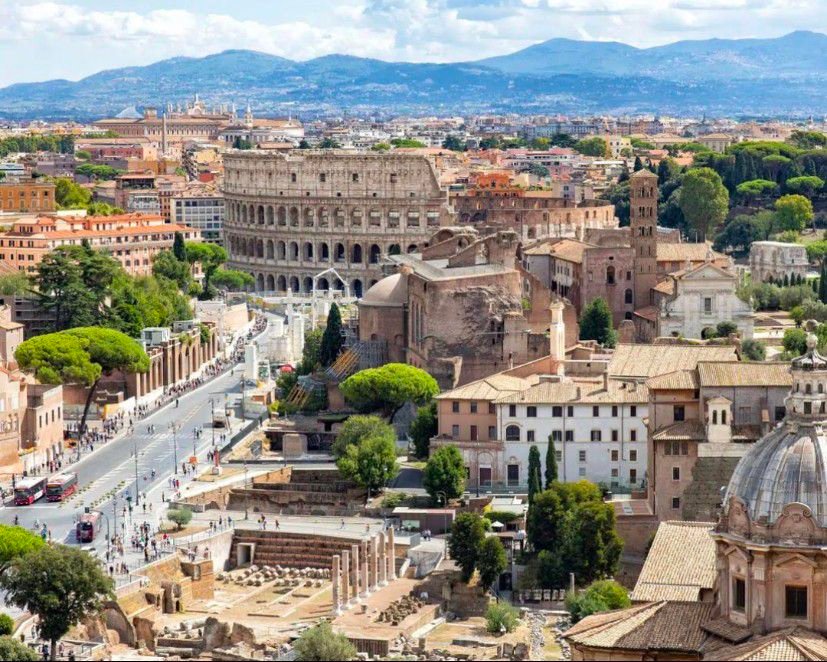


This itinerary involves substantial travel between countries, so verify connections before booking. If the journey feels too rushed, spend the entire ten days in France and Italy, or choose Paris and nearby destinations instead.
For travellers on a tight budget, fewer hotel changes can be more economical than visiting several countries in quick succession.
Cheapest European Countries to Consider
Travelling affordably in Europe is possible, but costs depend on the city, season and type of accommodation.
Destination What makes it attractive
Poland Historic cities, museums and cultural attractions
Hungary Architecture, thermal baths and city experiences
Czechia Historic towns and attractive urban scenery
Portugal Coastal scenery, food and historic neighbourhoods
Slovenia Lakes, mountains and charming towns
Romania Historic architecture, countryside and mountain regions
These are starting points for budget research, not a guarantee that every city or date will be inexpensive. Compare actual accommodation, meals and transport prices before choosing your destination.
Tips for a low-cost trip
Consider travelling in spring or autumn.
Stay in a hostel or a well-reviewed guesthouse.
Choose accommodation with access to supermarkets and public transport.
Walk between nearby attractions.
Compare free sightseeing options with paid tours.
Avoid changing cities every night.
Carry a refillable water bottle where local drinking-water guidance permits.
You do not need an expensive hotel or a packed schedule to enjoy Europe. A carefully planned trip can be memorable even when you focus on a few destinations.
Accommodation, Food and Local Transport
Where should you stay?
Accommodation should match your budget, safety needs and itinerary.
Hostels: Often suitable for solo travellers and backpackers. Check room type, security lockers, bathroom arrangements and reviews.
Guesthouses and budget hotels: Useful for travellers who want privacy without paying luxury-hotel prices.
Mid-range hotels: May provide convenient locations, private bathrooms and additional services.
Apartments: Can work well for families and longer stays, especially when cooking facilities help reduce food expenses. Check cleaning charges, local rules and cancellation terms.
Before booking, compare the total cost, not simply the advertised nightly rate. Taxes, service fees and local tourist charges may increase the final bill.
What should you eat?
European cuisine changes from one region to another. Italy offers pasta and regional specialities; Greece is known for dishes using olive oil, vegetables and seafood; Portugal offers pastries and seafood; and Central Europe has its own distinctive soups, breads and traditional meals.
Restaurants near major tourist attractions may charge more than neighbourhood establishments. Check menus and prices before ordering, and mention dietary restrictions clearly.
How can you manage local transport?
Use official transport apps or ticket machines, and validate tickets when required. Check the last departure time before planning late-night travel. In cities with several transport zones, make sure your ticket covers the correct area
Europe Travel Safety Tips and Common Mistakes
Busy transport hubs, popular landmarks and crowded streets can attract pickpockets. Keep your phone and wallet secure, avoid displaying large amounts of cash and remain alert when strangers approach with unusual requests.
Check transport details
Confirm station names, departure platforms, transfer times and airport locations. Some cities have multiple stations or airports, and a mistake can cost both time and money.
Understand local laws
Alcohol rules, driving regulations, public behaviour expectations and photography restrictions can differ by destination. Follow local instructions, especially at religious sites and protected natural areas.
Keep important information accessible
Store copies of your passport, travel insurance and bookings securely. Keep emergency contacts available offline and know how to contact your insurer or bank if something goes wrong.
Avoid common planning mistakes
Trying to visit too many countries in a week.
Booking non-refundable hotels before checking visa requirements.
Underestimating airport transfer costs.
Forgetting to budget for meals, baggage and tourist taxes.
Assuming every European country uses the euro.
Ignoring weather conditions in mountain or coastal regions.
Arriving at major attractions without checking ticket requirements.
Travel insurance can help protect against certain unexpected medical expenses, cancellations or lost belongings, depending on the policy. Read the exclusions and coverage limits carefully.
Pros and Cons of Travelling in Europe
Pros Cons
Rich history and cultural diversity Popular destinations can be expensive
Many excellent museums and landmarks Crowds during peak season
Extensive transport networks in many regions Transport strikes or disruptions can occur
Destinations for beaches, cities and mountains Weather varies significantly
Opportunities to combine several countries Visa and entry rules require preparation
Europe is especially rewarding when you have a clear idea of what you want from the holiday. A culture-focused trip may look completely different from a beach holiday or an alpine adventure.
Frequently Asked Questions About Europe Travel in 2026
May, June and September are good starting points for many travellers. These months can offer comfortable sightseeing weather and a balance between crowds and costs. The best month depends on your destination and planned activities.
Q2. How much does a Europe trip cost from India?
A seven-day trip may cost approximately ₹1.25 lakh to ₹2.49 lakh per person under the illustrative budget in this guide. Flights, accommodation, exchange rates, visa costs and travel style can change the total substantially.
Q3. Which European country is best for first-time visitors?
France, Italy, Portugal and Spain are popular starting points because they offer a combination of cultural attractions, food and established tourist services. Switzerland is excellent for mountain scenery but generally requires a larger budget.
Q4. How many days are enough to visit Europe?
Seven to ten days can provide a satisfying holiday in one region or two or three well-connected destinations. Two weeks allows more time, but no single trip can cover the whole continent in depth.
Q5. Which European countries are relatively affordable?
Poland, Hungary, Czechia, Romania and parts of Portugal and Slovenia are worth comparing for budget travel. Prices still vary by city, season and accommodation type.
Q6. Do Indian citizens need a visa for Europe?
Indian passport holders generally need a Schengen visa for short tourist visits to the Schengen Area. Other European countries have separate entry rules, so check each destination’s official requirements before travelling.
The euro is used in many European countries, but not all of them. For example, Czechia uses the Czech koruna, Hungary uses the forint and the United Kingdom uses the pound sterling. Check the currency of each destination.
Q10. Is train travel better than flying in Europe?
Trains can be convenient for many city-centre-to-city-centre journeys. Flights may save time on longer routes. Compare the complete journey, including airport transfers, baggage fees, ticket prices and travel time.
Q11. Is Europe expensive for Indian tourists?
It can be expensive, particularly in Switzerland and popular cities in Western and Northern Europe. Budget accommodation, public transport, supermarkets and fewer destination changes can help control spending.
Q12. What should I book before travelling?
Prioritise flights, suitable accommodation, necessary visas and popular attractions with limited availability. Reserve intercity transport in advance when it offers meaningful savings, and keep copies of your confirmations.
Conclusion: Plan Your Europe Trip for 2026
Europe offers an extraordinary variety of travel experiences, from the historic streets of Rome and Paris to the mountain scenery of Switzerland and the coastal beauty of Greece and Portugal. The best holiday is not necessarily the one that visits the most countries; it is the one that matches your interests, schedule and budget.
For a first trip, consider travelling in May, June or September, selecting a small group of destinations and booking essential arrangements early. Research current visa requirements, compare the full cost of transport and accommodation, and leave room for unexpected discoveries.
With thoughtful planning, your Europe holiday in 2026 can become a rewarding experience filled with history, culture, landscapes and unforgettable memories.
Leave a Reply