

Best Time to Visit Mexico in 2026: Weather & Travel Guide
best-time-to-visit-mexico-2026
best time to visit Mexico in 2026
Discover the best time to visit Mexico in 2026 with monthly weather, top attractions, beaches, Mayan ruins, travel costs, safety tips, and a complete Mexico travel itinerary.
Secondary keywords
best month to visit Mexico
Mexico weather by month
best places to visit in Mexico
Mexico travel guide 2026
how to explore Mexico in 2026
best beaches in Mexico
Mexico travel cost
Mexico itinerary for first-time visitors
things to do in Mexico
Mexico dry season and rainy season
Best time to visit Mexico in 2026
The best overall time to visit Mexico is generally November to April, when many popular destinations have drier weather and comfortable conditions for sightseeing. However, Mexico has tropical beaches, high-altitude cities, deserts and mountain regions, so the ideal month depends on where you want to go.
November to February — Best for beaches and sightseeing
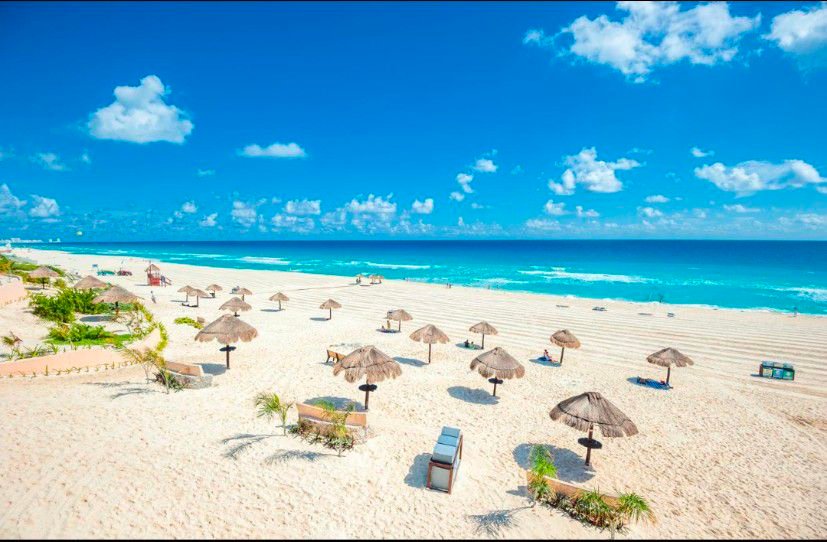
These months are attractive for exploring Cancún, the Riviera Maya and historic cities. December and January are popular holiday months, so book flights and accommodation early.
March to April — Best for outdoor activities
A good period for exploring Mexico City, archaeological sites and many coastal destinations. Easter holidays can bring heavy crowds and higher prices.
May to June — Best for flexible budgets
Temperatures can be high, especially inland and in the Yucatán Peninsula. Rain becomes more common in many areas, but some destinations offer better value than during peak winter.
July to October — Best for selected regional experiences
Expect humid weather and rain in many regions. This period can suit travelers who prefer fewer crowds, but tropical storms and hurricanes are important considerations on coastal routes.
Mexico weather by month
This is a general planning guide, not a destination-specific forecast. Local temperatures and rainfall vary significantly by altitude and coastline.
Month General conditions Best travel focus
January Generally dry in many regions Beaches, cities
February Dry, pleasant in many destinations Sightseeing, nature
March Warmer, usually good for outdoor trips Ruins, beaches
April Hotter in some regions Coastal holidays
May Often hot; rain begins in some areas Flexible itineraries
June Increasing rainfall in many areas Museums, food tours
July Hot and humid in tropical areas Selected beach and wildlife trips
August Rain and storm risks in coastal areas Flexible regional travel
September Wet in many areas; storm risk Cultural and indoor activities
October Conditions gradually improve in some areas Cities, autumn festivals
November Often drier; cultural events Food, culture, beaches
December Popular dry-season travel period Beaches and holiday trips
Mexico’s rainy season often falls between June and September, although patterns vary. The Atlantic and eastern Pacific hurricane seasons overlap with much of the warmer, wetter part of the year. Check local forecasts before booking excursions.
Why visit Mexico in 2026?

Mexico is an excellent destination for travelers interested in beaches, ancient civilizations, architecture, cuisine, nature and vibrant local traditions. You can spend one holiday swimming in Caribbean waters and another exploring archaeological ruins or tasting regional dishes.
Here are the main reasons to consider Mexico in 2026:
Natural beauty: Caribbean beaches, Pacific coastlines, mountains, cenotes and desert landscapes.
Ancient history: Maya archaeological sites, including Chichén Itzá and Tulum.
Culture: Historic city centers, traditional markets, music, museums and local festivals.
Food: Tacos, tamales, mole, regional seafood and many other specialties.
Travel variety: Luxury resorts, budget guesthouses, city breaks and outdoor adventures.
For the best experience, avoid treating the whole country as a single beach destination. Choose a region based on the season and allow enough time for travel between locations.
Best places to visit in Mexico
Cancún — Famous Caribbean beaches
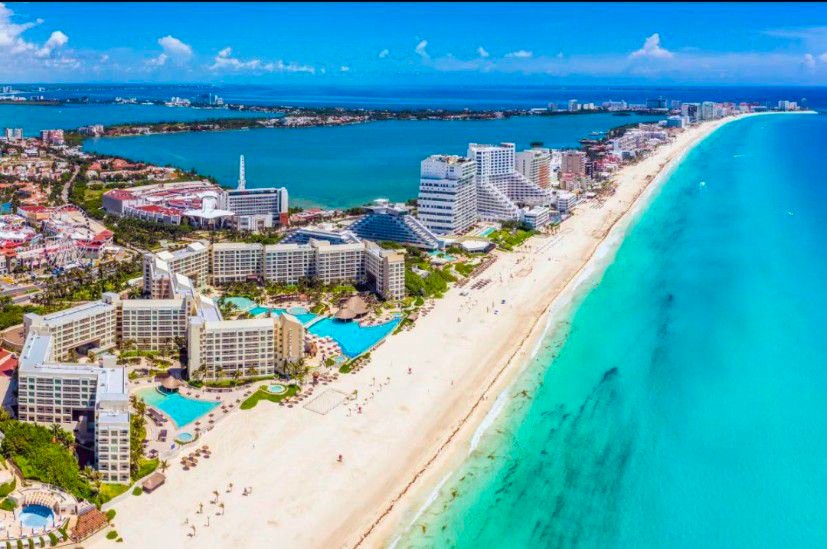
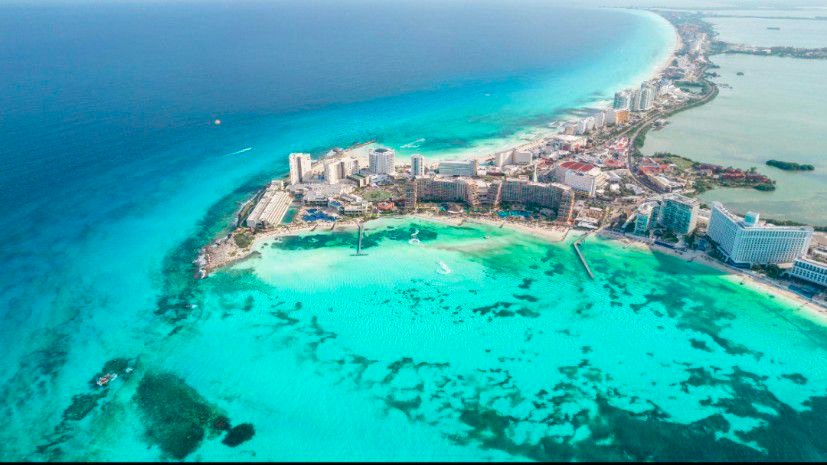
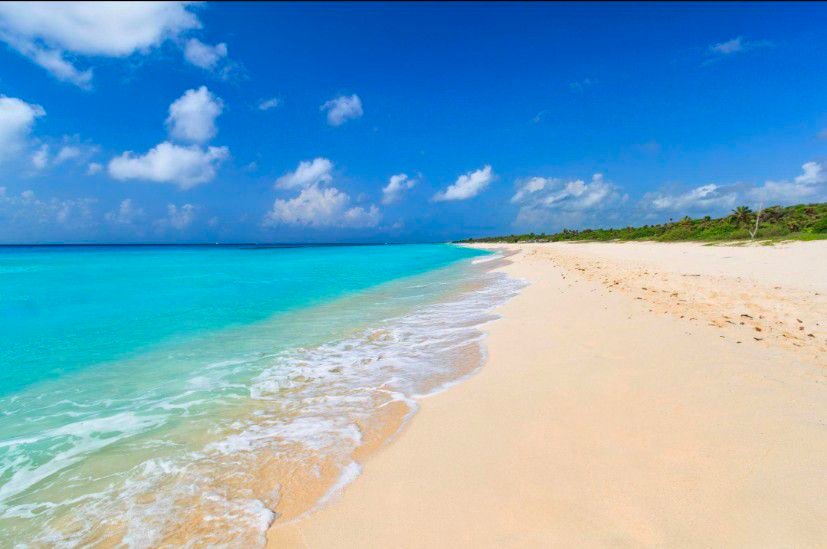
Cancún is one of Mexico’s best-known beach destinations. Its turquoise sea, white sand, resorts and access to nearby archaeological sites make it popular with first-time visitors.
Things to do in Cancún
Relax on public beaches and enjoy the Caribbean coastline.
Book a licensed snorkeling or boat excursion.
Explore local restaurants and markets.
Take a day trip to Isla Mujeres.
Visit nearby Maya cultural and archaeological attractions.
Best time: November to April for generally drier conditions, though weather can change at any time.
Travel tip: Compare hotel prices carefully. Resorts in the Hotel Zone can be considerably more expensive than accommodation in central Cancún.
5.2 Mexico City — History, museums and food

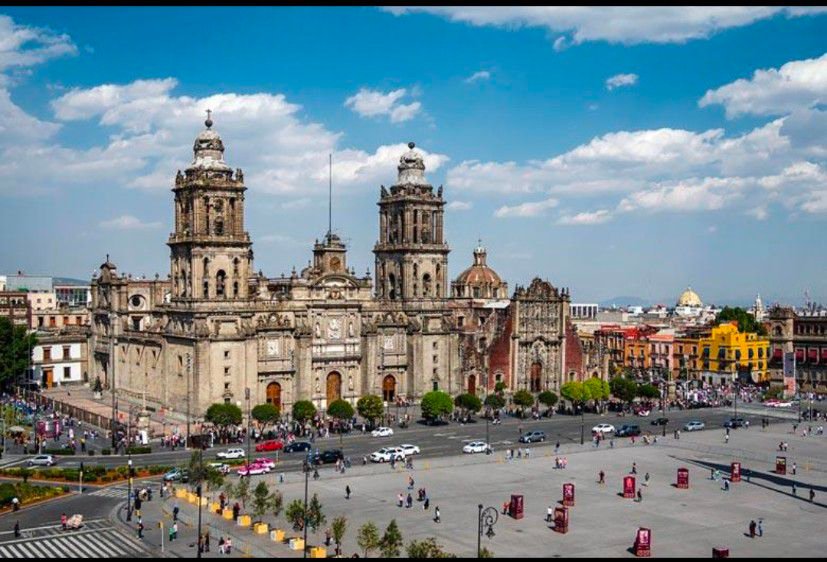
Mexico City combines historic architecture, modern neighborhoods, museums and an outstanding food scene. Its high elevation gives it a different climate from the country’s tropical coasts.
Top experiences
Explore the Zócalo and the Metropolitan Cathedral.
Visit the National Museum of Anthropology.
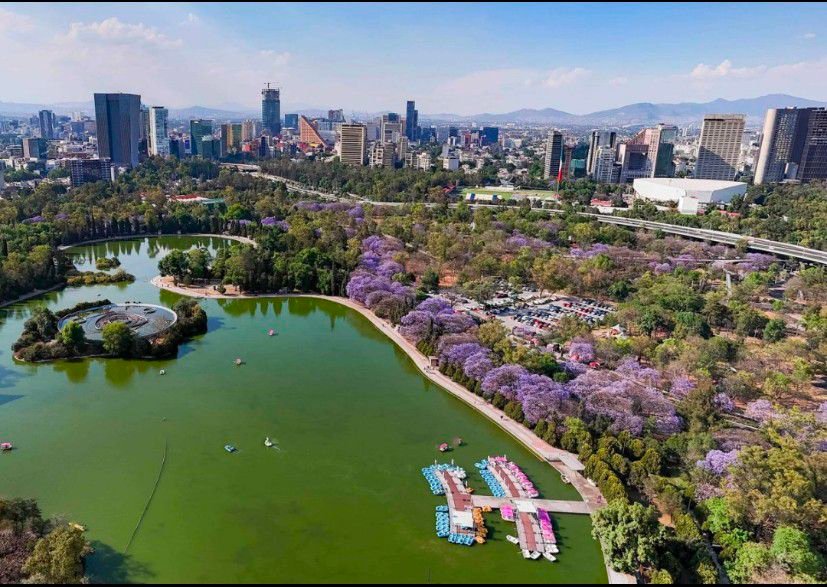
Walk through Chapultepec Park.
Discover the cafés, galleries and restaurants of Roma and Condesa.
Try local street food from reputable, busy vendors.
Best time: March to May or October to November can be pleasant for walking, although rain and temperature vary.
5.3 Chichén Itzá — Discover Maya history
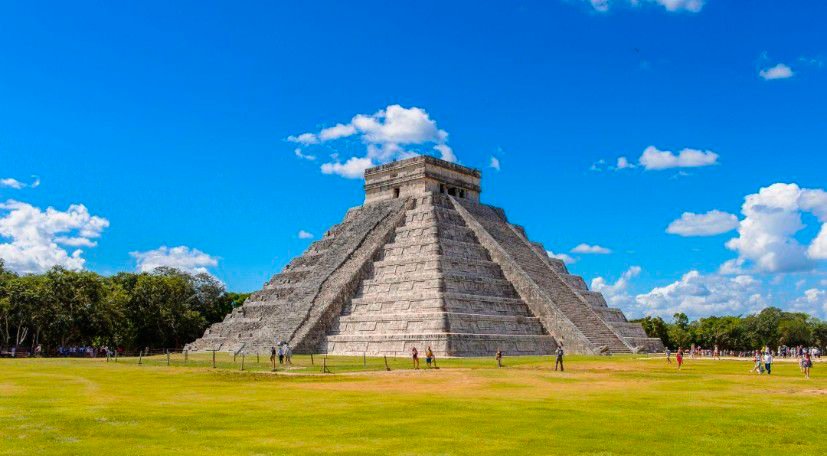
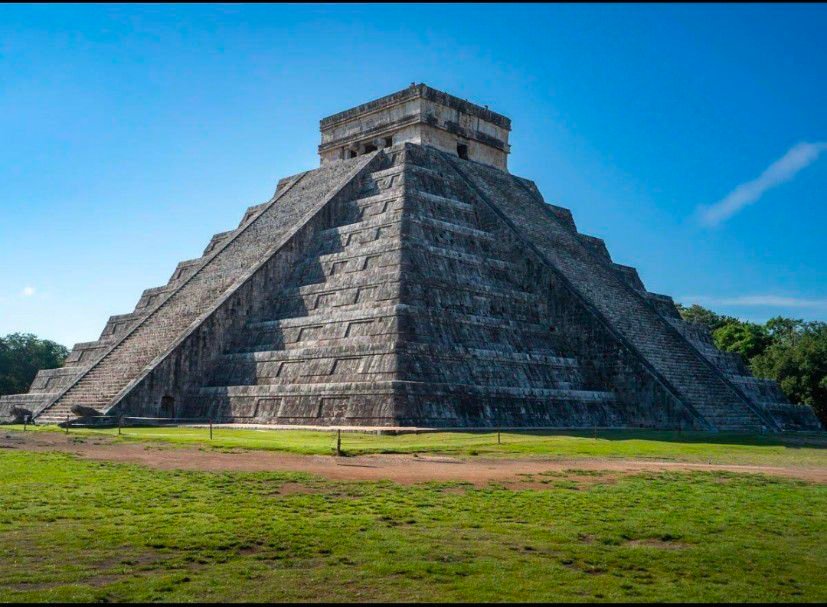
Chichén Itzá is one of Mexico’s most celebrated archaeological destinations. Its monumental stone architecture provides a window into Maya history and the wider cultural heritage of the Yucatán Peninsula.
What to know before visiting
Start early to avoid the strongest midday heat.
Wear comfortable walking shoes and sun protection.
Carry drinking water and follow site rules.
Consider a licensed guide if you want a deeper historical explanation.
Combine the trip with Valladolid or another nearby stop if time allows.
Best time: November to February can be more comfortable than the hottest months, but conditions depend on the day.
5.4 Tulum — Beaches and coastal ruins
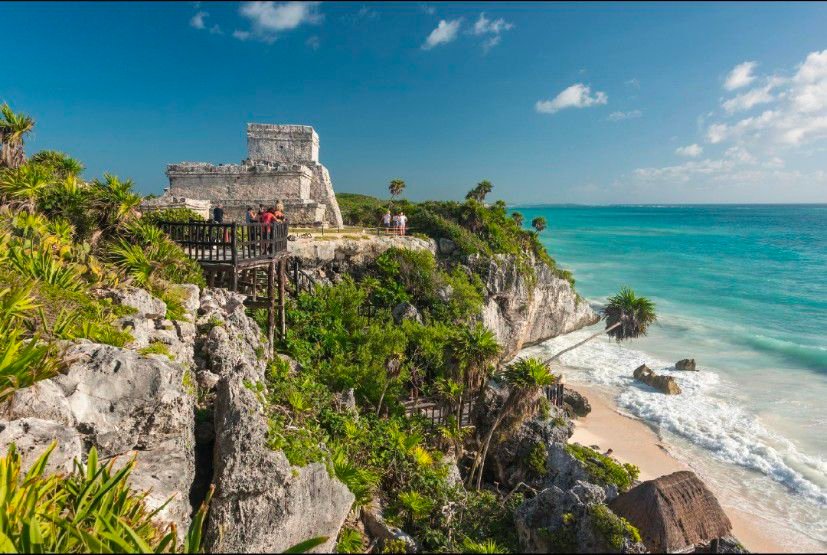
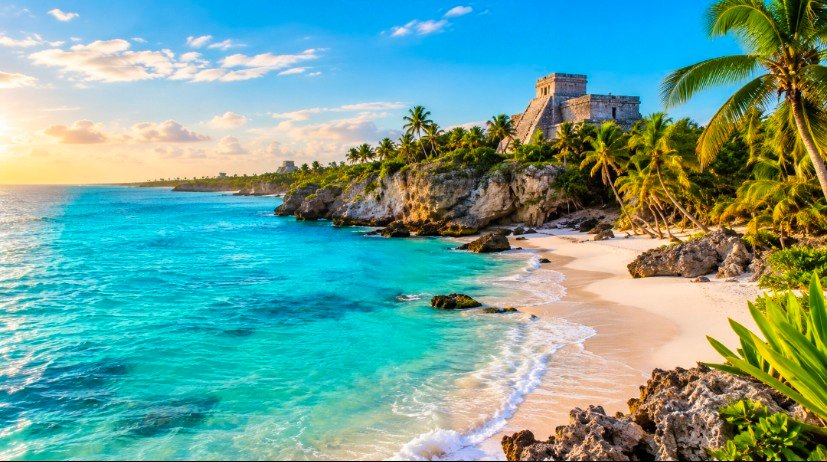
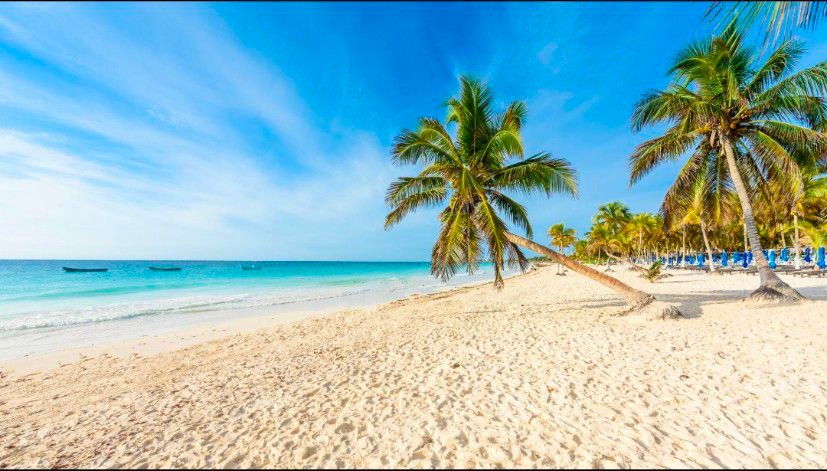
Tulum combines Caribbean beaches, a compact town, nearby cenotes and archaeological ruins overlooking the sea.
Top activities
Visit the coastal archaeological site.
Swim only in designated, safe areas.
Explore cenotes with approved operators.
Enjoy local Mexican food.
Allow time for beach conditions and road traffic.
Best time: November to April is often a good starting point for planning. During the warmer months, seaweed conditions can affect some beaches, and the amount varies from year to year.
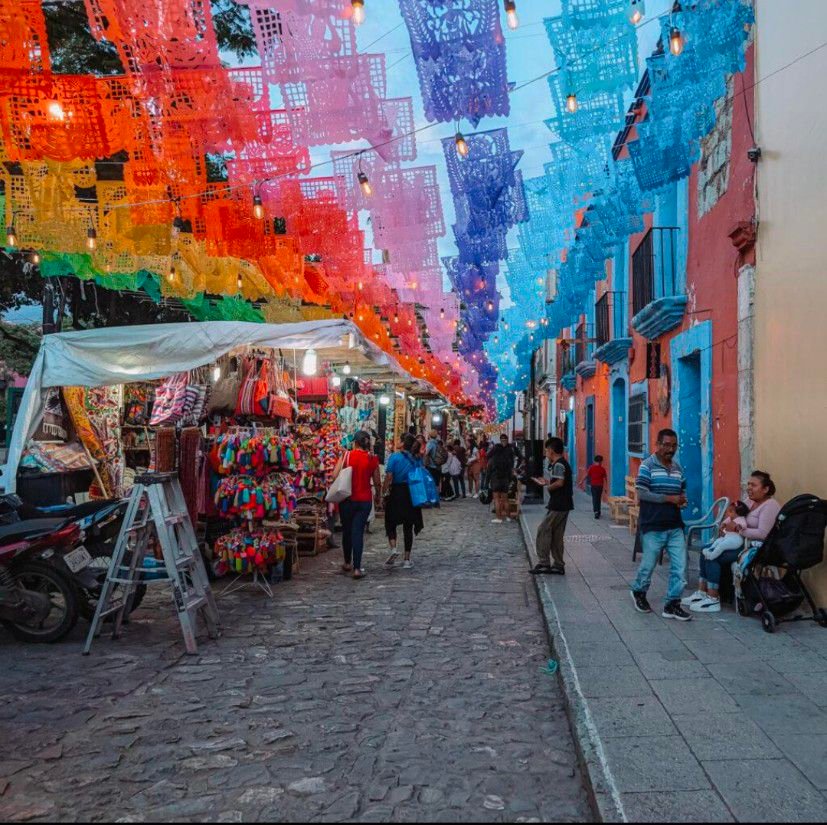
5.5 Oaxaca City — Food and traditions
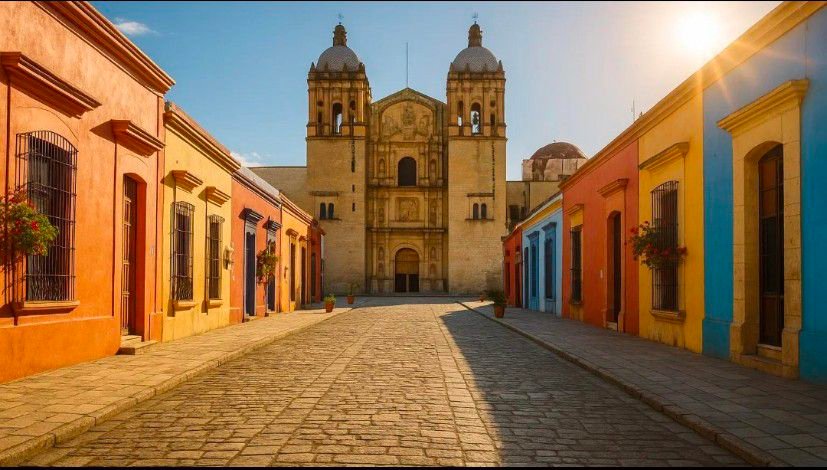
Oaxaca City is known for its cuisine, markets, colonial streets, crafts and strong Indigenous cultural traditions.
What to experience
Sample regional mole and tlayudas.
Browse local craft and food markets.
Visit the Santo Domingo cultural complex.
Take a guided trip to nearby archaeological or natural attractions.
Learn about local traditions respectfully through community-led experiences.
Best time: October and November are attractive for cultural travel, while weather and festival dates should be checked for the exact trip.
5.6 Playa del Carmen — Beaches and easy day trips
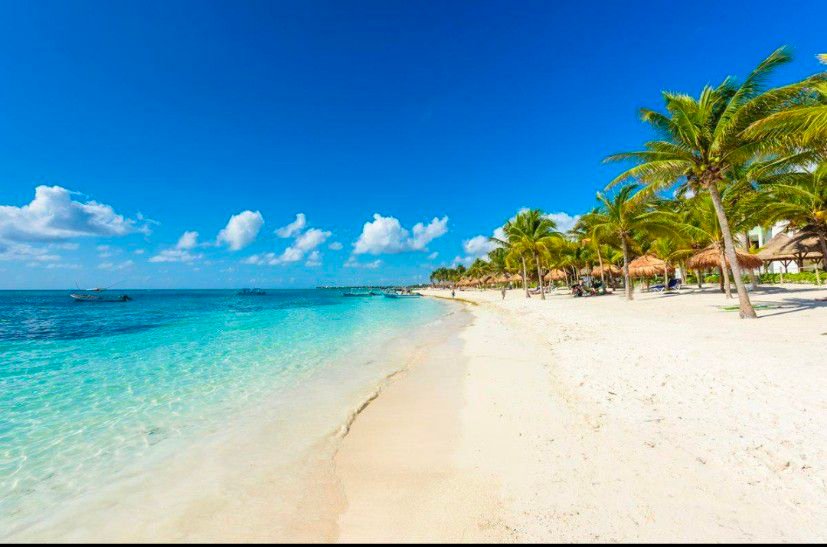
Playa del Carmen offers a beach-town atmosphere with restaurants, shops and access to excursions around the Riviera Maya.
Spend your time swimming where conditions permit, sampling regional cuisine, exploring nearby cenotes and arranging a day trip to Cozumel. Check boat schedules and sea conditions before traveling.
5.7 Puerto Vallarta — Pacific coast charm

Puerto Vallarta offers Pacific beaches, a waterfront promenade, surrounding hills and a lively food scene.
Walk along the Malecón, explore local neighborhoods, book reputable boat trips and enjoy sunset views. December to March is a popular period for whale-watching excursions in the wider region, subject to migration timing and licensed operators.
5.8 Los Cabos — Desert meets the sea
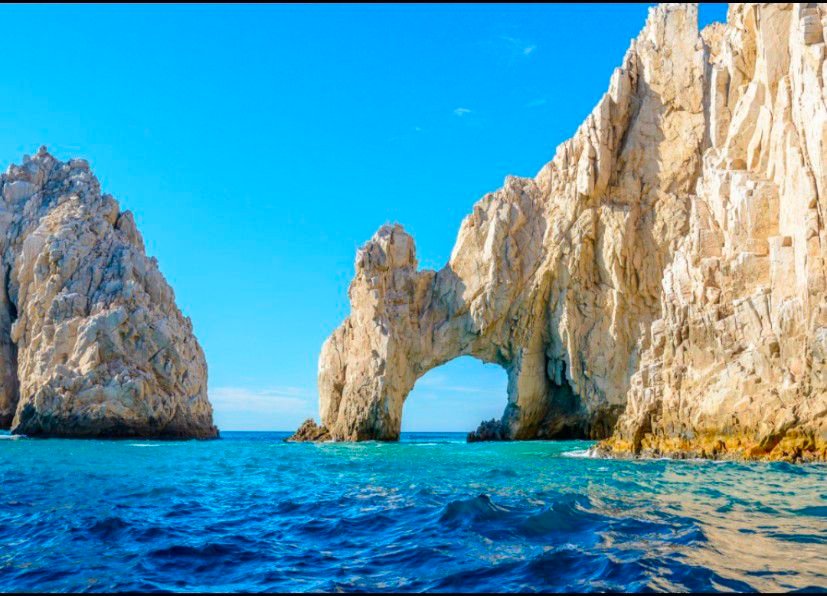
Los Cabos is known for dramatic rock formations, luxury resorts, desert scenery and marine excursions.
Boat trips to the famous El Arco formation are popular. Swimming is not safe at every beach because currents and surf can be powerful, so follow posted warnings and local advice.
5.9 Guanajuato — Colorful colonial streets

Guanajuato is celebrated for colorful hillside buildings, historic plazas, narrow lanes and underground roadways.
It can be rewarding for architecture, photography and walking tours. Because safety conditions can vary by location, review current official travel advice before deciding on a route through the state.
5.10 Valladolid — A relaxed Yucatán base
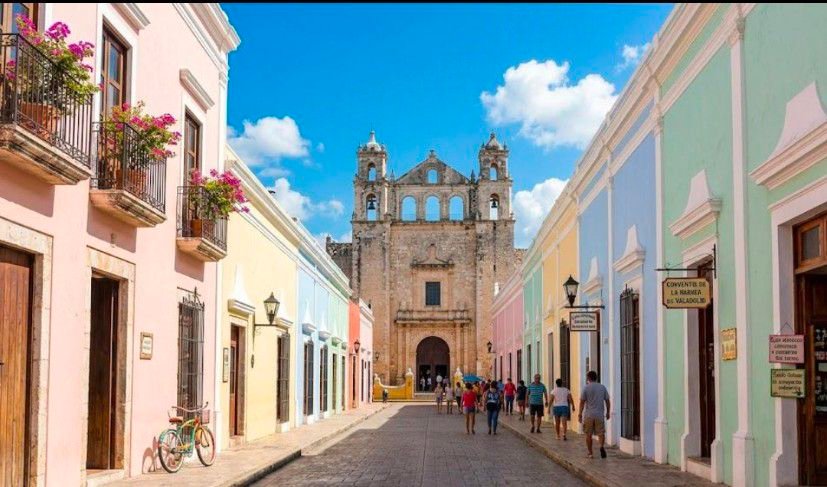
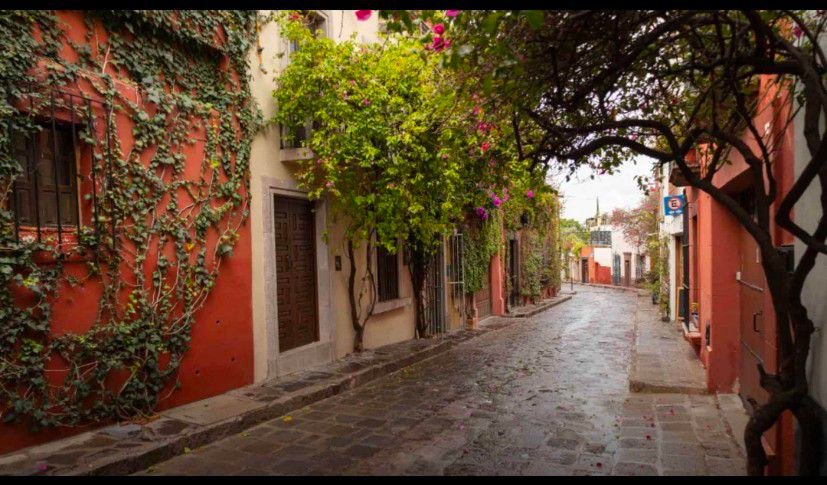
Valladolid is a useful base for travelers exploring the Yucatán Peninsula. It offers colorful streets, regional food and access to several nearby attractions.
Plan excursions around opening times, transport availability and the heat. If you intend to swim in a cenote, use designated access points and follow local safety rules.
How to explore Mexico in 2026: A complete travel plan
The easiest way to explore Mexico is to choose one main region rather than attempting to visit the entire country in a short holiday. Domestic flights can save time over long distances, while buses and local transport may be useful for shorter routes.
Suggested 10-day Mexico itinerary
Days 1–3: Mexico City
Explore the historic center, visit a major museum, sample local food and discover neighborhoods such as Roma and Condesa. Allow time to adjust to the altitude.
Days 4–5: Yucatán Peninsula
Fly to the Cancún area and arrange a trip to Chichén Itzá, ideally with an overnight stay in Valladolid if it fits your transport plan.
Days 6–8: Tulum or Playa del Carmen
Enjoy beaches, local food and a guided cenote visit. Keep outdoor activities flexible if heavy rain or strong winds are forecast.
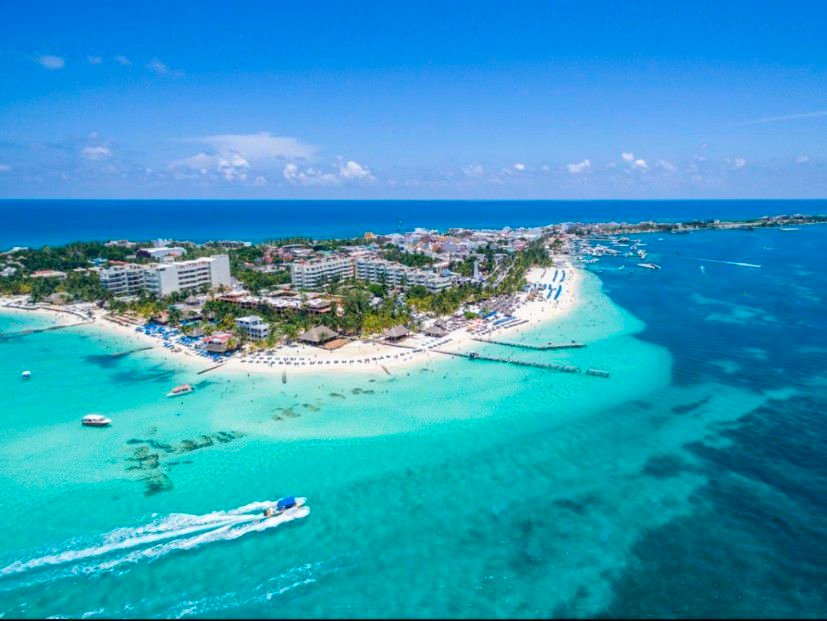
Days 9–10: Cancún or Isla Mujeres
Spend your final days relaxing by the sea, taking a suitable boat trip or shopping for souvenirs. Return to your departure airport with enough time for check-in.
This itinerary involves a domestic flight and several transfers. Check actual travel times and costs before booking. For a slower, more economical trip, spend all ten days in Mexico City and the surrounding central region, or stay within the Yucatán Peninsula.
Estimated Mexico travel budget for 2026
Your total budget depends on your departure country, travel dates, accommodation, exchange rates and activities. The following are illustrative planning estimates, not live quotes.
Expense Budget traveler Mid-range traveler
Accommodation per night US$20–50 US$70–160
Food per day US$10–25 US$25–55
Local transport per day US$5–15 US$15–35
Activities per day US$10–30 US$30–80
Daily total US$45–120 US$140–330
Flights, travel insurance, visas where applicable, international transfers and expensive resort activities are not included. Resort destinations such as Cancún and Los Cabos may cost substantially more than these ranges, particularly during holidays.
How to save money in Mexico
Book flights and accommodation early for popular holiday periods.
Compare hotels with reputable guesthouses and centrally located accommodation.
Eat at busy local restaurants where prices are clearly displayed.
Use authorized public transport where appropriate.
Group nearby attractions together to reduce transfer costs.
Check whether entrance fees, transport and guide services are included in tour prices.
Keep an emergency fund for unexpected changes.
Travelers arriving from India should calculate their budget in Indian rupees using the current exchange rate rather than relying on an old conversion.
Best time to visit Mexico by travel style
Travel goal Suggested period Important consideration
Caribbean beaches November–April Peak-season prices and crowds
Historic cities October–April Cooler evenings at higher elevations
Budget travel May–June or selected autumn weeks Heat, rain and storm risk
Maya archaeological sites November–February Start early to avoid heat
Whale watching in Baja Generally winter to early spring Confirm local season and operators
Cultural festivals Dates vary throughout the year Check the destination’s official calendar
Outdoor adventures Spring or autumn in many inland regions Conditions vary by altitude and region
These are broad seasonal suggestions, not guarantees. Mexico’s official tourism climate guide explains the major differences between tropical coastal areas, northern deserts and central highlands.
Mexican food every traveler should try
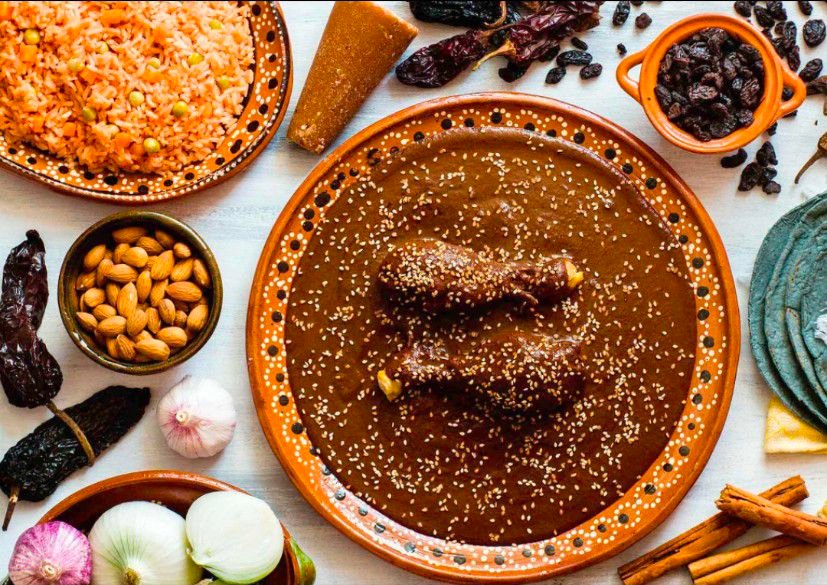

Mexican cuisine is one of the highlights of a visit. Recipes vary between states, so try regional dishes rather than expecting every restaurant to serve the same menu.
Tacos: Tortillas filled with meat, vegetables or other ingredients, often served with salsa.
Tamales: Corn-based dough cooked in a wrapping, with regional variations in fillings and seasoning.
Mole: A complex sauce with ingredients that can include chilies, spices, nuts and seeds.
Tlayudas: A well-known Oaxacan specialty made with a large, crisp or toasted tortilla and various toppings.
Pozole: A traditional soup or stew made with hominy and a range of regional accompaniments.
Fresh seafood: Particularly popular in many coastal destinations.
Drink bottled or properly treated water when the local water supply is not confirmed safe for visitors. Choose clean food stalls and restaurants, and take care with food that has been left unrefrigerated in hot weather.
Where to stay in Mexico
The best area depends on the purpose of your trip.
For first-time visitors: Mexico City offers museums, historic architecture and extensive food options. In Cancún, the Hotel Zone suits resort-style holidays, while central Cancún can provide different accommodation choices.
For beach lovers: Compare Cancún, Playa del Carmen, Tulum, Puerto Vallarta and Los Cabos. Look beyond photographs to check beach access, sea conditions, transport and the full price of the stay.
For culture-focused trips: Oaxaca City and Mexico City are useful bases for museums, local markets, architecture and guided cultural experiences.
For archaeological travel: Consider where you will stay in relation to Chichén Itzá and other sites. Valladolid can be a convenient base for some Yucatán itineraries.
Before booking, read recent reviews, confirm the cancellation policy, check transport options after dark and verify the exact location. A low room rate may not be good value if it requires expensive transfers every day.
Getting around Mexico
Mexico is a large country, so transport planning can make a significant difference to the quality of your holiday.
Domestic flights
Flights can be useful when traveling between distant regions, such as Mexico City and the Yucatán Peninsula. Compare baggage fees, airport transfer costs and total journey time, not just the advertised fare.
Intercity buses
Long-distance buses serve many routes. Choose established operators, check the departure terminal and book directly through a verified provider when possible.
Local transport
In cities, use official transport systems or reputable ride-hailing and taxi options where available. Verify the vehicle and driver details before getting in.
Rental cars
A car can provide flexibility in some regions, but research road conditions, insurance, tolls, parking and local safety advice first. Avoid unfamiliar routes at night, and never leave valuables visible in a parked vehicle.
Guided excursions
Guided trips can be useful for archaeological sites, nature reserves and activities involving water or remote locations. Confirm what the fee includes and use properly licensed operators.
Mexico visa and entry requirements for Indian travelers
If you are traveling from India, check Mexico’s current entry requirements before purchasing non-refundable tickets. Visa requirements depend on nationality, passport type, purpose of travel and any qualifying visas or residence permits you may hold.
Before departure:
Check the official Mexican embassy or consular website for the requirements applicable to Indian passport holders.
Confirm whether you need a Mexican visa or qualify for an exemption under the rules currently in force.
Ensure your passport meets applicable validity and condition requirements.
Carry accommodation details, return or onward travel information and evidence of sufficient funds if required.
Confirm any transit visa requirements for countries through which you will travel.
Do not assume that a visa for another country automatically allows entry to Mexico. Requirements can change, so verify them through an official source shortly before travel.
Safety tips for visiting Mexico in 2026
Mexico offers many rewarding travel experiences, but safety conditions vary by state, city and neighborhood. Check the latest official travel advice for each destination before confirming your itinerary. Some areas have significantly higher risks than others.
Follow these practical precautions:
Stay in accommodation with recent, credible reviews and reliable access.
Use authorized transport and avoid accepting unsolicited rides.
Keep your passport secure and carry a copy when appropriate.
Avoid displaying expensive phones, jewelry or large amounts of cash in public.
Be cautious when using ATMs and choose secure locations.
Share your itinerary with someone you trust.
Check weather warnings before boat trips, hikes or beach activities.
Follow beach flags and lifeguard instructions.
Avoid isolated places at night and follow local advice about neighborhoods and roads.
Save local emergency contacts and your travel insurer’s details.
Mexico’s emergency number is 911. Review the official travel advisory for your nationality, as recommendations can differ between governments
Frequently asked questions about Mexico
November through April is generally a good period for many popular destinations because conditions are often drier. The best month depends on your destination, budget and activities.
Q2. Which month is cheapest to visit Mexico?
May, June and selected weeks from September to November may offer better prices in some destinations. Compare current fares and hotel rates because festivals, weather and local holidays can change costs.
Q3. Is November a good month to visit Mexico?
Yes. November is often a good time for cultural trips and beach holidays as conditions become drier in many regions. It is also a popular month for Día de Muertos celebrations, particularly in Oaxaca, where you should check event dates and accommodation availability.
Q4. How many days are enough to explore Mexico?
Seven to ten days can be enough for one region or a focused first trip. Two weeks or longer gives you more flexibility to combine cities, archaeological sites and beaches without rushing.
Q5. What are the best places to visit in Mexico for first-time travelers?
Mexico City, Cancún, the Riviera Maya, Chichén Itzá and Oaxaca are useful starting points, depending on your interests and current safety advice.
Q6. Is Mexico expensive for tourists?
Mexico offers a wide range of prices. Budget guesthouses, local restaurants and public transport can reduce costs, while beachfront resorts, private tours and peak-season travel can be expensive.
Q7. Is Mexico safe for tourists in 2026?
Safety varies considerably by location. Review current official travel advisories, use reputable transport, protect your valuables and avoid areas subject to specific warnings.
Q8. What is Mexico’s rainy season?
Many regions experience a wetter season from roughly June to September, but timing and rainfall vary by region. Tropical storm and hurricane risks should also be considered for coastal travel.
Q9. What currency is used in Mexico?
Mexico uses the Mexican peso (MXN). Check the current exchange rate and any foreign transaction fees before your trip.
Q10. Do Indian citizens need a visa for Mexico?
Indian travelers should verify the current Mexican visa and entry rules for their exact circumstances through official Mexican consular sources before booking.
Q11. What should I wear in Mexico?
Lightweight clothing is useful in warm coastal areas. Bring comfortable shoes, sun protection and a light jacket for cooler evenings in higher-altitude cities.
Q12. Can I visit Mexico on a budget?
Yes. Stay in affordable accommodation, travel outside peak holiday periods, compare transport options and plan activities around a single region to reduce unnecessary transfers.
Conclusion: Plan your Mexico trip in 2026
Mexico is a diverse destination where beaches, ancient Maya heritage, colonial cities, regional food and natural landscapes can all form part of an unforgettable holiday. For many travelers, November to April is a practical starting point, but choosing the right region is just as important as choosing the right month.
Plan your itinerary around the experiences you value most, book popular accommodation in advance, check current entry rules and use official safety advice to make informed decisions. A well-planned trip can help you experience more of Mexico without overspending or rushing between distant destinations.
For readers of Rahulblogwl.com, the main takeaway is simple: choose the season for your destination, plan around local conditions and leave room to experience Mexico beyond its famous beaches.
Leave a Reply